


There was a time when Las Vegas had a quiet, unwritten promise with every visitor who walked through its doors. Eat cheap. Gamble long. Go home broke but full. That deal was real, and for decades it defined the city’s relationship with food as much as anything else.
But that Las Vegas is disappearing, plate by plate. Today the neon still burns, the slots still chime, and the steak dinners still exist – but finding a true bargain means knowing where to look, and honestly, being willing to wander well off the Strip. Let’s dive in.
The $1 Buffet That Started Everything

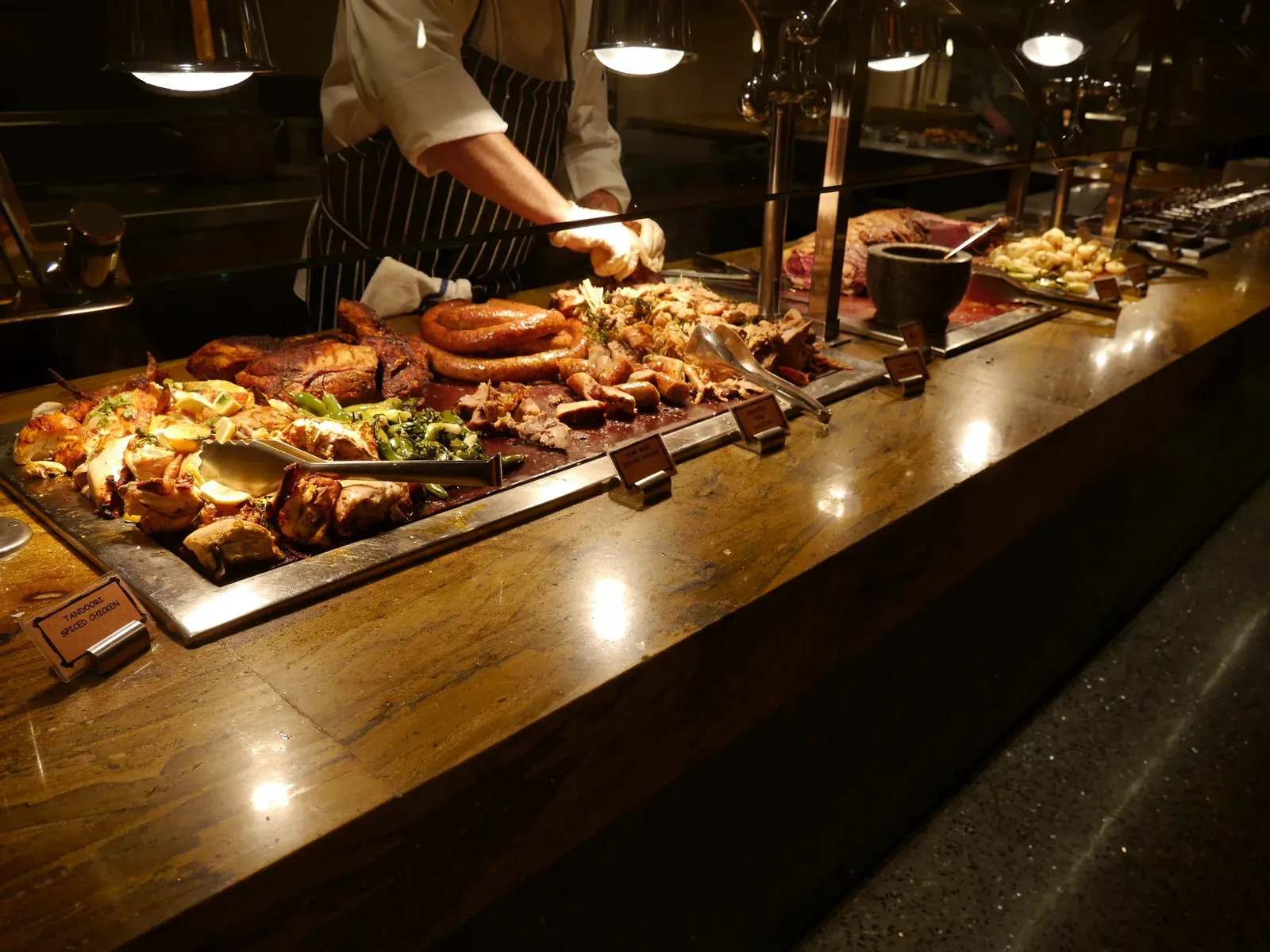
The El Rancho Vegas launched the first buffet in Las Vegas. In an effort to keep patrons in the casino after the late headliner show, owner Beldon Katleman inaugurated the “chuck wagon,” calling it the Buckaroo Buffet. It featured a simple array of cold cuts and a few hot dishes. The rock-bottom loss-leader price? One dollar.
When the fixed-price all-you-can-eat midnight feast proved to be a roaring success, it was quickly adopted by operators all over town, keen to keep hungry patrons gambling on the graveyard shift without having to cover the expense of a full-service restaurant. Think about that for a second. A whole city built a dining philosophy around feeding you just enough to keep you at the tables. That’s not hospitality. That’s genius.
The “Loss Leader” Strategy That Defined Vegas Dining

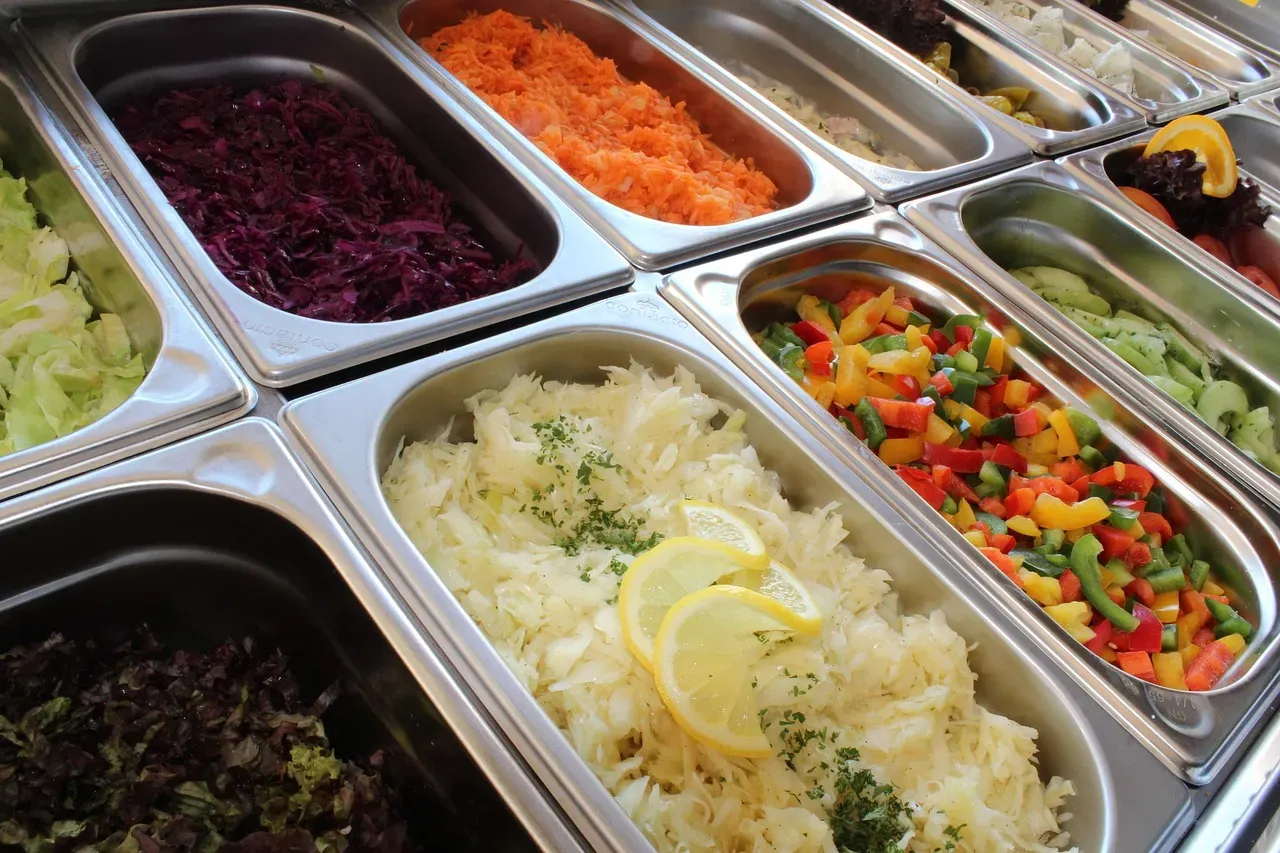
Traditionally, cheap buffets in Las Vegas have served as loss leaders: their purpose wasn’t to be profitable but instead to draw in diners who hopefully would stick around to gamble. Inexpensive buffets were marketed to attract people to come in, then stay and gamble after eating. It’s the same logic as the free sample table at the grocery store, just with prime rib instead of crackers.
Loss leaders are meals and deals sponsored specifically by the casino in order to attract players, and since independent restaurants don’t benefit directly from casino promotions, they have little to no incentive to supply the landlord with gamblers. That shift – from casino-owned restaurants to independent operators renting space – is one of the most underappreciated reasons why cheap steak dinners became so rare.
When Gambling Revenue Stopped Paying for Your Dinner

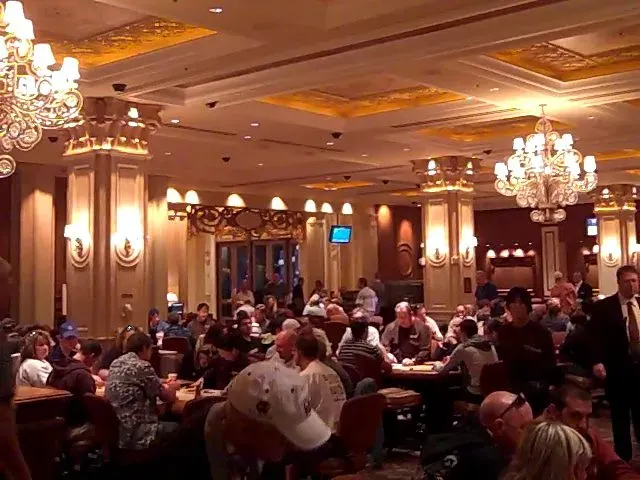
By the ’90s, largely thanks to a revolution ushered in by Steve Wynn’s Mirage in 1989, it was dining and entertainment that provided roughly three-quarters of a typical Las Vegas casino’s revenue, while gambling had shrunk to the remaining quarter. Once that happened, every dollar spent on a cheap steak felt less like an investment and more like a liability.
Non-gaming revenue such as dining now eclipses casino revenue by upwards of 64 percent to 35 percent. Strip resorts have become a haven for Michelin-starred restaurants and high-priced dining attractions headed by celebrity chefs. Las Vegas is viewed as a travel destination for “foodies,” whose primary reason for visiting a Strip resort is the dining aspect. The city reinvented itself, and the cheap steak was the casualty nobody bothered to mourn.
The Great Buffet Die-Off
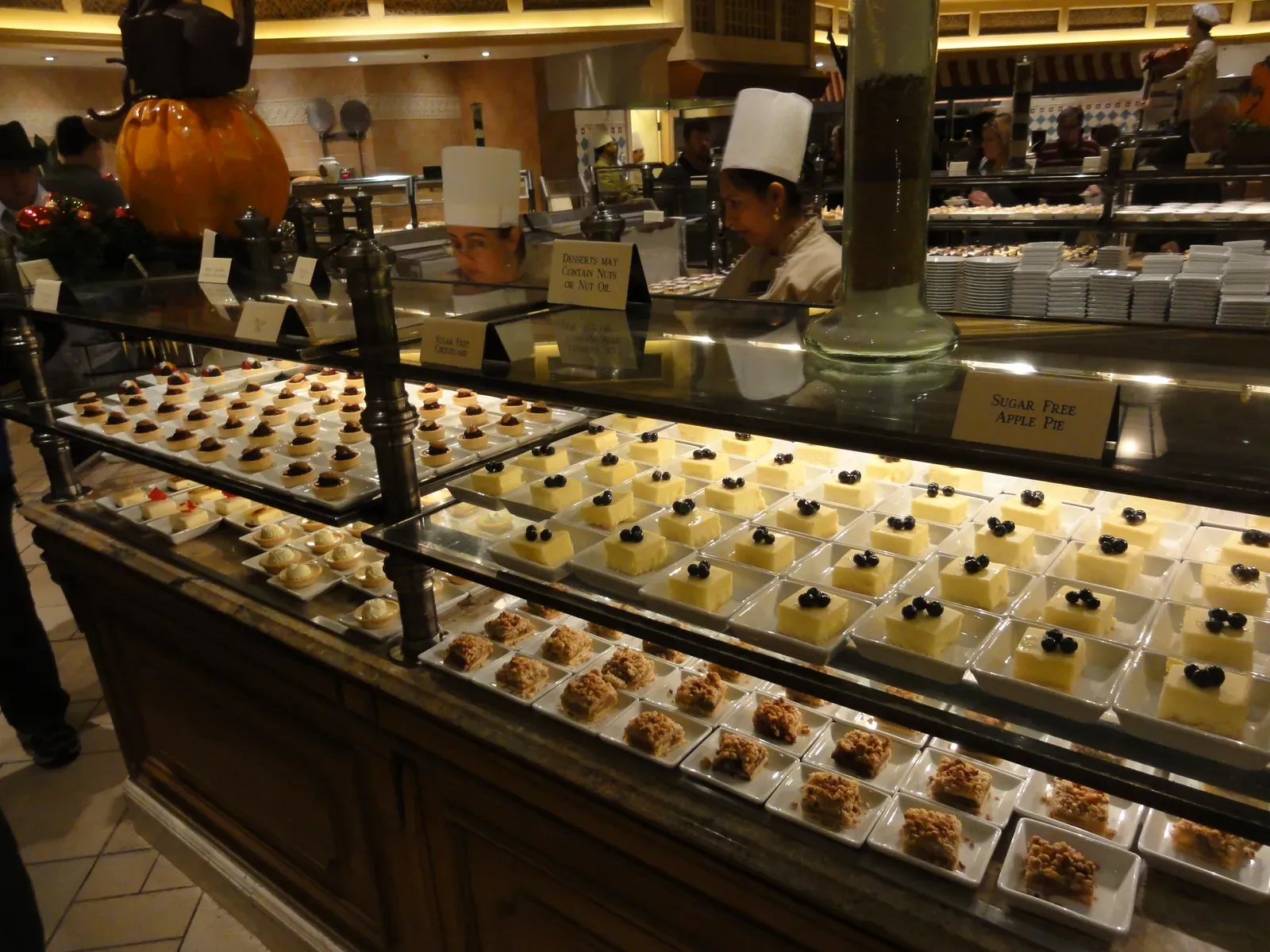
The old Las Vegas buffets didn’t make much money, but they allowed people to eat cheaply and quickly, giving them more time to spend on the casino floor. The number of buffets has dwindled to around a dozen on the Las Vegas Strip. Many shuttered during the COVID-19 pandemic and elected not to reopen with rising prices.
Out of 70 buffets, only a baker’s dozen returned after the shutdown – certainly an indication that the casinos were ready, willing, and eager to dump them, especially when most of their competitors were doing the same. Eighty years after the first Las Vegas buffet opened with the $1 western-themed Buckaroo Buffet, visitors today can drop $175 on luxury buffets with lobster tail, prime rib, and limitless drinks. That price jump tells you everything.
Beef Prices: The Brutal Reality Behind Every Menu

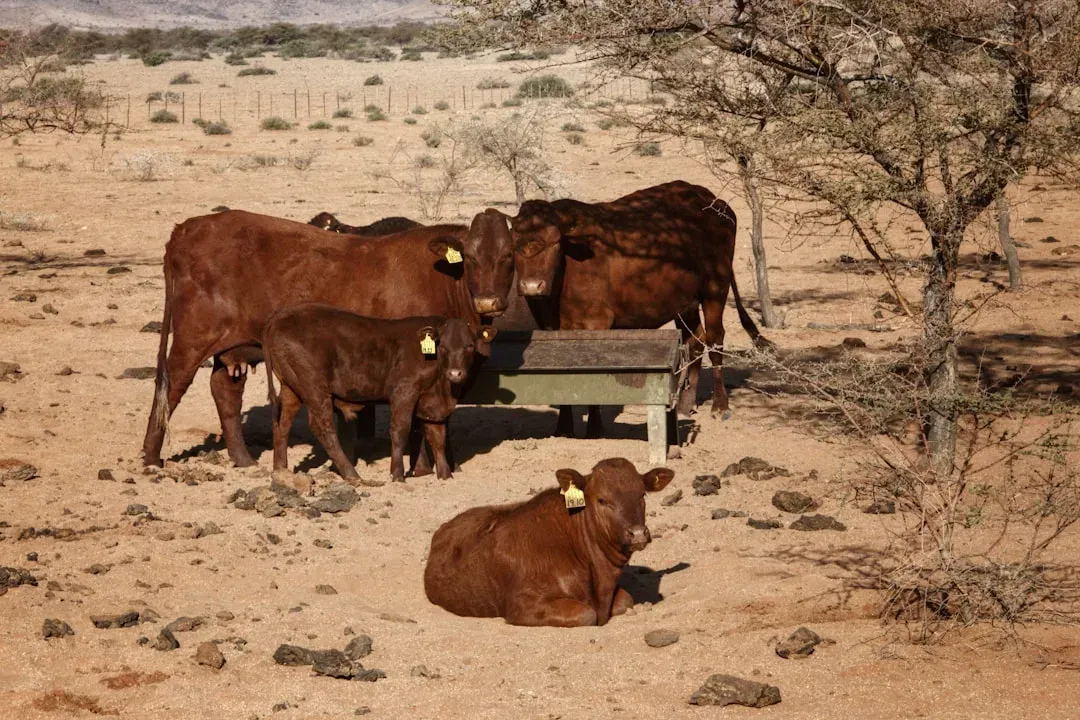
The price of beef is at a record high in America as cattle inventory hits its lowest point in nearly 75 years. High beef prices are mainly driven by reduced national cattle inventories, which are at their lowest in decades due to drought-related herd reductions. Restaurants can’t absorb costs like that and keep prices low. Something has to give.
Ground beef reached US$6.69 per pound in December 2025, a 72% increase since 2020. The USDA’s Food Price Outlook, updated in January 2026, projects farm-level cattle prices will increase a further 6.1% this year, following a 20.8% rise in 2025. Wholesale beef prices are expected to rise 6.9% in 2026, after gaining 13.9% last year. If you’ve been wondering why your steak bill keeps climbing, now you know. It’s not just Vegas. It’s the whole country.
Ellis Island: The Last Real Deal in Town

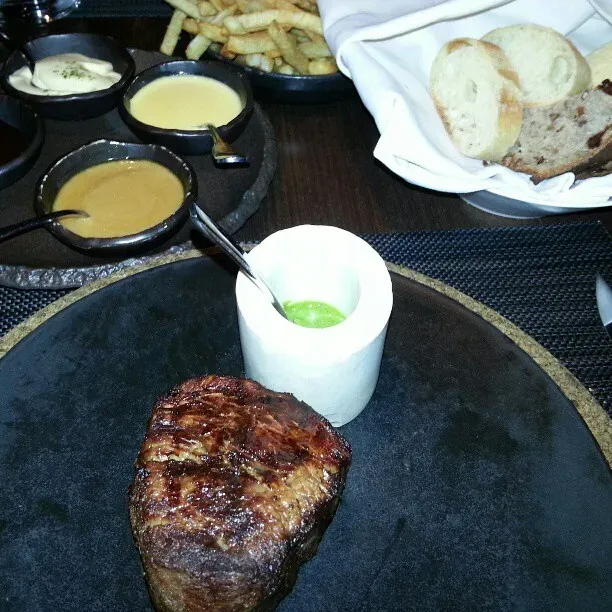
Here’s the thing – the legendary $5 steak is more myth than fact in 2026, but its spiritual successor is still alive, just a short walk from the Strip. Ellis Island Casino satisfies 24/7 cravings with its famous $9.99 Steak Special at unbeatable prices. Ellis Island Casino, Hotel, and Brewery has been the best kept secret in Las Vegas since 1968, a family-owned casino that offers a place to eat, drink, sing, sleep, and play within walking distance of the Las Vegas Strip.
The restaurant’s famous $9.99 Filet-Cut Top Sirloin Steak special is not even on the menu – you just ask your server or bartender, and redeem the offer with a “Play $5, Get $2” coupon available at the kiosk when you play $5 with a Passport Players Club card. I know it sounds crazy, but that’s Vegas logic: play a little, eat well. The deal is real, you just have to know to ask.
Jackson’s Bar and the $22 Ribeye

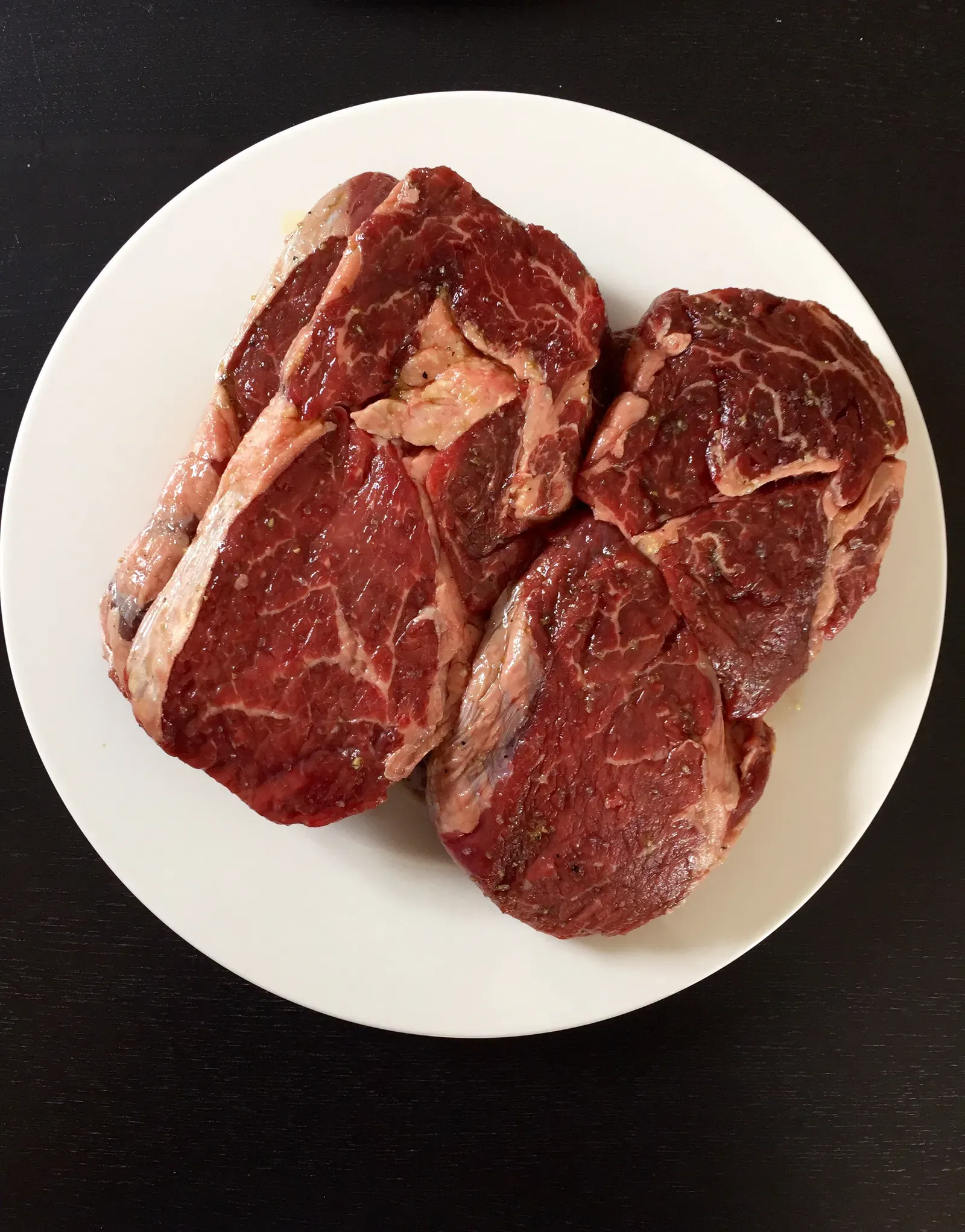
Three Las Vegas restaurants serve quality steaks for $30 or less. Jackson’s Bar and Grill has a $22 ribeye deal, while John Cutter Grill and Tavern offers a half-price special on Sundays. Is $22 cheap? Not by absolute standards. Still, compared to what a Strip steakhouse will charge you – often well north of $60 for a single cut – it’s practically a steal.
The broader pattern here matters. These deals exist on specific days, at specific spots, and they require you to know about them in advance. Venture beyond the neon for even better value, as off-Strip spots offer the best cheap restaurants with larger portions and local flavor. Honest advice, honestly earned. The savings are real the moment you step off the tourist path.
The Off-Strip Secret: Locals’ Casinos Still Deliver
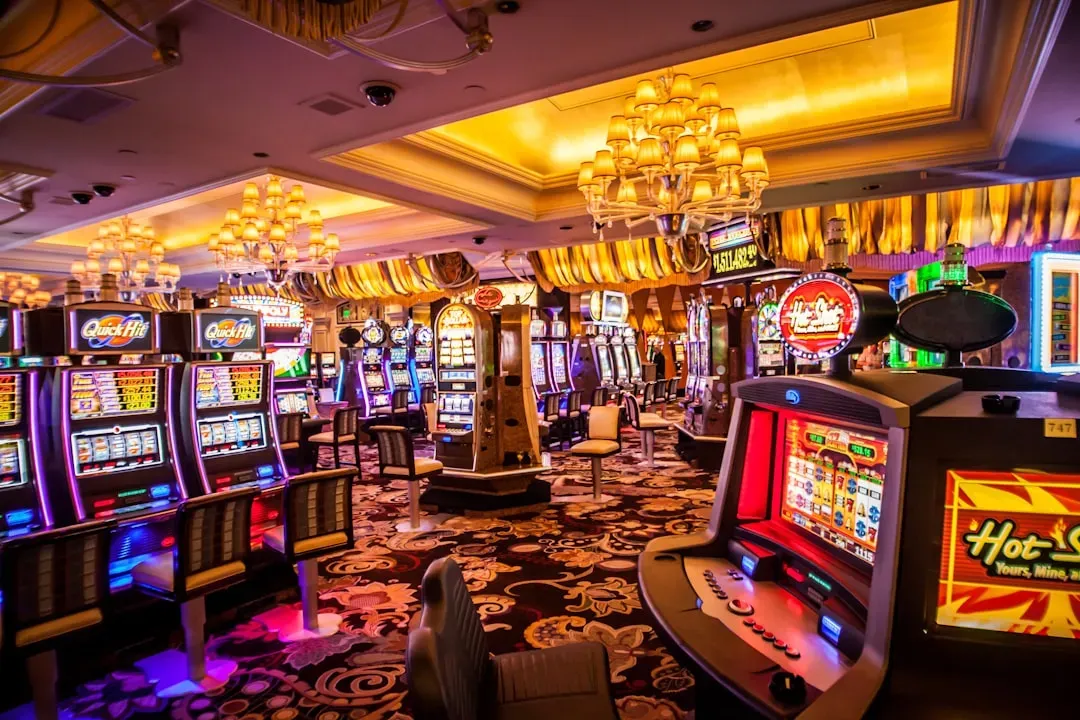
To get a good quality meal at a steakhouse for a reasonable price, you need to go off-strip or downtown. Vegas locals have known this for years, and it’s one of those truths that every first-time visitor eventually discovers – usually after one too many $85 Strip dinners. With old Vegas charm and off-strip value, Ellis Island has become a mainstay favorite for Las Vegas locals and visiting guests alike.
Places like Station Casinos properties, the Gold Coast, and neighborhood joints have quietly kept the tradition of affordable dining alive throughout years of Strip inflation. There are still plenty of loss leaders in Las Vegas – including the steak dinner at Ellis Island – along with deals like the South Point hot dog, Skyline shrimp cocktail, and breakfast at Arizona Charlie’s. It’s a scavenger hunt, but the prizes are worth finding.
Why the “Hidden Deal” Culture Is Here to Stay – For Now


According to long-time casino industry observer Jeffrey Compton, advanced player tracking is a major reason deals have shrunk. Casinos can now target whom to send offers to, especially people who stay and play versus those who just take advantage of the offer and leave. The era of walking in cold and grabbing a cheap steak is largely over. These days, the deal finds you – if you’re a player.
Another reason for fewer deals is the increased cost of food labor. Most of the casinos in Las Vegas are under Culinary Union contracts, and while the union has done an excellent job in getting members better wages and benefits, the effect on the casino’s bottom line over the past two decades has been substantial. Higher wages are good. Fewer cheap steaks are a trade-off. Such is life in 2026.
What “Cheap Eats” Means in Vegas Today

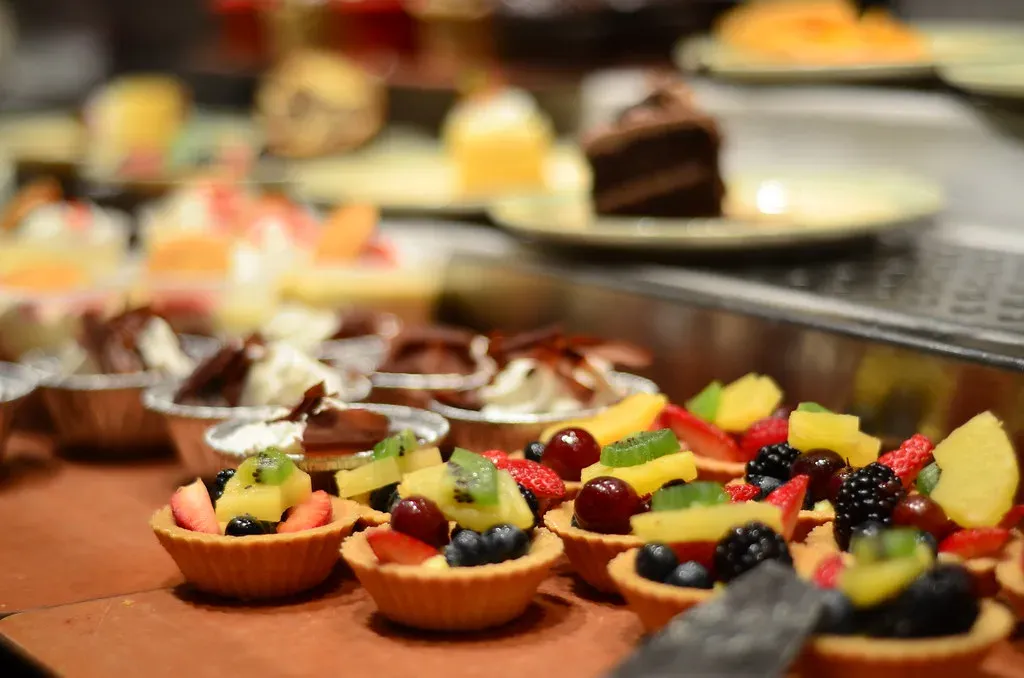
Let’s be real: a $5 steak in Las Vegas in 2026 does not exist the way Vegas mythology suggests it does. Many of the city’s old-school buffets have been replaced by trendy food halls and pricey celebrity chef-driven restaurants, and the so-called luxury buffet has become an attraction in and of itself. The rise of Las Vegas as a foodie town drove demands for higher quality dining.
Still, affordable options haven’t vanished entirely. Ellis Island Hotel is famous for its $9.99 steak dinner special, complete with sides and a beer. You get a juicy cut grilled to order, making it one of the best budget restaurants in Las Vegas. It’s just a short walk from the Strip but feels worlds away in price. That short walk might be the most valuable few minutes of your entire Vegas trip.
Conclusion: The Spirit of the Cheap Steak Lives On, Barely
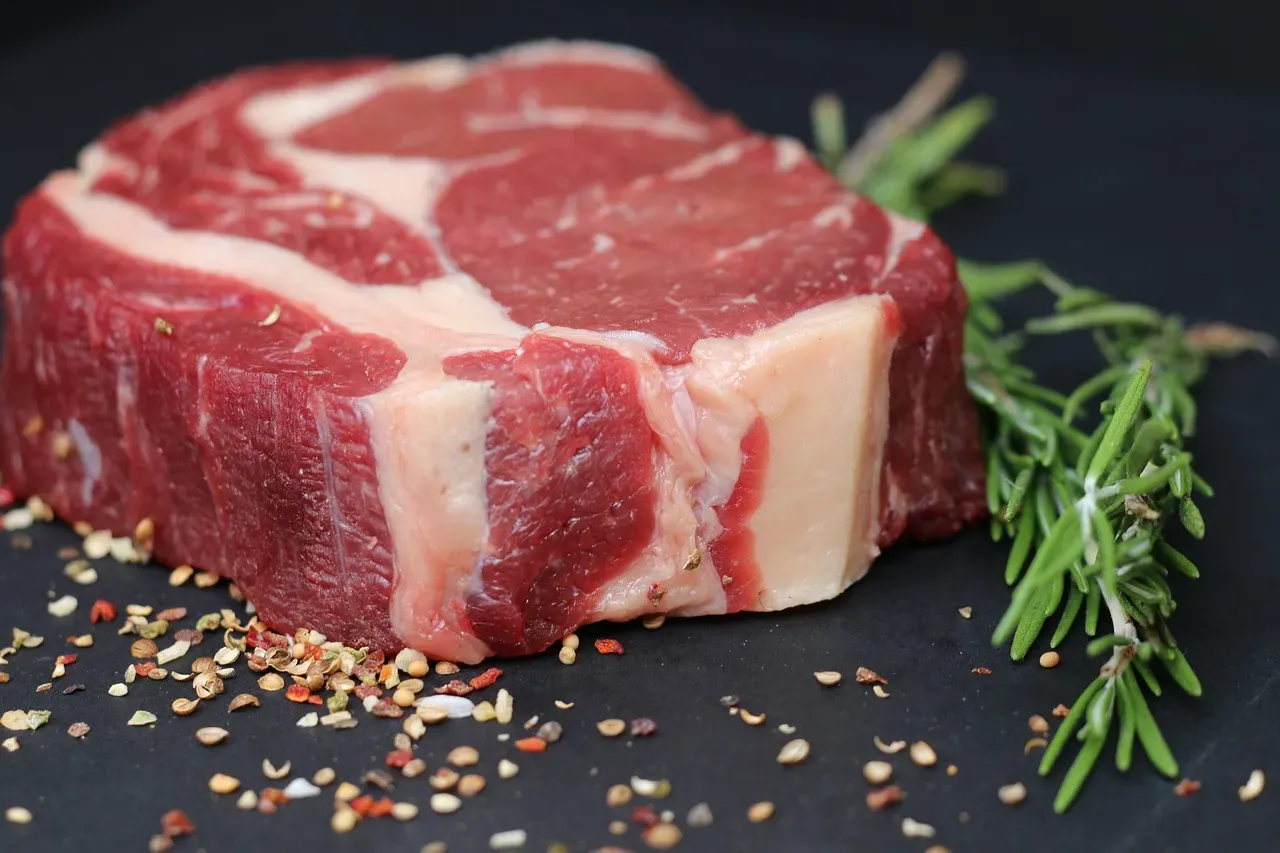
The $5 steak is a ghost of Vegas past. It haunts menus that no longer exist, buffets that closed during the pandemic and never reopened, and casinos that decided a luxury food hall was more profitable than feeding you for almost nothing. The city has changed, beef prices have exploded, and the loss-leader era is well and truly fading out.
What remains is a different kind of deal – harder to find, tied to loyalty cards and Sunday specials and off-Strip addresses most tourists never bother to visit. Buffets will always be part of some visitors’ Las Vegas experience, and they’ll evolve alongside the restaurant scene around them in order to succeed. The same is probably true for the cheap steak. It won’t die. It’ll just keep getting harder to find – and a little more expensive every year.
Vegas was built on making you feel like you got something for nothing. In 2026, you can still get a decent steak for under $10 if you know where to look and you’re willing to play the game. Did you expect the deal to still be hiding in plain sight?


