
There is something quietly unsettling about the idea that any single commute, on any given morning, could go catastrophically wrong, with no one around to tell your side of the story. No witnesses. No evidence. Just your word against someone else’s. It’s a scenario that used to feel unlikely. These days, it feels almost routine.
That discomfort is exactly what is driving one of the most surprising consumer technology trends of 2026. Ordinary drivers, not just truckers or rideshare workers, are strapping cameras to their windshields in record numbers. There are real reasons behind it, backed by real data, and they are more compelling than most people realize. Let’s dive in.
A Market That’s Growing Faster Than Anyone Expected

The numbers alone tell a striking story. The global dashboard camera market was estimated at over $4 billion in 2023 and is anticipated to reach $7.64 billion by 2030, growing at a compound annual growth rate of nearly 10%. That is not a niche gadget trend anymore. That is mainstream consumer adoption happening in real time.
The dashboard camera market is estimated at over $5 billion in 2025 and is expected to reach $9.40 billion by 2030. Honestly, those figures are staggering when you think about it. This is a technology that did not even exist in most people’s awareness a decade ago, and now it is outpacing the growth of many legacy automotive accessories.
The global dashboard camera market is growing due to rising awareness of vehicle safety and accident recording among drivers, with increased demand for high-resolution cameras with advanced features like GPS tracking, night vision, and wide-angle recording boosting adoption rates. Put simply, the product got better and the reasons to own one got more urgent at the same time.
The Road Rage and Accident Epidemic Fueling Demand
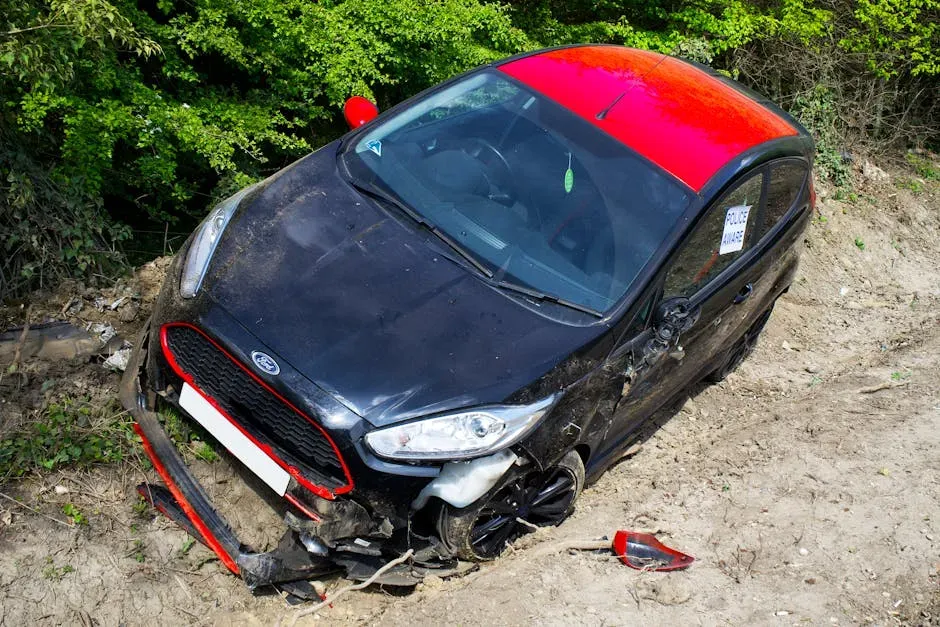
Let’s be real: American roads have not gotten safer. According to the U.S. National Highway Traffic Safety Administration, there were over 42,000 traffic fatalities in 2023 alone. That is a number that should stop anyone in their tracks. It is a constant, grim reminder that driving carries genuine risk every single day.
Dash cam videos once existed on niche internet forums, but today they fill nightly news and social media feeds, with rising road rage, higher accident litigation, and a booming gig economy explaining why nearly one in three U.S. drivers regularly record their rides. Social visibility is clearly accelerating awareness, but it is fear, not trend-following, that is driving actual purchases.
Nearly half of dashcam owners say they feel less stressed while driving after installing one. There is something genuinely calming about knowing you have a silent, objective witness sitting on your dashboard. It is a bit like having a co-pilot who never blinks.
Insurance Fraud Is Costing You More Than You Think

Here is a figure that might make your jaw drop. Insurance fraud costs Americans an estimated $308.6 billion annually across all insurance categories, with property and casualty insurance, which includes auto, accounting for roughly $90 to $122 billion of that total. That is not an abstract corporate problem. It lands directly in your wallet.
The FBI estimates that fraudulent claims add between $400 and $700 per year to the average household’s insurance premiums, with more recent estimates from the Coalition Against Insurance Fraud putting that figure closer to $900 per year. Think about that the next time you open your insurance bill and wonder why it keeps climbing.
The “swoop and squat” scam is well known among fraud investigators, where a car cuts in front of another vehicle causing a driver to brake suddenly and rear-end the lead car, with even more dangerous freeway versions where multiple criminals box in the victim completely. A dashcam does not prevent these scams from happening. But it makes them impossible to get away with.
How Dashcam Footage Transforms Insurance Claims

According to a 2024 report cited by multiple insurers, claims supported by dash cam footage settle approximately 35% faster than those relying solely on verbal accounts. Faster claims mean less time fighting with adjusters, less emotional stress, and often, better outcomes for the driver who was not at fault.
An AAA study found that drivers with dash cams are approximately 40% more likely to have claims settled in their favor. That is an enormous statistical advantage for something that costs most people less than $150. The math is hard to argue with.
Major insurers including Progressive, State Farm, and Geico accept dash cam footage as part of standard claims processes. The industry has clearly adapted. This growth in the U.S. dashcam market can be attributed in part to the rising significance of dashcam footage in insurance claim settlements, with insurance companies encouraging consumers to use dashcams to combat fraudulent claims.
Hit-and-Run Incidents: A Growing Threat on Every Street
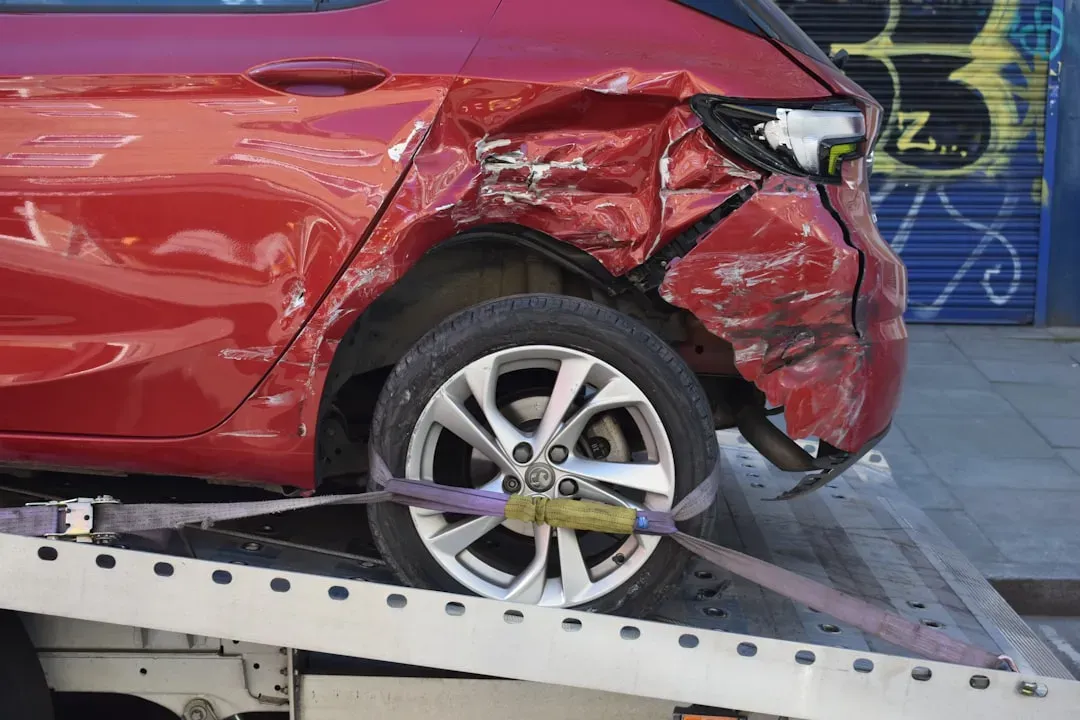
According to available research, roughly 14.5% of all car crashes in the U.S. involve a driver who flees the scene. That is nearly one in seven accidents. The statistics climb even higher in certain cities, making hit-and-run incidents a very real daily threat for urban commuters.
In 2023, there were an estimated 104,273 hit-and-run crashes in the U.S., representing only a marginal decrease from the previous year. Without a camera, victims of these incidents are left with almost nothing. No license plate. No description. No recourse. Just damage and frustration.
When a hit-and-run occurs, dashcam footage can capture the make, model, color, and license plate of the fleeing vehicle, sometimes even the driver’s face, providing critical information for police investigations and for recovering damages from the at-fault party. In a world where eyewitnesses are increasingly rare, your dashcam might be the only witness you have.
Dashcams as a Tool for Law Enforcement
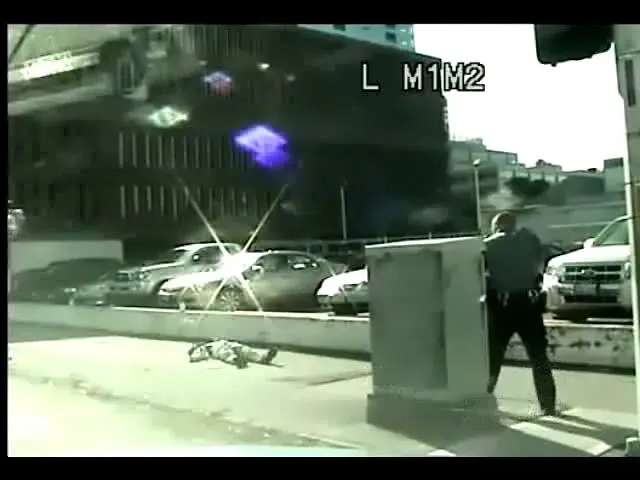
It is not just individual drivers who benefit. Law enforcement officers are increasingly relying on dashcam footage for investigations, with California Highway Patrol officers describing it as “a fantastic tool” that holds people accountable for both right-doing and wrongdoing on the road.
Dashcam footage provided by a passing driver showed that a driver had actually been speeding, directly contradicting claims made at the scene, with officers noting that people who actually have dashcam evidence are more willing to share it when they know they are innocent. That dynamic is changing how investigations work, one clip at a time.
High-quality video footage represents the single most significant factor in resolving hit-and-run cases quickly, and when cameras capture license plates or distinctive vehicle features, identification rates increase by over 80%. That kind of impact is hard to overstate, and dashcams are filling the surveillance gap that fixed cameras simply cannot cover.
Commercial Fleets and Ride-Share: The Early Adopters
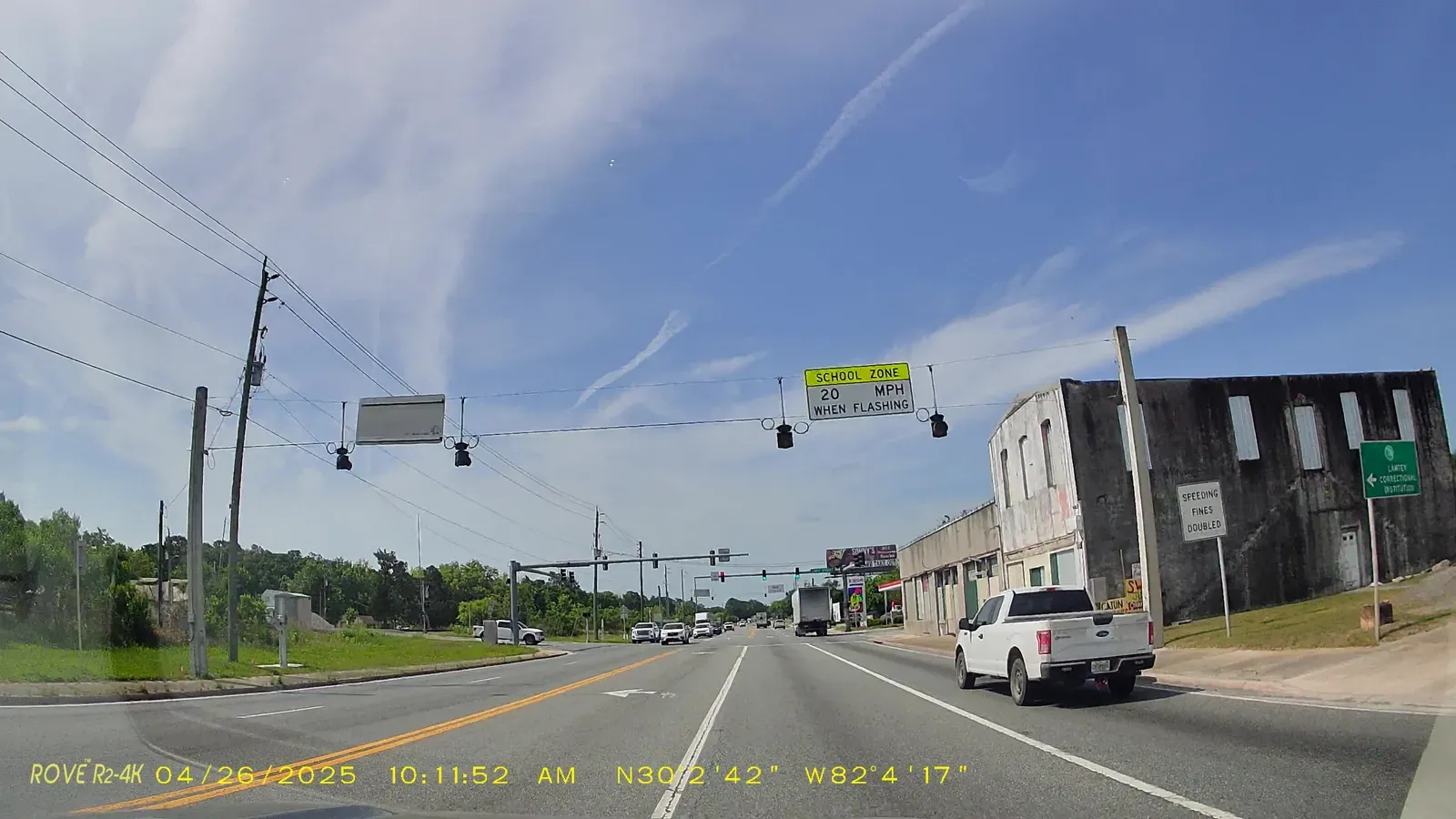
Gig workers at 53% and urban residents at 40%, the people most exposed to accidents and passenger disputes, lead dashcam adoption rates among all driver categories. This makes complete sense. For a rideshare driver, a single false claim from a difficult passenger could end their ability to work. A dashcam is professional insurance.
Samsara’s 2025 Fleet Safety Report, which analyzed outcomes from 2,600 fleets using the platform over a 30-month period, found that fleets using the full AI safety solution with dual-facing dash cams, in-cab alerts, and driver coaching achieved a 73% crash rate reduction, nearly twice the overall reduction seen across all fleets. Those are results that transform entire business models, not just individual commutes.
Distracted driving accounts for 70% of commercial fleet crashes in the United States, pointing directly to the necessity of monitoring fleet driver safety and why dashboard cameras have become important in commercial vehicles. Personal drivers are now taking notes from the commercial world, and the technology has become affordable enough for everyone to follow suit.
AI Features Are Turning Dashcams Into Co-Pilots
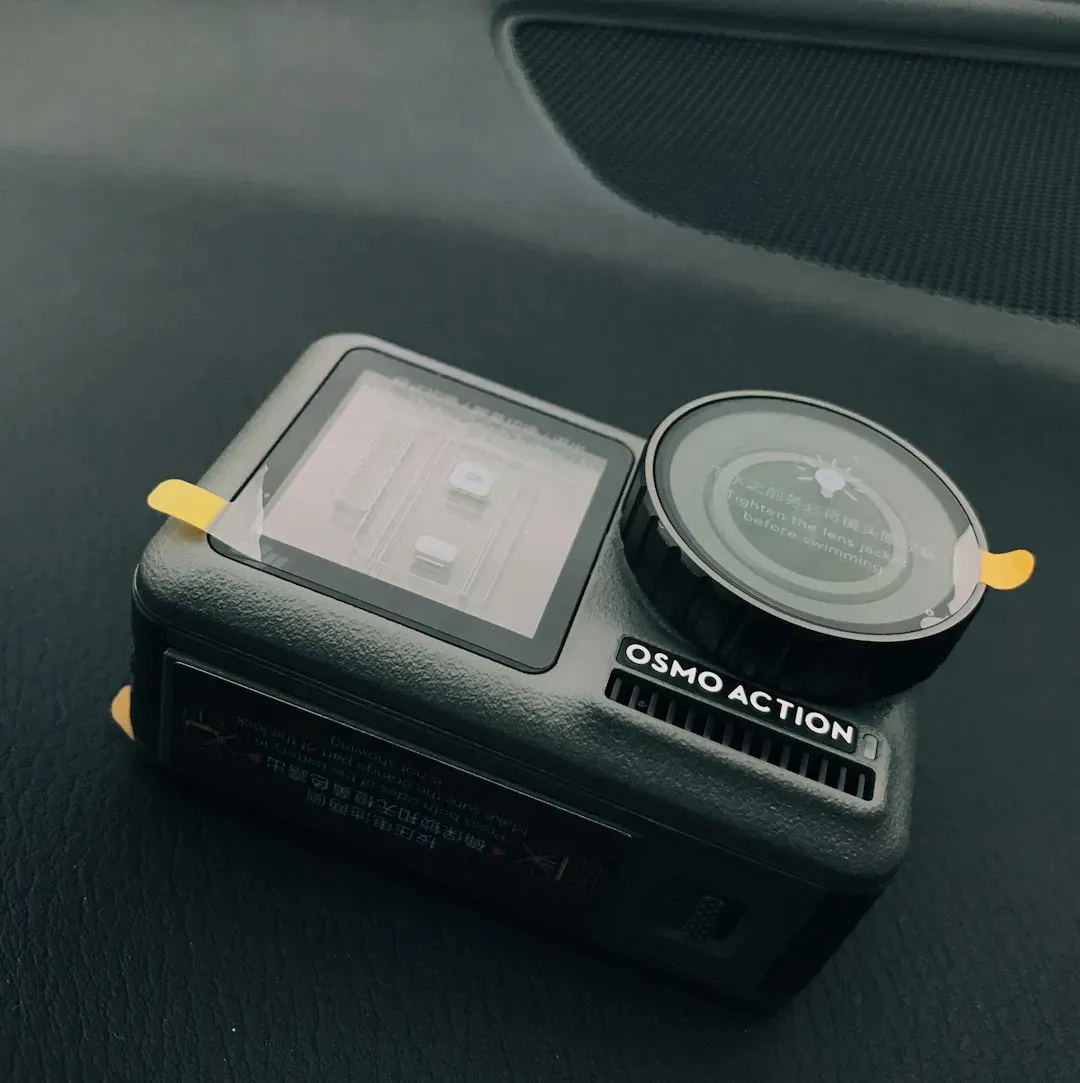
Modern dashcams are almost unrecognizable compared to the basic loop-recording boxes of just five years ago. The AI dashcam market is experiencing significant growth as advanced artificial intelligence technologies revolutionize vehicle safety and monitoring systems, going beyond traditional recording by offering real-time analytics such as driver behavior monitoring, collision detection, lane departure warnings, and fatigue alerts.
Technological advancements have led to the development of dashboard cameras with enhanced features such as high-definition video recording, night vision, and advanced driver assistance systems, including lane departure warnings and collision avoidance systems. These are features that used to be locked behind expensive factory-installed packages. Now they sit on your windshield for a fraction of the cost.
The AI dashcam market is set to expand from $2.6 billion in 2024 to $48.5 billion by 2034, growing at an exceptional rate of 34%, driven by rising demand for smart in-vehicle monitoring, safety, and real-time analytics. I think this trajectory makes the dashcam one of the most consequential in-car technologies of the decade, not just another gadget.
Cloud Connectivity: Never Lose Footage Again
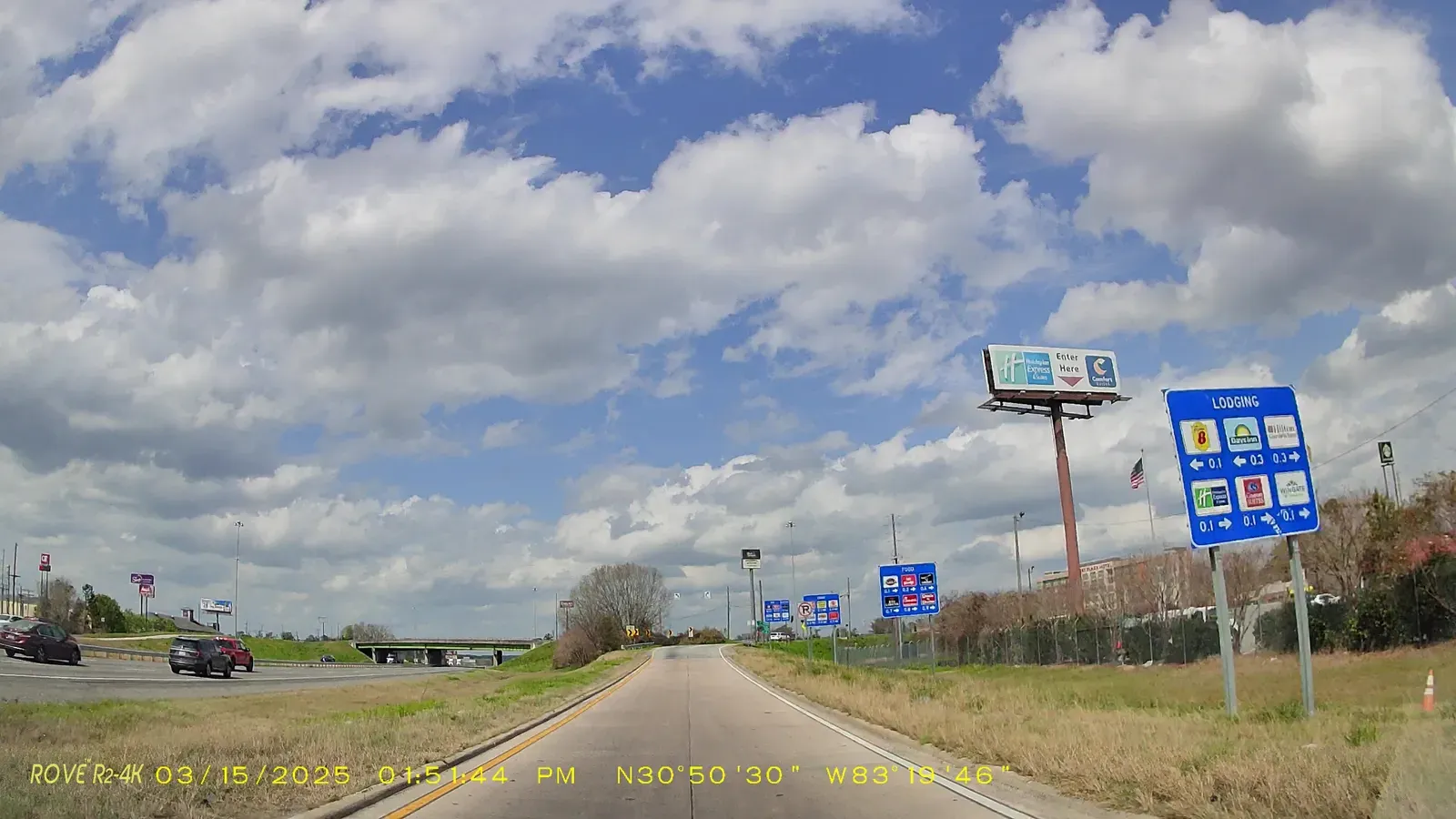
One of the most practical evolutions in dashcam technology is cloud storage, and it is reshaping what happens after an incident. Cloud storage subscriptions make sense when footage needs to be available without physical access to the device, such as after accidents, theft, or vehicle damage, with automatic uploads reducing the risk of losing critical clips stored only on local memory.
Cloud-based monitoring is now used across personal vehicles, commercial fleets, and specialized transport operations, making storage reliability and access control increasingly important. Think about what that means in practice. A driver whose car is stolen or totaled in an accident can still retrieve their footage remotely from their phone. The evidence survives even if the camera does not.
As dashcam technology evolves, one of the most practical trends is the rise of cloud-connected dashcams. Cloud solutions also simplify evidence collection in cases of accidents, insurance claims, or ride-share documentation. For everyday commuters juggling busy schedules, that seamless integration removes the biggest friction point from using dashcam footage effectively.
Affordability and Accessibility Are Breaking Down Barriers
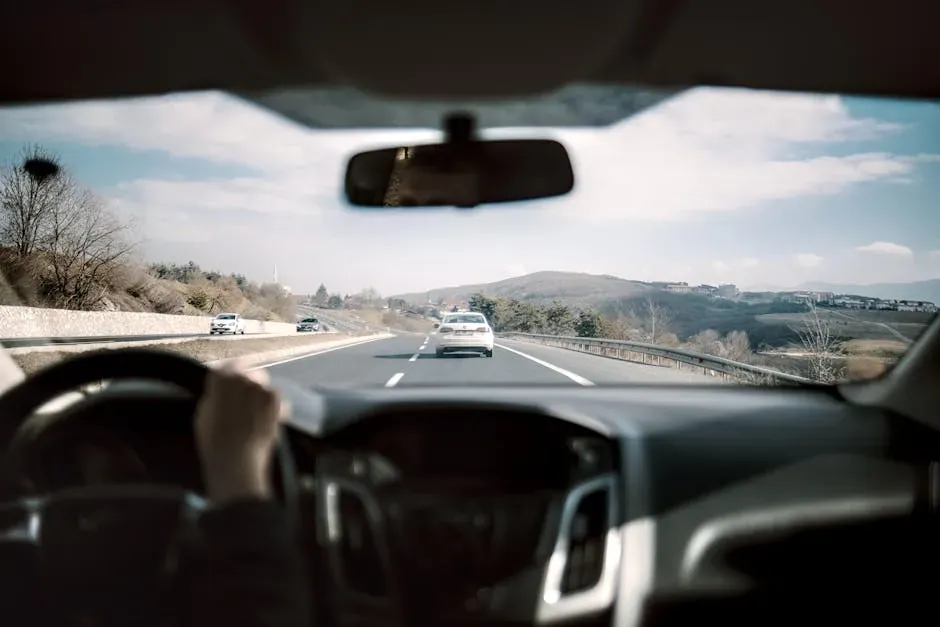
Manufacturers have significantly lowered the entry level by offering dashcams with basic features and technology, with inexpensive models that can be installed within minutes and most customers satisfied with the basic feature sets available. The cost-of-entry argument, which once made dashcams feel like a luxury, has essentially collapsed.
In 2024, basic dashboard cameras dominated the market, holding roughly 39% of the share, with their popularity stemming from affordability and straightforward functionality that appeals to cost-conscious consumers and first-time buyers. For new adopters, there is no longer a need to spend hundreds of dollars. A solid, reliable dashcam is now accessible to virtually any budget.
Drivers with friends or family members who own dashcams are 8.5 times more likely to own one themselves, a trend that is logical since these individuals are more familiar with the product, receive recommendations, and hear personal stories about ownership benefits, with over three-quarters of dashcam owners reporting that a friend or family member also owns one. Word of mouth is doing what no advertising campaign ever could. Once you know someone whose dashcam saved them from a fraudulent claim or a costly dispute, buying one stops being optional and starts feeling urgent.
Conclusion: The Windshield Witness You Did Not Know You Needed
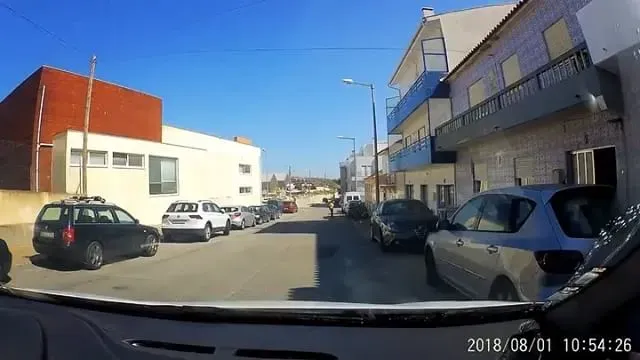
The dashcam boom is not a coincidence or a marketing moment. It is a rational, data-backed response to roads that are more dangerous, fraudsters that are more sophisticated, and legal and insurance systems that reward whoever has the clearest evidence. Every one of the trends covered above points in the same direction.
In 2026, driving without a dashcam is a little like leaving your front door unlocked because nothing bad has happened yet. The risk is real, the technology is affordable, and the peace of mind is measurable. Nearly half of owners report lower stress behind the wheel after installing one. That alone is worth the price of admission.
The hidden footage you never thought to capture might be exactly what stands between you and a very expensive, very avoidable injustice. So here’s the question worth sitting with: what would have changed about the last close call you had on the road, if you had been recording it? Tell us what you think in the comments.