


Nike Air Jordan 1: The Rebel That Rewrote Sneaker Culture

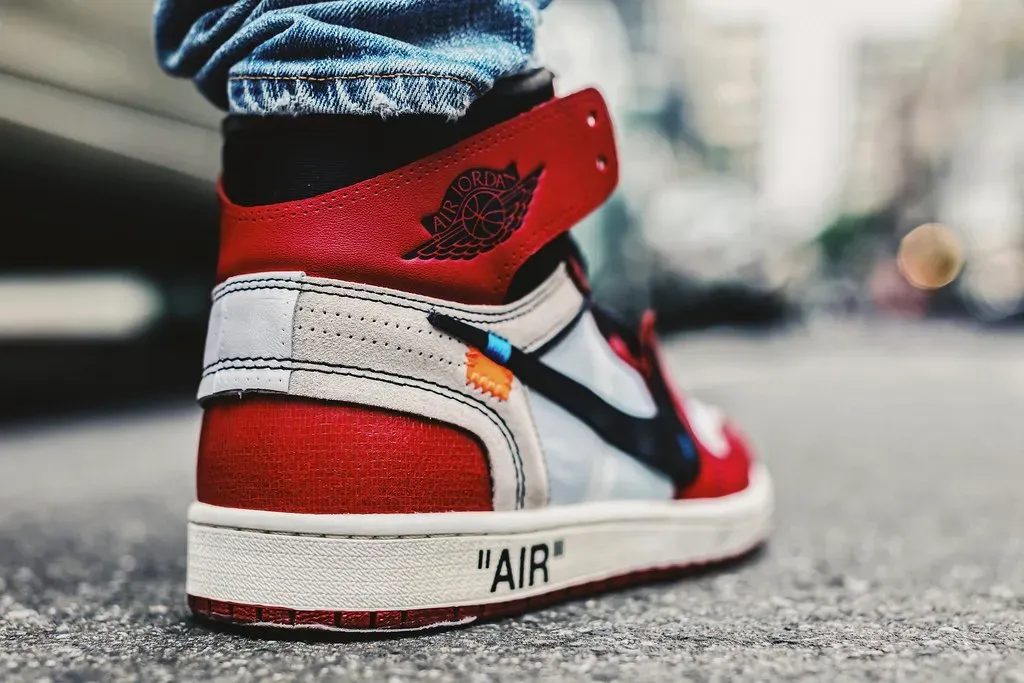
When the Air Jordan 1 launched on April 1, 1985, for $64.99, Nike expected to sell around 100,000 pairs in its first year. Instead, the shoe shipped 1.5 million pairs in the first six weeks. That kind of explosion wasn’t just about basketball performance.
After the first year of its release, Air Jordan had brought in revenue of $126 million, compared to Nike’s entire revenue of $65 million the year before. When the 2023 Nike fiscal year ended in May, Jordan accumulated $6.6 billion in revenue, marking a staggering increase of about 29 percent from the previous year. Today Nike reportedly earns roughly $3 million from Jordan sales every five hours, a wild shift from their original forecast of $3 million over four years.
Adidas Superstar: From NBA Courts to Hip-Hop Legends

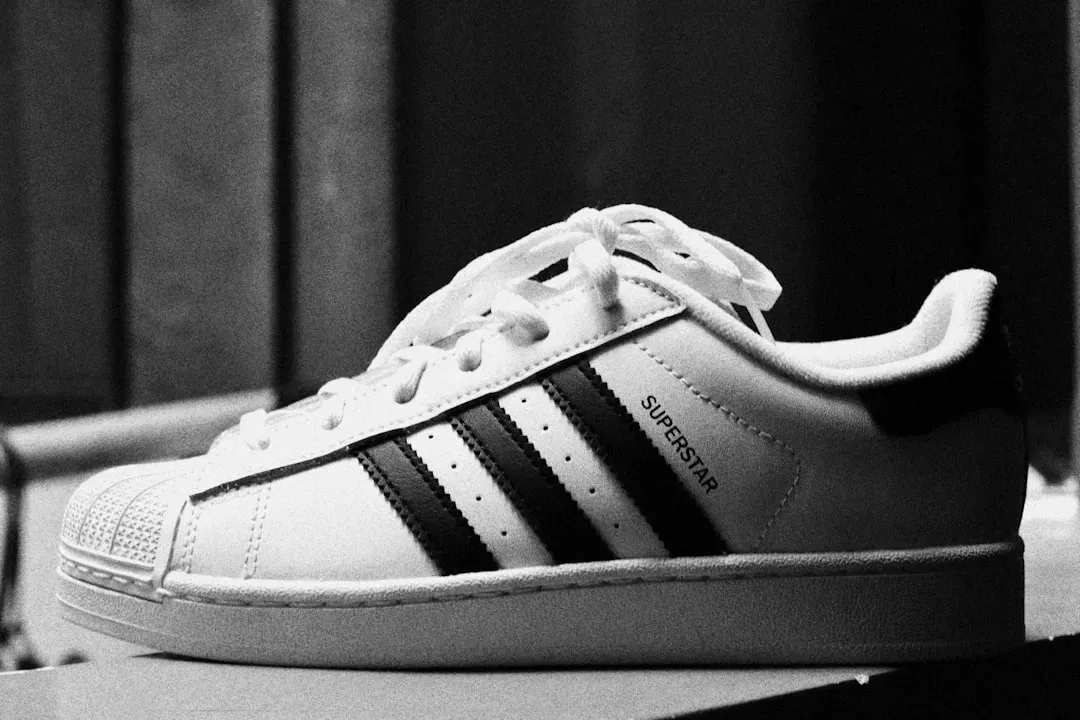
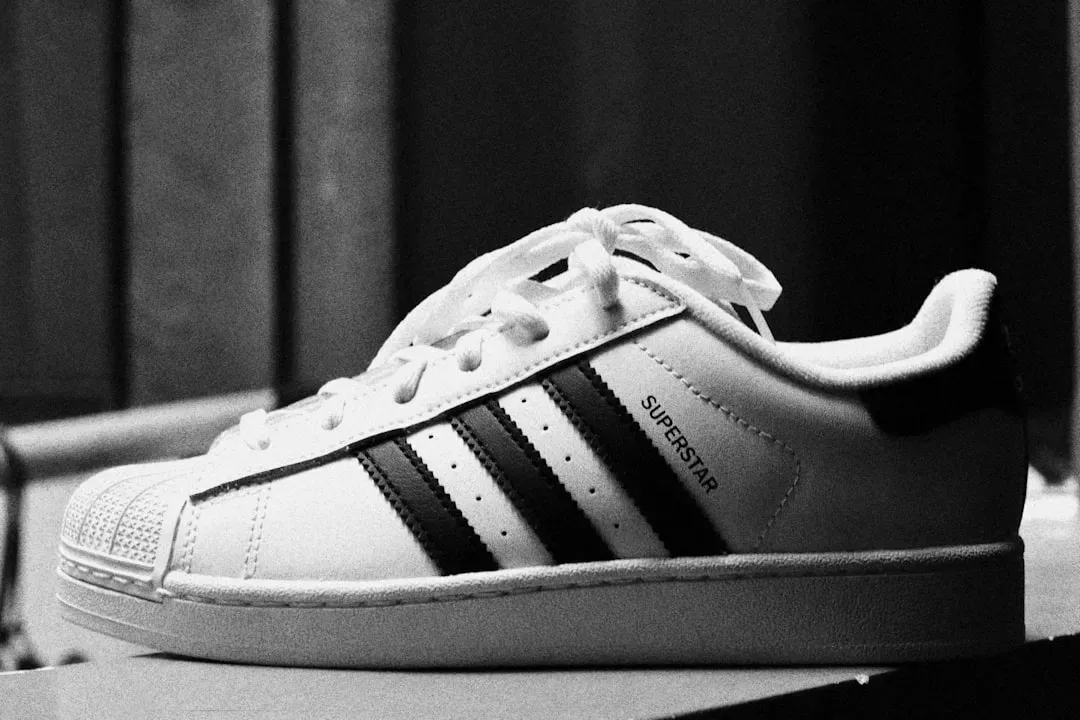
The company introduced the Superstar in 1969 as a low-top version of the Pro Model basketball shoe, featuring an all-leather upper and marketed as providing better support than canvas shoes. By 1973, the Superstar was reportedly worn by more than 75 percent of all NBA players. Basketball legends like Kareem Abdul-Jabbar made them essential on the court, yet their true cultural explosion came later.
Hip hop group Run-DMC released their famous song “My Adidas” in 1986, and the trio signed a $1.6 million deal with adidas after performing their hit, creating a whole new look that changed sneaker marketing forever. In 2015, Adidas sold over 15 million pairs of the style, making it the brand’s top-selling sneaker of the year. The shell-toe design remains instantly recognizable across generations.
Converse Chuck Taylor All Star: A Century-Old Canvas Classic

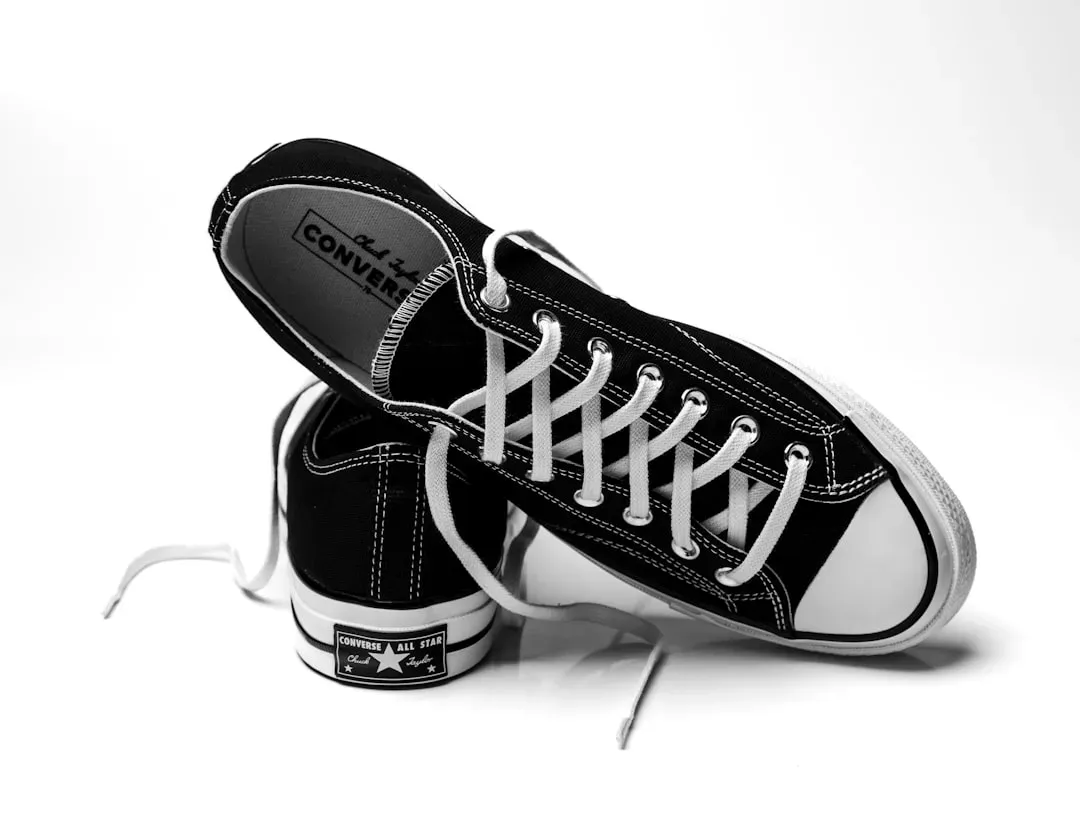
The very first version of the All Star basketball shoe was produced in 1917, when Converse started making an early basketball shoe and redesigned it in 1922. Because Chuck Taylor was so successful in promoting Converse All Stars and making important changes in the design of the shoe, in 1932 his name was added to the ankle patch. That move created one of the first celebrity-endorsed athletic shoes in history.
More than 1 billion pairs of Chucks have been sold worldwide, making them one of the best-selling shoes of all time. By the 1950s, Chuck Taylor All Stars had become standard among basketball players, and in the 1960s Converse captured about 70 to 80 percent of the basketball shoe market. The simplicity and versatility of this sneaker gave it staying power through decades of fashion shifts.
Nike Air Force 1: The Streets’ Timeless Favorite
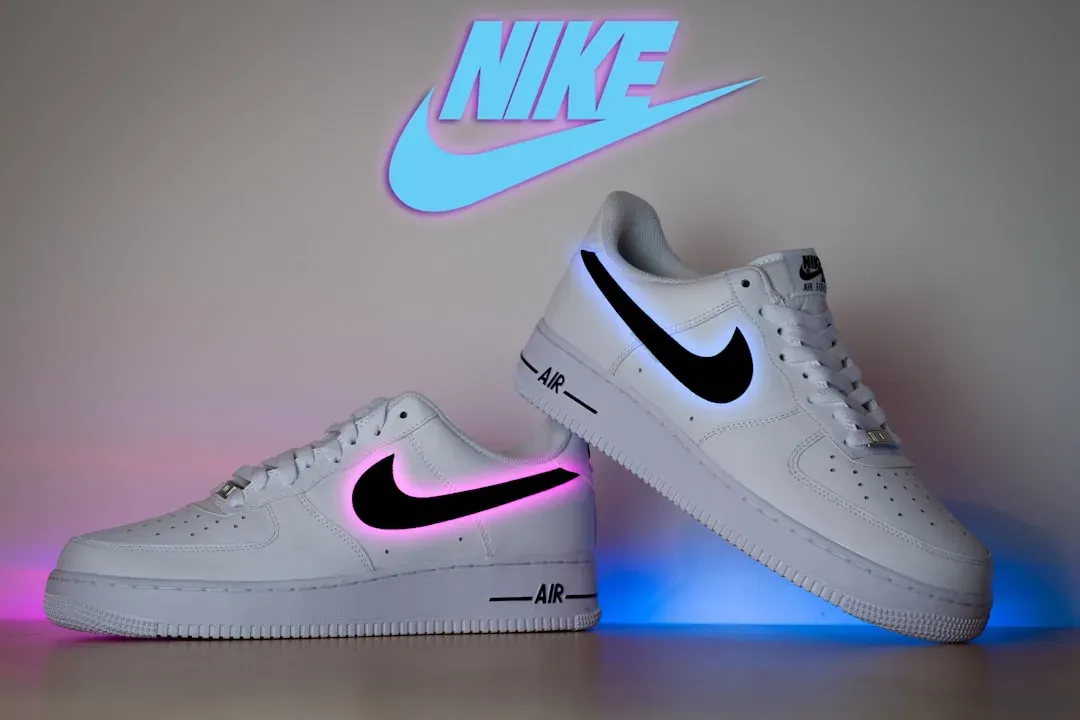
The Nike Air Force 1 was designed by Bruce Kilgore in 1982, named after Air Force One, the plane that carries the President, and was the first basketball shoe to use Nike’s Air technology. The Air Force 1 began production in 1982 but was discontinued in 1984, then re-introduced in 1986 with the modern Nike logo. Retailers in Baltimore and Philadelphia demanded its return after seeing how well it sold regionally.
Partner offer

Nike does over $800 million in sales a year with the Air Force 1 and sells roughly 10 million or more pairs per year. Since its creation, over 1,700 color variations have been produced. The all-white version became a cultural staple, particularly in Harlem where the shoe earned the nickname “Uptowns.” Its clean design translates across streetwear, fashion, and music scenes.
Adidas Samba: The Soccer Shoe That Conquered Streetwear

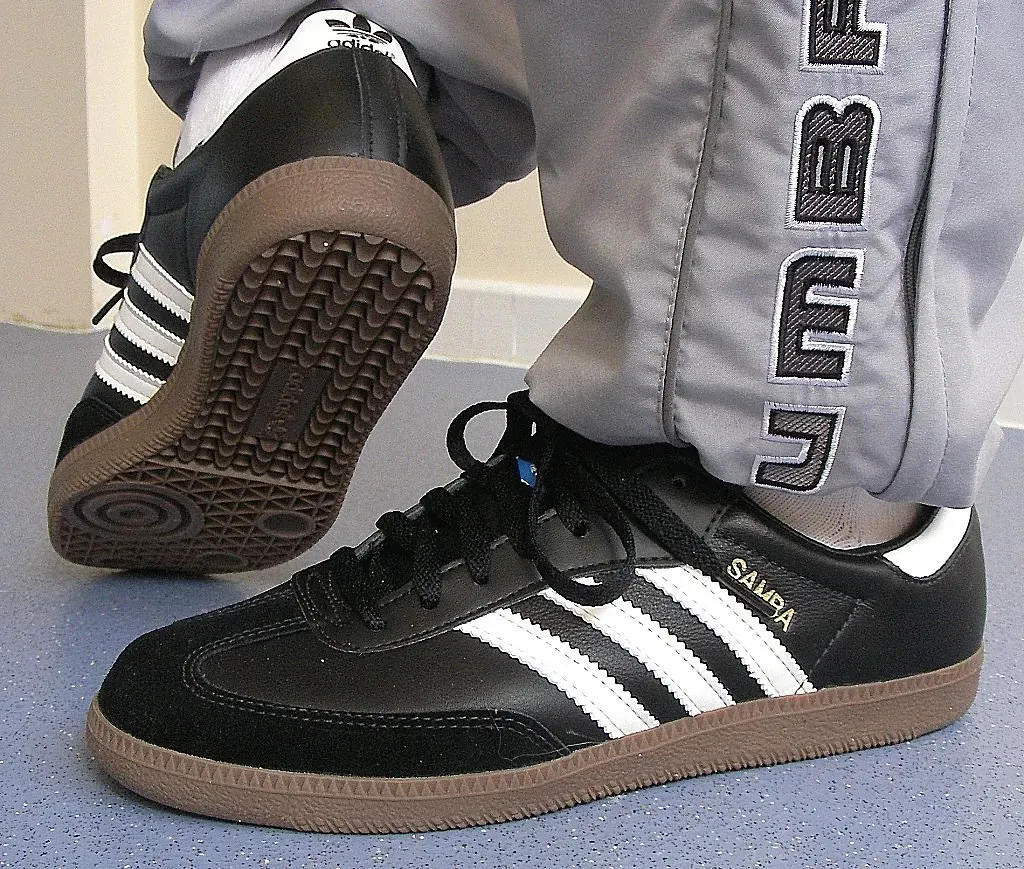
Huge runway moments with Wales Bonner x Adidas Samba collabs, especially the 2023 to 2025 editions, solidified the shoe’s fashion credibility. The Samba became a Gen Z and fashion editor go-to in the last two years and is still massively popular among Gen Z and fashion influencers in 2025. Originally introduced in 1950 for icy soccer pitches, this shoe crossed into lifestyle territory with surprising speed.
The shoe has been worn by celebrities like Bella Hadid, Kendall Jenner, and Harry Styles. Its minimalist design with the classic gum sole and suede T-toe make it remarkably versatile. The Samba works across genders and styles, which explains why it dominated TikTok styling videos and became a wardrobe essential recently.
Nike Air Max 97: The Bullet Train Inspiration
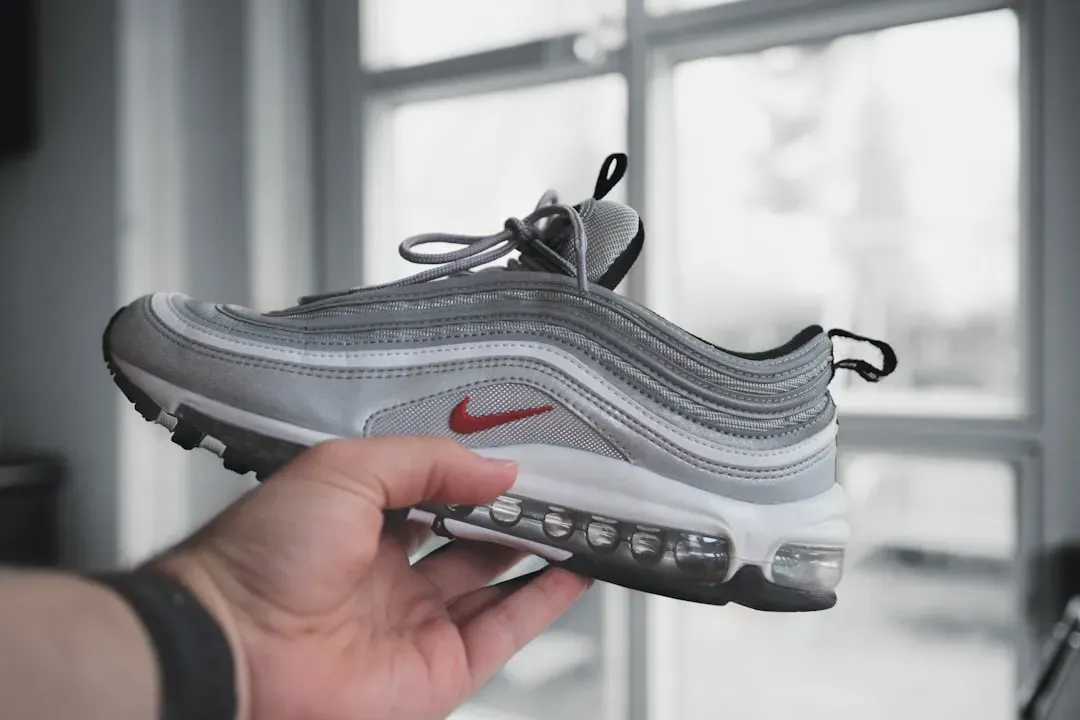
Inspired by Japanese bullet trains, the Air Max 97’s distinctive design and full-length air unit continue to captivate fans. When it first dropped, the rippling wave lines across the upper felt futuristic. The reflective piping and bold colorways made them impossible to ignore on city streets.
The silhouette represents Nike’s willingness to take design risks during the late nineties. Its metallic sheen and streamlined profile stood apart from chunkier basketball shoes of the era. Today collectors hunt for original colorways while new releases keep the legacy alive.
The Enduring Power of Sneaker Iconography
According to the 2024 IMARC Group Sneaker Market report, the global sneaker market is worth $94.1 billion, with Nike as the most valuable sports brand in the world. Michael Jordan’s 1998 Finals sneakers sold for $2.2 million in 2023, making them the most expensive sneakers ever sold. These numbers show how deeply sneakers have embedded themselves into cultural and financial landscapes.
Despite celebrating its 40th anniversary and being the centerpiece of many campaigns, the Air Jordan 1 failed to make Nike’s 2025 most popular SNKRS list, while previously 2024 featured four AJ1s. Trends shift constantly, yet the foundational models remain relevant. Whether it’s retro releases commanding premiums or new interpretations gaining momentum on social media, these shoes transcend function. They’re statements, investments, memories. What pair tells your story?
Partner offer
Planning a trip to Vegas?
Compare hotel rates and show tickets on VEGAS.com.


