



You probably spend a good chunk of your day staring at your desk. Maybe right now there’s a pile of papers threatening to avalanche onto your keyboard, or perhaps everything’s neatly tucked away except for that one drawer you refuse to open. Either way, your workspace says something about how you work.
Here’s the thing though: organization isn’t just about being tidy. Over 90% of employees feel more productive when their workspace reflects their personality, which tells us something pretty important. Your space should work for you, not against you. So let’s dive into some genuinely creative approaches that go beyond the usual advice about drawer dividers.
Vertical Storage Systems That Actually Make Sense

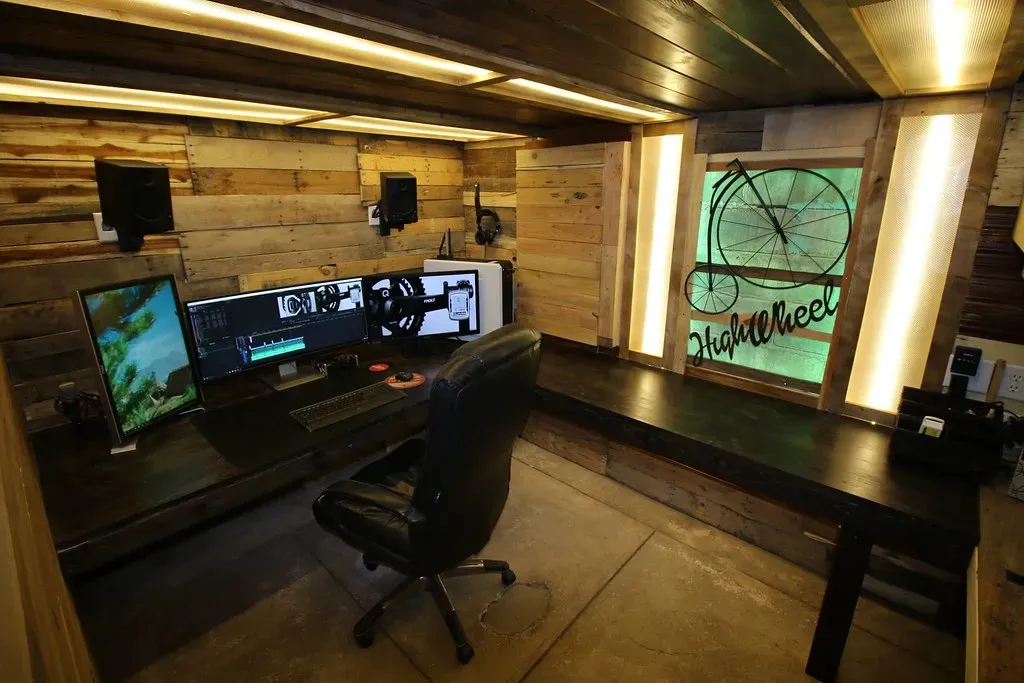
When there are tons of objects lying on a desk, workers naturally shift into all sorts of awkward positions trying to reach for that file or pen, so organize the desk so that all commonly used items remain close at hand. Think about walls as your secret weapon here. Installing floating shelves, pegboards, or magnetic strips can free up massive amounts of desk real estate. Instead of reaching across cluttered surfaces, everything you need sits within arm’s reach but off your primary work surface. Pegboards are particularly brilliant because you can reconfigure them as your needs change. One month you might need more room for notebooks, the next month it’s all about keeping cables organized.
Color-Coded Chaos Control

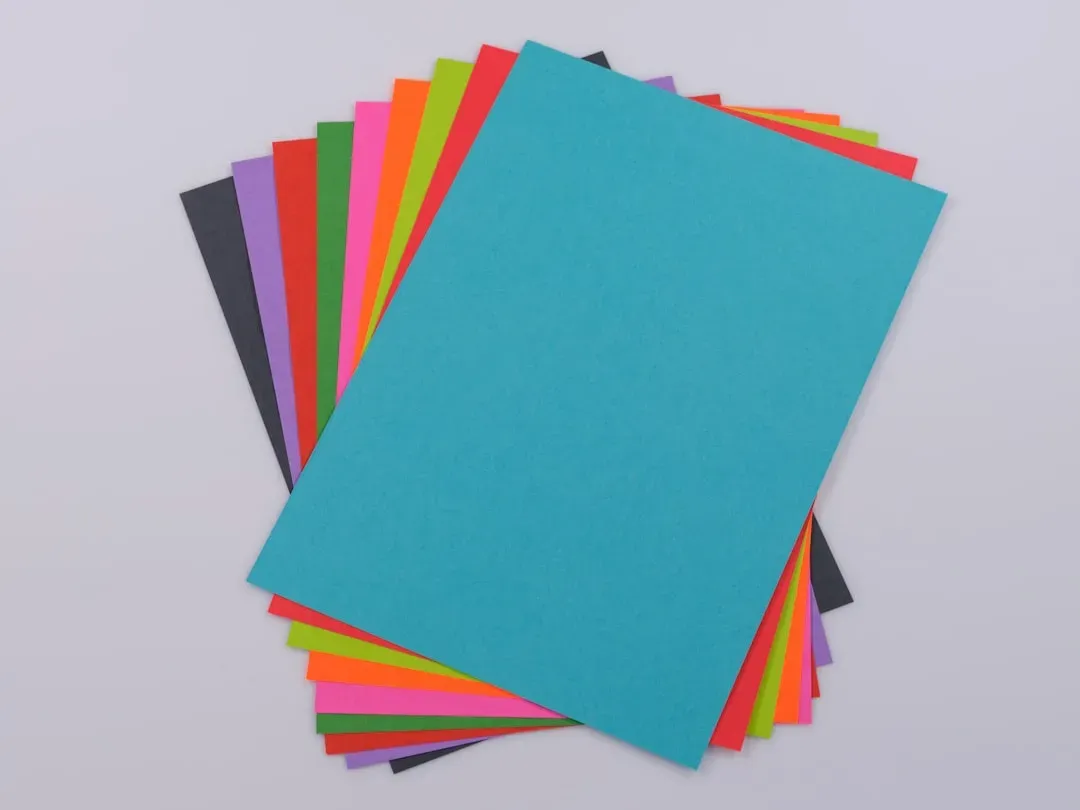
Let’s be real: filing systems bore most of us to tears. Yet color-coding transforms mundane organization into something your brain actually wants to engage with. Assign different colors to projects, clients, or task types, then carry that system through folders, sticky notes, and even digital files. The visual distinction helps your brain switch contexts faster without that mental lag of figuring out what belongs where. It sounds almost too simple, but honestly, simple systems are the ones we actually maintain long-term.
The Modular Furniture Revolution

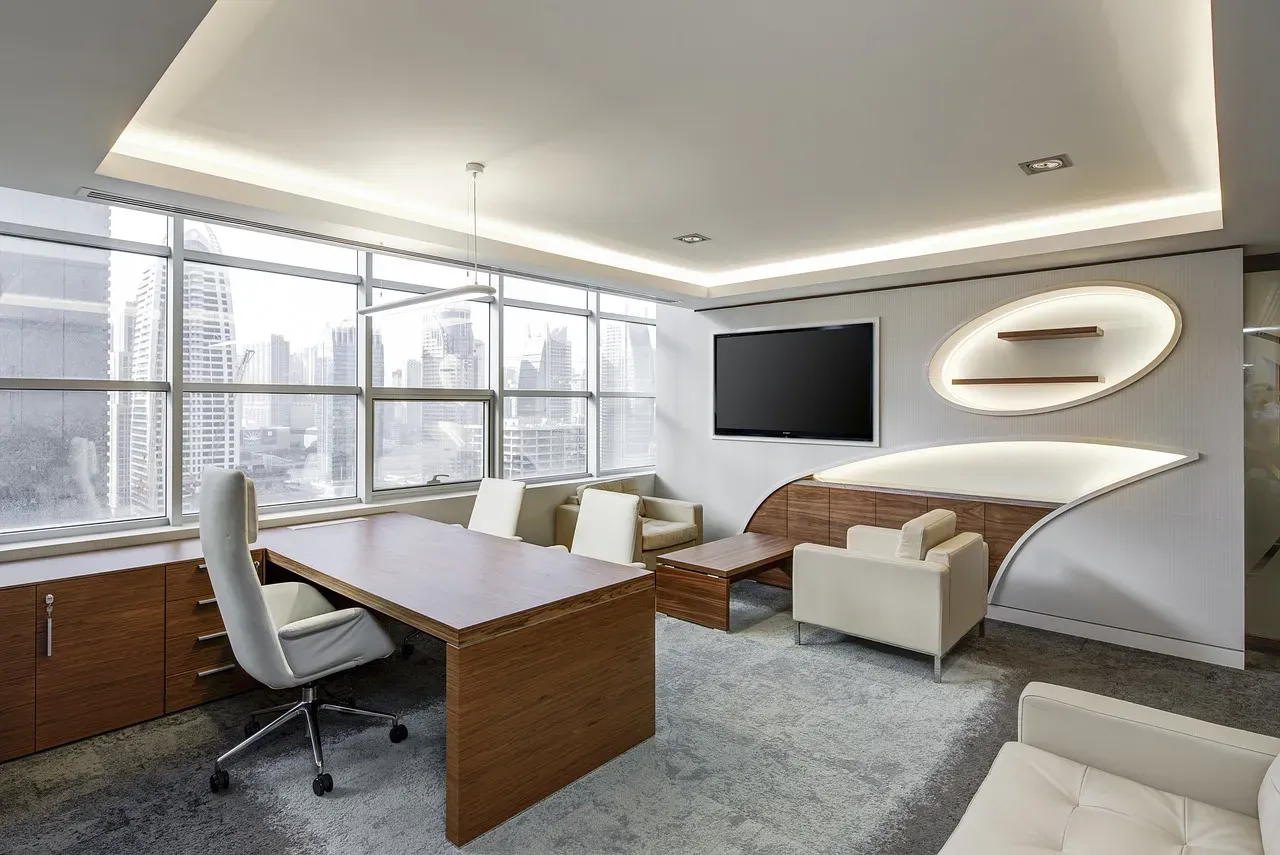
Comfort and health are no longer optional perks in the workplace; they’re critical elements of a modern, productive environment, and in 2025, companies are doubling down on ergonomic and wellness-focused furniture to create spaces that prioritize their employees’ physical well-being. Mobile desks and reconfigurable seating aren’t just trendy office buzzwords anymore. A survey by office furniture company Steelcase found that 64% of employees globally prefer mobile work rather than being stuck at one desk daily. When your furniture moves with you, your workspace adapts to whatever task you’re tackling. Need to spread out for a creative brainstorming session? Roll things apart. Video call coming up? Reconfigure for better camera angles. This flexibility prevents that trapped feeling that comes from static setups.
Hidden Tech and Cable Management Mastery

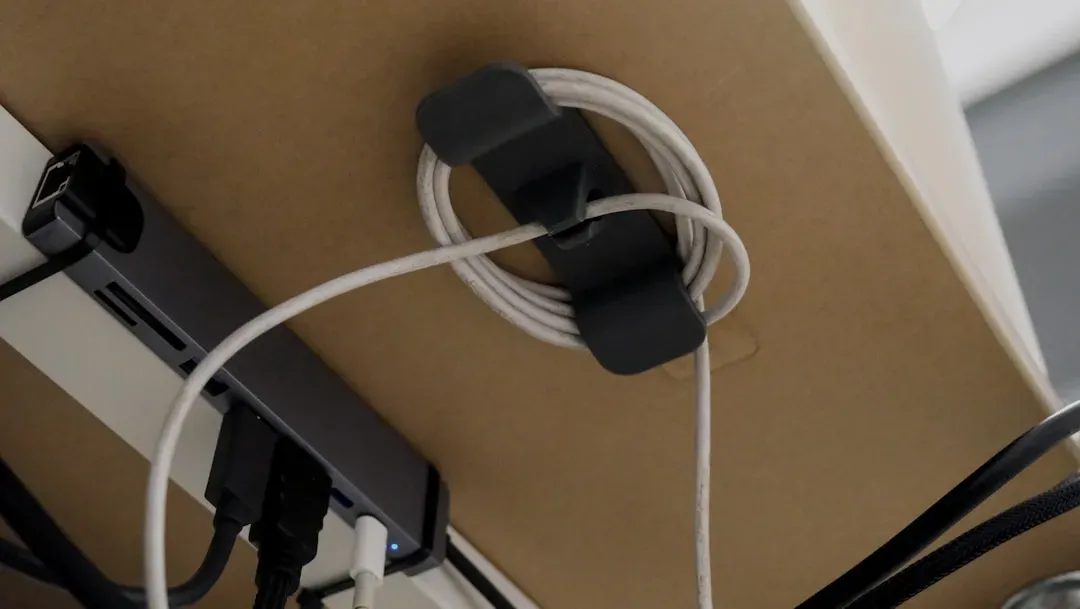
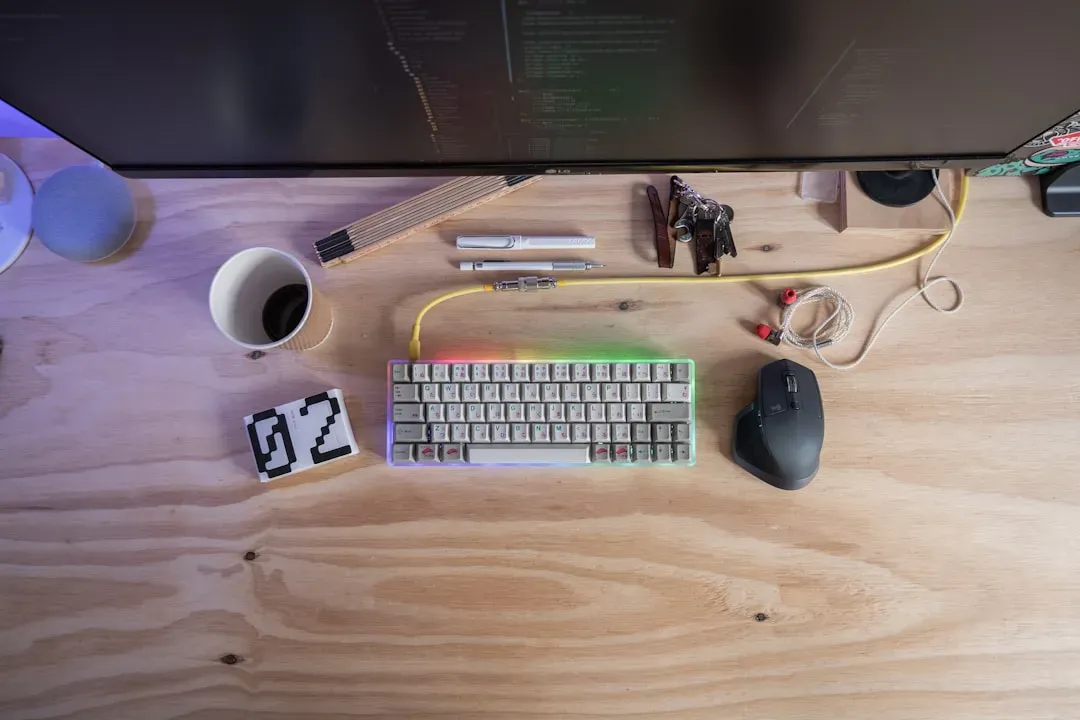
Houzz predicts that offices designed to hide cords and equipment will be one of the top home design trends of 2024, and sleek built-in units conceal these unsightly features, creating a sleek, functional and homey space. Nothing kills a clean aesthetic faster than cable spaghetti. Invest in cable sleeves, adhesive clips, or under-desk trays that route everything out of sight. Some people drill small holes in their desks to thread cables through, creating that Apple Store look where technology feels invisible. The mental clarity from not seeing tangled wires everywhere is honestly underrated.
Biophilic Design Elements for Mental Boost

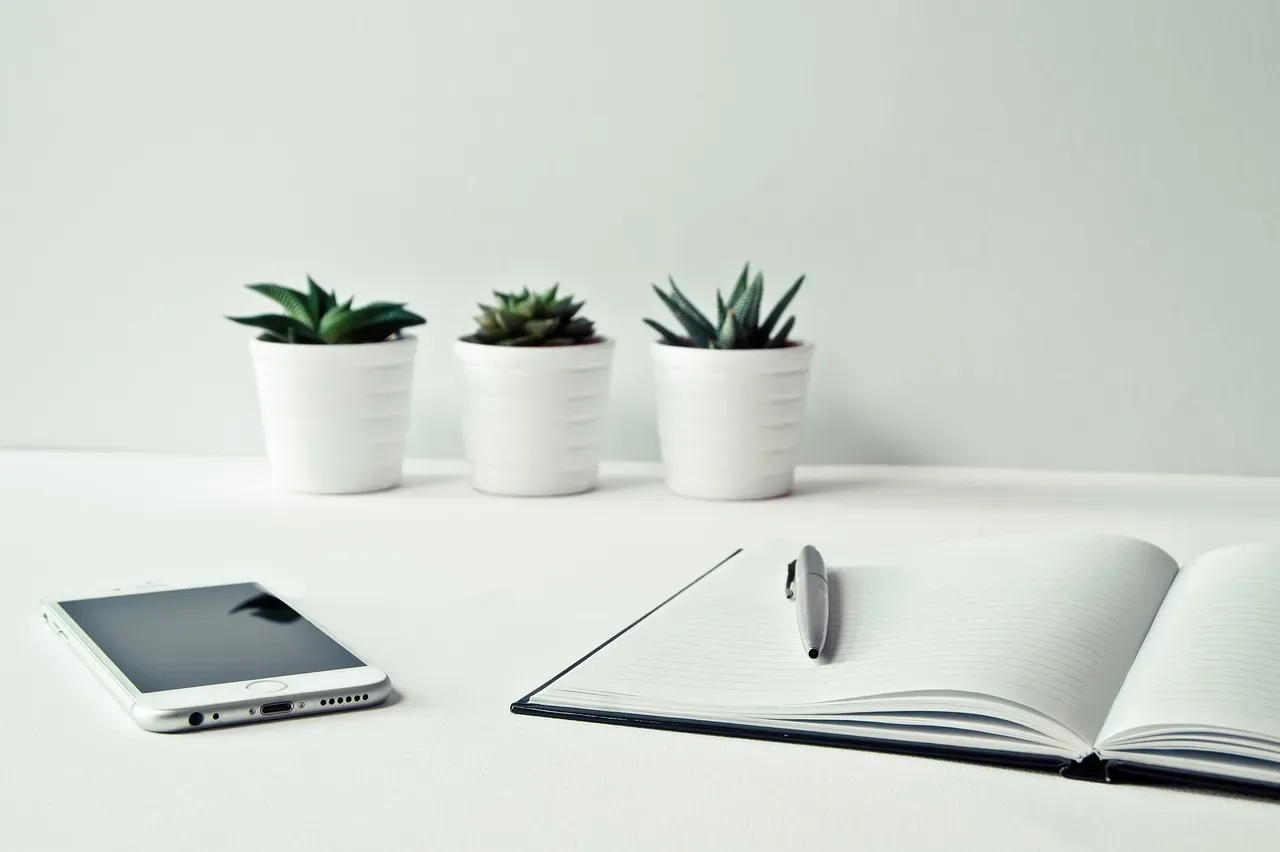
Employees working in environments with natural elements reported a 15% increase in well-being and a 6% increase in productivity. Adding plants to your workspace does more than look pretty. Operating the green walls, natural lighting, and sustainable materials in offices has been shown by a 2024 Harvard study to cause a 15% productivity hike. Small succulents, hanging planters, or even a single statement plant can transform sterile spaces into environments that feel alive. If you’re worried about maintenance, snake plants and pothos are basically indestructible. The key is placing greenery where you’ll actually see it during your workday, not shoved in a corner where it becomes decorative furniture.
The Standing-Sitting-Moving Triangle

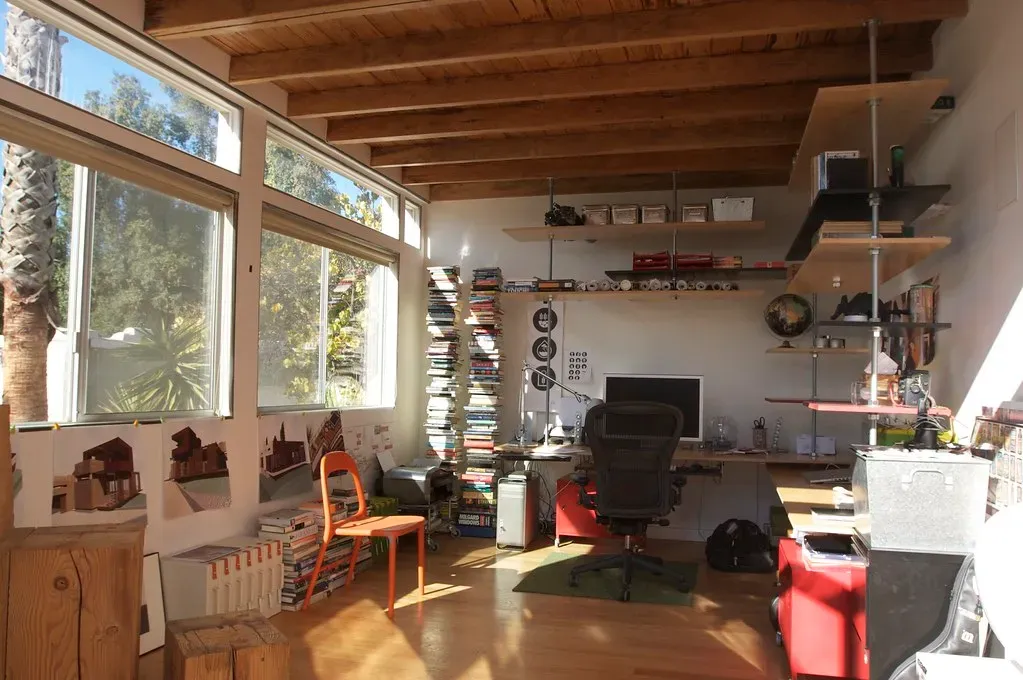
One of the most significant trends in office workstation design is the rise of adjustable height desks, which allow users to easily switch between sitting and standing postures throughout the workday, helping mitigate the negative impacts of prolonged sitting, and standing while working can boost energy levels, concentration, and even creativity. Creating zones for different work modes changes everything. Your main desk might be for computer work, but add a standing surface nearby for reading documents or taking calls. Maybe there’s a comfy chair in another spot for deep thinking sessions. 75% of employees experienced a productivity boost after accessing natural daylight, so position these zones strategically near windows if possible. Movement between these areas keeps your body from getting locked into one position all day.
Personal Touch Zones That Actually Motivate


Remember that statistic about productivity and personality? It matters because sterile workspaces feel oppressive. Dedicate a small area for personal items that genuinely inspire you, not just random clutter. Maybe it’s a small bulletin board with photos from your last vacation, or a shelf displaying collections you care about. The trick is intentionality. Each item should serve a purpose, even if that purpose is simply making you smile when deadlines get stressful.
The Digital-Physical Hybrid System

We live between screens and physical spaces now, so your organization system should too. Use apps like Notion or Trello to mirror your physical filing system. When you color-code physical folders blue for Client A, make their digital folder blue too. This consistency means your brain doesn’t have to completely switch gears between environments. Some people even photograph their whiteboard notes and link them to digital projects. It sounds extra, but the mental load reduction is worth it when you’re juggling multiple priorities.
Locker-Style Personal Storage Solutions

The provision of lockers in an office is essential for enhancing organization, security, and employee satisfaction, as offering a dedicated, secure space for personal items reduces workstation clutter. Think smaller than traditional office lockers though. Desktop organizers with small lockable compartments keep valuables secure without taking up floor space. This is especially useful in shared or hot-desking environments where you can’t leave things out. Everything has a home, and that home closes securely at the end of the day. The psychological benefit of clearing your desk completely creates better work-life boundaries too.
Lighting Layers for Task Flexibility

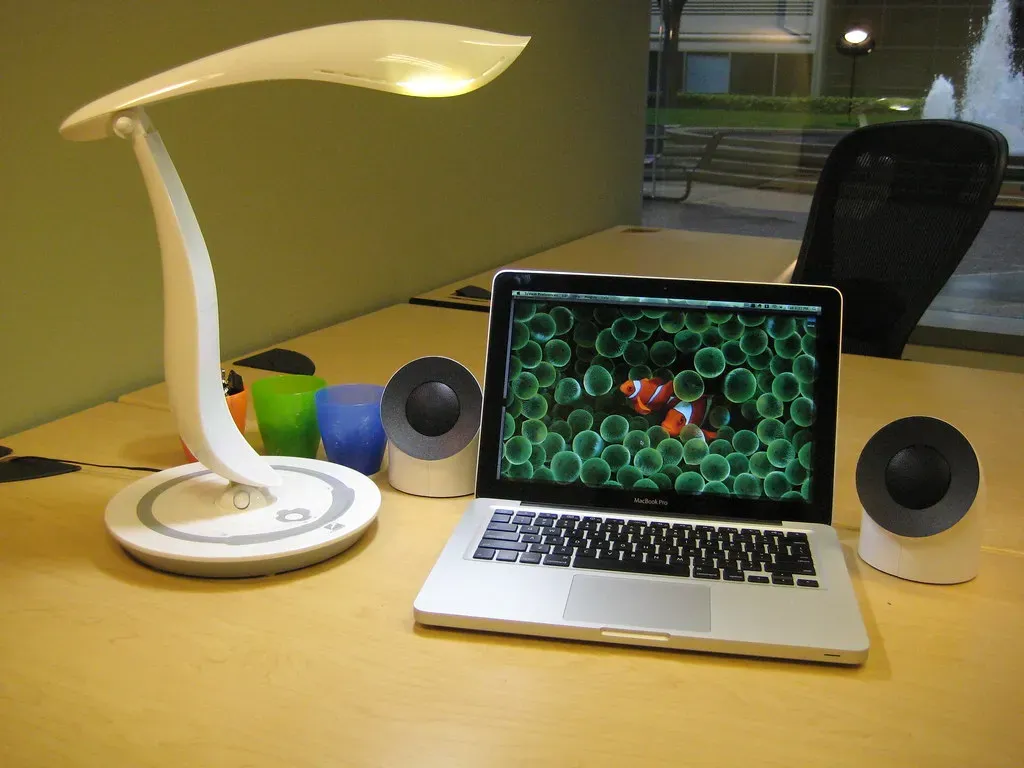
Natural light regulates circadian rhythms and improves well-being, reduces eye strain and headaches creating a more comfortable workspace, and exposure to sunlight boosts mood and energy levels. Overhead lighting alone doesn’t cut it anymore. Layer in task lighting for detailed work, ambient lighting for video calls, and maybe even colored bulbs for different times of day. Adjustable desk lamps let you direct light exactly where you need it without illuminating your entire space like an interrogation room. Some people swear by smart bulbs that shift color temperature throughout the day, mimicking natural light patterns even in windowless spaces.
Your workspace isn’t just where you work – it’s where your brain spends its most active hours. It’s a well-documented fact that a carefully designed environment makes work less stressful, and most industry experts agree that an ergonomic office design makes employees more creative and efficient. The creative approaches here aren’t about perfection. They’re about finding systems that match how you actually work, not how productivity gurus think you should work. Start with one area that bothers you most and experiment. Does it feel better? Then keep going. What’s your biggest workspace frustration right now?


