


There is a place in Las Vegas that glows not with the promise of jackpots, but with the weight of memory. Rows of giant signs, some towering, some leaning at odd angles, sit silently in the desert air off North Las Vegas Boulevard. They are retired. Faded. Extraordinary. They are the survivors of a city that tears itself down and rebuilds itself faster than almost anywhere else on earth.
The Neon Boneyard is not just a quirky tourist stop. It is honestly one of the most emotionally charged open-air museums in America, and the story of how it came to exist is as wild and improbable as Las Vegas itself. Let’s dive in.
What Is the Neon Boneyard, Exactly?

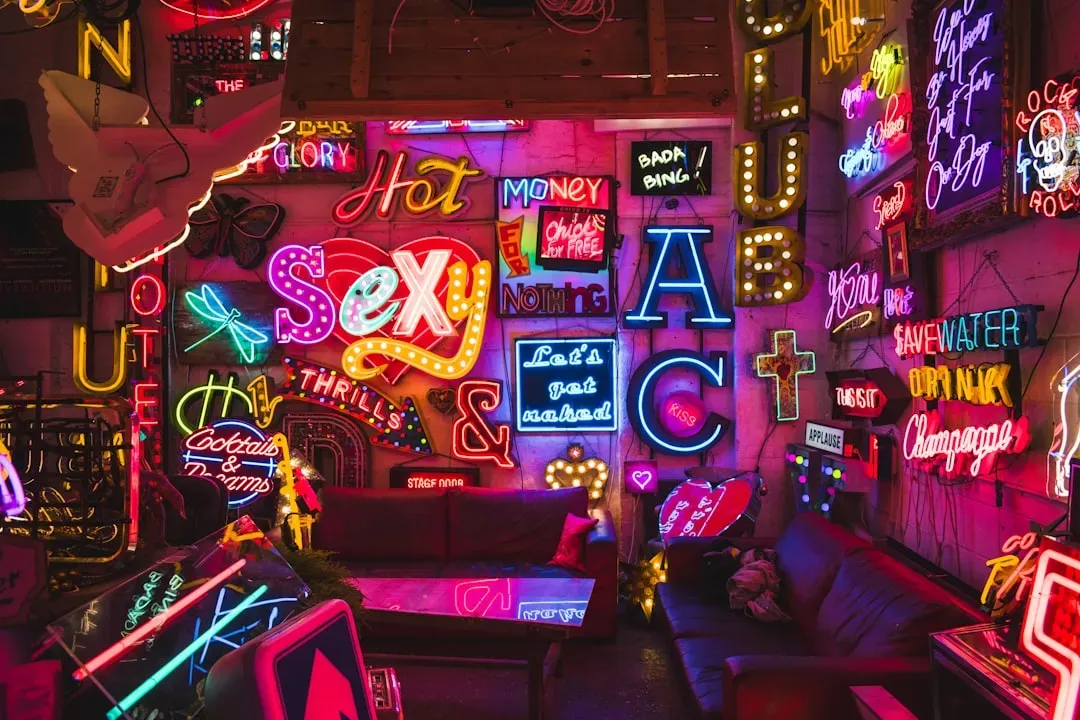
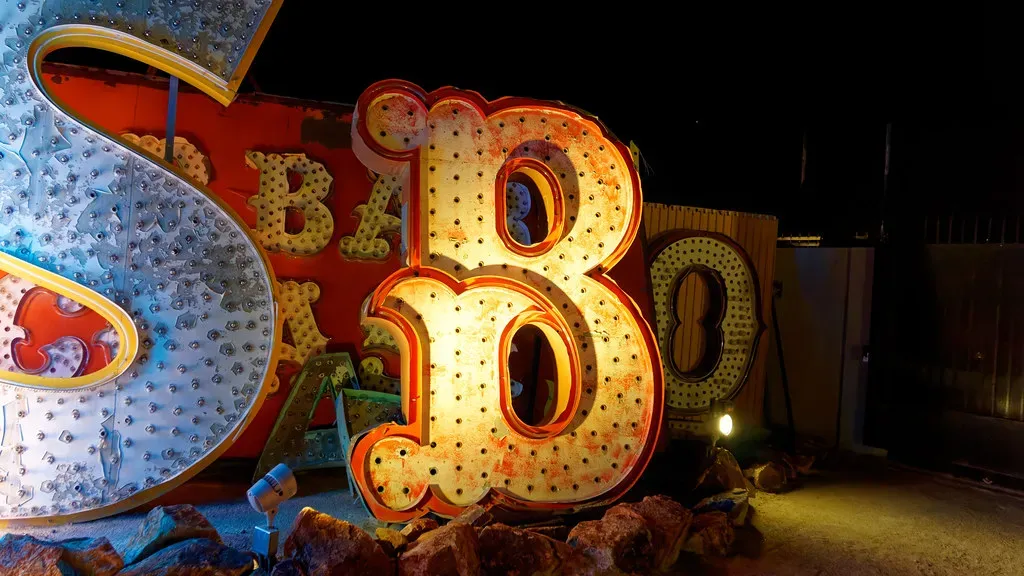
If the name sounds a little morbid, that’s kind of the point. The term “boneyard” refers to an area where items no longer in use are stored, generally to be prepared for disposal or repurposed. Think of it like a retirement home for signs, except these residents don’t fade quietly into oblivion. They glow.
The Neon Museum campus includes the outdoor exhibition space known as the Neon Boneyard Main Collection, the North Gallery, which houses additional rescued signs, and a Visitors’ Center housed inside the former La Concha Motel lobby. It is, in short, an entire world built around rescued light and steel. Each sign in the Neon Museum’s collection offers a unique story about the personalities who created it, what inspired it, where and when it was made, and the role it played in Las Vegas’ distinctive history. In addition, the collection chronicles changes and trends in sign design and technology through pieces ranging from the 1930s to the present day.
Neon and Las Vegas: A Love Story That Started in the 1920s

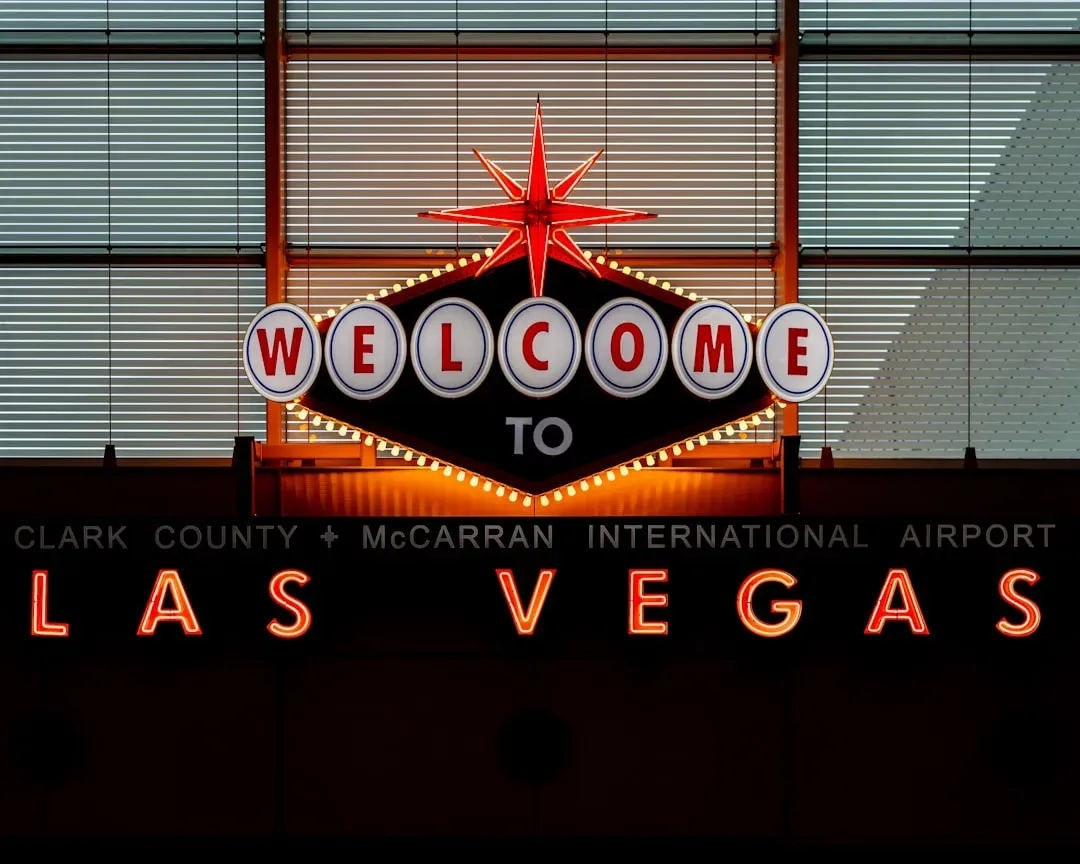
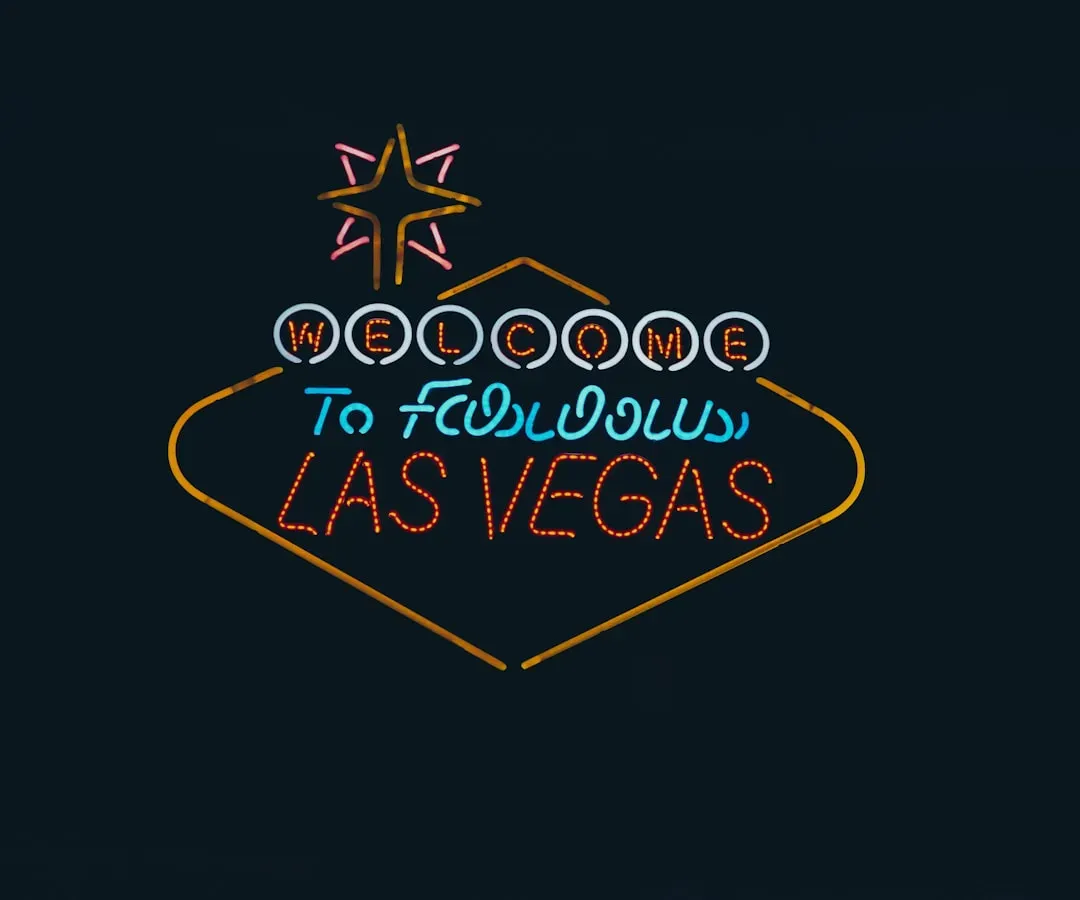
Neon signage in Las Vegas dates to the 1920s, and saw a significant increase in popularity, especially among hotel-casinos, during the 1930s. By the mid-century, neon had become inseparable from the city’s identity. Every casino, every diner, every motel worth its salt competed for the most dazzling marquee on the block. It was advertising as spectacle.
Casinos came and went, and in the wake of constant refurbishment or rebuilding, many of the old neon signs were replaced or even lost. As buildings were demolished for newer, more modern, gigantic edifices with their new colorful LED lighting, many of the old glittering marquees of Vegas’ yesteryear disappeared forever from the Vegas landscape. Honestly, it is a small miracle that so many survived at all.
The Unlikely Heroes Who Started Saving the Signs

Interest in rescuing these retired signs began in the 1970s with local historic preservation groups. In the 1980s, a committee of the Allied Arts Council began actively saving neon signs. These were not billionaires with grand visions. They were local advocates who understood that once a sign is gone, the story it carried disappears too.
By 1991, the group had begun storing old signs for the future museum. Some were stored in the Nevada desert, and others were kept at YESCO’s Las Vegas facility. Meanwhile, Young Electric Sign Company, known as YESCO, had manufactured many neon signs in the city, and the company had a storage site for old signs, which would eventually become part of the Neon Museum collection. Without YESCO, a huge chunk of Vegas history would simply have been scrapped.
The Founding of the Neon Museum: From Idea to Institution

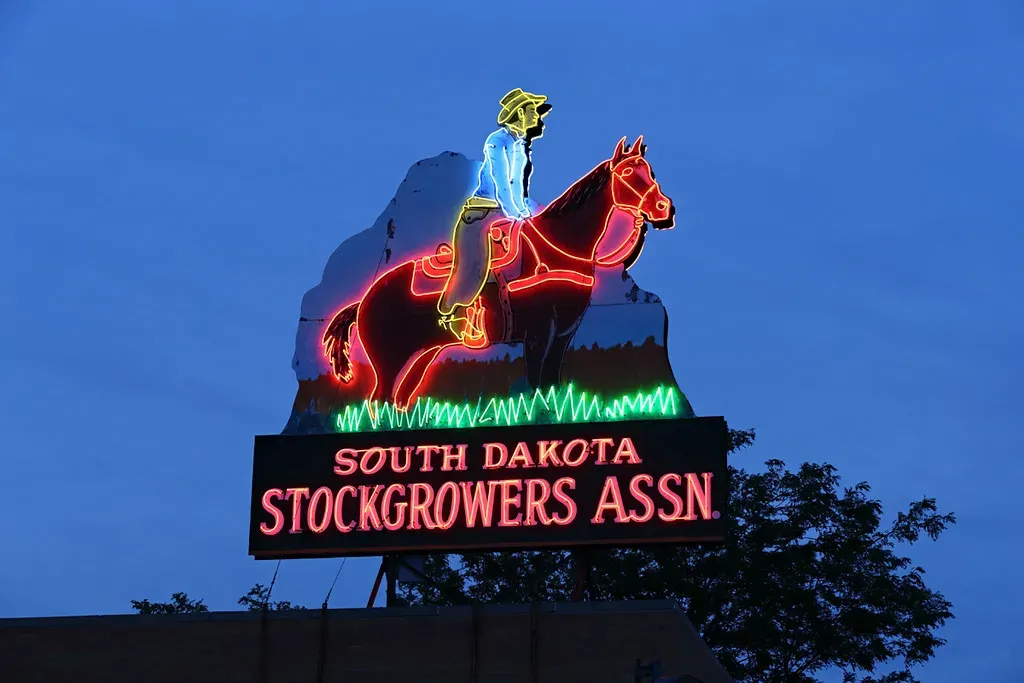
Founded in 1996, the Neon Museum is a non-profit organization dedicated to collecting, preserving, studying and exhibiting iconic Las Vegas signs for educational, historic, arts and cultural enrichment. The very first project was remarkably humble for a city known for excess. The Hacienda resort on the Las Vegas Strip had previously featured a popular neon sign depicting a cowboy on a horse, commonly known as the Horse and Rider sign. It sat in storage for years, and was refurbished by the Neon Museum at a cost of $60,000. It was re-installed and lit up on November 13, 1996, in a new location at the intersection of North Las Vegas Boulevard and Fremont Street.
In 2000, as YESCO prepared to close its storage lot, the city provided the museum with land to start its own. Tours of the new site, known as the Neon Boneyard, began in 2001, by appointment only. The place was still rough around the edges back then. Visitors had to specifically request to visit. Yet the demand kept growing.
The La Concha Lobby: A Piece of Architecture Saved From Demolition

Here is where things get genuinely fascinating. The Neon Museum’s visitor center is not just a building. It is a rescued masterwork. This distinctive shell-shaped building was designed by acclaimed architect Paul Revere Williams. The curvilinear La Concha Motel lobby is a striking example of Mid-Century modern design characterized by Atomic and Space Age shapes and motifs.
Paul Revere Williams was one of the most admired and successful architects of the twentieth century. He was also the first documented African-American member and Fellow of the American Institute of Architects. Originally constructed in 1961 on Las Vegas Boulevard South, the La Concha lobby was saved from demolition in 2005 and moved in 2006 to its current location to serve as the Museum’s Visitors’ Center. Although it cost nearly $3 million to move and restore the lobby, the plans to open a museum became concrete after the donation of the building, drawing a number of public and private grants and donations.
Opening Day and the Collection Grows

Construction to convert the lobby began in May 2011, and the museum officially opened to the general public on October 27, 2012, eliminating the appointment system. It was a turning point. Suddenly, the Boneyard was not just for the curious few. The museum’s official opening in October 2012 marked the first time electrified signs were included as part of the Neon Boneyard’s permanent collection.
The museum received 60,461 visitors during 2013, on par with projections. Approximately 80 percent of the visitors were non-residents. That figure is staggering when you consider the museum is not on the Strip and requires actual effort to visit. People were clearly hungry for this kind of connection to old Vegas. The numbers only went up from there.
What’s Actually Inside: The Signs and Their Stories

Beyond the 322 signs and 977 individual pieces representing more than 200 properties, the Neon Museum is home to a dynamic and growing archive of Las Vegas history. Signs and light include 100 or more signs in the Neon Boneyard, 50 or more in the North Gallery, and 18 on display as public art throughout the city, each a testament to design, craftsmanship, and changing eras of Las Vegas style.
Many of the museum’s signs come from hotel-casinos throughout the Las Vegas Valley, particularly those that are no longer in operation. Signage from hotel-casinos includes the Stardust, the Riviera, the Flamingo, the Tropicana, the Moulin Rouge, El Cortez, New York-New York, the Plaza, the Debbie Reynolds Hotel, and the Nevada Palace. In addition to hotel and casino signage, the collection also includes those from other businesses in the local community, such as a Hard Rock Cafe, the Peppermill restaurant, and Ugly Duckling Car Sales. Even the mundane stuff of everyday Vegas life ended up here. I think that is what makes it feel so human.
The Brilliant! Experience and What the Night Brings

The Neon Boneyard contains more than 250 unrestored signs which are illuminated with ground lighting as well as 28 restored signs which are on all the time. Two of the 28, the Riviera and Fitzgeralds, were received in working condition. After dark, the place transforms. The difference between a daytime visit and a night visit is not subtle. It is like the difference between watching a film in black and white versus full color.
On its 2.27-acre campus, the Neon Museum has the North Gallery, home to the immersive audiovisual experience “Brilliant! Jackpot,” which uses projection mapping technology to animate more than 40 non-operational signs. Using cutting-edge 360° projection mapping, Brilliant! breathes new life into non-functioning signs by casting vivid animations directly onto their surfaces. With sundown, the gallery is an interactive experience in which music, light, and movement bring resurrected long-dark signage back to life as a throbbing canvas of innovation and nostalgia.
The Crowd Problem and the Big Expansion Plan

Here’s the thing about success. It creates its own problems. As of 2023, the museum received 200,000 visitors annually, with 30,000 turned away that year as a result of sold-out tours. Let that sink in. Roughly 30,000 people were turned away from a dirt lot full of old signs because there simply was no room for them. That is not a small niche attraction. That is a cultural institution bursting at the seams.
At least 250 signs are currently on display, but that is only about 35 percent of the entire collection. The rest sit in off-site storage, waiting. The museum announced in 2024 that it would eventually move to two larger, nearby locations within 18b The Las Vegas Arts District. The entire move is estimated to cost around $45 million. That is a big bet on neon nostalgia, but given the numbers, it seems like a smart one.
Fresh Additions and What 2026 Holds for the Boneyard

The Boneyard never truly stops growing. Recent restorations have been genuinely emotional moments for longtime Vegas fans. In May 2024, the museum restored and relit three iconic neon pieces from the Flamingo Las Vegas Hotel and Casino. Merging the 1976 roadside pylon sign originally installed on E. Flamingo Road and two feather plumes, the new installation in the Neon Boneyard stands 20 feet tall and 30 feet wide. In October 2024, the 24-foot-long fuchsia “Debbie” sign was brought back to life in the Neon Boneyard for the first time in nearly three decades.
The Neon Museum has announced its 2026 lineup of sign relighting and artifact additions. From honoring Siegfried and Roy’s transformative impact on Las Vegas entertainment with the unveiling of the famous tiger sculpture, to relighting The Mirage lagoon and Binion’s Horseshoe signs, and showcasing a Las Vegas Grand Prix piece from 2023, this yearlong series will honor legendary entertainers, landmark resorts and pivotal moments in the city’s evolution. Closing out the year, the Neon Museum will relight the historic Binion’s Horseshoe sign from the 1980s. Installed after Binion’s Horseshoe acquired the Mint Hotel and Casino in 1988, the massive display was part of a redesign collaboration between YESCO and sign designer Rudy Crisostomo, resulting in one of the largest neon signs in the world and a defining symbol of downtown Las Vegas.
Founded in 1996, the Neon Museum achieved accreditation by the American Alliance of Museums in 2021, the highest national honor for museums in the United States. That accreditation is not a minor detail. It places the Neon Boneyard in the same category of legitimacy as the Smithsonian. A boneyard that earned a place among America’s most respected institutions. Still, perhaps that is exactly the kind of ending Las Vegas would write for itself.
What sign do you think best tells the story of old Vegas? Tell us in the comments.


