


Henderson has long worn its crown as Nevada’s polished, family-first suburb with genuine pride. Safe streets, top-rated schools, planned communities, the works. For years, it was the obvious answer for anyone who wanted Las Vegas access without Las Vegas chaos.
So why are a growing number of locals quietly packing their boxes and heading west? The Southwest Valley, once overlooked as a dusty stretch of desert off the 215, is increasingly stealing the spotlight. And honestly, when you look at what’s been happening there since 2024, it’s not hard to understand why. Let’s dive in.
Henderson’s Price Tag Is Getting Hard to Justify


Here’s the thing: Henderson was never exactly cheap, but it has crossed a threshold that many locals feel in their wallets every single month. Median home prices in Henderson sit around $530,000, with summer cooling costs running between $200 and $250 or more monthly. That is a serious financial commitment, especially for first-time buyers or anyone without California equity to burn through.
The cost of living in Henderson is roughly 17.7% more than the national average, driven by high housing costs, rent, transportation, and food. When you compare that against what the Southwest Valley offers, the math starts to shift. Suddenly, staying loyal to Henderson feels less like a smart decision and more like a habit.
According to the Las Vegas Review-Journal, buyers need an annual income of approximately $119,000 to comfortably afford a median-priced home at $400,000. The Nevada REALTORS Housing Affordability Index sits at 85, meaning the median-income family has only 85% of the income required to qualify for a median-priced home. For locals who grew up here, that gap is deeply frustrating.
The Southwest Valley Is Exploding With New Development

You could easily miss just how fast the Southwest Valley is transforming if you haven’t driven down Blue Diamond Road lately. Retail is leading the charge in Enterprise and the southwest, with nearly 58% of all retail completions across the entire Las Vegas Valley since 2023 coming from within that submarket, adding over 128,000 square feet of space.
High-profile deliveries have included UnCommons, a mixed-use development featuring retail, apartments and office space, and the Durango hotel-casino, with more commercial completions on the way including a Costco Wholesale on 22 acres at the southwest corner of Buffalo Drive and the 215 Beltway. That’s not fringe desert anymore. That’s a fully functioning community hub.
The southwest, including parts of Enterprise and unincorporated Clark County, has emerged as a high-growth zone. With available land and proximity to the Las Vegas Strip, this area is seeing a boom in residential projects, particularly higher-density, mixed-use developments, with commissioners noting significant activity as the valley expands outward.
West Henderson Is Being Redefined as a Business District

This one surprised even me when I first read it. The City of Henderson is not just watching the southwest grow from a distance. It is actively investing in shaping it. Henderson is growing quickly and defining itself as more than just a suburban hub of Las Vegas, with the city designating West Henderson as a potential “global business district” and an opportunity zone for employment and businesses.
Construction recently started on a 2.4 million-square-foot machine manufacturing facility from Haas Automation, which is expected to draw more tech to the area, while the West Henderson Hospital opened in December 2024 and construction of the West Henderson Field House recreational facility was slated to start in 2025. That’s jobs, healthcare, and recreation all arriving at once.
Several major companies have already taken up shop in the area, including Amazon, Levi’s, and Kroger/Smith’s Food and Drug. When anchor employers like these move in, residential demand follows almost immediately. It’s a pattern we’ve seen play out across the Sun Belt for years now.
Master-Planned Communities Are Drawing Buyers Away From Henderson

People often associate master-planned living with Henderson. Green Valley, Anthem, Inspirada. All iconic names. But the Southwest Valley has been quietly building its own version of that story, and the numbers are starting to back it up. A large part of the region’s growth can be attributed to the development of Mountain’s Edge, described as one of the country’s top master-planned communities, offering diverse and affordable housing options, community parks, and frequent community events.
The southwest, while expanding impressively over the last decade, still maintains a sense of local community. There are many master-planned communities that are all-inclusive, which make it wonderful for families looking for neighborhoods with parks, community centers, and pools. That community feel, usually Henderson’s calling card, is now something the Southwest Valley genuinely offers too.
The Bend, a forthcoming mixed-use development in Southwest Las Vegas, is envisioned as a vibrant community hub featuring retail, dining, and entertainment venues, aimed at catering to the growing demand for lifestyle-centric spaces in the region. That kind of walkable, live-work-play development is exactly what younger families and remote workers are hunting for in 2026.
Inspirada: The Bridge Between Henderson and the Southwest

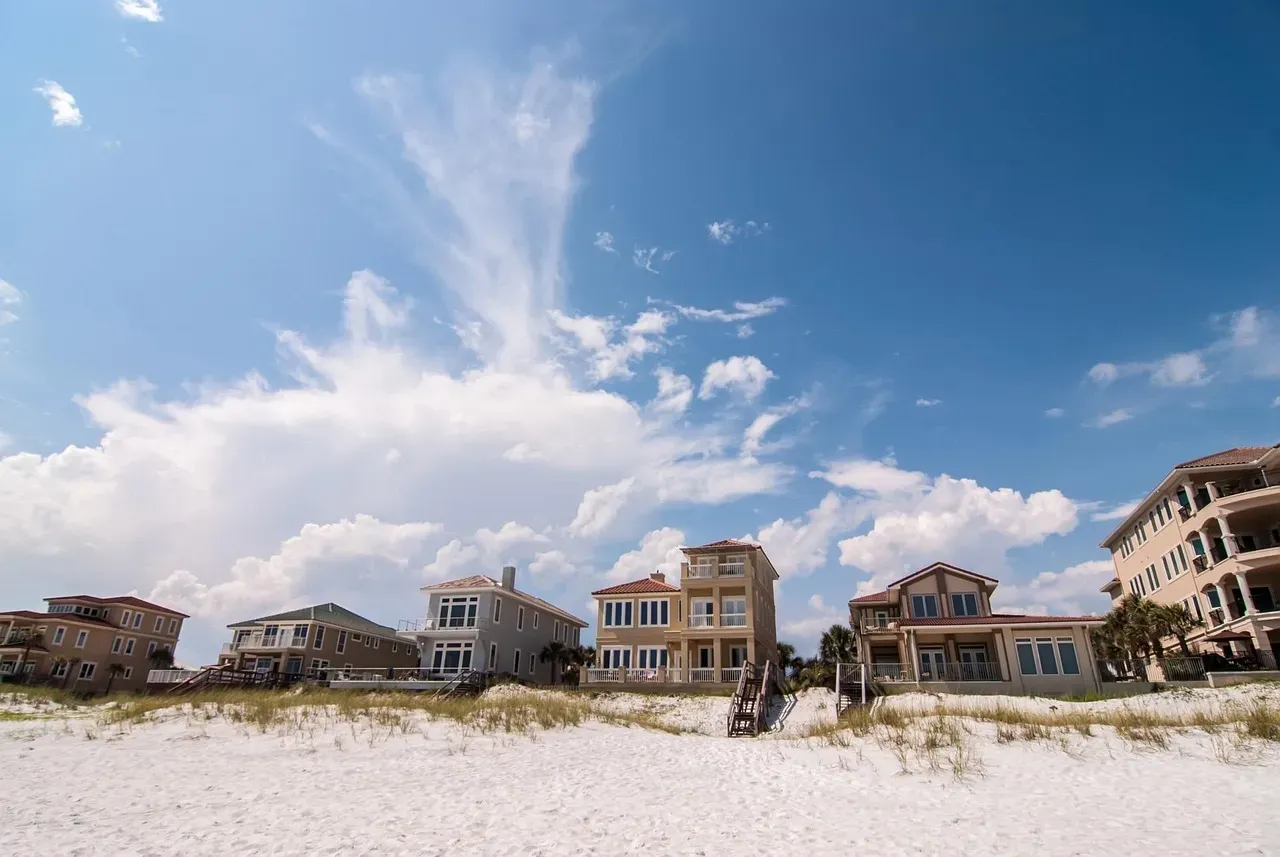
Honestly, Inspirada deserves its own chapter because it sits right at the intersection of this whole shift. Technically in Henderson, it borders the southwest and has become a magnet for buyers who want the Henderson brand without fully committing to Henderson prices. Inspirada in west Henderson came in 26th nationally with 543 sales in 2024, maintaining consistent demand among buyers.
KB Home, the master developer of Inspirada, notes that the project is in its twilight years. While sales remain robust, the number of closings depends on availability, with builders KB, Toll Brothers, and Tri Pointe Homes approaching the community’s build-out of 7,500-plus homes. When Inspirada is fully built out, nearby southwest communities will absorb a great deal of that overflow demand.
Another casino by Station Casinos is expected in Inspirada, a community west of Anthem. Amenity expansion like this creates ripple effects. New entertainment attracts new residents, who then discover the surrounding southwest corridor and start exploring what else the area offers.
The Rental Market Is Pushing Renters Westward

It’s not just buyers feeling the pinch. If you rent in Henderson, you’re facing some of the steepest monthly costs in the entire metro. The median rent price in Henderson for May 2024 was $2,300, a slight increase from the prior year. That price point is squeezing a lot of households, particularly younger renters and those earning local service-sector wages.
For renters, the market in Henderson is also challenging, with the average rent for a two-bedroom apartment sitting around $1,730 per month, which is significantly higher than both the state and national averages. The Southwest Valley, with newer apartment stock and fresher inventory, has been able to offer more competitive price points for renters who still want access to the 215 corridor.
In 2024, roughly half of U.S. renters were cost-burdened, spending over 30% of their income on housing. Although rent growth cooled as new apartments were completed and vacancies rose in many metros, rents remain significantly higher than before the pandemic and often outpace income growth. That national reality hits Henderson renters especially hard given already-elevated starting rates.
Henderson’s Inventory Is Shifting, and Buyers Are Noticing

For a long time, Henderson was a seller’s market. You made an offer fast, or the house was gone. That dynamic has changed, and the data tells an interesting story. The overall number of homes for sale in Henderson was up 15% year-over-year in March 2025, according to Redfin data. More inventory means more leverage for buyers, but it also signals that some of the urgency that once defined Henderson’s appeal has eased.
The typical home value in Henderson, NV is around $460,983, with home values having gone down 8% over the past year according to Zillow data. I know it sounds counterintuitive, but falling prices in a market you’re leaving can actually push buyers to look elsewhere rather than stick around. It signals uncertainty.
The slight year-over-year decline in Henderson reflects healthy market correction, driven by normalization after pandemic appreciation, increased inventory giving buyers leverage, stable demand from relocations, and strong fundamentals in trending communities. Still, when buyers are already weighing their options, even a modest correction can tip them toward newer territory.
The Southwest Valley’s Road Network Makes the Trade-Off Easier


One of the oldest objections to leaving Henderson was commute. The southeast corner of the valley has great freeway access, no argument there. But the Southwest Valley has built out its road and beltway infrastructure dramatically over the past decade, making the old “you’ll be stuck in traffic” argument far less convincing. The Southwest corridor offers a mix of newer construction, access to major highways, and proximity to the airport and Strip.
The single most important variable for many relocating families is commute. Henderson is not a small city, and driving from the southwest to the northeast during peak hours is a meaningfully different experience from a short hop to a nearby freeway on-ramp. The key insight here is that commute matters regardless of which neighborhood you choose, and the Southwest Valley has quietly closed the gap.
Think of it like this: if the Strip is your anchor point for work or entertainment, the southwest is actually closer than most of Henderson’s eastern neighborhoods. That geography shift is not trivial when you’re thinking about where to spend the next decade of your life.
Nevada’s Tax Advantages Apply Everywhere, Not Just Henderson
A huge part of Henderson’s pitch to newcomers has always been Nevada’s zero state income tax. It’s a real and meaningful financial benefit. But here’s what sometimes gets overlooked: that benefit applies across the entire state, including every neighborhood in the Southwest Valley. Nevada’s zero state income tax is essentially an immediate financial raise for anyone relocating from a high-tax state.
Nevada’s lack of state income tax provides additional financial breathing room, especially for buyers transitioning from higher-tax states. Once buyers realize that the tax advantage doesn’t disappear if they pick Mountain’s Edge over Green Valley Ranch, the conversation shifts quickly to “what else am I paying for?” in Henderson specifically.
Several hedge funds and tech firms are planning to reincorporate in Nevada, seeking to take advantage of the state’s favorable tax policies and business-friendly environment. Nevada’s appeal as a destination for corporate relocation is growing, with its tax incentives and legal framework offering significant advantages over other states. That corporate influx brings high-earning residents to Southern Nevada broadly, not just to Henderson’s established zip codes.
Population Growth Is Reshaping the Entire Valley’s Logic

Let’s zoom out for a second, because this shift isn’t just about Henderson versus the southwest. It’s about a metro area that is growing fast enough to make yesterday’s neighborhood map obsolete. Strong population growth has intensified housing demand in southern Nevada, with Clark County seeing its population grow 17% between 2014 and 2024, reaching approximately 2.4 million residents.
In 2025, the Las Vegas metro area population is estimated at approximately 3 million, reflecting a growth rate of about 1.59% from 2024. This momentum is expected to continue, fueled by a robust local economy, job creation in technology and healthcare, and an influx of retirees and young professionals drawn to the region’s low cost of living and lack of state income tax.
Nevada’s housing market remains one of the most migration-driven in the country. During and after the pandemic, interstate migration, particularly from California, significantly increased demand in Las Vegas and Reno. As that migration wave keeps rolling in, the Southwest Valley’s available land and newer infrastructure make it a natural pressure valve for a valley that is simply running out of easy places to grow. The shift away from Henderson isn’t a rejection of what that city built. It’s the natural consequence of success meeting its own limits. What do you think – would you make the move west?


