You sit down, enjoy a great meal, maybe share a bottle of wine, and then the bill arrives. You glance at the total and something feels off. It’s a bit higher than you expected. You look closer and notice a tiny line item near the bottom, just above the tax: “CNF – 4.7%.” No explanation. No asterisk. Just a charge sitting quietly on your bill, hoping you won’t ask questions.
This is the world of restaurant surcharges in 2025. It is murky, inconsistently regulated, and increasingly common. From wellness fees to credit card surcharges to the surprisingly sneaky CNF charge, diners across America are regularly paying extra money they never knowingly agreed to. Let’s change that. Let’s dive in.
What Exactly Is a CNF Fee?

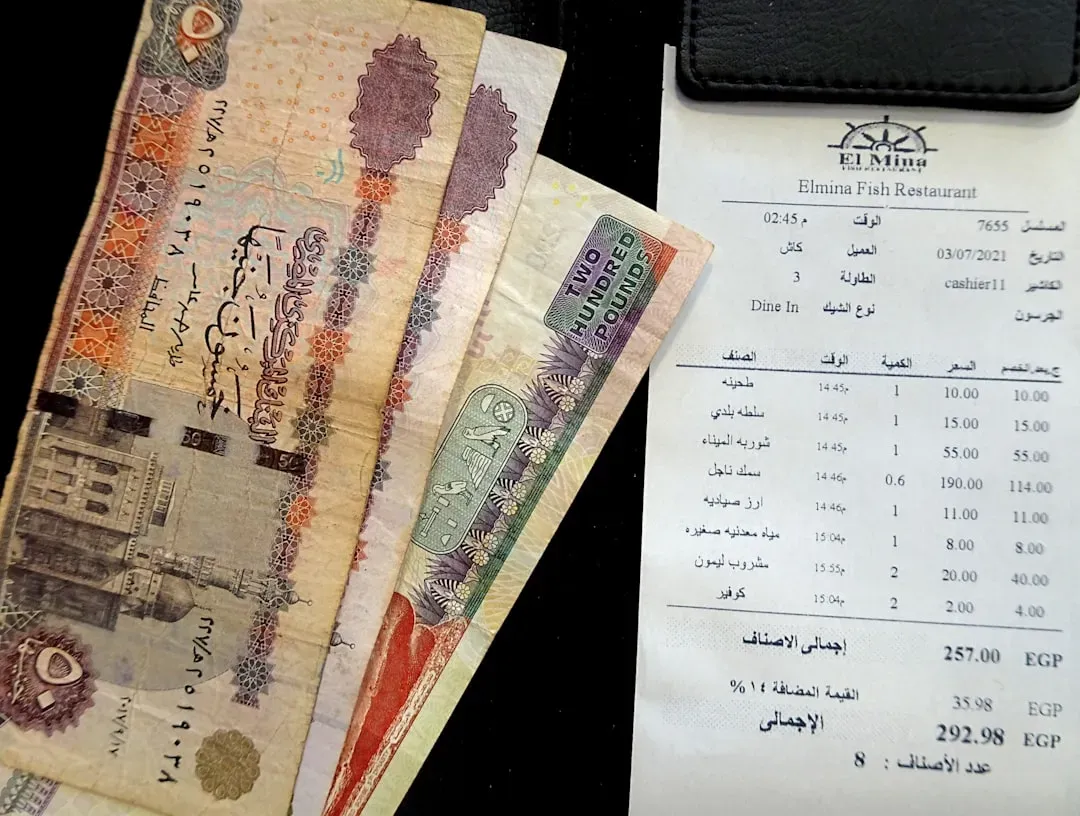
Let’s be real – most people have never heard of a CNF fee until they see it on a bill. CNF stands for “Concession and Franchise Fee,” a charge that has been described as essentially a resort fee for bars and restaurants. It is supposedly related to fees that casinos collect from restaurant concessions, framed as a surcharge for the restaurant’s prime location.
The fee, hidden behind the cryptic letters “CNF” on your final check, is usually three to five percent of your total bill, and that comes in addition to the tax. Making matters worse, it is added to your bill before the sales tax is calculated, meaning you are effectively paying tax on a tax.
Where Did This Fee Come From?


CNF fees have been around Las Vegas for several years, with the first reported instance appearing as far back as 2012 at the Sugar Factory at Paris Las Vegas. A handful of bars and restaurants along the Las Vegas Strip tack on fees variously called a “concession fee,” “venue fee,” or “CNF,” which can amount to as much as five percent of the total bill.
Restaurants including Cabo Wabo Cantina, Rhumbar at Mirage, and Beer Park at Paris Las Vegas have been called out for using CNF charges, and these businesses reportedly do not note the fee anywhere in the establishment or on the menu – customers only find out about it when they receive the bill. Honestly, that is the part that gets me. It is not like a delivery fee or a credit card surcharge, both of which at least have an obvious connection to a service. The CNF is something far slippier than that.
The Surge in All Types of Restaurant Surcharges

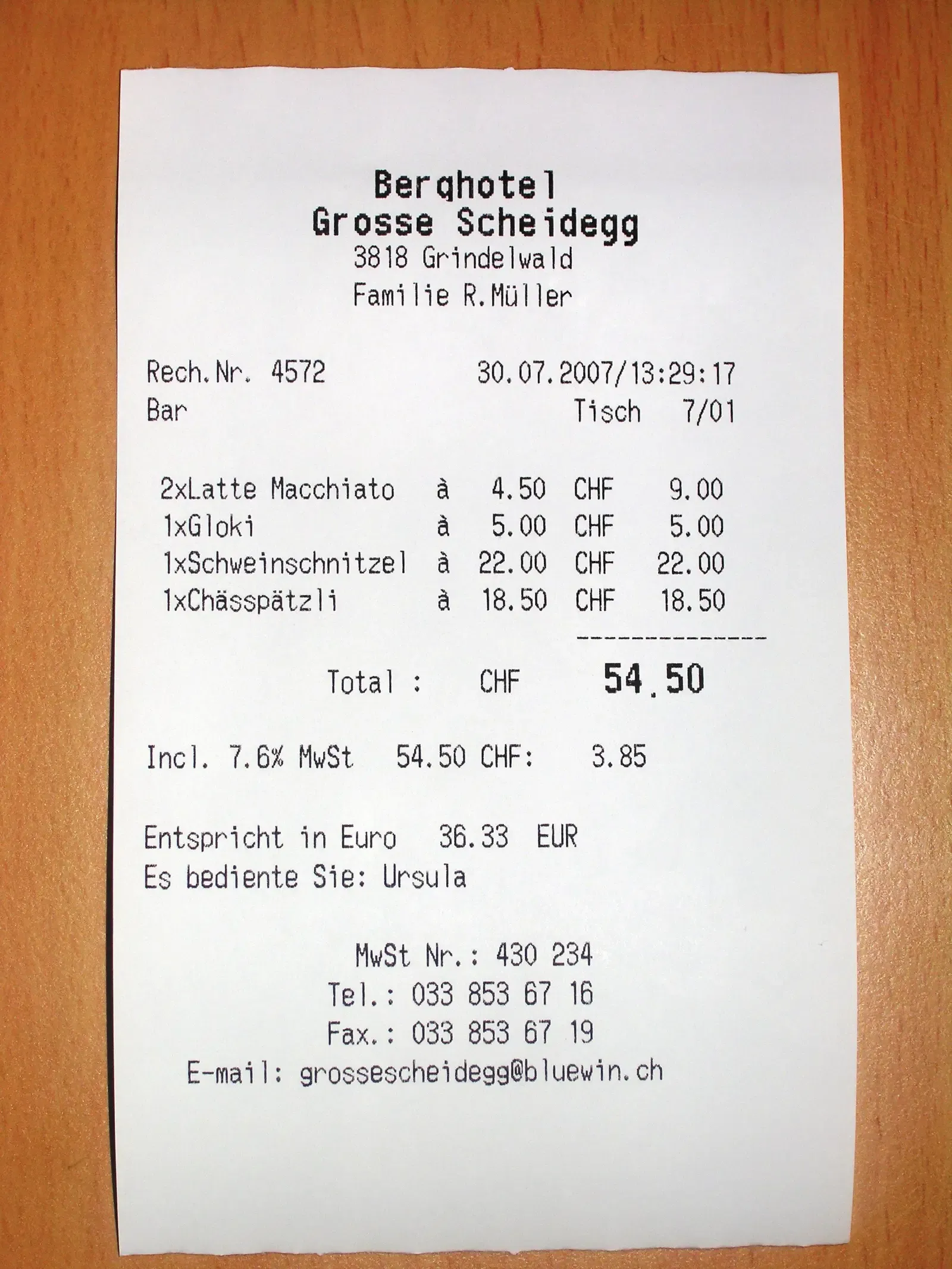
CNF charges are just one example in a much broader pattern. Surcharges or fees covering everything from credit card processing to gratuities to “inflation” have become more popular on restaurant checks in recent years, with around fifteen percent of restaurant owners adding surcharges or fees to checks in 2023 because of higher costs, according to the National Restaurant Association. In the second quarter of 2024, more than three and a half percent of restaurant transactions processed by Square included a service fee – more than double the rate seen at the beginning of 2022.
At sit-down restaurants, customers are used to tipping, but increasingly common mandatory service fees can surprise and mislead people, with about fifteen percent of restaurants now using service fees that can reach up to twenty percent of the pre-tax bill. That is a staggering number when you think about it – a service fee that rivals the tip itself, appearing without clear consent.
Why Drip Pricing Works on Our Brains


Here is the thing: restaurants do not add these fees by accident. There is hard behavioral science behind why revealing charges at the end of a transaction is so effective. Research published in Marketing Science found that when optional surcharges are dripped rather than revealed upfront, consumers are more likely to initially select a lower base-priced option that, after surcharges are included, often ends up being more expensive than the alternative.
In theory, hiding fees should not work, because a perfectly rational person would react the same way to a price increase no matter when it is disclosed. It is exactly because humans are not perfectly rational and exhibit behavioral biases that such fees can be very effective at making people spend more money than initially planned, which is why businesses have widely adopted them. It is a bit like how a supermarket places essentials at the back of the store – by the time you have already committed to the experience, your resistance to extra costs has dropped significantly.
What the FTC’s Junk Fees Rule Actually Did (and Did Not Do) for Diners
The Federal Trade Commission announced a final Rule on Unfair or Deceptive Fees – widely called the Junk Fees Rule – targeting what it described as “bait-and-switch pricing” for short-term lodging and live-ticket events. Many consumers assumed this sweeping regulation would cover restaurants too. It does not. The FTC’s final rule requiring full transparency on fees charged to consumers applies to hotels and live-event ticket vendors, but not restaurants, despite previous versions of the rule having proposed requiring restaurants to disclose many fees as part of the total price of goods.
Partner offer

In what the National Restaurant Association called a major victory, the FTC excluded restaurant fees from its junk fees ban, meaning restaurant service fees, delivery fees, credit card surcharges, and other widely accepted restaurant-related fees will not be covered by the final rule. For diners hoping federal law would protect them from surprise charges at the table, this ruling was a genuine disappointment.
State-Level Protections: California’s Rocky Road to Transparency

Beginning July 1, 2024, California’s “Honest Pricing Law,” known as SB 478 and recently amended by SB 1524, makes it illegal for most businesses to advertise or list a price for a good or service that does not include all required fees or charges, other than certain government taxes and shipping costs. That sounds comprehensive. However, the reality for restaurant-goers in California is more complicated.
Mandatory fees charged by restaurants, bars, and other select food vendors are exempted from SB 478’s requirements, so long as the fee is clearly and conspicuously displayed wherever prices are shown, as established under SB 1524. Beyond California, states including New York, Tennessee, Connecticut, Maryland, Colorado, and Minnesota have also recently passed laws requiring more transparent pricing. Progress is happening, but slowly, and the restaurant industry still enjoys significant carve-outs almost everywhere.
The Service Fee vs. Tip Confusion – Who Actually Gets the Money?
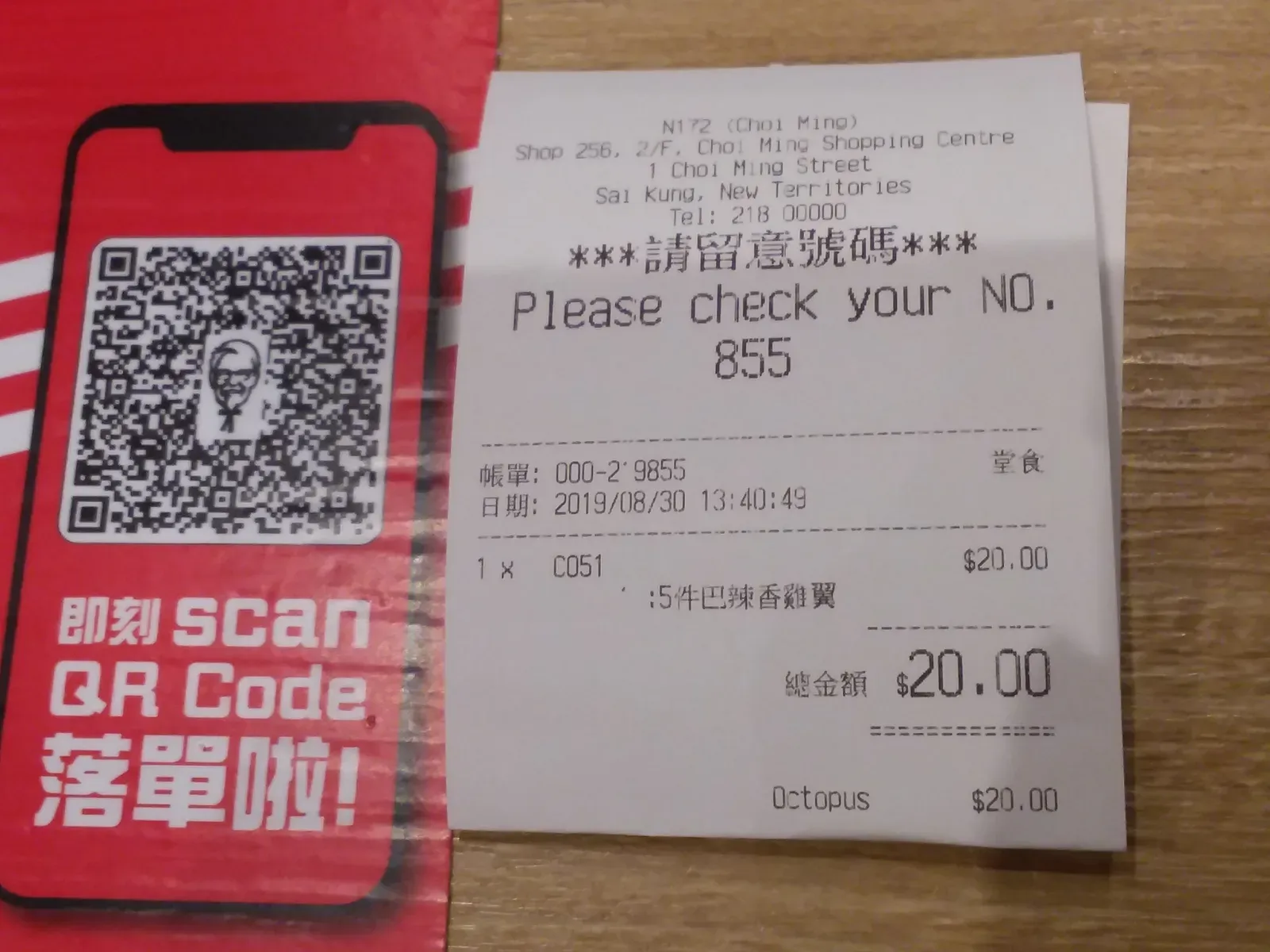
One of the most frustrating aspects of restaurant surcharges is the deep confusion around where the money actually goes. Many diners assume a “service fee” or “hospitality fee” functions like a tip and flows to their server. Under federal law, while it is illegal for management to keep workers’ tips, mandatory service charges are legally considered the property of the restaurant. That is a crucial and deeply under-publicized distinction.
The FTC has noted that consumers are often misled by fees that do not accurately describe their nature or purpose, such as “service fees,” “kitchen fees,” or “hospitality fees,” and has suggested that some restaurants might be using fees to skirt rules that prohibit them from keeping tips that should go to waitstaff. If you are tipping on top of a service fee under the assumption that both go to your server, you could be doubling up unnecessarily while the restaurant pockets one of those amounts entirely.
How to Spot a Hidden Fee Before the Damage Is Done

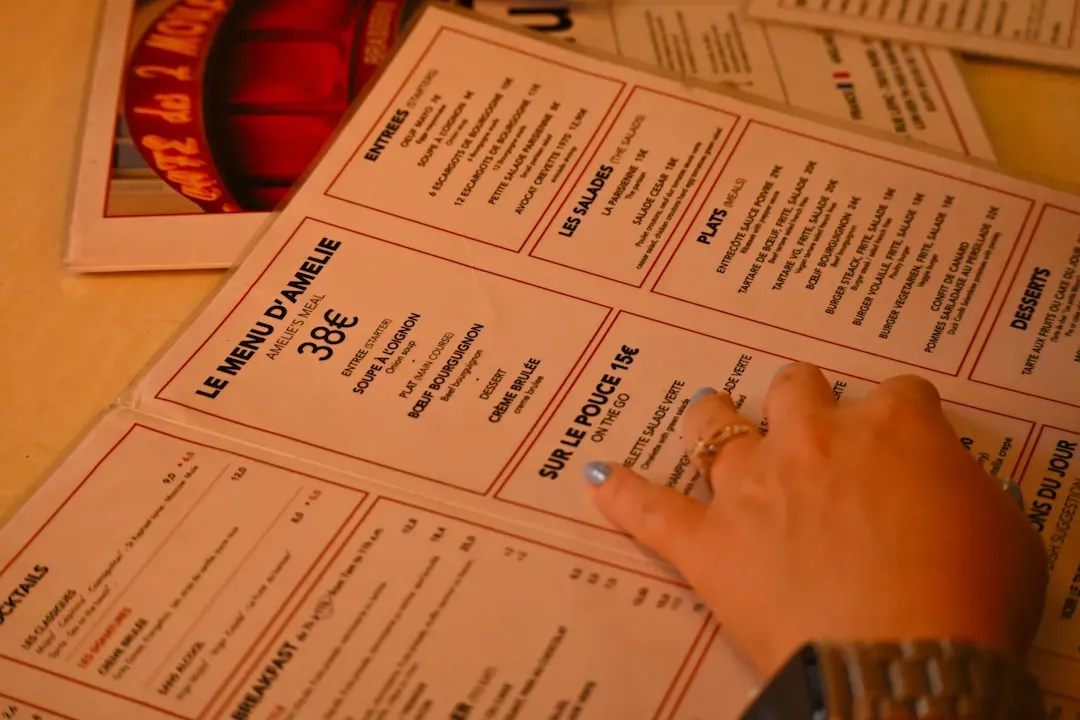
The good news is that with a little vigilance, many of these charges are avoidable, or at least expected before they land on your bill. It is always wise to read the menu carefully, and if you spot the initials “CNF” in the fine print, you can ask in advance whether the fee will be waived. Small print at the bottom of a menu, particularly near the food safety disclaimers about undercooked meat, is a classic hiding spot for surcharge disclosures.
Beyond CNF, watch for labels like “venue fee,” “wellness fee,” “kitchen appreciation fee,” “operational surcharge,” or the vague but increasingly common “hospitality fee.” Venue fees are similar to CNF charges in that they are simply added to the bill in addition to the tax, without any real explanation of what they are for. A fast rule of thumb: if the fee label does not immediately tell you exactly what service you are receiving, ask a server to explain it before you order.
Conclusion: The Real Cost of Looking the Other Way

Hidden restaurant fees are not just a minor annoyance. They represent a broader pattern where businesses use opaque labeling and end-of-transaction reveals to extract more money from consumers who have already mentally committed to a purchase. The White House Council of Economic Advisers estimated that junk fees across the entire U.S. economy amount to approximately $90 billion per year. Restaurant surcharges are just one slice of that enormous pie.
The combination of federal inaction on restaurant-specific fees and inconsistent state-level protections means that, for now, the most effective consumer protection tool is your own awareness. Read menus to the bottom. Ask before you order. Question anything with an unexplained acronym. As one Las Vegas industry insider put it, a lot of annoyance could be avoided if restaurants were simply more upfront and transparent about their fees, rather than surprising customers when they are presented with their final bill.
Every time you quietly pay a fee you did not fully understand, you reinforce the system that created it. The next time a mysterious line item appears at the bottom of your check, pause and ask what it is for. You might be surprised by what happens when you do. What would you have done the last time you saw an unexplained charge – paid it without question, or pushed back?
Partner offer
Planning a trip to Vegas?
Compare hotel rates and show tickets on VEGAS.com.