History tends to remember revolutions by their grand moments: the storming of gates, the toppling of statues, the declarations read aloud in crowded squares. What it remembers less often are the smaller things, the objects tucked into coat pockets and worn against the skin, hauled across battlefields or clutched in moments of quiet fear. These items were not incidental. They were chosen, carried, and invested with meaning in ways that tell us something essential about what it felt like to be a person in the middle of upheaval.
From the powder horns of American patriots to the red flags of socialist movements, from dog-eared pamphlets to personal tokens from home, the objects of revolution form a kind of material language. Each one communicated something, whether to allies, to enemies, or simply to oneself. This is a gallery of those objects, and the weight they carried.
The Powder Horn: Writing Identity Onto a Weapon

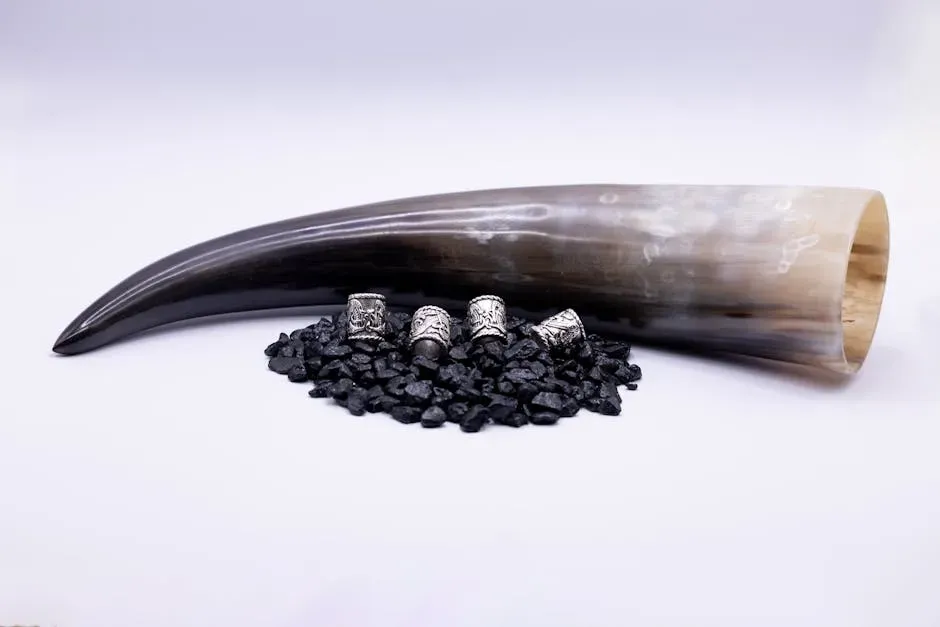
Powder horns were personal objects carried by fighters into battle, and many were engraved with slogans. One example, carried by Virginia rifleman William Waller, bore the inscription “Liberty or Death” and “Kill or be Killd.” These weren’t factory-printed messages. They were personal declarations, etched by hand, turning a practical tool into something closer to a manifesto.
Private Moses Blood of Pepperell, Massachusetts, owned a horn decorated and inscribed with his name and the year 1749. According to family history, he carried this powder horn during both the French and Indian War and the American Revolution. The horn moved through decades and conflicts with the same man, accumulating meaning with every campaign. It was proof of presence, a record of survival.
The Red Flag: A Color That Declared War on the Old World

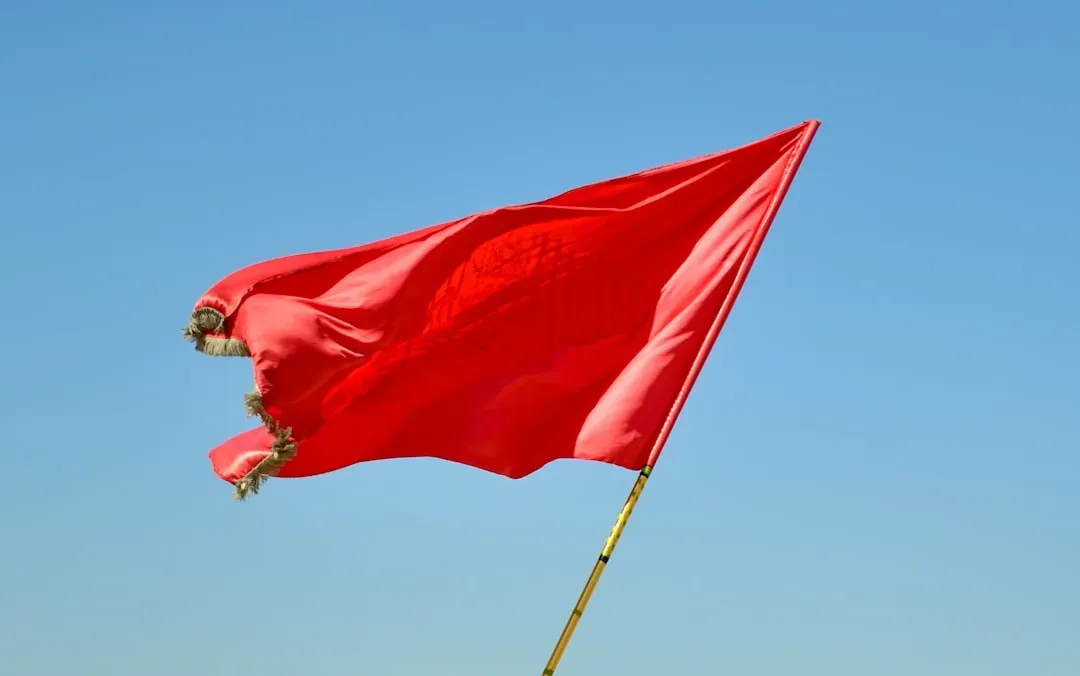
The red flag stands out as one of history’s most electrifying symbols of resistance and revolution. When raised high, it signaled not just protest but a bold readiness for change, often at a terrible cost. Revolutionaries carried it to show their commitment to the cause, its color representing both the blood spilled in pursuit of freedom and the collective unity of those fighting oppression.
During the French Revolution, the red flag was first waved to unite citizens against the monarchy, later becoming synonymous with socialist and communist movements. In the twentieth century, it became a rallying point for labor unions and anti-colonial struggles, waving over crowds from Moscow to Havana. The red flag has had multiple meanings across history. It is associated with courage, sacrifice, blood, and war in general, but it was first used as a flag of defiance, gaining its modern association with communism during the events of 1871.
The Cockade: A Small Emblem With a Loud Statement

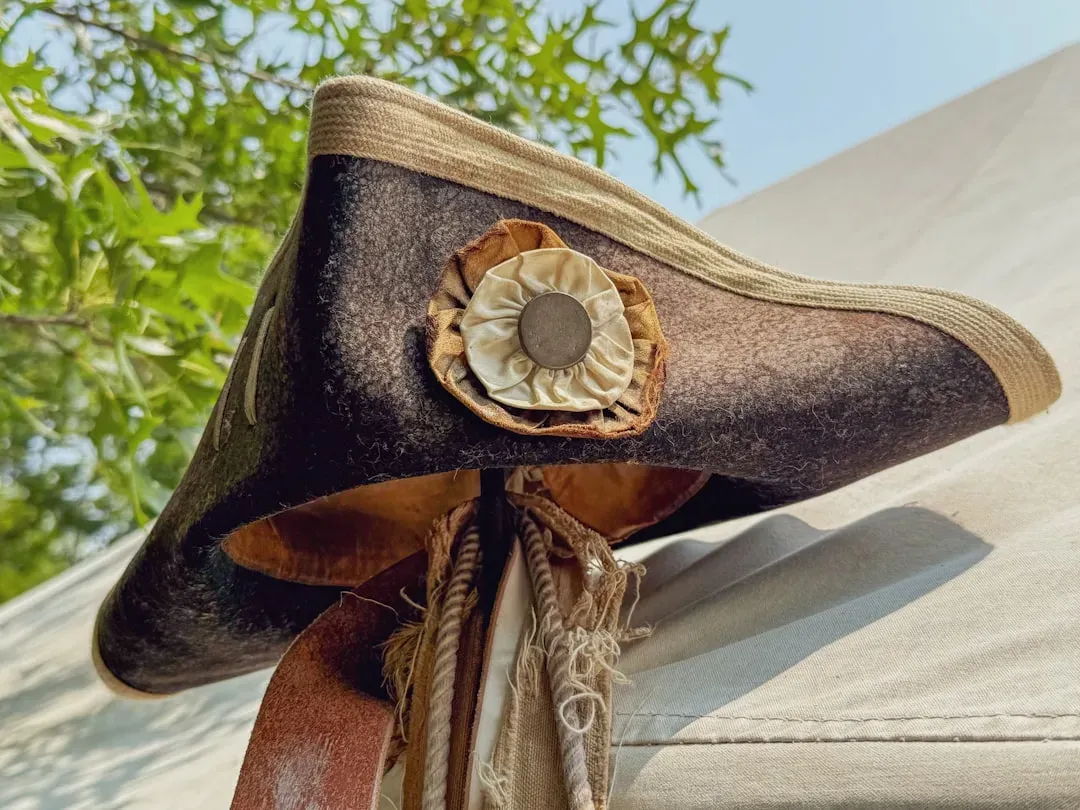
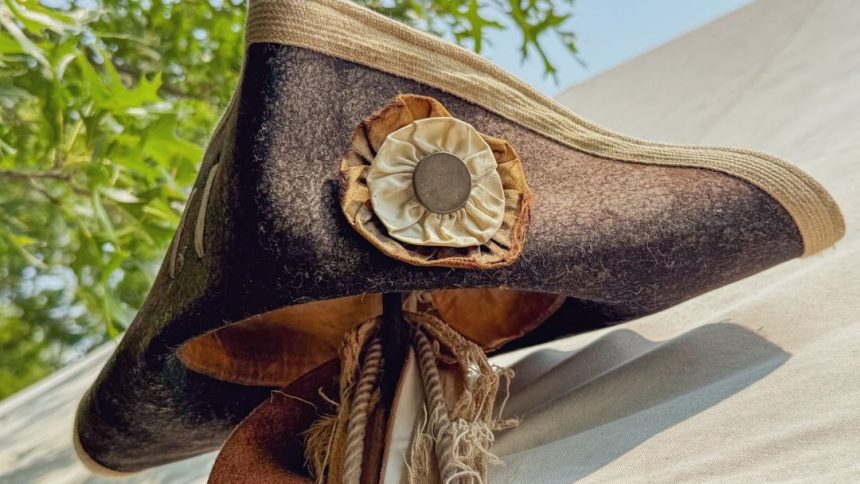
Cockades were widely worn by revolutionaries beginning in 1789. Parisians pinned the blue-and-red cockade of Paris onto the white cockade of the Ancien Régime, producing the original cockade of France. Later, distinctive colors and styles of cockade would indicate the wearer’s faction, though meanings varied somewhat by region and period.
The tricolore flag itself is derived from the cockades used in the 1790s. These were circular, rosette-like emblems attached to the hat. What looks from a distance like a simple decoration was, up close, a declaration of allegiance. Wearing the wrong cockade in the wrong part of Paris during the Revolution was a genuinely dangerous thing to do.
The Phrygian Cap: Ancient Symbol, Modern Defiance

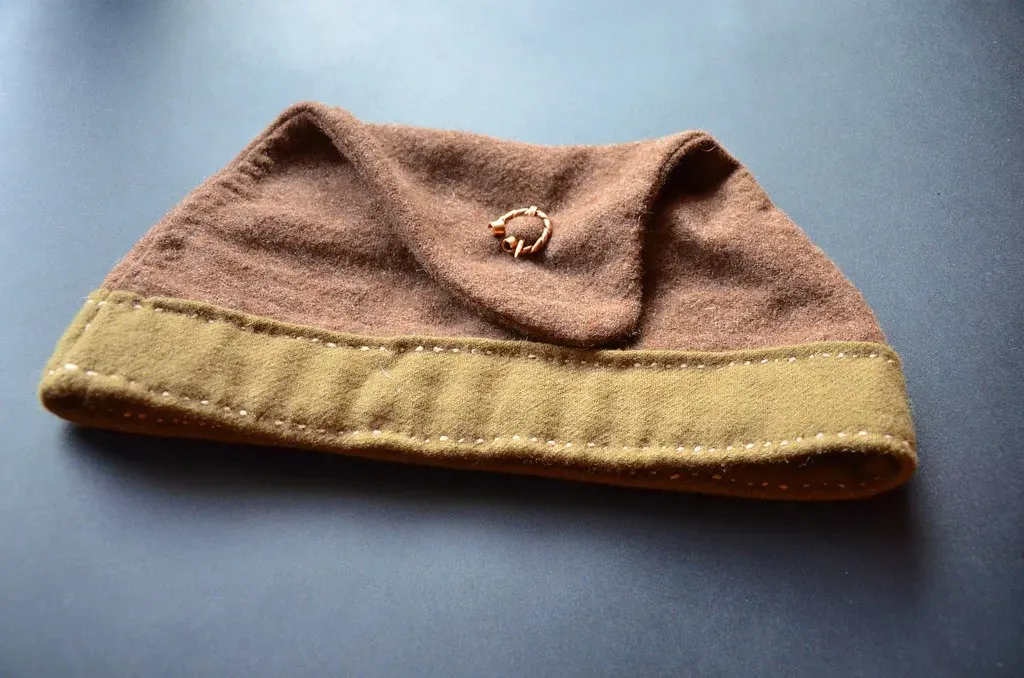
In revolutionary France, the Phrygian cap, or bonnet rouge, was first seen publicly in May 1790, at a festival in Troyes adorning a statue representing the nation, and at Lyon, on a lance carried by the goddess Libertas. The choice of this ancient Roman symbol was deliberate. Its popularity during the French Revolution is partly due to its importance in ancient Rome, where it alluded to the ritual of manumission of slaves, in which a freed slave received the bonnet as a symbol of his newfound liberty.
This type of cap was worn by revolutionaries at the fall of the Bastille. To this day, the national emblem of France, Marianne, is shown wearing a Phrygian cap. The cap survived its revolution and became absorbed into national identity itself, which is exactly what its wearers had hoped for.
The Working Man’s Clothes: Fabric as Political Statement


The term sans-culotte literally translates to “without culottes,” referring to the long pants worn by French revolutionaries who used their dress to distance themselves from the aristocracy, who traditionally wore silk knee-breeches. Such long trousers were a symbol of the working man. Clothing itself became a battleground. What you wore announced whose side you were on before you said a single word.
In order to effectively illustrate the differences between the new Republic and the old regime, revolutionaries implemented new symbols to be celebrated instead of the old religious and monarchical symbolism. Symbols were borrowed from historic cultures and redefined, while those of the old regime were either destroyed or reattributed. New symbols and styles were put in place to separate the Republican country from the monarchy of the past. Dress was simply one of the most visible of those symbols.
The Notebook and Journal: Writing as an Act of Resistance

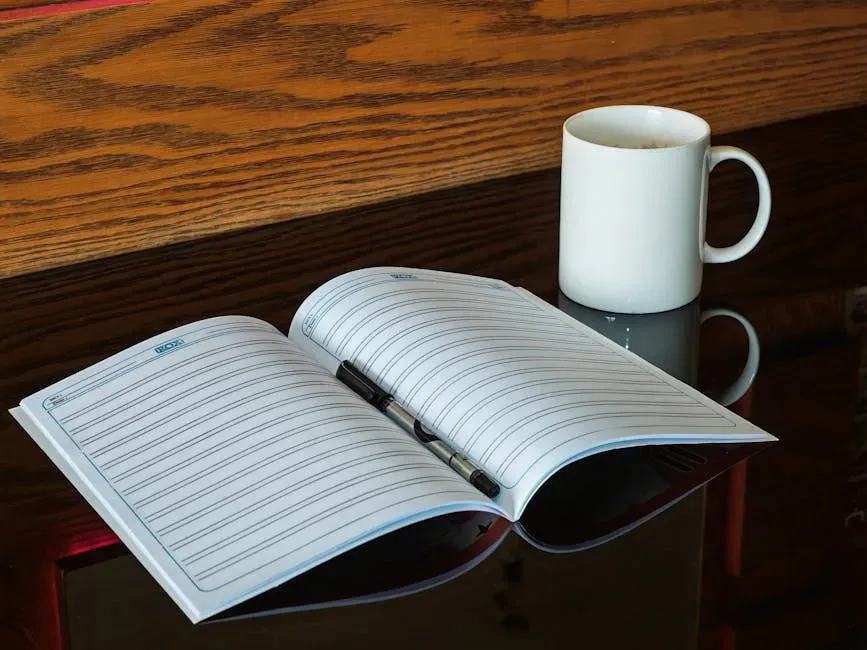
Notebooks and journals were the quiet companions of revolution, chronicling everything from strategic plans to raw emotions. Revolutionaries like Che Guevara meticulously recorded daily life, tactics, and philosophical musings, giving later generations glimpses into their world. These records often became invaluable historical sources, shaping collective memory and providing lessons for future movements.
There’s something quietly powerful about the act of writing under pressure. Regardless of the medium, the act of writing helped revolutionaries process trauma, strategize, and remind themselves that even in chaos, their actions had meaning. A single notebook, dog-eared and stained, can outlast empires. The Bolivian diary of Che Guevara, discovered after his capture in 1967, became one of the most widely read political documents of the twentieth century, reaching audiences its author never anticipated.
Personal Tokens and Photographs: The Human Cost Made Tangible

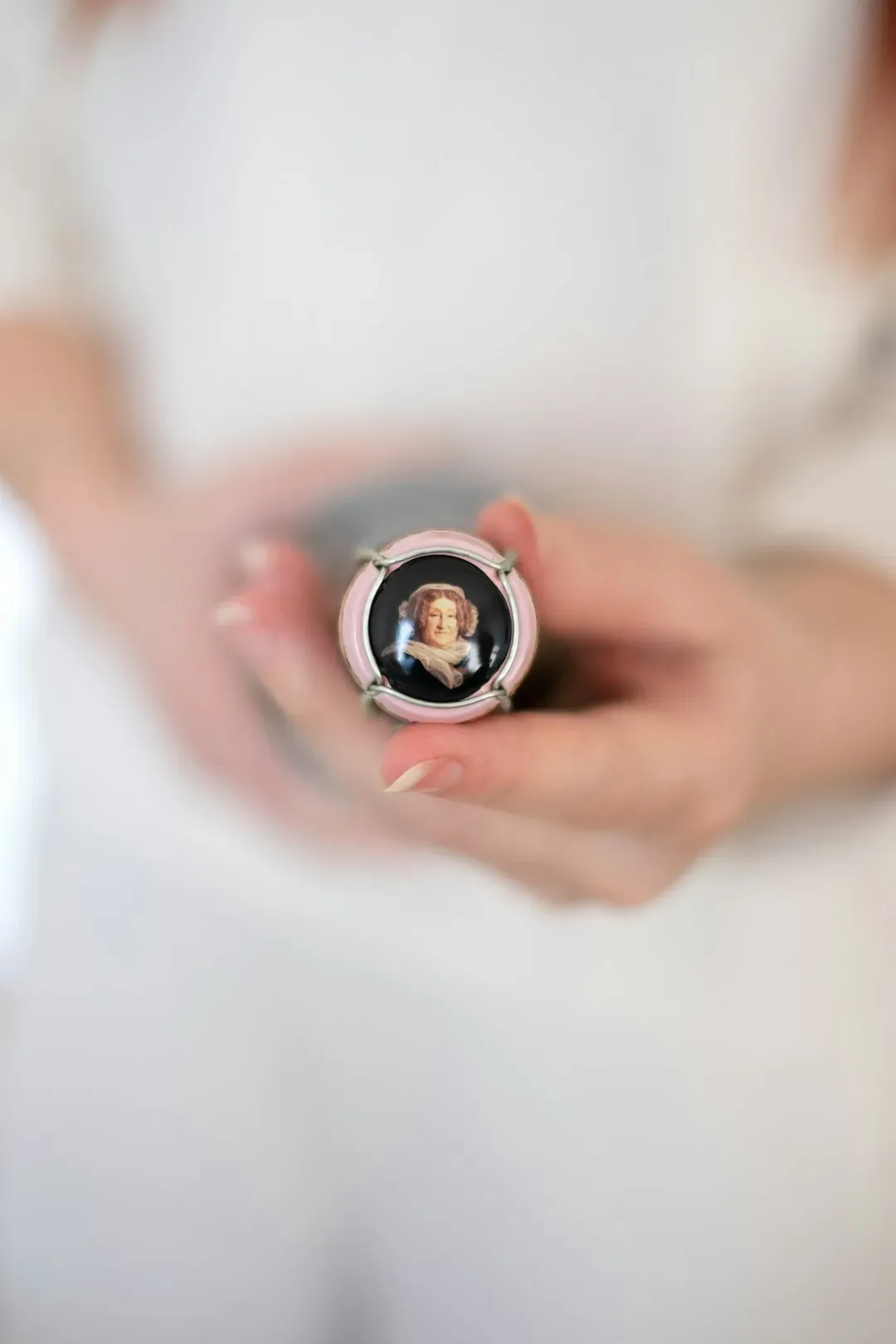
A worn photograph or humble token from home connected revolutionaries to what truly mattered, their families, their land, their dreams for a better life. These small objects were powerful reminders of why the fight was worth every risk. In countless diaries and oral histories, fighters describe holding onto pictures of loved ones, sometimes tucked into a breast pocket over the heart.
Long before the advent of digital or print photography, portrait miniatures served as intimate keepsakes given by the sitter to a loved one to convey their affection and represent their bond. During the American Revolution, these tiny likenesses were carried by soldiers and public officials away from home, and worn by women as necklace pendants or wristlet ornaments. These were not merely sentimental. They were psychological anchors, carried in a world that offered very little else that was certain.
Revolutionary Books and Pamphlets: The Portable Doctrine
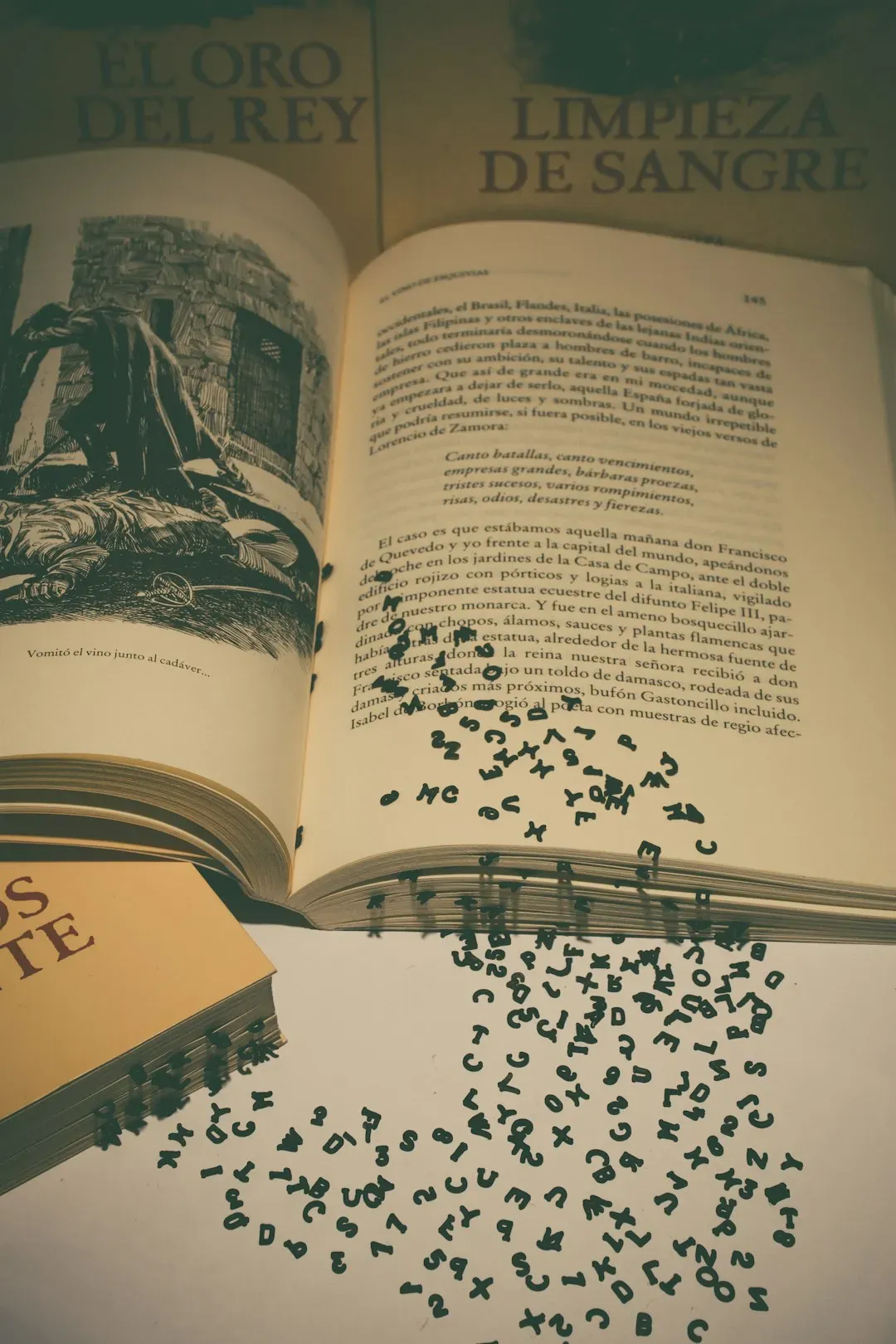
Books by thinkers like Marx, Fanon, and Mao served as the portable doctrines that shaped revolutionary vision. Mao’s “Little Red Book” was carried by millions during China’s Cultural Revolution, while Fanon’s “The Wretched of the Earth” inspired anti-colonial struggles from Algeria to South Africa. These texts offered more than theory: they were roadmaps for action, read and discussed in secret gatherings and open rallies alike.
In today’s digital landscape, e-books and PDFs spread revolutionary ideas faster than ever, crossing borders and censorship. For many, a battered copy of a revolutionary classic remains a cherished possession, representing both hope and the weight of history. The idea that a book could be dangerous enough to ban is itself a testament to how seriously authorities have always taken the pamphlet and the printed page.
The Hammer and Sickle: Tools Transformed Into Icons

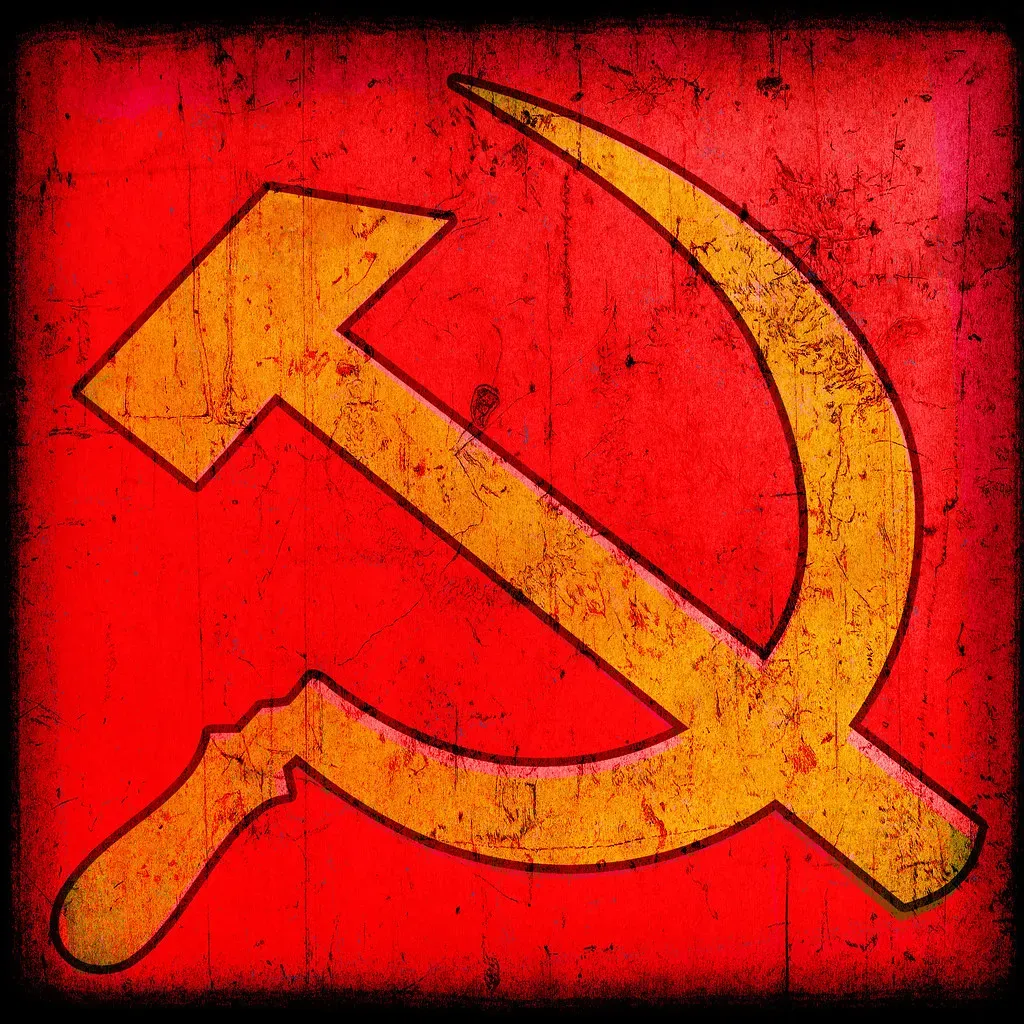
Hammers, sickles, and other tools are both practical items and potent symbols. The hammer and sickle, adopted by the Soviet Union, became emblems of worker solidarity and the promise of a classless society. The choice was deliberate: these were the instruments of labor, elevated into the iconography of an entire state, making the argument that those who worked the land and the factory floor were now the rightful inheritors of political power.
Crossed proletarian implements, including picks, hoes, scythes, and other tools, appeared frequently in the flags and emblems of communist countries and movements. The ubiquitous hammer and sickle belongs to this same visual tradition. Over time these symbols spread far beyond the Soviet Union, appearing on the flags of dozens of parties and states across Asia, Africa, and Latin America, each adapting the imagery to their own particular struggle.
Religious Objects: Faith as Fuel for Revolution

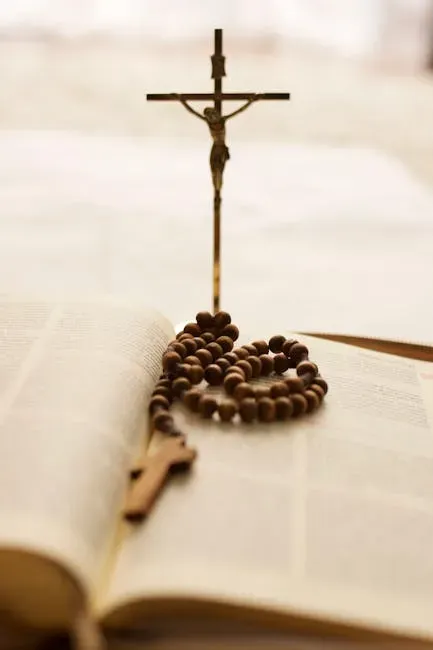
Religious items like rosaries or icons served as sources of strength, comfort, and sometimes controversy among revolutionaries. For many, faith offered the courage to persevere in the darkest times, with believers holding that their cause was not just political but divinely inspired. This was not a contradiction for most who carried such objects. The line between spiritual conviction and political resistance has always been porous.
In Poland, the Solidarity movement drew heavily on Catholic symbolism, with the support of Pope John Paul II giving hope to millions. Even in secular uprisings, some carried religious tokens for luck or spiritual grounding. These objects reminded revolutionaries that their fight was woven into deeper currents of meaning, hope, and destiny. The rosary bead and the protest banner have, across many different cultures and centuries, ended up in the same hands.
Masks and Coverings: Anonymity as a Weapon

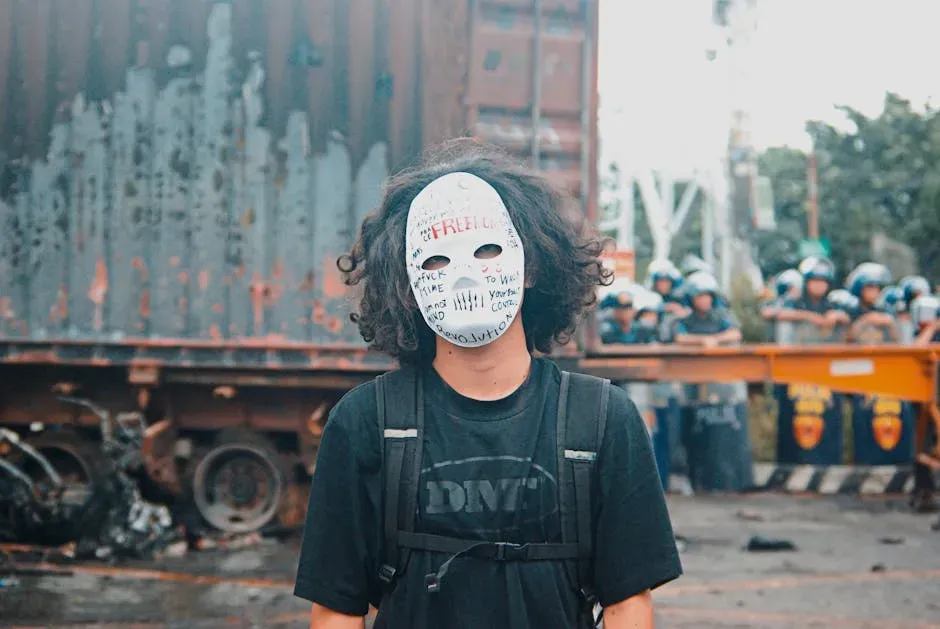
A simple bandana or mask could transform an ordinary person into a faceless member of a powerful movement. Revolutionaries used them to hide identities, protecting themselves and loved ones from retaliation, a tactic as relevant today as it was during the Paris Commune or the Zapatista uprising. Masks also created unity, turning a crowd of individuals into a collective force, as seen with the Guy Fawkes mask adopted by the Anonymous movement.
Raising a raised fist during protests is not new. It originated in the French Revolution and has been used in movements ranging from working-class solidarity to anti-fascism. The mask and the gesture work similarly: both strip away the individual and insist on the collective. The person wearing one becomes, temporarily, everyone who has ever resisted. That kind of symbolic erasure of self is itself a form of power, one that costs nothing to carry.