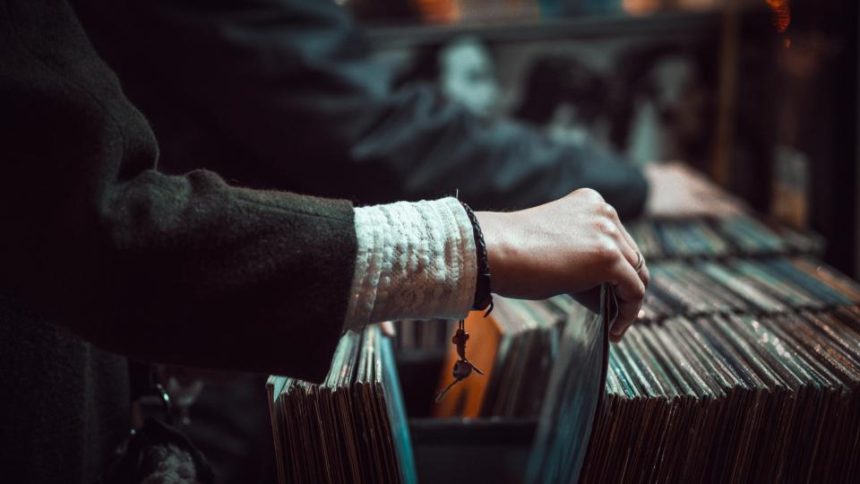
There is something almost poetic about the fact that an object many people wrote off as a dusty relic is now one of the hottest products in the entire music industry. Vinyl records were supposed to be dead. CDs killed them. Then the internet killed CDs. Then streaming was supposed to kill everything. Yet here we are, in 2026, watching a format made of pressed plastic somehow outlast almost every attempt to replace it.
How did this happen? It is not one single reason. It is a collision of nostalgia, clever marketing, generational curiosity, cultural fatigue with digital overload, and a few megastars who just happen to love a good gatefold sleeve. If you think you already know this story, think again. Let’s dive in.
From Near-Death to Record-Breaking: The Numbers Tell an Astonishing Story

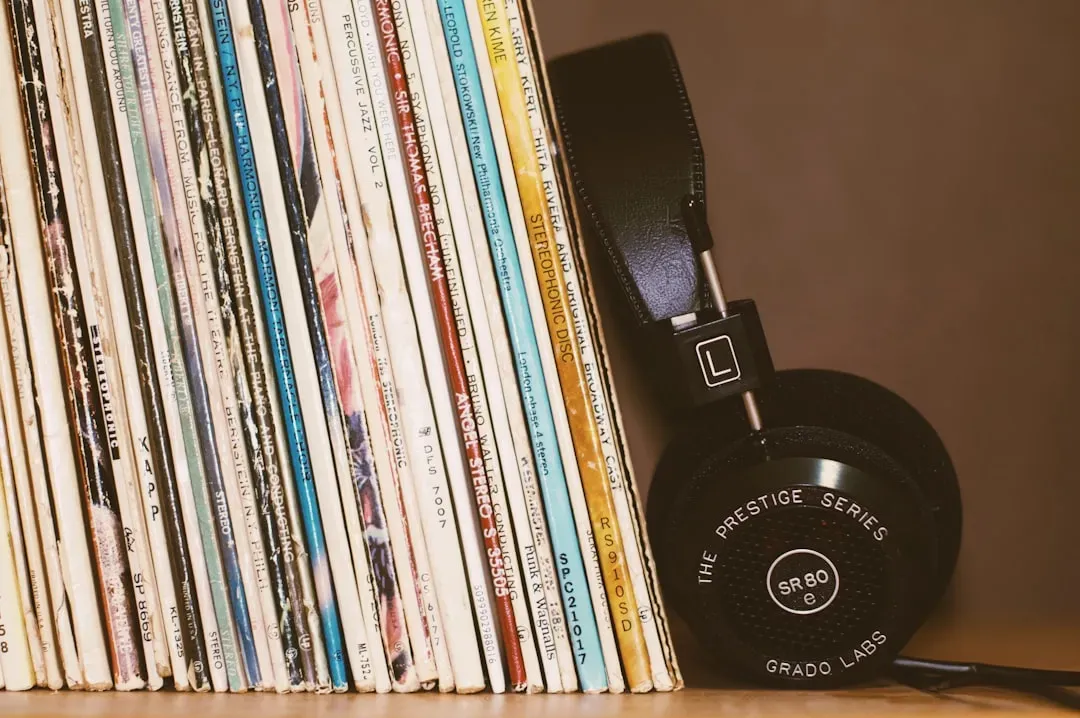
Let’s be real – nobody predicted this. According to Statista, sales of vinyl LP records reached their lowest point in 2006 when fewer than one million units were sold nationwide. That is essentially a format on life support. By comparison, more than 500 million CDs were sold in the U.S. that very same year.
Fast-forward to 2024 and the picture looks completely different. Vinyl’s eighteenth straight ascent scored nearly three-quarters of physical format revenue at $1.4 billion – the highest since 1984. Think about that for a second. Vinyl revenues are now at levels not seen since the Reagan administration. For the third year in a row, vinyl albums outsold CDs in units, with 44 million records shipped compared to 33 million CDs.
The global vinyl record market size was USD 1.9 billion in 2024 and is projected to reach USD 3.5 billion by 2033, exhibiting a compound annual growth rate of 6.8% during 2025 to 2033. This is not a blip. This is a sustained, multi-decade reversal of fortune that economists struggle to fully explain.
The Slow Burn: How the Comeback Actually Started

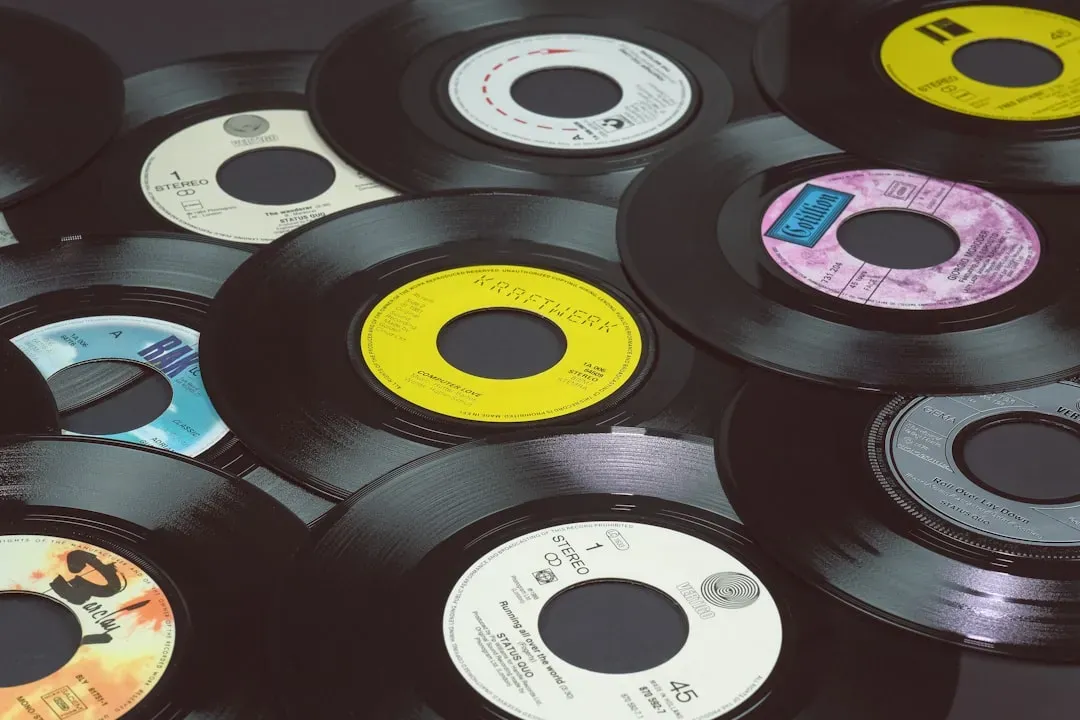
The vinyl comeback began gradually in the early 2000s but accelerated dramatically after 2010. While CD sales peaked in 2000 and declined rapidly, vinyl maintained steady growth from 2008 onwards. It was not an overnight explosion. It was more like a fire quietly catching in a corner of a room nobody was watching.
Since bottoming out, vinyl sales soared through a series of milestones: in 2010, vinyl music sales reached approximately 2.8 million units, more than doubling from 2006 levels. By 2015, LP sales surged to around 11.9 million units, marking a 325% increase from 2010. That is a staggering rate of growth for a format that industry insiders had already given a funeral.
The turning point came in 2020, when vinyl records became popular again during pandemic lockdowns, as people sought tangible, meaningful music experiences at home. Stuck inside with nothing but a screen, millions of people apparently decided they wanted something they could actually hold in their hands. Honestly, that makes a lot of sense.
Record Store Day: The Event That Reignited a Culture

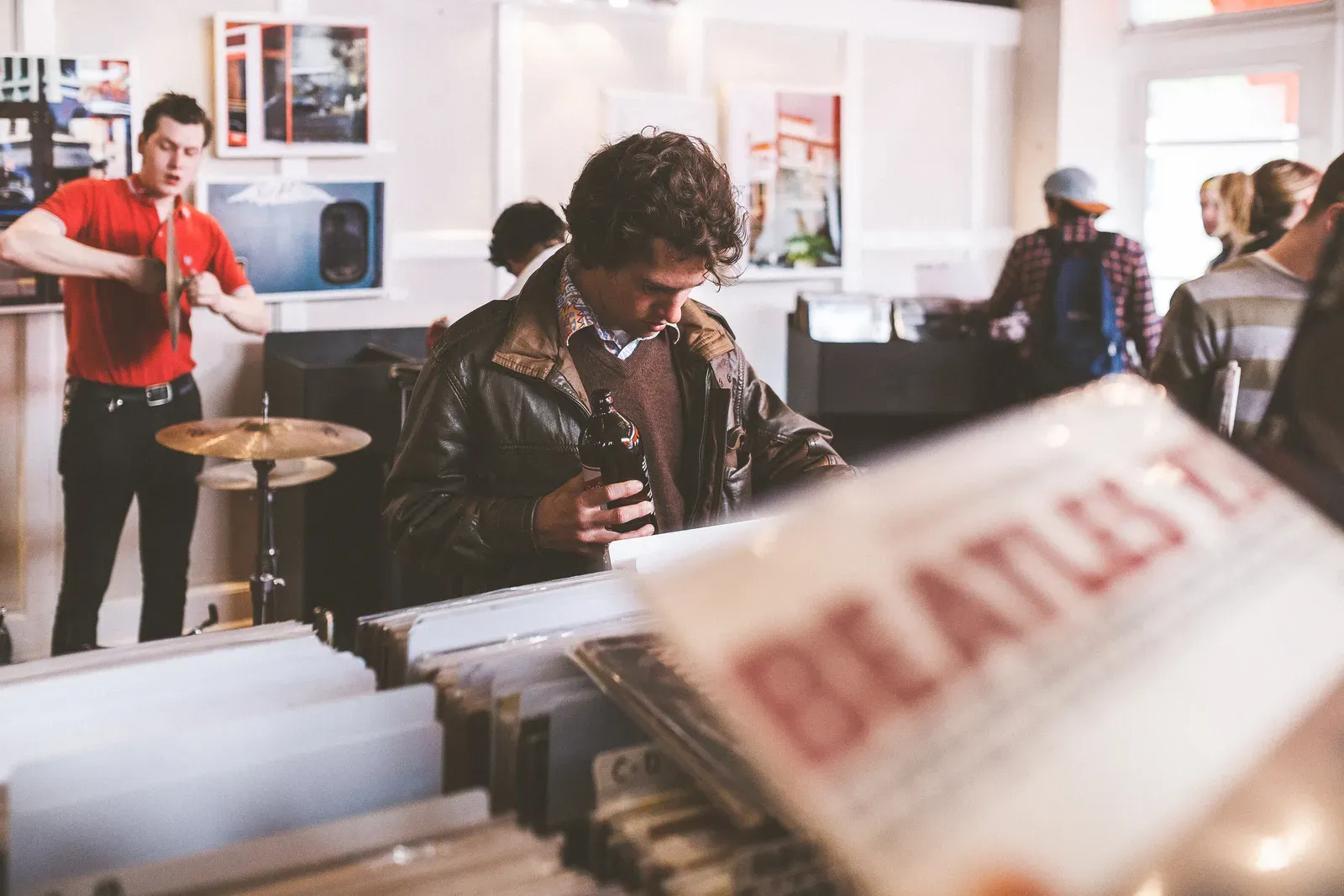
Record Store Day, established in 2007, played a crucial role in vinyl’s revival by creating annual celebration events that brought communities together around physical music. It is hard to overstate how important this one idea turned out to be. It gave people a reason to show up, wait in line, and feel part of something.
Record Store Day was founded in 2007 by Eric Levin, Michael Kurtz, Carrie Colliton, Amy Dorfman, Brian Poehner, and Don Van Cleave, and is now celebrated at stores around the world, with hundreds of recording artists participating by making special appearances, performances, meet and greets with fans, the holding of fundraisers for community nonprofits, and the issuing of special vinyl and CD releases.
In 2024, Paramore and Kate Bush served as ambassadors, and that year resulted in the highest weekly vinyl sales in 30 years. That is not a coincidence. When artists show up and make it an event, fans follow. Among vinyl buyers, 46% of all vinyl buyers between 13 and 17 years of age went to Record Store Day and purchased vinyl in 2024, as did roughly 44% of all vinyl buyers between 25 and 44.
Generation Z: The Unexpected Driving Force

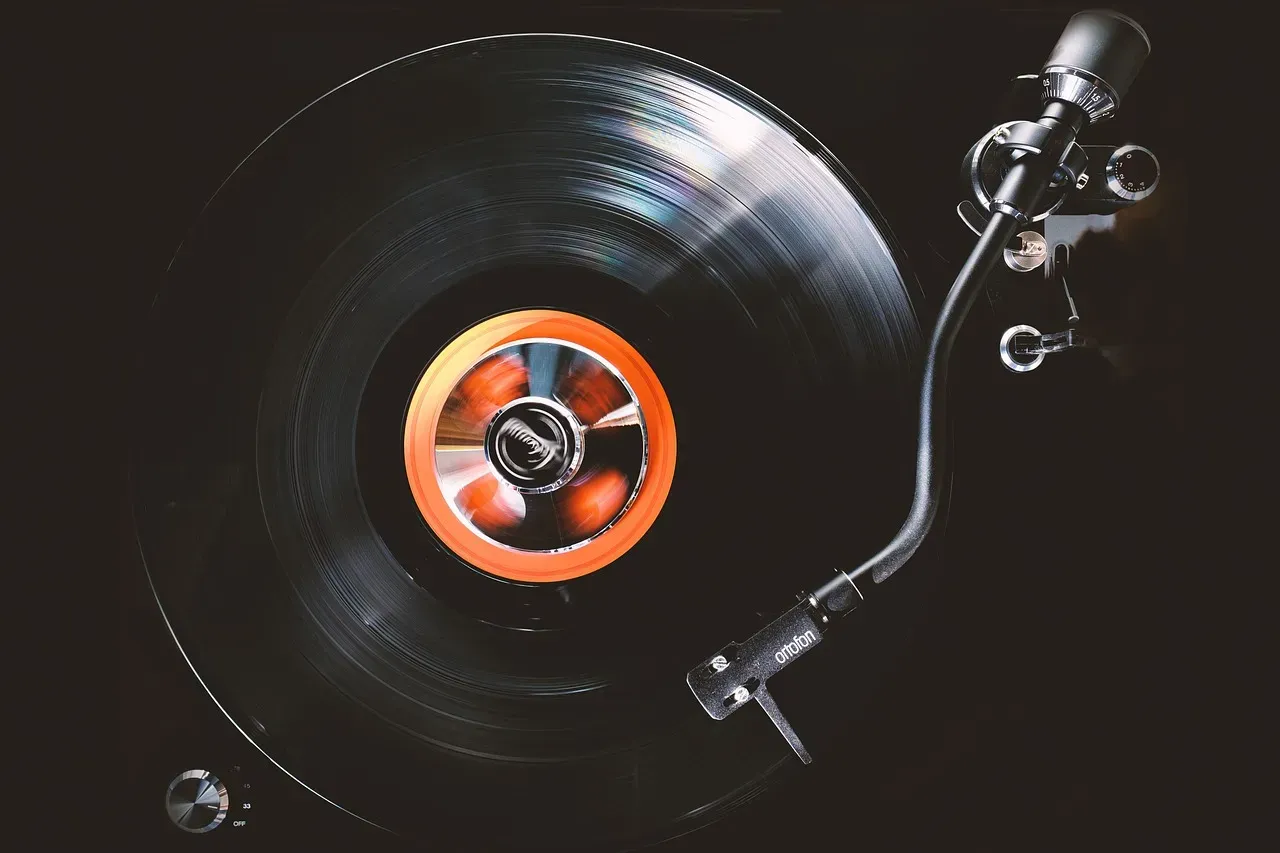
Here is the part that surprises most people. The face of the vinyl buyer today is not a 60-year-old flipping through crates of classic rock. Gen Z buying vinyl accounts for roughly over a quarter of all vinyl purchases in 2024, making them the largest demographic driving this trend. These digital natives, born between 1997 and 2012, are choosing analog music formats for reasons that extend far beyond sound quality.
Gen Z’s interest in aesthetic and vintage trends, widely shared on platforms like Pinterest and TikTok, has significantly contributed to the vinyl resurgence. This demographic, often born after vinyl’s peak, is drawn to the analog experience and the unique cultural statement it represents. Think of it as the ultimate anti-algorithm move. When your entire world is curated by an app, owning something physical becomes genuinely radical.
Social media has made vinyl collecting visually appealing and shareable, while the format provides permanent ownership in an increasingly subscription-based digital world. This is a generation that grew up being told they could access any song ever recorded for the price of a coffee. So naturally, some of them want something nobody can take away from them when the subscription lapses.
Taylor Swift and the Superstar Effect

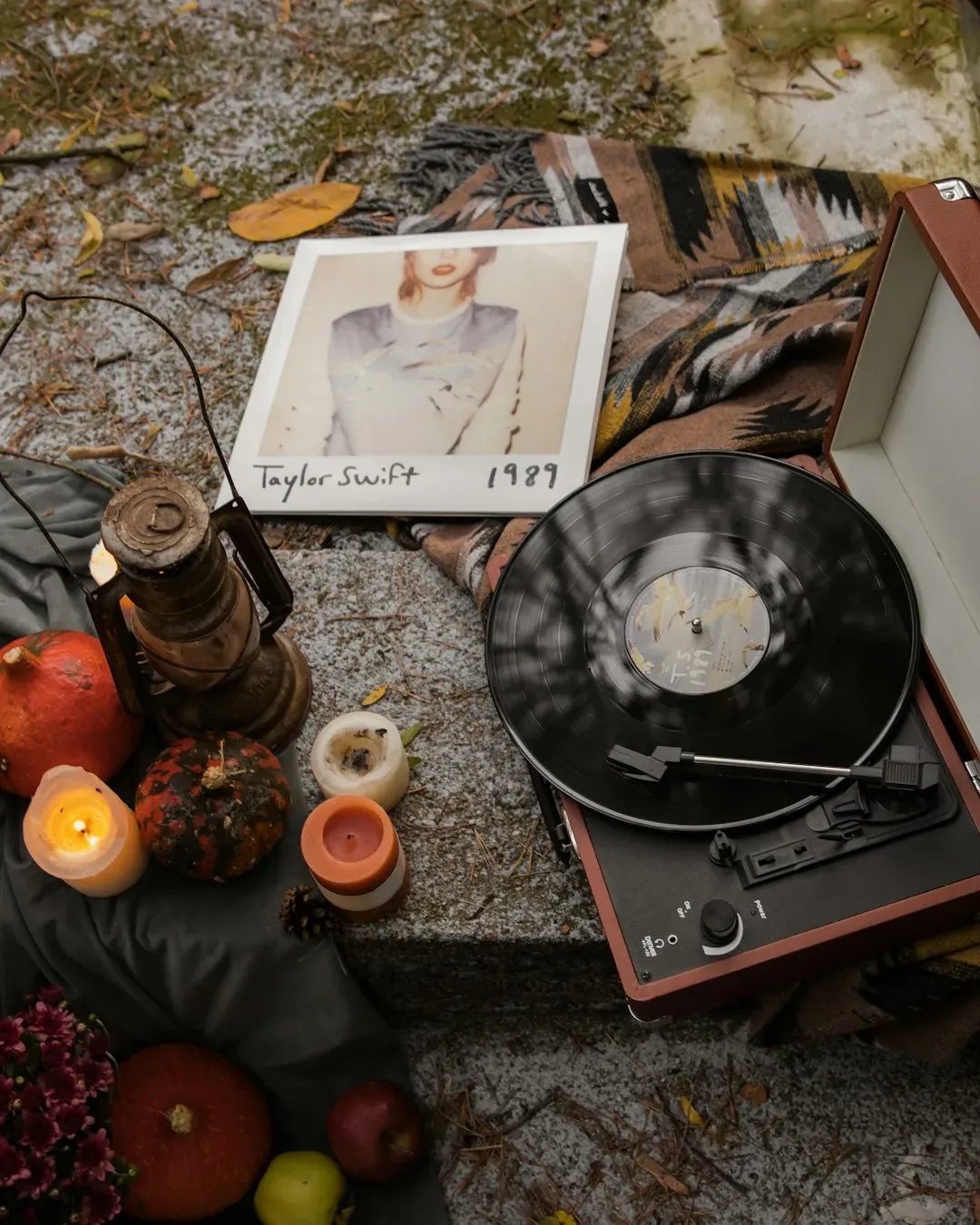
No discussion of the vinyl revival is complete without talking about Taylor Swift. I know, it sounds like a stretch. One pop star moving the needle on an entire industry? Except it is completely true. Swift’s 2024 album, The Tortured Poets Department, sold 859,000 LPs in the album’s first week alone, beating the previous record set by herself. The album ended up becoming the best-selling album of the year with 1.489 million copies sold.
Swift sold 1.695 million vinyl LPs across her entire catalog in 2022, with one of every 25 vinyl LPs sold that year in the U.S. being a Swift album – a sum larger than the next two biggest sellers of vinyl combined: Harry Styles with 719,000 and the Beatles with 553,000. That figure alone is jaw-dropping. One artist outpacing the Beatles in vinyl sales.
Swift’s influence on the format extends beyond her own releases. Her album The Tortured Poets Department was also the UK’s best-selling vinyl album of 2024, with 112,000 units sold. Meanwhile, Swift’s 2025 album, The Life of a Showgirl, sold 1.334 million LPs during its first week of release, already making it the best-selling album of the year so far. The Swiftie effect on vinyl is, in a word, enormous.
The Art of Collecting: Variants, Limited Editions, and the Completionist Craze

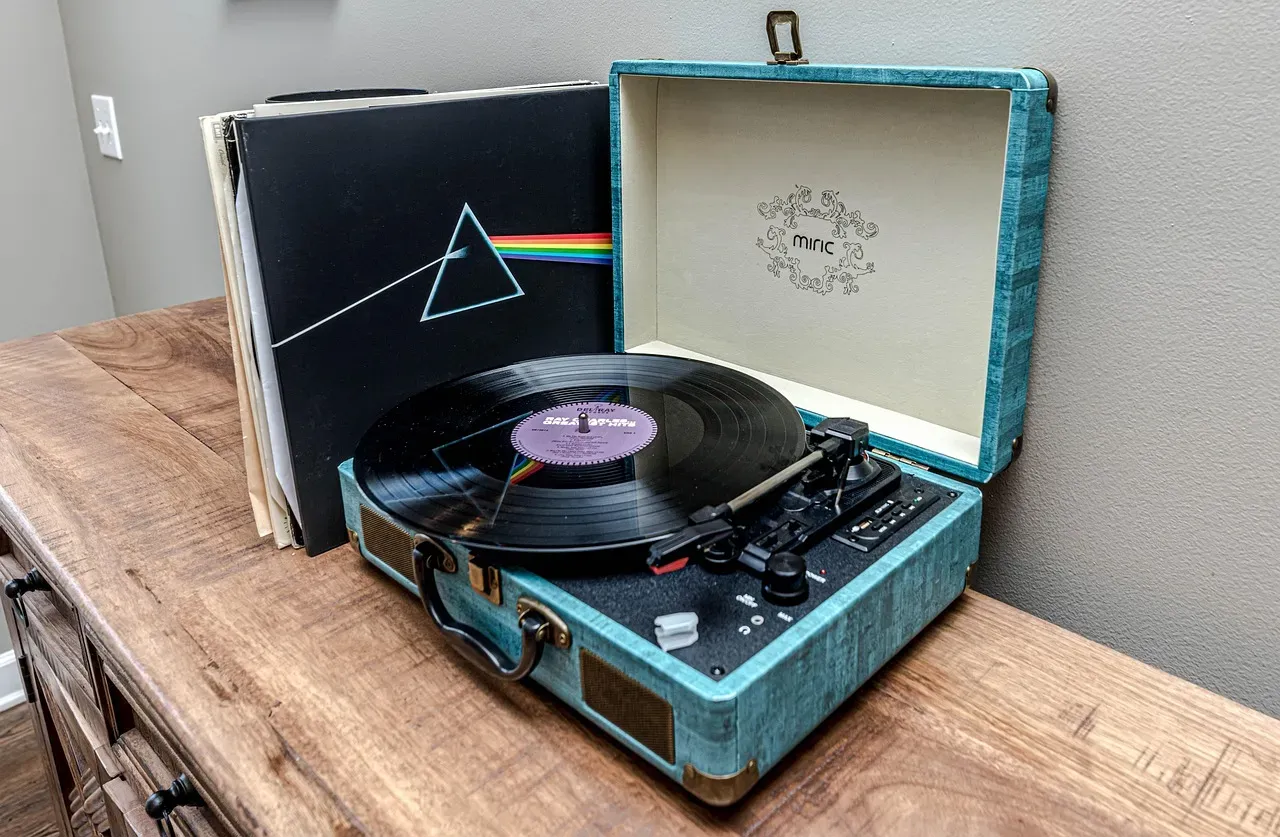
One of the less obvious but deeply important drivers of the vinyl boom is the collector mentality. It is not just about listening to music anymore. It is about owning a specific color, a specific pressing, a specific variant that nobody else has. Many albums today have multiple physical variants, ranging from different colors of the record, alternative album covers, and even bonus tracks not released on streaming. All these drive the desire to collect multiple, if not all, variants.
As of mid-2024, the top 10 albums on the Billboard 200 had an average of 7 variants per album. Luminate reports that in 2019, the top 10 albums had an average of 3.3 physical album variants, a number that has increased to 8.9 physical versions in 2023. This strategy is working brilliantly. Dua Lipa’s 2024 album Radical Optimism had 20 variants. Charli XCX’s 2024 album Brat had 20 as well. Meanwhile, Travis Scott’s 2023 album Utopia had 31 physical variants.
LP sales growth by dollar value is expected to outpace sales growth in units. This is due to higher per-unit costs related to premium vinyl album packaging formats and collector editions. The industry, it turns out, has found a way to turn nostalgia into a premium product category.
Independent Record Stores: The Heart of the Revival

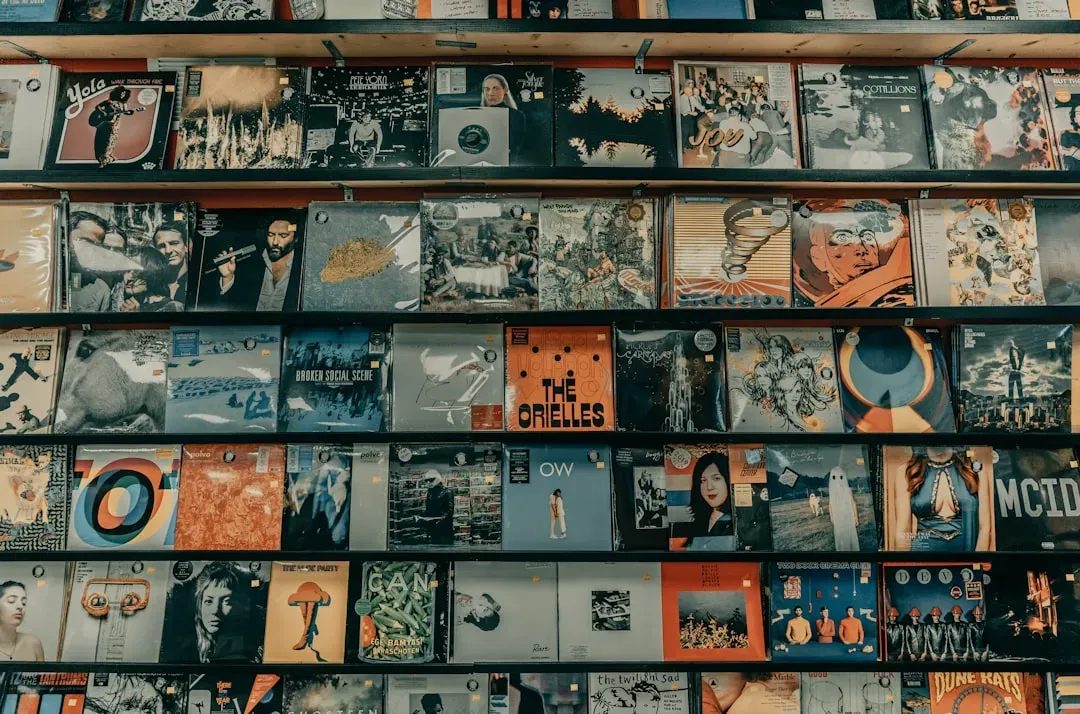
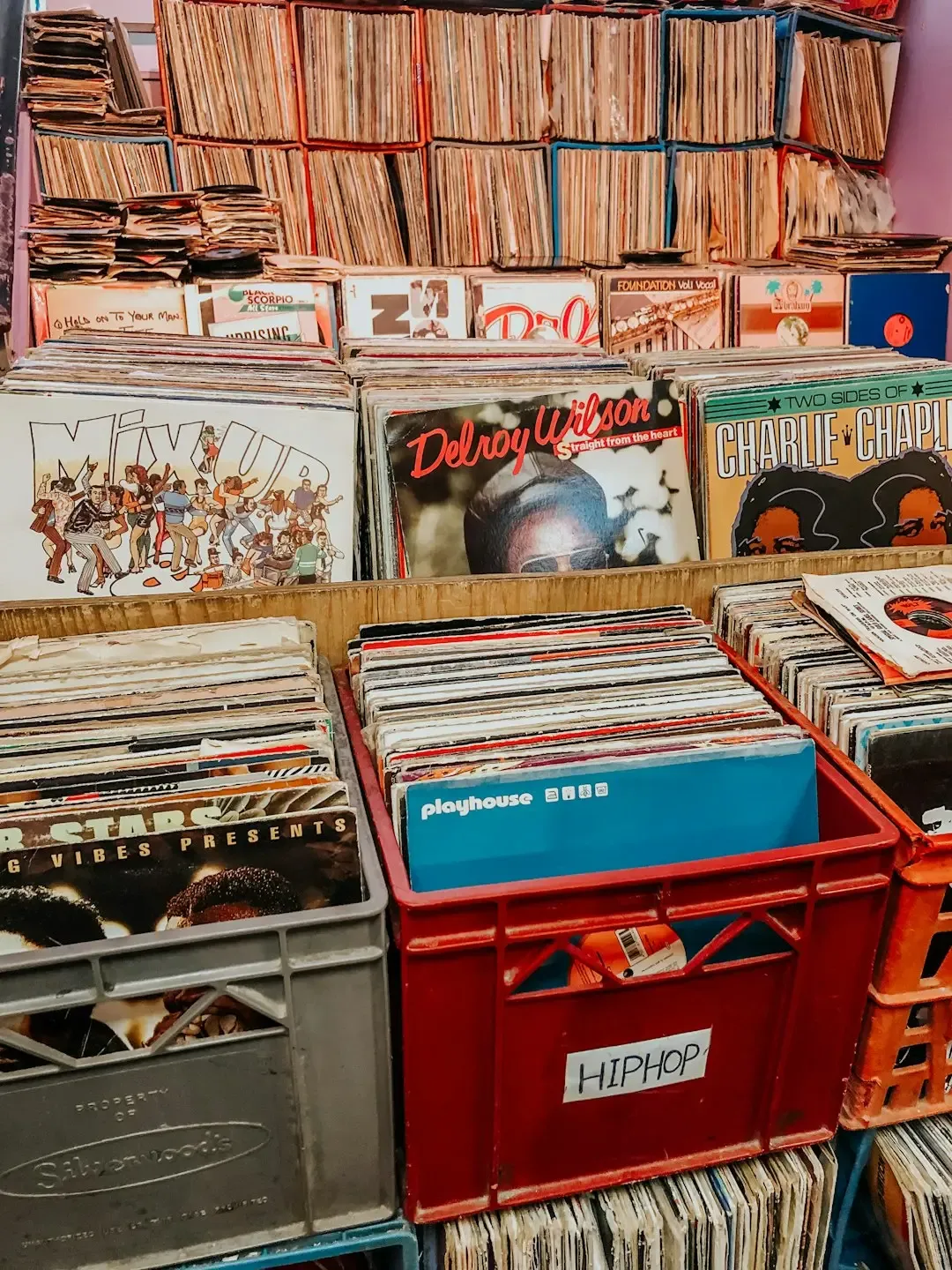
While big box retailers have certainly gotten into the game, the soul of the vinyl revival lives in independent record stores. These places survived the darkest years of the format’s decline and are now thriving again in a way that feels almost cinematic. Since June 2024, indie stores have accounted for 40% of all vinyl album sales and 29% of all physical sales – in both cases marking the largest category when measuring where consumers have gone to purchase vinyl.
The average vinyl music buyer continues to skew younger. Walking into a record store is, for many Gen Z buyers, a genuinely novel experience. Think about that. Something that was mundane for a previous generation has become an adventure for the next one. 37% of all vinyl buyers in the past 12 months purchased a vinyl album at an independent record store, which was the response with the highest percentage in Luminate’s survey.
This resurgence has led to the emergence of niche markets and the growth of independent record stores, as well as fostering creativity in production practices and marketing methods. The stores that survived are now becoming cultural anchors in their communities in a way that streaming platforms can never replicate.
The Sound Debate: Is Vinyl Actually Better?

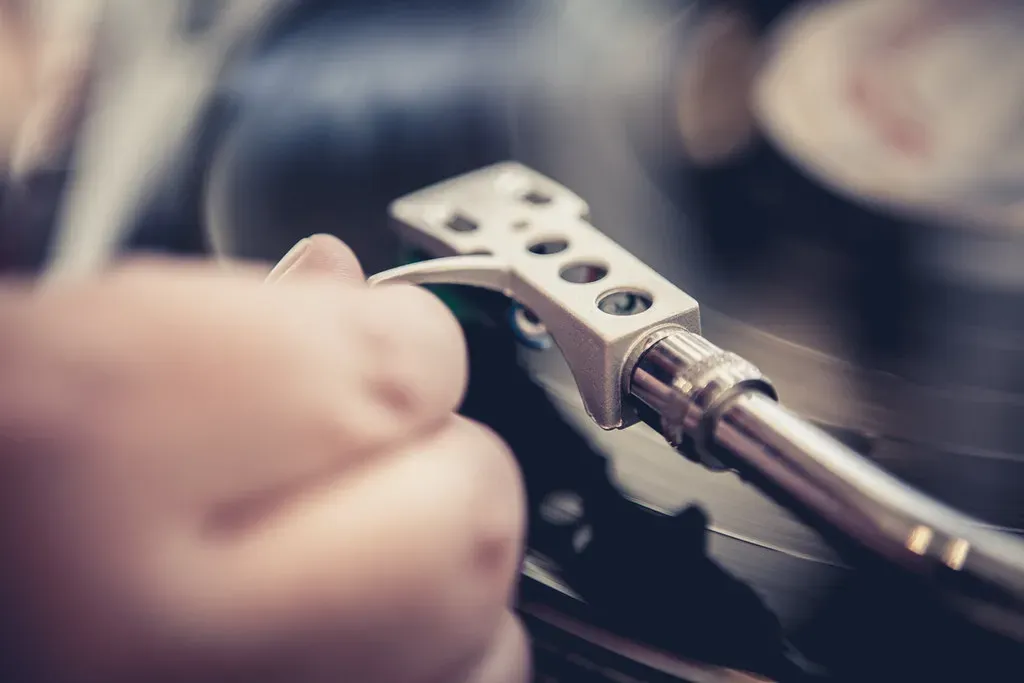
Honestly, this is one of the most hotly contested questions in all of audio culture. Audiophiles will passionately defend vinyl’s warm, analog signal. Skeptics will point out that most modern records are pressed from digital masters anyway, which somewhat undercuts the purity argument. Vinyl LP record albums deliver a warm, rich sound that many audiophiles prefer over compressed digital formats. That is the core of the argument, and it has real merit even if it is also partly a matter of taste.
Here is the thing, though. For many buyers today, the sound debate is almost beside the point. Unlike digital audio files, vinyl LP record albums offer a physical touchpoint. Handling large-format vinyl album packaging – decorated with beautiful artwork – is an experience that MP3 files simply cannot provide. The tactile pleasure of lowering a needle onto a record, watching it spin, flipping it halfway through – this is a ritual, and rituals have power.
Even the ritual of placing the needle on the record creates a sense of intimacy and engagement completely absent from music streaming. For many, vinyl LP record albums are not just about listening. They are about experiencing music on a more physical level. In a world where music is instantly available and infinitely disposable, slowing down to engage with a record is almost a form of meditation.
The Supply Chain Crisis: When Demand Outpaces Reality

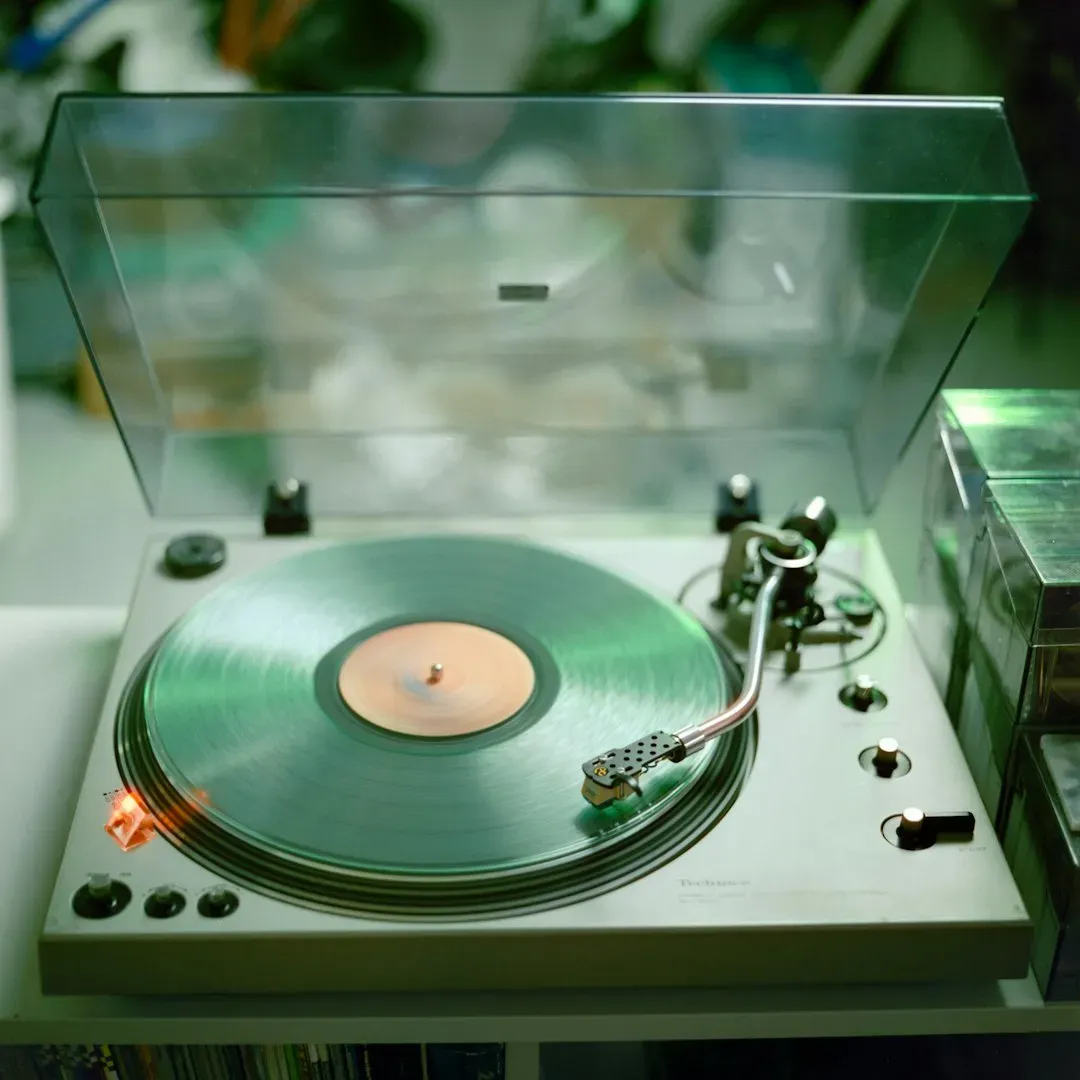
The vinyl revival has not been without its growing pains. The industry hit a serious bottleneck as demand began outstripping manufacturing capacity. Production bottlenecks, with pressing plants operating at 85% capacity, contributed to supply shortages. The infrastructure that supports vinyl production had been neglected for decades, and rebuilding it quickly proved nearly impossible.
Even more disastrous was the February 2020 Apollo Masters fire, a factory that produced 70 to 85% of the world’s lacquer supply, used to make the acetate plates to press vinyl. Coming right at the moment when pandemic demand was accelerating, this was a crushing blow to production capacity. In 2021, lead times averaged 27 weeks for new vinyl albums, compared to just 6 weeks of lead time in 2019.
The industry has been working hard to catch up. United Record Pressing expanded Nashville capacity in 2025 by 20%, with colored variant capability up 26%. GZ Media added 12 new pressing lines since 2023, lifting annual output by approximately 18% and cutting standard lead times to 14 to 18 weeks for 12-inch LP projects. Progress is real, but the demand has not stopped growing either.
What the Future Looks Like: A Format Here to Stay

By 2026, it is safe to say the question is no longer whether vinyl will survive, but how large it will grow. LP sales are projected to reach 46 to 48 million units in 2025, generating approximately $2.4 billion in revenue. These figures are expected to climb to 65 to 70 million units and between $5.5 and $6.2 billion in revenue by 2035. Those are not the projections of a nostalgic niche. That is a genuine industry.
In the UK, 6.7 million vinyl albums were sold in 2024, a 9.1% increase from the previous year, marking the 17th consecutive year of growth and the highest total in three decades. This is a global phenomenon, not just an American quirk. In 2024, the BBC reported that, for the first time since 1992, vinyl records were included in the set of goods used by the UK’s Office for National Statistics to track prices and calculate the rate of inflation. When a government statistical body adds vinyl to its inflation basket, that is a cultural declaration of legitimacy.
While the overall rate of growth in LP sales may be slowing, the vinyl revival shows no signs of reversal anytime soon. The projection of vinyl music sales shows a continued upward trend, driven largely by Generation Z consumers. A format once dismissed as dead has become one of the most exciting growth stories in the entire entertainment business. What seemed impossible two decades ago is now simply the reality of how a new generation is choosing to experience music.
Conclusion: The Record Plays On

The vinyl comeback is not one story. It is dozens of them, layered on top of each other. It is the collector hunting for a limited-edition colored pressing. It is the teenager discovering Led Zeppelin for the first time on a turntable they got for their birthday. It is the independent record store owner who kept the lights on through the darkest years and is now seeing lines around the block on Record Store Day. It is a whole generation choosing slowness over speed, and ownership over access.
The data confirms what the gut already suspected: the vinyl resurgence is not just a nostalgic blip – it is a full-blown cultural movement. A format that reached its low point at fewer than a million units sold in 2006 is now generating 1.4 billion dollars in annual revenue. That is not a comeback. That is a statement.
The real question worth sitting with is this: in a world that keeps moving faster, what does it mean that so many people are choosing to slow down and put on a record? What does that say about what we’re all quietly craving? Tell us what you think in the comments.