


Getting a jury summons in Clark County, Nevada can feel like a mixed message from the universe. Part civic obligation, part personal inconvenience, it tends to land in the mailbox at the worst possible moment. Still, understanding exactly what the process involves makes the whole experience far less daunting, and sometimes even interesting. This guide walks through every stage of jury service in Clark County, from the moment your name gets pulled to the final minute of deliberations. Whether you’ve served before or this is your first time, knowing the details in advance saves time, reduces stress, and helps you fulfill one of the more direct forms of civic participation that American democracy actually requires.
How Your Name Gets Selected


Clark County’s Eighth Judicial District Court doesn’t pull names from thin air. Clark County obtains lists of driver’s license and state identification card holders from the Department of Motor Vehicles, customers of Nevada Energy, Nevada voter rolls, and the Nevada Department of Employment, Training, and Rehabilitation.
From this combined list, names are randomly selected to receive a jury summons. The breadth of these source lists is intentional. The Nevada Judiciary is committed to ensuring the responsibility of jury service is shared by everyone equally and that a fair cross section of the community is called for jury duty.
So if you’re a registered Nevada voter, have a driver’s license, or are a Nevada Energy customer, your name is already in the pool. There’s no way to preemptively opt out of the selection process itself.
Who Qualifies to Serve


Not everyone who receives a summons is automatically eligible to serve. To serve on a jury in Nevada, you must be a U.S. citizen, at least 18 years old, a resident of the county in which the trial will take place, mentally and physically capable of performing jury duties, and able to communicate in English.
Every qualified elector of the State, whether registered or not, who has sufficient knowledge of the English language, and who has not been convicted of treason, a felony, or other infamous crime, is a qualified juror of the county in which the person resides. A person who has been convicted of a felony is not a qualified juror until the person’s civil right to serve as a juror has been restored.
Individuals who have served on a jury in the past year, law enforcement personnel, active-duty military members, certain public officials, and individuals over the age of 70 may be exempt from serving. Those over 70 years old are automatically exempt by application via affidavit or as prescribed by the summoning court.
What to Do When the Summons Arrives


The first thing you need to do when you receive your summons is respond promptly and honestly. Complete the juror questionnaire immediately upon receiving the summons. The Eighth Judicial District Court handles this through an online portal, which is straightforward and takes only a few minutes.
To request a deferral, excusal, exemption, or disqualification, complete the jury questionnaire using the online link. After requesting any of these options, email documentation in support of your answer to jury@clarkcountycourts.us. Requests without documentation will not be accepted.
The night before your reporting date, after 6:00 p.m., check the Juror Access website using the QR code on the postcard to confirm whether your service is actually required. Trials settle or get postponed regularly, and you may not need to show up at all.
Postponing or Getting Excused From Service


Life doesn’t pause for jury duty, and the court knows that. In general, courts are inclined to grant requests to postpone jury service in cases of extenuating circumstances, such as illness, the illness or death of a family member, disability, significant hardship, caregiving responsibilities, or circumstances of public necessity.
There are some recognized exemptions from jury service in Nevada. For example, individuals who have served on a jury in the past year, law enforcement personnel, active-duty military members, and certain public officials may be exempt from serving.
If you need to postpone rather than be fully excused, the option exists. If you are unable to report for jury service on your reporting date, contact the Jury Services office at (725) 215-1011 during business hours at least five business days in advance. Giving the court as much notice as possible goes a long way.
What Happens on Your First Day


Showing up without knowing what to expect is the main source of first-day anxiety for most jurors. The reporting location for Jury Services in Clark County is in the Regional Justice Center (RJC) at 200 Lewis Avenue. Once inside, take the escalators to the third floor.
You should conduct yourself as you would at any serious and important event. Be courteous at all times. It is important that you be alert and pay attention while court is in session. There will likely be waiting involved, sometimes quite a bit of it.
You may bring a book, magazine, tablet, or cell phone to read while waiting for court to begin or during recess. However, you may not bring any local newspapers to court. No cameras are permitted on jury duty and electronic devices must be turned off in the courtroom.
The Voir Dire Process: How Jurors Get Selected


Once you’re in the pool, you may be called into a courtroom for voir dire, which is the formal jury selection process. Jurors are selected through a process known as voir dire, a term that comes from Old French meaning “speak true.” It refers to the process of selecting jurors for a trial, during which the judge and attorneys will interview potential jurors, and you must answer truthfully.
Though some of the questions may seem personal, you should answer them completely and honestly. If you are uncomfortable answering them, tell the judge. Questions are not asked to embarrass you. They are intended to make sure members of the jury have no opinions or past experiences which might prevent them from making an impartial decision.
Additional jurors are chosen, known as alternates, if any members of the jury are unable to complete the trial for some reason. Alternate jurors participate in the trial proceedings but do not take part in deliberations unless they have been called to replace members of the jury.
Partner offer

How a Trial Actually Unfolds


Most jurors have never sat through a full trial before. The process follows a clear structure. In a criminal case, the State of Nevada is represented by a Clark County District Attorney who prosecutes defendants for allegedly committing a crime. The attorneys will present their evidence to the jury and will examine witnesses.
The attorneys will conclude the trial with closing statements, and the judge will instruct you about the law and how it applies to the case. At this point the jury begins to deliberate and consider all of the evidence. The marshal will take the jury to a deliberation room to discuss the case and reach a decision.
Your job as a juror is to listen to all the evidence presented at trial, then decide the facts, meaning decide what really happened. The judge’s job is to decide the law and make decisions on legal issues that come up during the trial. It’s a clear division of responsibilities, and neither side’s job overlaps the other’s.
How Much You Get Paid, and Recent Changes

Juror compensation in Nevada got a meaningful update fairly recently. The Nevada legislature passed a pay bump for jurors in January 2024. Each person summoned to attend as a grand juror or a trial juror in the district or justice court is now entitled to be paid $65 for each day after the second day of jury selection. Each juror actually sworn and serving is entitled to $65 a day as compensation for each day of service. Jurors were paid $40 a day prior to this change, and the legislature approved the increase in January 2024.
Prospective jurors who are not selected to serve on a jury and do not get sworn in do not receive any payment, even if they spend an entire day waiting in court. That’s a frustrating detail worth knowing ahead of time.
Mileage is reimbursed at 36.5 cents a mile if the residence is 30 miles or more one way from the place of trial. If the home of a person summoned or serving is 65 miles or more from the place of trial and the selection or trial lasts more than one day, the person is entitled to receive a lodging allowance at the rate established for state employees, in addition to their daily compensation.
Your Rights as an Employee During Jury Service

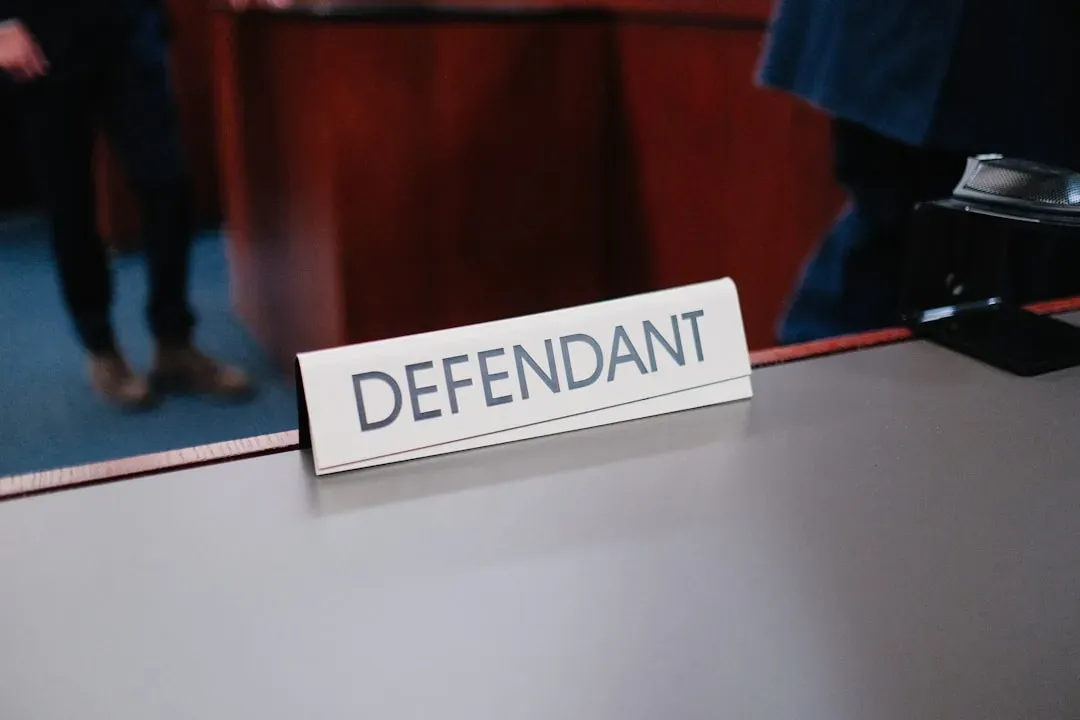
One of the more important protections in Nevada law concerns what your employer can and cannot do while you’re serving. Employers are required by Nevada State Law, NRS 6.190, to allow you as a prospective juror the time off to participate in the jury process. An employer’s failure to comply may result in a civil action against the employer.
Specifically, employers may not require you to use sick leave or vacation time for jury duty, require you to work within eight hours before the time at which you are required to appear for jury duty, or require you to work between 5 p.m. and 3 a.m. following your jury service if the service lasted for four hours or more including travel time earlier that day.
Employers who terminate or threaten to terminate an employee’s employment due to their jury service may be held criminally liable for a gross misdemeanor under NRS 6.190. The penalties can include up to 364 days in jail and fines up to $2,000. Additionally, the terminated employee has the right to sue the employer, and punitive or exemplary damages can reach up to $50,000.
The Jury Duty Scam: What to Watch For

Clark County residents should know that a persistent and convincing scam has been targeting locals for years, and it keeps resurfacing. A scam involving a threatening phone call saying you may soon be arrested for failing to show up for jury duty has been making the rounds in Clark County.
Fake documents have claimed the recipient failed to appear for jury duty and must pay a $600 citation fee. These documents look official, referencing the Regional Justice Center, using real names of county officials, and even listing court addresses, but they are completely fake.
Neither Clark County Courts nor local law enforcement will call individuals about missed jury duty and will not request payment of any form. The situation became serious enough that the Sheriff’s Civil Bureau for Las Vegas Metropolitan Police has a recorded message for all callers warning that if you have received a phone call referencing missing jury duty, license suspension, or a citation, it is a scam, and the police will not contact you about these matters or ever take money.
What Happens If You Skip Jury Duty


Ignoring a jury summons in Clark County is not something the court takes lightly. Under NRS 6.040, people who are summoned to jury duty the first time and do not show up will receive a second summons to appear in front of a judge to show cause and explain why they did not appear the first time. Failing to give a good explanation, the court will find them in contempt and fine them $500.
If you fail to attend the show cause hearing after receiving a second summons, a bench warrant will be issued for your arrest. If you do show up for the hearing and believe that you have a valid excuse, you need to bring documentation or other evidence to back up your claim, such as doctor’s notes, work time cards, or any other items that can prove you missed jury service for a valid reason.
Once you’ve completed your service, you earn a meaningful break from the process. If you serve in Clark County, you should not get called again for at least 18 months. That’s worth keeping in mind if the summons feels like an imposition rather than a one-time event.
Conclusion

Jury duty in Clark County is more organized, more protected by law, and better compensated than most people expect. The 2024 pay increase, the strong employer protections under NRS 6.190, and the accessible online systems all reflect a system that has made genuine improvements for jurors in recent years.
Understanding your rights before you walk into the Regional Justice Center is the single most useful thing you can do. The experience can range from a single uneventful waiting day to a week-long trial, but the mechanics stay the same regardless.
Civic participation rarely comes with a manual. This is about as close as Clark County offers to one.
Partner offer
Planning a trip to Vegas?
Compare hotel rates and show tickets on VEGAS.com.


