
Las Vegas has always been synonymous with heat. It’s the desert, after all. Yet even the most seasoned locals were caught off guard by what unfolded in July 2024. Picture waking up at dawn, feeling the air already thick and oppressive, and knowing the thermometer would soar well past anything you’d ever experienced. That week became a stark reminder that extreme heat isn’t just uncomfortable, it’s life threatening.
Let’s be real: this isn’t your grandmother’s desert summer anymore. Climate patterns are shifting, and what was once considered an outlier event is becoming disturbingly routine. So what do you do when the temperature climbs to dangerous levels and stepping outside feels like opening an oven door? How do you protect yourself, your family, and your community when the heat becomes relentless? Let’s dive in.
The Week Las Vegas Rewrote History

Las Vegas broke records with seven consecutive days of temperatures at 115 degrees or higher in July 2024. Think about that for a moment: an entire week where the city didn’t drop below that crushing threshold. Meteorologists called it “the most extreme heat wave” since record keeping began in Las Vegas in 1937.
The city’s all-time hottest temperature on record of 120 degrees was reached on July 7, demolishing the previous high of 117 degrees. The city also recorded three consecutive days above 118 degrees, something that had never happened before.
This wasn’t just a statistical curiosity. Even locals accustomed to brutal summers felt the difference. The relentless nature of the heat, day after day without relief, pushed the limits of human endurance and infrastructure alike.
Why This Heat is Different From What We’ve Known

Sure, Las Vegas summers have always been hot. That’s part of the deal when you live in the Mojave Desert. Yet what happened in 2024 represented something fundamentally different. Summer 2024 was the hottest on record in Las Vegas, setting new benchmarks for average high temperature, average low temperature and overall average temperature.
For the first time, Las Vegas experienced seven days in a row with temperatures of 115 degrees or higher, compared to the previous record of four days, and 11 consecutive days of 110 or higher. Over a six month span in 2024, Las Vegas saw 112 days over 100 degrees and 36 of those days were over 110 degrees.
Honestly, those numbers aren’t just records, they’re warnings. When your body has to cope with extreme temperatures for extended periods with minimal overnight cooling, recovery becomes nearly impossible. The risk multiplies exponentially.
Understanding the Real Danger: Heat Kills More Than You Think

Here’s the thing most people don’t grasp: heat is the deadliest weather-related hazard in the United States. Heat is the leading cause of weather-related fatalities in the United States, causing more deaths yearly than hurricanes and tornadoes combined on average over the past thirty years.
About 2,300 people in the United States died in the summer of 2023 with their death certificates mentioning the effects of excessive heat, the highest number in 45 years of records. Deaths associated with high temperatures climbed by 53% from an annual average of 2,670 between 2000 and 2009 to more than 4,000 between 2010 and 2020.
These aren’t abstract statistics. They’re neighbors, tourists, construction workers, elderly residents. People who thought they’d be fine, who underestimated the danger, or who simply didn’t have access to adequate cooling. It’s sobering stuff.
Hydration Isn’t Just About Drinking When You’re Thirsty
Let’s talk about one of the most critical survival strategies: staying hydrated. Sounds simple, right? Except most people get it wrong. Workers should not rely on feeling thirsty to prompt them to drink and should be reminded to drink on a regular basis to maintain hydration throughout their shift and beyond.
Workers should be encouraged to drink at least one cup (8 ounces) of water every 20 minutes while working in the heat. The average adult needs at least eight eight-ounce cups (64 ounces) of water per day, equal to two liters or half a gallon, though that requirement increases dramatically in extreme heat.
I know it sounds crazy, but drinking before you feel thirsty is essential. Your thirst mechanism lags behind your body’s actual needs, especially in brutal heat when you’re sweating profusely. By the time you feel parched, you’re already behind the curve.
The Window of Danger: When to Stay Indoors
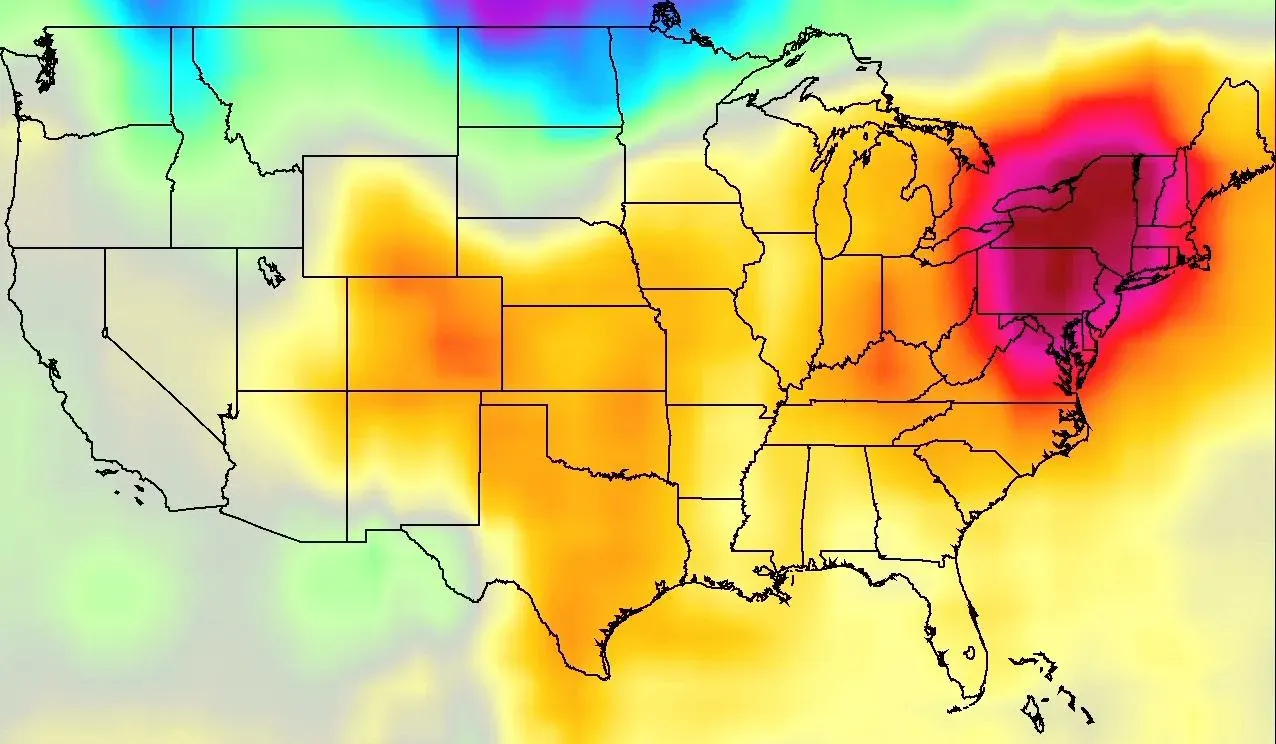
Timing matters enormously when temperatures soar. The hottest part of the day typically runs from late morning through mid-afternoon, roughly between 11 a.m. and 4 p.m. During these peak hours, the combination of direct sunlight and ambient heat creates the most dangerous conditions.
Health officials consistently recommend avoiding outdoor activities during these peak heat hours and planning errands early in the morning or later in the evening. If you absolutely must go outside, limit your exposure to the absolute minimum necessary. Even a short walk from your car to a building entrance can be taxing.
The strategy here is straightforward: treat the midday heat like a threat to be avoided, not endured. Rescheduling activities around the heat isn’t weakness, it’s intelligence.
Your Car Can Become a Death Trap in Minutes
This cannot be overstated enough. Car interiors will reach lethal temperatures in a matter of minutes, young children and pets should not be left in unattended vehicles. During the July 2024 heatwave, photos of an infrared gun showed the temperature of a car in the sun reached 217 degrees.
Think about that for a second. 217 degrees. Inside a vehicle. That’s hot enough to cause burns on contact and rapidly induce heat stroke. The dashboard alone can be scalding. There’s no “just running in quickly” scenario that makes leaving anyone or any pet in a vehicle acceptable during extreme heat.
Frankly, even adults with the ability to open doors should be wary. Heat exhaustion can hit fast, causing confusion and disorientation that might prevent someone from escaping even when the door is unlocked.
Recognizing the Warning Signs Before It’s Too Late

Heat illness doesn’t always announce itself clearly. Early symptoms are easy to dismiss as mere discomfort. You might feel flushed, sweaty, slightly dizzy, or develop a mild headache. These symptoms including flushed skin, excessive sweating, light-headedness, headache and muscle cramps are warning signs, and unless immediate steps are taken to cool the body, heat stress can lead to heat exhaustion and swiftly progress to heat stroke.
Heat exhaustion symptoms include heavy sweating, rapid pulse, nausea, and weakness. Heat stroke is far more serious and constitutes a medical emergency: the person may stop sweating despite the heat, become confused or lose consciousness, and exhibit hot, dry skin. If you suspect heat stroke, call 911 immediately.
The progression from uncomfortable to dangerous can happen faster than you’d imagine, especially for vulnerable populations like children, elderly individuals, and those with chronic health conditions. Pay attention to your body and to those around you.
The Three Core Principles: Stay Cool, Hydrated, and Informed
Southern Nevada health authorities emphasize three fundamental steps during extreme heat: stay cool, stay hydrated, and stay informed. It sounds almost too simple, but these principles form the foundation of heat survival.
Staying cool means seeking air-conditioned environments whenever possible. If your home lacks adequate cooling, libraries, shopping malls, and movie theaters offer refuge. Wear lightweight, loose-fitting, light-colored clothing that allows your body to breathe and reflects rather than absorbs heat.
Staying informed means paying attention to weather forecasts and heat warnings issued by the National Weather Service. These advisories aren’t just suggestions, they’re urgent public health alerts. When officials say conditions are dangerous, believe them.
Cooling Centers: A Lifeline When You Need It Most

For homeless residents and others without access to safe environments, officials have set up emergency cooling centers at community centers across southern Nevada. These facilities, which range from libraries to churches to recreation centers, are air-conditioned havens that provide shelter for people during the hottest times of the day.
Clark County activates its cooling stations when excessive heat warnings are issued, and cooling centers are open to people experiencing homelessness and others in the community in need of cool indoor spaces for respite from the heat. During the July 2024 heatwave, about 200 people were using 39 cooling stations every single day around the valley.
These centers save lives. There’s no shame in using them. If you or someone you know needs refuge from dangerous heat, these resources exist specifically for that purpose. Information about locations is typically available through county websites and hotlines.
Special Precautions for Those Most at Risk
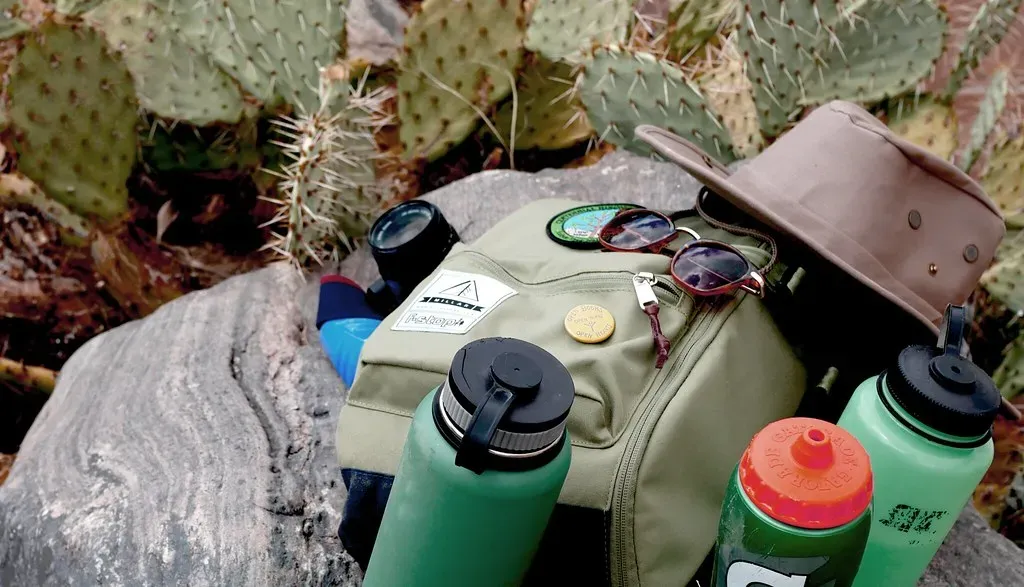
Certain groups face heightened danger during extreme heat. Even people of average age who are seemingly healthy can suffer heat illness when it’s so hot it’s hard for your body to cool down. That said, elderly individuals, young children, pregnant women, and people with chronic conditions require extra vigilance.
Medications can also increase heat sensitivity. Some prescriptions affect the body’s ability to regulate temperature or increase dehydration risk. If you take regular medications, it’s worth discussing heat precautions with your doctor, especially before summer arrives.
Outdoor workers face particular challenges. Construction crews, landscapers, and delivery drivers spend hours in direct sunlight and high temperatures. Employers should provide frequent breaks, shade, and ample water, while workers need to recognize their own limits and speak up when conditions become unsafe.
What You Need to Do Right Now
Preparation is everything. Before extreme heat arrives, check your air conditioning system. Make sure it’s functioning properly and change filters if needed. Stock up on water and electrolyte drinks. Identify the nearest cooling centers in your area.
Create a buddy system with neighbors, especially if you know someone elderly or vulnerable living alone. A simple phone call or knock on the door to check in can make a life-or-death difference. Community resilience starts with looking out for each other.
Keep emergency numbers handy and know the signs of heat illness. Have a plan for what you’ll do if power goes out or your cooling fails. Where will you go? How will you get there? These aren’t pleasant scenarios to consider, but being caught unprepared is far worse. What will you do when the next heatwave hits?