There’s a particular moment that almost every Las Vegas resident can describe: you’re standing in the grocery store checkout line, and someone in a sequined top asks you what time the Strip clubs open. It’s a Tuesday afternoon. You’re holding a gallon of milk. This is just regular life in Vegas. That moment – the quiet internal division between what the city is for visitors and what it actually is for the people who live there – represents something psychologically real. It isn’t just an attitude. It’s a cognitive shift that builds slowly and reshapes the way residents relate to social space, trust, and community.
Las Vegas welcomed more than 41 million visitors in 2024, a rise of over two percent on 2023. That works out to an average of roughly 114,000 visitors every single day. Living inside a city that operates at that volume, year round, does something to the people who call it home.
A City Built for Strangers, Occupied by Locals

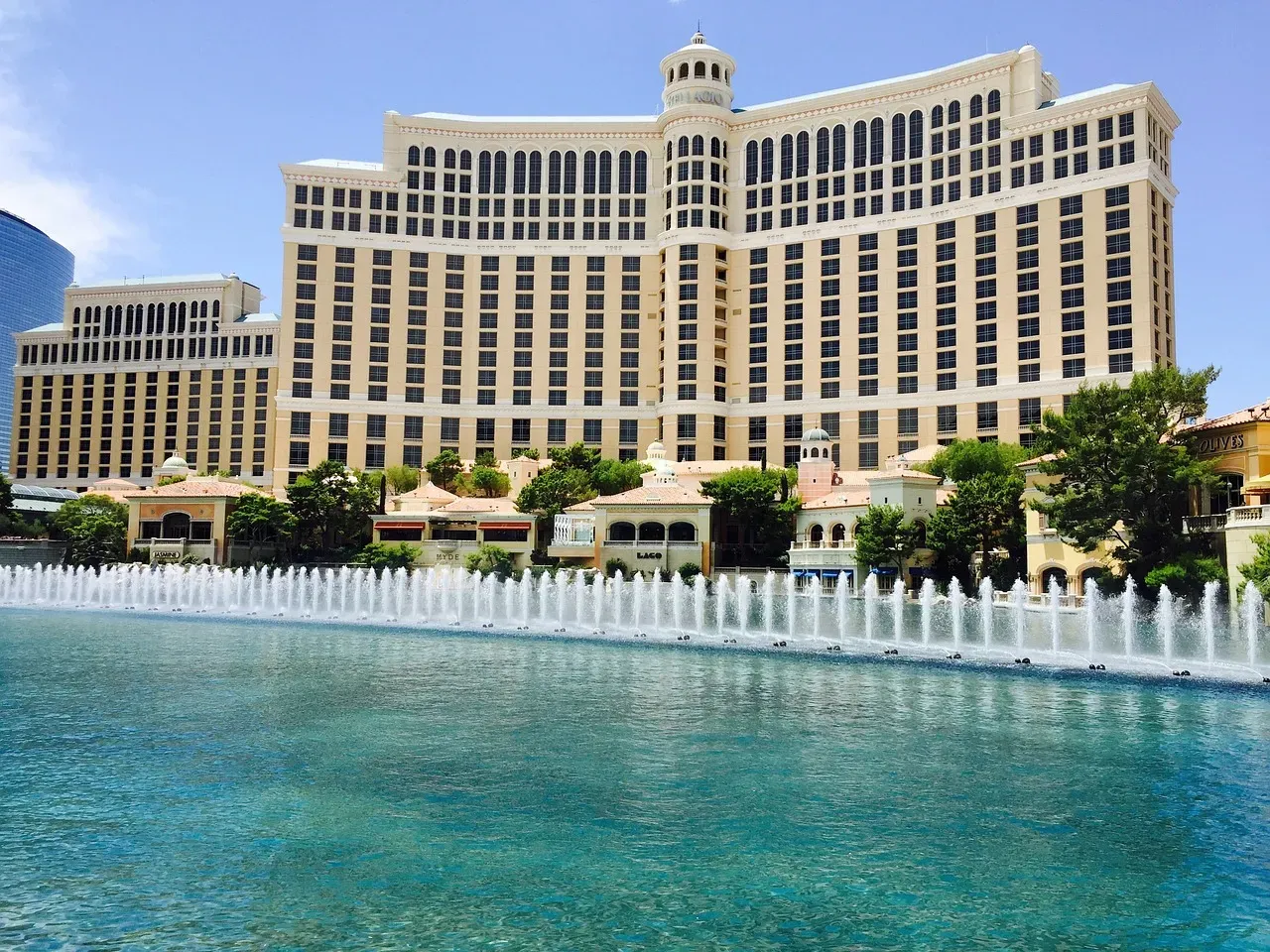
Las Vegas wasn’t designed with residents in mind. Its architecture, its Strip economy, its 24-hour rhythms – all of it was calibrated to produce an experience for visitors, not a life for permanent inhabitants. The geographic location of Las Vegas makes the city relatively isolated, sitting roughly five hours from Los Angeles and Phoenix and six from Salt Lake City, which meant the city grew with relatively few checks and balances from surrounding urban areas.
Rex J. Rowley, author of “Everyday Las Vegas: Local Life in a Tourist Town,” has explored how residents carve out their own sense of place inside a city whose identity is largely scripted for outsiders. The tension between living somewhere that the world comes to escape is not subtle. It shapes routine, social expectation, and a resident’s understanding of who belongs where.
The Las Vegas locals market features different characteristics from the tourist market, catering to people who live and work in the area through strong repeat customer relationships. In practical terms, this means two economies and two social worlds overlap constantly, rarely intersecting on equal terms.
The Psychology of Constant Observation

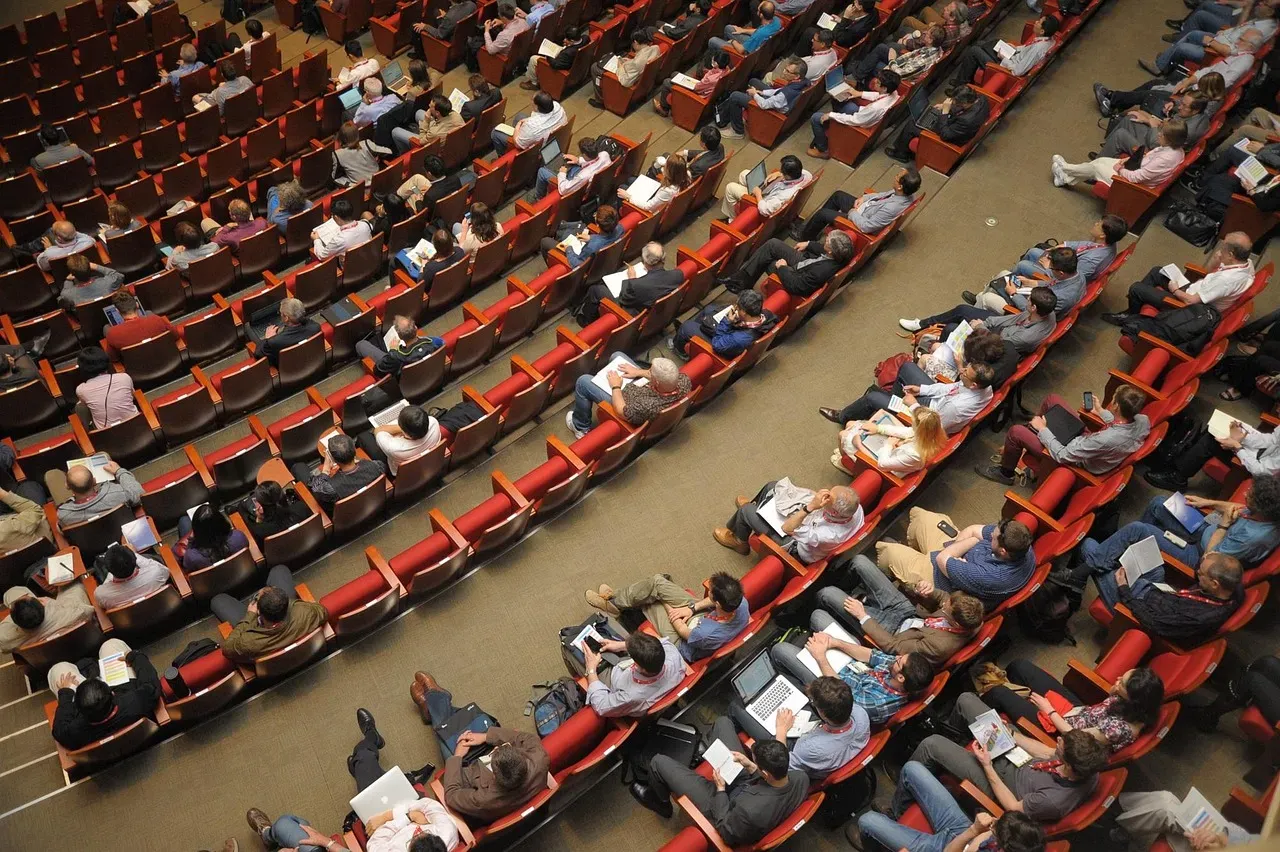
Very few visitors to Las Vegas are acting like themselves as they would be back home. From a psychological standpoint, it’s a perpetual state of suspended animation. For the tourist, that suspension is the whole point. For the resident, it means being surrounded by people who are explicitly performing a version of themselves they wouldn’t ordinarily show.
Living daily alongside this kind of performed freedom tends to make locals sharper observers of social behavior. They develop an almost forensic sense of who is visiting and who isn’t. The way someone walks on the Strip, how they look at a casino floor, how long they stand staring at a menu – these become readable cues that carry real social meaning.
Social psychology research on residents’ attitudes toward tourists, published in the Journal of Tourism, Heritage and Services Marketing, confirms that this kind of local attentiveness is not passive. Residents’ attitudes have been an important area in tourism research, and recent studies have employed concepts from social psychology to understand how residents form emotional responses and behavioral patterns toward tourists. What begins as observation can solidify, over time, into something more like a standing social categorization.
How Social Boundaries Get Redrawn

When you live in a tourist city, you learn quickly that certain spaces are not really for you. The Strip belongs to visitors. The themed pool parties, the $30 cocktails, the elaborate casino floors – locals often describe a kind of ambient territorial awareness around these spaces. You don’t avoid them out of resentment, necessarily. You simply stop going.
Interaction between neighbors rarely takes place because of odd work hours and residents tend to keep to themselves. Las Vegas is a touristy city where throngs of people visit and leave every day, leaving no stability in social interactions – which creates huge gaps in the lives of locals.
These gaps are socially significant. Without stable third places – neighborhood bars, community centers, walkable blocks where you see the same faces – social boundaries don’t just shift. They narrow. Locals increasingly reserve trust and connection for a tighter, more explicitly chosen inner circle, while maintaining a courteous but fundamentally detached manner toward the transient world around them.
Loneliness as a Background Condition
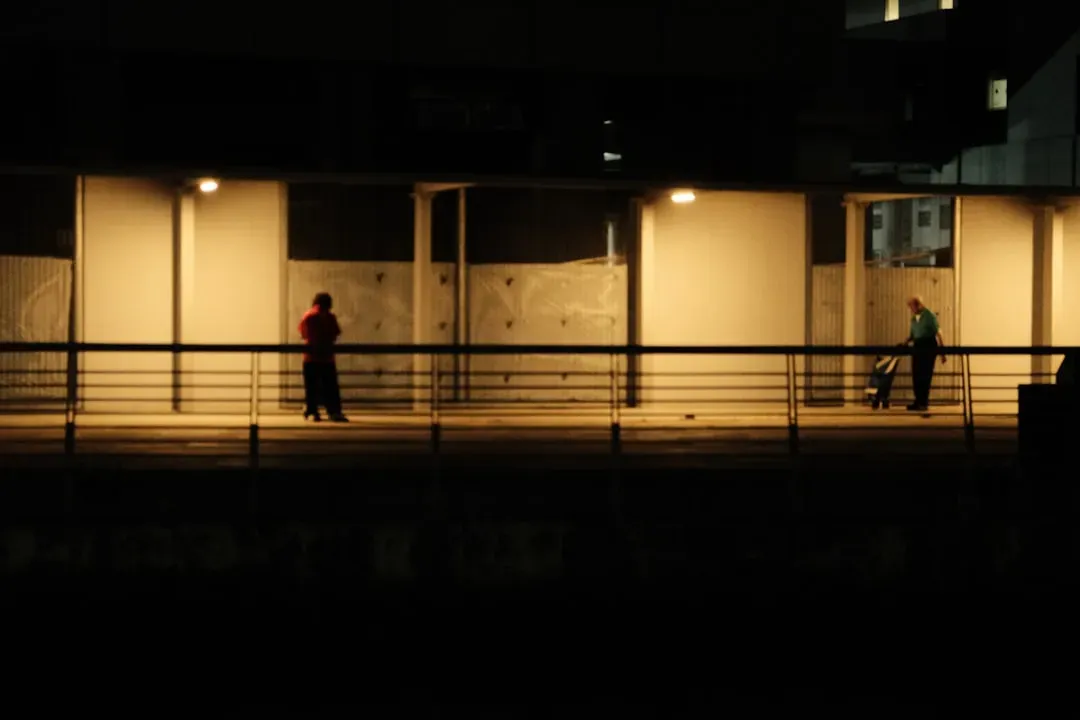
A 2018 study pointed out that a high percentage of the Las Vegas population was living in single-person households, with divorce rates notably elevated, and people living alone facing a higher chance of losing out on any sense of community. That’s a specific structural loneliness – not the temporary kind tourists might feel on a bad night in a casino, but the sustained, low-grade kind that comes from living in a city that doesn’t easily generate organic community bonds.
Las Vegas has for many years been one of the fastest-growing metropolitan areas in the U.S., a pattern that may amplify social isolation, fragmentation, and low social cohesion that have long been identified as sociological correlates of poor mental health outcomes. Fast growth churns neighborhoods before they can stabilize. People move in, move around, move on.
In 2023, roughly 38 percent of Nevada adults exhibited signs and symptoms of anxiety or depression – higher than the national average of about 32 percent. Social isolation is listed by researchers as one of the primary drivers of those elevated figures, alongside unemployment and limited access to mental health services.
The Resident’s Implicit Stereotype of the Tourist

Research published in the Journal of Hospitality and Tourism in 2025 took an unusual approach to understanding how locals see outsiders. Existing studies had tended to emphasize explicit stereotypes, despite the importance of individuals’ unconscious evaluations of others. The study addressed this gap by assessing residents’ implicit stereotypes, emotions, and behaviors toward tourists via an implicit association test.
The results suggest direct relationships between positive implicit stereotypes, emotions, and behaviors. However, negative implicit stereotypes did not automatically arouse negative emotions or harmful behaviors, suggesting a possible boundary condition for these connections. In plain terms: locals don’t necessarily dislike tourists. Their feelings are more complex, more compartmentalized, and more shaped by context than simple irritation.
For Vegas residents, this internal calibration operates constantly. The same behavior that reads as charming on a Friday night from a bachelorette group registers very differently on a Monday morning when the city’s workers are just trying to get to the bus stop. Context rewires the reaction, and long-term residency tends to make that rewiring permanent.
The Strip Is Not Their City

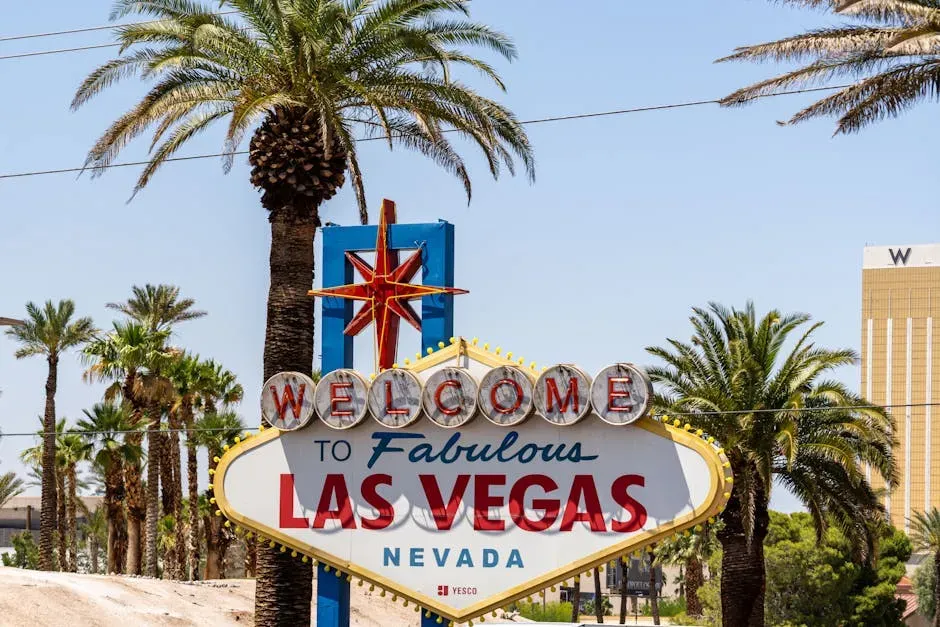
Most people who’ve never lived in Las Vegas picture the Strip as the center of everyday life there. It isn’t. Station Casinos leads the Las Vegas locals market with a substantial share, and these brands are primarily positioned to cater to local residents rather than tourists. Locals gamble, socialize, and eat at places specifically built for them, off the main tourist corridors.
This physical separation reinforces a dual-city psychology. There is the Las Vegas that shows up in promotional materials and visitor profiles, and there is the actual place where people wake up, send kids to school, sit in traffic, and quietly resent the fact that their commute gets longer every March during a major convention week. These two cities coexist but rarely fully touch.
In 2024, the average visitor stayed roughly 3.4 nights. That brevity matters. Three nights doesn’t constitute any real understanding of a place. It produces an impression, usually a curated and commercially mediated one, which locals observe being performed around them on a daily basis. The disconnect becomes its own kind of social texture.
Partner offer

Work Schedules and the Social Calendar Problem
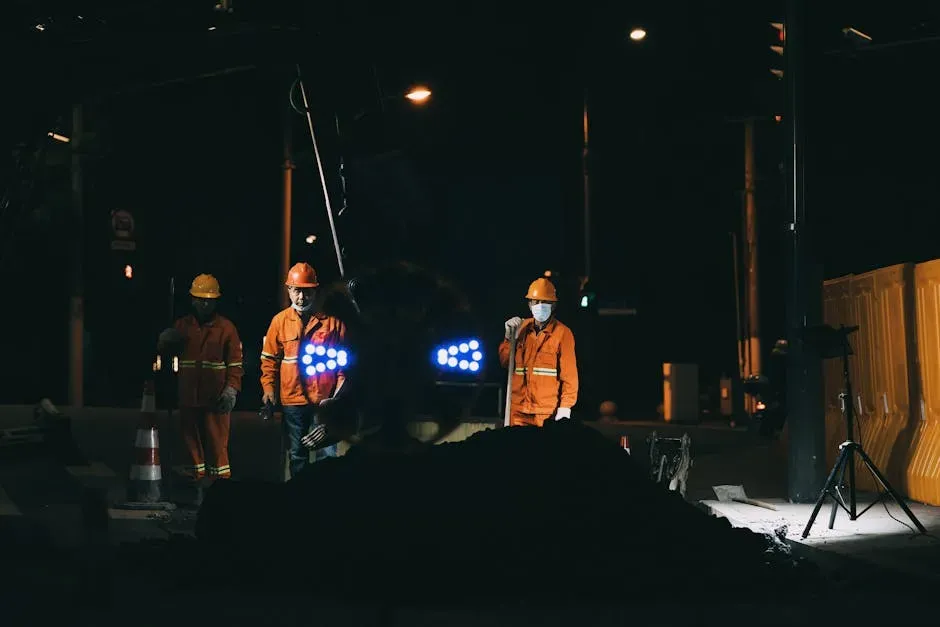
Las Vegas runs at unusual hours. The hospitality and entertainment industries, which employ a large share of the city’s workforce, operate across nights, weekends, and holidays. This creates a resident population whose social availability is structurally misaligned with normal community rhythms. People in Las Vegas often live in apartment-style buildings where interaction between neighbors rarely takes place because of odd work hours, and residents tend to keep to themselves.
When your neighbors work nights and your friends in service jobs have Tuesday and Wednesday off, building a consistent social life requires far more deliberate effort than it would in a city with conventional rhythms. Over time, this practical friction does something to a person’s expectations around friendship and community. Residents stop expecting spontaneity and replace it with very intentional, scheduled social contact within trusted groups.
The result is a kind of social selectiveness that outsiders sometimes mistake for coldness. It isn’t. It’s the pragmatic adaptation of people living in a 24-hour entertainment economy that was never really designed to support the social needs of the people running it.
Mental Health Under the Neon

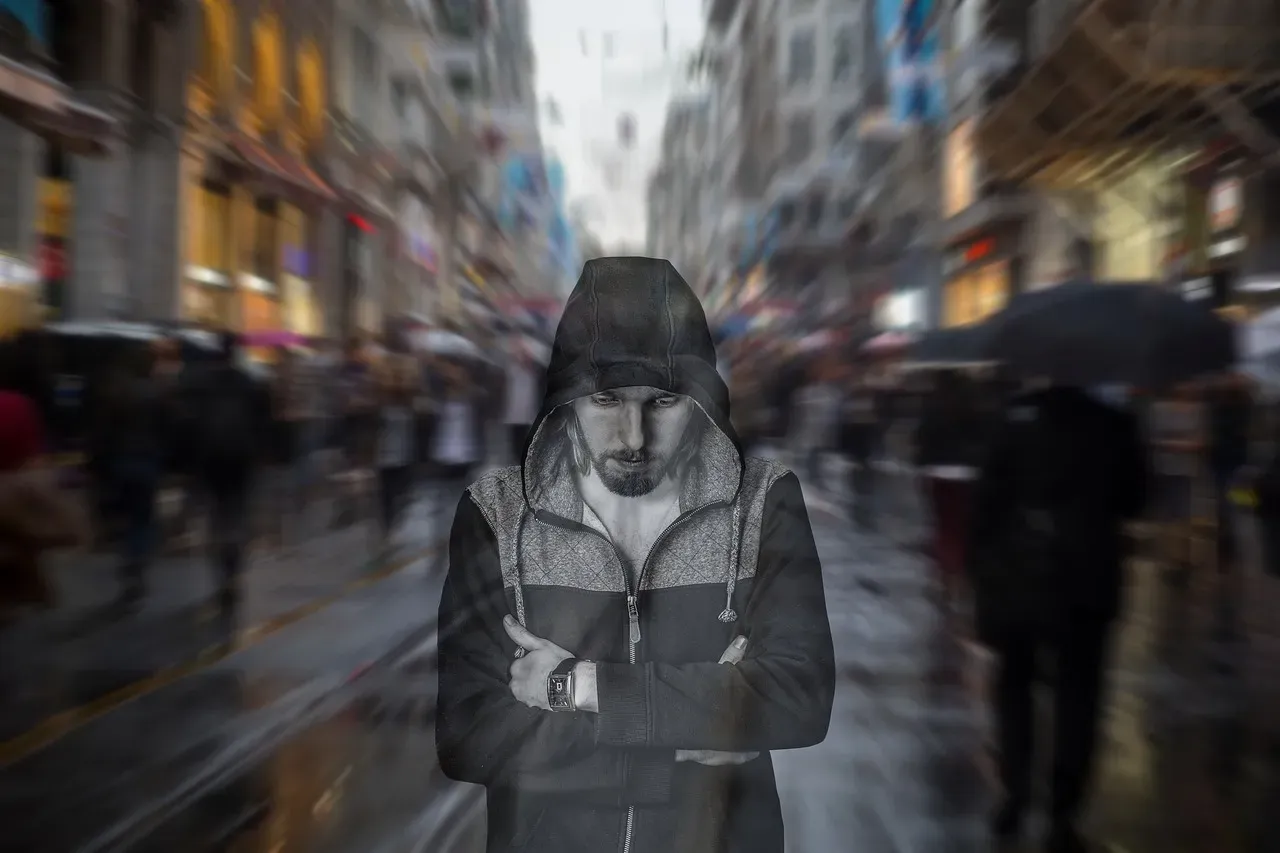
Additional risk factors in Clark County include higher than average mortality and morbidity related to alcohol use, high levels of self-reported poor mental health, and poor access to mental health care. These aren’t coincidental features. They reflect a city whose cultural economy normalizes excess for the visiting consumer while providing inadequate structural support for permanent residents.
The key reasons leading to mental health problems in Nevada include unemployment, social isolation, lack of awareness, racism, discrimination, and a shortage of medical professionals and services for those struggling with mental health issues. The shortage of mental health providers is particularly stark given the size and pace of the population’s growth.
Residents who feel satisfied with their neighborhoods report a greater sense of attachment to the local community, higher overall life satisfaction, and better mental and physical health. Conversely, when residents are dissatisfied with their neighborhoods, they report a lower quality of life and are less invested in the community. In a city where neighborhood identity is constantly disrupted by turnover and transience, satisfaction of that kind is genuinely difficult to cultivate.
Tourism Scale and Its Effect on Social Norms
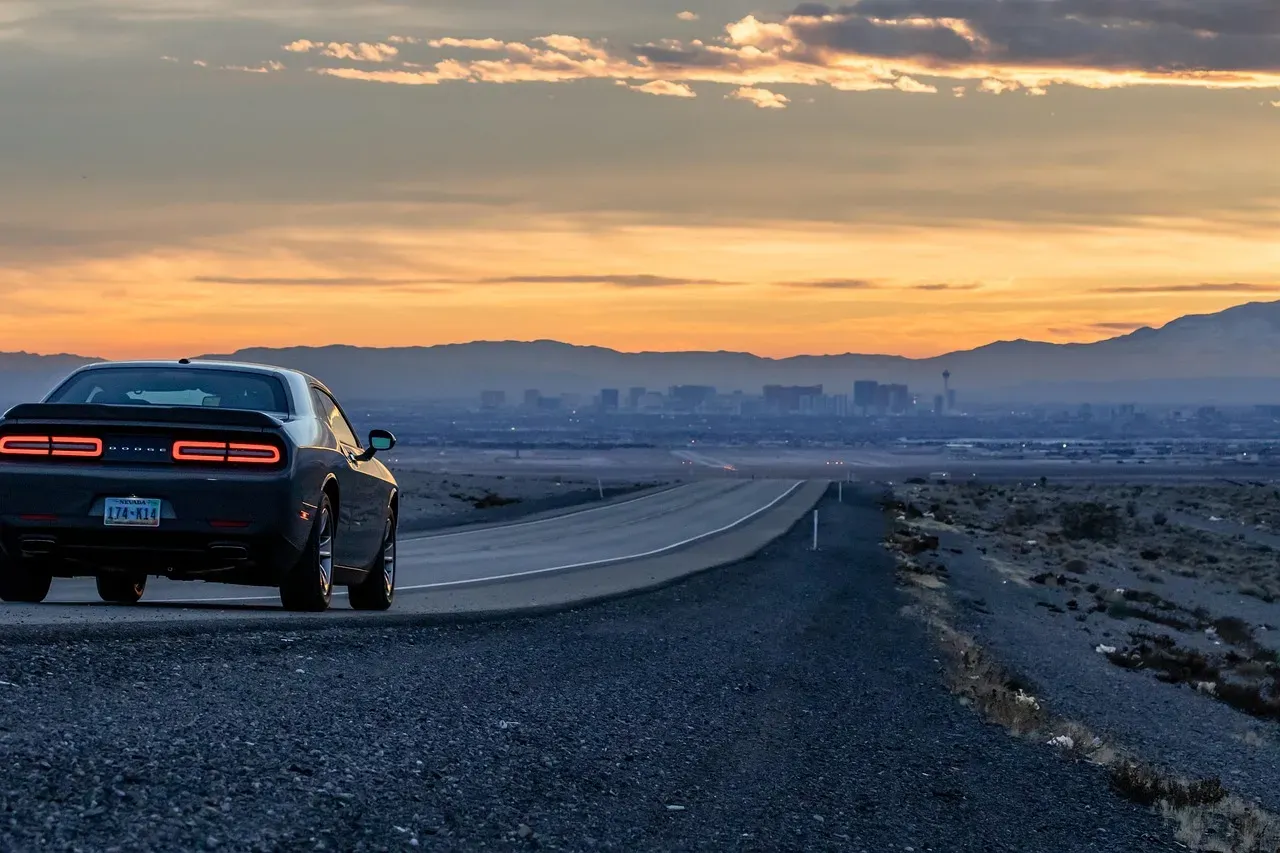
In 2024, visitor spending in Las Vegas hit an all-time high of more than 55 billion dollars. That figure represents an enormous amount of economic activity driven by the expectation that certain behaviors are temporarily suspended – that rules don’t apply here, that excess is encouraged, that the city exists purely for pleasure. Residents absorb this social messaging constantly, even when they’re not participating in it.
Everything about Las Vegas goes back to basic human psychology, and how to play within it. The casino industry understood this from its inception: environmental design, lighting, the absence of clocks, the removal of natural cues – all of it nudges behavior. For tourists, this is a brief experiment. For residents, it’s the permanent backdrop of their lives.
Over time, this shapes what locals consider normal. The threshold for what constitutes unusual behavior shifts upward. Locals develop a remarkably high tolerance for spectacle, noise, and social rule-breaking – not because they approve of it, but because constant exposure blunts the response. That desensitization is itself a form of psychological adaptation.
Building Real Community in a Transient City

Neighborhoods remain among the most common settings where residents forge attachments to people and create meaning. Resilient and stable neighborhoods are vital to the sustainability of healthy cities. In Las Vegas, building that stability requires working against the city’s structural grain – the high turnover, the odd work hours, the tourism economy that dominates public space.
The pattern of rapid growth in Las Vegas may amplify social isolation, fragmentation, and low social cohesion. Residents who push back against that pattern – who join local sports leagues, attend neighborhood association meetings, or build bonds through their kids’ schools or faith communities – consistently report stronger wellbeing and a clearer sense of belonging.
The people who thrive long-term in Las Vegas tend to be the ones who figured out early that the city won’t build community for them. They built it themselves, deliberately, in the spaces the tourists never find.
Conclusion: The Rewiring Is Real
Living in Las Vegas rewires social boundaries in ways that are measurable, grounded in documented patterns of isolation, mental health challenge, neighborhood instability, and the daily friction of sharing a city with tens of millions of temporary visitors. Nevada’s tourism numbers dropped nearly seven percent from 2024 into 2025, with more than 35 million people still visiting in the first 11 months of 2025 alone. Even in a slower year, the volume is extraordinary.
The local brain that emerges from all of this is not cynical, exactly. It’s calibrated. It learns which friendships can survive the city’s chaos, which spaces to claim as its own, and which social scripts to simply let tourists perform without getting involved. Unemployment, social isolation, and lack of awareness are major causes of mental health issues in Nevada – and awareness, for residents, often starts with recognizing the specific pressures their city places on ordinary social life.
Living in Vegas doesn’t make you cold. It makes you careful about where you invest your social energy, and honest with yourself about why.
Partner offer
Planning a trip to Vegas?
Compare hotel rates and show tickets on VEGAS.com.