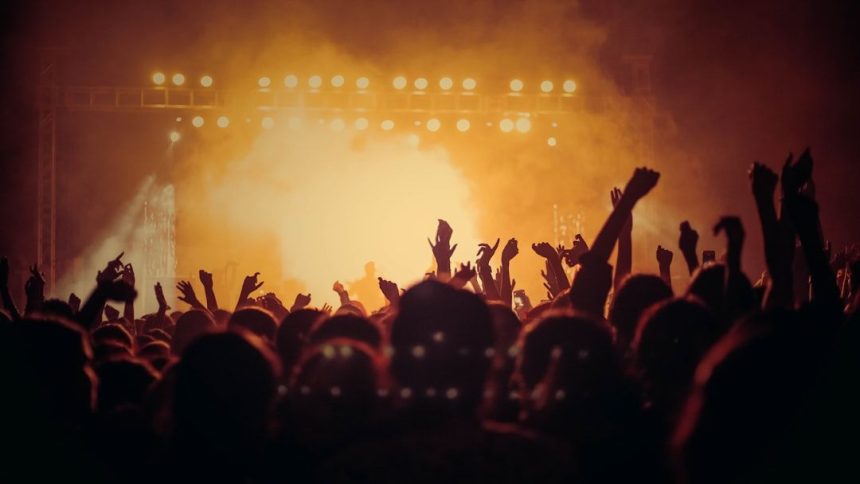
There’s something distinctly different about watching a performer in Las Vegas. The lights are calibrated, the room was designed for the show, and the crowd has traveled – sometimes across the world – specifically to be there. That combination creates a psychological environment unlike almost any other live music setting. What happens between stage and audience in this context isn’t just entertainment. It’s a layered behavioral event, shaped by expectation, architecture, nostalgia, and the raw biology of shared emotion. The science behind it is both fascinating and, at times, surprisingly counterintuitive.
The Architecture of Commitment: Why Residency Crowds Are Different

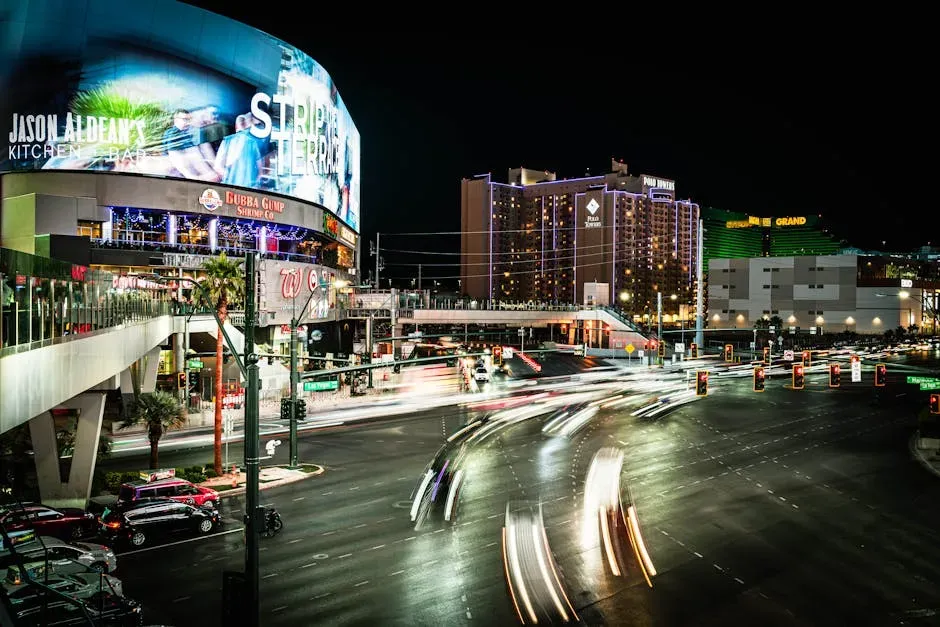
A Las Vegas residency sits close to the bottom of an artist’s engagement funnel. While music streams sit at the top for awareness and festival runs build interest, a Vegas residency represents the deepest level of fan commitment, one that involves a high-priced ticket and a trip to an expensive city. That kind of investment changes the audience before they even sit down.
This is how music tourism works. Artists spend years traveling to fans, building their base city by city. Eventually, if the fanbase grows large enough, those same fans come to see the artist in a fixed location instead. By the time someone walks into the Colosseum at Caesars Palace, they’ve already committed financially, logistically, and emotionally.
In 2024, tourists visiting Las Vegas spent an average of 3.3 nights in the city, a slight decrease from 3.4 nights the year before. A show anchors that trip. It gives the whole visit a psychological center of gravity, which makes audiences arrive primed, focused, and highly receptive.
Collective Effervescence: The Shared Emotional High

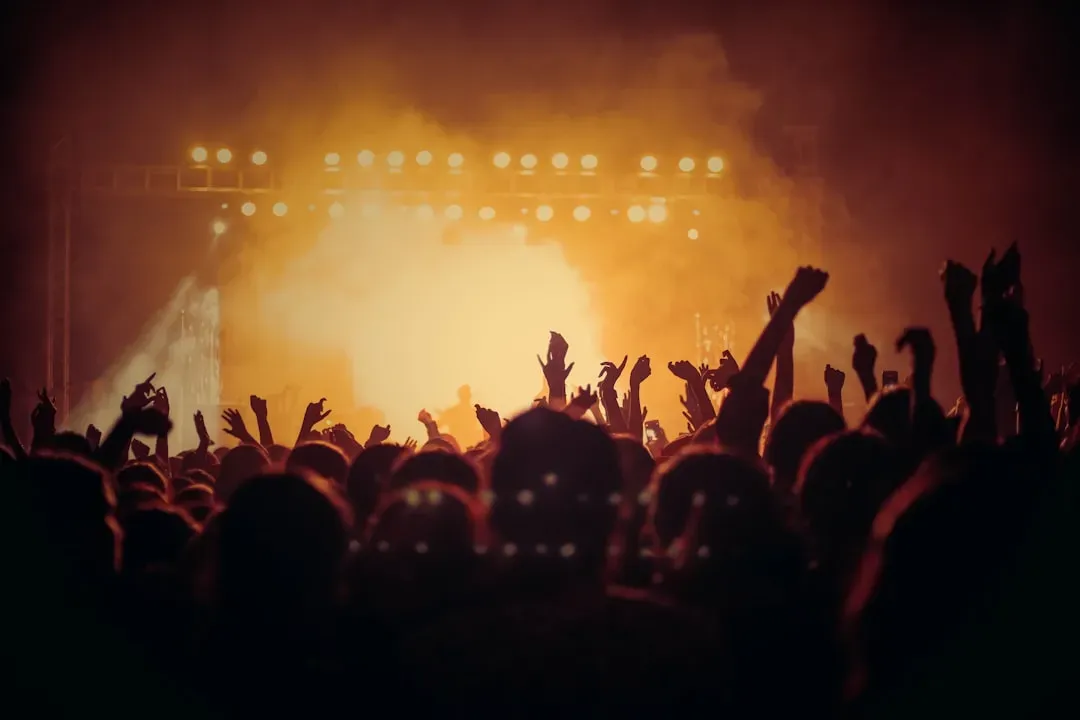
The importance of shared emotions during live music events aligns with the sociological concept of “collective effervescence,” first described by Durkheim. This refers to the feeling of energy and harmony that emerges when people come together and simultaneously participate in the same activity, a state that can unify a group and create shared purpose, excitement, and joy – with intensity likely heightened in large crowds.
A psychology study published in the journal Personality and Social Psychology Bulletin suggests that live concerts can boost happiness days after the music stops. The research examined what happens in our minds and between people when a crowd sings, sways, and moves together at a show. The findings point to collective effervescence as the key driver, not individual enjoyment alone.
One of the clearest findings across the research was that collective effervescence predicted enjoyment and meaning at concerts more strongly than other emotional states. People who reported a stronger shared high with the crowd also said the event felt more fun and more meaningful. This suggests there is something special about feeling in sync with the crowd, not just feeling good as an individual.
Emotional Contagion: How Feelings Spread Through a Room
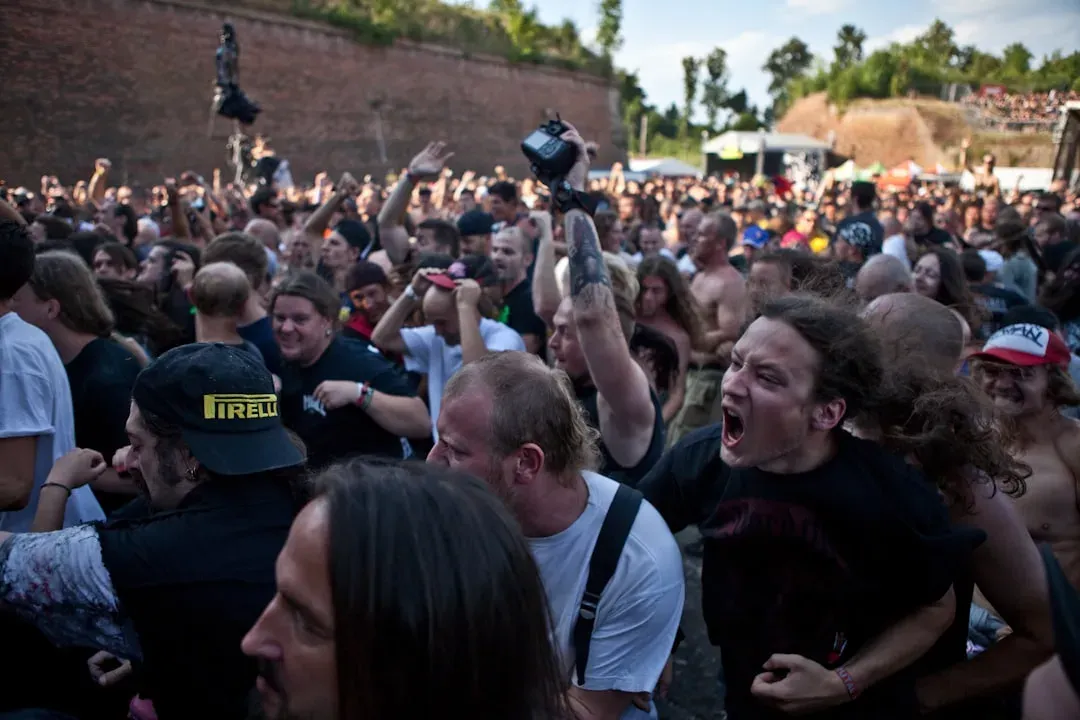
The social value of shared emotions is explained through theories of emotional synchrony, emotional contagion, and positivity resonance, all of which describe how shared positive emotions are intensified and become unifying forces in group settings. In a Las Vegas theater where thousands of people share the same walls, the same setlist, and the same performer, these mechanisms operate at full scale.
Research published in the Journal of Personality and Social Psychology in 2024 found that positive crowd emotions appeared to exert a greater attentional pull and objective responses from observers. Crucially, emotional contagion from crowds was found to be more intense than from individuals. A room full of people feeling moved is, in itself, a contagion vector.
Attending an artistic performance is an emotional experience. People can feel the vibrations of the music, the expressions of the artists, and the reactions of the crowd. In a purpose-built residency venue, every one of those elements is optimized to sustain and amplify that response.
The Neuroscience of Live Music: What Happens in the Brain
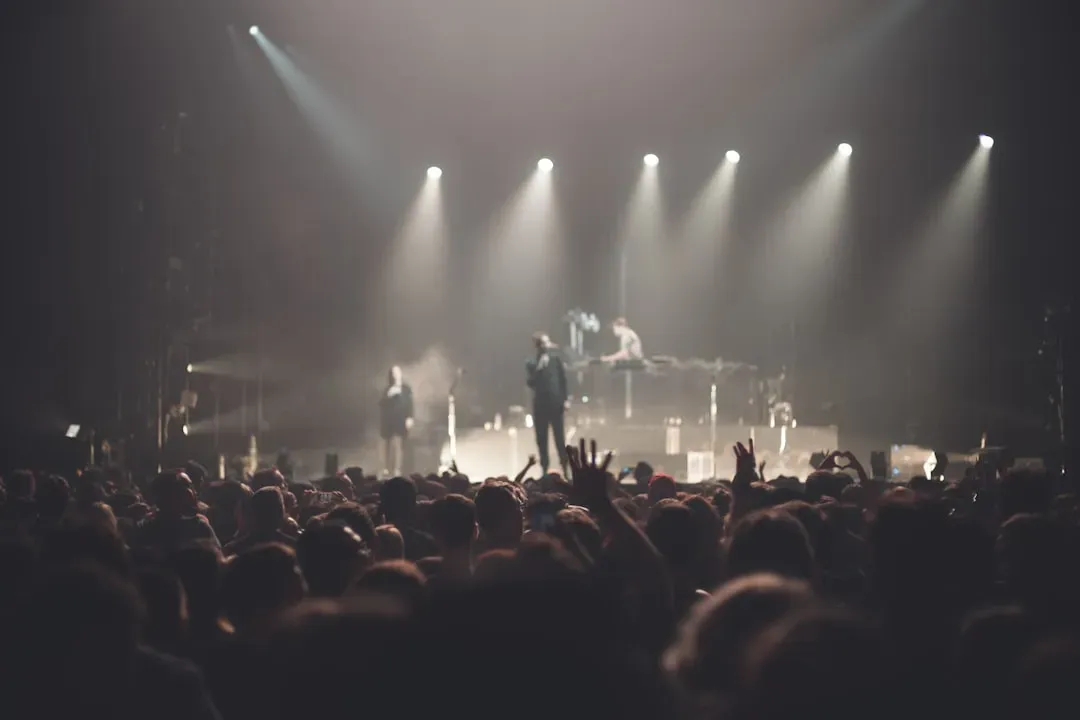
A study found that live performances trigger a stronger emotional response than listening to music from a device. Concerts connect performers with their audience, which may also relate to evolutionary factors. Research carried out at the University of Zurich confirmed that live performances stimulate the affective brain and emotionally entrain listeners in real time.
Brain responses recorded via EEG during a live performance revealed a lower physiological state of arousal in participants attending the show compared to those watching on a screen. In contrast, post-performance self-report questionnaires indicated higher subjective arousal following the live show. This apparent contradiction may be explained by temporal and qualitative differences between the two types of measurement.
EEG data reflects real-time neural activation during the show, potentially capturing a state of deep attentional engagement or absorption, often associated with lower external arousal markers such as reduced beta activity and increased alpha and theta waves. Put plainly, the brain settles into a kind of focused, absorbed state – alert but calm – during a live performance.
Musical Absorption and the Loss of Self
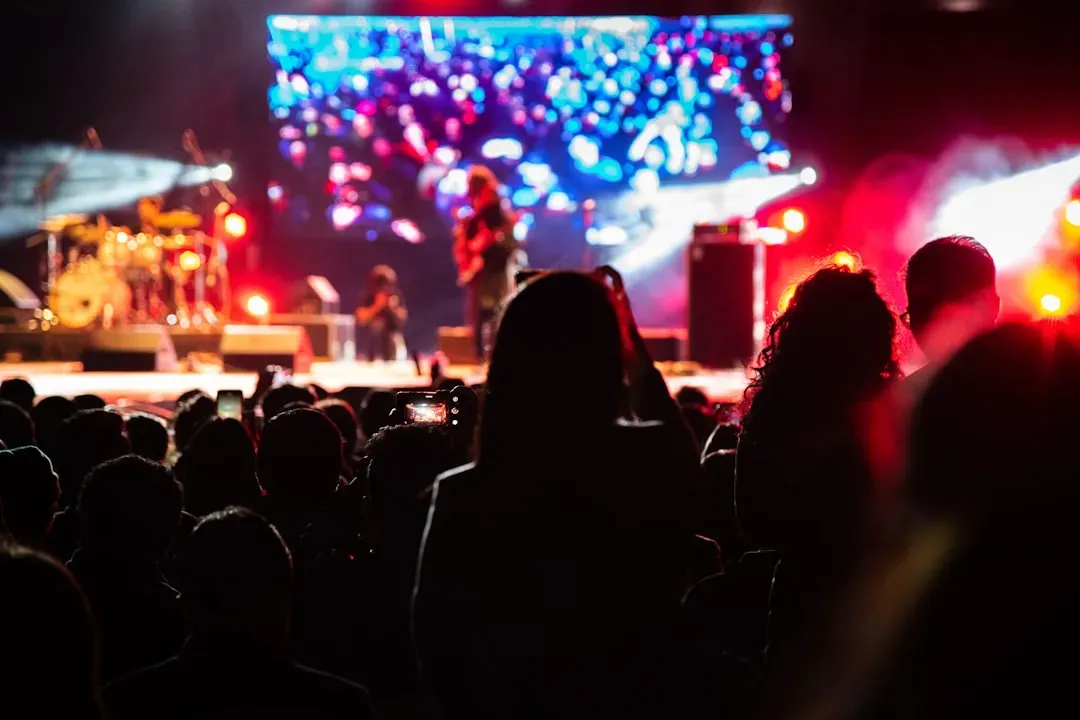
Musical absorption is a multi-dimensional phenomenon that has been understood in various ways, but is broadly related to strong, immersive, and transformative musical encounters. Residency venues are engineered to encourage exactly this state, through acoustics, sightlines, lighting, and the deliberate removal of everyday distractions.
Researchers describe absorption as a “discrete-like state of consciousness,” with characteristic dimensions including heightened and effortless attention, diminished awareness of time, body, and surroundings. Audiences at Vegas residencies often report this exact experience: the strange sense that ninety minutes passed in twenty.
Perceiving music can lead listeners to mind-wander in ways that are essentially coupled to the music itself, finding imaginative, emotional, and existential reorientation in their lives through that experience. For many concert-goers, this isn’t just entertainment. It’s something closer to processing.
The Psychology of the Traveling Fan: Identity and Pilgrimage
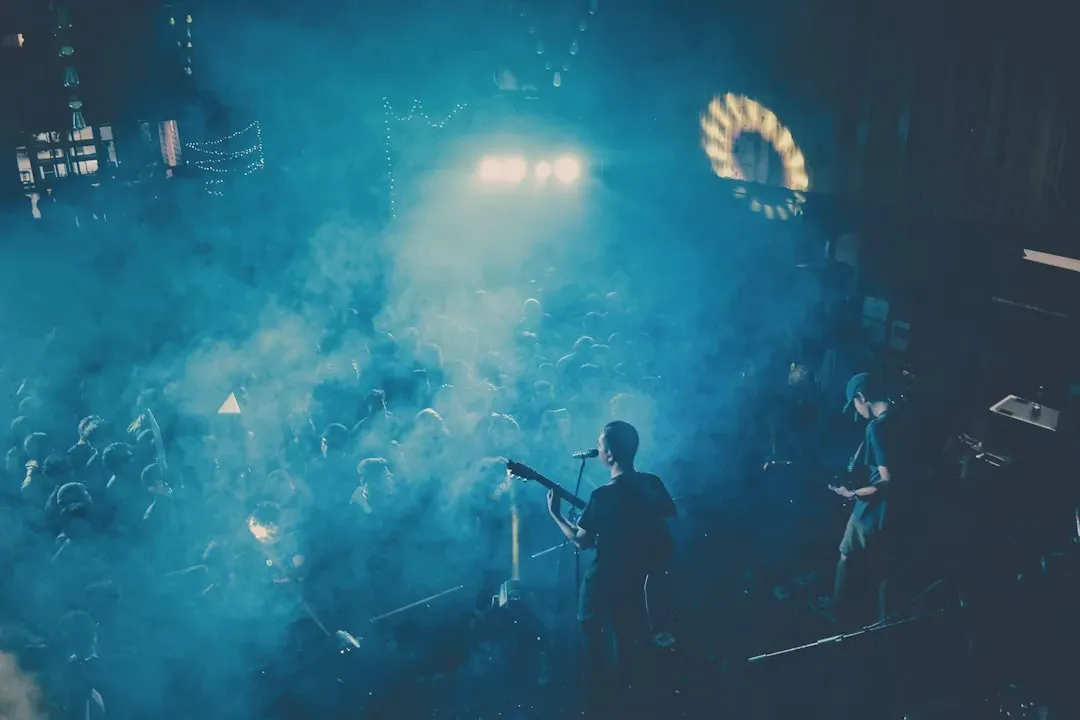
Fans who attend Vegas residencies likely have more disposable income than when they first became fans, making them more willing to pay for an expensive show and all the surrounding glitz and glamour. This isn’t just economics – it also means the audience is often older, more settled in their fan identity, and more emotionally invested in the artist’s catalog.
Tourist arrivals in Las Vegas reached 41.7 million in 2024, nearing the pre-pandemic high of 2019. In 2023, about 4.6 million international tourists visited Las Vegas, with roughly 2.4 million from North America and the remainder from other countries. A meaningful portion of those visitors plan their trip around a specific residency show.
Partner offer

There’s a pilgrimage quality to the experience. Fans don’t stumble into these shows. They plan, book, and travel with a specific artist in mind, arriving already emotionally aligned with what they expect to feel. That pre-show priming shapes the psychology of the crowd from the moment people enter the room.
The Performer’s Psychological Position: Feedback and Energy Exchange

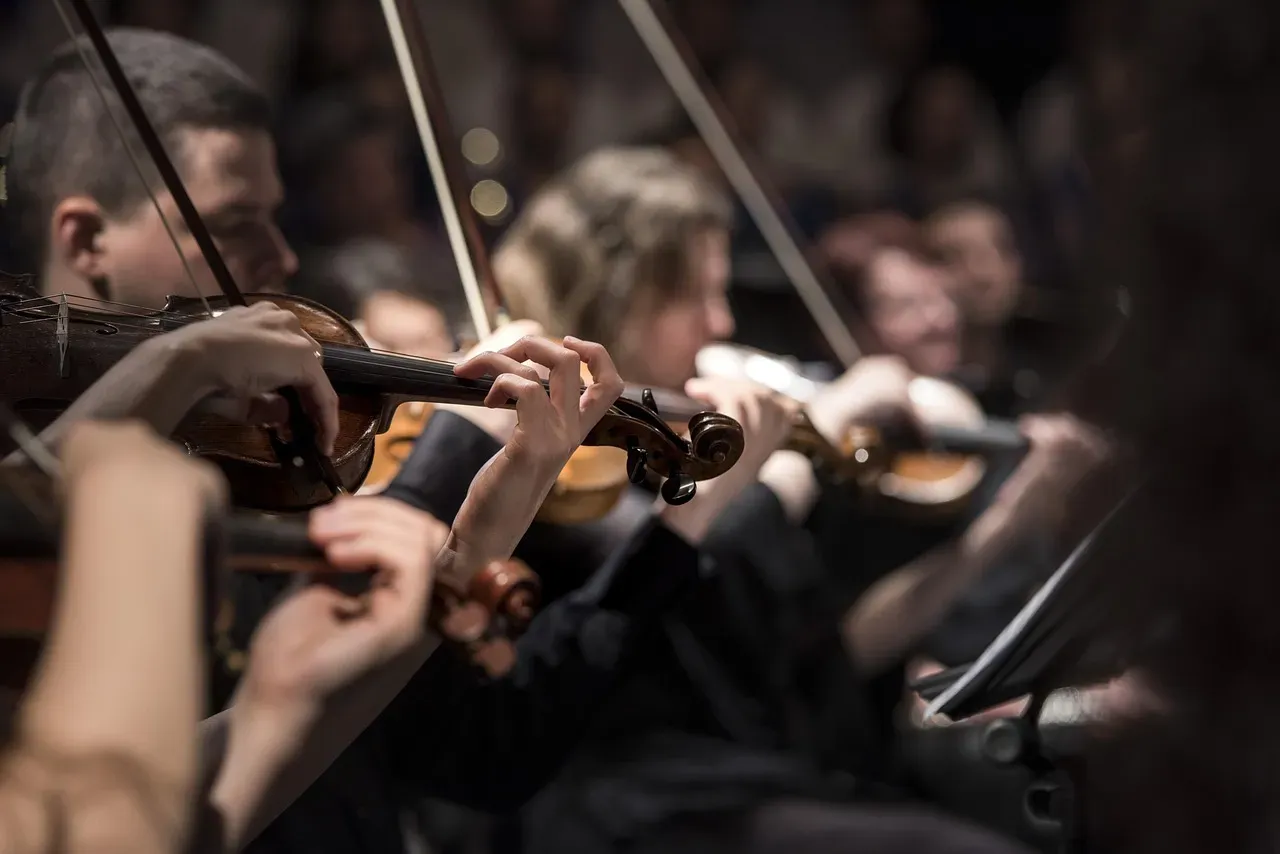
Music events offer opportunities for connections with the performers, which can enhance the social experience further. Research shows that a special bond forms not only between audience members but also between the audience and performers. This connection is enhanced when audiences perceive themselves as active participants in the live music experience, rather than passive recipients.
The residency format reinforces this dynamic over time. A performer who returns to the same stage, week after week, learns to read that specific room. Crowd behaviors that might surprise on a first night become familiar signals. The artist adapts, and the show evolves.
Research from 2025 demonstrated that physically seeing musicians perform in real time – rather than merely hearing them – enhances audience engagement, particularly at structurally important moments in the performance. This effect, measured through synchrony in cardiorespiratory responses, suggests that the visual presence of performers plays a key role in deepening collective attention and emotional resonance.
Las Vegas as a Psychological Stage: The City’s Role in Shaping Behavior

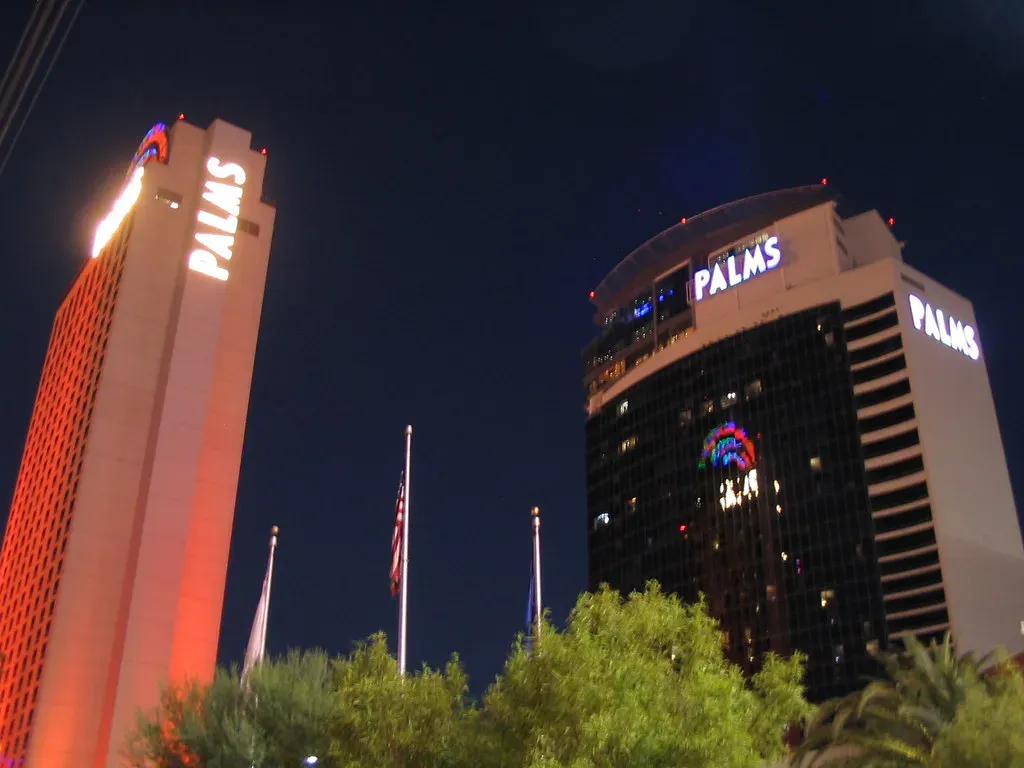
According to the Las Vegas Convention and Visitors Authority, over 40 million visitors come through Vegas annually, and nightlife remains one of the top five reasons people visit. That creates a massive, highly motivated audience that venues are now catering to across every slice of taste and genre.
According to the LVCVA’s 2024 Visitor Profile, a record-breaking eighty-six percent of visitors were repeat guests. More than half of respondents said Las Vegas had exceeded their expectations, up from roughly forty-eight percent in 2022. These numbers suggest a city that keeps delivering on its emotional promises – and audiences who return specifically because it does.
Tourism contributed over $85 billion in total economic impact in 2023, with direct spending accounting for more than half of that. In fiscal year 2024, the Las Vegas Strip alone generated a record $9.1 billion in gaming revenue, up six percent year over year. Live entertainment, including residency shows, is a structural pillar of that economic engine, not a side attraction.
The Shifting Demographics of the Residency Audience

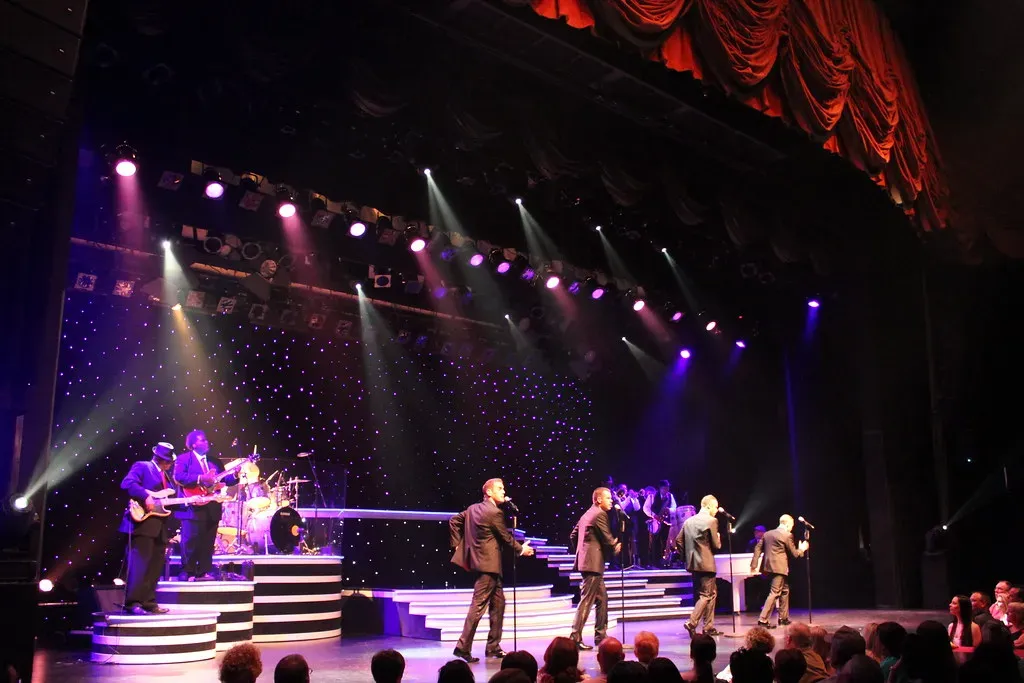
The perception of who attends Las Vegas residencies changed significantly as younger artists began signing on. Following Britney Spears, Live Nation Las Vegas moved toward getting younger artists and a wider span of genres that would mirror the changing demographics of Las Vegas itself. That shift had direct consequences for crowd psychology and behavior.
Resident Advisor’s 2025 Club Report noted a significant global shift: audiences under 35 are increasingly seeking out intimate, genre-focused venues over arena-style club experiences. Las Vegas venues have adapted by diversifying, with some residencies moving off-Strip entirely to capture the attention of younger, more genre-conscious crowds.
Since the 2010s, many major performers have accepted residency offers, including EDM DJs like Tiësto and Calvin Harris, pop and R&B performers such as Adele, Usher, and Mariah Carey, and rock bands including Def Leppard. Toward the end of that decade, hip-hop acts like Drake and Cardi B also appeared. Each genre brings a different crowd psychology, different movement patterns, and a different emotional register to the room.
The Long-Term Psychological Impact: Why the Feeling Stays
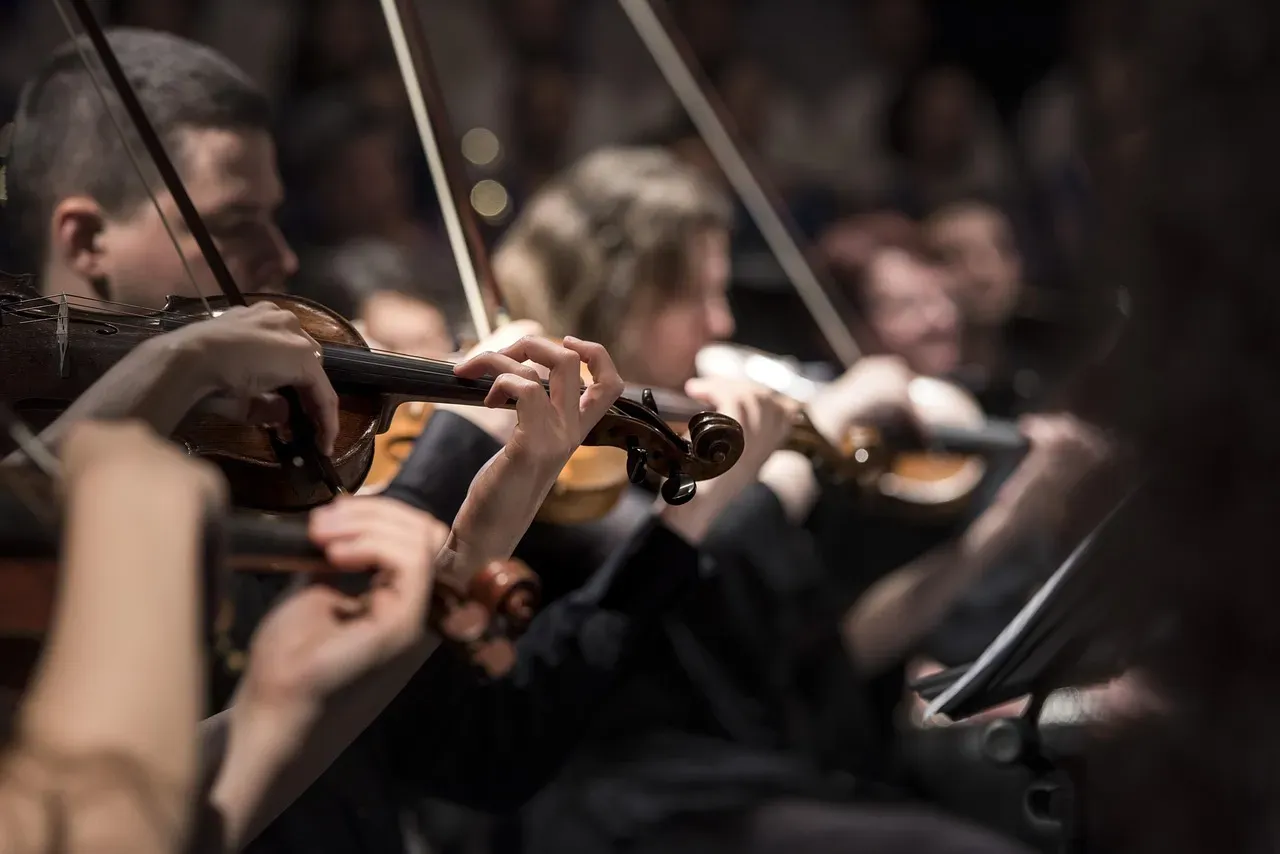
Research offers early evidence that the shared energy of a live concert is linked to stronger wellbeing for at least a week after a show. For a residency audience that has traveled specifically to attend, that post-show glow likely lingers even longer, embedded in the broader memory of the trip itself.
Questionnaires administered during live shows confirm the benefits of attending a performance in person, showing increases in reported pleasure and relaxation. Watching a performance, whether live or on screen, reduced participants’ anxiety states and arousal level. The calming, even therapeutic quality of live music is a consistent finding across multiple studies.
Participants in about a quarter of the studies reviewed in a 2025 systematic analysis reported a feeling of unity or community resulting from shared physical or emotional experiences at live music events. That sense of belonging, built in a theater over a couple of hours, is exactly the kind of memory that brings people back to Las Vegas – and back to the same artist – again.
Conclusion

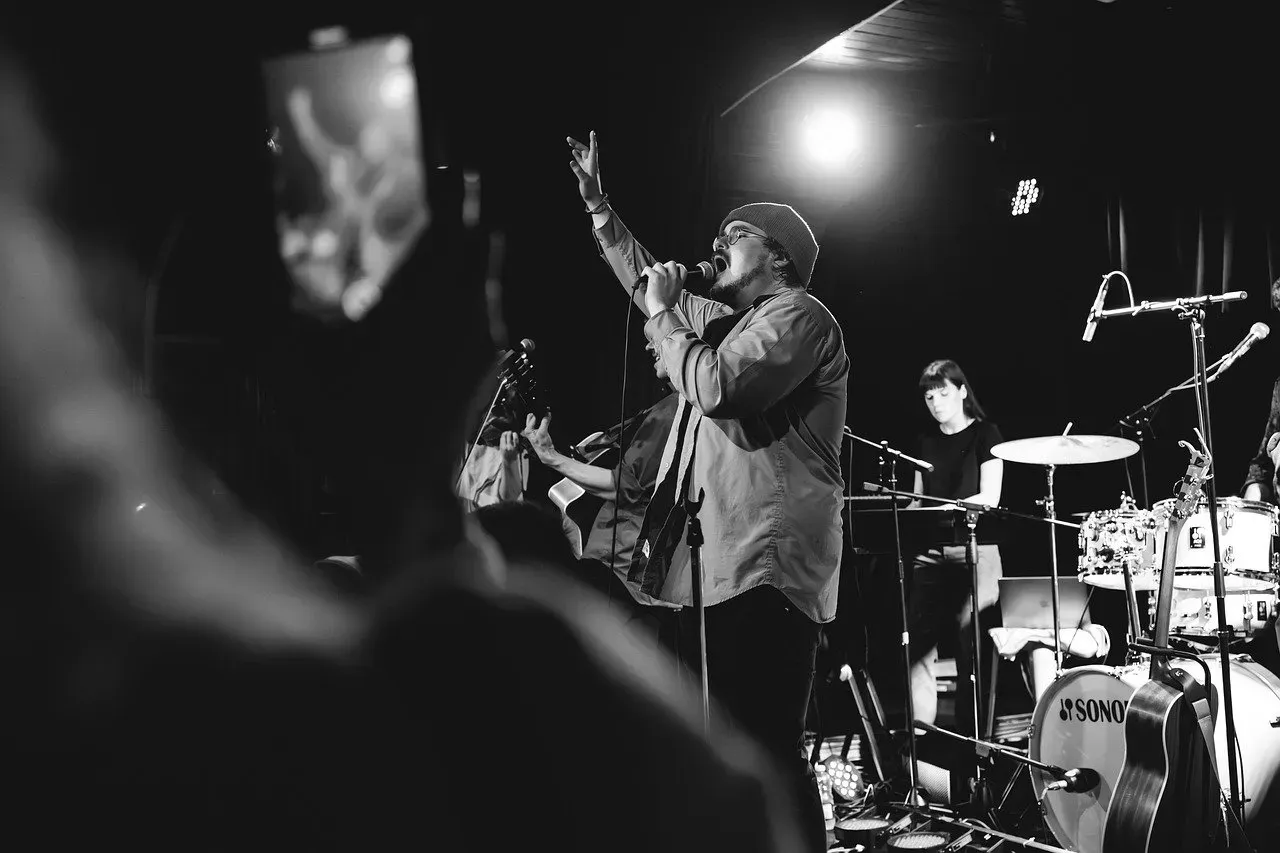
Las Vegas residencies occupy a unique position in the psychology of live performance. They concentrate highly committed fans, place them inside purpose-built environments, and present artists who have had time to refine their connection with that specific space. The result isn’t simply a concert. It’s a behavioral and emotional event with measurable effects on mood, memory, and even physical well-being.
The research makes one thing clear: the crowd isn’t just a backdrop. It is an active participant in what happens on stage. Emotional contagion runs in both directions, and the shared high of thousands of people synchronized in the same moment is its own kind of phenomenon.
What keeps Las Vegas residencies compelling – beyond the economics, beyond the spectacle – is something genuinely human. People travel thousands of miles to feel something together. That instinct, as it turns out, is ancient, measurable, and entirely worth the flight.
Partner offer
Planning a trip to Vegas?
Compare hotel rates and show tickets on VEGAS.com.