There’s a pattern that shows up again and again in the history of banned books: the ones that get pulled from shelves most aggressively tend to be the ones that cut closest to the truth. Not the books that are poorly written or gratuitously offensive, but the ones that hold a mirror up to power, society, or human nature and refuse to look away. That’s an uncomfortable thing for any authority to tolerate.
A book might be banned because it subverts a popular belief of a dominating culture, shocks an audience with grotesque or obscene language, or is thought to promote strife within a society. Whatever the reason, once a book is banned, a sort of aura of mystique is created around it that, more times than not, draws readers who want to decide for themselves whether it is in fact unfit for publication. The five books below have all earned that distinction, not through shock value alone, but through something far more unsettling: accuracy.
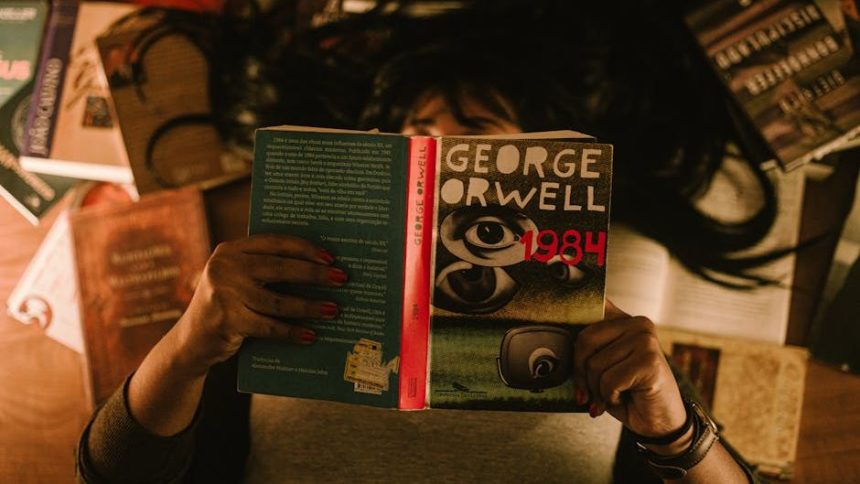
1. 1984 by George Orwell (1949)
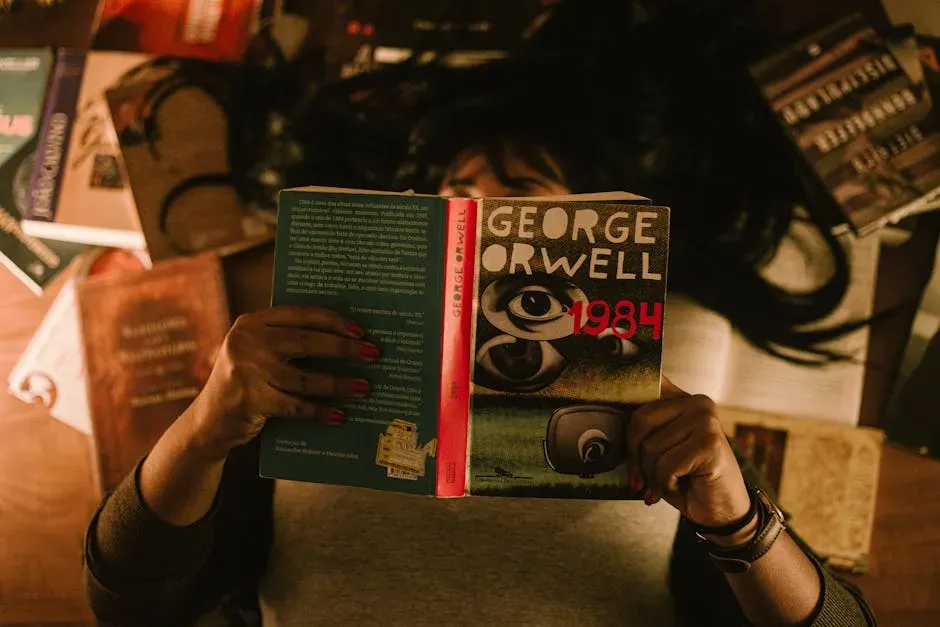
Written in 1949 by British author George Orwell while he lay dying of tuberculosis, the book chronicles the grim future of a society robbed of free will, privacy, and truth. It quickly became one of the most censored novels in modern history, and the reasons for its banning were almost comically contradictory. It was banned by the Soviet Union in 1950, as Stalin understood that it was a satire based on his leadership. Meanwhile, in 1981, it was challenged in Jackson County, Florida, by parents who mistakenly claimed the book was “pro-communist.”
The novel has been banned or challenged for nearly 80 years, often for contradictory reasons depending on the political landscape of the censor. Ironically, the book itself is a warning against the very censorship it frequently faces. The book has faced various levels of restriction or outright bans in countries including Myanmar, China, and North Korea due to its themes of political dissent and resistance to surveillance. As recently as 2024 and 2025, 1984 has appeared on lists of books flagged for review or requiring parental permission in states like Florida, Iowa, and Colorado under new parental rights and library transparency laws. Few books have managed to be too dangerous for both the left and the right at the same time.
2. To Kill a Mockingbird by Harper Lee (1960)
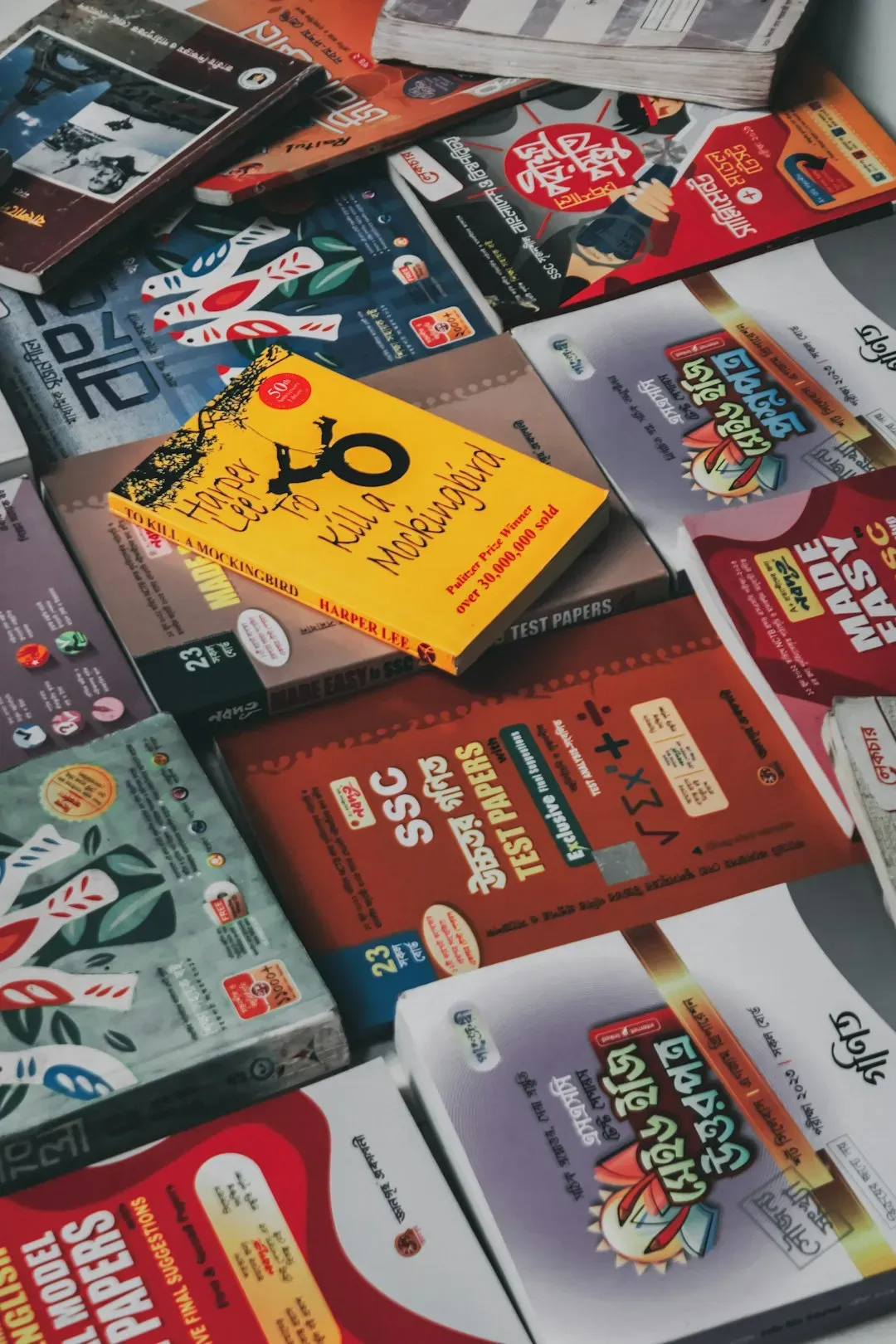
Since its publication in 1960, the novel about a white lawyer’s defense of a Black man against a false rape charge has become one of the most frequently challenged books in the U.S. Challenges to the book over the decades have usually cited the book’s strong language, discussion of sexuality and rape, and use of the n-word. The first formal school ban came just six years after publication. In 1966, a school board banned this book for being “immoral” and “improper for our children.”
It’s been banned despite selling 40 million copies worldwide since its release, winning the Pulitzer Prize in 1961, and topping PBS’ reader-voted The Great American Read list of top 100 American books. In early 2018, To Kill a Mockingbird and Mark Twain’s Adventures of Huckleberry Finn were removed from required reading in the Duluth, Minnesota, school district over the use of racial slurs. The removal wasn’t triggered by a specific challenge in this case, instead resulting from the accumulation of complaints over the course of several years. A novel explicitly about racial injustice being banned, in part, for discussions of race is one of the more troubling ironies in American literary history.
3. Ulysses by James Joyce (1922)
James Joyce’s 1922 Ulysses provides a good historical example of one big reason books get challenged: perceived obscenity. From the novel’s initial publication in 1920 until the U.S. District Court case in 1933, postal workers fought on the front lines attempting to prevent Ulysses from entering the U.S. The Comstock Laws allowed the U.S. Postal Service to intercept any “obscene, lewd, or lascivious book.” So, when copies came in from Europe, the Post Office Department burned any copies arriving on those shores.
Partner offer
The novel Ulysses is one of the most challenged and controversial books in history; it was banned in the United States until 1934. U.S. District Judge John M. Woolsey presided over the court case United States vs. One Book Called Ulysses in 1933. He ruled the novel was not pornographic and, a decade after it was published in Ireland, Ulysses would legally debut in the United States. Some groups, such as the New York Society for the Suppression of Vice, even took legal action to block it from being sold in the United States. Ulysses still resides on the top 100 most challenged books in the United States. The book’s crime, essentially, was depicting ordinary human consciousness with complete honesty.
4. The Handmaid’s Tale by Margaret Atwood (1985)
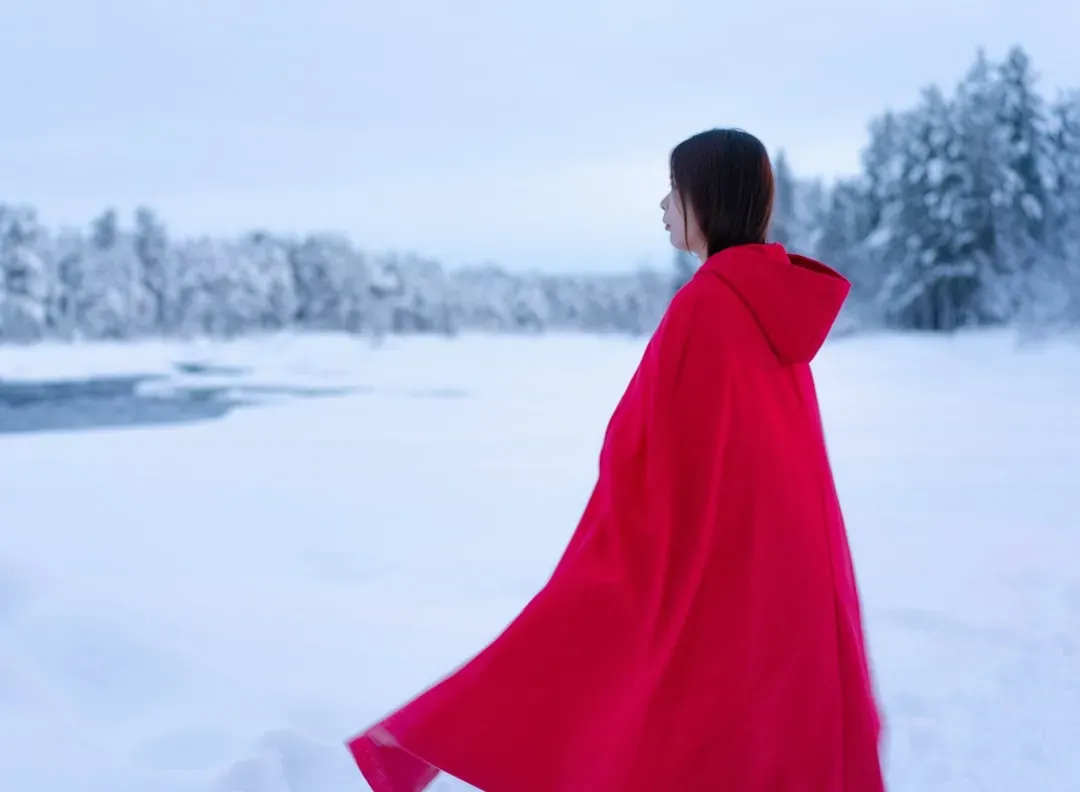
Margaret Atwood’s The Handmaid’s Tale, published in 1985, is a dystopian novel that imagines a future United States transformed into a totalitarian regime called Gilead. In this society, women are stripped of rights, forced into reproductive servitude, and governed by a rigid religious hierarchy. While widely acclaimed for its literary depth and prescient social commentary, the novel has also been one of the most frequently challenged and banned books in the United States and beyond. Since its publication in 1985, the book has been banned or faced calls for banning in states across the USA, as well as in countries including Portugal and Spain, on grounds of profanity, sexual content, being anti-Christian, and featuring LGBTQIA+ characters.
The persistent targeting of The Handmaid’s Tale cannot be separated from broader societal tensions. As debates over reproductive rights reignited, especially following the U.S. Supreme Court’s 2022 decision in Dobbs v. Jackson Women’s Health Organization, which overturned Roe v. Wade, the novel’s themes took on renewed urgency. In September 2024, 59 titles were removed from all school libraries in the Council Bluffs Community School District in Iowa. The books included The Handmaid’s Tale. The superintendent said the books were removed to comply with Senate File 496, an Iowa law that requires schools to remove any library book containing a description of a sex act. In response, Atwood and Penguin Random House created a fireproof edition of the novel, a pointed act of defiance against the very forces her book had warned about decades earlier.
5. The Trial by Franz Kafka (1925)
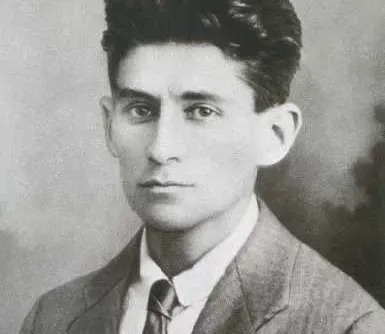
In Kafka’s powerful and disturbing novel, an innocent man is arrested and repeatedly interrogated for a crime that is never explained. The ban on Kafka’s works in his native land of what was then called Czechoslovakia was only lifted in 1989. He was initially banned under the Nazi occupation of Czechoslovakia during the war, and the Soviet regime continued to be suspicious of him after the war. Both The Trial and his other most famous work, Metamorphosis, were banned for twenty years, with the Soviet regime branding him as “decadent and defeatist.”
What made The Trial so threatening to authoritarian regimes was its central subject: a state apparatus that arrests, judges, and destroys a man without ever explaining why. That premise wasn’t fantasy in mid-20th century Europe. It was a fairly accurate description of reality. A book may be banned because it subverts a popular belief of a dominating culture or is thought to promote strife within a society. Kafka’s novel did something more specific and more dangerous: it described, with eerie precision, how bureaucratic power crushes individuals while maintaining a performance of legitimacy. Regimes that operated exactly that way had every reason to keep it off shelves.
What these five books share is not obscenity, subversion for its own sake, or a desire to shock. They were banned because they were accurate, and accuracy in literature has always made those in power deeply uncomfortable. Research suggests that for each challenge reported there are as many as four or five which go unreported. That means the full scope of literary censorship is likely far larger than any official list can capture. The books that survive it, and most of these have, tend to be exactly the ones worth reading.
Partner offer
Planning a trip to Vegas?
Compare hotel rates and show tickets on VEGAS.com.