There was a time when finishing an album wasn’t really the end. You’d sit there, CD player running, liner notes in hand, and then, after a minute or two of silence you almost wrote off as a glitch, something unexpected would begin. No announcement. No track title. Just sound, arriving like a private message from the band. A , also known as a “ghost track” or “easter egg,” is a song on an album that is not listed on the album sleeve or jacket. The concept sounds simple on paper, but in practice it created one of music’s most quietly beloved traditions. It rewarded patience, curiosity, and the habit of actually listening all the way through.
Where It All Began: The Beatles and a Happy Accident
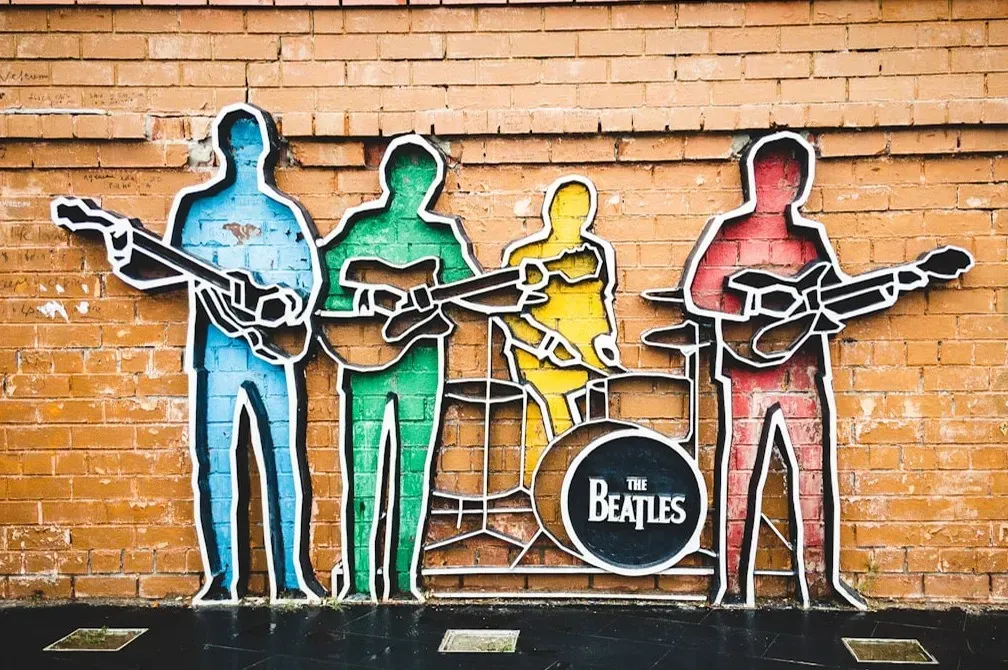
The 23-second song “Her Majesty” was written and performed by Paul McCartney and was originally going to be part of the medley on side two of Abbey Road. There was no good place to fit it into the medley, so McCartney told engineer John Kurlander to leave it off the album. Kurlander followed his instructions but later added it to the very end of the album, following a few seconds of silence.
Its inclusion on the final mix of Abbey Road happened because the band enjoyed the accidental effect reached when the final note of “Mean Mr. Mustard” was cut off. The tracklist was already printed on sleeves before the track was added, and just like that, the first hidden track was born. What started as a mistake of studio logistics quietly became the template for a generation of artists.
The Vinyl Era: Grooves Within Grooves

On vinyl, hidden tracks are usually unlisted and placed at the end of the final side of the record, with a few minutes of silence or a locked groove shielding the song from the listener’s attention. The physical nature of the format meant the concealment was always imperfect. A trained eye could spot the extra groove width near the label.
A vinyl record could also be double-grooved, with a second groove containing s. Examples of double-grooving include Monty Python’s “three-sided” Matching Tie and Handkerchief, Tool’s Opiate EP, and Mr. Bungle’s Disco Volante. These were genuinely clever physical tricks. Drop the needle in the wrong spot and you’d hear an entirely different program, with no indication anything unusual was happening.
The CD Era: When Hiding Got Seriously Creative

While the phenomenon got its start in vinyl, CDs opened far more interesting possibilities. Being a digital format, they allowed artists to do things like mess with track numbers and emphasize silence a little bit more. Because compact discs held more content, there was simply more white space to work with. That extra breathing room became the playground for some of the decade’s most inventive musical tricks.
The CD technical specifications hid within them a number of quirks that bands would later discover and take advantage of. They introduced opportunities to do really interesting things with albums that you couldn’t do during the vinyl era. For one thing, you could mess with the track listing by adding a few seconds of silence between tracks. For another, you could actually put music before the official start of the album, in an area called the pregap.
Nirvana’s “Endless, Nameless” and the Defining Moment

Less of a song and more a chaotic jam session, Nirvana’s “Endless, Nameless” is one of the most cited examples of hidden tracks. As the story goes, the engineer accidentally left the song off during the mastering process, and an infuriated Kurt Cobain made him put it back on, this time following a ten-minute silence after the closing track.
It was the first prominent hidden track in the CD era and inspired a slew of hidden tracks on albums in the following years. Kurt Cobain said he got the idea from when he would make mix tapes for his friends and then add a secret song after a long silent gap at the end, to startle them. That instinct, part prank and part generosity, captures everything that made feel human.
The Many Methods: Silence, Pregaps, and Track Zero

Whether you called them secret tracks or hidden tracks or something else entirely, they were always fun to discover in that pre-internet age. Most often they could be found at the end of a long period of silence that followed the last listed track, but sometimes you’d have to rewind the first song and listen to the CD’s pre-track gap.
On CD, hidden tracks in the pregap area were truly invisible. Track zero can only be found by starting the CD and then rewinding past the beginning of track one. Some artists went even further. On Lazlo Bane’s debut album, the eleventh song is followed by fifty-seven silent tracks, each four seconds in duration, with the hidden song appearing as the sixty-ninth track. The total length of silence between the two songs was three minutes and forty-eight seconds.
When Hidden Tracks Became Hits
Some hidden tracks are historically significant, have become well known, and even occasionally received radio airplay and climbed the charts. The idea of a song deliberately buried on an album going on to chart is genuinely strange when you think about it, but it happened more than once.
The Clash’s “Train in Vain,” which appears at the end of London Calling, was left out of the vinyl track listing simply because it was a last-minute addition to the album, when the sleeves were already printed. It was later released as a single and hit number twenty-three on the Billboard Hot 100 chart. Of the two hidden tracks on Lauryn Hill’s The Miseducation of Lauryn Hill, her cover of “Can’t Take My Eyes Off You” was nominated for a Grammy in 1999 in the category of Best Female Pop Vocal Performance. It was the first time a hidden track was nominated for a Grammy.
Artists Who Used the Format to Say Something Different
Not all hidden tracks are songs. Sometimes they are made up of studio banter or interviews. Many times a hidden track is an experimental avenue for the artist to create music or sounds they wouldn’t normally otherwise release, or which do not fit the overall vibe of the album. That freedom was the real gift of the format.
Green Day included “All By Myself,” a silly acoustic ode written and performed by the band’s drummer Tré Cool, at the end of their breakout album Dookie. It appears after just under two minutes of silence following the closing track “FOD,” and reminds listeners of the weirdo, upstart pop-punk band Green Day started out as. Tally Hall’s 2005 album Marvin’s Marvelous Mechanical Museum had a hidden track aptly titled “Hidden in the Sand” that would prove to be the band’s most successful song, gaining over thirty-five million plays on YouTube and over two hundred and eighty million on Spotify.
Streaming Killed the Secret

Since the rise of digital and streaming services such as iTunes and Spotify in the late 2000s and early 2010s, the inclusion of hidden tracks has declined sharply on studio albums. The architecture of these platforms simply has no room for concealment. Every file is named, indexed, and surfaced at a glance.
Listeners now generally consume music on a track-per-track basis, as opposed to buying and listening to full albums. The vast majority of listeners would consider hidden tracks a bug or problem with the recording rather than a fun inclusion. Hidden tracks would also cause problems for listeners who add songs to playlists, which is a very common method users now listen to music. In the streaming era, tracks are clearly laid out and selectable, which has led many streaming services to simply present like any other final song.
What We Actually Lost

these days is seen as a relic of the past, something we didn’t appreciate while we had it. Back in the late nineties, it had been overdone to the point that people were starting to get sick of them. That cycle of novelty, overuse, and nostalgia is familiar enough in music. We rarely know what something means until it’s gone.
was essentially a secret song, a free bonus with the purchase of an album that was not listed on the cover, in the liner notes, or on the record or disc itself. That was intentional on the part of the artist. They aimed to play a good-natured prank on the audience or offer a little gift to devoted fans who just kept the album running after they thought it was all over. In 2026, with vinyl sales having surpassed CDs in revenue, there is some quiet hope that the format’s revival might bring back a little of that spirit.
was never really about the music alone. It was about what it felt like to find something that wasn’t meant for everyone. That sensation of accidental discovery, of being rewarded simply for staying with an album a little longer than you had to, is harder to engineer in a world that hands you everything upfront.