
Living in Las Vegas means you already know that any given Tuesday on the Strip can feel like a Saturday in December. Now layer on Mercury retrograde, the astrological period that astrology followers associate with travel delays, communication breakdowns, and technology misfires, and the city can feel genuinely unnavigable. Whether you take the planetary lens seriously or treat it as useful folklore, the practical challenges that tend to cluster during these periods are very real for locals.
Vegas is not a city that slows down for cosmic events. The traffic keeps grinding, the casinos keep humming, and the tech infrastructure stays dangerously overloaded. This guide uses real data on Strip congestion, verified local transit options, and documented tech outage history to give you an honest, workable toolkit for getting through the next retrograde in one piece.
Know Your Retrograde Dates for 2026

Three to four times a year, the planet Mercury appears to reverse its course across the night sky. In astrology, these periods are traditionally linked to confusion, delays, and disruptions in communication, travel, and decision-making. For Las Vegas locals, 2026 brings three distinct windows worth marking on your calendar. The first Mercury retrograde cycle of 2026 begins with a pre-shadow in Pisces around February 11, with Mercury going retrograde on approximately February 26.
The second Mercury retrograde cycle of 2026 begins its pre-shadow in Cancer around June 13, with Mercury going retrograde in Cancer on June 29 and the direct station occurring on July 23. The third cycle begins its pre-shadow in Scorpio around October 4, with Mercury going retrograde in Scorpio on October 24. Knowing these windows ahead of time gives you a real scheduling advantage in a city that never pauses.
Understanding the Shadow Periods That Vegas Locals Overlook

When Mercury’s retrograde ends, some astrologers believe there is a short shadow period of adjustment of a couple of weeks as Mercury moves forward again. Most people fixate on the core retrograde window, but the pre and post-shadow stretches often catch locals off guard with lingering tech glitches and traffic quirks. For the first retrograde of 2026, the preshadow period begins on February 11 when Mercury reaches 8°29′ Pisces, with the postshadow lasting through April 9.
The planet Mercury rules communication in all its forms, as well as activities closely related to it. It also rules travel, automobiles, shipping, and mail. So when Mercury is retrograde, things in those areas may feel off. In a city built on logistics, entertainment schedules, and high-volume digital payments, that is not a trivial observation. Plan wider margins around any major event bookings or travel during these shadow weeks.
The Real State of Strip Traffic Right Now
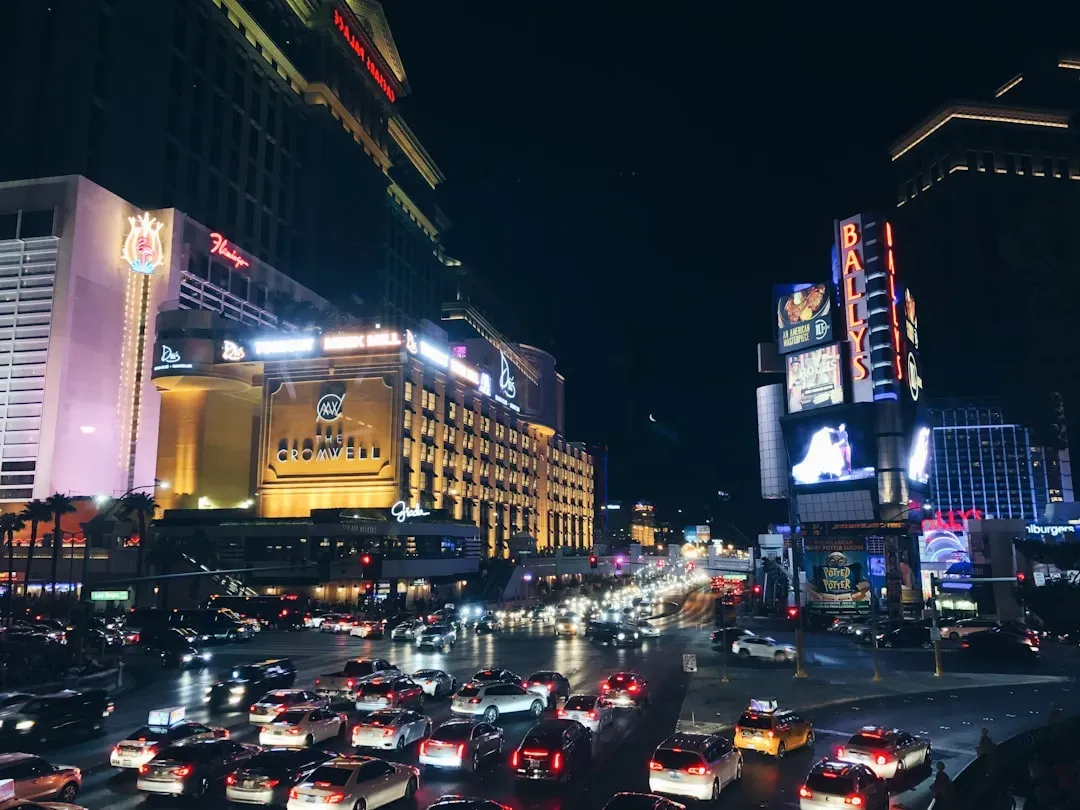
Las Vegas has an average congestion level of 34.1 percent, which is 6.6 percentage points higher than in 2024. That number alone should give any local pause when planning a Strip crossing during busy hours. In 2025, commuters in Las Vegas lost roughly 43 hours to rush-hour traffic delays, which is about three hours and fifty minutes more than in 2024.
The intersection of Las Vegas Boulevard and Tropicana Avenue has been cited as the busiest street intersection in the world. The streets are wide, the traffic is heavy, and it is busy around the clock. Las Vegas streets get very congested during morning hours from roughly 7 a.m. to 9 a.m. and during evening rush hours from 4 p.m. to 6 p.m., as well as on weekends. Traffic becomes heavy in tourist areas after 4 p.m. During Mercury retrograde, many locals find it worth building an extra buffer of at least 20 minutes into any Strip-adjacent commute.
The Most Dangerous Intersections to Avoid
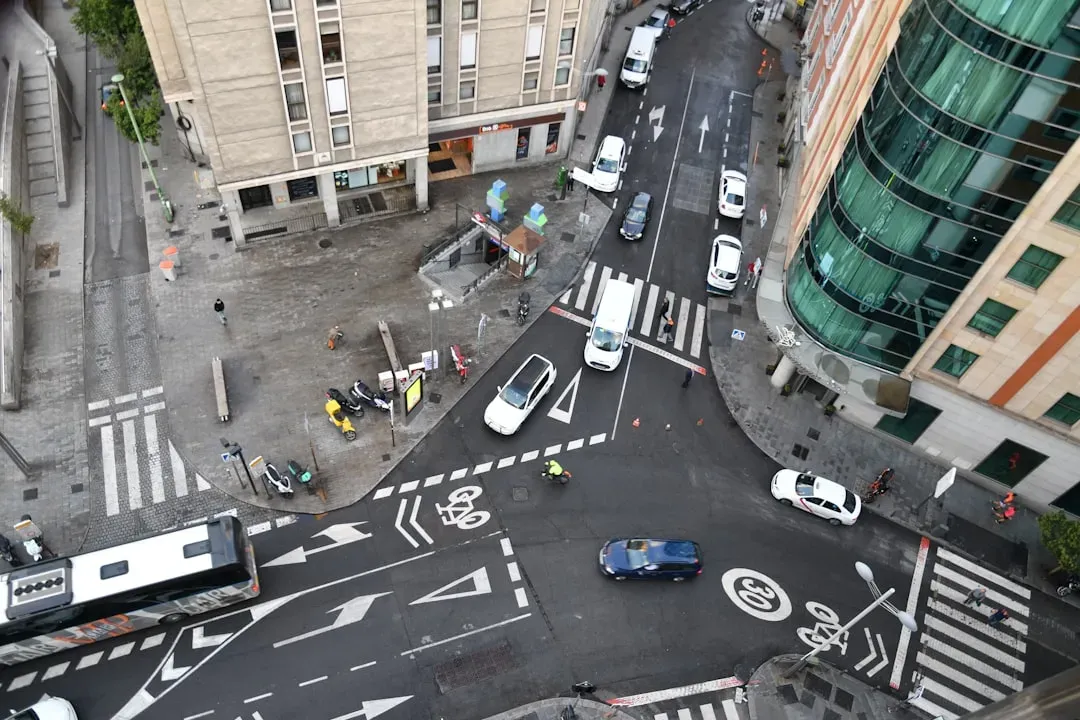
National Highway Traffic Safety Administration data shows that roughly a third of U.S. crashes occur at intersections, and Las Vegas follows the same pattern. Knowing where the problem spots concentrate is half the battle. Locals should avoid the intersection of Charleston Boulevard and Lamb Boulevard, which has been deemed the most dangerous in Las Vegas, with more accidents occurring there than at any other intersection in the city. Sahara Avenue and Rainbow Boulevard ranks as a close second, followed by the entire stretch of Tropicana Avenue from east to west.
By August 21, 2025, the Las Vegas Metropolitan Police Department had recorded 106 traffic fatalities, already surpassing the 87 deaths reported by the same date in 2024. News 3 Las Vegas also reported a staggering 123 percent increase in failure-to-yield crashes, with related deaths climbing from 13 in 2024 to 29 in 2025. These are not abstract statistics for anyone living west of the Strip, they reflect daily road conditions that get worse when distractions multiply.
Use the Monorail Like a Local Who Actually Reads the Fine Print
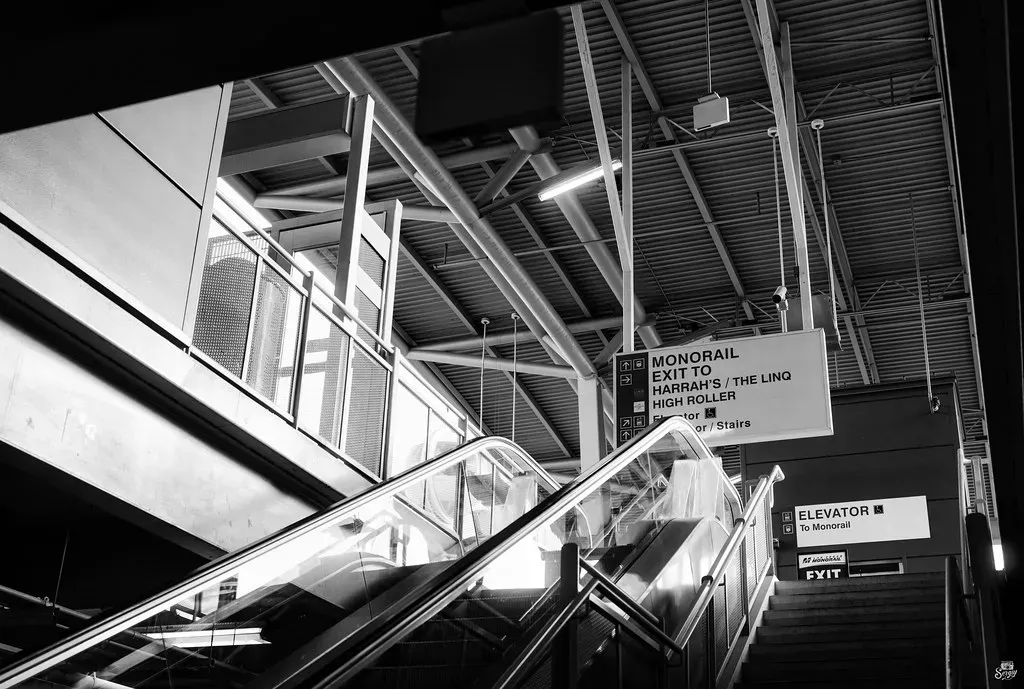
The Las Vegas Monorail route consists of 3.9 miles of elevated tracks that run parallel to the Vegas Strip, Koval Lane, and Paradise Road. With trains arriving every 4 to 8 minutes at seven stations, it remains the fastest and most efficient transportation option for navigating the Strip corridor. For locals, the pricing deserves attention. Nevada residents can purchase discounted tickets at just one dollar per ride. Those who are eligible must purchase their tickets at one of the customer service ticketing offices and will need a valid Nevada driver’s license, state-issued ID, or Nevada Sheriff Card.
As of 2025, the monorail is operational until at least 2035. Earlier reports suggested a potential forced shutdown by 2028 due to part shortages, but the LVCVA denied those reports and in May 2025 announced 12 million dollars in new funding to keep the system running through 2035. That is a meaningful stabilization for locals who rely on it during peak traffic periods.
The Deuce Bus: Your 24/7 Backup Plan
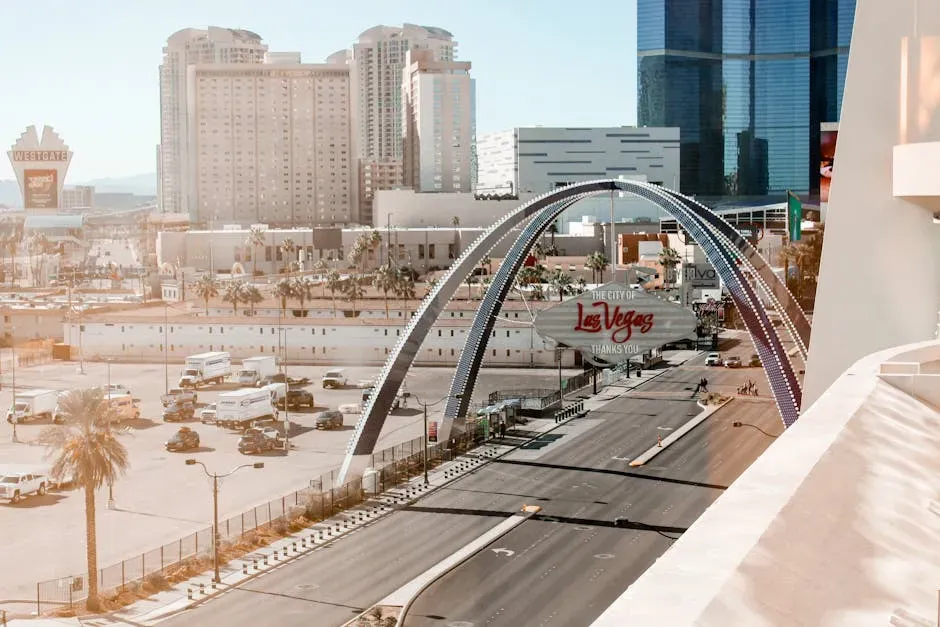
The Deuce covers a 9.3-mile route running the full length of the Las Vegas Strip from the southern end near Mandalay Bay all the way north to Fremont Street in downtown Las Vegas. It is the backbone for those wanting easy access between iconic casinos and entertainment hubs without a cab or parking hassle. Operating around the clock, the Deuce runs every 15 minutes during the day and every 20 minutes overnight.
The Deuce is Las Vegas’ public transportation operated by the Regional Transportation Commission. While the bus runs throughout the destination, there are two routes you can specifically take for the Strip and downtown. During Mercury retrograde windows when rideshare apps glitch or surge pricing spikes unpredictably, having the Deuce as a reliable fallback is genuinely practical. Keep the RTC app on your phone and load value before each retrograde period begins.
Casino Tech Outages Are a Documented Risk, Not Just Myth

In September 2023, MGM Resorts suffered a major cyberattack that crippled operations for nearly a week. The incident disrupted flagship Las Vegas properties such as the Bellagio, Mandalay Bay, and the Cosmopolitan, along with other MGM-owned resorts nationwide. Guests faced widespread issues including malfunctioning slot machines, disabled ATMs, inoperative digital key cards, and broken payment systems.
That attack led to a 100 million dollar loss for MGM in the third quarter of 2023. A separate global Microsoft and CrowdStrike outage in July 2024 triggered cascading failures across flights, bookings, slot machines, and emergency systems in Las Vegas. In that climate, even minor outages are treated with heightened attention. For locals who use casino ATMs regularly, the lesson is clear: always carry some emergency cash during periods when large-scale tech disruptions are possible.
Backup Your Devices and Data Before Each Retrograde Window

Mercury is the planet representing communication, reasoning, transportation, and technology, so when it enters retrograde, we tend to feel it acutely in our busy world that is centered around communication and tech. Whether or not you subscribe to the astrology, building a consistent digital hygiene habit around these dates is smart practice. The recommended approach includes double-checking emails, messages, and travel plans, as well as backing up your data and devices.
In Las Vegas specifically, this means verifying hotel reservations through direct phone calls rather than relying solely on app confirmations, especially given how quickly resort booking systems can go offline. What happened at The Venetian during a recent outage was short-lived, but it exposed just how fragile complex casino systems can be. In the face of rising cyber risks and guest expectations for seamless digital service, even routine upgrades can spiral into operational headaches. Locals heading to the Strip during retrograde should screenshot their reservations and keep them accessible offline.
Rethink Your Commute Timing Using Verified Data
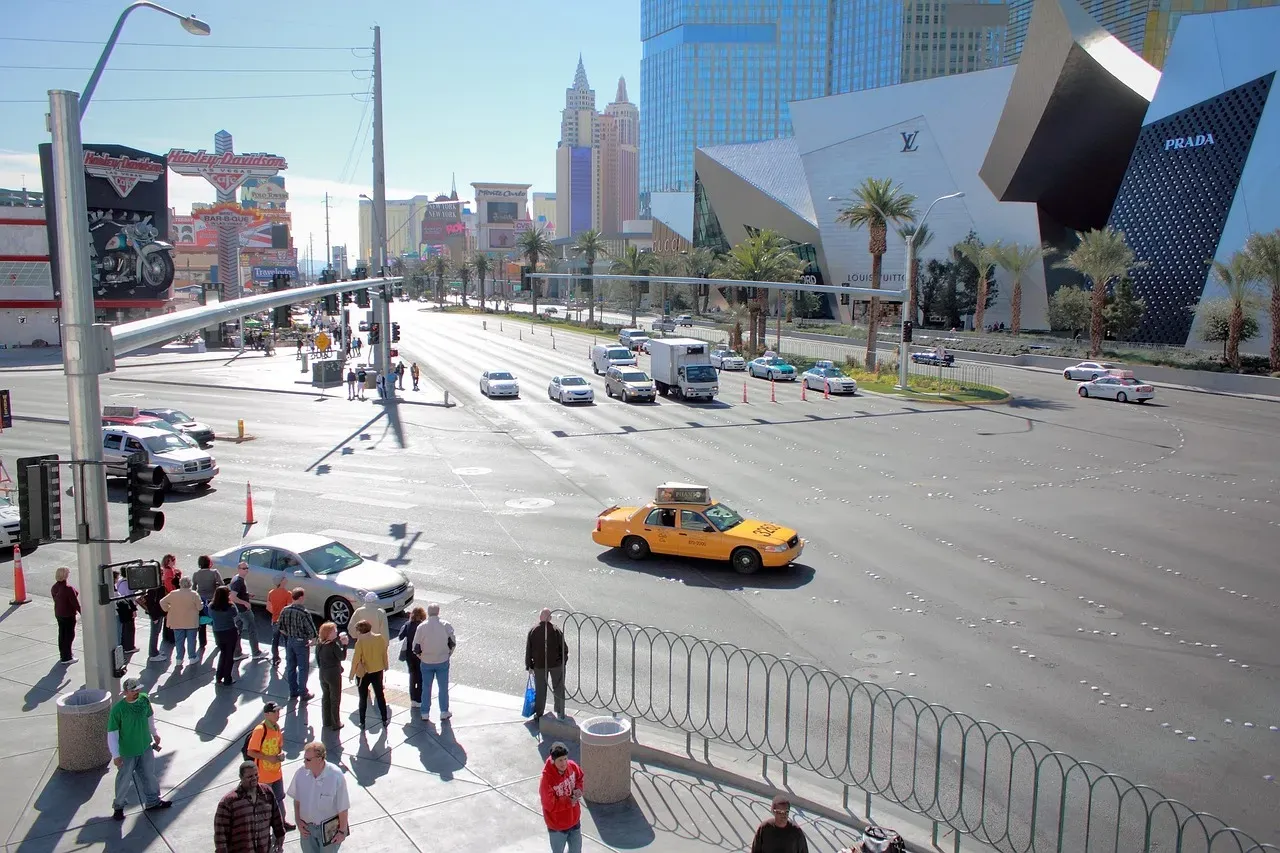
The Strip is slow-going most of the time and turns into a virtual car park when the town is busy. Locals employed outside the hospitality industry clog the merge lanes on the I-215 between 7:30 a.m. and 8:30 a.m. and again between 4:30 p.m. and 5:30 p.m. The I-15 is the most frustratingly congested road in Las Vegas, with roughly 300,000 vehicles daily and approximately 25,000 lane changes per hour, experiencing about three auto accidents per day.
Shifting your commute window by even 30 minutes before or after peak hours makes a measurable difference. The worst day to travel in Las Vegas in 2025 was a Friday, with a 57 percent average congestion level and a congestion level of 124 percent at 5 p.m. During retrograde windows, especially those that overlap with major conventions at the Convention Center, the smart move is to treat Fridays as a near-total Strip avoidance day if your schedule allows it.
Use Retrograde as a Reset, Not Just a Warning

While Mercury retrograde gets a bad reputation for causing technical mishaps, travel delays, and miscommunications, it is not all negative. Mercury entering retrograde is much like the weather shifting, not good, not bad, but a neutral, essential part of life. We tend to move full steam ahead so often that when Mercury retrogrades and encourages certain parts of life to slow down, it can actually have some positive effects.
Mercury retrograde is a good time to sit back and review what you put your energy toward. For Vegas locals, that might mean auditing which apps actually support your daily commute, revisiting your cash emergency protocol, or simply building more time buffers into your schedule during known high-congestion windows. Las Vegas remains the only large metropolitan region in the Mountain West without a light rail system, which means until that infrastructure gap closes, the burden of smart navigation stays squarely on the individual driver.
The Strip will always be the Strip: loud, crowded, perpetually under construction somewhere, and technically fragile in ways most visitors never see. Locals who build a few deliberate habits around the documented traffic and tech patterns of this city, retrograde or not, tend to navigate it with noticeably less friction. The planets may or may not be sending a signal. The data, at least, clearly is.