Imagine waking up to a rooftop view of a sun-soaked city, having a housekeeper clean your spacious apartment three times a week, dining out every night at quality restaurants, and still ending the month with money in your pocket. For most people in the United States or Western Europe, that sounds like a fantasy reserved for the seriously wealthy. Surprisingly, it isn’t.
The real secret that a growing wave of remote workers, retirees, and restless middle-class escapees have discovered is this: geography completely redefines what money can buy. The same $3,000 monthly income that barely covers rent in a mid-tier American city can fund a genuinely luxurious life elsewhere. The data is real, the destinations are legit, and the people doing it are not billionaires. Let’s dive in.
1. Thailand: Rooftop Pools, Street Food, and Five-Star Living for Less

Thailand keeps showing up at the top of every serious expat list, and honestly, there’s a very good reason for that. Thailand’s appeal lies in its balance between cost and quality, with popular cities like Chiang Mai and Bangkok offering vibrant lifestyles at average monthly living costs of around $800. That’s base-level spending. With $3,000, you’re operating in a completely different tier.
A one-bedroom, fully furnished condo with a pool, gym, and 24-hour security goes for under $600 a month. A two-bedroom runs around $750, and you can find spacious family homes with a private pool for under $1,000. Think about what that same budget gets you in New York or London. Exactly nothing comparable.
Thailand can deliver serious luxury for less. Think modern high-rise apartments with rooftop pools, 24-hour security, housekeeping a few times a week, and regular massages that cost less than a food delivery app fee. The lifestyle quality here is genuinely hard to replicate without serious money back home.
Asian countries dominated the affordability list for expats, with five out of the top ten most affordable expat destinations being from Southeast Asia: Vietnam, Thailand, Indonesia, Philippines, and Malaysia. Thailand sits firmly near the top of that pack.
2. Vietnam: For the Fifth Consecutive Year, the World’s Most Affordable Expat Destination
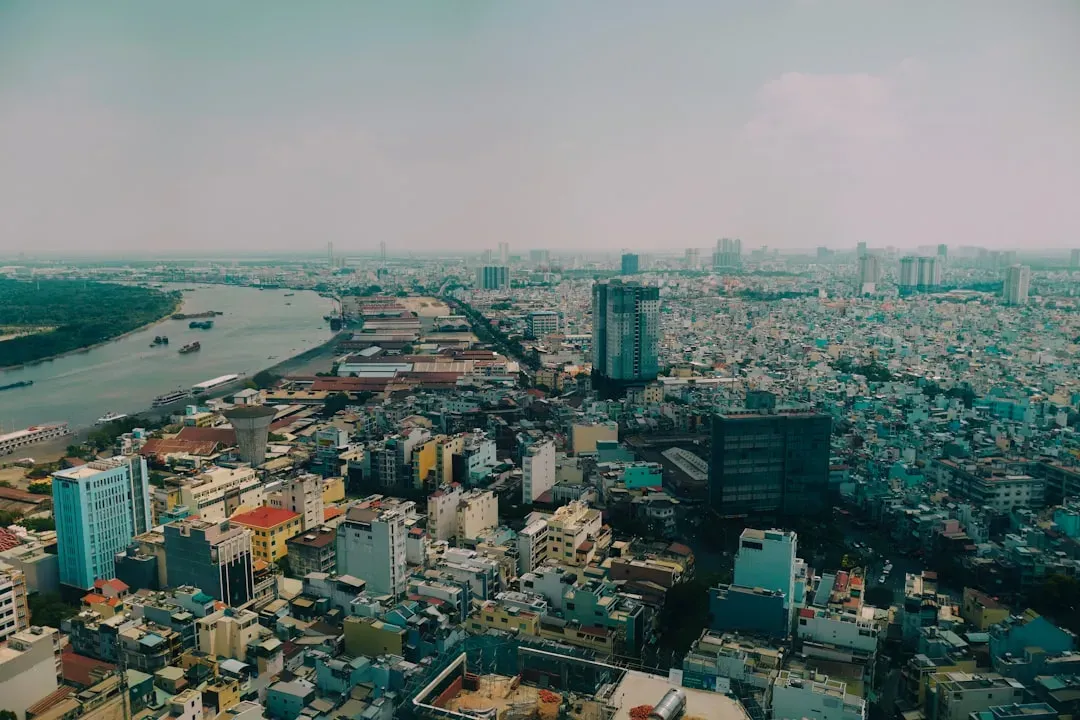
For the fifth consecutive year, Vietnam is the most affordable country in the world for expats, ranking first out of 46 destinations when it comes to personal finances, according to the 2025 Expat Insider study by InterNations. That’s not a fluke. That’s a consistent pattern backed by real data from real people living there.
According to 2025 data, the cost of living in Vietnam is around 59.5% lower than in the United Kingdom and about 60% lower than in the United States. That gap is almost hard to process until you’re staring at your bank balance at the end of the month and realizing you’ve barely touched it.
Vietnam combines affordability with modern amenities, with cities like Ho Chi Minh City and Hanoi acting as major expat hubs, where average housing costs range from $250 to $400 per month, and street food costs less than $2 per meal. On $3,000 a month in Vietnam, you’re not just comfortable. You’re genuinely flush.
In Vietnam, nearly nine in ten survey respondents were pleased with the general cost of living, while the vast majority said their disposable household income was about or more than enough to lead a comfortable life. That’s remarkable compared to the global average, and it explains why 54% of expats in Vietnam have lived there for five or more years already, and 30% want to stay forever.
3. Colombia: The Transformation Nobody Expected

While some still associate it with an outdated reputation for danger, today’s Colombia is a transformed nation – safe, welcoming, and one of the most affordable destinations in South America. Medellín in particular has become something of an expat phenomenon, consistently drawing remote workers and retirees from North America and Europe.
In Colombia, the vast majority of survey respondents said their disposable income was enough to live comfortably. No expat in the country flagged cost of living as a major concern before moving, a stark contrast to the global average of roughly one in five who typically do. That says a lot.
In the capital, Bogotá, excellent two-bedroom apartments can be found for around 400 euros a month. In Medellín, that budget gets you something even nicer. An interesting and lesser-known aspect of Colombia is its diversity in climates due to its varied geography, allowing residents to choose a city that matches their preferred weather, from spring-like temperatures in Medellín to warmer coastal regions.
Medellín and Bogotá are digital nomad hotspots with great infrastructure. On $3,000 a month, you could comfortably rent a beautiful two-bedroom apartment in a trendy neighborhood, eat out regularly, hire weekly cleaning help, and still travel domestically on weekends. It is the friendliness of the Colombian people and the country’s diverse beauty – from coffee plantations and snow-capped peaks to Caribbean shores – that truly makes it feel like home.
4. Indonesia (Bali): Paradise Without the Paradise Price Tag
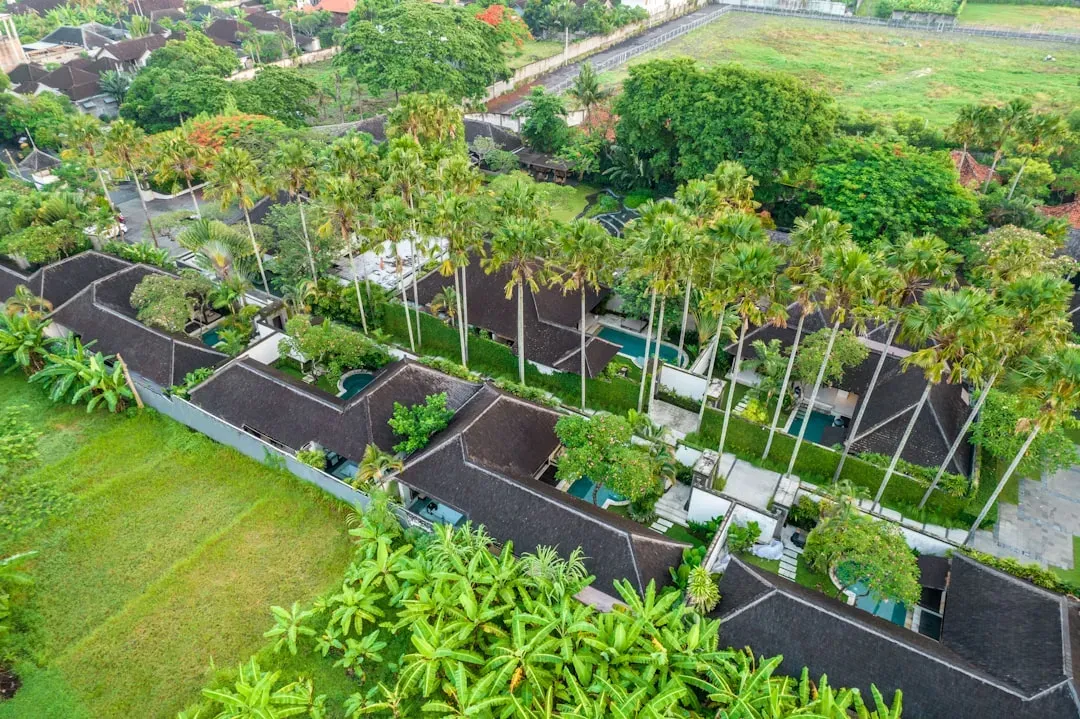
In 2024, the cost of living in Indonesia was 57% lower than in the UK and 62% lower than in the US. Let that sink in. You could be splitting your costs in more than half, and the environment you’re living in would make your friends back home genuinely envious.
Living in a great little villa on a quiet lane in the Seminyak area, three minutes to the beach, attached to a boutique hotel with pool access, maid service three times a week, and all utilities included, costs around $840 a month. That’s one quarter of a $3,000 budget. The rest is yours to spend however you want.
Food is extremely reasonable, with local meals costing approximately the equivalent of a couple of dollars per head. For something a bit more formal, you can expect to pay around $30 for a meal for two at an upscale restaurant. Healthcare is also surprisingly reasonable, with doctor visits costing around the equivalent of $10 and wellness treatments like massages averaging around $14.
Known as the ‘Island of the Gods,’ Bali marries affordability with a deep cultural heritage, showcasing iconic rice terraces, untouched beaches, and lively religious festivals. For those chasing a budget-friendly life surrounded by natural wonders and cultural richness, Bali is the place to be.
5. Portugal: European Elegance Without European Price Tags
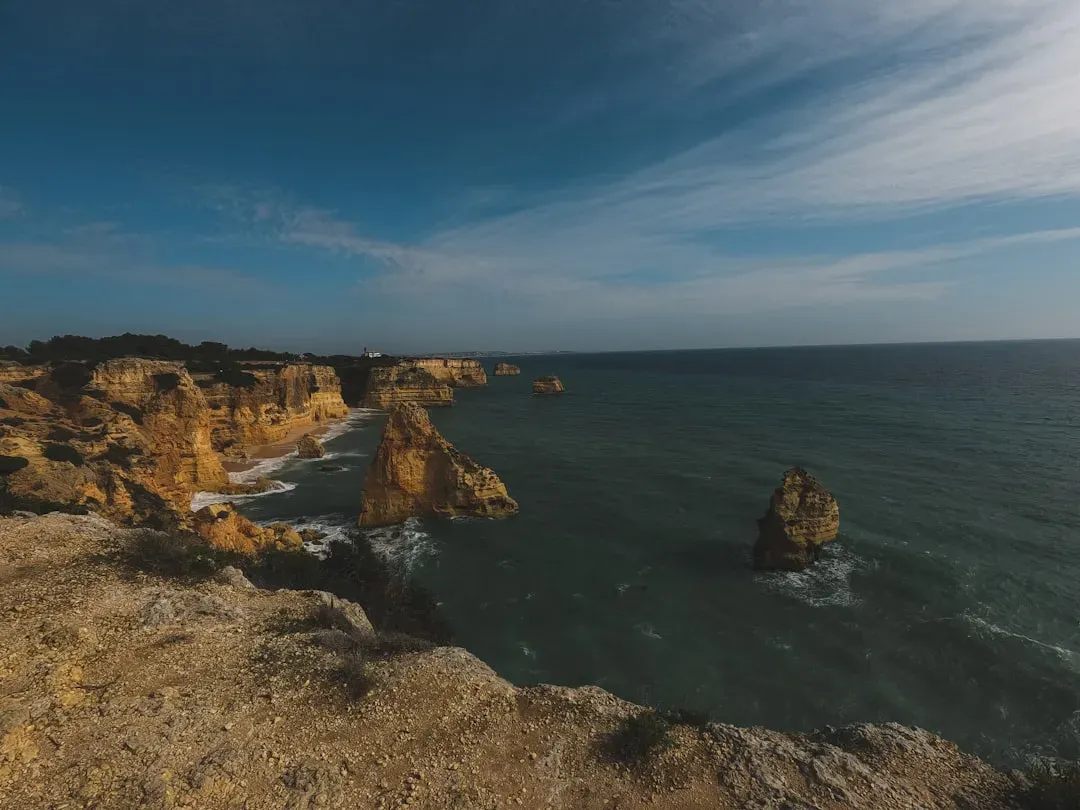
Here’s the thing – not everyone wants to move to Southeast Asia. For those who value a Western European lifestyle, familiar infrastructure, good wine, and that gorgeous Atlantic coastline, Portugal is basically the answer to everything. Portugal remains one of the most budget-friendly options within European borders, offering an exceptional lifestyle at any age, characterized by a mild climate, a rich cultural heritage, and a remarkably low cost of living compared to its neighbors.
According to International Living, a couple can live very comfortably on roughly 2,000 euros a month, while 1,700 euros is often more than enough for a single person. These figures generally cover rent, utilities, and dining out. On $3,000, a single person is living extremely well by Portuguese standards.
In many local spots, you can still find a fantastic dinner for under 12 euros and a draught beer for as little as 2 euros. That kind of real-world affordability, combined with safe streets and world-class beaches, is why Portugal has become such a magnet for expats in recent years.
Portugal’s mild climate and vibrant culture are complemented by affordable costs. A single person’s average monthly expenses are around $1,200, including rent in smaller cities like Braga. In bigger hubs like Lisbon, costs rise, but $3,000 still buys something genuinely comfortable and stylish. Lisbon, Europe’s second-oldest capital, manages to feel both elegantly weathered and vibrantly modern.
6. Malaysia: Skyscrapers, Beaches, and Ridiculously Affordable Luxury
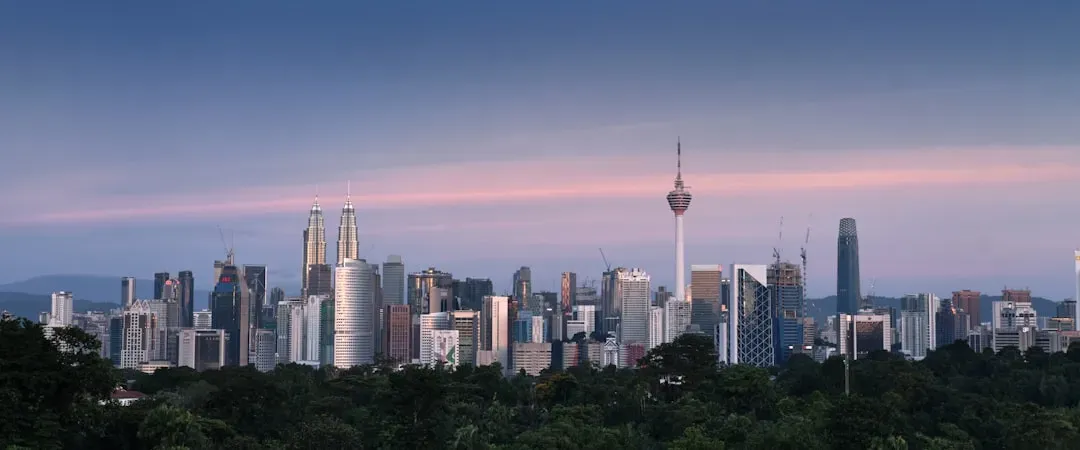
Malaysia is something of an underrated gem in the expat world, and honestly, it deserves far more attention than it gets. With a low cost of living and high quality of life, expats moving to Malaysia can enjoy a luxurious lifestyle complete with picturesque beaches, lively cities, and endless islands to explore.
On $2,500 a month, a couple can live exceptionally well in Malaysia. If you don’t need to live with a view or by the beach, you could easily live on less than $2,000 a month. That means $3,000 genuinely tips you into the luxury bracket in this country.
The cost of rent in Malaysia is, on average, significantly lower than in the United Kingdom. Even in the capital Kuala Lumpur, expats can expect rents to be 80% cheaper than London, and 87% lower than New York. Those are staggering numbers. A two-hour facial at a swanky spa in George Town, where you are treated royally, costs just $40.
Malaysia has been a top destination for expatriates for many years due to its warm climate, friendly atmosphere, and exceptional healthcare. It also offers a mix of fast-paced city life and beautiful beaches, rainforests, and mountains. The country is known for its blend of Malay, Chinese, Indian, and European influences, which make it a truly multicultural destination.
7. Ecuador: Spring Weather Every Day of the Year

Ecuador is one of those places that surprises nearly every expat who moves there. The cost of living is low, but the quality of life is not. Ecuador stands out for its unbeatable value for money. According to International Living, a couple can enjoy a very comfortable lifestyle on roughly 2,000 euros a month, while a solo budget of 1,000 euros is often plenty.
Housing costs are a standout feature, with rents in many desirable areas starting at just 300 euros per month. Public transportation is efficient and remarkably cheap, healthcare is both accessible and high-quality, and grocery bills are surprisingly low, especially if you shop at the vibrant local markets. On $3,000 a month in Ecuador, you are living in the upper tier.
Ecuador is well known for its affordable living and ranked well across the board on the Cost of Living Index. For rent, grocery prices, local purchasing power, and even restaurant meals, costs are perfectly reasonable for an expat on a budget. It also uses the US dollar as its currency, which eliminates any exchange rate headaches entirely.
The country’s geographic and cultural diversity is another major draw. From the tropical Pacific coast and the depths of the Amazon rainforest to UNESCO-listed colonial cities like Cuenca and the crisp air of the Andean highlands, Ecuador offers a landscape for every preference. Like Panama, Ecuador also offers significant senior discounts on a variety of services, further stretching your retirement fund.
8. Mexico: Colonial Courtyards, Cenotes, and Incredible Value
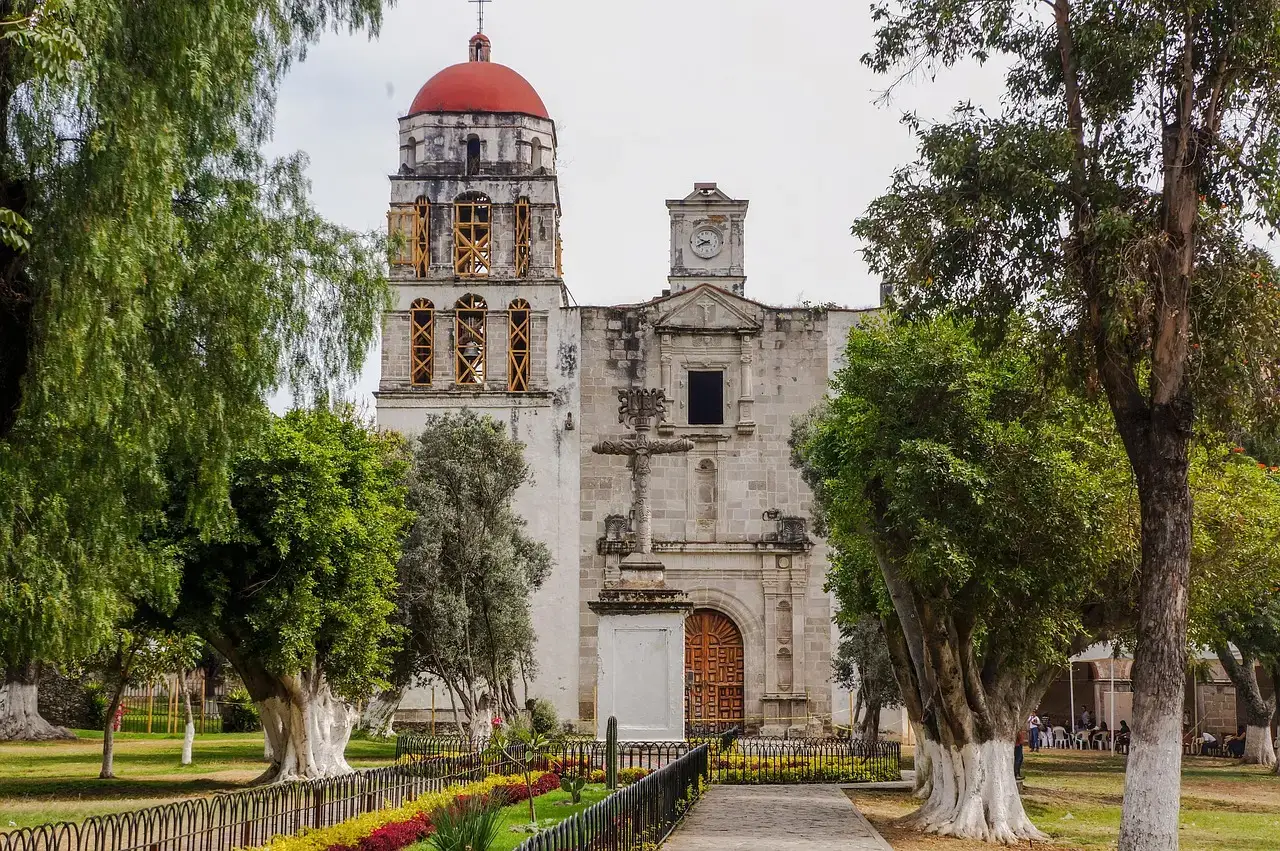
Consistently ranking in the top three of international lifestyle lists, Mexico offers a premium quality of life for a fraction of the price found in the US or Europe. Most people immediately think of tourist spots like Cancún or Cabo when they picture Mexico, but the real expat gems are inland.
Mexico’s vibrant cities like Mérida, Querétaro, and Guadalajara let you stretch your budget in ways that feel almost unreal. On $3,000, you could have a spacious colonial-style home with high ceilings, a courtyard with a fountain, and weekly housecleaning. You could dine at top restaurants multiple times a week and still afford Spanish lessons, salsa dancing classes, and weekend trips to cenotes or Mayan ruins.
International Living notes that couples can thrive on a budget of roughly 1,500 to 2,000 euros a month, while singles can manage comfortably on 800 to 1,200 euros. That leaves room to save significantly on a $3,000 income, or spend the rest on experiences.
Mexico has recently invested heavily in infrastructure to better showcase its treasures. The Tren Maya, for instance, is a new rail link connecting iconic Mayan ruins with the turquoise waters of the Yucatán Peninsula, making formerly remote areas easily accessible. Mérida in particular has become a favorite among digital nomads for its safety, culture, and community vibe.
9. Panama: Dollarized Economy, Pensionado Perks, and Surprisingly Lavish Living
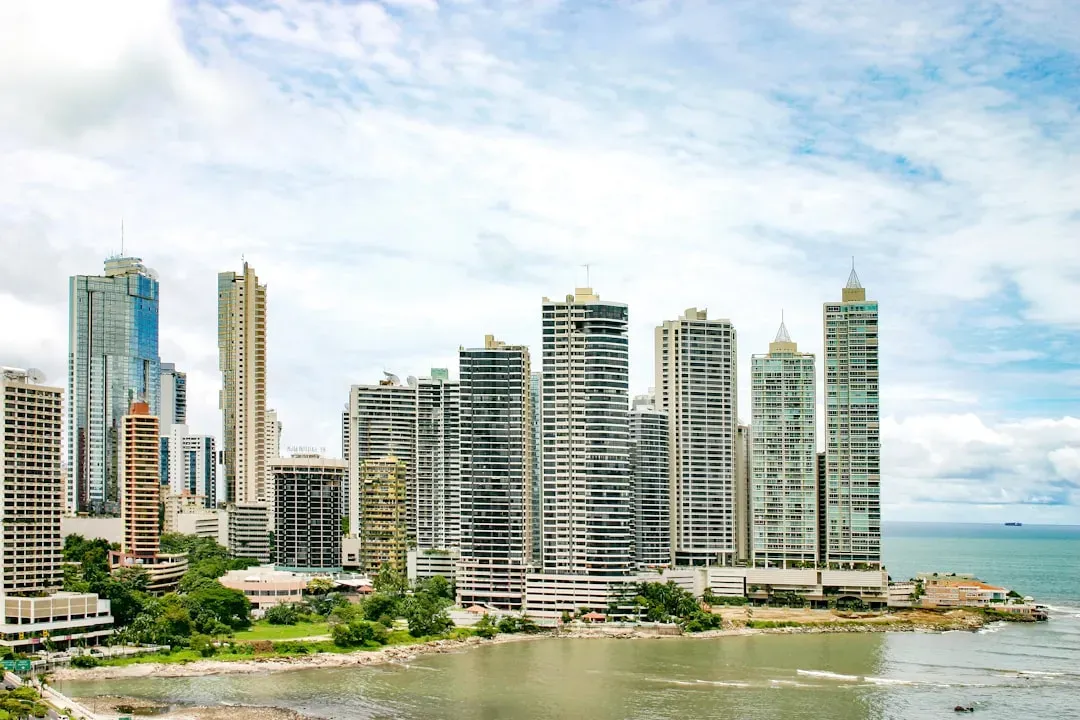
Panama is genuinely in a category of its own. It runs on the US dollar, which means no currency anxiety, no conversion fees, and full financial predictability. International investors and globally minded individuals value Panama’s many advantages: a stable, dollarized economy, a strong international banking sector, a privileged geographic location, a favourable territorial tax system, and the world-famous Panama Canal.
Many single expats and retirees in Panama are comfortable on $1,500 to $2,500 per month, while couples often budget $2,000 to $3,500. At the $3,000 mark, a couple is living comfortably in a modern apartment, eating out regularly, and enjoying private healthcare. Panama is particularly popular with retirees, with roughly one in three expats there already retired, compared to just one in ten globally.
In Panama, any resident of retiree age is entitled to a host of special discounts, known as the pensionado discounts. These include 25% off power bills, 50% off movie and show tickets, 20% off medical consultations, and 25% off meals at restaurants. It’s hard to find that kind of structured generosity toward retirees anywhere else in the world.
Panama City is a thriving international hub with luxury real estate, five-star dining, private hospitals, and a fast-growing tech scene. Unlike smaller expat towns where budgets stretch further, urban convenience comes at a slight premium in the capital. That said, the cost is still significantly lower than most US cities, and the quality of life is often higher.
The Bigger Picture: What Does Luxury Actually Mean?

Let’s be real for a second. The word “luxury” is deeply relative. In San Francisco or London, $3,000 a month is a survival budget with little room to breathe. In the places described in this article, that same amount buys housekeeping, quality healthcare, great food, cultural richness, and often genuine savings each month.
The landscape of global living costs has undergone dramatic shifts, creating unprecedented opportunities for individuals to dramatically reduce their living expenses while maintaining or even improving their quality of life. Comprehensive analysis reveals destinations where your dollar can stretch three to five times further than in major Western cities.
In a 2024 Expatsi survey, roughly two in five respondents said they wanted to leave the US specifically to save money. The desire to escape crushing costs at home isn’t a fringe idea anymore. It’s mainstream, and it’s backed by a growing body of data showing that geographic relocation is one of the most effective personal finance decisions a person can make.
The countries in this article aren’t secret or exotic in a dangerous sense. They are well-established expat communities with modern infrastructure, good healthcare, fast internet, and friendly locals. The barrier to entry isn’t money. It’s simply the willingness to think differently about where “home” could be. What would you do with the extra budget left over at the end of each month?