There is a building in downtown Las Vegas that most tourists walk past without a second thought. It looks like a courthouse – because it is one. Inside, behind calm neoclassical walls, some of the most chilling physical evidence from American organized crime history is quietly waiting for you. No dramatization needed. No Hollywood spin. Just the real thing.
The Mob Museum, officially the National Museum of Organized Crime and Law Enforcement, is a history museum in Downtown Las Vegas dedicated to the artifacts, stories, and history of organized crime in the United States, housed in the former Las Vegas Post Office and Courthouse, built in 1933 and listed on the National Register of Historic Places. Honestly, the location alone is enough to give you goosebumps. Let’s dive in.
Artifact #1: The St. Valentine’s Day Massacre Wall – Bullet Holes and All
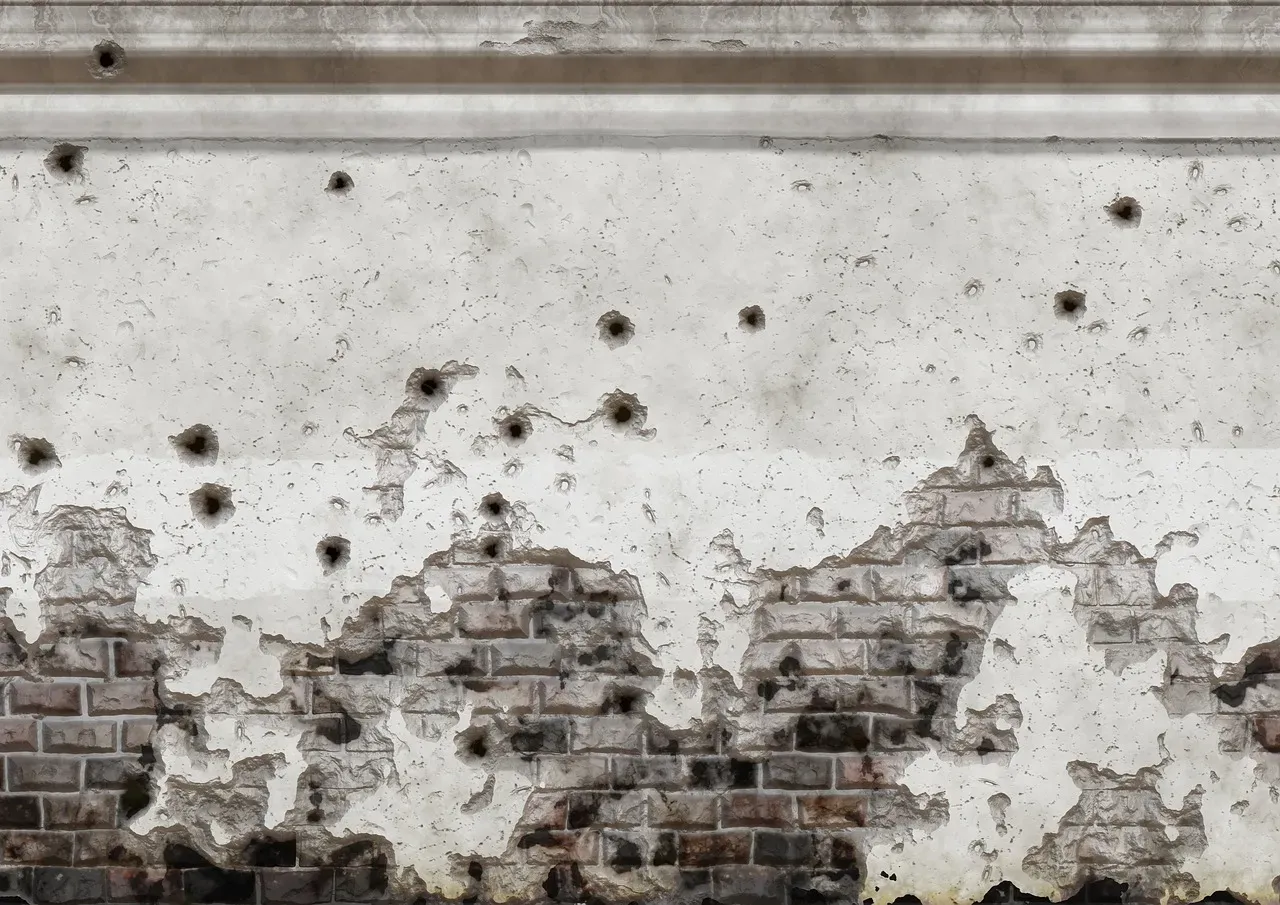
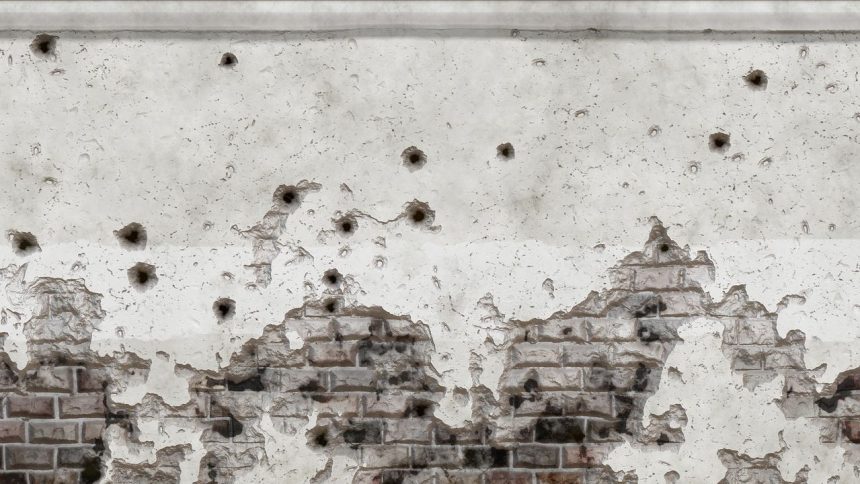
There are museum pieces that feel symbolic, and then there are museum pieces that feel like crime scenes. This is the latter. Bricks pockmarked by a hail of bullets on February 14, 1929 are displayed just as they were in the wall where seven Chicago gangsters were lined up and executed in America’s worst-ever mob hit, and the largest chunk of this actual Chicago wall is a centerpiece of the Mob Museum in Las Vegas.
Seven members and associates of Bugs Moran’s gang were lined up against this brick wall and shot to death by assassins allegedly associated with Al Capone’s gang. In 1967, the garage where the shooting occurred was torn down, and a Vancouver businessman bought the bricks, some of which were still full of bullet holes. Over the next 42 years, the bricks were featured in a traveling exhibit, housed in a short-lived crime museum, and even displayed in a nightclub restroom. Only in America, right?
When the owner died, the remaining bullet-hole-dimpled bricks found a home at the National Museum of Organized Crime and Law Enforcement in Las Vegas, a three-story repository that reassembled the wall, complete with an accompanying film and dramatic visual effects. Sadly, no one was ever prosecuted for the St. Valentine’s Day Massacre – the museum acknowledges that while we think we know who did it, they never went to prison for that crime.
Artifact #2: Frank Gusenberg’s .38 Revolver – The Only Gun Found at the Scene
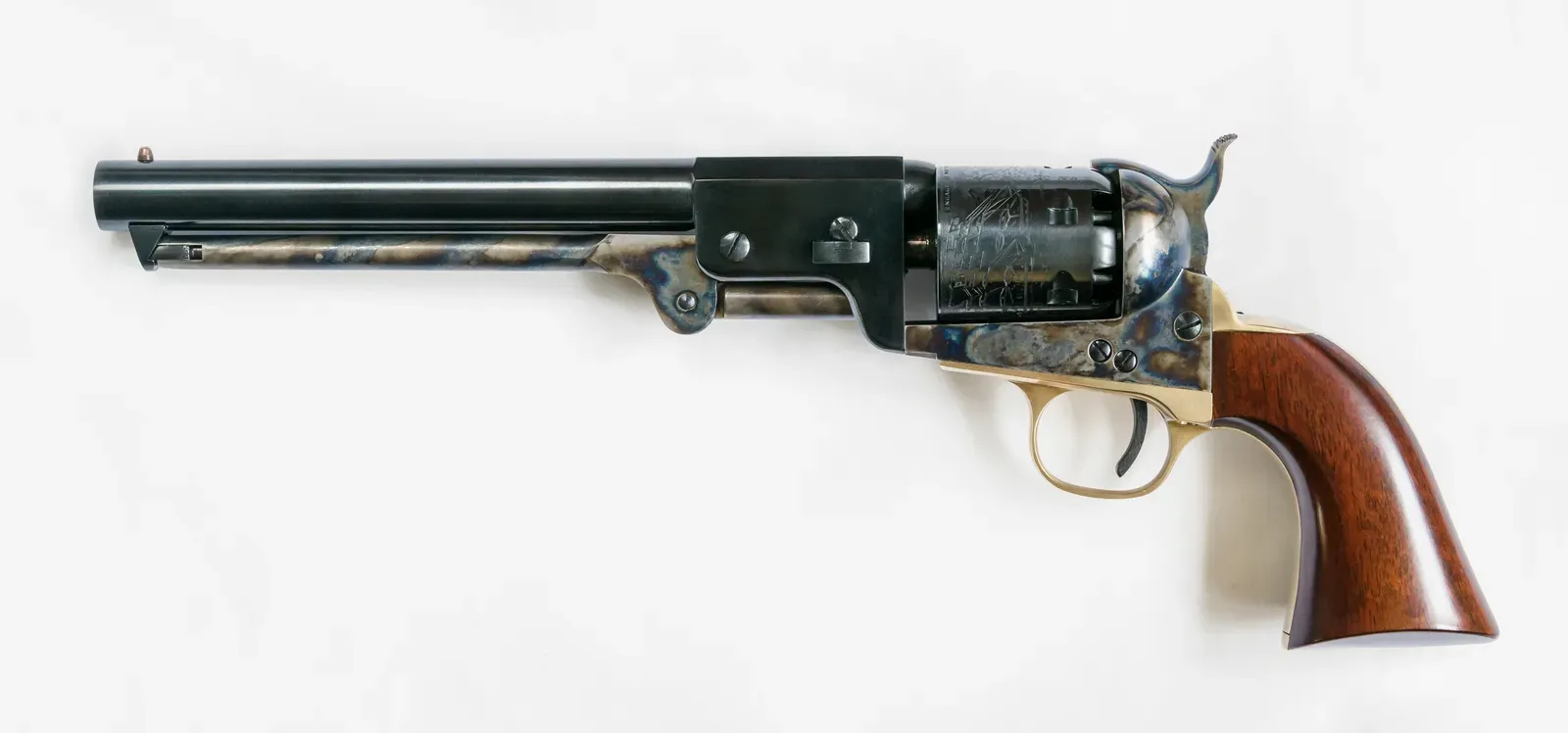
Think about this for a moment. Seven men were murdered in a hail of gunfire that February morning in 1929. When investigators arrived, only one firearm was recovered at the scene. It was a Colt Detective Special .38 revolver linked to Frank Gusenberg, one of the seven victims of the St. Valentine’s Day Massacre. North Side Gang member Frank Gusenberg was shot 14 times during the massacre and lived for three hours after the shooting, but when questioned about the perpetrators, the mobster refused to cooperate.
It is believed this firearm fell from Gusenberg’s pocket as he attempted to crawl to safety following the massacre. That detail is almost impossible to wrap your head around. Shot 14 times, still trying to move, still refusing to talk. Museum documentation confirms this is the only firearm found at the scene of the crime, and it is now displayed alongside the blueprint of the Tommy Gun provided by the Auto-Ordnance Corporation to Dr. Calvin Goddard.
Artifact #3: Al Capone’s “Sweetheart” Pistol – A Colt 1911 That Reportedly Saved His Life
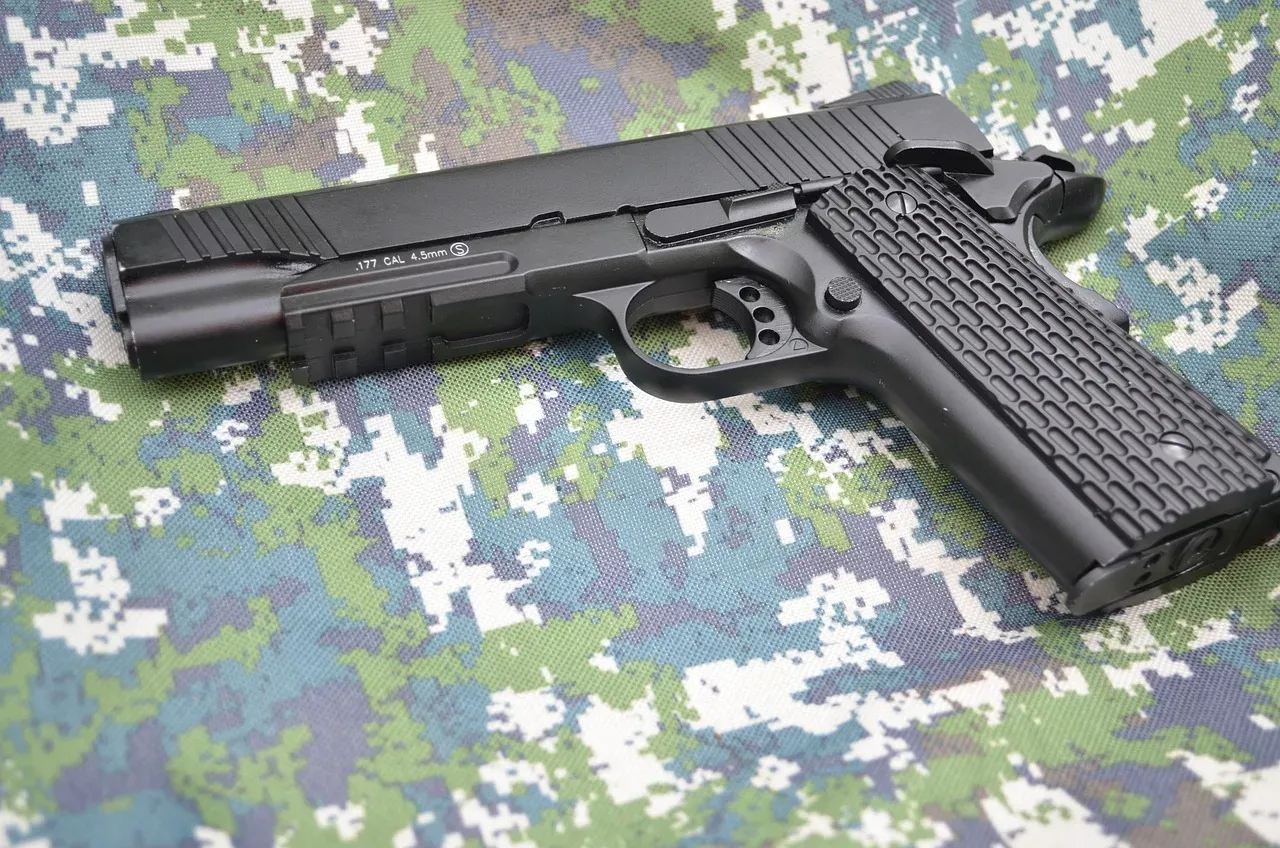
Here’s the thing about this artifact: it was hidden from public view for nearly a century. In January 2025, the Mob Museum unveiled an extraordinary new permanent exhibit called “The First Public Enemy,” which explores the life and criminal empire of Al Capone, featuring his Colt 1911 .45-caliber semiautomatic pistol – nicknamed “Sweetheart” – and a rare home movie from 1929.
The firearm was authenticated by the Office of the Colt Historian as a Colt 1911 manufactured in 1912, and was described by the family to have been referred to as “Sweetheart” by Capone for being his favorite firearm and for saving his life on multiple occasions. After his death, the pistol was passed on to his son and then his daughters, and eventually sold at auction in 2021 for one million dollars. I know it sounds a bit cinematic, but the paper trail on this one is real.
Accompanying the pistol is a home movie filmed in the spring of 1929 at Capone’s Miami Beach mansion, shot on 16mm film, offering rare and candid scenes of Charles “Lucky” Luciano and Frank Costello spending time in Capone’s swimming pool and aboard a boat. Two of the most powerful mob bosses of the era, lounging around like it was just another weekend. Terrifying in its normalcy.
Partner offer
Artifact #4: The Kefauver Committee Courtroom – Where the Mob Was Exposed on Live Television
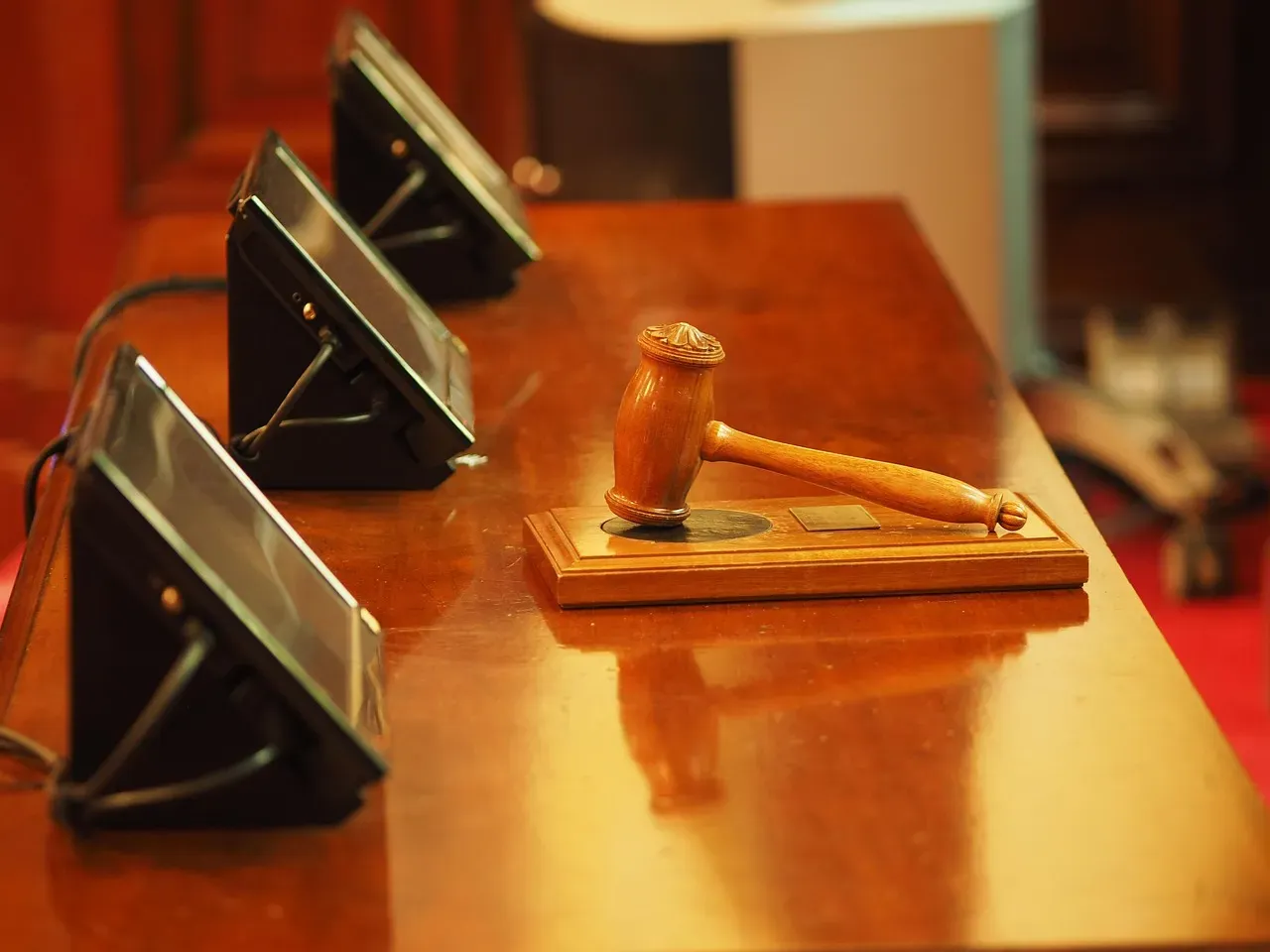
Walk into this room and you are standing on actual historic ground. The landmark structure is nationally significant as the site of the seventh hearing of the U.S. Senate Special Committee to Investigate Organized Crime in Interstate Commerce, held on November 15, 1950. This wasn’t some backroom interrogation. It was broadcast to the entire country.
The two-year investigation heard from more than 800 witnesses and identified organized crime as a big-business operation in major cities throughout the country. The hearings were televised, and it was estimated that between 20 and 30 million people flocked to restaurants, bars, and neighbors’ homes to watch the all-day hearings on television. That is an almost incomprehensible audience for that era. The mob was suddenly visible to everyone.
Many historians credit the hearings with cementing Las Vegas as the gaming capital of the country, since the crackdown on illegal gambling that followed drove gambling operators to Nevada. This isn’t just a replica courtroom – it is the actual space where senators grilled mob figures and their associates, effectively pulling back the curtain on organized crime. Visitors can sit in the witness stand, listen to original audio clips, and watch archival footage. Few museum experiences feel this immediate.
Artifact #5: FBI Wiretapping Equipment – The Surveillance Tools That Brought Down Empires
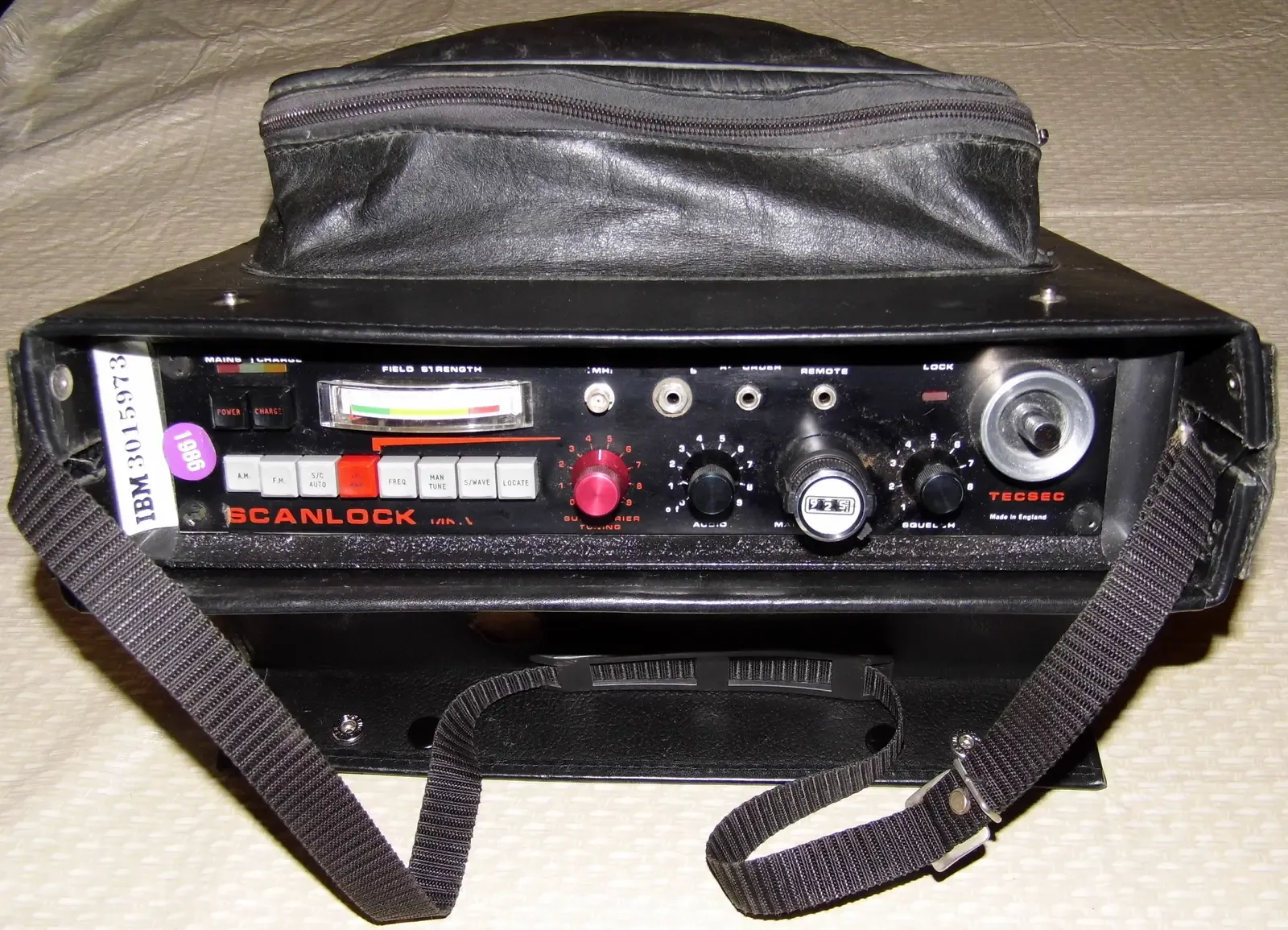
It might not look as dramatic as a bullet-riddled brick wall, but in terms of historical impact, this collection of surveillance equipment changed everything. The restored courtroom preserves history and places visitors in the same space where testimony helped expose the national reach of criminal syndicates, while elsewhere in the museum, original artifacts such as wiretapping equipment, surveillance tools, and pieces of physical evidence illustrate both criminal operations and investigative techniques.
Visitors are able to listen to wiretaps and learn about methods used to catch criminals, and can read stories of moles and undercover investigations, gaining new respect for how these people put their lives on the line to expose mafia members. Think of it like this: if the massacre wall represents the violence, the wiretapping equipment represents the long, patient, grinding counter-punch that law enforcement threw back. It just took decades.
A visitor can sit in a replica electric chair, listen to actual wire taps, train in a use of force training simulator, and explore an interactive crime lab exhibit related to forensic science. Other exhibits alongside the wiretapping tools focus on mob violence and casino revenue skimming operations, painting a picture of organized crime as a full business ecosystem, not just street-level thuggery. The scope of it is what truly unsettles people.
Conclusion: History That Refuses to Stay Quiet
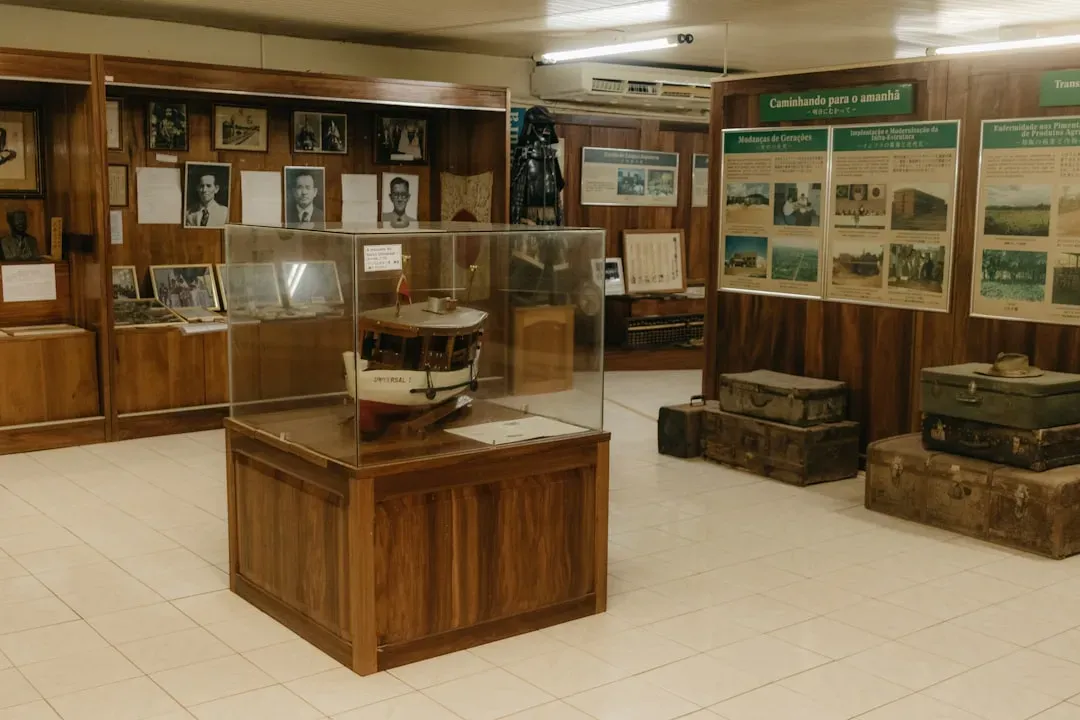
What makes the Mob Museum uniquely powerful is that none of this is recreation. The bricks are real. The gun is authenticated. The courtroom held actual testimony. The museum serves as a key cultural institution in preserving and interpreting the history of organized crime and its interplay with law enforcement in the United States, and by housing artifacts such as the brick wall from the 1929 St. Valentine’s Day Massacre, it provides tangible connections to pivotal criminal episodes.
There is something deeply unsettling about standing next to a wall that absorbed 70 bullets nearly 100 years ago, or holding eye contact with a pistol that allegedly kept one of history’s most dangerous men alive. These objects carry a weight that photographs simply cannot replicate. Las Vegas locals know this museum exists, and many admit they find it more affecting than any other attraction in the city. It’s hard to say for sure what produces that reaction – probably the undeniable physical realness of it all.
Some buildings hold history. This one holds evidence. What would you feel, standing two feet from Capone’s “Sweetheart” for the very first time?
Partner offer
Planning a trip to Vegas?
Compare hotel rates and show tickets on VEGAS.com.