Every artist who’s ever graced a stage in Vegas – or anywhere else – has faced that crushing moment of doubt. You know the one: when the dream feels impossible, the rejection stings too hard, and walking away seems like the only sane option. Some of the biggest names in entertainment came terrifyingly close to throwing in the towel before they made it big.
What kept them going? Sometimes it was a random encounter, a word from a stranger, or pure stubborn defiance. These stories reveal the razor-thin line between quitting forever and becoming a legend. Let’s dive in.
Elvis Presley’s Crushing Rejection at the Grand Ole Opry
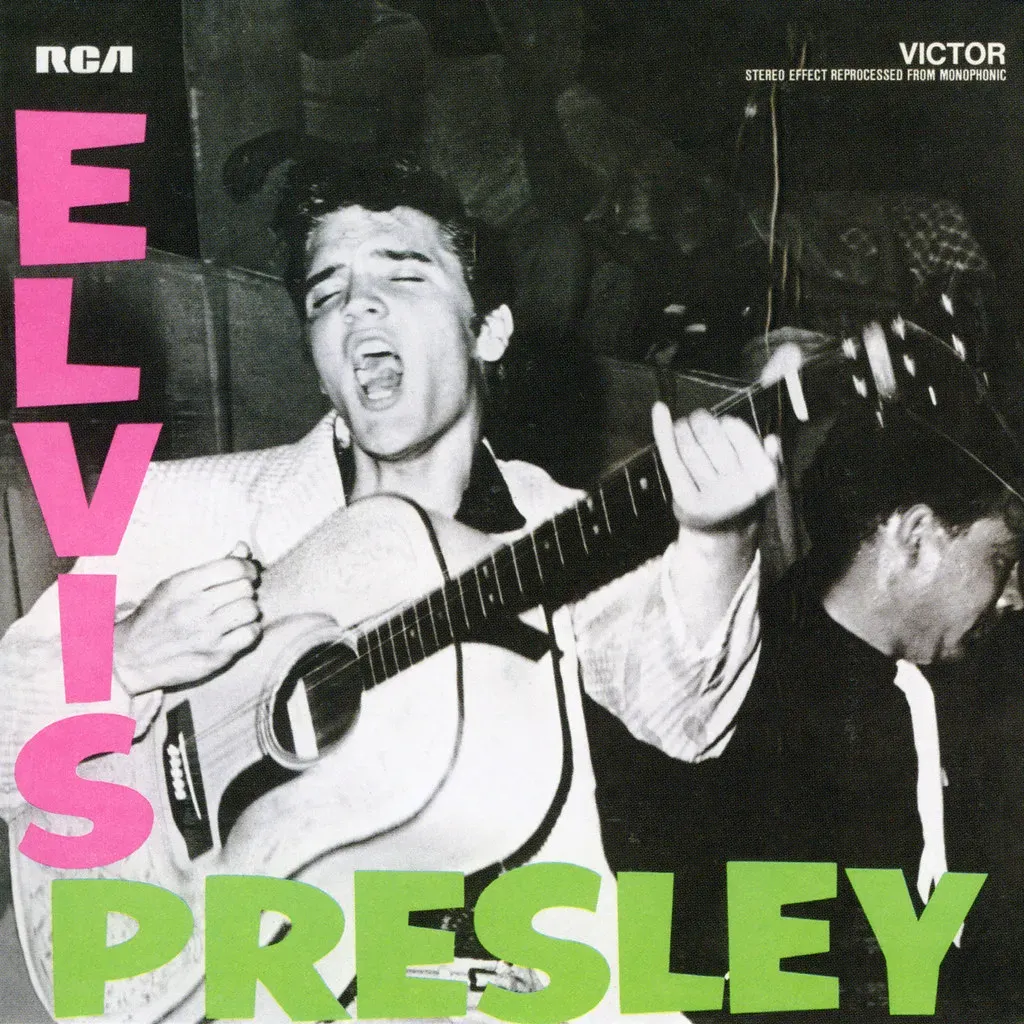
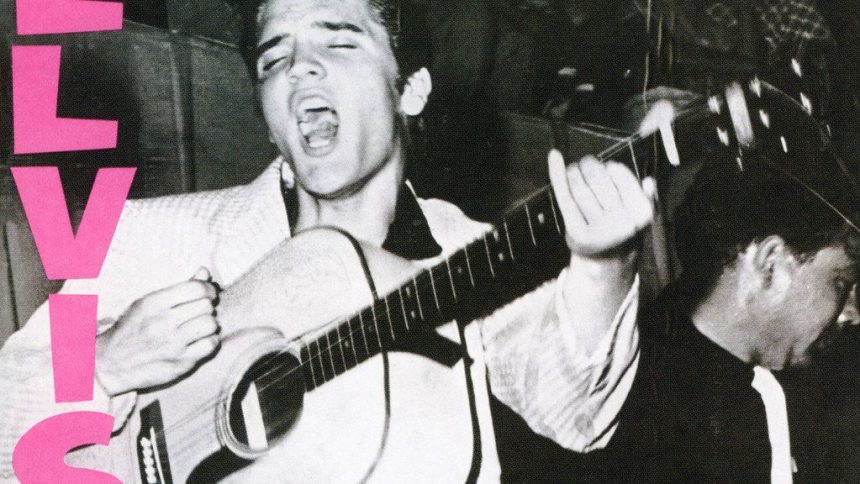
Before Elvis became the King, he bombed at the Grand Ole Opry in 1954. The talent coordinator told him bluntly to go back to driving trucks. Elvis was devastated. He’d poured his heart into that performance, and the rejection hit him harder than any punch.
But his mother, Gladys, refused to let him quit. She reminded him that one man’s opinion didn’t define his worth. Within months, Elvis signed with Sun Records, and the rest became rock ‘n’ roll history.
That single moment of maternal encouragement literally changed music forever. Sometimes all it takes is one person who believes in you when you’ve stopped believing in yourself.
Lady Gaga’s Label Drop and Financial Ruin

Lady Gaga got signed to Def Jam Records at nineteen, only to be dropped three months later. She was broke, living in New York, and watching her dream crumble. The music industry had chewed her up and spit her out before she’d even started.
Her father offered to support her, but she saw the worry in his eyes. That fear – of becoming a burden – pushed her harder than any success could have. She started performing in dive bars, wearing outrageous outfits just to get noticed.
Her father’s quiet sacrifice became her fuel. By 2008, “Just Dance” topped charts worldwide. Gaga turned rejection into reinvention, and that desperation became her signature fearlessness.
Celine Dion’s Career Crisis After Vocal Surgery
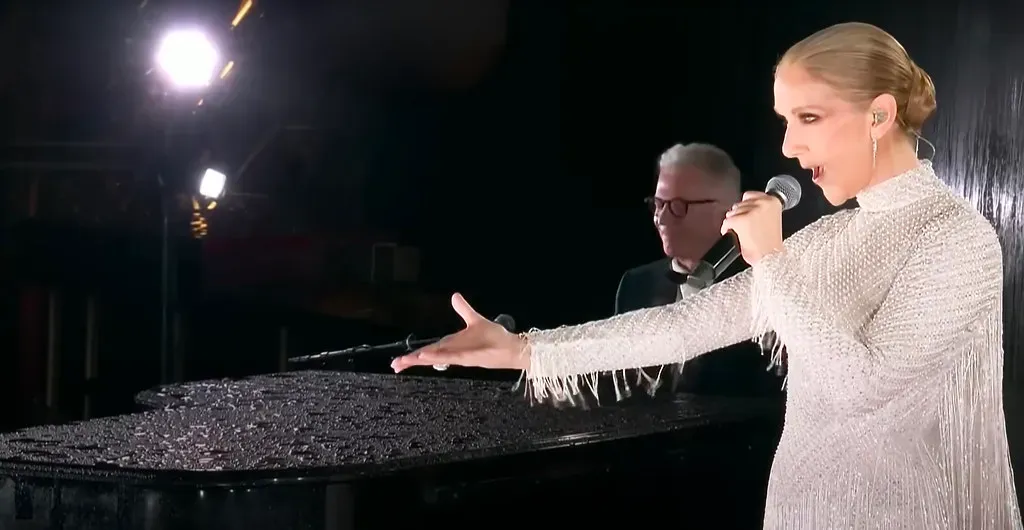
In 1989, Celine faced every singer’s nightmare. Her voice gave out completely, and doctors told her she needed surgery with no guarantee she’d sing again. She was twenty-one, already successful in Canada, but terrified her career was over before it really began.
Her manager and future husband, René Angélil, made a bold move. He mortgaged his house to fund her recovery and English-language album. That kind of belief is rare. It’s one thing to encourage someone, another to bet your home on them.
Celine stayed silent for three weeks post-surgery, following doctor’s orders religiously. When she finally sang again, her voice was stronger than ever. That gamble paid off in Vegas residencies worth hundreds of millions.
Johnny Cash’s Battle with Addiction and Self-Destruction
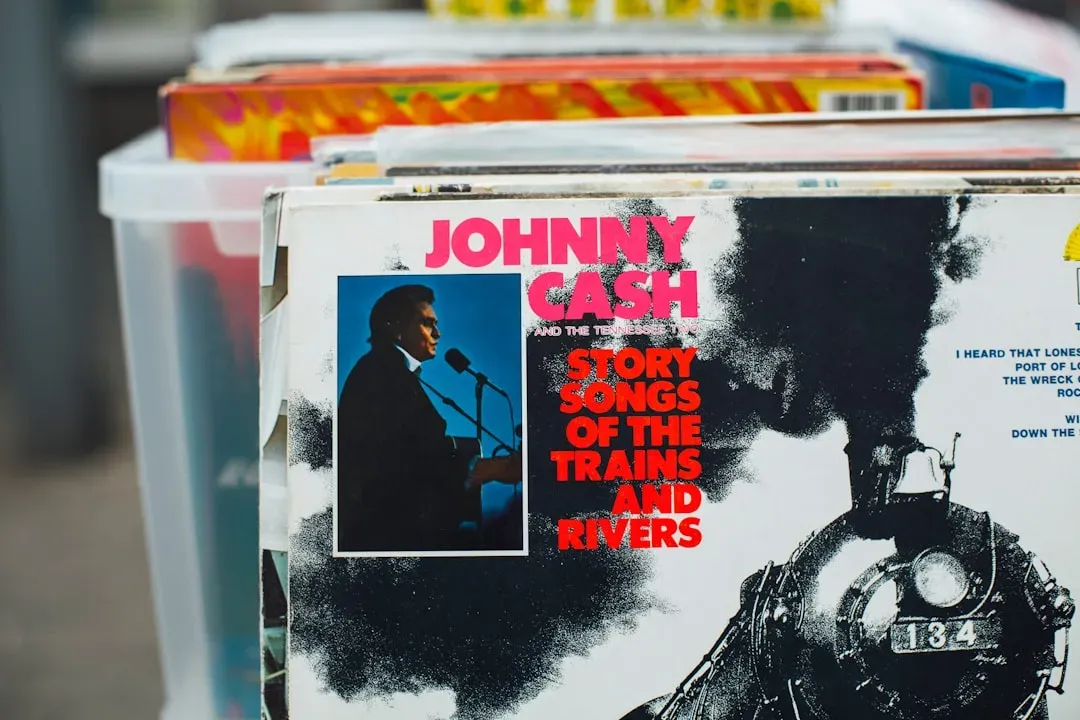
By 1967, Johnny Cash was a mess. Pills controlled his life, his marriage was falling apart, and his career was circling the drain. He crawled into Nickajack Cave in Tennessee, planning never to come out.
But something happened in that darkness. Cash later said he felt a presence, a realization that giving up wasn’t his choice to make. He stumbled out, committed to getting clean, and met June Carter, who helped him through withdrawal.
That cave moment became the turning point. Cash got sober, married June, and recorded some of his greatest work. His Folsom Prison concert in 1968 revitalized his career and cemented his legend.
Eminem’s Rock Bottom Before Infinite Flopped

Eminem’s first album, Infinite, sold maybe two hundred copies in 1996. Critics said he sounded like a wannabe. He was working minimum wage jobs, living in a trailer park, and his daughter Hailie had just been born. The pressure was suffocating.
He seriously considered abandoning rap entirely. But anger became his salvation. Instead of quitting, he created Slim Shady, a character that let him unleash every frustration and painful truth he’d been holding back.
That raw, unfiltered rage caught Dr. Dre’s attention. The Slim Shady LP exploded in 1999, and Eminem went from nobody to one of the best-selling artists ever. Failure forced him to find his real voice.
Whitney Houston’s Pre-Fame Doubt and Family Pressure
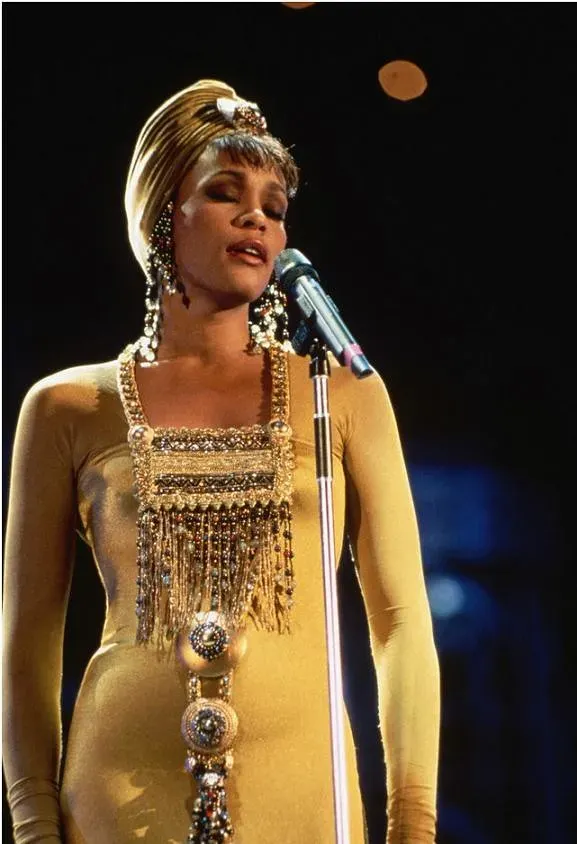
Whitney grew up surrounded by musical royalty – her mother was Cissy Houston, her cousin was Dionne Warwick. That legacy felt crushing. Before her debut album, Whitney questioned whether she could live up to those expectations.
She almost walked away from a record deal because the pressure felt unbearable. Her mother sat her down and said something simple but powerful: “You have a gift. Not using it would be the real waste.”
Whitney signed with Arista Records in 1983. Her self-titled debut became one of the best-selling albums by a debut artist ever. Sometimes the people who push you hardest are the ones who see what you can’t see in yourself.
Harrison Ford’s Carpentry Career as a Backup Plan

Harrison Ford spent years barely scraping by as an actor. By his early thirties, he’d been dropped by Columbia Pictures and told he’d never make it. So he became a carpenter to support his family, convinced his acting dreams were finished.
Then George Lucas needed someone to read lines for Star Wars auditions. Ford was installing cabinets at the studio. Lucas saw something in that reading – a roughness, a realness – that he hadn’t found in professional auditions.
Ford got cast as Han Solo at thirty-five, an age when most actors have given up or settled. His carpentry work kept him grounded and authentic. That delay made him perfect for the role.
Katy Perry’s Christian Music Failure and Identity Crisis
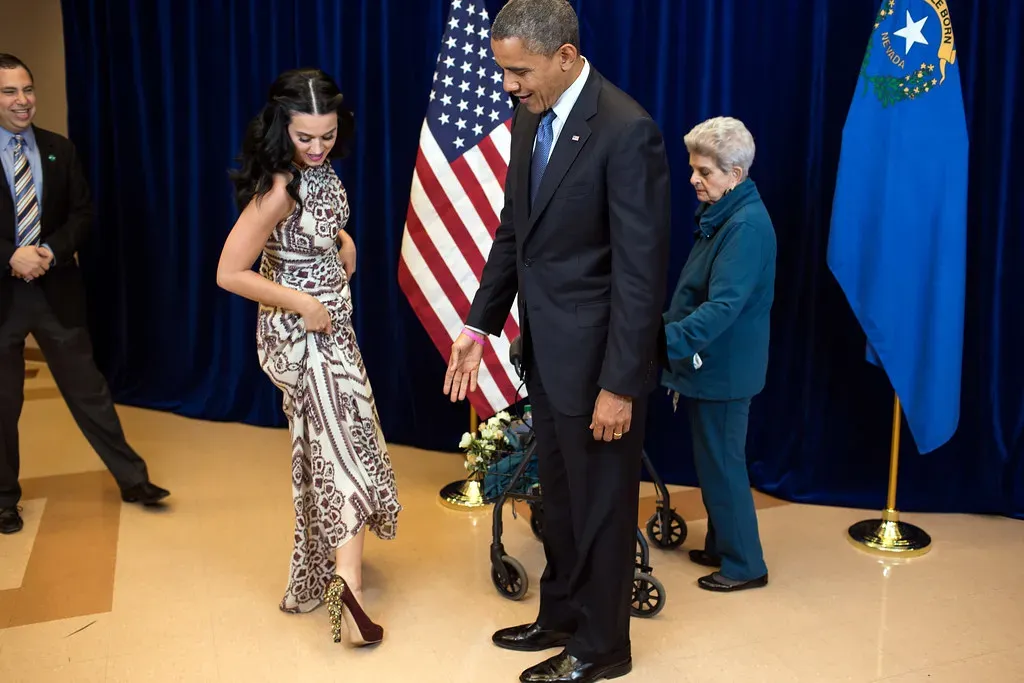
Katy Perry started as a gospel singer named Katy Hudson. Her debut Christian album flopped completely when her label went bankrupt. She was eighteen, broke, and her entire identity was wrapped up in that failure.
Moving to Los Angeles meant reinventing herself entirely. Her parents, both pastors, were horrified by her transformation. She questioned everything – her faith, her talent, her purpose. The internal conflict nearly broke her.
But that crisis forced her to figure out who she really was. “I Kissed a Girl” shocked the world in 2008, and Perry became a pop powerhouse. She had to lose herself to find her actual voice.
The Takeaway No One Talks About

Every legendary artist has a quit moment in their past. The difference between them and the thousands who actually quit isn’t talent – it’s often just timing and one person who believed when belief seemed ridiculous.
That vulnerable moment when success feels impossible? It’s not a sign to stop. It’s usually the moment right before everything changes. The artists who make it are just the ones who stuck around long enough to see what happened next.
Next time you’re watching a show on the Strip, remember that the performer probably has their own version of these stories. They survived their quit moment. That’s what makes the performance powerful – knowing how close they came to never standing on that stage at all. What would you have done in their shoes? Would you have pushed through, or would the weight have been too much?