There is something almost irrational about wanting to reread a sentence you just finished. You reach the end of a paragraph, and instead of turning the page, you go back. Not because you missed something. Because it was too good to leave so quickly. Some passages in literature work like that. They stop you. They make you set the book down and stare at nothing for a moment.
Some exceptionally beautiful books rise above the rest, not just because they were well-written or spoke to us, but because the writing knocked our socks off. These are the novels that end up with a thousand gorgeous lines scattered across social media, first lines scribbled in notebooks, underlined and reread over and over again because you didn’t want to forget them. This is a gallery of those passages. Let’s dive in.
Virginia Woolf and the Architecture of Inner Time

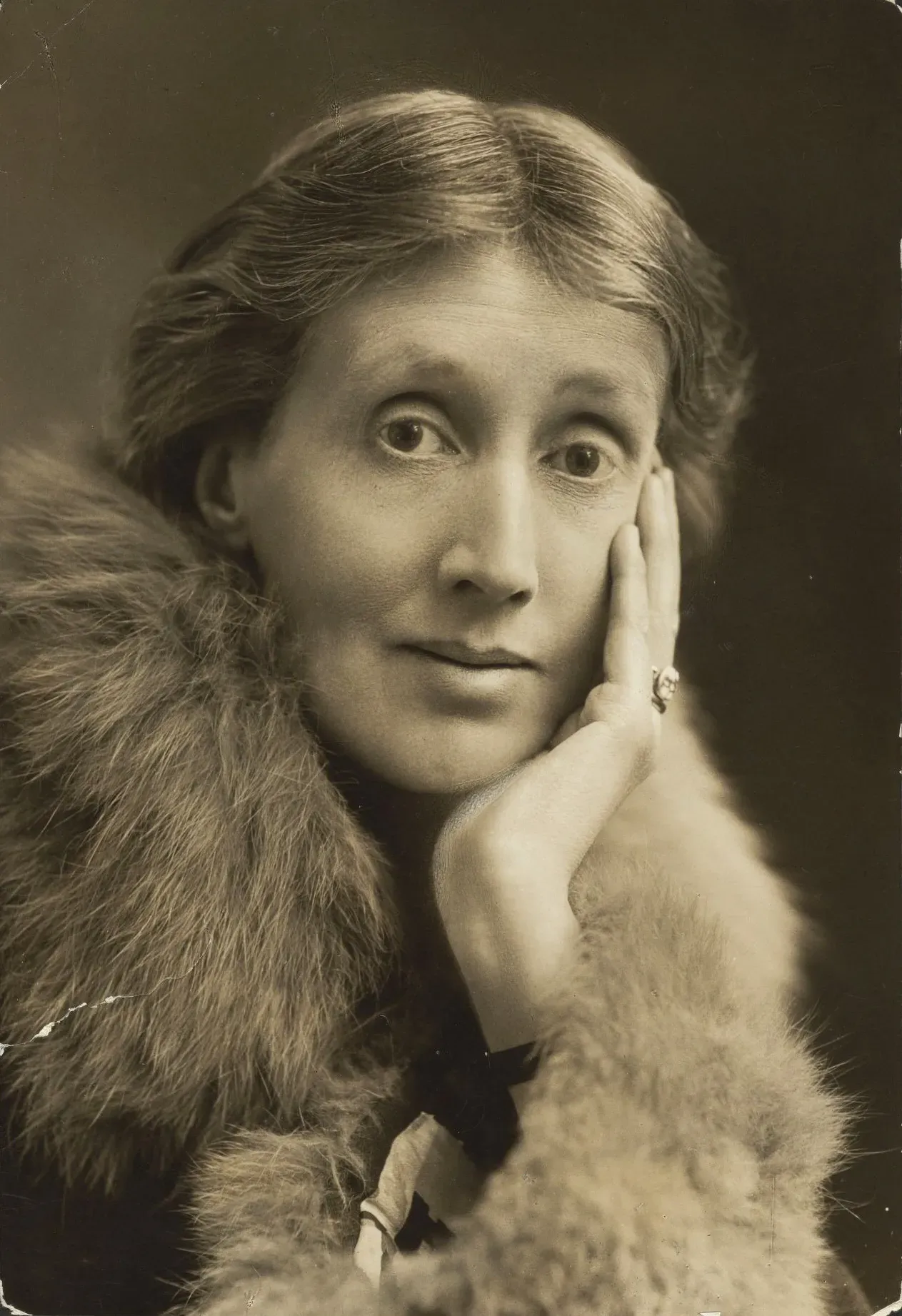
Here’s the thing about Woolf: she didn’t just describe the world. She dissolved the boundary between thinking about it and living inside it. Her novels, which include “Mrs Dalloway” (1925), “To the Lighthouse” (1927), and “The Waves” (1931), moved away from traditional storytelling with linear plots and omniscient narrators, towards a form of writing in which the prose followed the inner rhythms of thought and perception. That is not a small thing. That is a revolution hidden inside a sentence.
Virginia Woolf, one of the most renowned modernist British writers, left an enduring imprint on the literary landscape with her distinct and influential writing style. Her literary journey is characterized by an evolution, transitioning from conformity with Victorian and Edwardian literary conventions to pioneering a groundbreaking and experimental approach, notably employing the innovative technique of stream of consciousness. A 2024 academic study published in “Corpus-based Studies across Humanities” confirmed what passionate readers have felt for decades: in Woolf’s later works, she employs structures such as premodifiers, participle phrases, and post adjectives, and these forms contribute to the unique style of her prose.
In Woolf’s literary worlds, time takes on a fluid quality in the way it dilates and pours out from seemingly mundane moments. In the first few pages of “Mrs Dalloway,” Clarissa Dalloway looks through a window, arranges flowers, and hears Big Ben toll. In these moments, the chronology of Woolf’s plot grinds to a halt, and the interior life of Clarissa floods the scene. It’s like pressing pause on a film and discovering the paused frame contains an entire film of its own.
Toni Morrison’s Prose That Hits Like a Spell

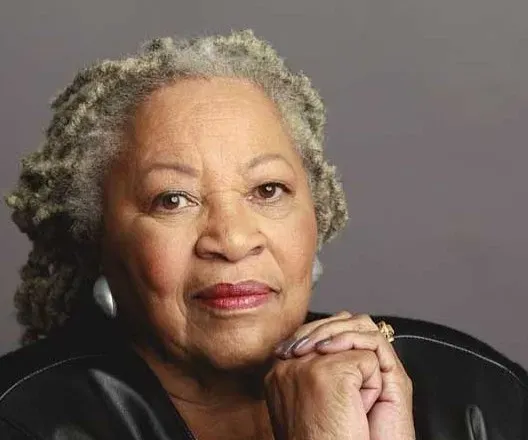
Honestly, calling Morrison’s writing “beautiful” almost undersells it. It is beautiful the way a storm is beautiful. You don’t just admire it. You feel it in your chest. Toni Morrison didn’t just write novels. She orchestrated symphonies with sentences, dismantled history with dialogue, and haunted generations with the poetry of pain. To read Morrison is to be submerged in the power of words. Her prose doesn’t merely communicate; it conjures, unsettles, and redefines.
Morrison often constructs sentences that mimic memory and trauma: nonlinear, recursive, rhythmically off-kilter. She bends syntax to mirror the mind’s fragmented workings. Flashbacks appear mid-sentence. It’s the literary equivalent of how memory actually works. You’re reading plot, and suddenly you’re inside a feeling. Morrison’s word choices are deliberate and grounded in African American vernacular, biblical cadence, blues, and folklore. She never sanitizes language for mainstream consumption; instead, she asserts cultural specificity as a form of authority.
Morrison won both the Nobel Prize for Literature, one of only two to go to American women and still the only ever for an African-American writer, and a Pulitzer, among countless other awards in a career that spanned five decades. A 2025 stylistic analysis published in “Linguistics and Culture Review” found that the unique style of Morrison reflects the way readers respond to the novel, and Morrison’s language is not only a tool of communication but also a means of information.
The Dickens Opening That Still Defines Great Writing

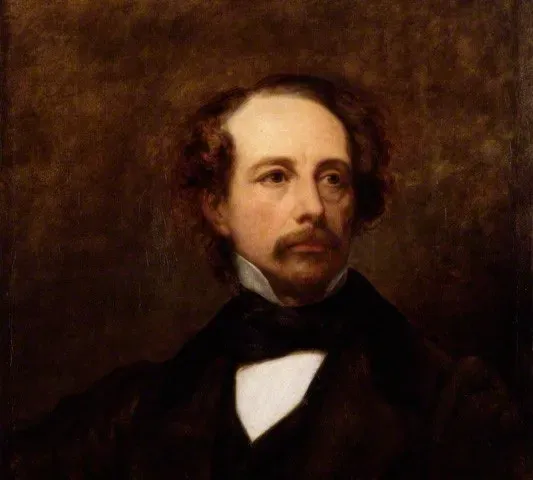
Few things in literature are as immediately recognizable as the first paragraph of “A Tale of Two Cities.” It is almost unfair how well it works. The structure alone is a lesson. Parallel opposites stacked against each other like mirrors, creating tension before a single character even appears. When it comes to best-written opening passage combined with best-written closing passage, “A Tale of Two Cities” may indeed be the very top novel in all of literature.
What makes Dickens passages worth rereading is more than the famous lines. It’s the techniques buried inside them. With compelling allusions as a literary technique, you reference a well-known person, character, place, or event that you expect the reader to understand. The reference makes your writing thought-provoking, enriching it with another layer of meaning. Dickens was a master of this layering. He compares images to the Biblical account of the flood, which imbues the scene with deeper meaning. You read it once for the story. You read it again for the architecture beneath the story.
Partner offer

Ocean Vuong and the Poetic Sentence That Changed Contemporary Prose

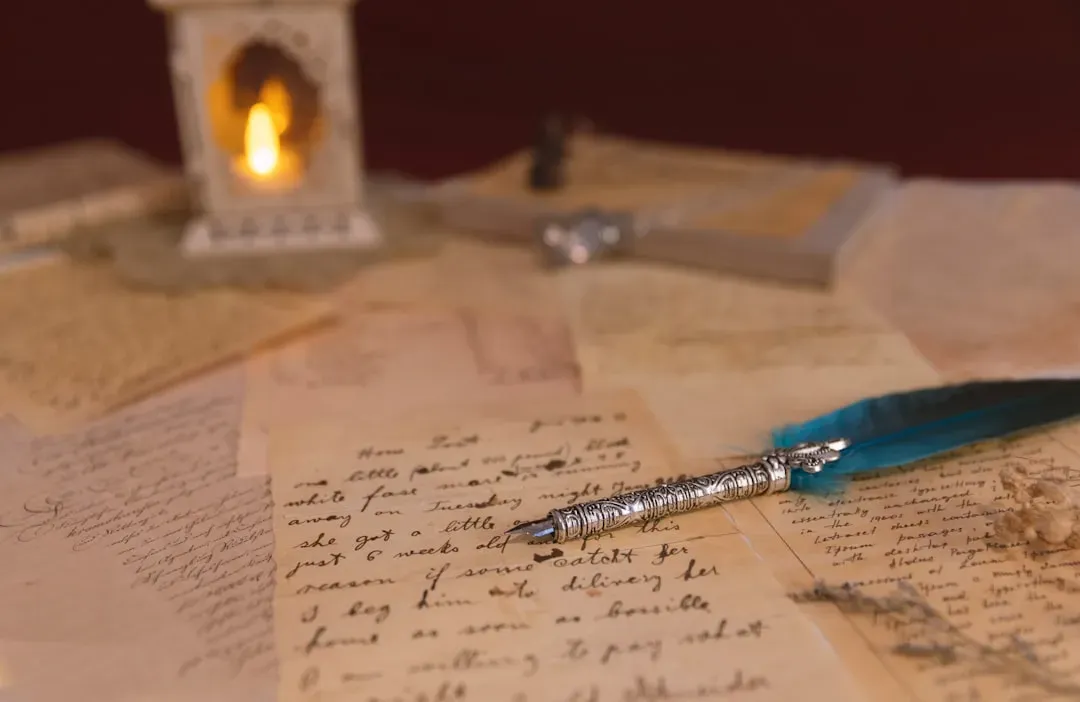
Ocean Vuong’s “On Earth We’re Briefly Gorgeous” transplants poetic rhythms into prose, offering startling images and an intimate voice. What is remarkable about Vuong is not just the beauty of individual sentences. It’s that the beauty serves an emotional purpose every single time. Nothing decorates for decoration’s sake. Every image carries grief, or wonder, or both at once.
Among books with lyrical writing, poetic prose, and beautiful imagery, “On Earth We’re Briefly Gorgeous” ranks as one of the most-voted titles on major reader platforms. It belongs to a small category of books that feel different when you reread them, not because the words have changed, but because you have. Good writing is produced not by forsaking the beautiful for the sublime or the exorbitant for the restrained, but by finding new ways of orchestrating the interplay between them. Vuong does this in a way that feels entirely his own.
The Science of Why We Reread Beautiful Language


There is actually a scientific explanation for why a stunning passage pulls you backward through the page. It is not just preference or indulgence. The rereading effect can be explained by the hypothesis that the first reading creates a mental representation in the reader’s mind, and rereading can activate this representation to facilitate easier understanding. Put simply: your brain is completing a picture it started the first time.
Studies have shown that reading for just six minutes can lower stress levels by up to 68%, and rereading amplifies this effect due to its comforting nature. Think about that. A beautiful passage doesn’t just feel good. It is measurably good for you. A survey by The Reading Agency found that more than half of people surveyed, roughly 53%, said they had reread at least one book over the past 12 months. The urge to return to beautiful writing is not a quirk. It’s a near-universal human behavior.
The Prose of Hilary Mantel and the Weight of History Made Lyrical

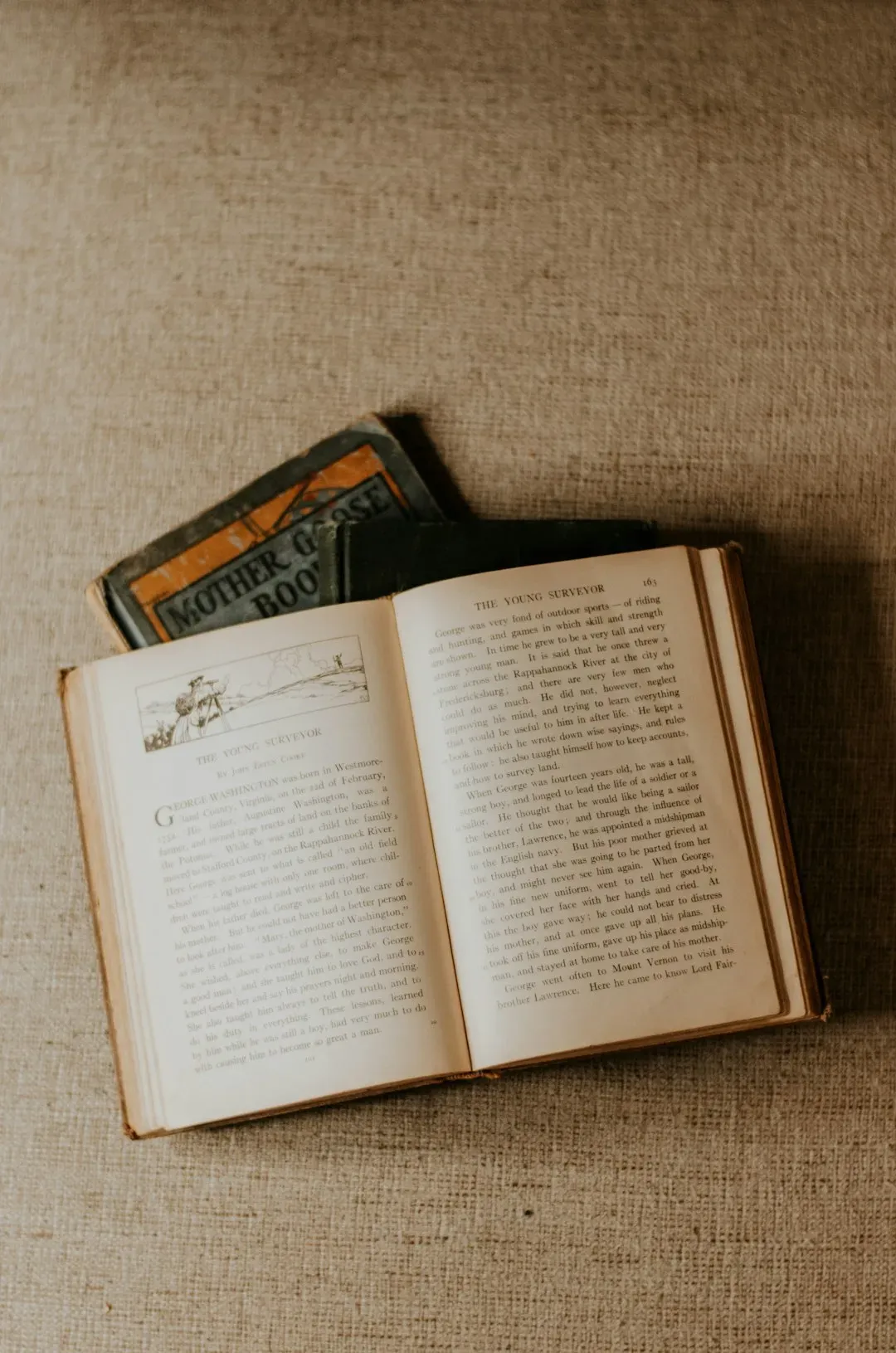
Hilary Mantel’s prose is gorgeous. Her novels “Wolf Hall” and “Bring Up the Bodies,” books one and two of her trilogy, are full of beautiful passages that sing to one’s inner ear. What makes Mantel’s writing truly special is how she makes historical figures feel viscerally alive. Not as museum exhibits. As breathing, choosing, suffering people. And the prose carries all of that weight without ever collapsing under it.
Each of her finest passages is in its own way a perfect, exquisitely faceted gem of English prose from an especially glorious literary epoch. Mantel proved something important: you don’t have to sacrifice lyrical beauty for historical accuracy. The two can coexist, and in her best pages they actually amplify each other. Good writing is produced not by forsaking the beautiful for the sublime or the exorbitant for the restrained, but by finding new ways of orchestrating the interplay between them. Mantel lived inside that interplay, and we’re lucky she did.
What Makes a Passage Worth Rereading Forever


I think there is a simple test for a truly great passage. Read it once. Then ask yourself if you want to read it again immediately. If yes, something has happened between you and the language. That something is worth paying attention to. The mysterious, the evocative, and the beautifully elliptical are what make literature genuinely alive, the qualities that have been systematically suppressed and nearly extinguished in the name of the efficient, the practical, and the starkly unambiguous.
Each reread allows us to grasp details and themes that may have been overlooked initially, and this iterative process strengthens memory and understanding. In other words, the passage doesn’t become less interesting once you know it. It becomes more interesting. Like a painting in a gallery you keep visiting. Rereading helps readers truly connect with a book. We see it in the way readers bond with characters, come to know everything about their favorite series, and can incorporate the stories they read in their imaginative play. The very best writing earns that kind of loyalty. Not through tricks. Through truth.
Some passages stay with you for a week. Others stay with you for a lifetime. The ones worth rereading forever are the ones that, somehow, seem to understand you a little better each time you return. What passage have you found yourself going back to, over and over again?
Partner offer
Planning a trip to Vegas?
Compare hotel rates and show tickets on VEGAS.com.