Ever wondered what makes a cup of coffee worth hundreds of dollars? We’re talking about beans that cost more per pound than designer handbags, more than fine wines, and sometimes even more than gold. These aren’t your everyday supermarket blends. We’re diving into the world where coffee becomes art, rarity becomes legend, and price tags make even luxury car shoppers blink twice.
The truth is, there’s an entire universe of ultra-premium coffee out there that most people never experience. From beans processed through elephant digestion in Thailand to cherries grown on volcanic peaks in Panama, these are coffees with stories as rich as their flavor profiles. Some involve animals, others require years of cultivation expertise, and a few are simply so scarce that supply can never meet demand.
Black Ivory Coffee: The Elephant-Refined Luxury
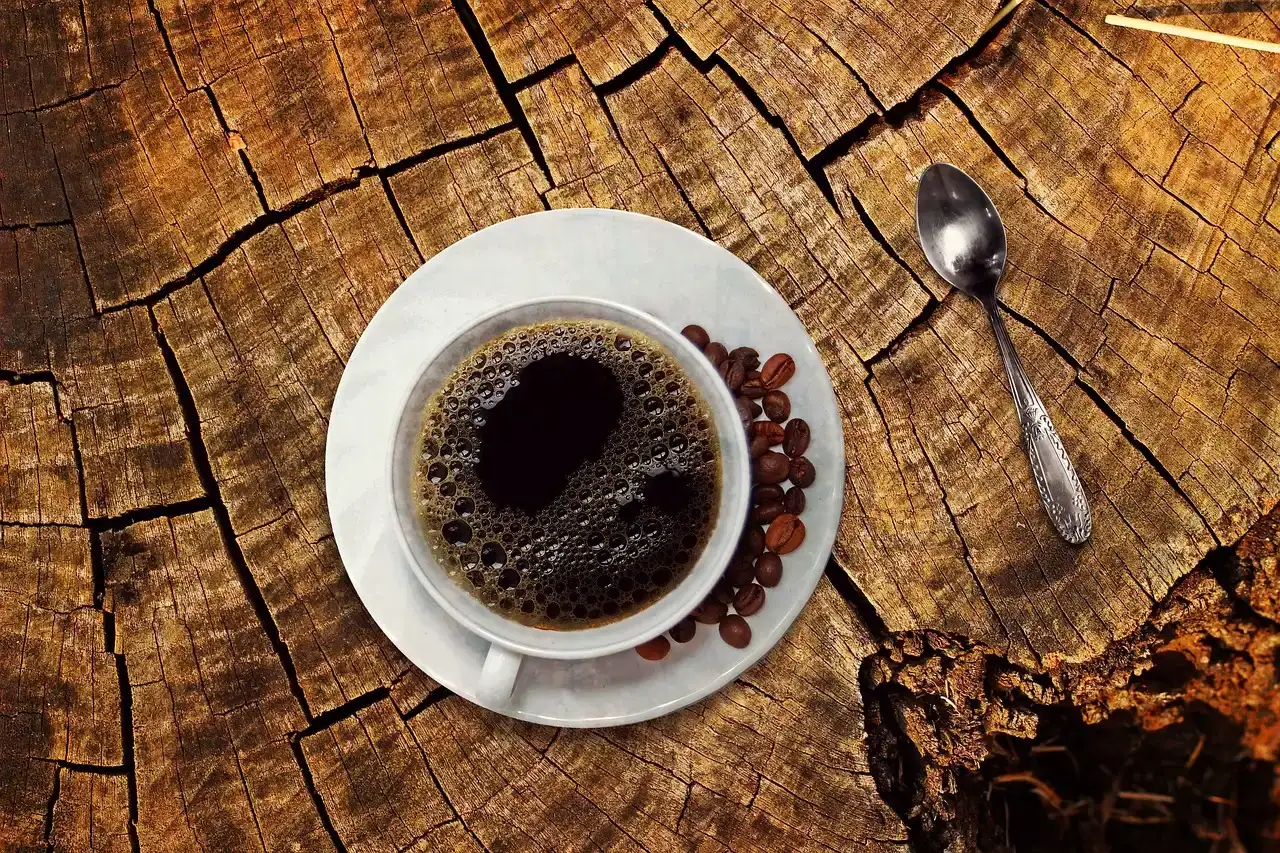
Black Ivory Coffee is among the world’s most expensive coffees, at roughly two thousand dollars per kilogram, made from Arabica beans consumed by elephants and collected from their waste. With a 2025 approximate allocation of just 225 kilograms (495 pounds), only a select few are able to experience this coffee each year. Think about that for a moment. The entire global supply fits in a few suitcases.
The taste of Black Ivory coffee is influenced by elephants’ digestive enzymes, which break down the coffee’s protein, requiring approximately 33 kilograms of cherries to produce one kilogram. The elephants are fed Thai Arabica cherries mixed with fruits, and the fermentation process that occurs during the roughly 12 to 72 hours in their digestive system creates something remarkable. Notes of cacao, tobacco, tamarind, date, plum, and hints of tea emerge without the burnt or bitter taste of regular coffee.
Here’s the thing: this isn’t just about novelty. The company claims to rescue elephants from tourist trade abuse, with eight percent of sales donated to the Golden Triangle Asian Elephant Foundation for the elephants’ health care. So when you’re dropping fifty dollars for a single cup at a luxury hotel, you’re theoretically supporting elephant conservation. Whether that justifies the price is entirely up to you.
Kopi Luwak: The Controversial Civet Coffee
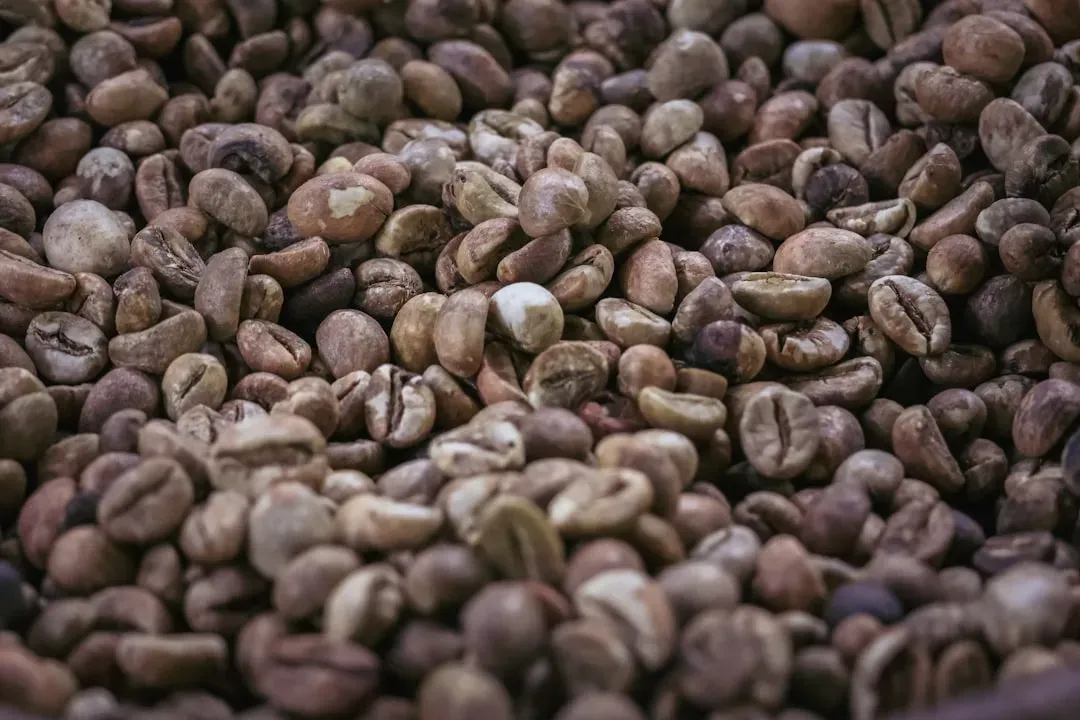
Kopi luwak has been called one of the most expensive coffees in the world, with retail prices reaching roughly one hundred dollars per kilogram for farmed beans and up to around thirteen hundred dollars per kilogram for wild-collected beans. But let’s be real. This coffee comes with serious ethical baggage that you need to know about.
Kopi luwak consists of partially digested coffee cherries, which have been eaten and defecated by the Asian palm civet, with the cherries fermented as they pass through the animal’s intestines. PETA reports that up to roughly four-fifths of Kopi Luwak labeled “wild-sourced” is actually from caged civets. The traditional method of collecting feces from wild civets has given way to intensive farming, with palm civets kept in battery cages and force-fed cherries under conditions including isolation, poor diet, small cages, and a high mortality rate.
Honestly, the industry opinion is pretty brutal too. The Specialty Coffee Association of America states there is a general consensus within the industry that it just tastes bad. One evaluation concluded that luwak coffee sold for the story, not superior quality, scoring two points below the lowest of other coffees tested, with the processing appearing to diminish good acidity and flavor. So you’re paying premium prices for animal suffering and questionable taste. Worth reconsidering, perhaps?
Panama Geisha: The Auction Record Breaker
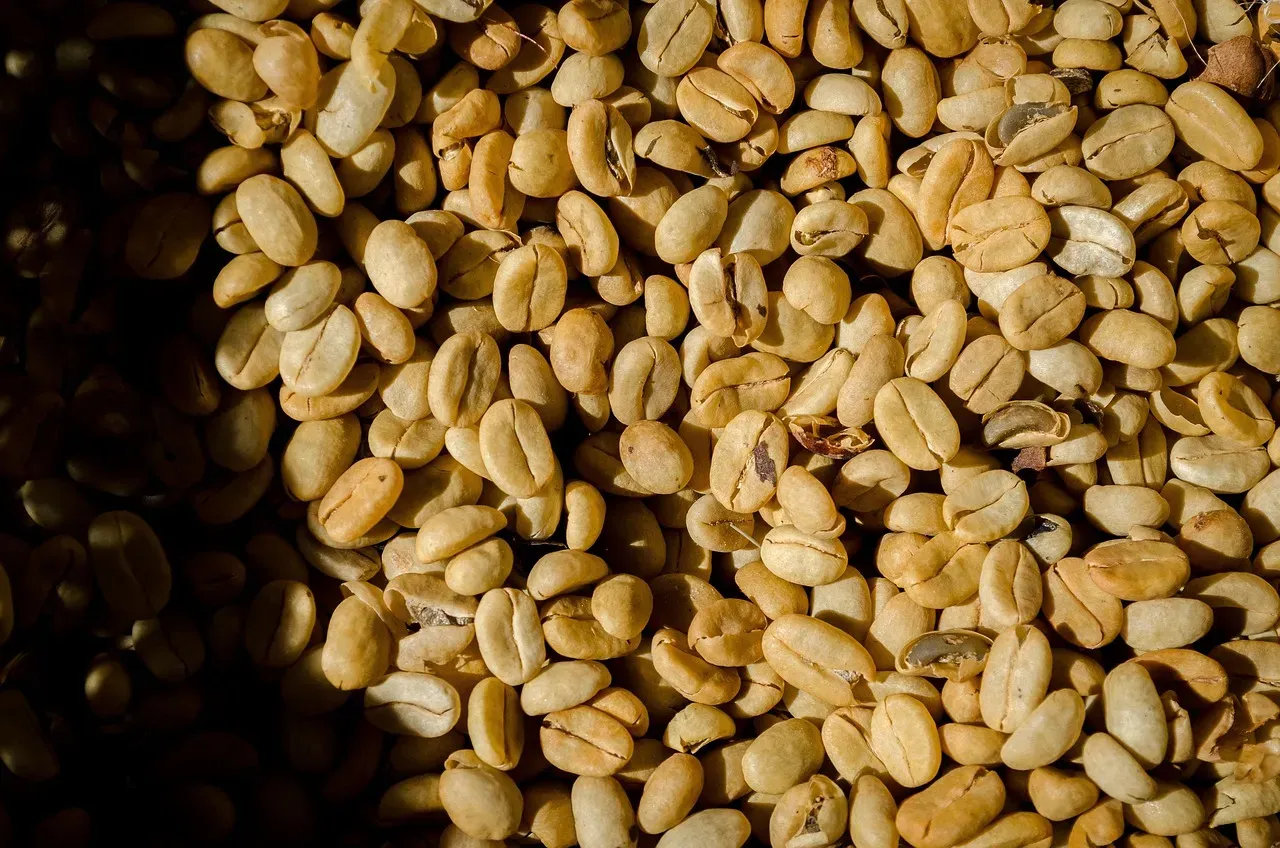
Now we’re talking about something truly exceptional. In 2024, a honey-processed Geisha from Elida Aguacatillo set a new auction record at approximately thirteen thousand five hundred dollars per kilogram. Panamanian Geisha variety coffee from Hacienda La Esmeralda was bought for around seven thousand five hundred dollars per kilogram by American George Howell Coffee Company. These aren’t typos. These are real auction prices.
When cuppers first tasted 100% Geisha coffee, the explosion of juicy brightness and multi-layered aromatics in high-altitude Geisha coffee were more reminiscent of coffee from Ethiopia than Latin America. The Peterson family at Hacienda La Esmeralda discovered these beans somewhat accidentally. Hacienda La Esmeralda won the 2004 Best of Panama competition with their Geisha coffee, setting a record for the highest price ever paid for a coffee at auction.
In 2025, online retailers sell Geisha coffee from various sources for roughly thirty-seven to three hundred dollars per pound, depending on the type. The varieties grown at elevations above 1,950 meters produce those prized floral, fruity notes with high citric acidity that collectors obsess over. For serious coffee enthusiasts, this is the holy grail worth every penny.
Jacu Bird Coffee: Brazil’s Feathered Producers
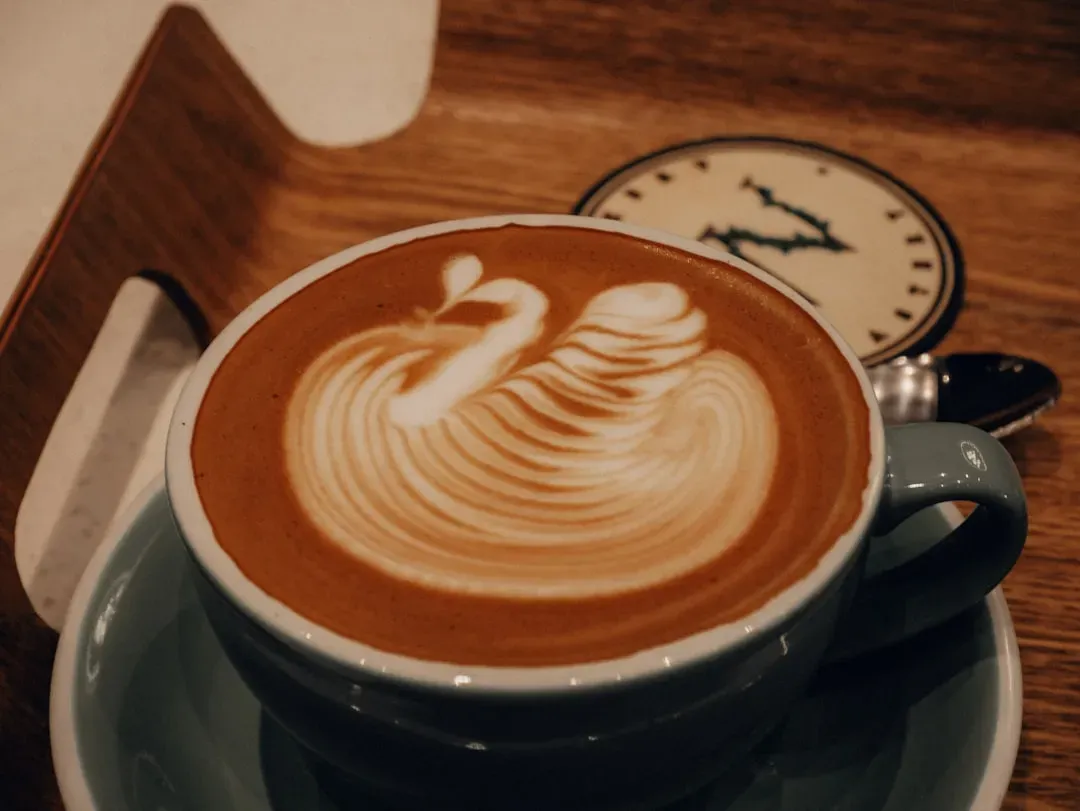
Jacu Bird coffee is a rare luxury coffee, costing up to around seventeen hundred dollars per kilogram, produced from the droppings of the Jacu bird, a pheasant-like bird native to Brazil’s Atlantic rainforest. Yes, another animal-processed coffee, though this one has a more ethical reputation than the civet variety.
The bird eats coffee cherries and digestion improves the flavor, with the coffee being expensive because it’s extremely rare (less than roughly two percent of the Camocim Estate’s yield), requiring labor-intensive harvesting by hand. The price per kilogram ranges from around fifteen hundred to seventeen hundred dollars as of 2024, with a 250-gram bag costing around three hundred eighty-five dollars. A cup in specialty coffee shops costs approximately fifty to one hundred dollars, depending on serving size.
The Jacu birds roam freely in their natural habitat, selecting only the ripest cherries. Unlike the caged civet situation, these birds live wild lives and happen to contribute to coffee production naturally. The beans they pass are carefully collected from the forest floor, washed, and processed. It’s scarcity combined with unique flavor that drives the astronomical pricing.
Jamaican Blue Mountain: The Classic Prestige
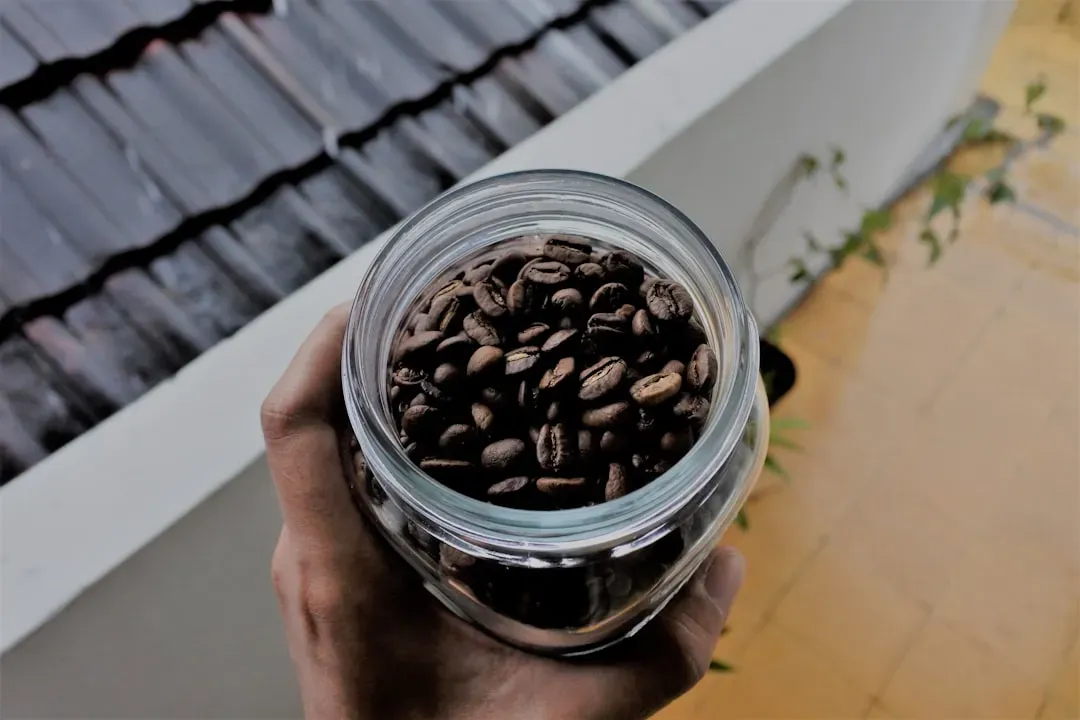
A cup of Jamaican Blue Mountain coffee, which costs around one hundred dollars per pound, has a smooth, slightly acidic flavor with herbal, floral, and nutty notes. This is perhaps the most famous expensive coffee that doesn’t involve any animal digestive systems whatsoever. Just pure terroir, altitude, and tradition.
Jamaican Blue Mountain coffee is particularly special because it’s grown in the Blue Mountains on the eastern side of Jamaica, with the rugged terrain making harvesting labor-intensive, and limited growing conditions between 910 and 1,700 meters above sea level making it quite rare. Coffee producers wanting to use the Jamaican Blue Mountain trademark need to pay for the privilege, with all coffee meeting the standards of Jamaica’s coffee industry board, often meaning beans are sorted by hand several times.
The supply is genuinely limited. Jamaica is a small island nation without massive coffee production capacity. The beans must come from a specific certified region, and the quality control is notoriously strict. After roasting, one pound can cost as much as around sixty-five dollars. For coffee lovers who’ve experienced it, the smoothness and lack of bitterness make it instantly recognizable and absolutely worth the investment.
Why Coffee Prices Are Climbing Even Higher
Droughts in Brazil and Vietnam reduced yields, with arabica prices hitting around three dollars and forty-eight cents per pound in December 2024, representing roughly a ninety percent annual increase. This isn’t just about luxury beans anymore. The entire coffee market is experiencing unprecedented pressure.
Global coffee consumption has outpaced production for four consecutive years, creating a cumulative deficit of approximately fifteen to twenty million bags, with retail prices expected to rise twenty to twenty-five percent by early 2025 as stocks dwindle. Climate change is hitting coffee-growing regions hard. The geopolitics of shipping routes add costs. Speculative trading, fueled by anticipated EU deforestation regulations and geopolitical risks, increased price volatility.
What does this mean for expensive coffee? The gap between everyday coffee and ultra-premium beans might actually shrink in relative terms as base prices rise. When your grocery store coffee costs twice what it did last year, suddenly that hundred-dollar-per-pound Blue Mountain doesn’t seem quite as outrageous. It’s still luxury, but the value proposition shifts.
The Worth Question: Are They Really Worth It?
Let’s address the elephant in the room (pun intended). Are these coffees genuinely worth their astronomical prices? The answer depends entirely on what you value. For novelty and bragging rights, absolutely. These are conversation pieces. You can tell your friends you drank elephant poop coffee for fifty bucks a cup.
For true flavor appreciation, the answer is more nuanced. The Panama Geishas and Jamaican Blue Mountains genuinely offer flavor profiles you cannot replicate with cheaper beans. The terroir, processing, and rarity create something objectively unique. The Best of Yemen 2024 auction achieved a record-breaking price of around eleven hundred fifty-nine dollars per kilogram, produced by a women’s farming group, showing that exceptional coffee commands exceptional prices for good reason.
The animal-processed coffees? That’s where the value gets murky. The ethical concerns with civet coffee make it hard to justify regardless of taste. Black Ivory at least supports elephant welfare, and the flavor is reportedly extraordinary. Jacu Bird maintains ethical standards with wild birds. But ultimately, you’re paying for exclusivity and story as much as the cup itself.
The Kopi Luwak Coffee Market was valued at approximately eight point six billion dollars in 2024 and is expected to grow, reaching nearly twelve point six billion by 2032. There’s clearly a market willing to pay. Whether you join them depends on whether you view coffee as fuel, pleasure, or art. For those in the last category, these beans aren’t expenses. They’re experiences. They’re connections to specific places, rare processes, and flavors that might disappear as climate and economics shift coffee cultivation forever.
So, did you expect coffee to cost more than some people’s monthly rent? What would you pay for a truly exceptional cup?