
1. The Left Lane Is Not a Cruise Lane


Nevada law requires drivers on controlled-access highways who are driving slower than the posted speed limit to stay out of the far left lane if being overtaken by a faster vehicle, under NRS 484B.208. The law isn’t just a courtesy rule – it’s enforceable.
Out-of-towners, especially those accustomed to lingering in the left lane, often treat it like any other traffic lane. That’s a mistake. This requirement does not apply within city or town limits. The violation is primarily enforced by Nevada Highway Patrol on major interstates, particularly the I-15 corridor between Las Vegas and California.
Honestly, the consequences here aren’t just about fines. Left-lane campers are routinely ticketed, and the violation goes on your record as a moving offense. This also creates real danger on the road by forcing faster-moving drivers to pass on the right.
2. Your Phone Is Off-Limits – No Touching


Under NRS 484B.165, texting, accessing the internet, and handheld cell phone use while driving are illegal in Nevada, with fines of fifty dollars for the first offense in seven years, one hundred dollars for the second, and two hundred fifty dollars for the third and subsequent offenses. The first offense is not treated as a moving violation, but a second or subsequent offense carries four demerit points.
Tourists often assume they can quickly check GPS or reply to a text while stopped at a red light. Wrong. The law is strict – if you’re holding your phone while in the driver’s seat on a public roadway, you’re in violation.
Fines are subject to doubling if the offense occurs in a work zone, and courts may assess additional administrative fees. Those points add up fast, and at twelve points within a year, you’re looking at a six-month license suspension. The real exposure is if you cause an accident while using your device – charges can escalate to reckless driving or worse.
3. Move Over or Slow Down for Emergency Vehicles
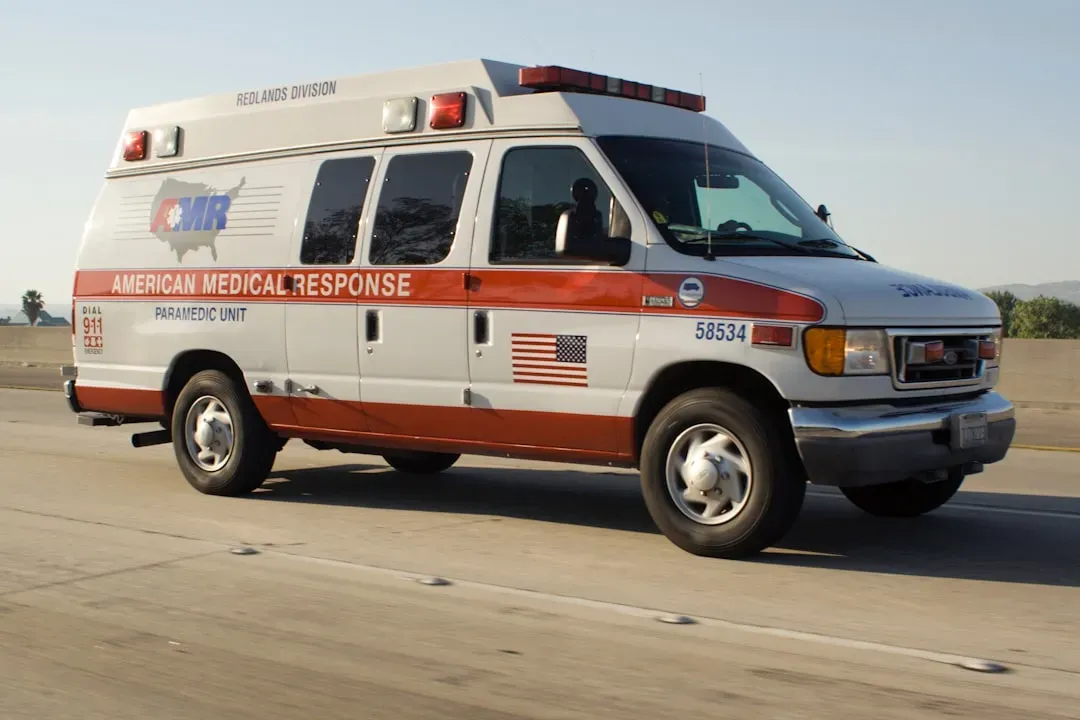
Since 2003, Nevada law has required drivers to slow down, proceed with caution, and when possible move to the far lane when passing emergency response vehicles pulled over on the side of the road with amber lights flashing. It’s called the Move Over Law. Beginning July 1, 2017, NRS 484B.607 expanded to require drivers to do the same for Nevada Department of Transportation vehicles stopped with flashing amber or non-flashing blue lights.
This is where tourists and even locals mess up. People either don’t see the flashing lights until it’s too late or assume slowing down slightly is enough. Drivers found guilty of violating the law can be charged with a misdemeanor. The Nevada Move Over Law fine is three hundred ninety-five dollars, and if the offense occurs in a work zone, the fine is up to seven hundred ninety dollars.
The safety risk is enormous. First responders are struck and killed every year because drivers fail to move over. It’s not just about the ticket – it’s about protecting lives on the roadside.
4. Work Zones Mean Double the Pain

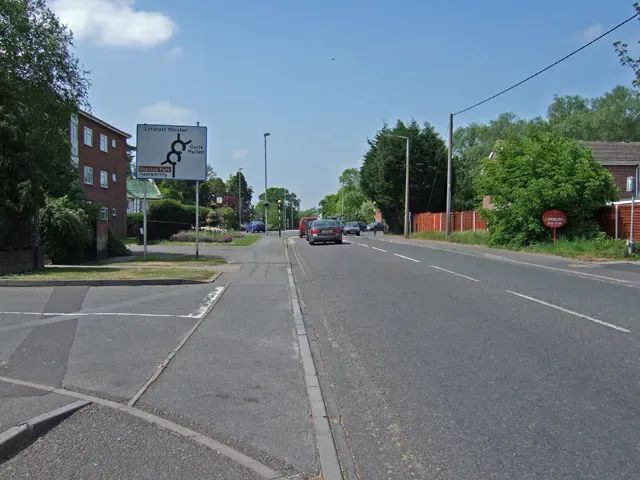
Nevada levies double penalties for drivers who commit certain traffic violations – such as speeding – while in work zones. There are 26 traffic crimes that carry double penalties if the incident occurred in a work zone. That includes speeding, cell phone use, reckless driving, and more.
Tourists speeding through orange cone zones near Hoover Dam or along Highway 95 often don’t realize the financial hit coming their way. A sixty-five-dollar speeding ticket becomes a hundred thirty dollars – and that’s before court fees and insurance hikes. Work zones must be marked with signs stating “DOUBLE PENALTIES IN WORK ZONES” to indicate that enhanced penalties may be imposed.
A person is not subject to an additional penalty if the violation occurred in a zone without proper signage, unless the violation results in injury to any person or property damage of one thousand dollars or more. Still, don’t count on that loophole. The law is designed to protect construction workers, and enforcement is aggressive.
5. DUI Limits Are Lower Than You Think

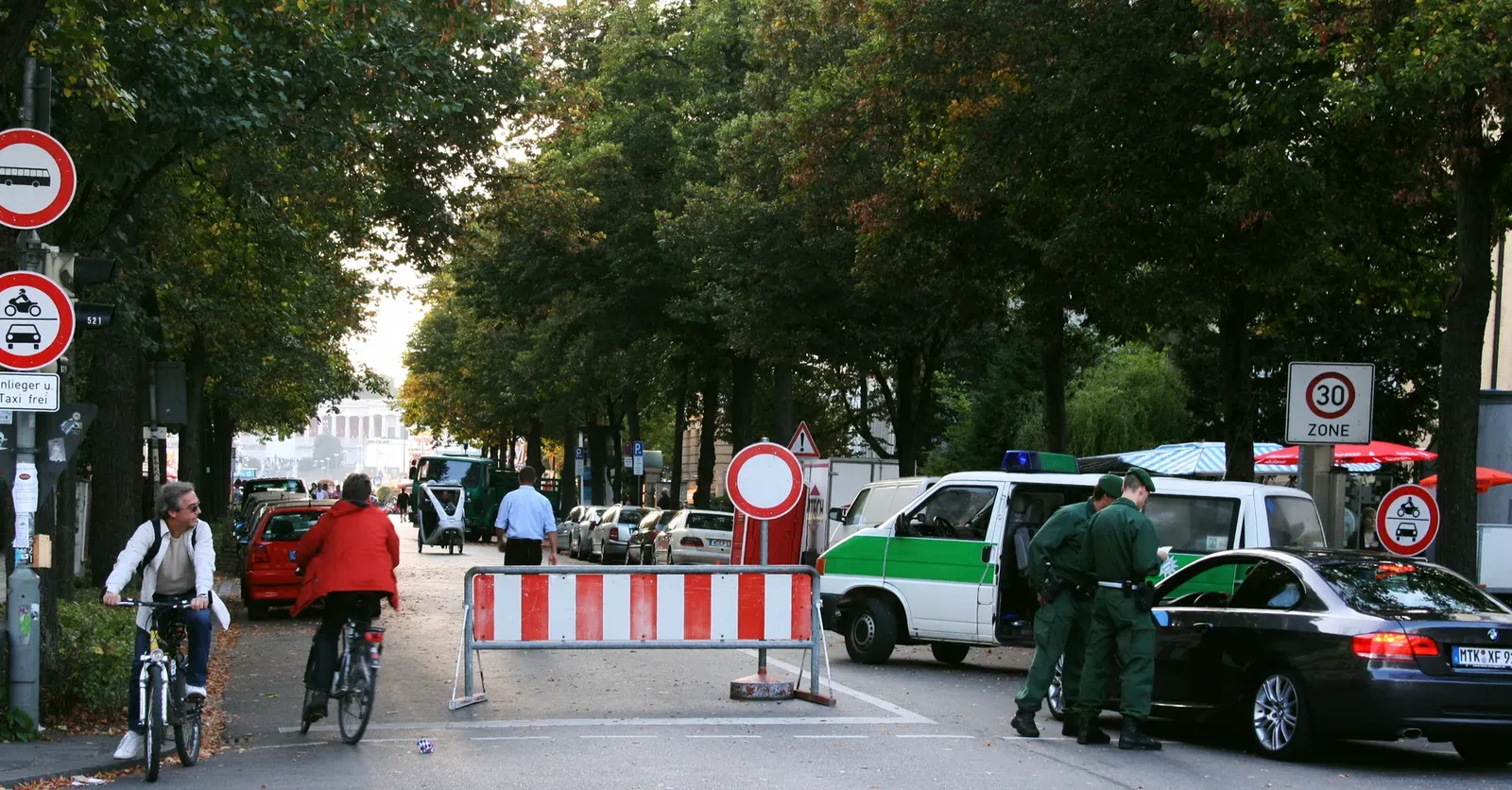
Nevada’s blood alcohol limit is point zero eight, and point zero four for commercial drivers. That’s the “illegal per se” threshold – meaning no additional proof of impairment is needed if you blow that number. It is unlawful to drive with a concentration of alcohol of point zero eight or more in blood or breath, or to be found within two hours after driving to have that concentration.
Visitors from states with similar limits still misjudge how quickly they can reach the threshold in Nevada’s heat and high altitude. Many tourists don’t realize that commercial drivers face a much stricter standard. NRS 484C.120 makes it a misdemeanor to drive a commercial vehicle with a BAC of point zero four percent to less than point zero eight percent.
The consequence is immediate. A DUI arrest triggers an administrative license revocation separate from any criminal conviction. First-time offenders face jail time, fines, DUI school, and a mandatory ignition interlock device. For commercial drivers, a DUI can mean the end of a career.
6. Open Containers Are Illegal – Even for Passengers

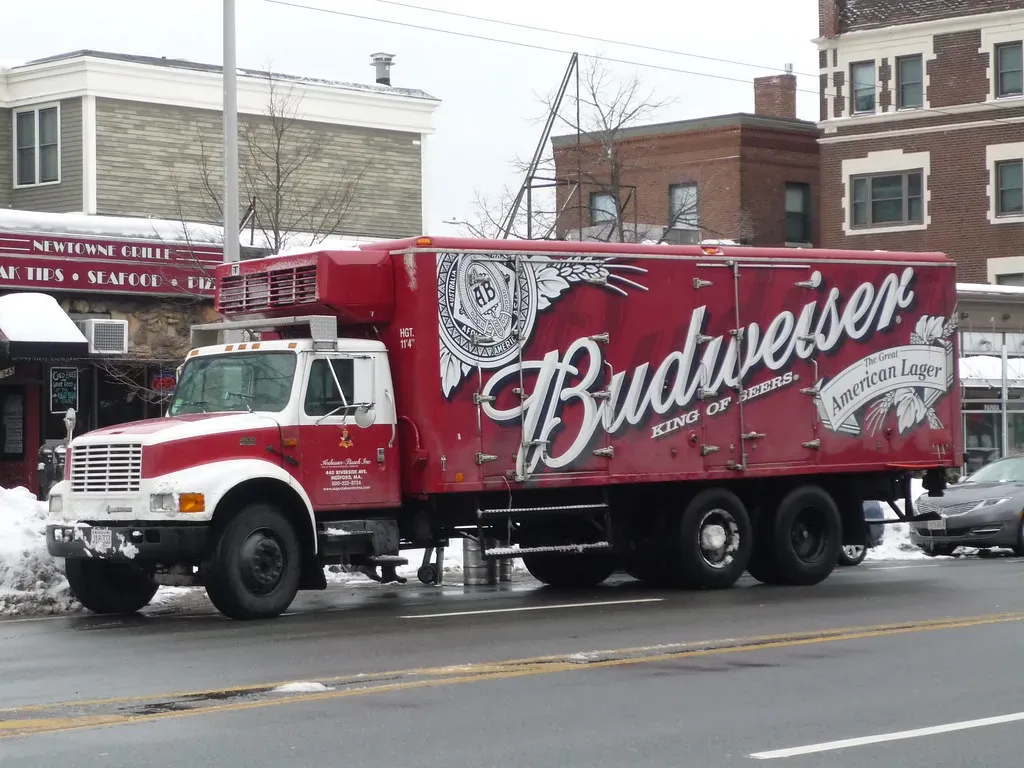
It is a misdemeanor to drink an alcoholic beverage while driving or in actual physical control of a motor vehicle, and it is also a misdemeanor to have an open container of an alcoholic beverage within the passenger area of a motor vehicle while on a highway. This does not apply to the passenger area of vehicles used primarily for transportation of persons for compensation, or to the living quarters of a house coach or house trailer, but does apply to the driver of such a vehicle in possession or control of an open container.
Many tourists assume Nevada’s relaxed alcohol culture means open containers are fine. Not true. Passengers cannot legally sip a beer while you drive down the Strip or out to Red Rock Canyon.
The ticket is a misdemeanor, which carries a criminal record, potential fines, and possible jail time. Prosecutors rarely dismiss these charges outright. The real exposure is if the open container is coupled with erratic driving – suddenly you’re dealing with DUI suspicions and field sobriety tests.
7. Child Restraint Laws Are Strict and Specific

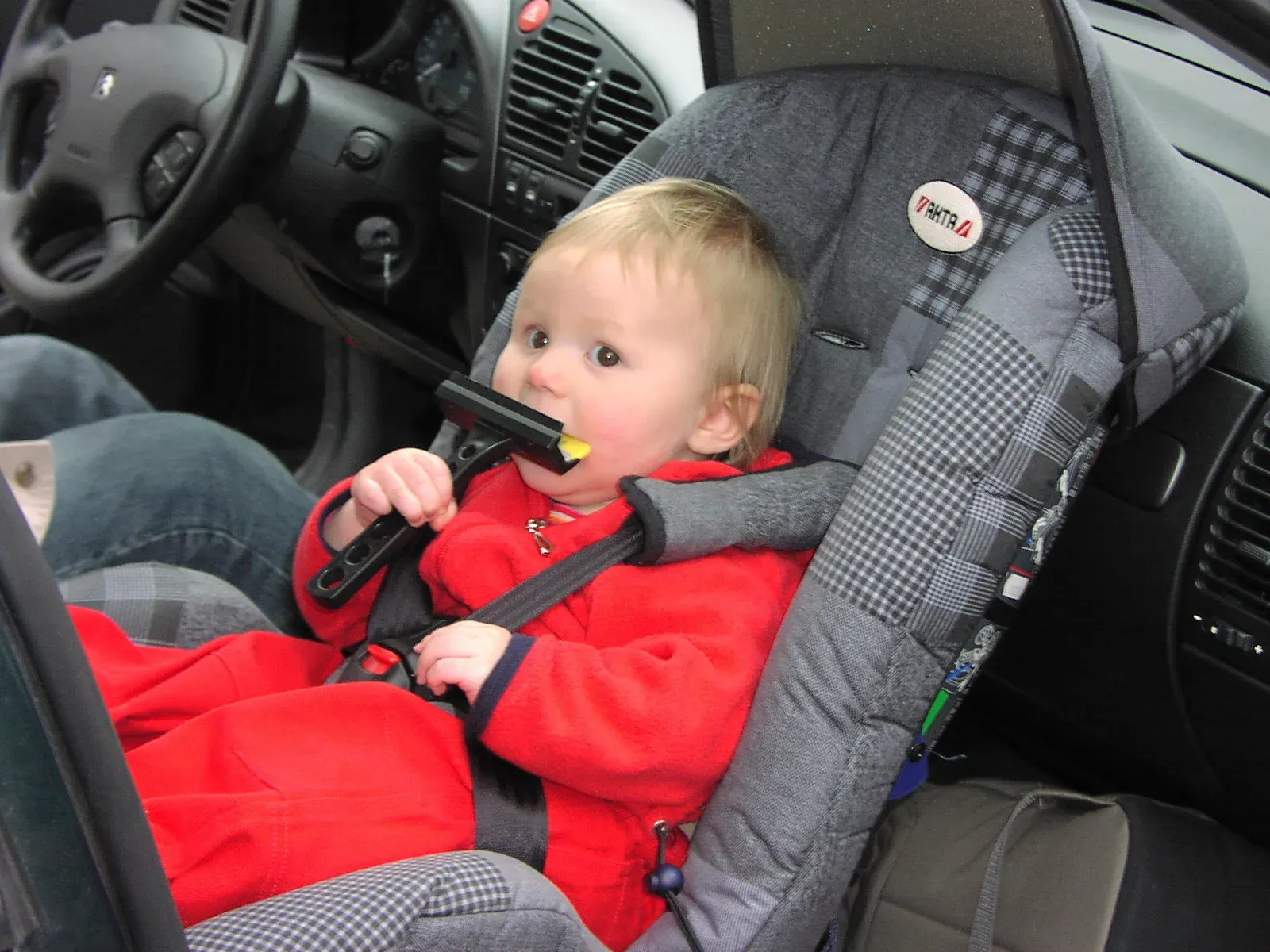
Children under two must ride in a rear-facing child safety seat in the back seat of the vehicle, though the seat may be placed in the front if the air bag is deactivated and there is no back seat, all back seats are in use by children under two, or the child has special health needs outlined in a physician note. Nevada law requires children under age six and less than 57 inches tall to ride in a child restraint system.
Rental car agencies don’t always provide car seats, and tourists traveling with young children often assume booster seats or lap belts are sufficient. They’re not. Law enforcement regularly checks child restraints at traffic stops.
Violations can result in fines and demerit points. Beyond the legal penalty, improper restraints pose life-threatening safety risks. Nevada’s official traffic safety reporting shows 2023 fatalities as 406 and 2024 preliminary fatalities as 419, highlighting that fatal crashes remain a current issue. Proper child restraints save lives.
8. Speeding Fines Escalate Fast in School and Safety Zones

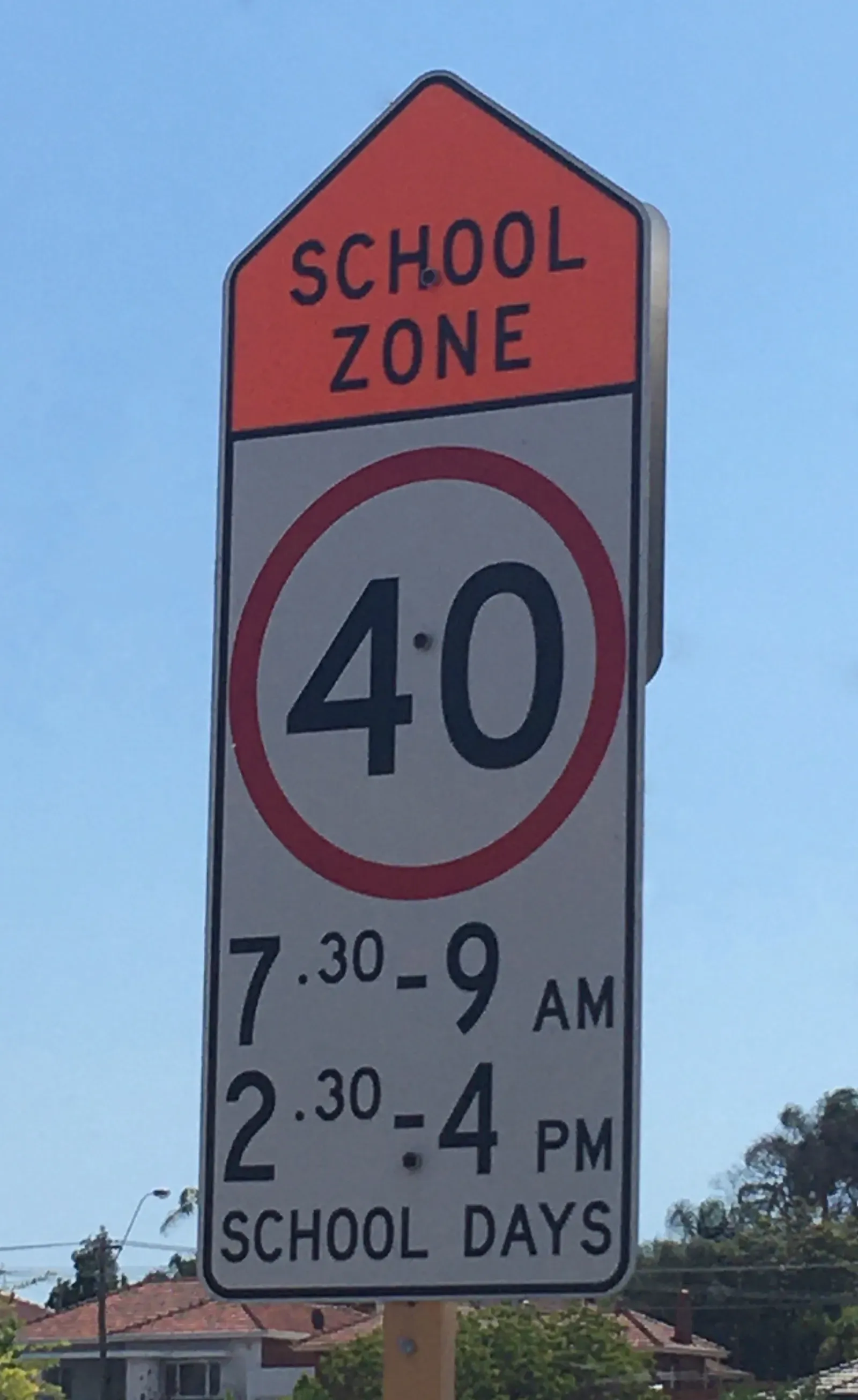
Nevada allows double penalties for violations in pedestrian safety zones, similar to the work zone rule. School zones, crosswalks, and areas near senior centers can all be designated as pedestrian safety zones. Speed limits in school zones are drastically reduced during posted hours, often to fifteen or twenty miles per hour.
Tourists and even locals often blow through these zones at thirty-five miles per hour, either not noticing the signs or assuming the speed limit isn’t enforced outside school arrival and dismissal times. Big mistake. Citations in these zones carry enhanced fines, demerit points, and heightened scrutiny from prosecutors.
The safety risk is obvious – children and pedestrians are especially vulnerable. A speeding violation in a school zone that results in injury can quickly escalate into reckless driving or vehicular assault charges, with potential felony exposure.
9. Failure to Yield at Crosswalks Can Cost You


Nevada law requires drivers to yield the right-of-way to pedestrians in marked and unmarked crosswalks. Tourists navigating busy intersections in Las Vegas or Reno often fail to stop when pedestrians step off the curb, either because they’re unfamiliar with the intersection or distracted by the urban chaos.
The violation results in fines, points on your license, and potential civil liability if you strike a pedestrian. Honestly, this is where many visitors get blindsided – they assume pedestrians will wait, but Nevada law puts the burden squarely on the driver.
The real consequence is if an accident occurs. Striking a pedestrian in a crosswalk can trigger reckless driving charges, civil lawsuits for medical bills and pain and suffering, and potentially criminal prosecution if serious injury or death results.
10. Running Red Lights and Stop Signs Is Enforced Aggressively


Nevada uses automated red-light cameras and stop sign enforcement in many jurisdictions. Tourists often roll through stop signs in residential areas or misjudge yellow lights on major arterials, resulting in citations mailed to the rental car company or their home address weeks later.
A red-light violation carries fines, demerit points, and insurance rate increases. What surprises many drivers is how aggressively prosecutors pursue these tickets, especially if the violation occurred in a high-traffic or high-accident area.
The safety risk is severe. Red-light runners cause some of the deadliest crashes on Nevada roads. If your violation results in a collision, you’re looking at criminal charges, civil liability, and potentially years of legal consequences. The ticket might seem minor, but the stakes are anything but.
Conclusion


Nevada’s roads are busier and more heavily enforced than many visitors expect. The rules aren’t just suggestions – they’re laws backed by fines, points, criminal records, and real safety consequences. Tourists often assume they can get away with habits from back home, only to find themselves facing tickets, court dates, and insurance nightmares.
For residents, these rules should be second nature, but enforcement is tightening every year. Work zones, school zones, and high-traffic corridors are patrolled aggressively, and the financial and legal penalties for violations add up fast. Beyond the fines, the real cost is the safety risk these violations create for everyone on the road.
Next time you’re behind the wheel in Nevada, take a moment to refresh yourself on these ten rules. Did any of these surprise you? What other traffic laws do you think catch people off guard?