Something interesting is unfolding across the Las Vegas valley. Longtime locals, people who spent decades living and working just off the glittering Strip, are packing up and relocating. Some are landing in Henderson, twenty minutes away. Others are driving all the way to Pahrump, an hour west in Nye County.
They’re not fleeing crime or congestion, at least not primarily. They’re escaping what residents have started calling the “Strip Tax,” a catch-all phrase for the rising cost burden of living anywhere near the resort corridor. That burden includes higher room taxes within the gaming zone, resort fees that now top fifty bucks a night, parking fees that didn’t exist a few years ago, and inflated pricing on everything from groceries to gasoline. Though tourists bear the brunt of resort fees and lodging taxes, the spillover effect touches locals too, shaping where they can afford to live, shop, dine, and work.
The Strip Tax Is Real, Even If It’s Not a Single Levy

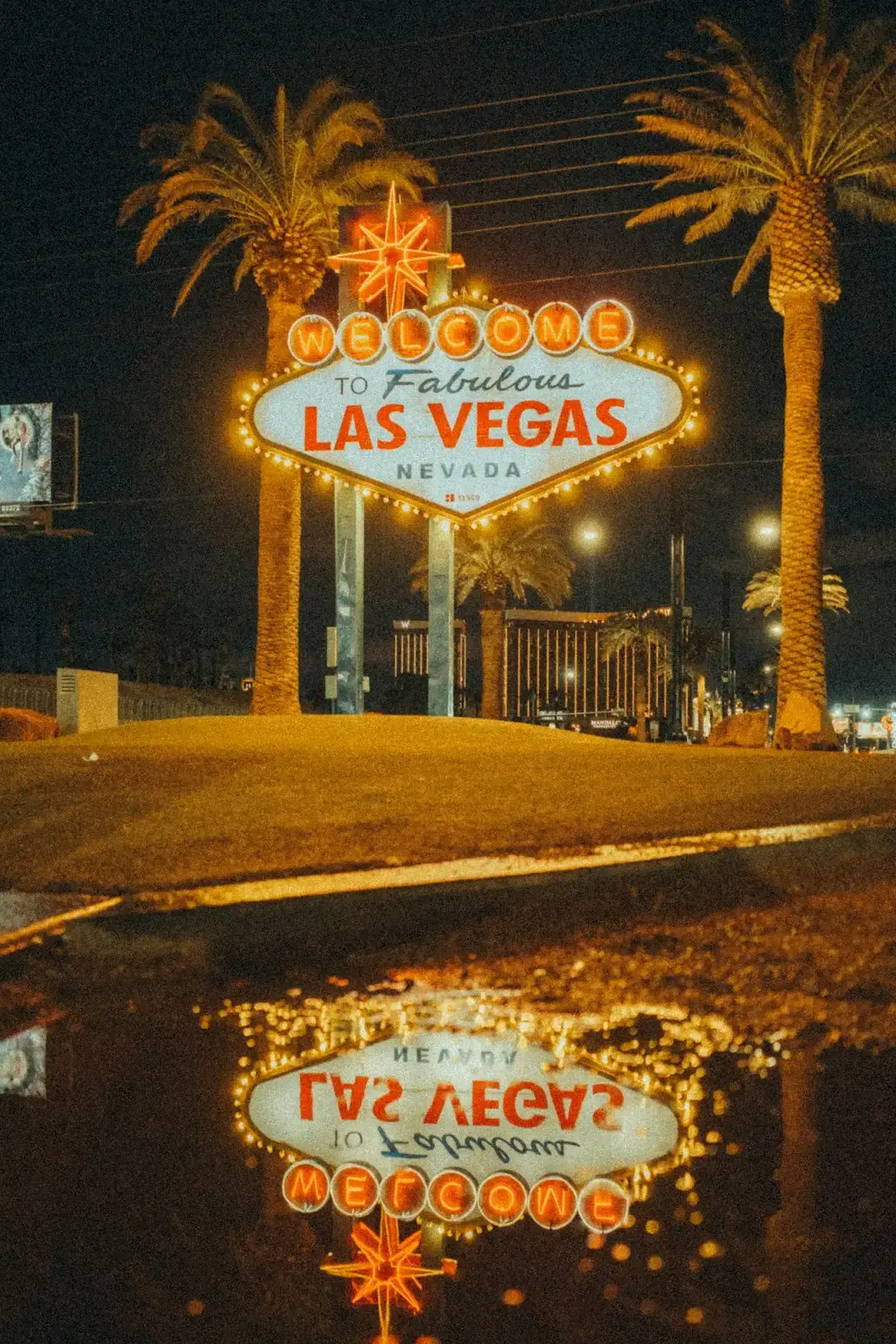
Let’s be real, there’s no official “Strip Tax” on the books. Yet the phrase captures a financial reality. Properties inside the Primary Gaming Corridor face a room tax rate of 13.38%, while those outside the corridor pay 13%, according to a City of Las Vegas packet revised in November 2023.
That gap might sound modest, roughly a third of a percent. Still, it’s part of a broader pattern of premium pricing within the tourist zone. A tax of 13.38% is charged on resort fees, meaning that a fifty-five dollar nightly resort fee balloons to over sixty-two dollars once taxed. Locals don’t pay those resort fees directly unless they’re booking a staycation, which many have stopped doing entirely.
Resort Fees Surged in 2025, Pushing Total Costs Higher

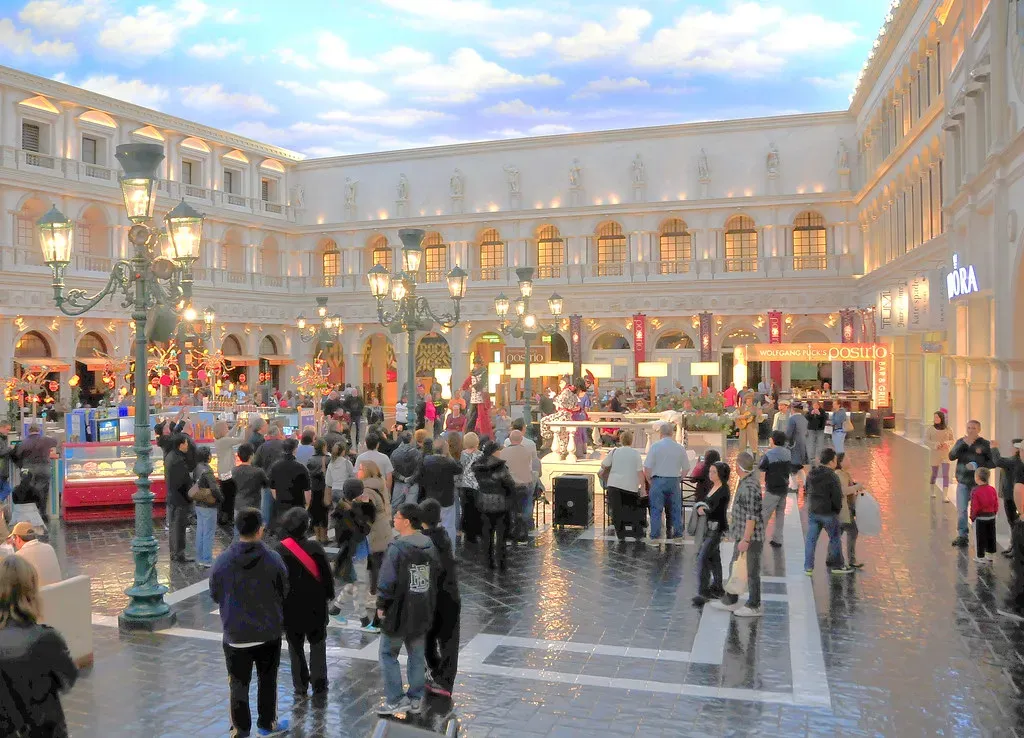
As of late 2025, most Strip hotels charge between $35 and $55 per night, plus tax. At the top end, that’s an extra hundred and eighty-seven dollars over a three-night weekend.
With costs ranging from $44 to nearly $57 per night at casino-hotels on the Las Vegas Strip, resort fees can significantly increase the overall cost of a stay. Some budget hotels have joined the trend. Even properties well away from the luxury tier are tacking on mandatory daily fees. For tourists, it’s an annoyance and a deterrent. For locals employed in those hotels or dependent on tourism dollars, declining visitor spending threatens job stability and income growth.
Clark County’s Sales Tax Also Weighs on Everyday Spending

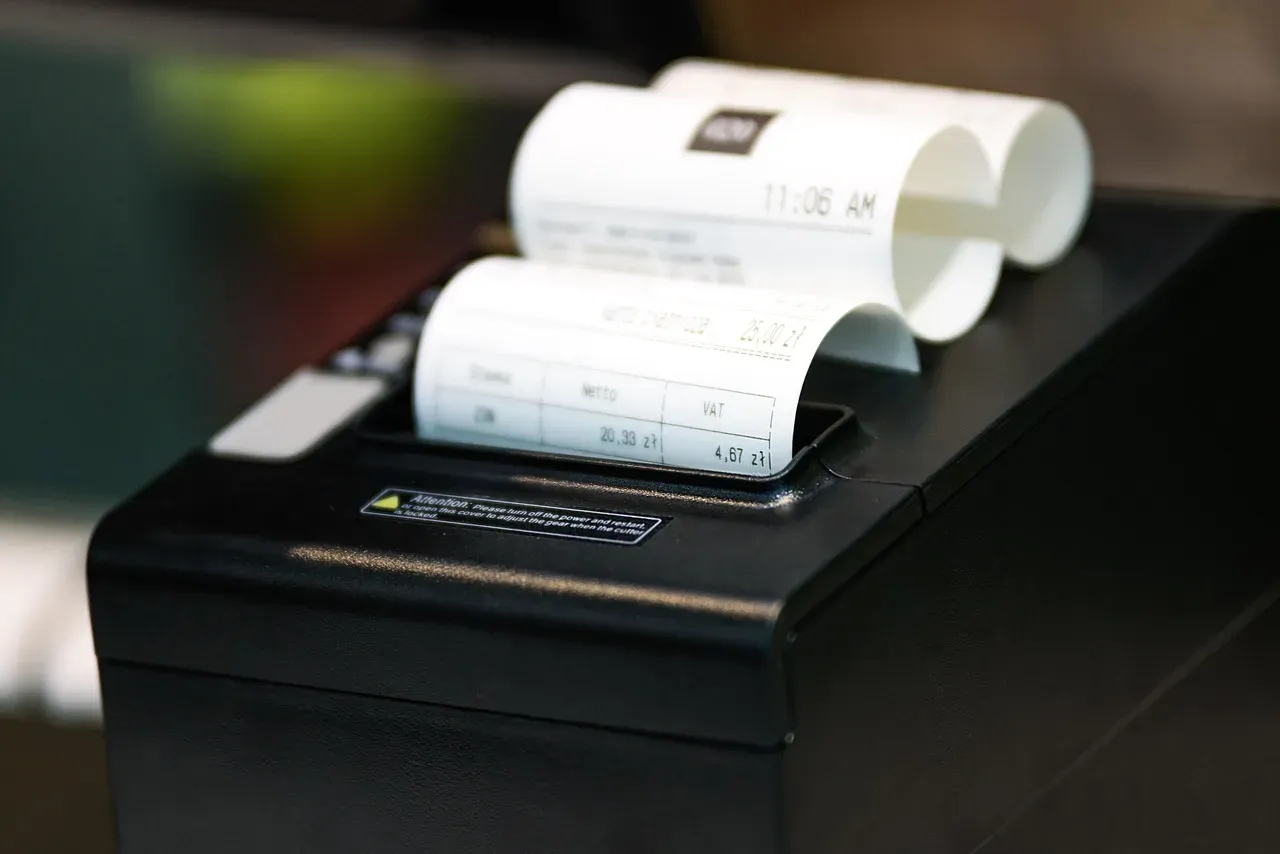
Nevada has no state income tax, which is great. That saving, though, gets offset by sales taxes you pay every single day. Las Vegas’ combined sales tax rate is 8.375%, which includes state and county sales taxes.
Every time a local fills a gas tank, buys a shirt, or grabs a quick lunch, nearly eight and a half cents on the dollar goes to tax. Over a year, that adds up fast. Tourists barely notice because they’re here for a weekend. Residents feel it in every monthly budget line.
Henderson Offers a Suburban Escape With More Affordable Living

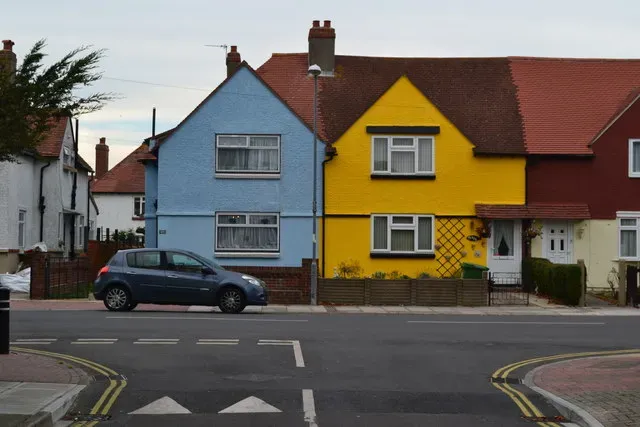
The median sale price of a house in Henderson was $505,002, a 4 percent increase year-over-year from December 2024, according to a Redfin report. That might sound high, yet it’s generally lower than premium neighborhoods near the Strip and far more affordable than comparable metros in California.
Henderson also enjoys better schools, less tourist traffic, and a quieter pace. The average homes sell for about 2 percent below list price and go pending in around 64 days. The market is slowing slightly, which gives buyers leverage. Families appreciate the suburban feel, the parks, and the sense that they’re living in a real community rather than a service corridor for casino guests.
Pahrump Draws Budget-Conscious Movers an Hour from the Strip

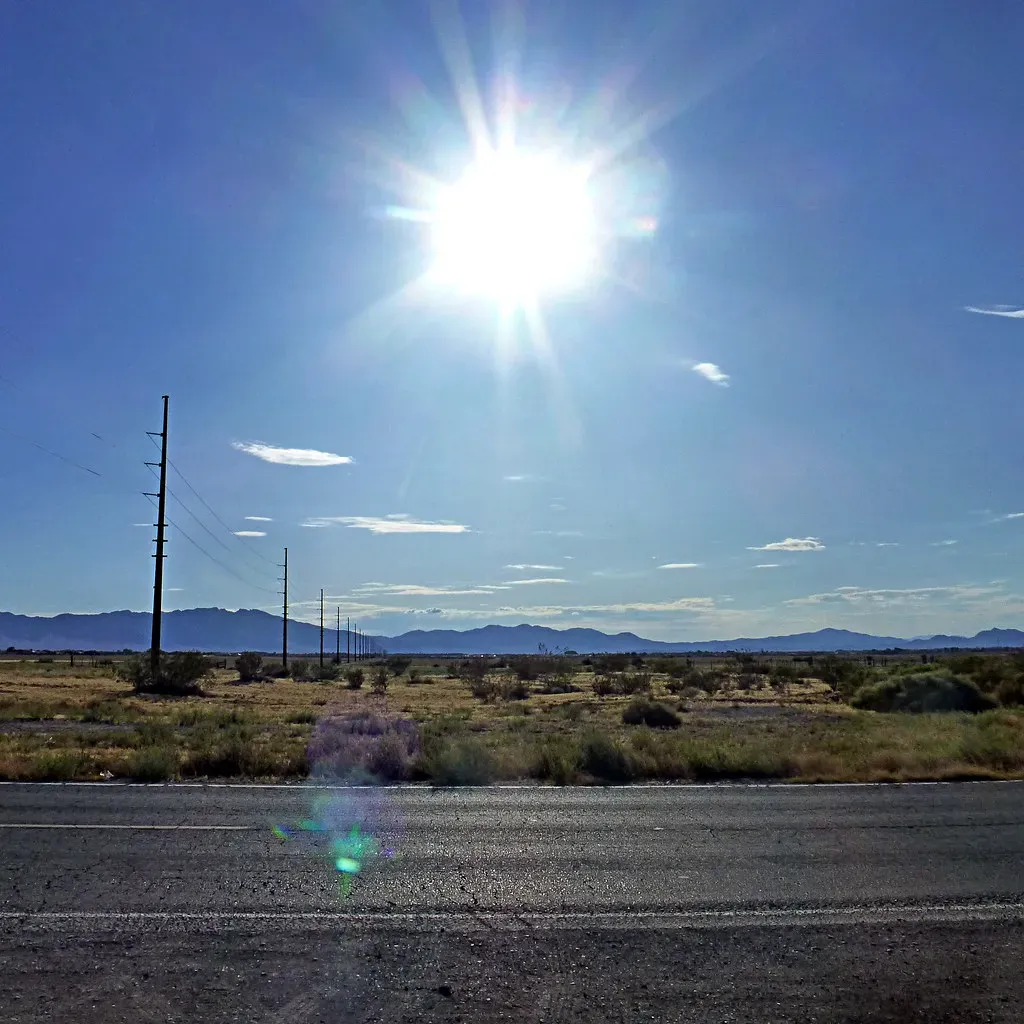
Pahrump sits in Nye County, about sixty miles west of Las Vegas. Between 2022 and 2023 the population of Pahrump, NV grew from 44,711 to 45,811, a 2.46% increase, suggesting steady demand despite the longer commute.
Estimated median house or condo value in 2023: $307,825 in Pahrump. That’s roughly two hundred thousand dollars less than Henderson, making it attractive to retirees, remote workers, and anyone willing to trade commute time for lower housing costs. Property taxes in Pahrump are also generally lower, giving homeowners additional breathing room each year.
Room Tax Revenue Dropped Sharply in Late 2025, Signaling Tourism Softness

Tourism isn’t just about how many people show up. It’s about how much they spend and whether they keep coming back. Room tax and gaming fee receipts are off 14 percent to $73.9 million for the quarter, the Las Vegas Convention and Visitors Authority reported in November 2025.
Partner offer

Visitation down 7.9 percent for the year to 28.9 million – occupancy rates and the average daily room rate are down as well. Occupancy is down 3.3 percentage points to 80.4 percent from last year, and the average daily room rate is off 5.1 percent to $180.07 a night. When fewer tourists visit and spend less per day, it ripples through the entire local economy: fewer tips for servers, reduced hours for housekeepers, lower sales at retail shops.
Locals Avoid the Strip Altogether, Changing Shopping and Dining Habits


Las Vegas residents understand that every business on the Strip operates with tourist pricing strategies that inflate costs far beyond reasonable levels. A cocktail that costs $8 in local neighborhoods suddenly jumps to $18 or more at Strip casinos and bars.
Residents know where the real value hides. Las Vegas residents have discovered the thriving restaurant, entertainment and nightlife scenes in neighborhoods like Downtown, Henderson, Summerlin and various ethnic corridors throughout the valley. That shift reduces exposure to tourist-zone pricing, yet it also highlights how the Strip has become disconnected from the day-to-day life of locals who grew up here.
Parking Fees and Traffic Congestion Make Strip Visits a Hassle

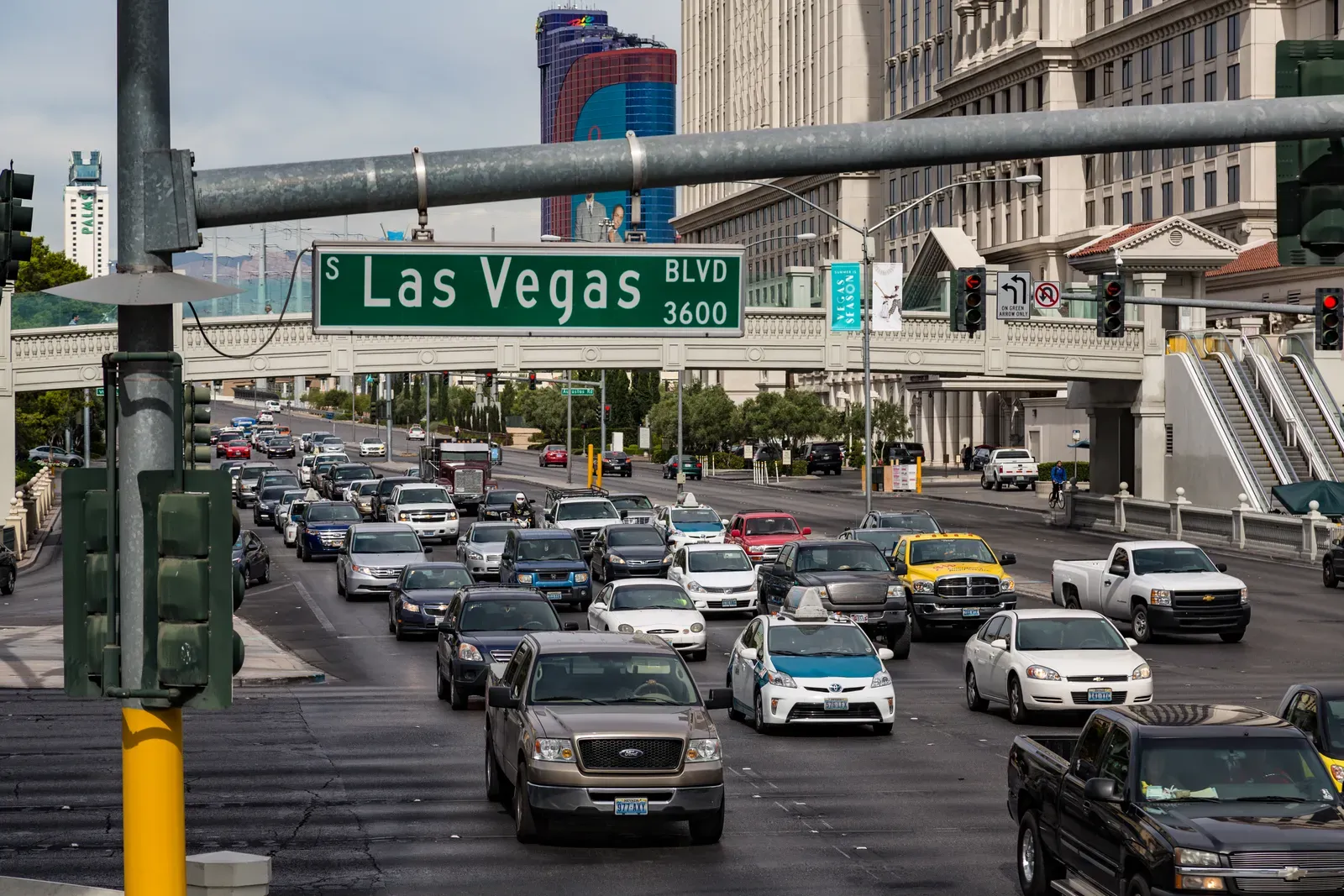
Self-parking fees at major Las Vegas Strip resorts, which now cost $15 to $25. Valet parking services are even more expensive, with rates ranging from $25 to $45 depending on the property.
The constant gridlock on Las Vegas Boulevard makes navigating the Strip an exercise in frustration that locals actively avoid. What should be a five-minute drive often stretches to thirty minutes or longer. If you live in Henderson or even the northwest valley, the idea of driving to the Strip for dinner or entertainment becomes absurd when equally good options sit ten minutes from home without parking fees or bumper-to-bumper traffic.
Commuting From Henderson or Pahrump Means Trade-Offs, Not Just Savings

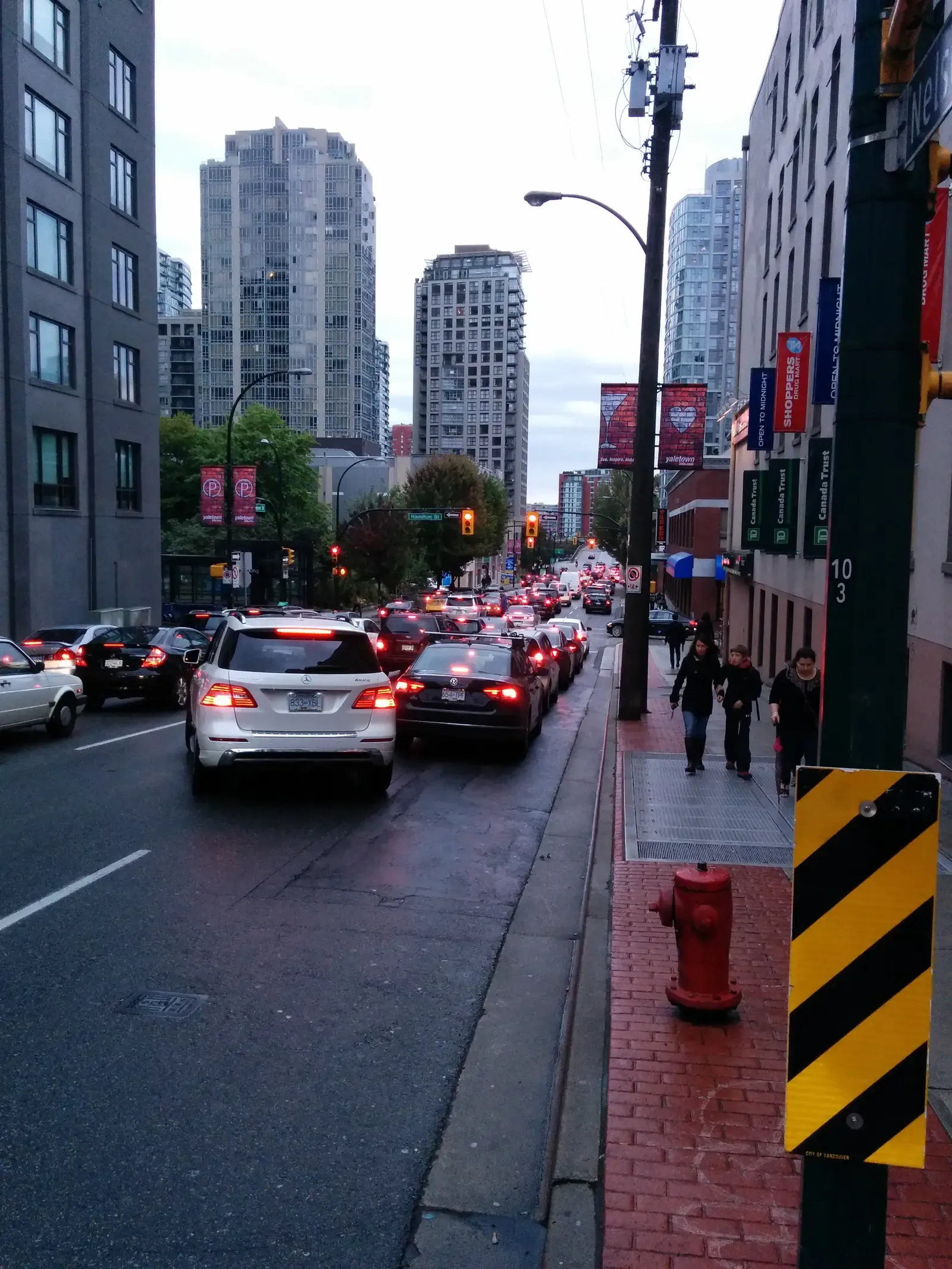
Henderson residents might face fifteen to thirty minutes of freeway driving to reach central Las Vegas workplaces. Pahrump residents, depending on their job location, can face an hour each way. That’s two hours a day, ten hours a week.
Most people in Pahrump, NV drove alone to work, and the average commute time was 29.2 minutes, which likely includes shorter trips within Pahrump itself. Those commuting to Las Vegas or the Strip face significantly longer drives. Gas, vehicle wear, and sheer time all cost money and energy. Honestly, some folks are fine with it because they value affordable housing and quieter neighborhoods more than proximity to work.
A Quality-of-Life Calculation That Goes Beyond Dollar Signs
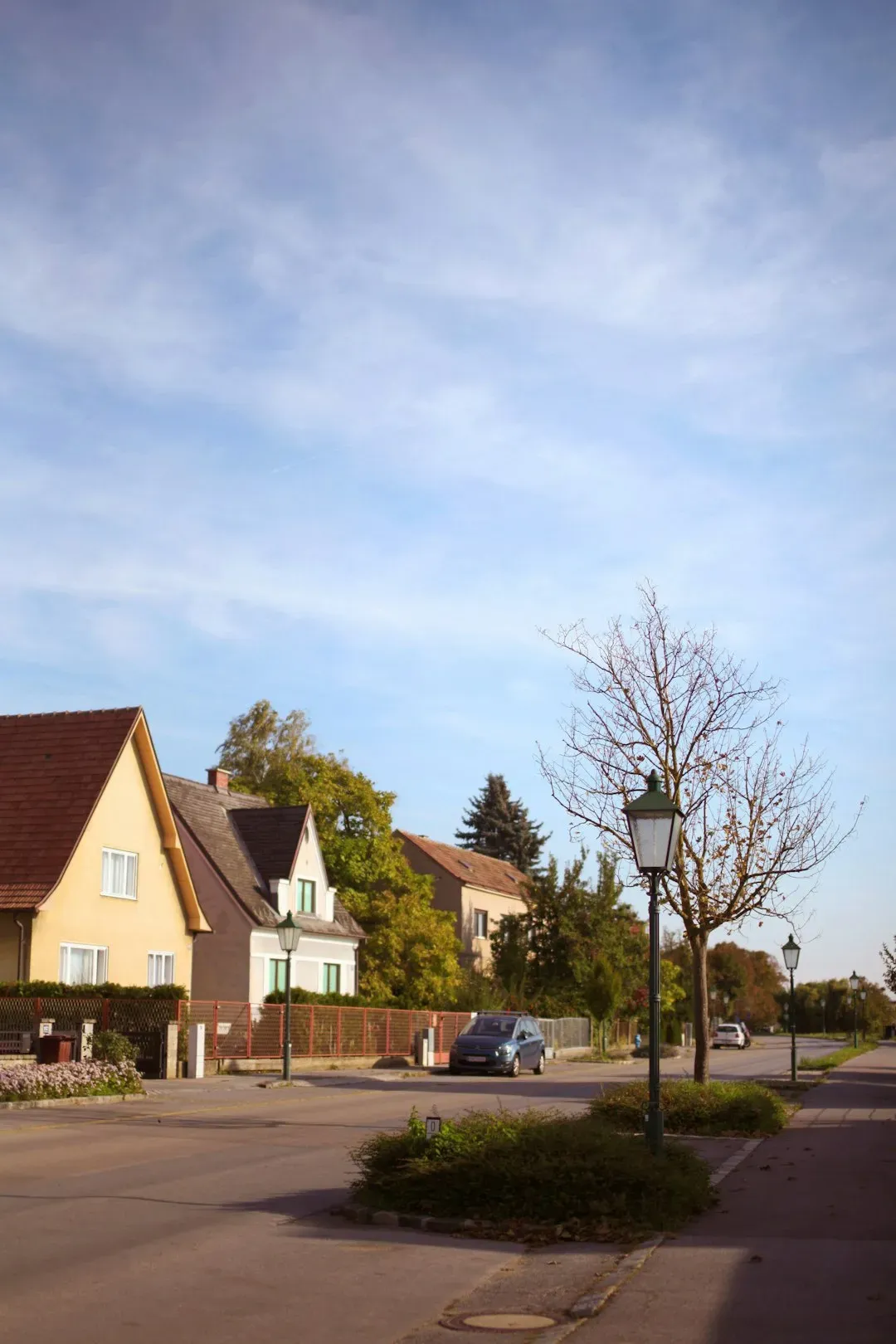
Moving to Henderson or Pahrump isn’t purely about escaping high costs. It’s about reclaiming a sense of normalcy. Pahrump offers space, slower pace, and a genuine small-town feel. Henderson provides suburban amenities, good schools, and less tourism-driven chaos.
Locals who’ve lived through decades of Las Vegas growth remember when the Strip catered to them too, when buffets were cheap and parking was free. That era is gone. The Strip now serves a global luxury market, and working-class locals have been priced out of the very neighborhood they helped build. Moving away isn’t defeat; it’s adaptation.
Looking Ahead: Will the Strip Ever Reconnect With Locals?


McIntosh noted that the LVCVA’s marketing team already has reacted to the downturn with an advertising and marketing campaign that began in late September. The “Fabulous Las Vegas” campaign, punctuated with an unprecedented five-day sale of hotel rooms, restaurants and attractions, featured a widely broadcast 60-second advertising message.
Some Strip properties briefly offered locals-friendly promotions and free parking windows in late 2025 when visitation dipped. Whether that goodwill lasts, or whether it’s just a temporary tactic to fill empty rooms, remains unclear. In the meantime, lifelong residents continue signing leases in Henderson or closing on modest ranch homes in Pahrump, voting with their feet and their wallets.
The Strip Tax isn’t going anywhere. Neither are the locals who’ve decided they’ve had enough. What do you think – does the shift away from the Strip signal a permanent change in Las Vegas living, or will casinos find a way to win locals back?
Partner offer
Planning a trip to Vegas?
Compare hotel rates and show tickets on VEGAS.com.