
Every artist has a list of things they swear they’ll never do. Skip the rehearsal. Release without a plan. Take the first deal on the table. Then the pressure mounts, the timeline slips, and suddenly that list gets forgotten. The music industry in 2026 is more navigable than ever in some ways – distribution is affordable, audiences are reachable, and tools that once cost a fortune are now free. Yet the same costly mistakes keep showing up, eating budgets and derailing careers that had real potential.
The frustrating part is that most of these mistakes look reasonable in the moment. They come dressed up as strategy. They get sold to artists by services promising results, by advisors with the right vocabulary, by the general noise of an industry that profits from artist confusion. After decades of working with developing artists, experienced industry insiders consistently observe that most early-career artists aren’t held back by talent – they’re held back by avoidable decisions, rushed timelines, and a lack of experienced guidance. Here are six of the costliest.
Buying Fake Streams to Build Perceived Credibility

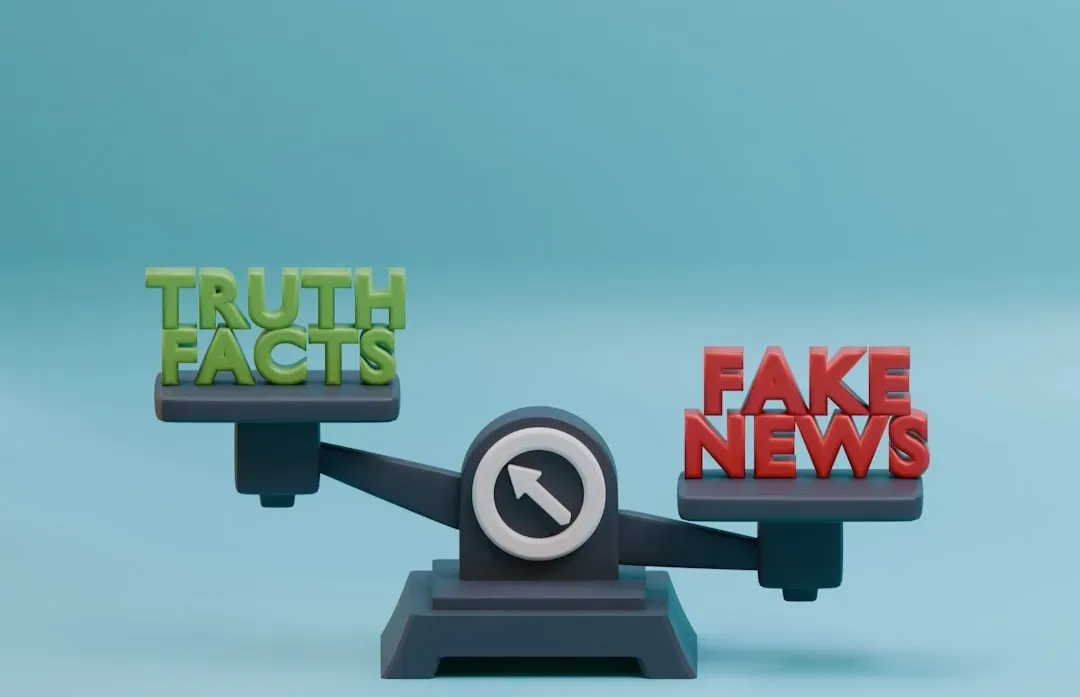
Seriously, never buy fake streams or followers. There are a lot of predatory sites and services that pretend to market music to real people but are actually purchasing fake streams, essentially scamming the artist who buys the service. If a service promises a specific amount of streams or followers, it’s most likely bots or a scam. The logic seems harmless enough – inflate the numbers, create social proof, attract real attention. It doesn’t work that way.
Spotify’s standard penalties for artificial streaming are clear: those artificially generated streams do not earn royalties, those streams are removed from public stream counts, and those streams do not positively influence recommendation algorithms. With those three penalties in place, artists who’ve paid for artificial streams have gained nothing. Worse, the damage to reputation may be the most brutal consequence. The music industry can feel huge, but it’s a small, tight-knit community where word travels fast. Once flagged for fake streams, that label sticks – artists may find themselves blacklisted by the very people who could build their careers.
Signing a 360 Deal Without a Music Lawyer in the Room


A 360 deal in music is a contract where a record label takes a percentage of an artist’s various revenue streams – music sales, touring, merchandising, and endorsements – in return for financial backing and promotional support. While artists gain industry resources and marketing, they risk reduced earnings and loss of autonomy. The appeal is real. So is the danger of signing one without understanding exactly what’s being given away.
Critics argue that 360 deals heavily favor labels at the expense of the artist’s autonomy. While labels provide resources, they often demand a significant share of earnings regardless of the artist’s success or creative control. Furthermore, with labels holding financial interests in multiple aspects of an artist’s career, some musicians feel creatively stifled. Many artists sign these deals when they’re starting out and excited about their first big break, but as their careers grow, they sometimes find the deal holding them back instead of helping them move forward.
Waiting Around for a Label to Discover You


Here’s how labels actually work now: there is no traditional A&R discovery and no artist development. They’re not going to find you at a bar playing to 20 people, love your song, and sign you. And if they do find you and love that one song, it’ll be because you already got millions of views on TikTok. The old mythology of the talent scout in the crowd is essentially gone. Holding out for that moment is a genuine waste of time.
Most successful independent artists in 2026 are the industry – publishing, licensing, contracts, and royalties are all part of their world now. The dream of being spotted by a label rep in the crowd is mostly fantasy, and today most musicians build their careers without any label at all. That only works, though, if an artist stops thinking like “just” an artist and starts thinking like an operator. The shift in mindset is the whole point. Waiting is a strategy, just not a useful one.
Pouring the Budget Into Production While Ignoring Marketing


Don’t fall into the trap of thinking the job ends once songs are mastered and ready for release. Many independent artists make the mistake of allocating their entire budget to music production, neglecting the essential aspect of marketing. To be successful in music, a significant portion of resources should be aimed at marketing strategies. A perfectly produced track sitting in silence helps no one. The release is the starting line, not the finish line.
Many musicians assume that if their music is good enough, success will naturally follow. Unfortunately, that’s rarely the case. The music industry is a business, and without understanding marketing, networking, and revenue streams, it’s a struggle to turn passion into a sustainable career. An artist could have the best music in the world, but without proper marketing, no one will ever hear it. Budget allocation isn’t a creative decision. It’s a strategic one, and skewing it entirely toward production is a predictably expensive mistake.
Paying for PR and Promotion Services That Guarantee Results

There are promoters, publicists, managers, agents, agencies, and consultants who will guarantee something. If they guarantee results, they’re usually scamming to some degree. These predatory “experts” dupe artists who’ve got big dreams – artists who think that if they just get some vanity metrics, the truth is that even successful press and promo usually doesn’t build a sustainable stepping stone. The promise sounds logical. Nice reviews, some radio play, a playlist feature. Then what?
You get some nice reviews, some radio plays, some playlist spots – and then what? Did that create traction? Did it sell concert tickets, move albums, drive streams long-term? Sadly, the answer is usually no. And if working with a predatory agency or promoter, it’s probably costing a fortune for zero results. The cleaner rule: avoid dishonest promo services entirely, and never pay for playlisting that promises guaranteed streams.
Ignoring the Business Side Until Something Goes Wrong


Understanding the basics of copyright, publishing rights, and how royalties flow through various systems means an artist can spot unfavorable contracts and protect their interests. Similarly, understanding business structures, tax implications, and basic accounting prevents costly mistakes and helps maximize the value of work. Many musicians lose thousands of dollars simply because they don’t understand what rights they’re signing away or how to properly collect money they’re owed. This one isn’t glamorous, but the cost of ignoring it is concrete.
Copyrights, publishing, release strategy, marketing, PRO registrations, contracts, splits, and budgeting are areas most artists either avoid entirely or only react to when something goes wrong. Music is a passion, but it’s also a business. Poor financial management can lead to significant problems down the line. Learning about budgeting, revenue streams, and investing in a career wisely matters – and overspending on unnecessary equipment or promotional tactics without a plan is a pattern that quietly drains careers. The artists who last are almost always the ones who understood the numbers as well as the music.