You walk through the door. The bartender doesn’t look up. The guy on the corner stool keeps his eyes on the game. Nobody asks your name. Welcome to the real Las Vegas – the one that doesn’t come with a hotel key card or a free breakfast buffet. Off the Strip, in a city that exports glitter by the ton, there’s a whole different world quietly drinking beer and minding its own business. And the locals? They can spot an outsider in about four seconds flat.
There’s an art to fitting in at a dive bar – and an equal art to totally blowing your cover. Whether you’re a first-time visitor or a seasoned traveler who still orders a frozen margarita at a cash-only joint, this is your unofficial field guide. Let’s dive in.
1. The Dressed-Too-Well Giveaway

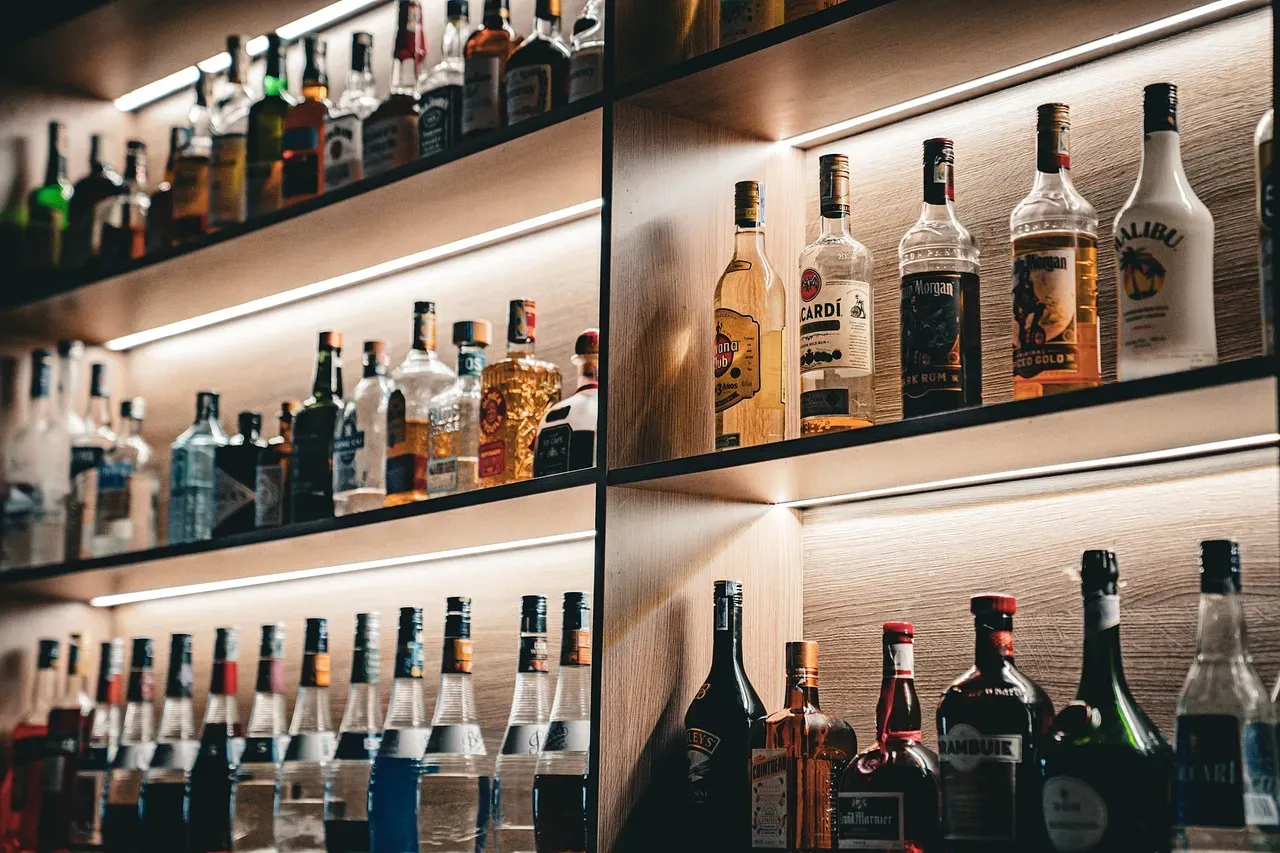
Here’s the thing about dive bar dress code: there isn’t one, except that you probably shouldn’t look like you just walked off the Vegas Strip. Drinking in a dive bar shouldn’t be complicated and it shouldn’t require a dress code or strict conduct. That’s the whole point. The problem is when someone walks in wearing resort wear or fresh sneakers that look like they were unboxed an hour ago – the regulars notice immediately.
A dive bar is typically a small, unglamorous, eclectic, old-style drinking establishment with inexpensive drinks, dim lighting, shabby or dated decor, neon beer signs, and local clientele. Coming in overdressed is like showing up to a backyard barbecue in a tuxedo. It’s not offensive, exactly. It’s just… obvious. Honestly, nothing telegraphs “tourist” faster than a freshly ironed shirt in a room where the lighting hasn’t been adjusted since 1987.
The golden rule is this: look comfortable, not curated. Worn jeans, an old tee, clean but casual shoes. Think “I’ve been here before” energy, even if you haven’t. That’s half the battle won before you open your mouth.
2. Ordering the Wrong Drink

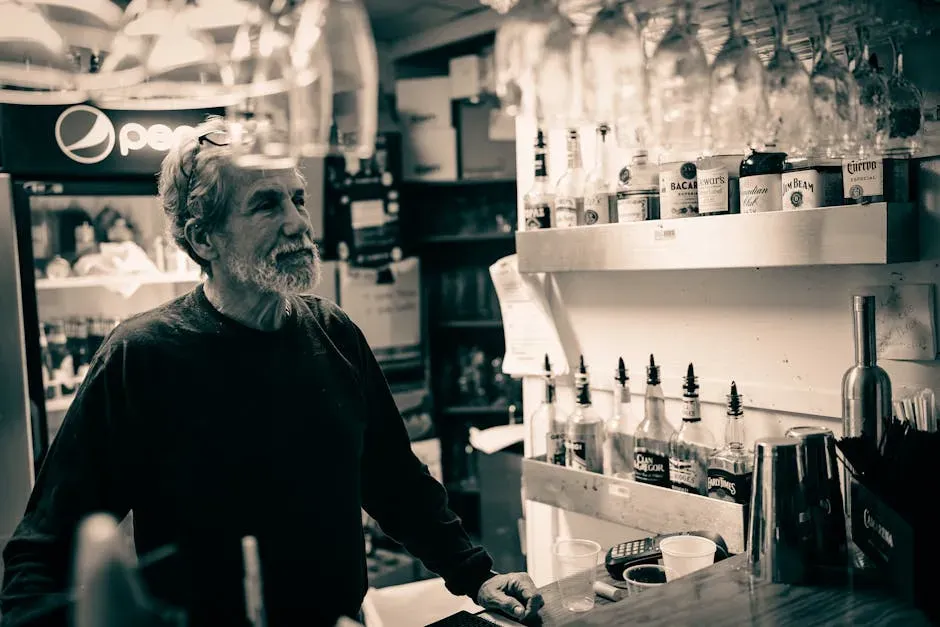
Nothing halts a conversation at the bar faster than someone asking a dive bartender to craft a twelve-dollar cocktail with three garnishes. While dives are popular post-shift haunts of the hospitality industry, most bartenders aren’t hanging out there for cocktails. Beer is the law of the land, often paired with a shot. If you’re drinking cocktails, they usually don’t stray from the simple spirit-plus-soda highball family.
A dive bar bartender in her natural habitat is catching up with regulars and cracking open domestic beers – not necessarily walking newbies through the bar offerings. They’re used to repeat orders and patrons who know what they want. Be good to your local dive bartender, read the handwritten menu, and opt for something they can easily serve. A Bud, a shot of whiskey, or whatever is on tap. Simple. Fast. Correct.
If you’re looking for a crafty cocktail for your Instagram story, a dive bar is most likely not the place to go. That statement is more of a public service announcement than a suggestion. Order simple, drink it, and you’ll blend right in.
3. The Cash Problem
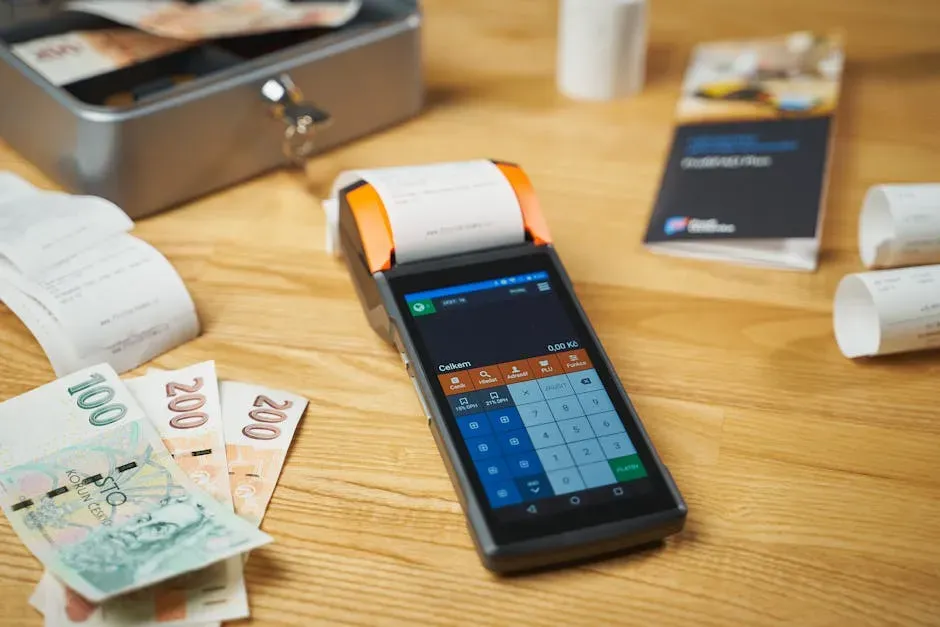
Pulling out your phone to tap-pay at a cash-only bar is one of the clearest markers of someone who’s never been here before. Transactions are typically cash-only, handled directly by the bartender and rarely involve computerized registers. This isn’t a tech problem – it’s a culture. Dive bars run on cash because they always have, and that’s part of the identity.
While cash payments are on the decline broadly, dive bars adhere to the old “cash is king” adage. Locals know to come prepared. They arrive with folded bills in their pocket, not a digital wallet and a confused look on their face. The accepted standard is a dollar a beer. If you’re heading out to a bar, ensure you have a pocketful of dollar bills. Order and pay for your drink and leave a dollar bill on the bar for the bartender.
It sounds old-fashioned, and maybe it is. But that’s actually the point. Come with cash, save yourself the awkward moment, and you’ve already passed one major test. Small unmarked bills beat contactless payments every single time in these rooms.
4. The Tipping Tell

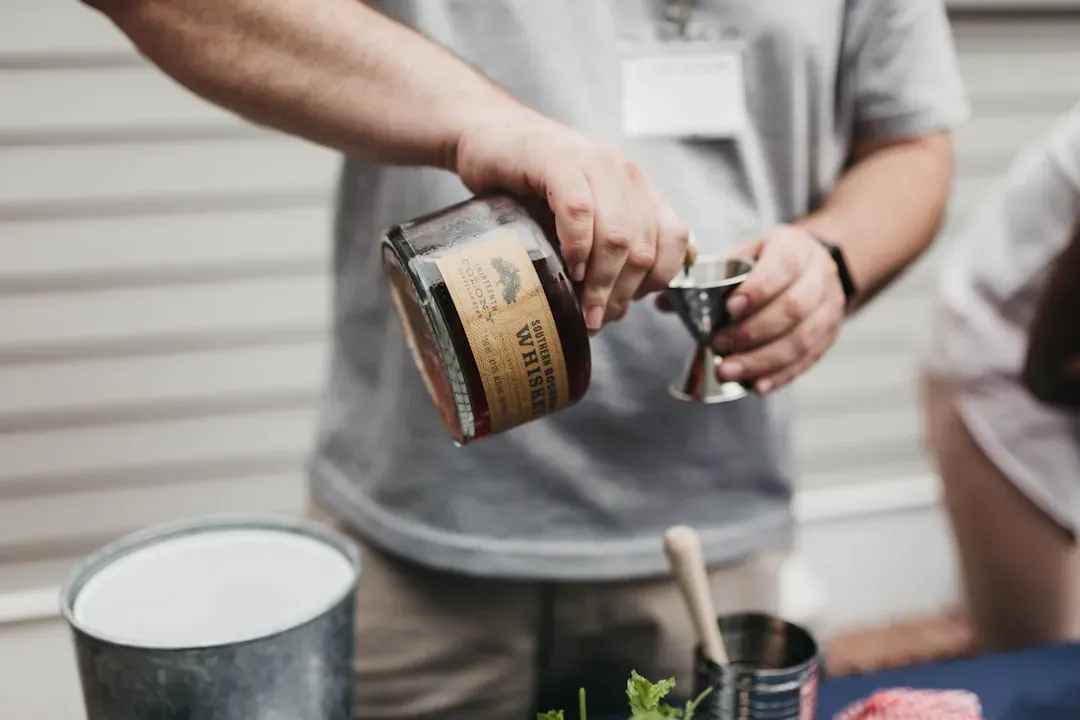
Tipping behavior is one of the most reliable tourist detectors behind any bar counter. Locals get it instinctively. Visitors, especially international ones, often genuinely don’t know the rules. Among those buying a drink at a bar, roughly seven out of ten Americans say they always or often tip. That means a significant slice of people in any given bar aren’t tipping consistently – and bartenders absolutely notice who those people are.
Servers and bartenders receive a federal minimum direct wage of $2.13 per hour, supplemented by tips to meet the overall federal minimum wage. That context is everything. When you don’t tip at a dive bar, you’re not just being cheap. You’re signaling you don’t understand how the economics of the room work. And that’s a tourist move, plain and simple.
Service workers in America will interpret tipping behavior through an American cultural lens, not based on the customs of a visitor’s home country. American tipping practices differ significantly from those in other countries, creating potential confusion for international travelers. Tip a dollar a round at minimum. Tip more if you’re sitting at the bar and chatting up the bartender. That’s how regulars are made.
5. Not Knowing the Room
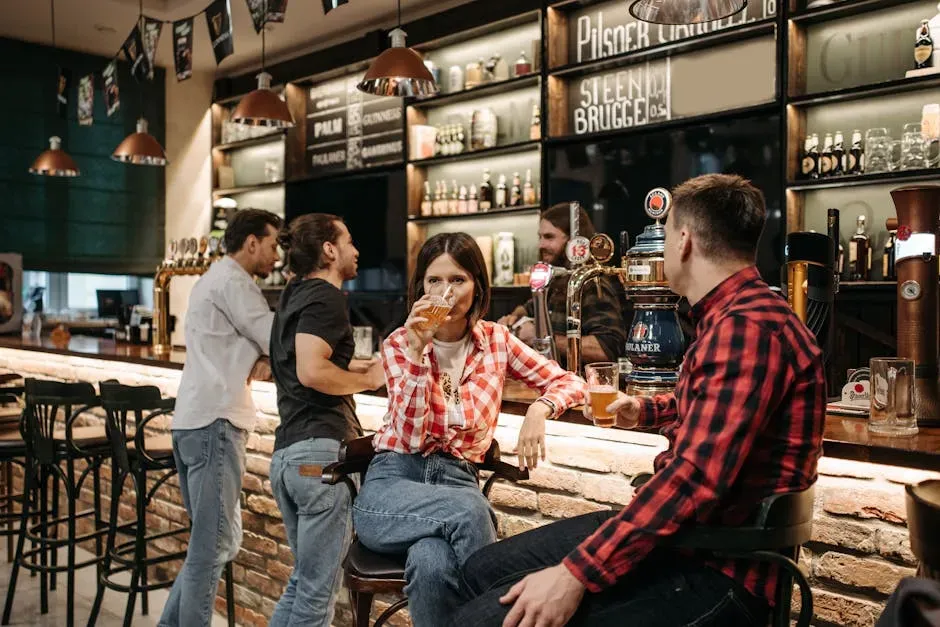
A local walks in and already knows the unwritten geography of the space. Who sits where. Which stool belongs to somebody who has been coming here since before you were born. A stable local clientele who know each other and the bartender set the tone. Newcomers are tolerated but are not the center of attention. The sooner you accept that you are not the main character in this bar, the better you’ll do.
Observing first, then ordering – standing near the bar and watching how the bartender and patrons interact before committing to a seat or tab – is actually solid advice. Locals do this naturally without even thinking about it. They read the vibe, find their spot, and settle in quietly. Tourists tend to walk in loudly, scan the room for a booth, and start loudly discussing whether they should stay or go somewhere else. Big mistake.
Across all dive bars studied, one theme emerged clearly: respect and community are paramount. Dive bar patrons thrive on mutual understanding and a shared love for the unpolished charm of these local gems. Translation: if you come in humble and quiet, you’ll be welcomed. If you come in like you own the place, you’ll be quietly tolerated until you leave.
6. The Jukebox Blunder
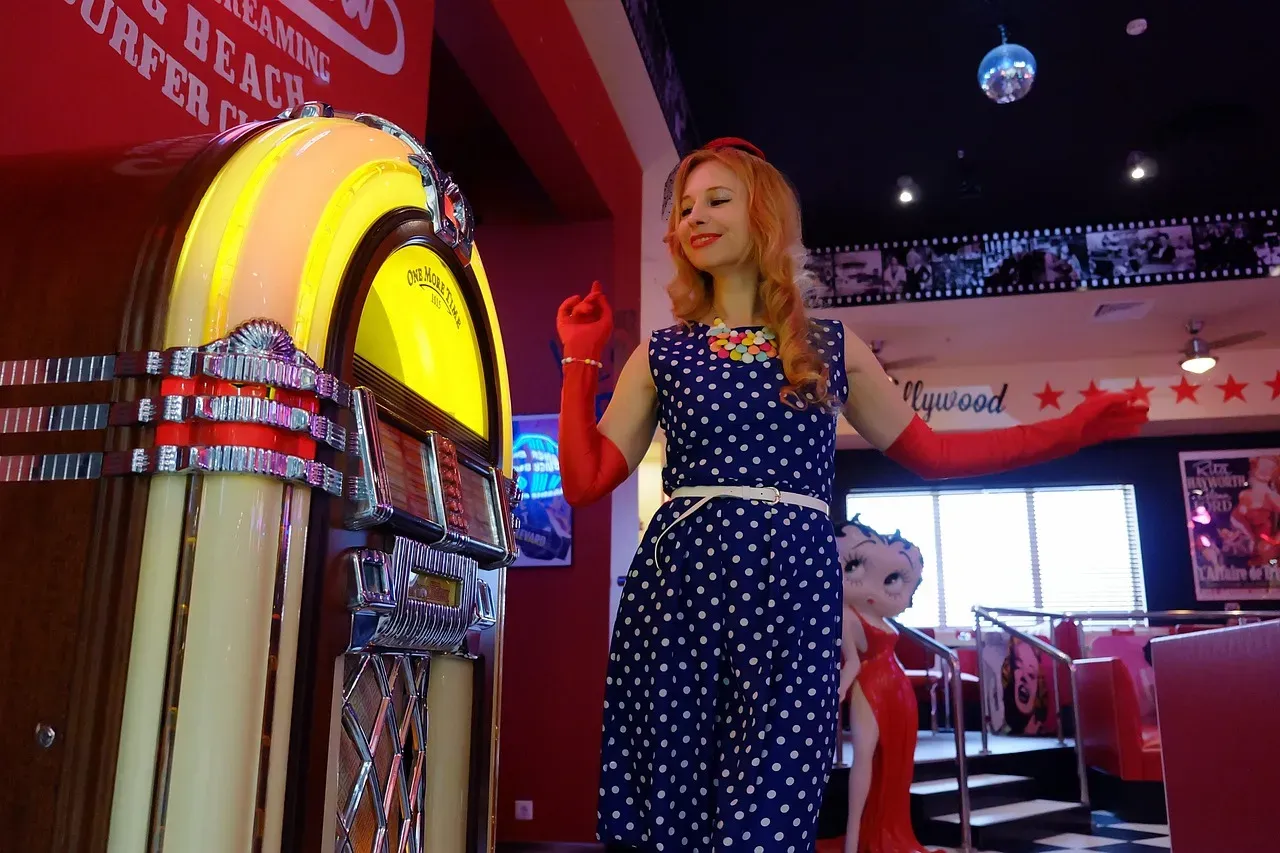
I’ll be honest – nothing in a dive bar creates more silent tension than a tourist messing with the jukebox. The jukebox at a locals’ bar is sacred territory. People have opinions about it. Regulars have their songs. The vibe of a dive bar encompasses the music, which is likely subject to the whims of bartenders and locals. Walking up and queuing ten pop tracks back-to-back is a declaration of war that nobody will acknowledge out loud – but everyone will remember.
These are places where the neon lights might flicker, the jukebox spins familiar favorites, and the bartender knows your order. There’s a reason certain songs get played on repeat. They belong to the room. They carry memories that have nothing to do with you. If the bar has a TouchTunes digital music system, it’s probably not an authentic dive bar anyway – but even that is up for debate.
The safest move? Let the music play as it is for a while. Watch what the regulars pick. Then, if you absolutely must, pick something that fits the room’s energy rather than what’s on your personal playlist. Matching the vibe is a skill. Tourists rarely bring it.
7. The Off-Strip Landscape: Where the Real Vegas Hides

Las Vegas has a secret that most tourists never discover. Drinking on the Strip is a rite of passage for many first-time visitors to Las Vegas, involving dressing up, waiting in long lines and paying lots of money for cocktails. But it doesn’t have to be this way – a better approach is to drink at bars located off the Strip. The arts district, Fremont East, Chinatown – these are the neighborhoods where actual Las Vegans spend their nights.
From the accelerating maturation of the Arts District to Carson Avenue’s slow recovery from prolonged construction, these pockets of activity reveal how off-Strip dining and drinking continue to evolve – often in ways that feel more grounded and more local than anything happening on Las Vegas Boulevard. In 2025 and into 2026, this trend has only accelerated. Off-Strip venues deliver a more intimate and community-driven atmosphere than their Strip counterparts, with local ambiance that favors neighborhood loyalty over tourist traffic.
Off-Strip spots are favored by Las Vegas locals and are definitely worth exploring on your next visit. The Sand Dollar Lounge in Chinatown, for instance, is a place where local and touring acts take the stage, having hosted legends like Muddy Waters and B.B. King. That’s not a tourist bar. That’s a neighborhood institution. Showing up with a selfie stick puts you in a different category entirely.
8. Atomic Liquors and the Legend of Las Vegas Dive Culture
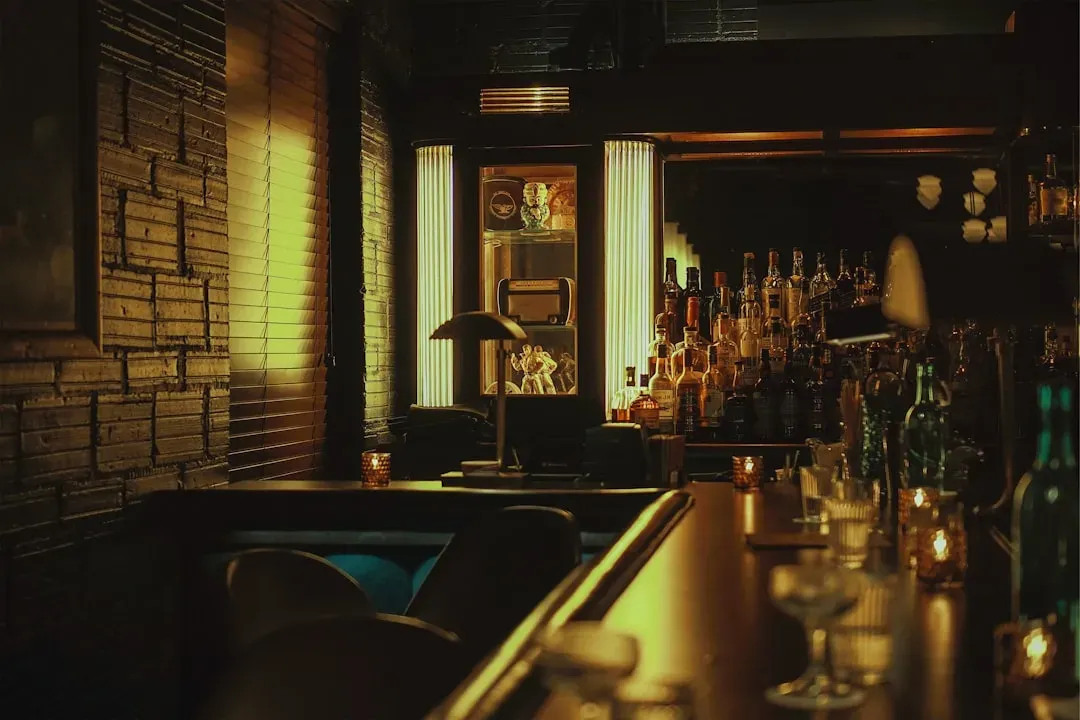
If there’s one bar in Las Vegas that perfectly illustrates the tension between local identity and tourist curiosity, it’s Atomic Liquors. The oldest freestanding bar in Las Vegas, Atomic Liquors was opened first in 1945 as a restaurant before conversion into a bar in 1952. By buying the city’s newly minted tavern license, Atomic Liquors became the first non-hotel, non-casino drinking destination in Las Vegas. That’s not just history. That’s bragging rights.
In its heyday, Atomic had a local, working class clientele that was bolstered by regular visits from celebrities looking to avoid the attention they attracted on the Strip or downtown. The likes of the Rat Pack, Barbara Streisand, the Smothers Brothers, and Clint Eastwood could be seen enjoying their favorite beverage and playing a friendly game of pool after their shows. The allure of the off-Strip dive bar has been pulling in the famous and the unfamous alike for over seven decades.
Atomic opened in 1952, and the bones of the place still carry that era – because when locals and new ownership brought it back in 2012, they didn’t modernize the soul out of it. They preserved the dive-bar heartbeat on purpose. That deliberate preservation is a reminder of what makes a real dive bar worth protecting in the first place – its irreplaceable, stubbornly human character.
9. Volume, Energy, and the Tourist Frequency
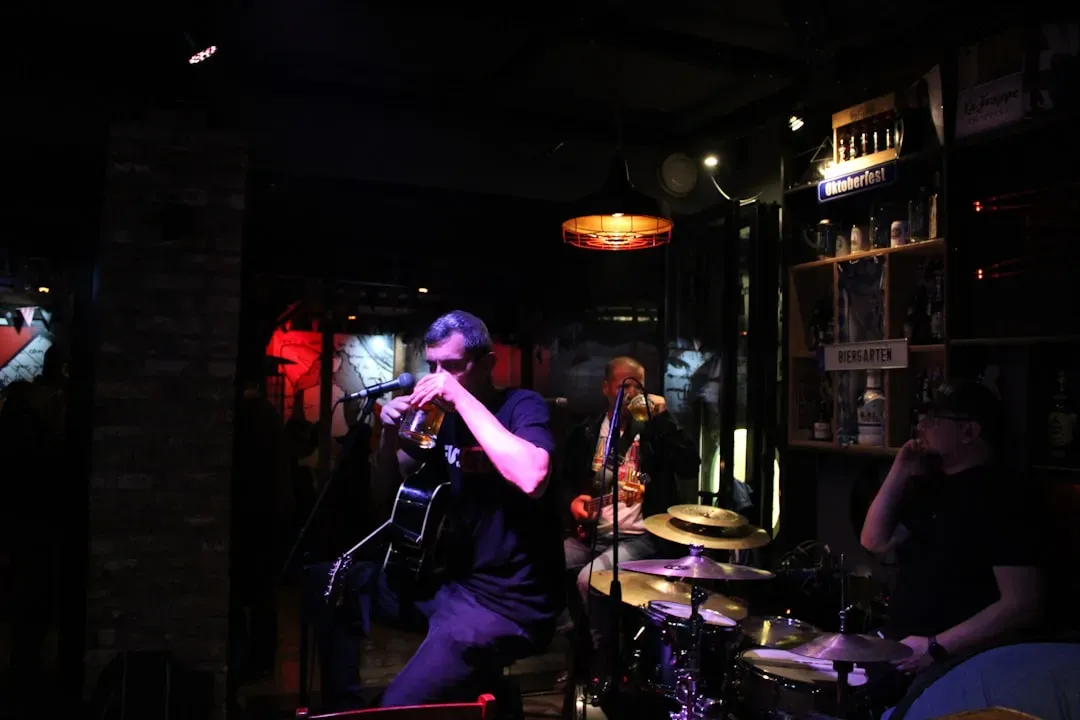
There is a volume dial in every dive bar. Locals instinctively keep it at a certain level. Tourists blow it out. The telltale sign isn’t just noise – it’s the specific kind of noise. Loud introductions, group selfies, people narrating their experience to friends back home via video call. Bartenders run the room, remember orders, and enforce norms; service tends to be brisk and matter-of-fact rather than polished. These bars are characterized by independent ownership, absence of branded chain decor, no dress code, and minimal marketing.
The energy of a real locals’ bar is low and warm, like an old lamp in the corner of a room. It isn’t cold. It isn’t hostile. It’s just… settled. More than mere stopovers for a cheap drink, these spots serve as retreats from the hustle of daily life, offering unfiltered conversations, quirky charm, and an unbreakable sense of community. Coming in with high tourist energy – excitable, performative, disruptive – is like turning that lamp into a strobe light. Nobody asked for that.
It’s hard to say for sure whether tourists are consciously loud or just excited. Probably a mix of both. Either way, matching the room’s energy level is one of the most underrated social skills, and locals have it mastered in their neighborhood bar the way you know the noise level in your own kitchen.
10. The Real Etiquette: How to Earn the Nod


Here’s what nobody tells you: dive bars aren’t actually hostile to outsiders. They’re just loyal to insiders first. Once considered a pejorative term, “dive bar” has more recently become a badge of distinction from patrons who seek authenticity in such establishments. The entire culture has evolved from stigma to pride, and with that comes a set of unwritten rules that are surprisingly easy to follow if you’re paying attention.
Despite the chipped linoleum and anything-goes reputation, there is a certain decorum to tying one on at a seemingly lawless establishment. Flouting the rules, both spoken and otherwise, will undoubtedly get you floating out the door and onto the pavement. The rules aren’t posted on the wall. They live in the behavior of everyone who has been coming here for years. Watch, listen, order simply, tip well, and keep your voice at a reasonable level.
A local dive bar isn’t just any bar; its culture develops a sense of community and family. That community wasn’t built overnight, and it doesn’t open its doors to just anyone on the first visit. Earn the nod from the bartender, leave a good tip, come back a second time – and suddenly you’re less of a tourist and more of a person. That’s the whole game. And honestly, it’s not that hard to play.
Conclusion: The Dive Bar Is a Mirror

The off-Strip dive bar in Las Vegas isn’t just a place to get a cheap beer. It’s a living, breathing artifact of what a city actually is when the neon fades and the show ends for the night. Off-Strip venues deliver local authenticity, eclectic comfort food, craft cocktails, and an immersive experience that appeals to both residents and visitors seeking genuine neighborhood character. That authenticity is the whole point – and it’s worth protecting.
Getting spotted as a tourist isn’t a tragedy. Everyone starts somewhere. The bartenders have seen it all, and most of them don’t mind a respectful newcomer. The difference between a tourist who’s welcomed back and one who’s quietly tolerated is surprisingly thin: it’s mostly about paying attention, staying humble, and tipping in cash.
The dive bar will outlast every trend, every bottle service moment, every Instagram cocktail bar that opens and closes within eighteen months. It always has. So the real question isn’t whether you can spot a tourist in a locals’ bar. It’s whether you’re willing to stop being one. What do you think – have you ever accidentally given yourself away in a room like this?