Every so often a band shows up, drops a single album that rearranges the furniture of popular music, and then simply walks away. No slow fade, no disappointing sophomore slump, no awkward late-career reunion tour playing half-empty theaters. Just one record, a flash of attention, and silence. These are the acts that never got the chance (or never wanted the chance) to prove they could do it twice, and that scarcity is exactly why their single album still gets talked about decades later.
Sex Pistols and the Album That Blew Up Everything
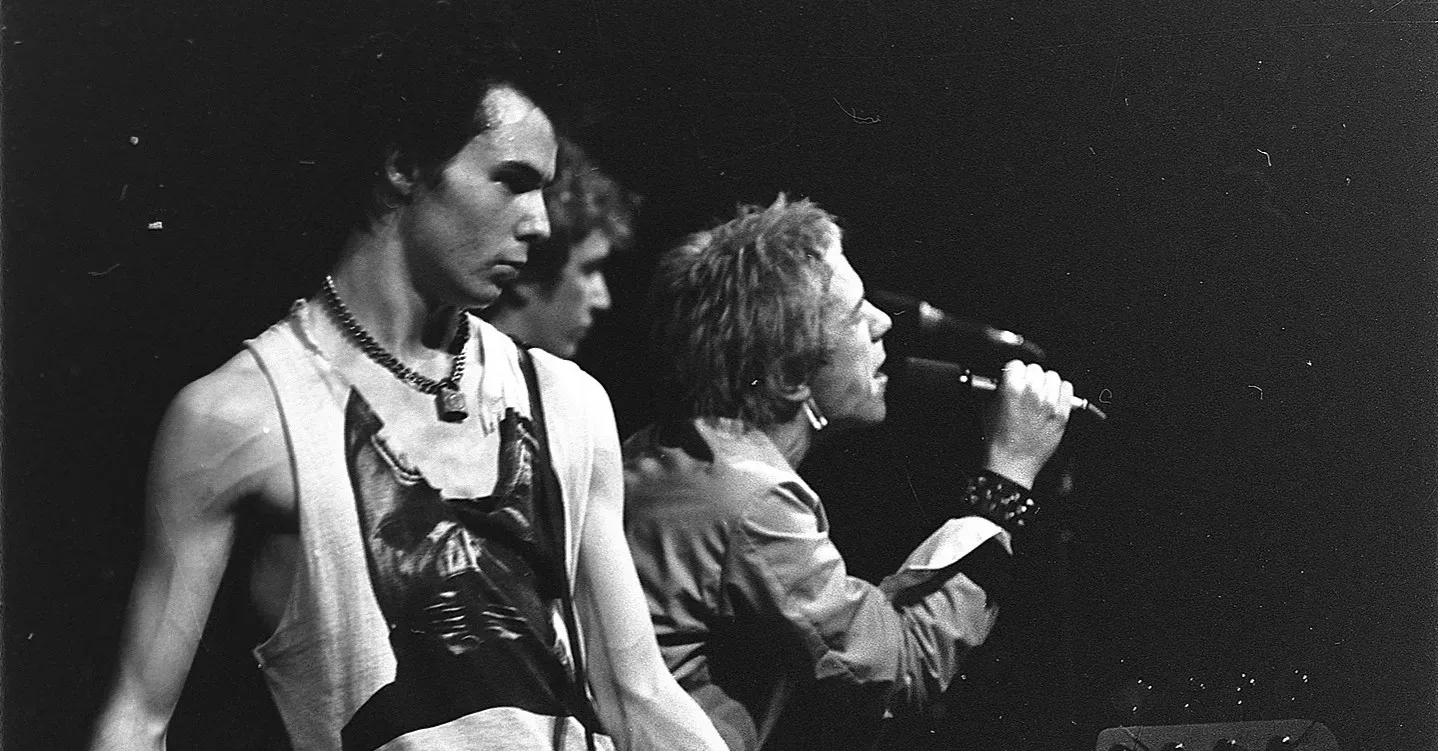
The Sex Pistols are the textbook case, the band people mention first whenever this topic comes up. Sex Pistols are often described as the most famous one-album wonder in music history. Their sole studio release, Never Mind the Bollocks, Here’s the Sex Pistols, landed in 1977 and turned British punk into a genuine cultural event rather than a curiosity.
They never got around to a second one. When the Sex Pistols broke up after their first North American tour in early 1978, after releasing just a single studio album, few people were surprised. The band was simply too combustible to survive its own momentum, and that implosion is now as much a part of the legend as the music itself.
The La’s and a Debut That Took Years to Finish
The La’s are a strange case because their one album almost didn’t happen at all. The band spent two years recording their self-titled debut against a constantly shifting lineup, and by the time it was finally released in 1990, only Lee Mavers and Mike Badger remained from the original group. The record still produced “There She Goes,” a song that outlived the band by decades.
Once it was out, momentum simply stopped. The La’s went on an extended hiatus starting in 1992, reuniting only occasionally for shows like the 2005 Glastonbury Festival, and their entire recorded output remains that single album. Mavers reportedly disliked the finished record and has talked for years about remaking it, but no follow-up has ever materialized.
New Radicals Walked Away From Their Own Hit

New Radicals are unusual on this list because the band did not fall apart from drugs, lawsuits, or bad blood. Maybe You’ve Been Brainwashed Too was their only studio album, released in October 1998, and it was also their only album release before the group disbanded in 1999. The single “You Get What You Give” became a genuine global hit, reaching the top of the charts in Canada and New Zealand.
Frontman Gregg Alexander made the call himself. The pop-rock band was together for barely two years in the late 1990s, released its only album that fall, and had already broken up before the second single, “Someday We’ll Know,” even came out in 1999. Alexander later became a hugely successful songwriter and producer working behind the scenes for other artists, which suggests the walk away was less a collapse than a deliberate exit.
Milli Vanilli and the Album That Vanished Overnight
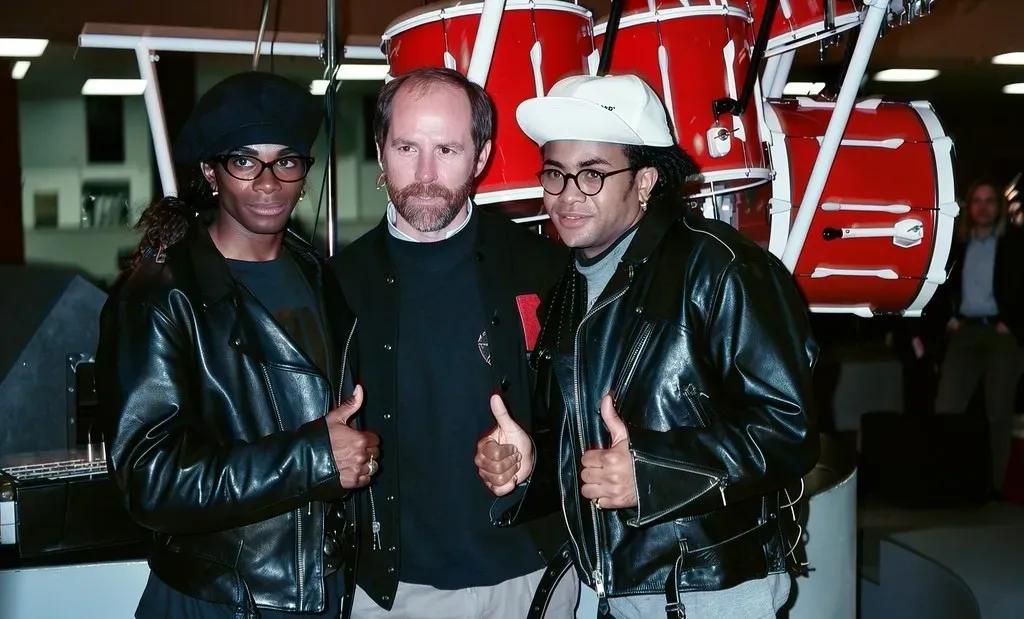
Milli Vanilli’s story belongs on this list for a different reason entirely. Their debut, Girl You Know It’s True, was a genuine commercial juggernaut before it became a punchline. The album spent eight weeks at number one on the Billboard 200, produced three number-one singles, and won the duo the Grammy for Best New Artist in 1990.
Then the whole thing came apart at once. Frank Farian fired the pair and publicly admitted they had not sung a single note on their own record. The fallout was immediate and total, and the album itself was effectively erased from the catalog, making it one of the rare cases where a smash hit record disappeared almost as fast as it arrived.
Death From Above 1979’s First Life Ended in One Record

Death From Above 1979 is a slightly more complicated entry, since the duo eventually returned years later. But their original run fits the theme precisely. Jesse F. Keeler and Sebastien Grainger formed the Toronto duo in 2001, released their debut album You’re a Woman, I’m a Machine in 2004, and broke up in 2006.
The breakup announcement was notably calm for a band known for loud music. Bassist Jesse Keeler wrote on the band’s website that they had decided to stop doing the band nearly a year earlier, explaining that he and Grainger had grown apart to the point where they barely spoke outside of shows and interviews. They stayed silent for half a decade before reforming with new material, which only reinforces how completely they vanished the first time around.
Blind Faith Proved a Supergroup Could Peak and Quit Fast

Blind Faith is the classic supergroup cautionary tale. Eric Clapton, Ginger Baker, Steve Winwood, and Ric Grech formed the band in 1969 but split after just a few months, having produced only one album and completed a brief tour. Given the pedigree involved, expectations were enormous before a single note had even been recorded.
The album topped the charts almost immediately, yet the band could barely support its own success. Their self-titled debut hit number one on release, their first gig drew a hundred thousand people to London’s Hyde Park, and Clapton was reportedly disillusioned with the project from the very start. After a short American tour, they simply decided to disband, leaving one album as their entire legacy.
Derek and the Dominos Left Behind a Classic and Nothing Else
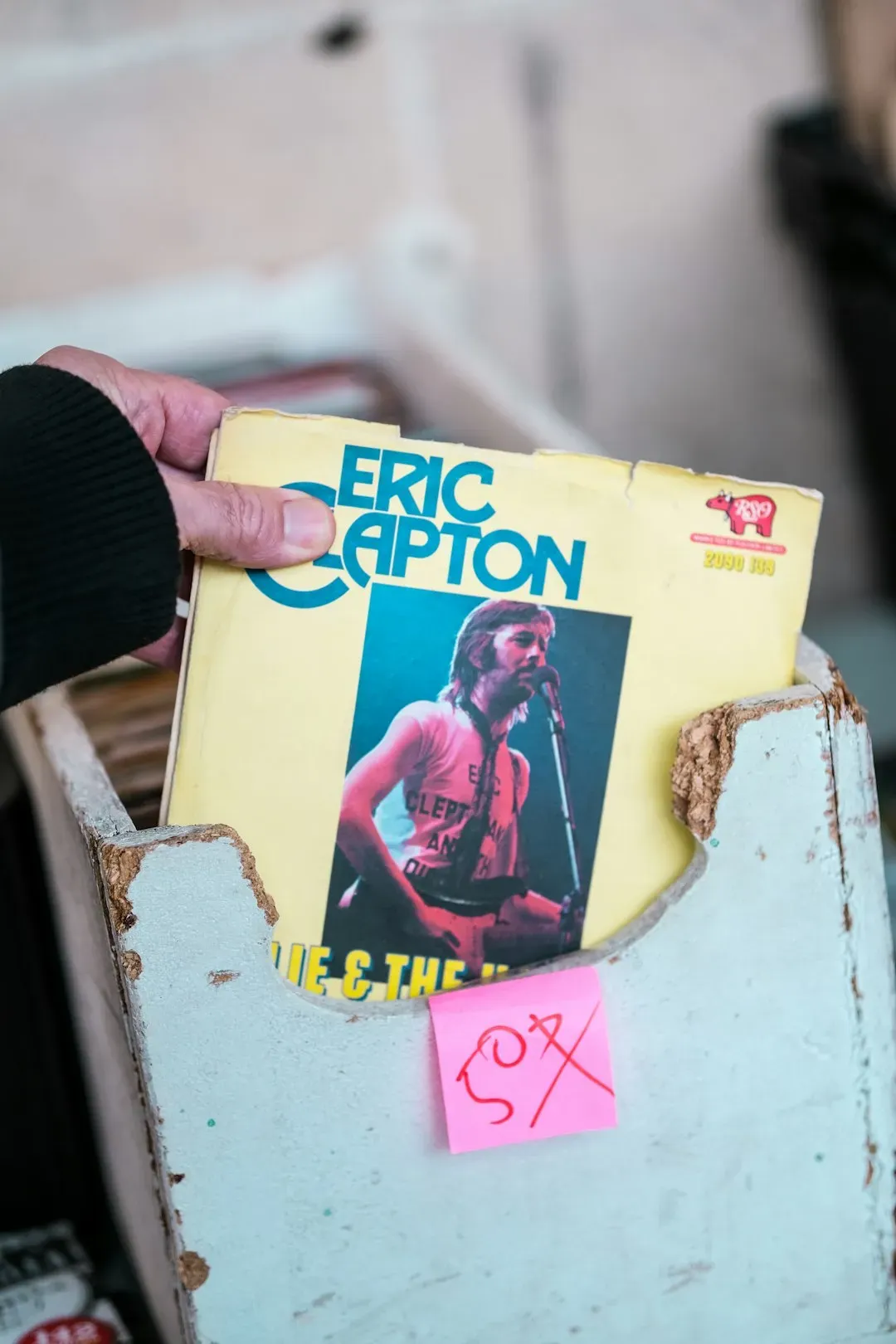
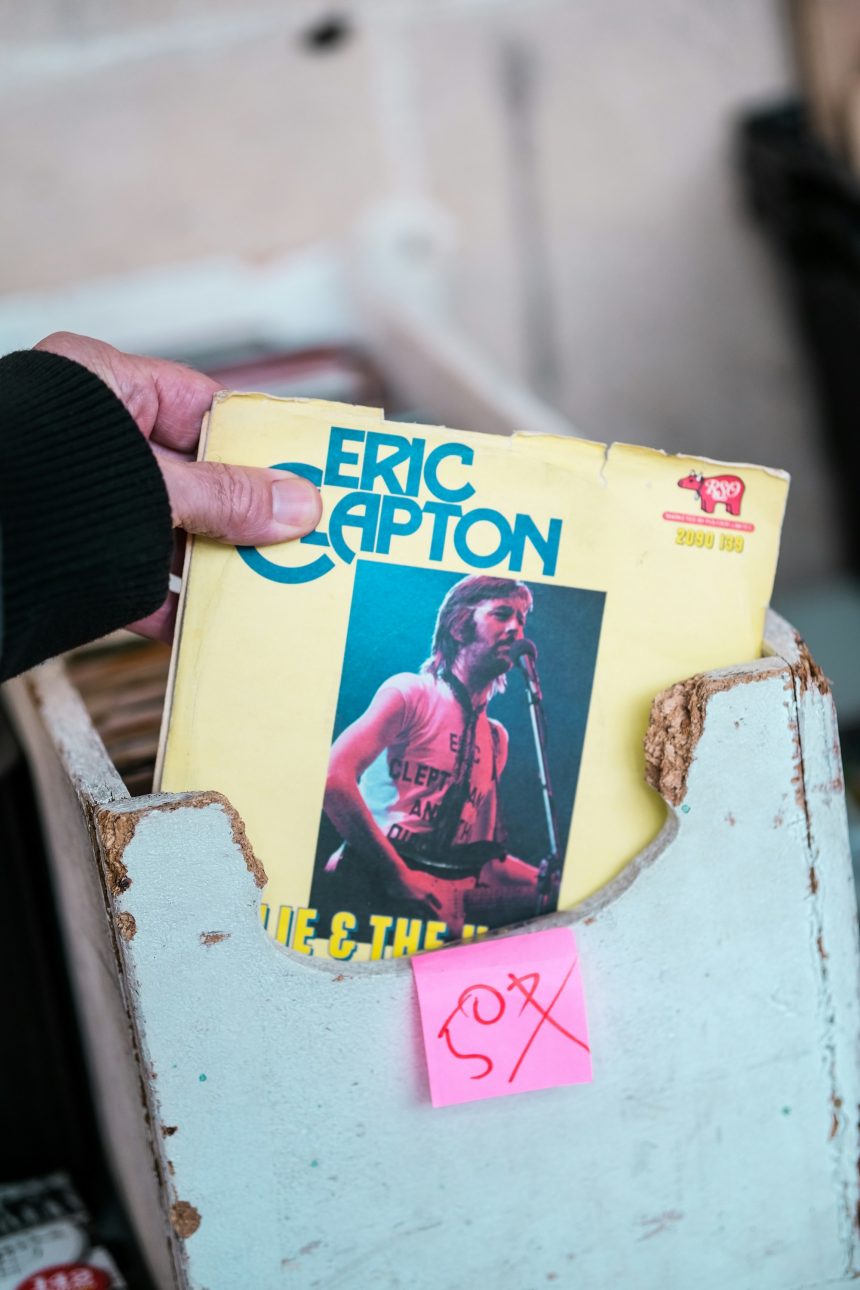
Eric Clapton shows up twice on lists like this, and his other one-album act tells an even sadder story. Derek and the Dominos was another short-lived Clapton project, and despite its brief existence, the band released one landmark album before breaking up, the 1970 record Layla and Other Assorted Love Songs. The title track alone has become one of rock’s most enduring songs.
The end came before a second album could even be finished. The band fell apart during recording sessions and touring, largely because of the heroin addiction affecting its members, and disbanded in 1971 just before completing work on a follow-up record. Drummer Jim Gordon’s later struggles with mental illness only added a darker layer to a story that already ended abruptly.
The Postal Service Never Needed a Second Album

The Postal Service is proof that sometimes a band skips the second album on purpose rather than out of necessity. Give Up, released February 19, 2003 through Sub Pop, was the only studio album by Ben Gibbard and Jimmy Tamborello’s electronic side project, born from a long-distance collaboration between Seattle and Los Angeles.
The record quietly became one of the label’s biggest sellers ever, yet the pair never returned to make another. The Postal Service, consisting of Gibbard, Tamborello, and Jenny Lewis on background vocals, released their sole studio album to mostly positive reviews before the group decided to disband two years later, viewing a follow-up as unnecessary. They reunited briefly for anniversary tours in 2013 and 2023, but the music itself stayed frozen at one album.
Temple of the Dog Turned Tragedy Into a One-Time Tribute

Temple of the Dog began not as a career move but as an act of mourning. Chris Cornell assembled musicians from Soundgarden and the soon-to-form Pearl Jam to honor his late friend Andrew Wood of Mother Love Bone, and the resulting 1991 album became a cult favorite almost by accident.
Like several other supergroup one-offs, the project was never designed to continue. Temple of the Dog is counted among the all-star assemblies, alongside acts like Them Crooked Vultures and Beck, Bogert and Appice, that moved on after releasing just a single record. The members went back to their main bands almost immediately, and though they’ve reunited for occasional tribute shows since, no second Temple of the Dog album has ever followed.
What These Nine Stories Actually Have in Common