The music business loves a good campaign. A viral clip, a mysterious countdown, a hologram that makes headlines for weeks. But every so often, a label’s big idea backfires so badly that it becomes the story instead of the music.
Some of these missteps cost real money in refunds, lawsuits, and settlements. Others cost something harder to measure: trust, credibility, and the goodwill of the very fans labels depend on. Here are eight cases where marketing ambition collided with reality, and the bill came due.
1. Capitol Records and the FN Meka Collapse

FN Meka was a virtual rapper that went viral in August of 2022 as Capitol Records signed the fake rapper, claiming that he was created by AI. The label leaned hard into the novelty angle, treating an algorithm-driven avatar as a genuine signing worth promoting. It did not go well.
This was a regrettable move by Capitol Records, as he was dropped from the label after only nine days due to immense backlash regarding the content of the rapper’s songs and the marketing of him as AI. The issue was exacerbated by FN Meka’s constant use of the n-word and rapping about police brutality and gang activity, which came off as an appropriation of black trauma and hip-hop culture. It later emerged that the character was not even genuinely AI generated, which only deepened the embarrassment for the label’s marketing team.
2. Arista Records and the Milli Vanilli Lip Sync Scandal
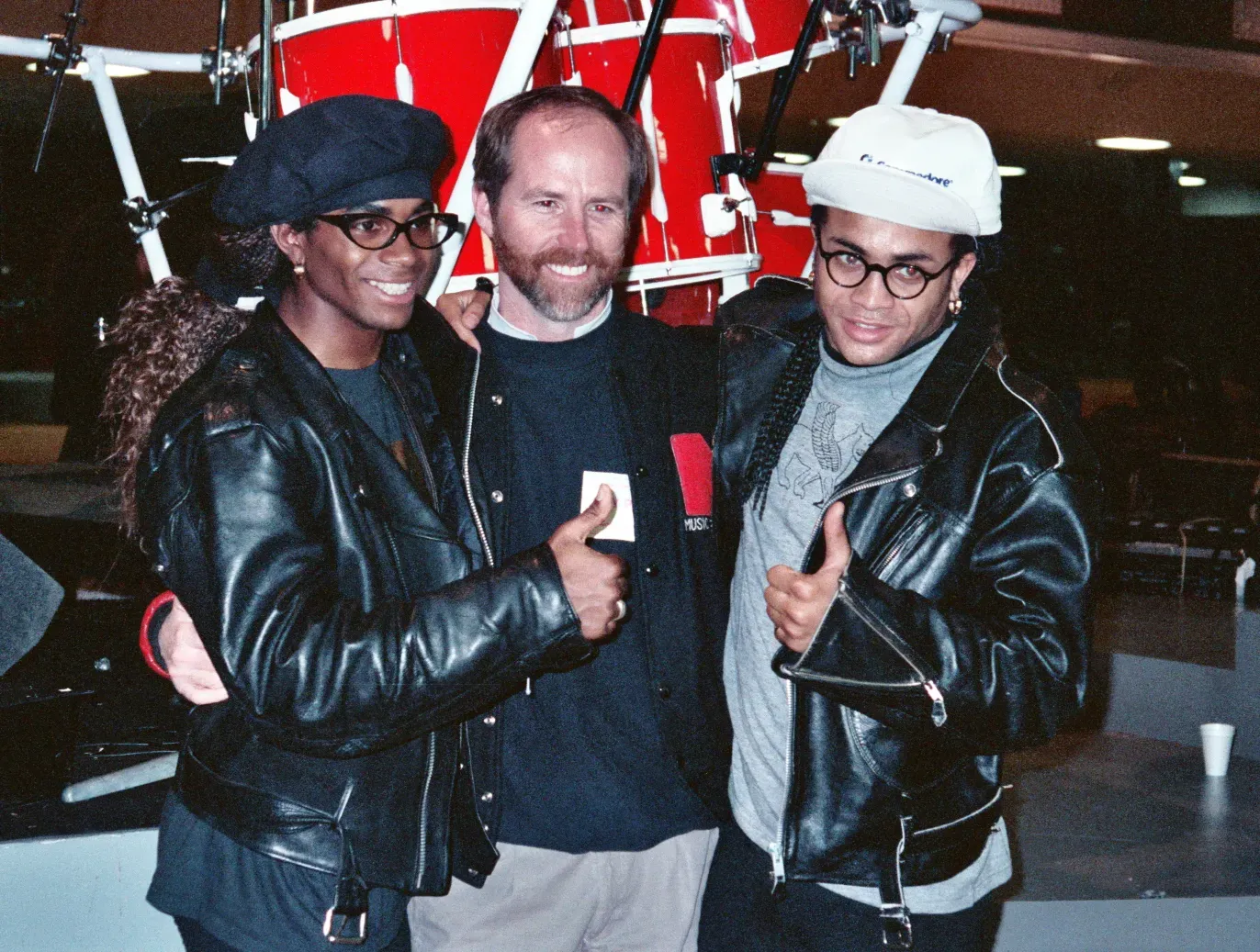
Few music marketing disasters are as widely remembered as Milli Vanilli. Arista Records built an entire pop act around two performers who, it turned out, had not actually sung on their own record. Once the truth surfaced in 1990, the fallout was swift and expensive.
The Grammy Award for Best New Artist was revoked, retailers offered refunds to buyers who felt deceived, and the label faced class action lawsuits from consumers. The financial hit came less from any single lawsuit and more from the collapse of an entire promotional identity built on a lie. It remains one of the clearest lessons in the industry about what happens when marketing outruns the truth behind the product.
3. The Payola Settlements That Cost Labels Tens of Millions

In the mid-2000s, investigations by New York’s attorney general uncovered that major labels were paying radio programmers, sometimes with cash, trips, or electronics, to get airplay for their artists. This was not a single rogue employee acting alone; it was a marketing practice baked into how records got promoted to radio.
Sony BMG, Warner Music Group, and Universal Music Group each reached multimillion dollar settlements with regulators rather than fight the allegations in court. The combined penalties across the major labels topped tens of millions of dollars, and the scandal forced a public reckoning with how promotional budgets were actually being spent. It also permanently damaged the credibility of radio airplay as an “organic” signal of a song’s popularity.
4. Universal Music Group’s TikTok Catalog Pullout

The first blows were in the press: UMG accused TikTok of trying to build a music-based business without paying fair value for the music, and of being a bully; TikTok’s response labeled UMG’s take a false narrative, saying the label group has put their own greed above the interests of their artists and songwriters. The dispute was framed by UMG as a negotiating stance over royalty rates, but it also functioned as a marketing gamble, betting that artists could survive without one of their biggest discovery platforms.
The war of words was extensive and brutal, and the fallout was just as extensive. Songs from UMG artists vanished from a platform where a huge share of music discovery now happens, and independent musicians and creators scrambled to fill the gap. The standoff eventually ended in a new licensing deal, but for months it cost the label visibility and goodwill among artists who felt caught in the crossfire of a corporate dispute.
Partner offer
5. Capitol and Astralwerks’ Viral TikTok Ultimatum to Halsey
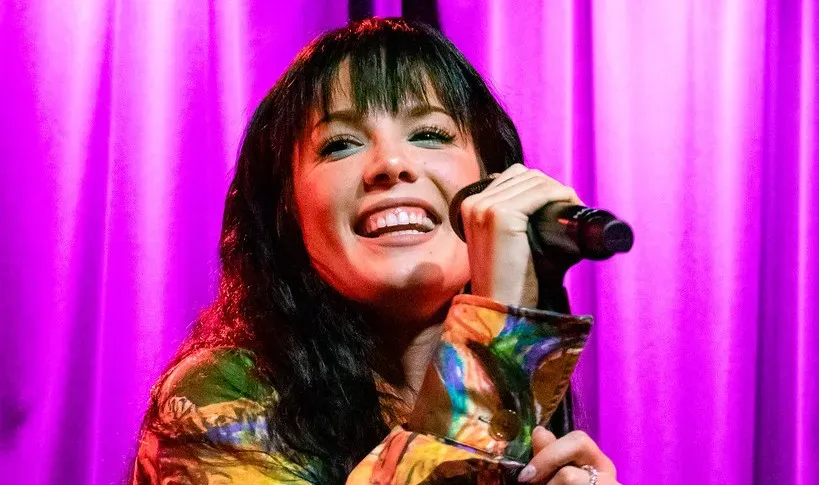
Halsey accused their label of withholding music until they could score a viral moment on TikTok, taking to the platform to share the news with fans. The singer had been signed to Capitol Records since 2018 and Astralwerks since 2014. This was not a small artist making noise. It was a musician with a massive following calling out the exact mechanics of a marketing strategy in real time.
Halsey pointed to their eight years in the industry, 165 million records sold, and three Grammy nominations while claiming their record label refused to release a new song until they were able to fake a viral moment on the app. The clarification that followed noted it was not the directive to make TikToks that upset them but the vague instructions to post six videos that needed to hit an imaginary goalpost of views before the label would decide on a release date. The episode exposed to millions of casual observers just how mechanical and demanding viral marketing quotas had become, and it did lasting damage to the perception that labels were partners rather than gatekeepers.
6. Sony and Epic’s Michael Jackson Hologram Gamble
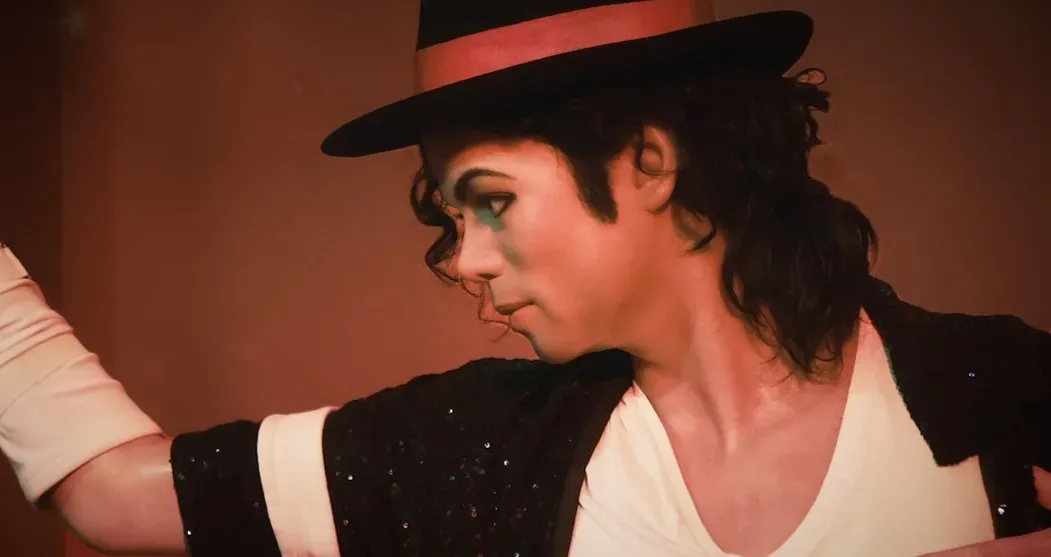
The walking-and-talking projection is estimated to have cost about four hundred thousand dollars and took four months to complete, a team effort involving Dr. Dre, James Cameron’s Digital Domain, and two imaging companies. The performance at the 2014 Billboard Music Awards was meant to be a triumphant technological showcase tied to the posthumous album Xscape. Instead, it became one of the more divisive moments in recent awards show history.
One public relations agent summed up the reaction as uncomfortable, odd, and eerily interesting. Adding to the controversy, the image that appeared onstage via the expensive projection technology was not actually built from a live Michael Jackson performance but relied on an impersonator. Beyond the reputational split among fans, the production also triggered a patent infringement lawsuit over the hologram technology itself, layering legal costs on top of an already expensive and polarizing stunt.
7. The RIAA Lawsuits Against Fans

Between 2003 and 2008, the Recording Industry Association of America, acting on behalf of major labels, filed lawsuits against tens of thousands of individuals accused of illegally downloading music. It was pitched internally as a deterrent campaign, a way to protect the value of recorded music in the Napster era. Publicly, it read very differently.
Stories of the labels suing grandmothers, teenagers, and college students for statutory damages running into the tens of thousands of dollars per song became a public relations catastrophe. Legal costs mounted year after year, and industry analysts later noted that the campaign spent more on litigation than it ever recovered in settlements. The strategy was eventually abandoned, but not before it cemented an image of record labels as adversaries of their own fan base at exactly the moment digital music needed those fans on side.
8. Universal’s Overhyped Rollout of The Last Dinner Party

In 2024, discussion of music industry plants repeatedly centered on The Last Dinner Party, the Brixton based indie group described as a modern day paradox due to the amount of marketing poured behind them. A heavy promotional push before the band had built an organic fanbase led many listeners to question whether the buzz was earned or manufactured, and the label’s own enthusiasm became a liability.
Commentators noted that while the concept of industry plants is real, with executives sometimes using their influence to promote artists, the term has often been overused and misapplied to acts who simply gain popularity quickly without clear evidence of label trickery. Even so, the perception stuck, and it illustrates a recurring problem for labels: an aggressive marketing spend, if it outpaces genuine audience connection, can turn a promising act into a target for skepticism rather than curiosity. The band’s music ultimately won over plenty of listeners, but the label spent months fighting a narrative of its own making.
What connects these eight cases is not bad luck. It is a pattern of marketing decisions made in a hurry, chasing a trend, a headline, or a shortcut around the slower work of building genuine fan connection. Radio payola, fake virality, holograms, and algorithm hype all promised a faster route to attention. Each one ended up costing far more than it saved, in dollars, lawsuits, or simply in the trust of the people labels need most.
Partner offer
Planning a trip to Vegas?
Compare hotel rates and show tickets on VEGAS.com.