
Television history is full of near-misses. Shows that limped out of the gate with dismal ratings, lukewarm test screenings, or outright rejection from network executives, only to become some of the most beloved series ever made. What separates these survivors from the countless pilots that quietly disappeared usually comes down to a single, often unglamorous decision made by someone who refused to accept the obvious verdict.
Looking back at these turning points is a reminder that television success rarely follows a straight line. Sometimes it takes a stubborn executive, a budget shuffled from one project to another, or a creative team willing to tear up their own blueprint. Here are some of the clearest examples of that one decision making all the difference.
Star Trek and the Network That Refused to Give Up

Gene Roddenberry’s original Star Trek pilot, “The Cage,” was rejected by NBC in February 1965. NBC reportedly called the pilot “too cerebral,” “too intellectual”, and “too slow” with “not enough action.” By most standards of the era, that should have been the end of the story, since pilots that got turned down almost never came back from the dead.
Instead, network executives made an unusual choice. In an unprecedented move at the time, the network ordered a second pilot and recast it with the performers who would play the Enterprise’s iconic crew across three seasons and six subsequent feature films. Reports suggest that Desilu Productions leadership, including Lucille Ball, pushed hard for that second chance. She was instrumental in persuading NBC to order a second Star Trek pilot and contributed to its financing, with executive Ed Holly later saying, “If it were not for Lucy, there would be no Star Trek today.” That second pilot, “Where No Man Has Gone Before,” became the foundation of everything that followed.
Seinfeld and the Executive Who Bet His Own Budget

Few origin stories are as dramatic as Seinfeld’s. Originally entitled The Seinfeld Chronicles, the pilot episode was met with poor reviews, and NBC decided not to pick up the show. Test audiences were unimpressed, and most executives at the network assumed that was the last anyone would hear of Jerry Seinfeld’s sitcom idea.
One man disagreed. NBC executive Rick Ludwin believed in the concept even though sitcoms were not his usual department. As Alan Horn later recalled, Ludwin “went to Brandon Tartikoff after he saw that the pilot was being burned off… Rick had (the budget for) two one-hour specials, and he said he’d give them to Brandon so we could make four more episodes.” That single decision meant Ludwin canceled a planned Bob Hope special in order to finance Seinfeld’s first full season, and the show that many considered dead went on to close its run as one of the most successful sitcoms in American television history.
Cheers and the Renewal That Defied the Ratings

Cheers premiered to strong reviews but almost no viewers. After premiering on September 30, 1982, it was nearly canceled during its first season when it ranked last in ratings for its premiere, 74th out of 77 shows. By any normal network math, that kind of debut spelled cancellation within weeks.
Yet NBC held on. The Nielsen ratings for its original runs were very low, but before the season finale aired, the network renewed it for another season. Critics had loved the show from the start, and that critical goodwill apparently mattered enough to NBC’s leadership to justify one more shot. Cheers eventually became one of the network’s signature hits, and the decision to renew despite catastrophic first-season numbers is now remembered as one of the boldest bets in TV history.
The Office and the Season Two Reset
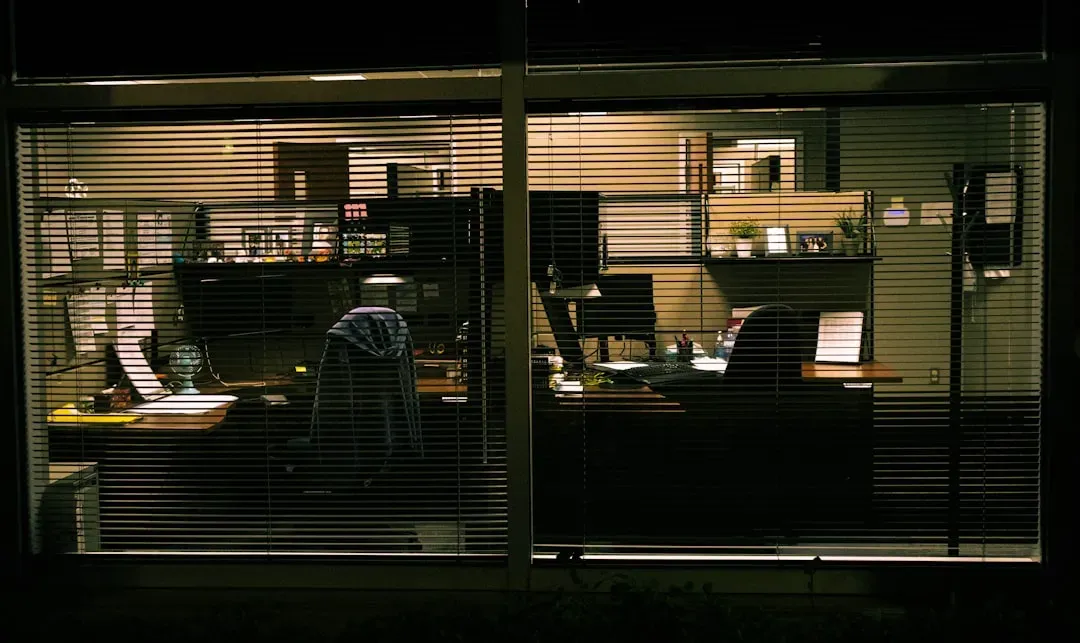
The American version of The Office nearly died in its infancy. Its six-episode first season stuck close to the British original, and the response was tepid at best. Behind the scenes, one NBC executive fought to keep the show alive long enough to find its footing, since NBC executive Kevin Reilly fought for the show because he believed in it, which was no easy task.
The real turning point, though, was creative rather than corporate. Greg Daniels and the writers made the most important change of all when they stopped strictly following the UK blueprint, softening Michael Scott, investing in Jim and Pam’s relationship, and building a more inviting ensemble dynamic in season two. That single shift in tone, deciding to let American audiences actually like Michael Scott rather than cringe away from him, is widely credited with saving the series and setting it on course for a nine-season run.
Parks and Recreation and the Search for Its Own Voice
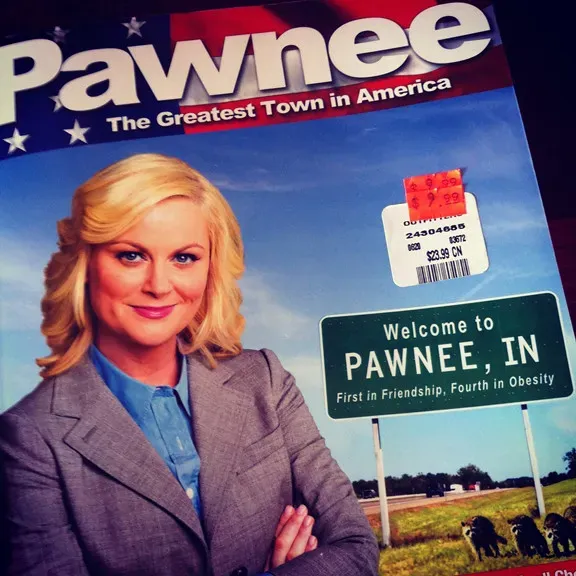
Parks and Recreation faced a similar identity crisis in its early days. The first season, only six episodes long, leaned heavily on the mockumentary style and lead character energy that had defined The Office, and critics noted the resemblance. Parks and Recreation season 1 is a perfect example of a comedy needing time to figure out how best to write for its cast, with its third season feeling almost like a different show than its first.
The decision to rework Leslie Knope from a somewhat clueless bureaucrat into an earnest, competent optimist gave the show its emotional center. That single character adjustment, made gradually across the second season, transformed a show that critics found derivative into one that developed a devoted following of its own. It is a quieter example than Star Trek’s second pilot or Seinfeld’s rescued budget, but the underlying lesson is identical.
The Pattern Behind Television’s Greatest Comebacks

Looking at these stories together, a pattern emerges. In nearly every case, someone inside the system had to actively override the data in front of them, whether that meant a rejected test screening, a last-place ratings chart, or a mediocre pilot episode. Networks are built to react to numbers, yet each of these shows survived because at least one person decided the numbers were not telling the whole story.
It also helps to notice how differently each rescue played out. Star Trek needed a full creative reboot with new actors, Seinfeld needed a financial lifeline, Cheers needed patience, and The Office needed a tonal correction. There is no single formula for saving a struggling show, only the willingness to make a hard call before it is too late.
Conclusion: Why One Decision Can Change Everything

None of these series were destined for greatness the moment their pilots aired. Each one needed an intervention that had nothing to do with luck and everything to do with a person, or a small group of people, choosing to bet against the obvious conclusion. That is what makes these stories worth revisiting, since they show how thin the line can be between a forgotten pilot and a show that defines an entire era of television.
The next time a new series stumbles out of the gate, it is worth remembering that some of the most legendary shows in TV history did exactly the same thing. Sometimes all it takes to change history is one person willing to say, not yet.