If you’ve ever lived in Phoenix or spent any real time in the northwest valley, you already know the feeling. It starts with a glance at the clock. Then a sigh. Then that familiar, sinking realization: it’s rush hour, and you forgot to take a different route. There’s one road locals know better than to trust when the sun starts dropping – and it’s not some obscure side street. It’s Interstate 17, the region’s main north-south artery, and it can turn a twenty-minute commute into something that eats nearly an hour of your life.
The story of I-17 and rush hour isn’t just local gossip. It’s backed by real data, years of transportation studies, and a population explosion that has left infrastructure perpetually playing catch-up. So let’s get into exactly why this road earns its dreaded reputation.
The Road That Connects Everything – and Clogs Everything
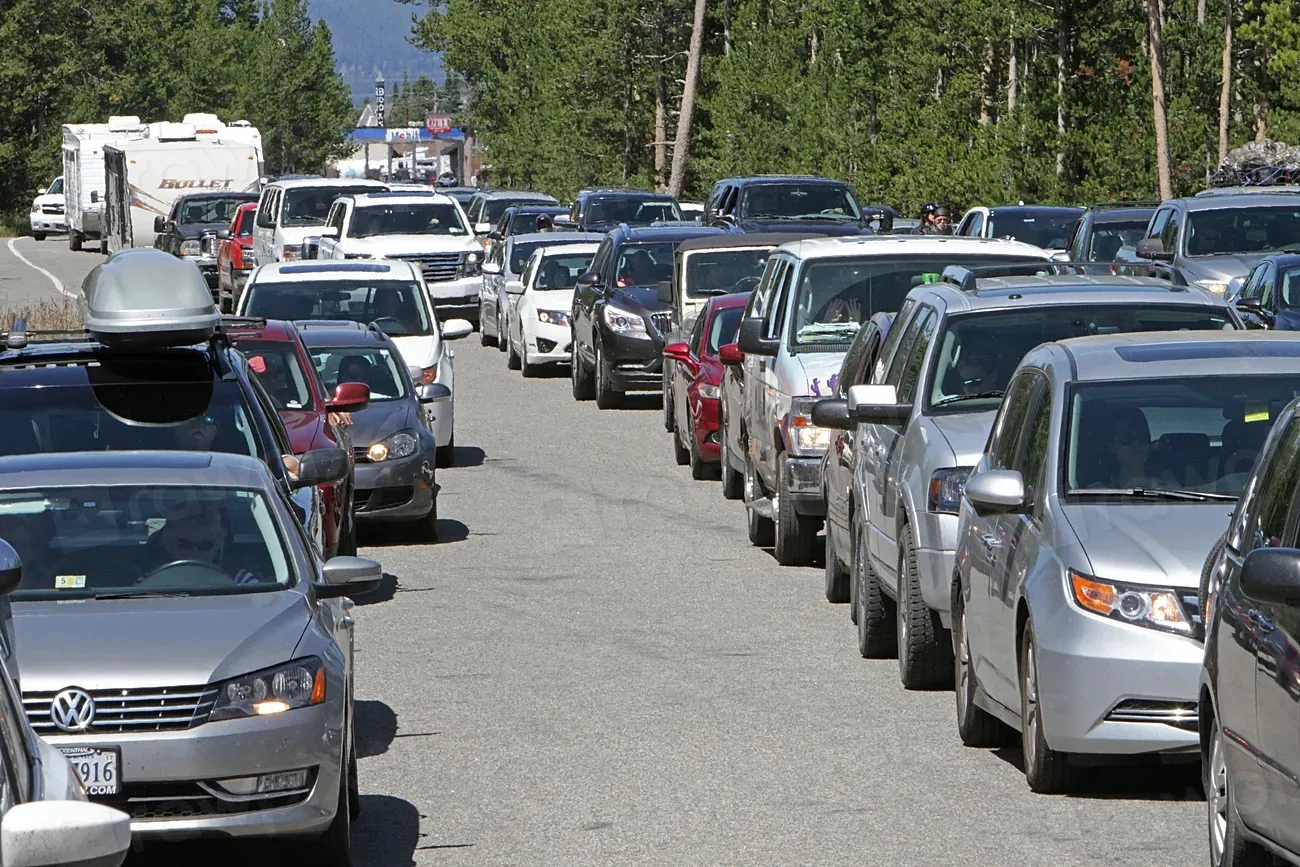
Interstate 17 was the Valley’s very first freeway, running north to south and entering the Phoenix area from the north as the Black Canyon Freeway. Parts of it also make up the Maricopa Freeway, and it interchanges with multiple other routes, including I-10 and Loop 101. That connectivity is both its greatest strength and its most painful flaw. When everything funnels into one corridor, the whole system chokes during peak hours.
Think of I-17 like the trunk of a tree. Every suburban branch – Peoria, Glendale, north Phoenix – feeds into it. During rush hour, that trunk can barely handle the load. And with the region growing faster than almost anywhere in the country, the pressure on this single corridor just keeps intensifying.
Rush Hour Is No Longer Just an Hour
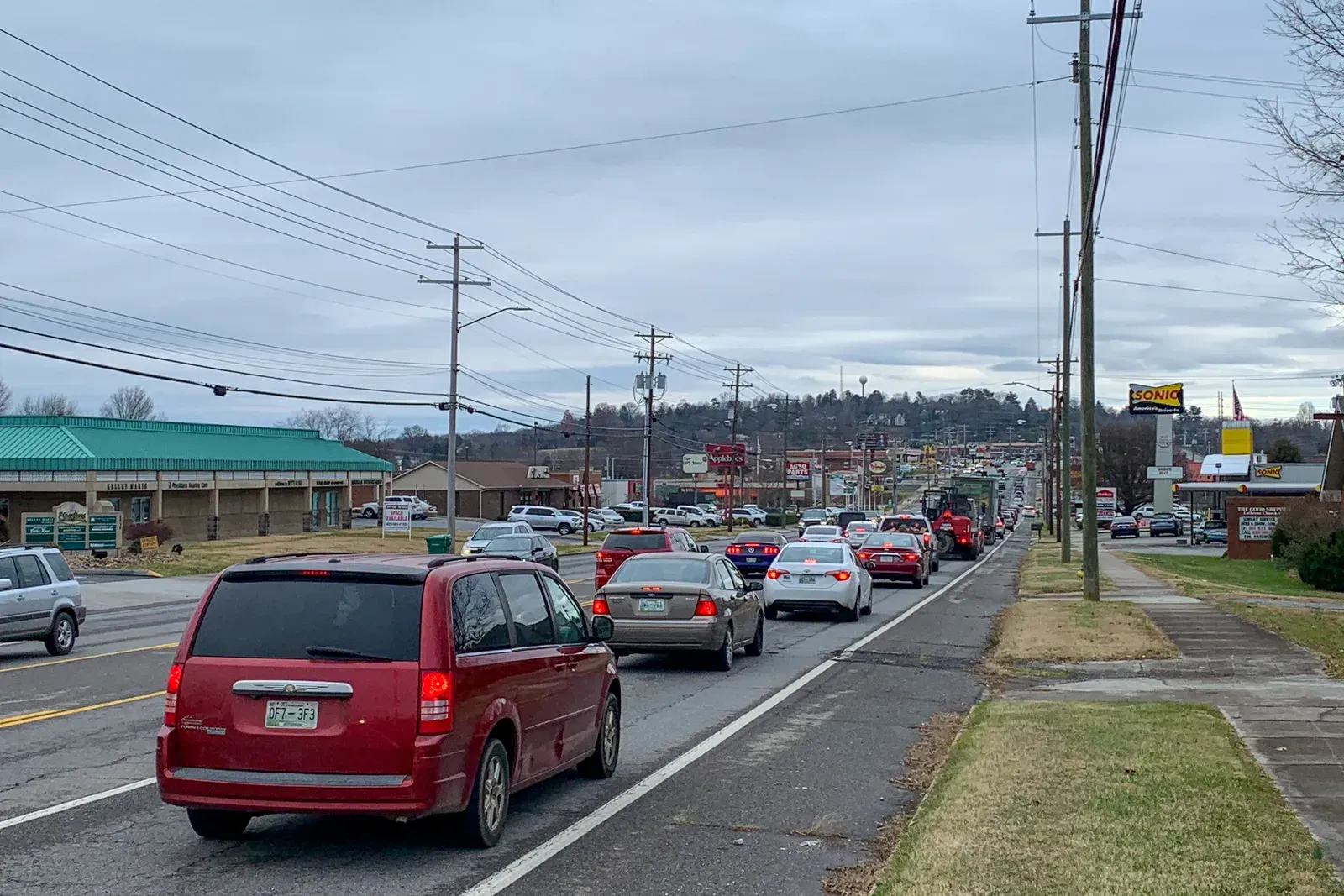
Phoenix traffic peaks twice a day, usually from 6 to 9 a.m. and again between 3 and 6 p.m., with the busiest single hour typically landing between 4 and 5 p.m. Honestly, calling it “rush hour” feels generous at this point. Evening rush hour in Phoenix can start as early as 2:30 p.m., and morning rush hour can start at 5 a.m. and extend well past 9 a.m.
In summer, many employers begin shifts earlier to dodge afternoons near 100 degrees, so the homeward rush starts around 3 p.m. Most school districts release students between 2:30 p.m. and 3:15 p.m., adding buses and parent pickups to already-busy roads. That’s a brutal combination. The window to safely use I-17 without a serious delay is shrinking year by year.
The Numbers Don’t Lie: Phoenix Drivers Are Losing Hours

Phoenix-area drivers spent an average of 76 hours behind the wheel at slower congested speeds in 2024, according to Texas A&M’s Urban Mobility Report. The Valley ranks 17th in the country for traffic congestion, up by a couple of hours from 2023 and significantly higher than the 60 hours recorded in 2019 before the COVID-19 pandemic. That’s nearly two full work weeks lost per person, every single year. Just sitting. Just waiting.
Phoenix saw an average one-way commute time of 25.7 minutes in 2023, up from 24.9 minutes in 2022. To compare, the average one-way commute was 27.1 minutes in 2019, prior to the COVID-19 pandemic. The trend lines all point in the same uncomfortable direction.
A Population Boom That Infrastructure Couldn’t Outrun
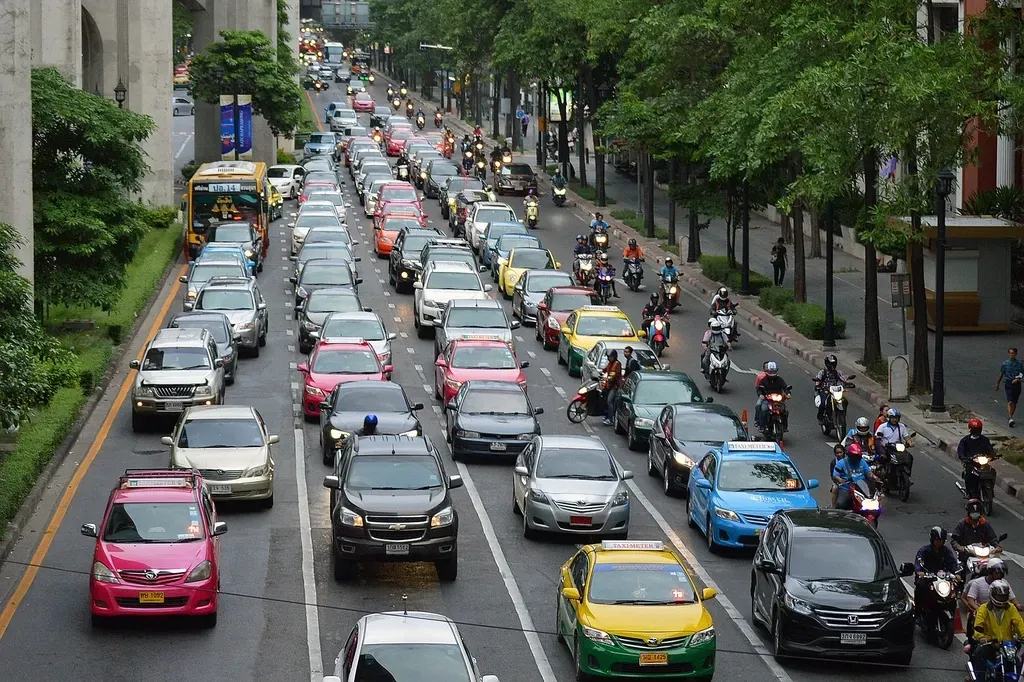
Metro Phoenix’s population grew by nearly 85,000 people between 2023 and 2024, thanks in large part to international migration, according to new U.S. Census Bureau estimates. Let that sink in. That’s roughly the population of a mid-sized American city added to the metro in just one year. Both Maricopa and Pinal counties experienced significant population growth between 2023 and 2024, with Maricopa County ranking 3rd for most numeric population growth among populous counties in the entire country.
David Schrank, a Texas A&M researcher who worked on the urban mobility study, said population growth is the main factor driving increased time spent in cars. More people are moving to Arizona and other western and southern states. I-17 was simply not designed with this growth in mind. No road was.
Construction Zones Made It Even Worse for Years
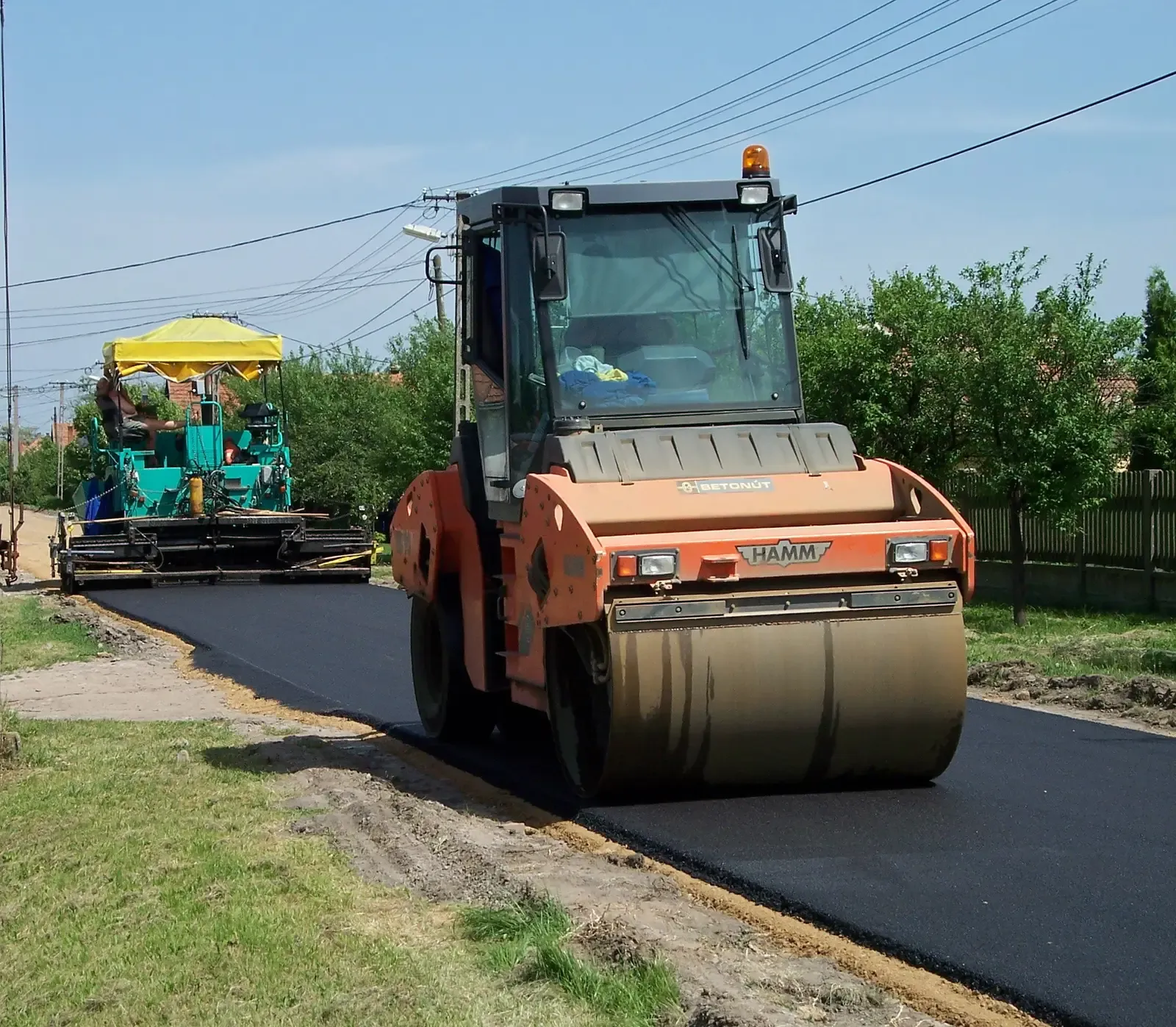
The 23-mile section of I-17 between Anthem Way and Sunset Point is one of the most heavily utilized roadways in Arizona, seeing more than one million travelers each year. At the time construction began, I-17 had just two travel lanes in each direction between Anthem Way, north of Phoenix, and Flagstaff. Two lanes for a million-plus travelers annually on a corridor connecting major metro suburbs to northern Arizona. That math was never going to work.
Because I-17 is such a heavily traveled corridor, a significant portion of the construction work occurred during weeknight overnight hours from 7 p.m. to 6 a.m. when lane closures and restrictions are allowed. However, the majority of the work still happened during the day. ADOT also reduced the speed limit to 65 mph along the entire 23-mile construction zone to enhance safety and reduce crashes due to excessive speed. For commuters, years of construction-era slowdowns compounded an already difficult daily reality.
ADOT Spent Over Half a Billion Dollars Trying to Fix It
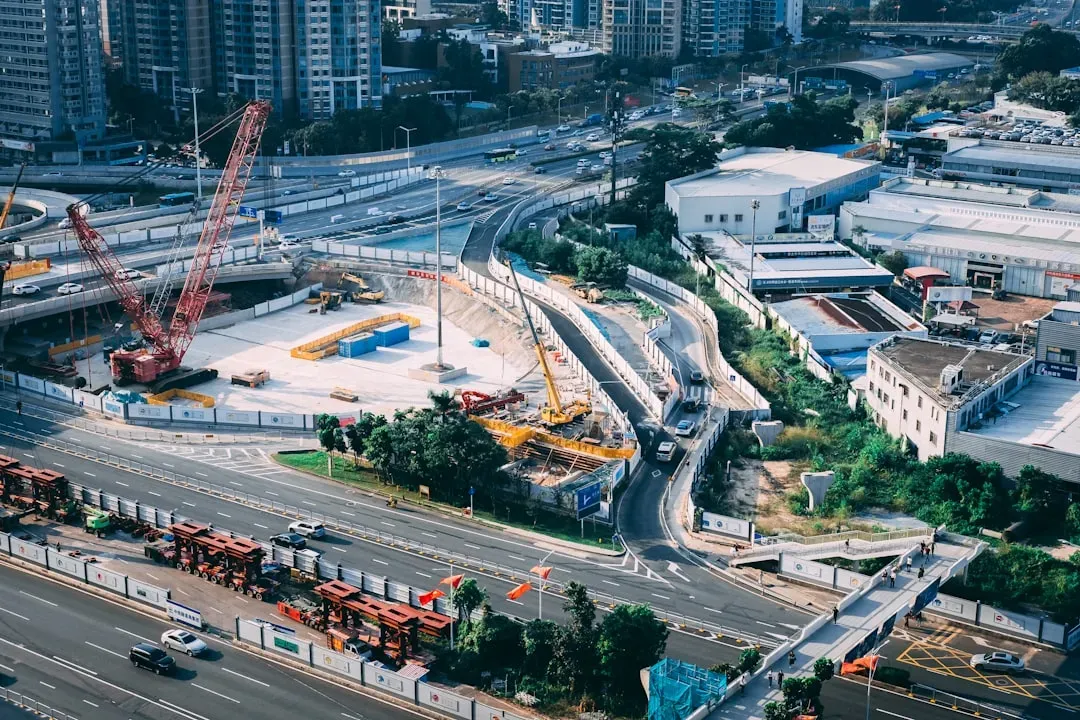
The I-17 Improvement Project cost $522 million, funded using federal funds, state highway funds, an Infrastructure for Rebuilding America grant, and Maricopa Association of Governments funding. The project was constructed as a Design-Build-Operate-Maintain Public-Private Partnership, combining design, construction, operations, and maintenance into a single contract. That’s a staggering investment, and it signals just how serious the congestion problem had become.
The three-year I-17 Improvement Project saw several major milestones in 2025, as additional third lanes opened to travelers in May, just in time for the summer travel season. The flex lanes opened during the July Fourth holiday and then officially opened seven days a week in September. The flex lanes, the first of their kind in Arizona, were constructed through the mountainous area between Black Canyon City and Sunset Point. It was genuinely a massive undertaking.
New Lanes Opened, But the Loop 303 Bottleneck Remained
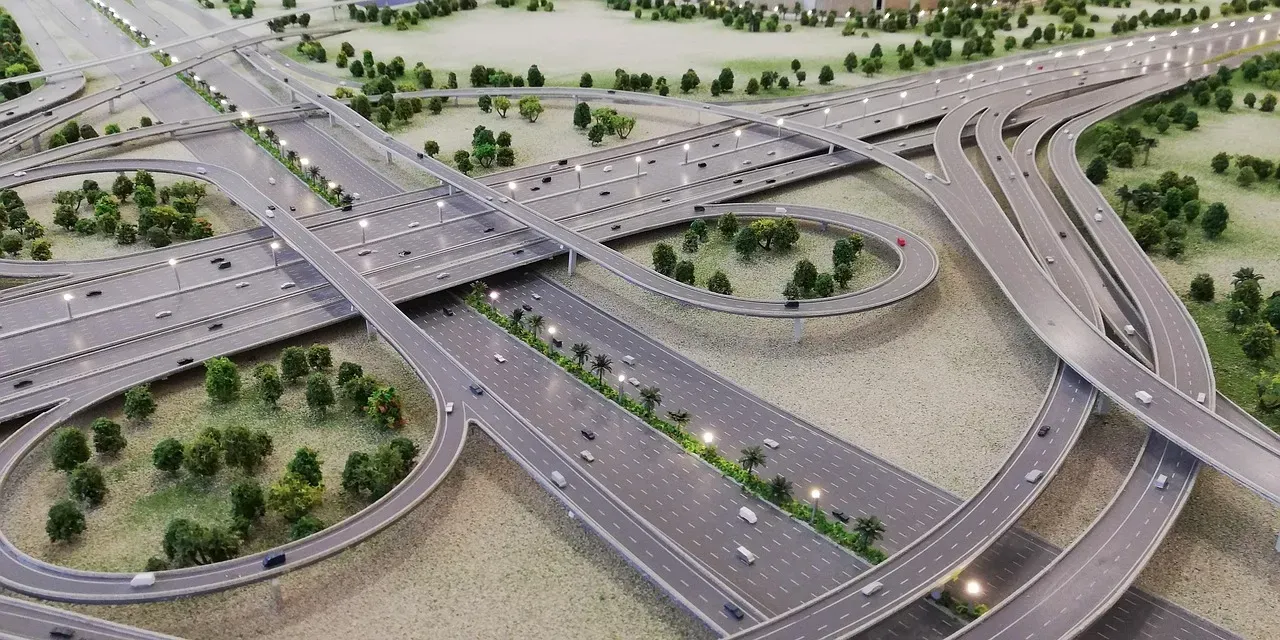
Here’s the thing about freeway improvements – they rarely solve the whole problem. Even as north-of-Phoenix widening wrapped up, the northwest valley’s specific pain point at the I-17 and Loop 303 interchange continued demanding attention. ADOT opened a second lane leading into and along the northbound I-17 exit at Loop 303 to provide more capacity for traffic, especially during busy rush hours.
One of the larger projects planned nearby sits between 51st Avenue and I-17 on Loop 303. ADOT’s plans include direct freeway-to-freeway ramps connecting I-17 and Loop 303. A follow-up project will extend between 51st Avenue and Lake Pleasant Parkway, where ADOT plans to construct new lanes and transform Loop 303 into a full-fledged freeway. The northwest valley is clearly getting attention, but it is a slow process.
The Induced Demand Problem That Nobody Likes to Talk About
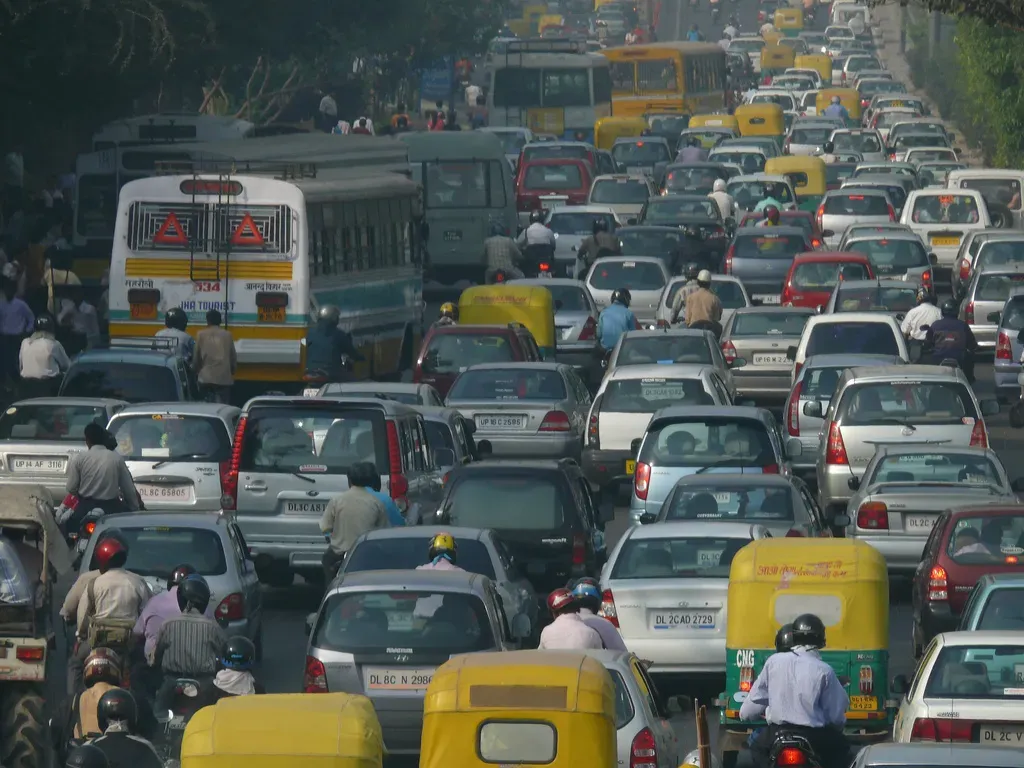
This is the part that surprises most people. You add lanes. Traffic improves. Briefly. Then it gets congested again. There’s actually a name for it. Transportation researchers call it Downs’s Law of Peak-hour Traffic Congestion, which states that any freeway capacity made available by trip-reduction programs or extra freeway space will soon be utilized by new trips – resulting from latent demand, as people formerly discouraged from driving are attracted to the freeways.
This phenomenon has also been called “induced demand” in transportation literature, and it has led many people to believe that building new urban freeway segments does not alleviate congestion effectively. It’s a frustrating cycle, honestly. You build more road, more people decide to drive, and you’re more or less back to square one within a few years. Planners know this. But the political pressure to “just add a lane” never really goes away.
Most Commuters Still Drive Alone, Adding to the Crisis
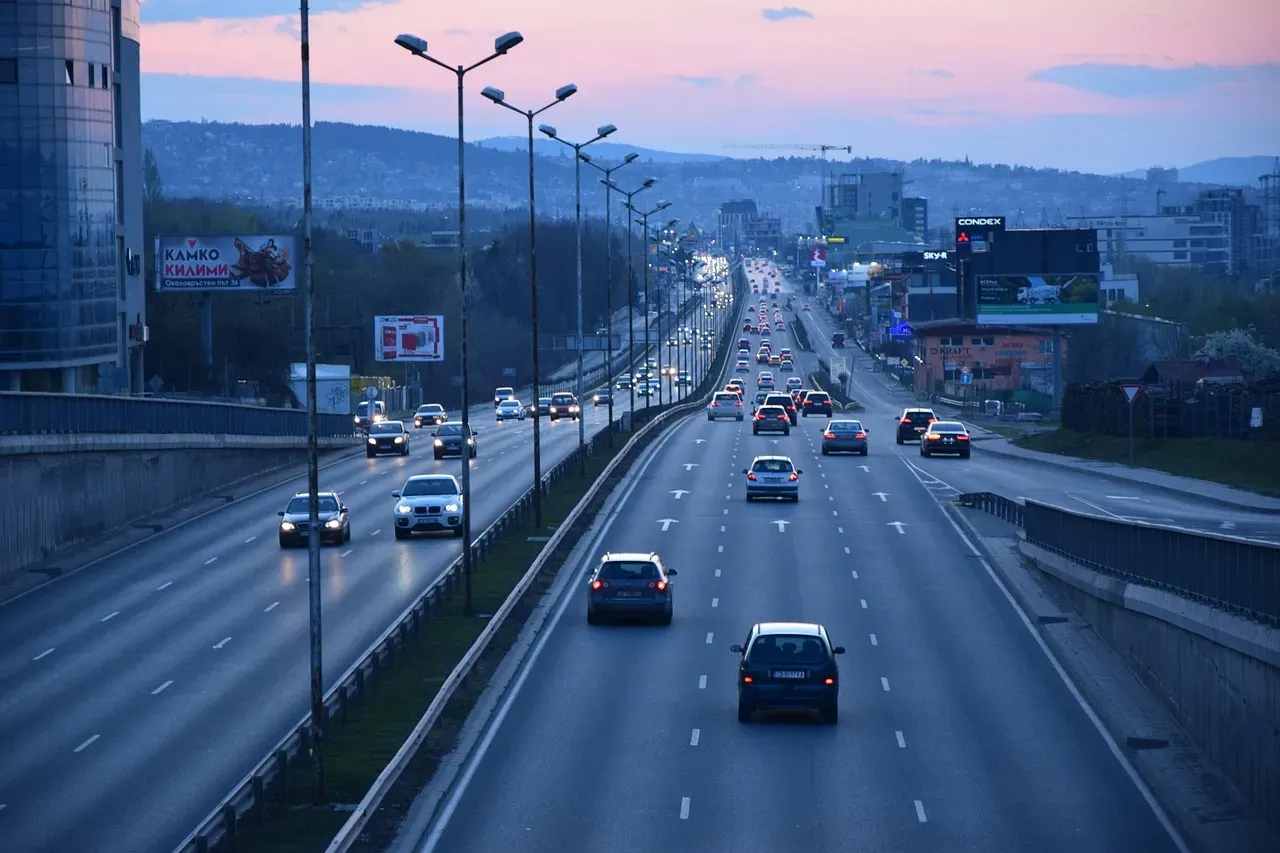
Phoenix’s car culture is deeply baked into how the city was built. Wide streets, sprawling suburbs, limited transit reach into the northwest valley. Phoenix offers several transportation options including buses, a light rail system, and rideshare services. However, most residents still rely heavily on cars due to the city’s large, spread-out layout. With the majority of Maricopa County workers driving solo to their jobs, every new resident adds another vehicle to already-strained corridors like I-17.
As remote work becomes more common, many employers in Phoenix now offer flexible work schedules or hybrid office models. This shift has helped reduce congestion during traditional rush hours, making commuting more manageable. A flexible arrangement can allow commuters to avoid peak traffic times entirely. Still, it hasn’t been enough to meaningfully break the gridlock on I-17 for those who can’t work from home.
What Locals Actually Do to Avoid the Madness
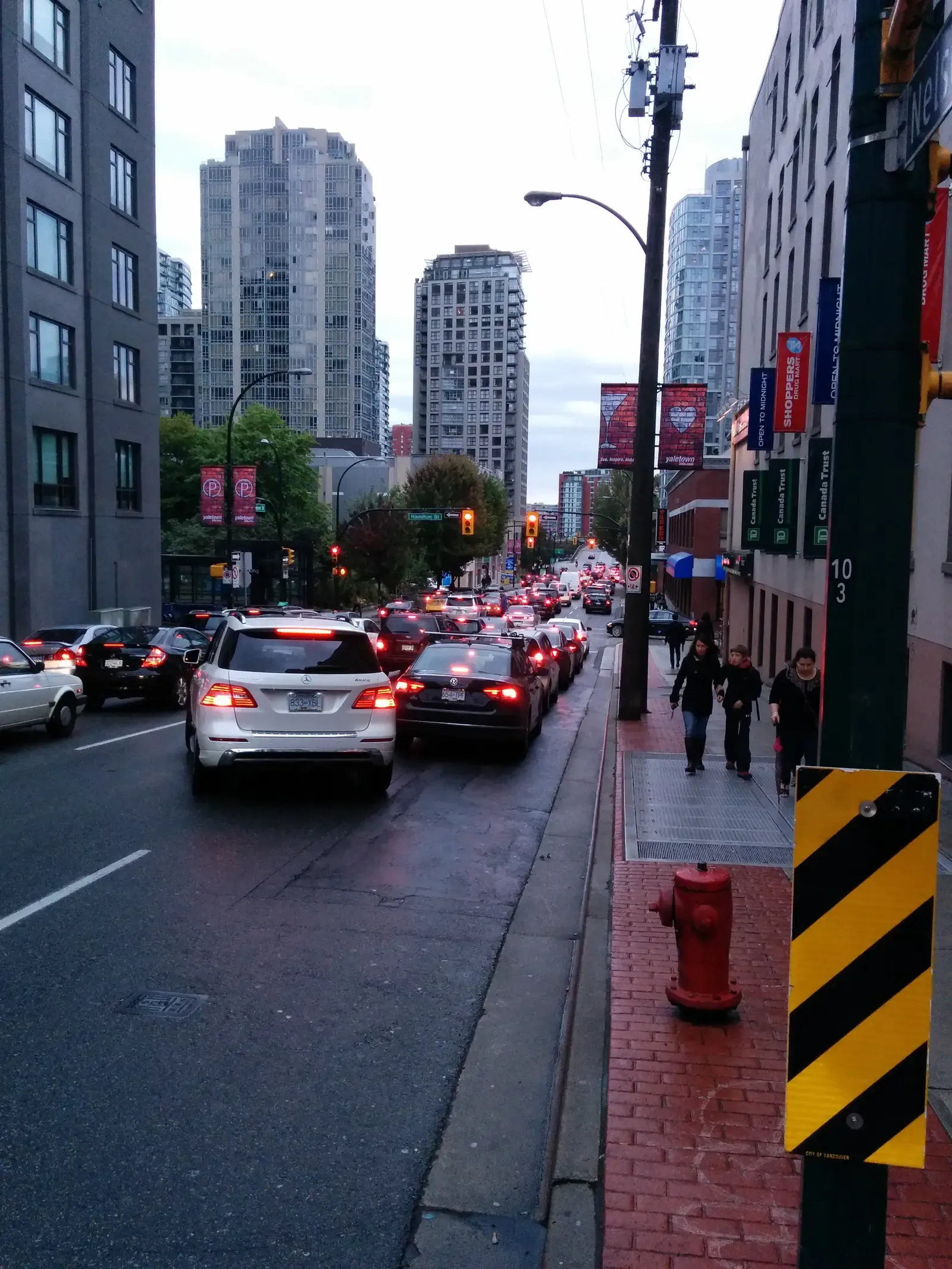
Ask anyone who’s lived in the northwest valley for more than a year, and they’ll have a workaround. Some leave before 6 a.m. Some shift their schedule to arrive home after 7 p.m. Others use surface streets entirely. When a highway turns into a near-parking lot, most drivers have an easy backup plan – the frontage roads. An informal survey of traffic times shows that people have had real luck with surface streets when getting to Phoenix from the west side.
Limited-stop Rapid and Express buses use HOV lanes on I-17 and other freeways, trimming up to 15 minutes from regular schedules. For those willing to leave the car at home, park-and-ride options exist. Commuters from suburban areas can use park-and-ride facilities that connect to Valley Metro Rail or bus routes. These lots, located throughout the metro area, allow drivers to park and board transit into the city and are free to use. It’s not perfect, but it beats sitting in I-17 traffic staring at brake lights.
Conclusion: Progress Is Real, But the Road Still Wins at Rush Hour
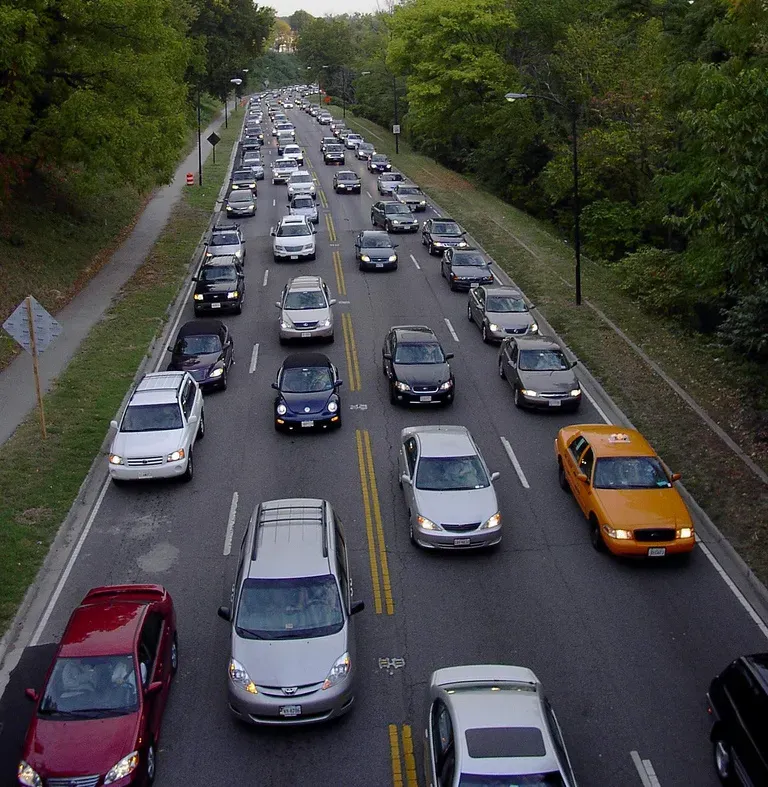
I-17 has seen genuine, significant investment. A $522 million project, new lanes, flex lanes, ramp improvements at Loop 303 – all of it real, all of it completed or in progress as of 2026. A major component of the I-17 Improvement Project involved significant bridge work: throughout the 23-mile corridor, 10 bridges were widened, with two others completely replaced. That’s not nothing. That’s years of construction and hundreds of millions of dollars aimed directly at the problem.
Yet the population keeps growing. Phoenix-Mesa-Chandler continued to grow, gaining nearly 85,000 people from 2023 to 2024 alone. Every one of those new residents needs to get somewhere. And when induced demand, solo driving habits, and a city built around the car all collide on one freeway during afternoon rush hour, the result is entirely predictable.
The northwest valley’s most-avoided road during rush hour isn’t going anywhere. Neither is the growth that makes it so frustrating. The question worth sitting with – maybe while stuck in traffic on I-17 – is whether bigger roads will ever really solve a problem that bigger roads helped create in the first place. What do you think? Drop your commute story in the comments.