Hollywood likes to pretend that great films arrive fully formed, shaped entirely by a director’s singular vision. The reality is messier. Test screenings, those awkward evenings where a rough cut gets shown to a room full of strangers holding comment cards, have quietly rewritten some of the most beloved scenes in film history.
What’s strange is how often the scene audiences rejected first ended up becoming the exact moment people now remember the film for. A booed ending gets reshot, a hated subplot gets cut, and suddenly the replacement becomes the emotional core everyone quotes decades later. Here are the cases where audience frustration accidentally produced cinema gold.
Terminator 2: Judgment Day and the farewell that almost wasn’t
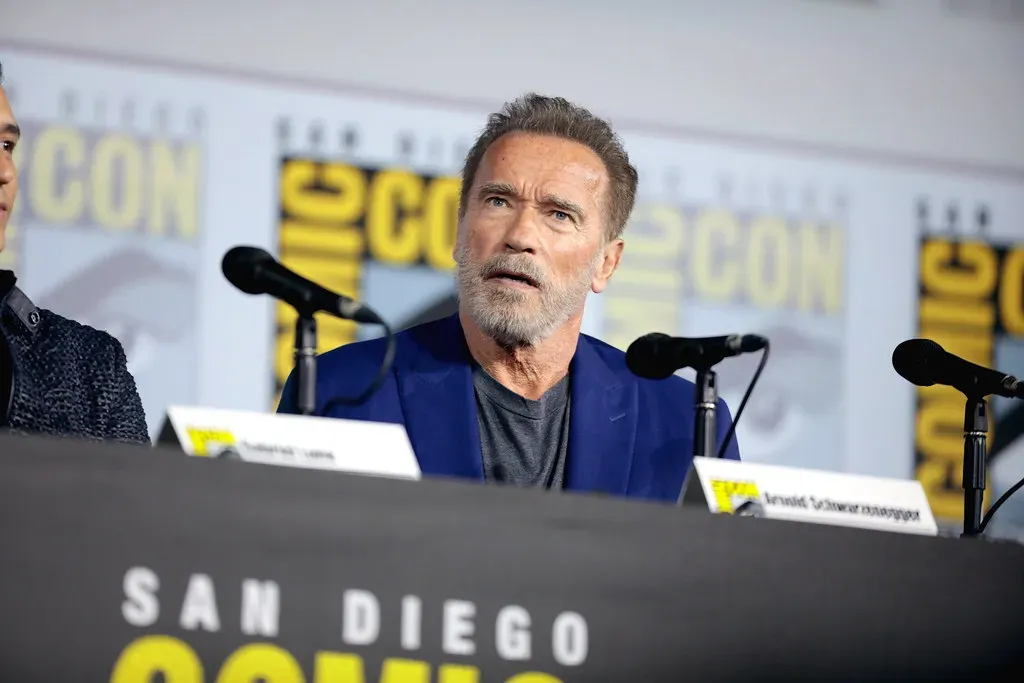
James Cameron originally wanted to end his 1991 sequel on a soft note, with children playing in a park and a hint that John Connor grows up to have his own family. It was meant to feel hopeful after two hours of chrome and explosions. James Cameron initially wanted the movie to end at the playground with children merrily playing just like they were at the beginning, but test audiences rejected this sugary, saccharine ending as inconsistent with the movie’s dark, angry tone.
The rejection pushed Cameron toward something far more painful: the T-800 lowering itself into molten steel to erase any trace of the technology that could create Skynet. Reactions to the screening from the test audience were negative on the ending, with many feeling that its overly positive nature didn’t fit in with the dark tone struck by the rest of Terminator 2. The scene that replaced it, quiet, tearful, and devastating, is now the one people bring up first when talking about the film.
Fatal Attraction and the ending nobody expected
Adrian Lyne’s 1987 thriller originally closed with Alex Forrest taking her own life and framing Dan for it, a bleak twist meant to leave audiences unsettled. It tested poorly, and not in a way that suggested people were impressed by its boldness.
Archer and Close fiercely opposed the new ending, but Douglas supported it and it was ultimately filmed. The replacement, a violent bathtub confrontation where Dan’s wife shoots Alex, became the scene that defined the movie’s reputation. Audience interference led to Fatal Attraction becoming one of the most iconic thrillers of the 1980s, scoring six Academy Award nominations.
Pretty in Pink and the prom that changed everything

John Hughes wrote Andie Walsh’s story with Duckie as her prom date, a choice that felt true to the film’s celebration of loyal, awkward outsiders. Test audiences did not agree, and their reaction was loud enough to alarm everyone involved.
It was a conclusion that test audiences literally booed, rising to their feet in anger. Test audiences just weren’t buying it. They wanted Andie to end up with the rich, sensitive Blaine, not her quirky best friend. The reshot prom scene, Andie in her homemade dress reuniting with Blaine, became the moment the entire film is remembered for, even if Duckie fans never fully forgave the switch.
First Blood and the survival that built a franchise
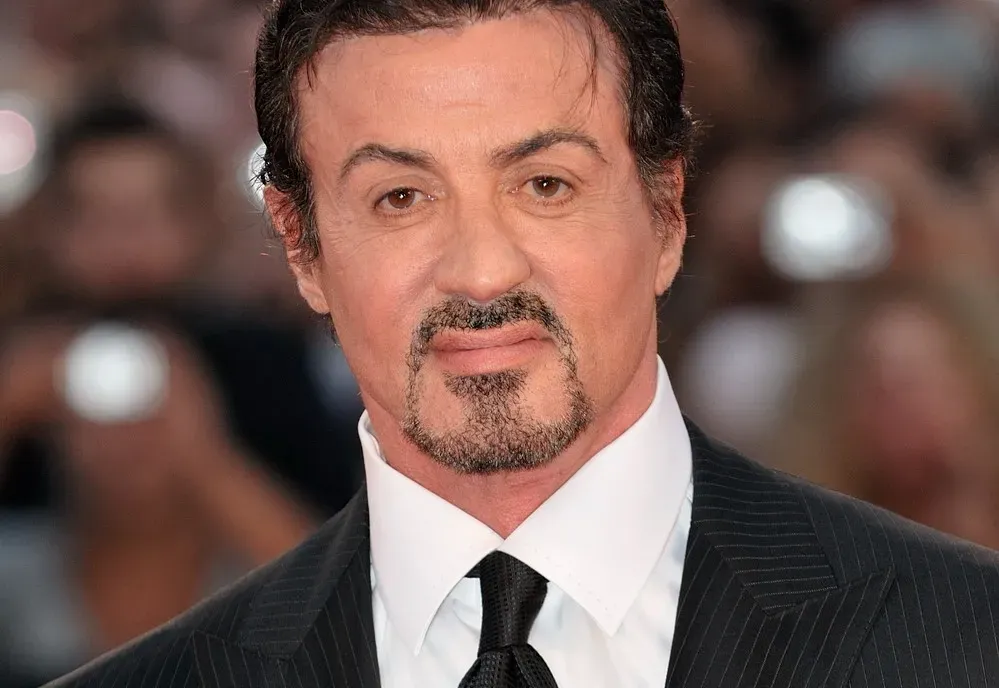
Few people realize that Rambo was supposed to die at the end of the very first film in the series. The original script had him killed by his former commanding officer, a grim final note for a character built on wartime trauma and abandonment.
In the original script, Rambo dies at the hands of his commanding officer, a tragic and final conclusion. Test audiences, though, felt deeply connected to the troubled veteran and hated seeing him go out that way. Stallone pushed for the change himself, and test audiences agreed with Stallone rejecting the original ending. The tearful surrender scene that replaced it, Rambo breaking down in his colonel’s arms, gave the character a survival that made an entire eighties action franchise possible.
Little Shop of Horrors and the ending the studio walked away from

Frank Oz shot a faithful, apocalyptic ending for his 1986 musical, staying true to the stage show’s finale where the alien plant Audrey II devours the leads and takes over the world. It cost a fortune to produce and looked spectacular on paper.
Partner offer
Audiences weren’t ready to watch the plant win. Director Frank Oz’s original 23-minute ending for this musical dark comedy stayed faithful to the off-Broadway show, with Audrey II killing both protagonists and spawning plant monsters that take over the world. The spectacular sequence cost 5 million dollars to produce, only to horrify test audiences. The lighter reshot ending, where Seymour and Audrey survive and the plant is finally beaten, is the version now shown in theaters and quoted by fans, even as the darker cut lives on as a cult curiosity among musical theater purists.
National Lampoon’s Vacation and the breakout everyone quotes
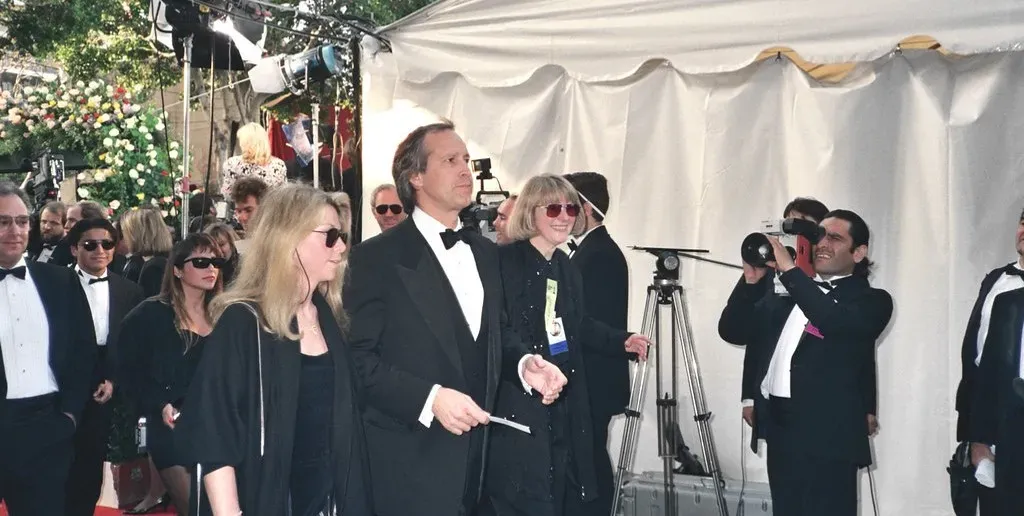
Clark Griswold’s original send off had him holding a theme park owner hostage with a BB gun, a dark comedic beat that clashed with the film’s more slapstick tone. Test screenings made it clear the joke wasn’t landing the way the filmmakers hoped.
Test audiences hated the original ending to National Lampoon’s Vacation, which saw Clark Griswold take Roy Walley hostage with his BB gun. The replacement finale, Clark’s family finally storming Walley World after every disaster imaginable, turned into the scene people associate with the whole franchise. The revised ending transformed a mediocre finale into an iconic comedy moment that perfectly embodied Clark’s determination to give his family the perfect vacation, no matter what laws he had to break.
Legally Blonde and the graduation speech that saved the film

Elle Woods almost got a much smaller send off, one that leaned heavily on her romance rather than her personal growth. Test audiences immediately sensed something was missing from that version.
Test audiences disliked this ending from the get-go, thinking it wasn’t a strong enough conclusion for Elle because it centered too much on the film’s romance. As co-writer Kirsten Smith put it, they knew that this was not a movie about a girl getting a guy. The graduation speech that replaced it, delivered with Elle’s trademark confidence, became the closing image most people carry from the film, and arguably the reason the character still resonates with new audiences decades later.
Anchorman and the subplot that had to disappear
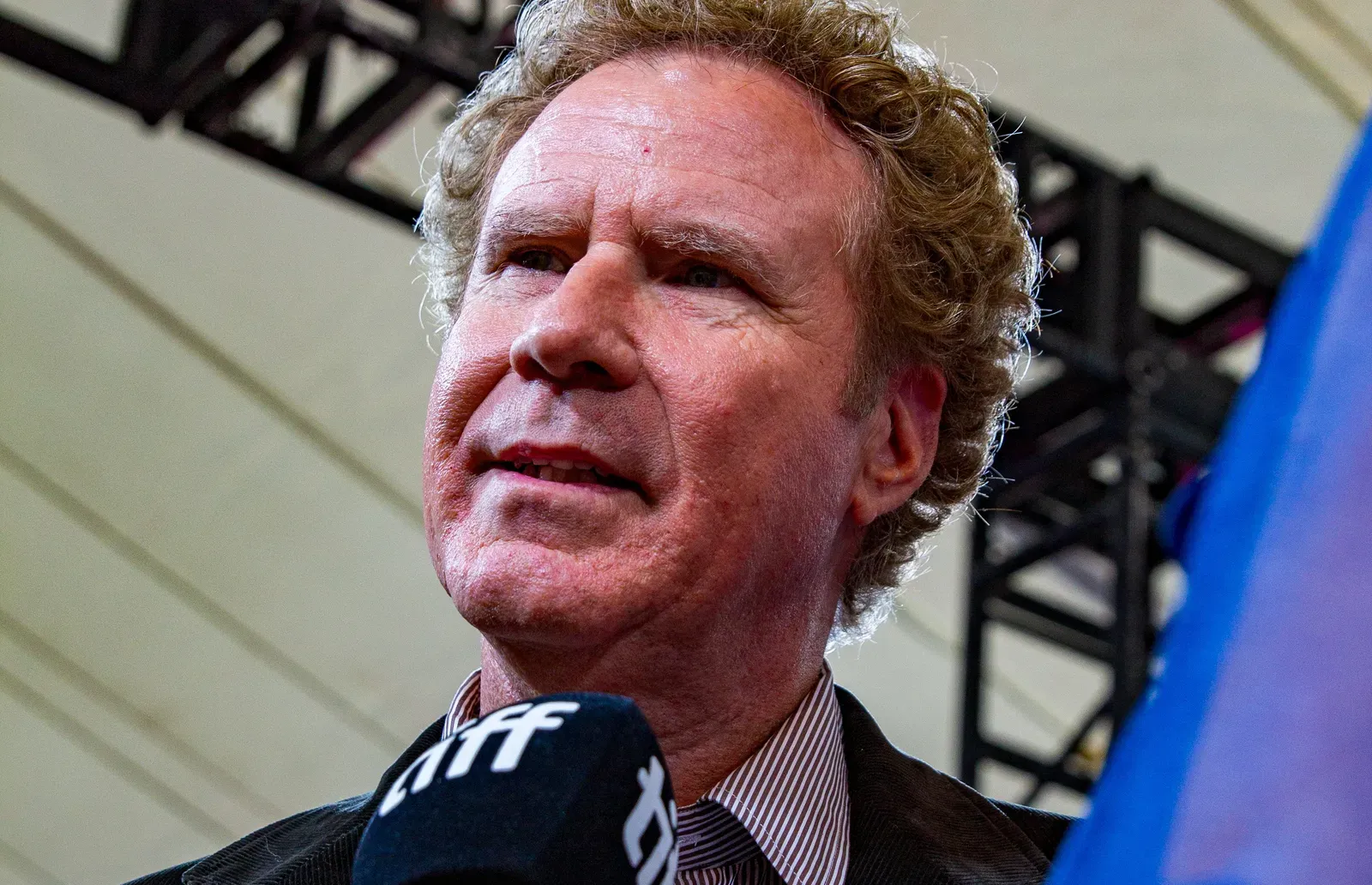
Will Ferrell’s newsroom comedy originally carried a much darker thread, with Veronica Corningstone kidnapped by a vigilante group midway through the film. It was meant to raise the stakes, but audiences checked out almost immediately.
Anchorman scored just 50 out of 100 in the initial screening, with Ferrell explaining just how poor the test screening went with early audiences, saying they just didn’t like that storyline at all, and that they lost the audience. Cutting that thread cleared room for the film’s sharper, more absurd comedic set pieces to breathe, including the now legendary news team brawl that fans quote to this day. The film’s tightened focus on pure comedic chaos, rather than plot mechanics, is a big part of why it still holds up as a cult favorite.
Blade Runner and the ending audiences got, then lost
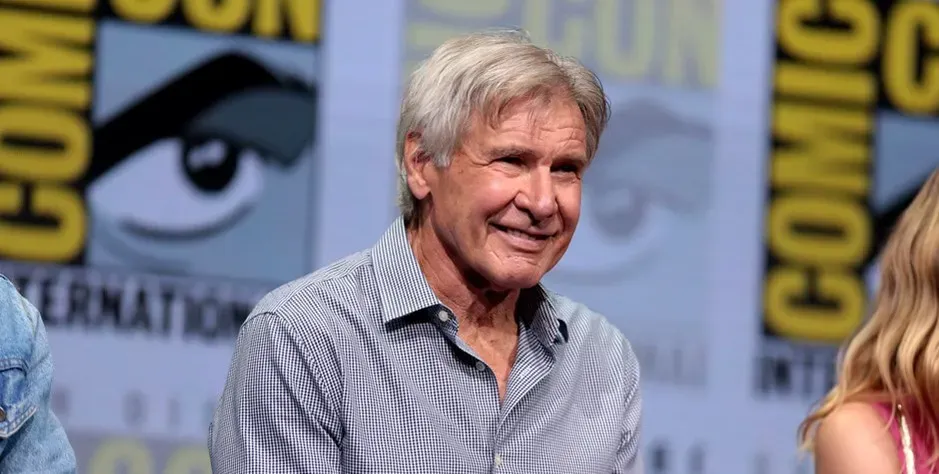
Ridley Scott’s 1982 film originally released with a hopeful voiceover and a tacked on happy ending, additions studio executives believed test audiences wanted after early screenings left viewers confused. For years, that softened version was the only one most people saw.
Years later, Scott released his preferred cut without the voiceover or happy ending, restoring his original vision. Ironically, what test audiences rejected became the definitive version, now celebrated as one of science fiction’s greatest achievements. The ambiguous, unresolved final scenes, stripped of narration and false comfort, are now treated as the film’s signature achievement rather than a flaw that needed fixing.
What these stories actually reveal

None of these films succeeded because a studio blindly followed audience notes. In most cases, filmmakers took the criticism as a signal that something deeper was off, then found a more honest version of the story rather than simply chasing approval. The Terminator 2 farewell wasn’t softened for comfort, it was sharpened into something more emotionally true to the film’s stakes.
That distinction matters. Test audiences are good at spotting when a scene feels wrong, but they rarely know what should replace it. The real skill, the one these films demonstrate again and again, belongs to the directors and writers who took vague discomfort in a screening room and turned it into the exact moment audiences would end up loving most.
Partner offer
Planning a trip to Vegas?
Compare hotel rates and show tickets on VEGAS.com.