


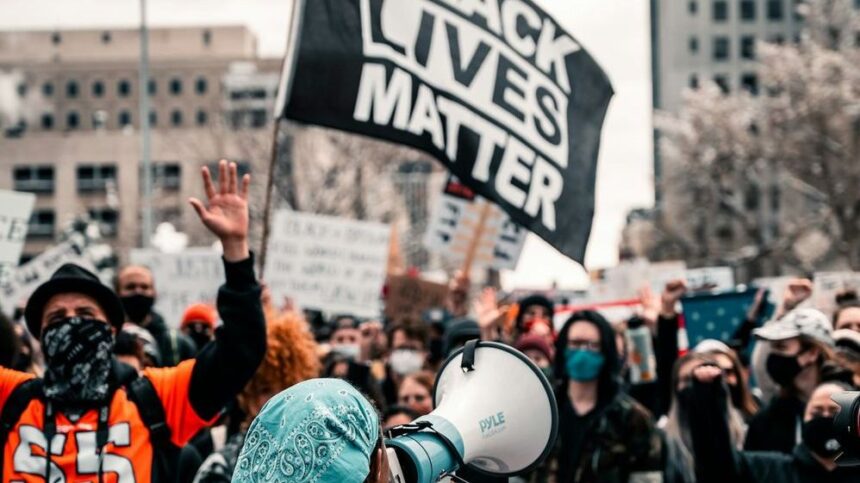
Think about the last time a song moved you to action. Maybe it was played at a rally, or maybe it simply stuck in your head like a drumbeat demanding change. For generations, music hasn’t just been background noise to political movements. It’s been the pulse of them. When words alone couldn’t capture the frustration or hope of an entire generation, musicians stepped in with melodies that spoke directly to the heart. The soundtrack of revolution has played across continents, from packed street protests to dimly lit recording studios where artists risked everything to speak truth to power.
When a Gospel Song Became the Civil Rights Anthem

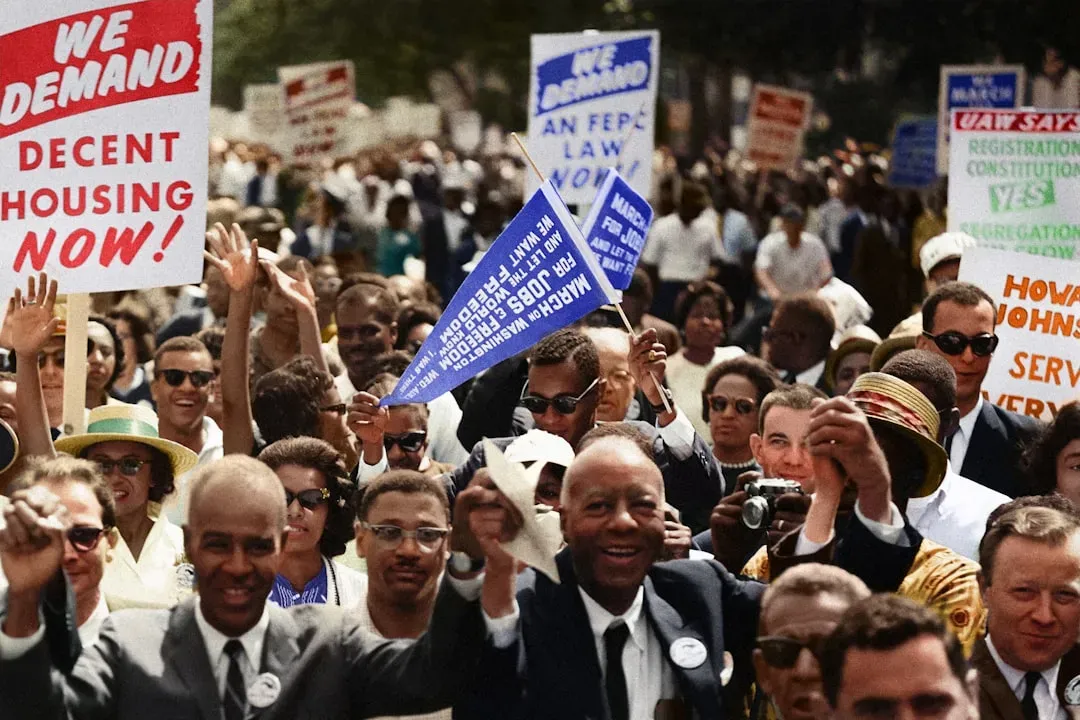
The song “We Shall Overcome” quickly became the movement’s unofficial anthem during the Civil Rights Movement in the United States. In August 1963, folk singer Joan Baez led a crowd of thousands in singing the song at the Lincoln Memorial during the March on Washington. What made this song so powerful was its simplicity, really. The track proved easy to learn and sing at different types of civil rights protests, such as sit-ins, marches, and huge rallies. According to the Kennedy Center, protesters sang it through tear gas and beatings, creating an unbreakable thread of solidarity.
Fela Kuti’s Dangerous Melodies Against Nigeria’s Military

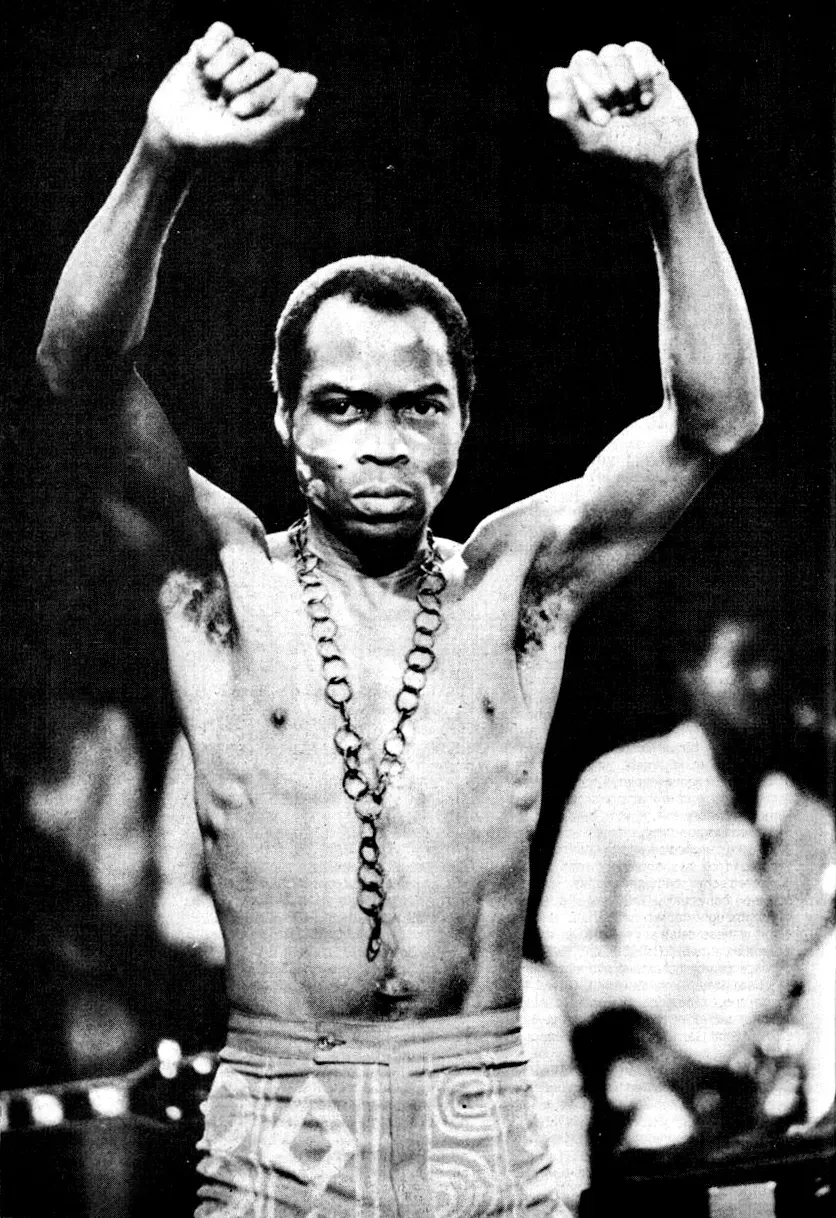
Nigerian musician Fela Kuti’s open vocalization of the violent and oppressive regime controlling Nigeria came with severe consequences – he was arrested on over two hundred different occasions, spending time in jail including his longest stint of 20 months after his arrest in 1984. His songs were direct attacks against dictatorships, specifically the militaristic governments of Nigeria in the 1970s and 1980s, as documented by Amnesty International archives. His creation of Afrobeat became more than music. It became a weapon, honestly. The attack on his commune came after Kuti had released the album Zombie, which heavily criticized the Nigerian government and military, comparing soldiers to zombies who mindlessly follow orders.
How One British Band Internationalized the Fight Against Apartheid

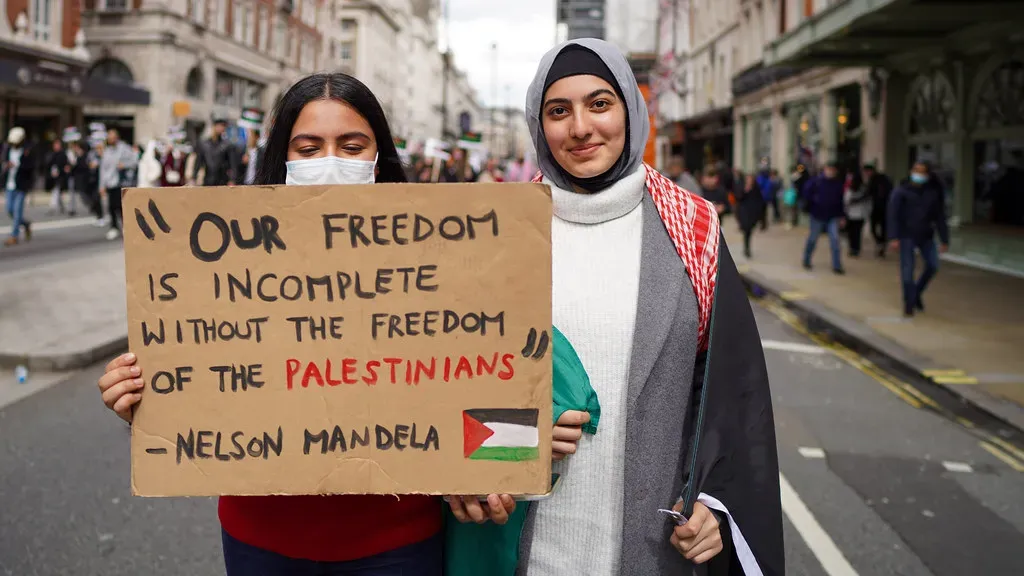
“Free Nelson Mandela” by The Special AKA was first released in 1984 as a protest against the imprisonment of Nelson Mandela by the apartheid South African government. The song became a Top 10 hit in the United Kingdom and instantly became the unofficial anthem and slogan for the international anti-apartheid movement. According to CNN, songwriter Jerry Dammers admitted knowing little about Mandela before attending an anti-apartheid concert in London in 1983. Yet his song achieved something remarkable. The track helped to change perceptions about Mandela and educated people about apartheid an incredible amount because they weren’t going to learn about Mandela from conventional sources, as noted by BBC Radio 2 presenter Paul Gambaccini.
Punk Rock’s Rebellion Against the System
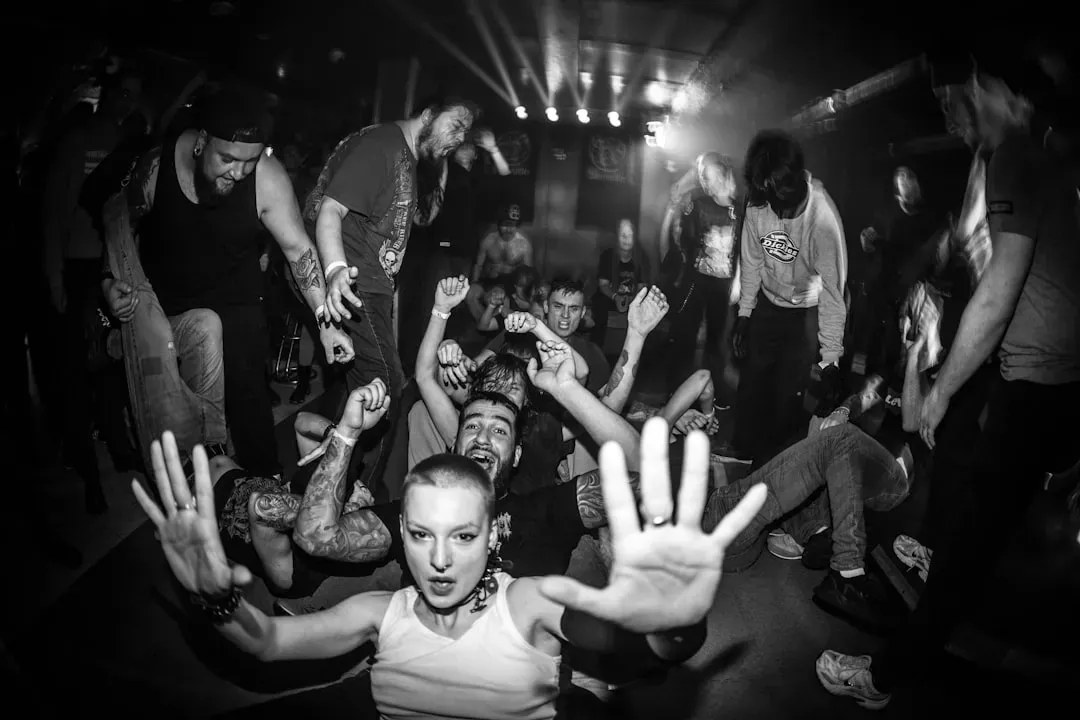
Punk music exploded in the United Kingdom during the late 1970s as economic turmoil and political frustration reached a boiling point. The genre became a vehicle for youth resistance, according to British Library cultural archives and music historians. Stripped-down guitar riffs and raw vocals gave voice to working-class anger that polite society tried to ignore. These weren’t songs asking nicely for change. They were demands, screamed into microphones in cramped clubs and community centers across England.
Arab Spring’s Digital Soundtrack of Revolution

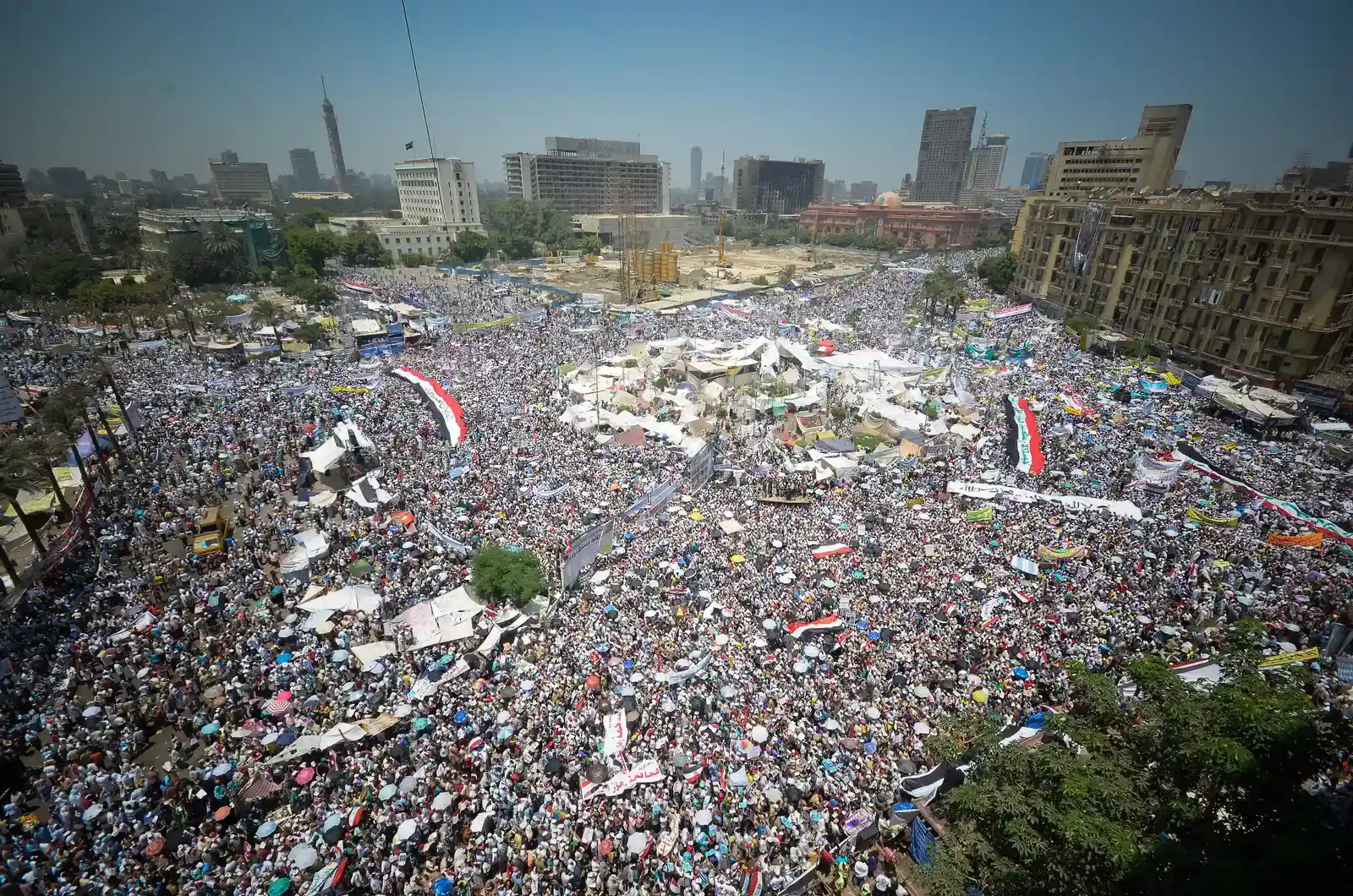
In Egypt during early 2011, jubilant crowds singing along to Ramy Essam and his guitar on Cairo’s Tahrir Square captured the euphoria that marked the early days of the Arab Spring, with his song “Irhal” (Leave) that directly took on President Hosni Mubarak becoming the anthem of the revolution. In Tunisia, “Rais Lebled” (President of the country) by rapper El General painted a damning picture of the state of the country under Zine El Abidine Ben Ali, according to reporting by Al Jazeera and academic research from Oberlin College. These protest songs spread through social media and YouTube, allowing messages of resistance to bypass state-controlled media entirely.
Black Lives Matter and the 2020 Protest Soundtrack

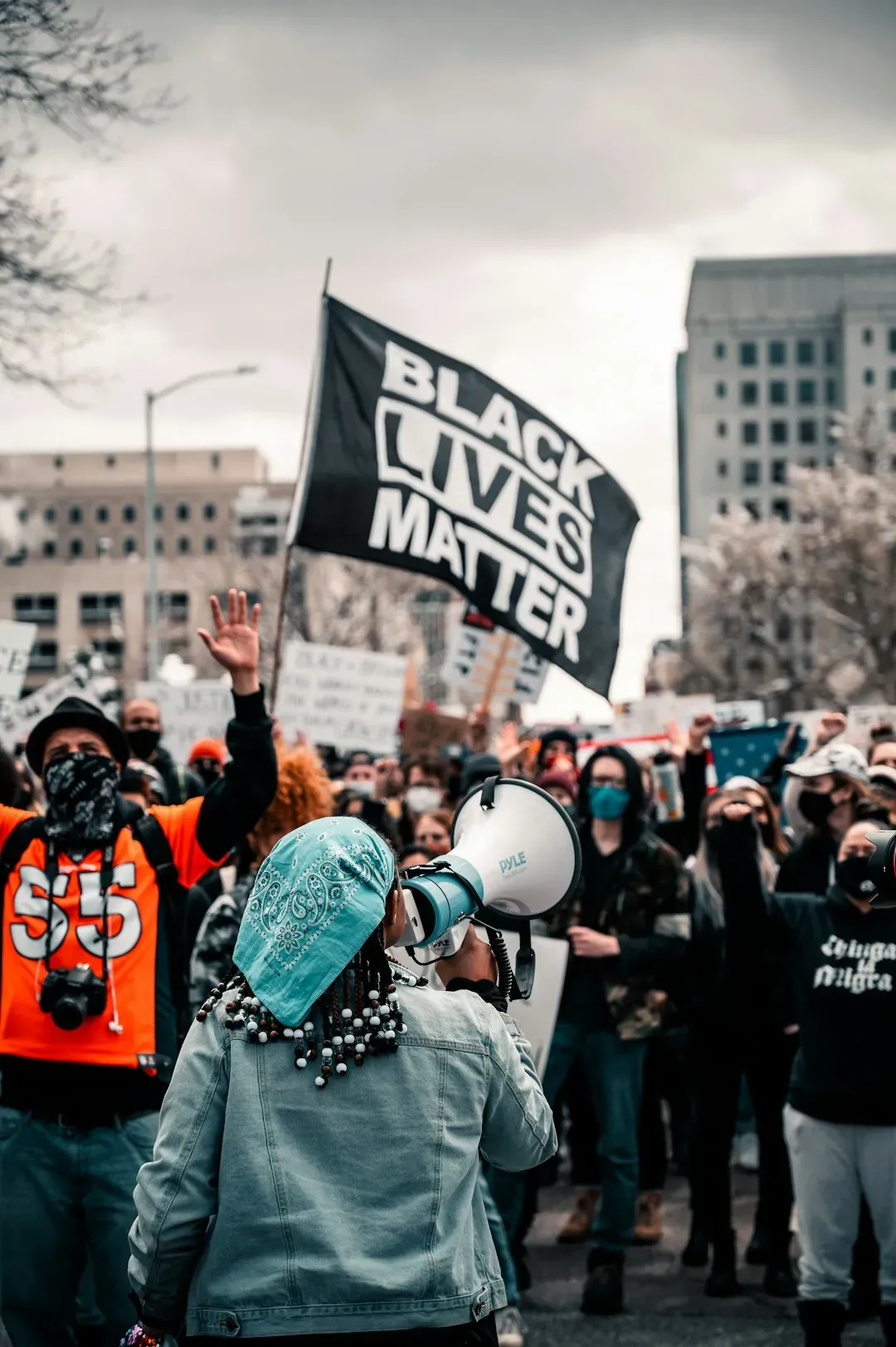
One of the most striking ways we’ll remember the music of 2020 was by the sounds of protest, especially during the resurgence of Black Lives Matter protests in the wake of the killing of George Floyd in Minneapolis in May. Tens of thousands of Americans took to the streets to protest against police brutality, and the national uprising inspired a number of musicians to record new songs to react and amplify the moment, as well as shine a light on the Black Lives Matter movement, as documented by NPR and Billboard. Artists like H.E.R. released “I Can’t Breathe,” while Lil Baby’s “The Bigger Picture” became one of the defining anthems. According to The Guardian and Pew Research Center, streaming platforms and social media amplified these messages globally in ways previous movements couldn’t access.
What’s wild is how quickly these tracks found their audience. Artists didn’t wait for record label approval or radio play. They uploaded, and within hours, their songs were soundtracking marches from Atlanta to London.


