Walk into almost any major casino in America, and you’ll be offered something for free within your first few minutes. A drink. A meal voucher. Maybe a discounted room. It feels like hospitality, and that’s entirely the point. The complimentary, or “comp,” is one of the casino industry’s most effective tools, and it has been quietly refined for decades into something far more calculated than it appears at the table.
Behind every free steak dinner and upgraded suite is a system of data, math, and behavioral science designed to keep you in your seat longer. Understanding how this machine works doesn’t require a degree in economics. It just requires knowing what the house already knows about you.
A Record-Breaking Industry Built on Retention
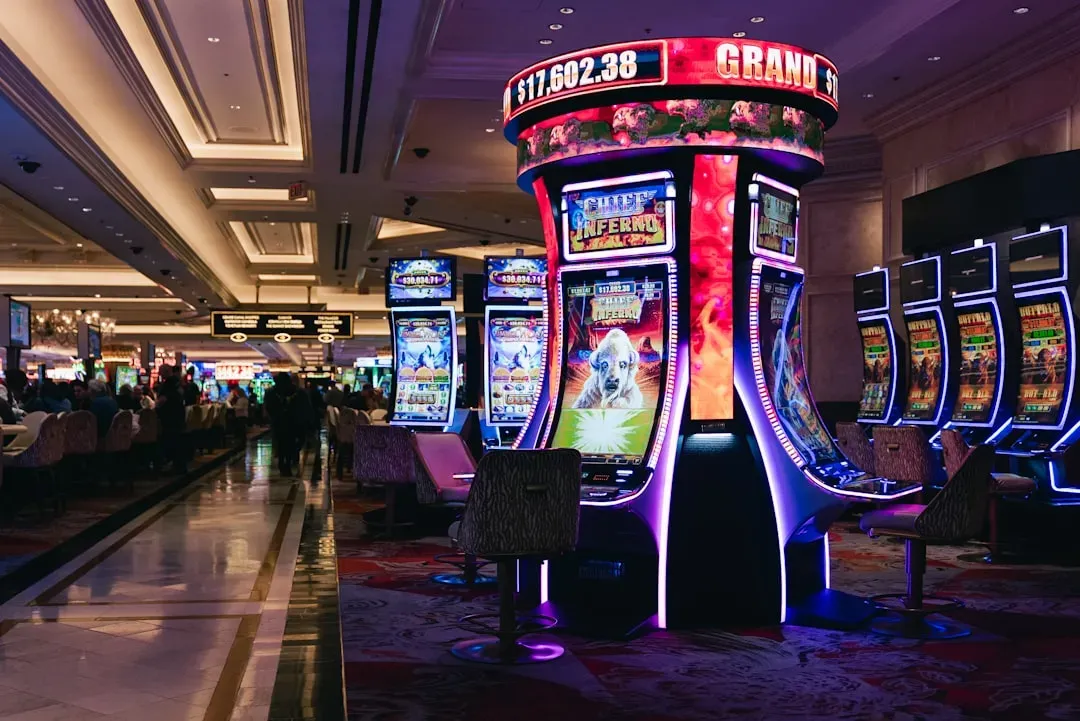
The scale of the casino industry in the United States is hard to overstate. The U.S. commercial casino sector generated a record $66.5 billion in revenue in 2023, according to the American Gaming Association, a figure that reflects not just new players walking through doors, but the consistent return of existing ones. Retention, not acquisition, is where the real money is made.
The global casino market is projected to grow at a roughly three percent annual rate from 2025 and reach well over $250 billion by the end of the decade, and for casinos, resorts, and gaming operators, loyalty and incentive programs have become critical tools to retain high-value clients, drive revenue, and deliver moments that keep players coming back. Comps sit at the center of that strategy. They are not acts of generosity. They are investments in return visits.
What a Comp Actually Is (And What It Costs You)
Comps are a money-making tool that casinos use to encourage more and bigger wagers. Your theoretical loss to the casino, sometimes called your “casino theo” or average daily theoretical, is the way the casino calculates what you are worth to them. It’s a cold metric, but an honest one.
Theoretical loss equals the aggregate amount of your wagers multiplied by the house advantage. So if you wager $1.25 per hand and play 1,000 hands, the aggregate amount of your wagers will be $1,250. If the game you are playing has a house advantage of half a percent, your theoretical loss will be $6.25. The comp you receive is always a fraction of that number, never a gift given without expectation.
Comps are not a reward for your loyalty. They are a casino business expense. The casino will give you a portion of your theoretical loss back to you in comps. The higher the casino hold on the games you play, the higher your theo is going to be and the more comps you will receive, but in essence, you are paying for those comps.
The Reinvestment Rate: Giving Back Just Enough

Reinvestment rates can vary by market and macroeconomic cycles and can range from roughly five percent of revenue to thirty-five percent or higher. Typical reinvestment strategies are based around average daily theoretical loss, known as ADT, or a variation of it. This is the formula that determines whether your play earns you a buffet meal or a penthouse suite.
Marketers and casino revenue managers have largely focused on filling the hotel and, ultimately, the casino floor. Simplified figures show that a 500-room casino resort might typically fill the vast majority of its rooms with non-paying guests, based on their average daily theoretical loss from the gaming floor. The comp room isn’t really free, it’s subsidized by your expected losses at the tables and machines.
Player Tracking: The Loyalty Card Knows Everything
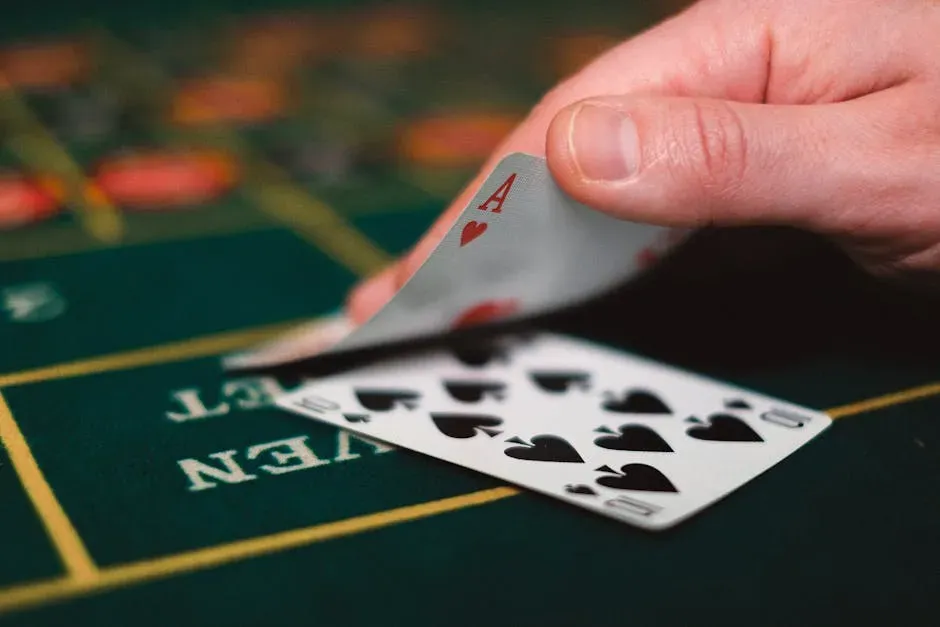
A fundamental tool for land-based casinos is one that measures the behavior of players, their preferences, and interests within a floor. The more players play and the longer they stay with the same casino, the bigger and better the rewards the casino will offer. This is the basic principle of player tracking systems, or loyalty programs as they are commonly called.
When you slide your rewards card into a slot machine, you’re not just earning points. You’re feeding a database. Casino management systems are integrated software solutions designed to manage various functions like player performance tracking, security, accounting, and customer service. These systems offer several benefits, including improved data accuracy, enhanced operational efficiency, and real-time insights into customer behavior. Every wager, every game choice, and every session length is recorded and analyzed.
The Whale Factor: When Comps Become Truly Lavish

For most players, comps mean a free meal or a reduced room rate. For a small subset of high-value gamblers, often called “whales,” the picture looks very different. Private jets, penthouse accommodations, and dedicated VIP hosts are standard perks for players whose theoretical losses can run into the tens of thousands of dollars per visit. The comp value at this level can reach amounts most people would associate with a luxury vacation, funded almost entirely by expected gambling losses.
VIP clubs are special categories within loyalty programs. These clubs are open to specific players, and admittance is usually by invitation only. The players who make it into these clubs are individuals whose spending on the gambling establishment significantly impacts its revenue. The free suite isn’t charity. It’s a calculated bet that the player will lose more than the room costs.
MGM, Caesars, and the Airline-Style Loyalty Arms Race
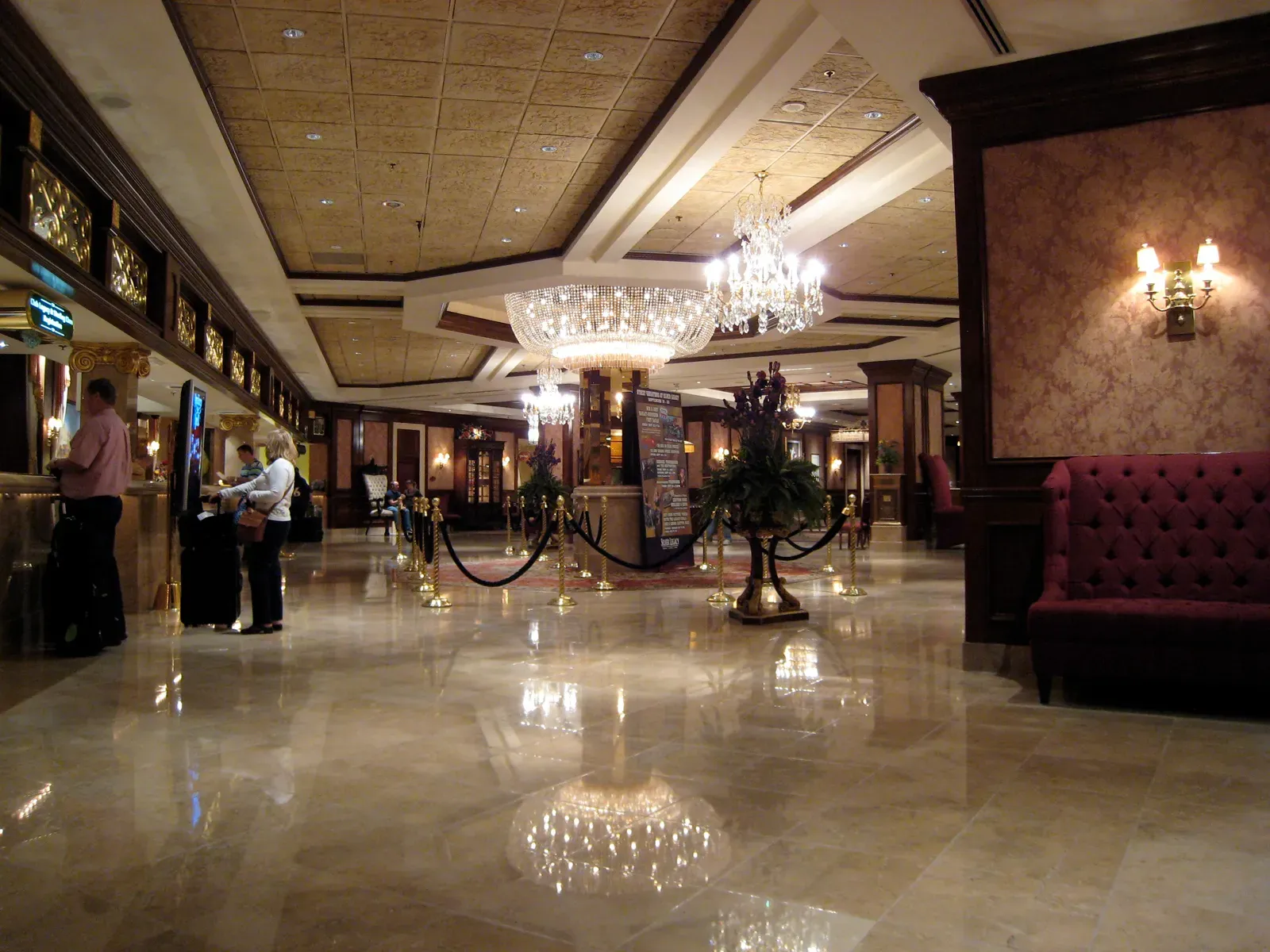
Major casino operators have built loyalty ecosystems that rival, and in some ways surpass, what airlines offer their frequent flyers. MGM Resorts International announced changes to its player loyalty program with new benefits and rewards. MGM Rewards members can now unlock perks between card tiers, receive tier match enhancements with Marriott Bonvoy, and gain greater access to Royal Caribbean cruise benefits. The line between casino loyalty and broader travel rewards has essentially disappeared.
Caesars Entertainment’s program offers free nights at properties in Atlantic City, Lake Tahoe, Las Vegas, Laughlin, and Reno, along with airfare packages and dining credits for its highest-tier members. Successful programs do more than reward play. They shape behaviors, strengthen relationships, and create lasting value for guests. That last part, shaping behaviors, is the part worth paying close attention to.
The Psychology of Reciprocity and the Near Miss
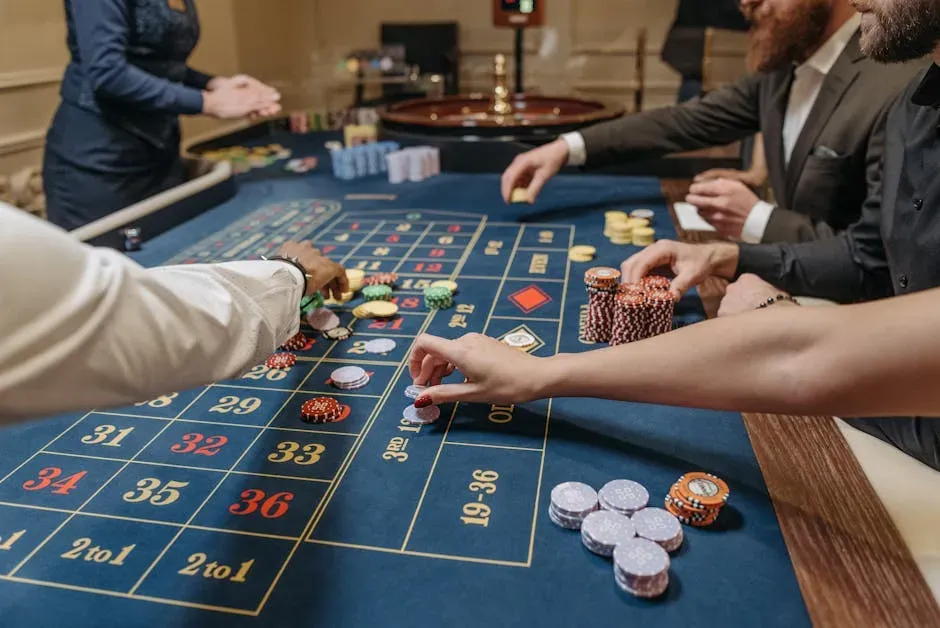
There’s a reason a free steak dinner makes you want to keep playing. Research in behavioral economics confirms that reciprocity is a powerful driver of continued behavior. When someone gives you something, the psychological pull to give something back, in this case, your continued gambling, is real and well-documented. Casinos understand this and deploy comps precisely at moments designed to leverage it.
Unlike other activities, gambling rewards are random and unpredictable. Each spin, roll, or hand may bring a big win, a small payout, or nothing at all. This unpredictability causes a stronger surge in dopamine compared to consistent rewards. This phenomenon is known as a variable ratio reinforcement schedule, the same principle used in slot machines.
Studies show that even when a person loses, the brain may still react as if they almost won, especially if the loss feels close. This near miss can increase dopamine levels, encouraging the person to keep playing. It tricks the brain into thinking a win is just around the corner. Pair that neurological state with a timely complimentary offer, and the effect is compounded.
AI and the Personalized Comp: The Future Is Already Here
Research shows that AI actively shapes user behavior on gambling platforms, influencing bet frequency, withdrawal decisions, and the length of time spent playing. By personalizing financial incentives, platforms can exploit cognitive biases such as the illusion of control and the near-miss effect, promoting more intense and risk-prone betting behavior. This is no longer a future concern. It’s the current standard.
AI and machine learning are being leveraged to enhance predictive analytics, optimize gaming operations, and provide personalized customer experiences. Casinos are using AI to analyze customer behavior, predict gaming preferences, and provide tailored rewards or promotions. The old method of offering the same comp to every player of a similar tier is giving way to something far more precise.
Algorithms can recommend games, tournaments, and other offers based on a player’s preferences, betting habits, and playing history. AI can also offer personalized bonuses and special offers. The free room you receive on a slow Tuesday isn’t random. It was chosen for you, timed for you, and priced to ensure the casino still comes out ahead.
Conclusion: The House Always Planned the Gift
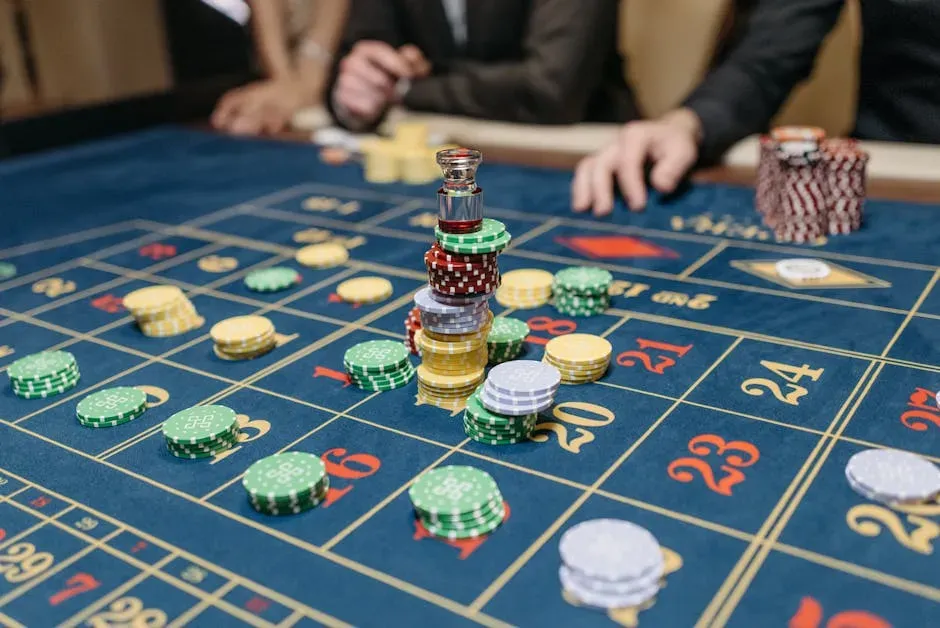
The comp is one of the more elegant mechanisms in modern business. It feels generous, creates genuine goodwill, and delivers a measurable return for the casino. None of that makes it dishonest, but it does make it worth understanding clearly.
The free steak costs the casino a fraction of what your theoretical losses will cover. The suite on the 30th floor fills a room that would otherwise sit empty midweek, while keeping you steps from the casino floor. The loyalty points accumulating on your card are a quiet invitation to keep coming back, calibrated by algorithms that know your habits better than you might realize.
Knowing all of this doesn’t ruin the dinner. It just helps you eat it with clear eyes.