Fame in the music industry can feel permanent until it isn’t. One moment, a name is everywhere: on radio stations, on magazine covers, on the tip of every entertainment reporter’s tongue. The next, the silence is almost total. Not every collapse takes years to unfold. Some careers disintegrate inside twelve months, leaving behind canceled contracts, frozen assets, and the particular kind of public bewilderment that comes when someone famous falls faster than anyone expected.
The stories here are not cautionary tales dressed up as entertainment. They are documented collapses, some driven by financial ruin, some by scandal, some by a combination of decisions that compounded with devastating speed. Each one raises the same uncomfortable question: how does someone at the very top of an industry lose it all so quickly?
Milli Vanilli: The Grammy That Disappeared Overnight

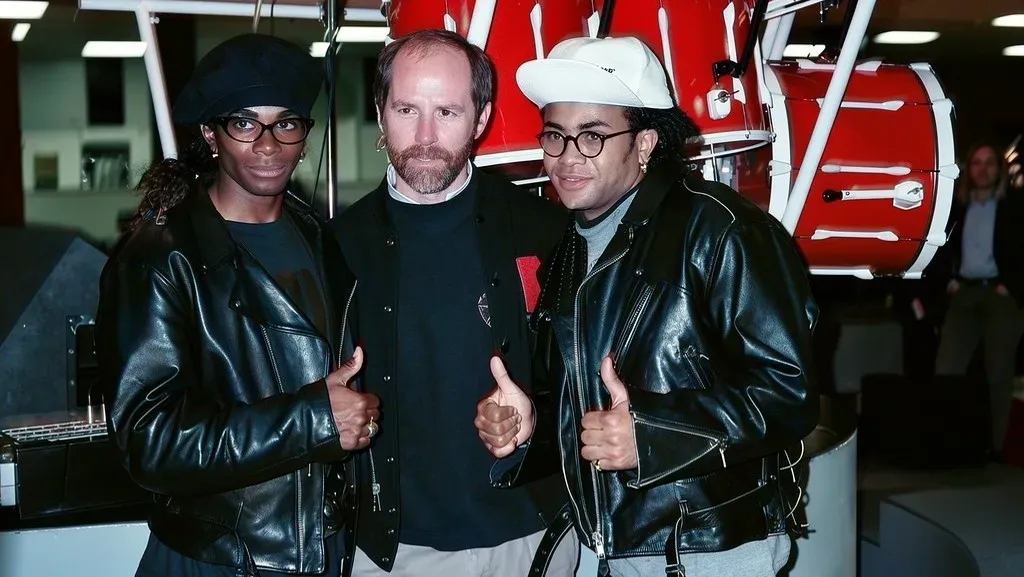
Their debut album, released in Europe in 1988 and later in the U.S. as “Girl You Know It’s True,” achieved significant commercial success, leading to multiple awards, including a Grammy for Best New Artist in 1990. Fab Morvan and Rob Pilatus were, by any commercial measure, one of the hottest pop acts on the planet. Morvan went from the pinnacle of success to career oblivion in the space of nine months in 1990.
When music producer Frank Farian revealed on November 15, 1990, that Rob Pilatus and Fab Morvan hadn’t sung a single note on their mega-hit album, the confession obliterated careers, shattered trust, and rattled the foundations of the pop world. Their music was pulled from radio rotation, their Grammy was revoked, and Arista deleted “Girl You Know It’s True” from its catalog and refunded customers following several class action lawsuits. It is the only time a Grammy has been revoked.
Sean “Diddy” Combs: An Empire That Collapsed Under Its Own Weight


Before Ventura’s suit became news, Combs had scored a Grammy nomination for an R&B album, was valued at over $1 billion, and was in the middle of a move to adopt “Love” as his new stage name. The speed at which the walls closed in was remarkable even by the standards of high-profile scandals. Combs’ homes were raided by Homeland Security officials in March 2024, and that May, a 2016 hotel surveillance video of him and Ventura, showing him hitting and kicking her and attempting to drag her down a hallway, leaked to the public.
On September 16, 2024, Combs was arrested at his Manhattan hotel, and a sex trafficking and racketeering indictment unsealed the next day accused him of using his business empire to coerce women into participating in sexual performances. Combs stepped down as chairman of the media company Revolt TV and sold his stake the following June. In December 2023, 18 brands severed ties with Combs’ e-commerce venture, Empower Global. On October 3, 2025, Judge Arun Subramanian sentenced Combs to four years and two months in prison, a $500,000 fine, and five years of supervised release.
MC Hammer: When the Biggest Stage Becomes the Biggest Debt

His album “Please Hammer, Don’t Hurt ‘Em” dominated charts, selling over 10 million copies in the United States. The tours were enormous, the videos extravagant, and the spending matched the success. Few pop careers have illustrated the gap between earning power and financial wisdom as starkly as MC Hammer’s. At the height of his fame, he was arguably the most visible entertainer in America.
By April 1996, he filed for bankruptcy protection in Oakland. Court filings and local media pointed to more than $10 million in debts. His payroll was massive, supporting dancers, staff, and even a private security team, but when sales slowed, the cash flow couldn’t keep up. Among his extravagant purchases were a 40,000 square foot, gold-plated mansion, an entourage of 200 people, 21 race horses, and several private jets and helicopters, not to mention 17 luxury cars. The machine that had made him famous was also the one that broke him.
Toni Braxton: A Contract That Made Fame Feel Like Poverty


Toni Braxton has sold over 70 million albums worldwide and is one of the biggest selling R&B stars of all time. Her 1996 hit “Un-Break My Heart” continues to be played all over the world. Few careers looked more financially secure from the outside. The reality, it turned out, was entirely different.
The $170 million that her music had generated wasn’t hers at all: Braxton didn’t read her contract properly, which meant she was unaware that the majority of her earnings actually belonged to her record label, Arista/LaFace. So in 1998, she had no choice but to file for bankruptcy. Then, in 2010, she had to file for bankruptcy for a second time, as she had been self-financing her Las Vegas concerts, which she couldn’t fulfill due to ill health. It remains one of the music industry’s most sobering examples of how a contract can quietly drain everything while the spotlight burns bright.
Lauryn Hill: Five Grammys, One Catastrophic Year

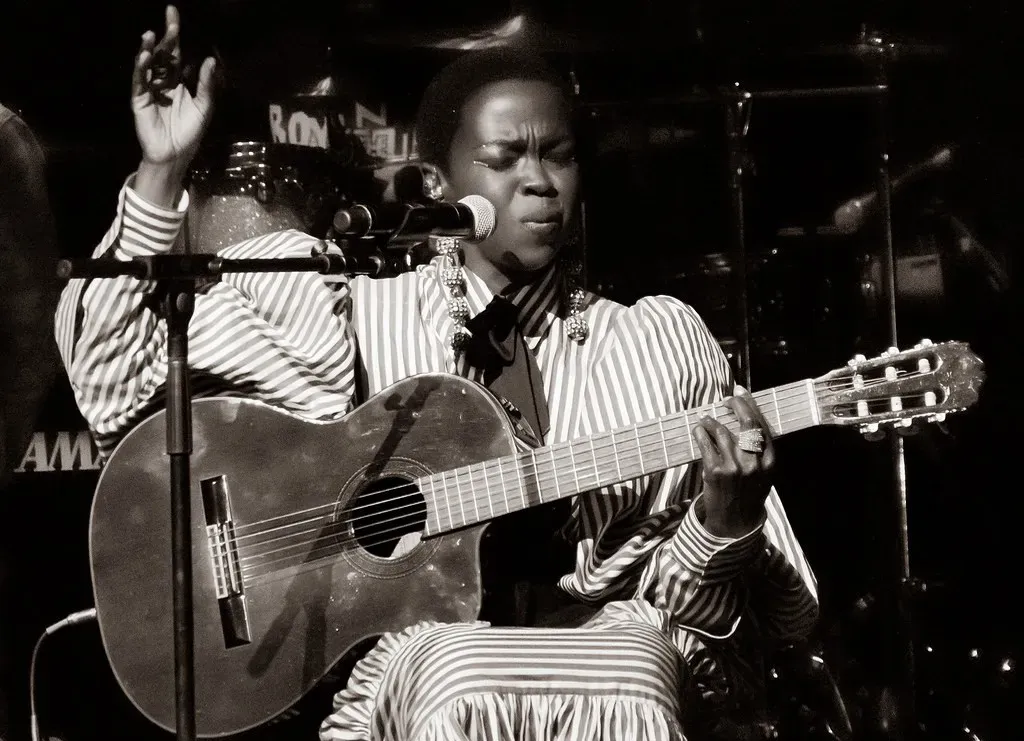
The peak of Lauryn Hill’s fame came in 1998. That was the year she released her seminal debut solo album “The Miseducation of Lauryn Hill.” The record was a massive critical and commercial success, garnering Hill five Grammys, including Album of the Year. It was one of the most celebrated debut albums in modern pop history. What followed was a slow, painful unraveling.
A group of musicians called New Ark sued Hill on the grounds that she had used their songs and production skills but failed to properly credit them for the work. It would take years for the lawsuit to be settled, and in the end Hill was forced to pay New Ark around $5 million. Years later, Hill would famously serve three months in prison for failing to pay her outstanding tax bills. The same year that made her a legend quietly set the terms for her long, complicated fall.
Kesha: When a Legal Battle Becomes a Financial Crisis

With a whopping ten top 10 singles to her name, including “TiK ToK,” which was at one time the best-selling digital single ever, Kesha knows a thing or two about success. Her career trajectory looked unstoppable heading into the 2010s. Then the lawsuits began, and almost everything stalled.
Her much publicized lawsuit against her former producer, Dr. Luke, decimated her bank account. Legal fees don’t come cheap, and at one point Kesha reportedly had to accept $250,000 from Taylor Swift in order to cover her legal expenses. Kesha didn’t lose her magic touch when it comes to topping the charts. Her self-funded third album “Rainbow” peaked at number one on the Billboard 200 chart and was certified Gold by the Recording Industry Association of America just four months after its release. The fight nearly cost her everything she’d built, even as her talent remained fully intact.
Natalia Kills: Thirty Seconds That Ended a Career


Some collapses unfold over months. Natalia Kills managed hers in roughly half a minute. Natalia Kills and her husband Willy Moon, as judges on X Factor NZ, brutally bullied a suited contestant for copying Moon’s style, even comparing him to several serial killers including Psycho’s Norman Bates. The clip spread instantly, and the public reaction was almost uniformly one of shock.
If the unanimously booing crowd didn’t immediately clue them in to their error, the pair’s subsequent sacking from the show and rapid decline in record sales probably did. The speed at which information spreads online means that a scandal can erupt in seconds, and the consequences can be far-reaching. Kills had been building a credible pop career with a distinctive artistic identity. All of it was eclipsed by one televised moment that has since been replayed millions of times as a case study in career implosion.