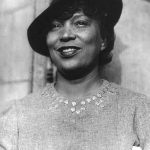
Fame and influence have never been the same thing. Music history is full of artists who dominated charts, sold out arenas, and collected awards – yet the deeper you dig, the more you realise that some of the most seismic forces in popular music never got their moment in the spotlight. Their names rarely come up in casual conversation. Their faces don’t sell magazine covers. Still, the sound of modern music is unimaginable without them.
This is a gallery of seven such figures. Each one shaped the artists who shaped the world, quietly redirecting the entire course of popular music from somewhere in the shadows. Popularity on the radio waves, it turns out, does not determine an artist’s tangible impact on the actual history of music. These seven singers prove that point magnificently.
Sister Rosetta Tharpe: The Godmother Rock and Roll Forgot
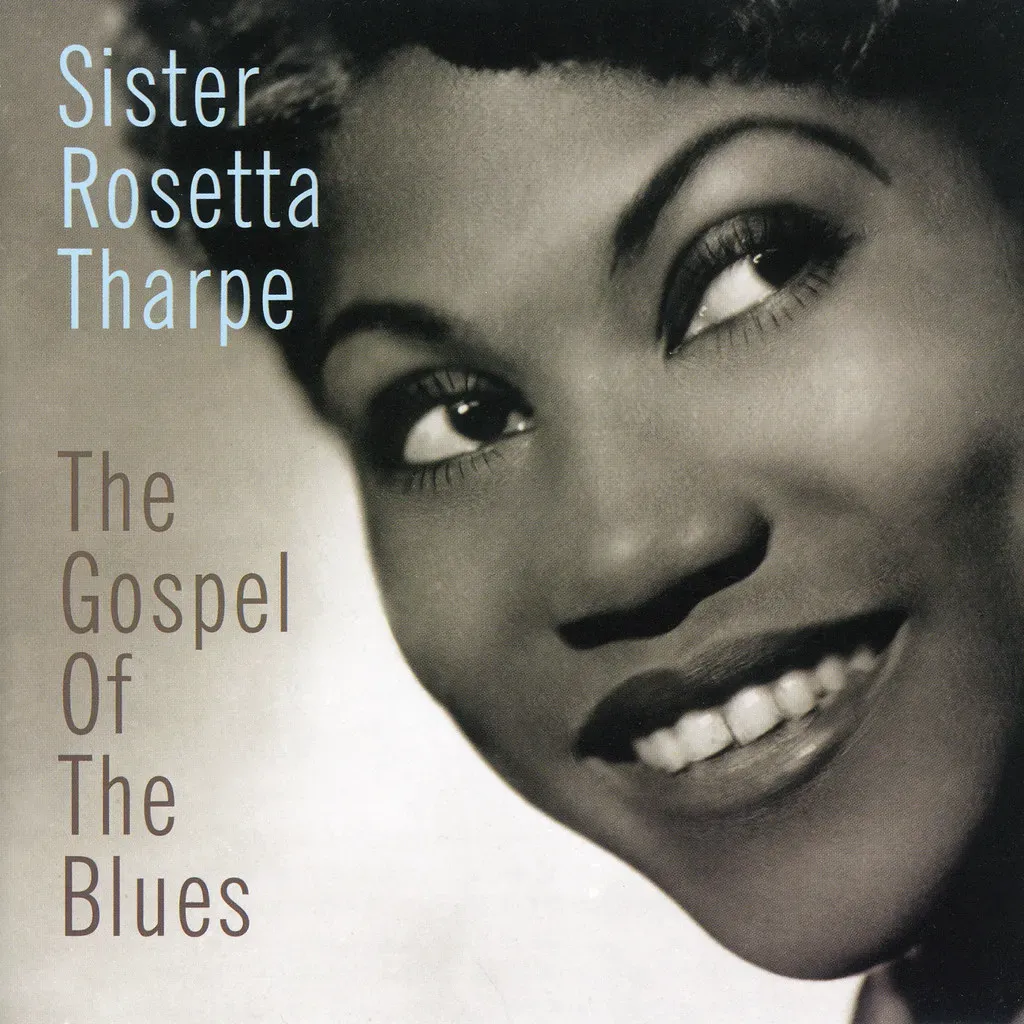
Sister Rosetta Tharpe was an American singer, songwriter, and guitarist who gained popularity in the 1930s and 1940s with her gospel recordings, characterised by a unique mixture of spiritual lyrics and electric guitar. She was rooted in a Pentecostal church and became the first great recording star of gospel music, and was among the first gospel musicians to appeal to rhythm and blues and rock and roll audiences – later being referred to as “the original soul sister” and “the Godmother of Rock and Roll.” Yet ask a casual music fan today who invented rock and roll, and you’ll almost certainly hear names like Elvis Presley, Chuck Berry, or Little Richard. The troubling irony is that all three of them learned from her.
Chuck Berry once said his entire career was “one long Sister Rosetta Tharpe impersonation.” Little Richard called her his greatest influence and Tharpe was the first to put him on stage, a tale Richard recounts in his autobiography. Elvis Presley, Carl Perkins, Jerry Lee Lewis, and Johnny Cash were also all inspired by Tharpe. She was among the first popular recording artists to use heavy distortion on her electric guitar, opening the way to the rise of electric blues. The story of rock was her story first.
Harry Nilsson: The Beatles’ Favourite Artist Nobody Talks About
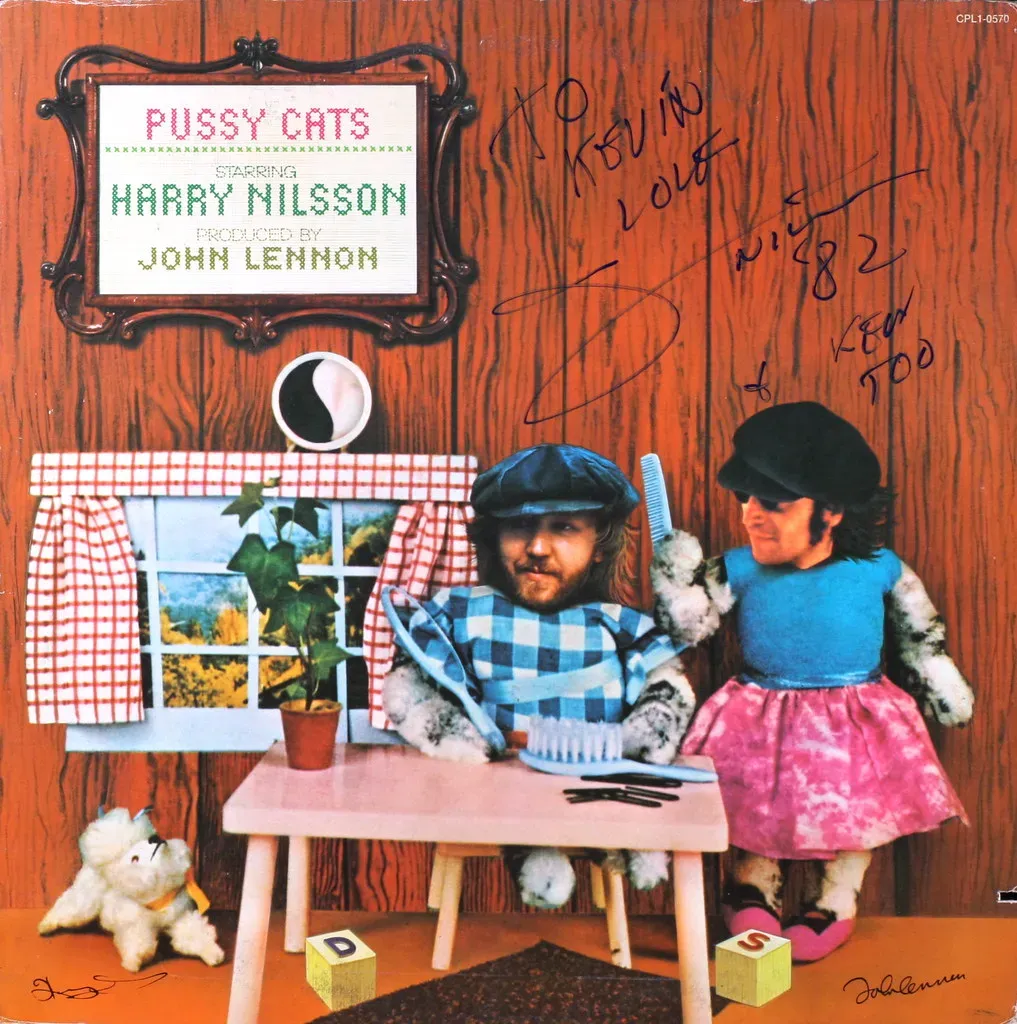
Harry Nilsson had the distinction of once being cited by Beatles John Lennon and Paul McCartney as their favourite recording artist. That endorsement alone should have made him a household name for generations. When John Lennon and Paul McCartney held a press conference in 1968 to announce the formation of Apple Corps, Lennon was asked to name his favourite American artist. He replied, “Nilsson.” McCartney was then asked to name his favourite American group. He replied, “Nilsson.” It was the kind of public praise that most musicians could only dream of – and yet somehow, it wasn’t enough to cement his place in the popular imagination.
Already in evidence was Nilsson’s remarkable velvety voice – singer-songwriter Jimmy Webb called Nilsson the best singer of their generation – which could be both warm and edgy as well as soar in high register. Many artists have covered his work to good effect – The Monkees, Three Dog Night, David Cassidy, Neil Diamond, the Yardbirds, Ella Fitzgerald, Sinead O’Connor, and Macy Gray. Despite his fame as a recording star, he seldom appeared on television and never performed a public concert, which likely contributed to the strange fog that settled over his legacy. His songs are everywhere; his name is not.
Jeff Buckley: One Album, Infinite Echoes
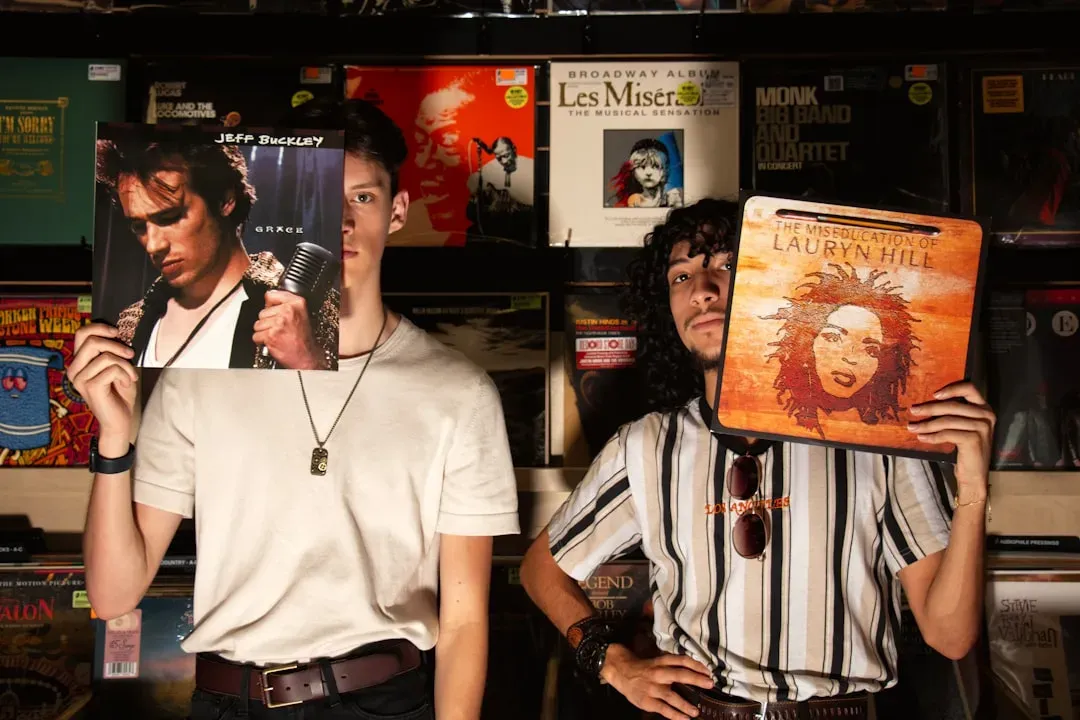
Jeff Buckley signed with Columbia and released his only studio album, Grace, in 1994. With a four-octave range, he was most renowned for his spine-chilling interpretation of “Hallelujah.” Although several critics hailed Grace, the general public never really embraced him prior to his untimely drowning at thirty. It’s a cruel quirk of fate: Buckley’s influence grew exponentially after he was gone, spreading through genres and generations he never lived to see.
Of the many people who took inspiration from Jeff Buckley, two prominent artists are Thom Yorke of Radiohead and Matt Bellamy of Muse. In 1995, Radiohead recorded “Fake Plastic Trees” after seeing Buckley perform at a club in London. Buckley’s vocal style influenced Yorke to feel comfortable singing falsetto. Often, Buckley took his voice to incredible heights, such as on “Corpus Christi Carol” – he sang the entire song in falsetto, making room for a higher-register, gentler voice in rock. One album. A whole new vocabulary for how men could sing.
Eva Cassidy: The Voice That Only Became Famous After Death

Eva Cassidy’s ability to cross genre lines with her expressive, haunting vocals was simply remarkable. She sadly passed away in 1996 at just thirty-three years old, but her posthumous triumph in the UK garnered late respect. During her lifetime, Cassidy performed almost exclusively in small Washington D.C. venues and released music independently with a minimal budget. She recorded across folk, jazz, blues, and pop with equal command – and almost nobody outside her immediate city ever heard her.
Partner offer
Eva Cassidy’s debut solo album, Eva by Heart, was released on September 23, 1997, over ten months after her death from melanoma in 1996. An album called I Can Only Be Me, featuring the London Symphony Orchestra, was released on March 3, 2023 – twenty-seven years after her death. That an orchestra was still recording her music nearly three decades on tells you everything about the depth of what she left behind. Her version of “Fields of Gold” in particular reached millions of listeners who had never heard her name while she was alive – a haunting reminder of how badly the music industry can fail a genuinely extraordinary talent.
Teddy Pendergrass: The Standard-Bearer Nobody Cites
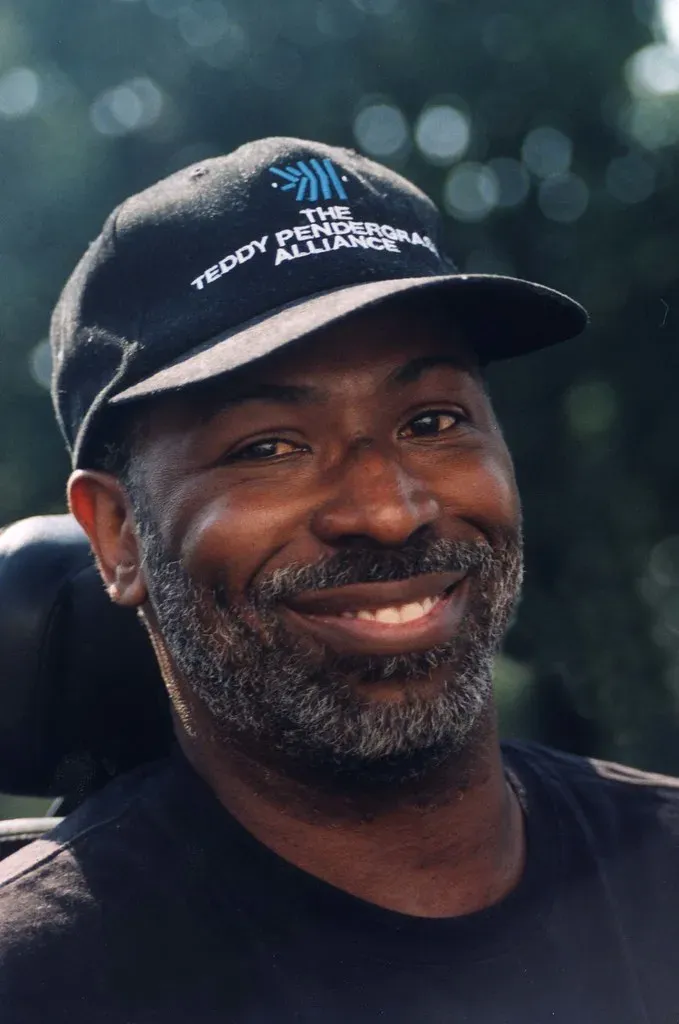
Though a legend in Philadelphia soul circles, Teddy Pendergrass isn’t mentioned nearly enough in modern R&B histories. His commanding baritone and emotionally raw performances set the standard for male soul singers. Rising to fame first as the lead voice of Harold Melvin and the Blue Notes in the 1970s, Pendergrass then launched a wildly successful solo career. He became one of the first Black solo artists to sell out arenas, and his intensity on stage was legendary – yet his name is almost entirely absent from mainstream discussions about influential soul vocalists.
Pendergrass’s vocal delivery – full-throated, emotionally unguarded, physically demanding – was a direct blueprint for the kind of male R&B artistry that would define the genre for decades after him. Artists from Luther Vandross to Brian McKnight to contemporary R&B singers owe a considerable stylistic debt to the template he constructed. A near-fatal car accident in 1982 cut his performing career tragically short, perhaps removing him from public consciousness at the exact moment his influence was peaking. The debt the genre owes him has never been fully settled.
Judith Hill: The Hired Hand Who Outshines the Stage She’s Standing On

Judith Hill was handpicked to tour with Michael Jackson and has worked with Prince. Her voice, rich with texture and power, remains one of the most dynamic in modern soul music. Despite her resume, mainstream exposure continues to elude her. She was set to perform at the 2009 Grammy tribute to Michael Jackson when he passed, and the documentary about that ill-fated project – “20 Feet from Stardom” – introduced her to a wider audience. Still, wider awareness never quite translated into the commercial platform her talent demands.
Hill is the kind of singer who makes every other performer on stage aware of their own limitations. Her technical command spans a range from gritty Southern soul to full classical soprano, often within a single song. These underappreciated performers remind us of what real vocal creativity looks and sounds like in a music scene where autotune and overproduction sometimes obscure voice authenticity. Even if the names themselves don’t rule the charts or award ceremonies, their impact is heard in today’s top performers. Hill is perhaps the clearest living example of that truth.
Serge Gainsbourg: The French Provocateur Who Quietly Rewired Pop
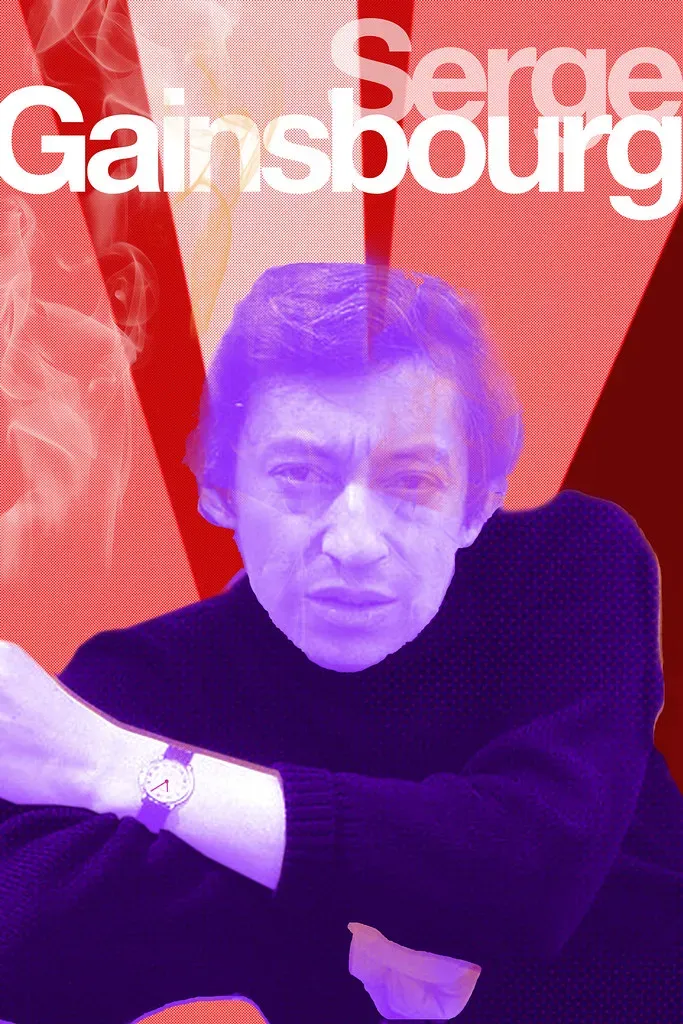
Serge Gainsbourg’s influence isn’t easy to pinpoint because his musical style is difficult to categorise. Despite this, modern musicians are quick to name the singer, songwriter, and composer as a key influence, and he’s considered a legend in France. Part of his influence is that he experimented with so many genres – from funk, to pop, to jazz, to reggae, calypso, bossa nova, and erotic pop. That range is astonishing even now. Outside of France and a relatively narrow circle of Anglophone music obsessives, however, his name registers barely a flicker.
His wide musical range has influenced an equally large range of artists, from Public Enemy to Beck to Kylie Minogue. Gainsbourg understood, decades before anyone else, that pop music’s power lay precisely in its capacity to absorb everything and be nothing in particular – genre as a fluid concept rather than a fixed identity. His approach to production, to the treatment of the voice as texture rather than just melody, quietly filtered through into some of the most innovative music of the late twentieth and early twenty-first centuries. He remains one of the great quiet architects of modern sound.
Conclusion: The Invisible Architecture of Music

What these seven singers share isn’t just underappreciation – it’s a particular kind of invisibility that tends to afflict those who work at the roots rather than the branches. The Velvet Underground, for instance, is several times more influential than more easily recognisable artists; popularity on the radio waves does not determine an artist’s tangible impact on the actual history of music. The same principle applies here. Sister Rosetta Tharpe built the foundation that Elvis walked across. Harry Nilsson wrote the songs that held up entire careers. Jeff Buckley changed the way a generation of men allowed themselves to sing.
The architecture of popular music is largely invisible. Most people hear the building without ever thinking about the beams. These seven singers are the beams. Their work sits beneath almost everything you love about modern music, quietly holding the whole thing up – and that, in its own way, is a kind of immortality more durable than fame ever could be.
Partner offer
Planning a trip to Vegas?
Compare hotel rates and show tickets on VEGAS.com.