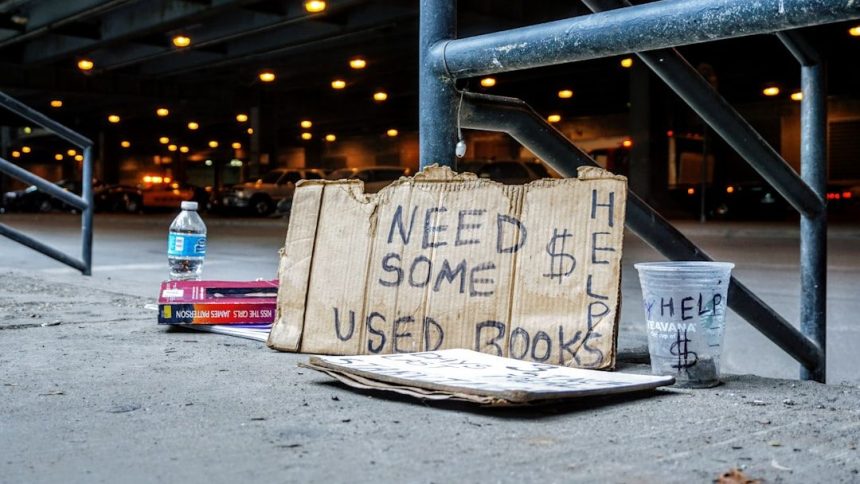
Las Vegas is a city built on the idea that fortunes can turn overnight. For most visitors, that idea is contained to the casino floor. For thousands of residents living on the margins, it runs far deeper – and far more personal. Behind the bright lights and the billboard spectacle, there’s a quieter, harder story unfolding every day. The Las Vegas Rescue Mission, located on two city blocks in downtown Las Vegas, sits at the center of that story. It doesn’t make headlines the way the Strip does, but its work – feeding, sheltering, counseling, and rebuilding lives – has touched more people in this city than most residents realize. Here’s a closer look at the mission, the people it serves, and the forces that shape both.
The Scale of the Crisis Behind the Glamour
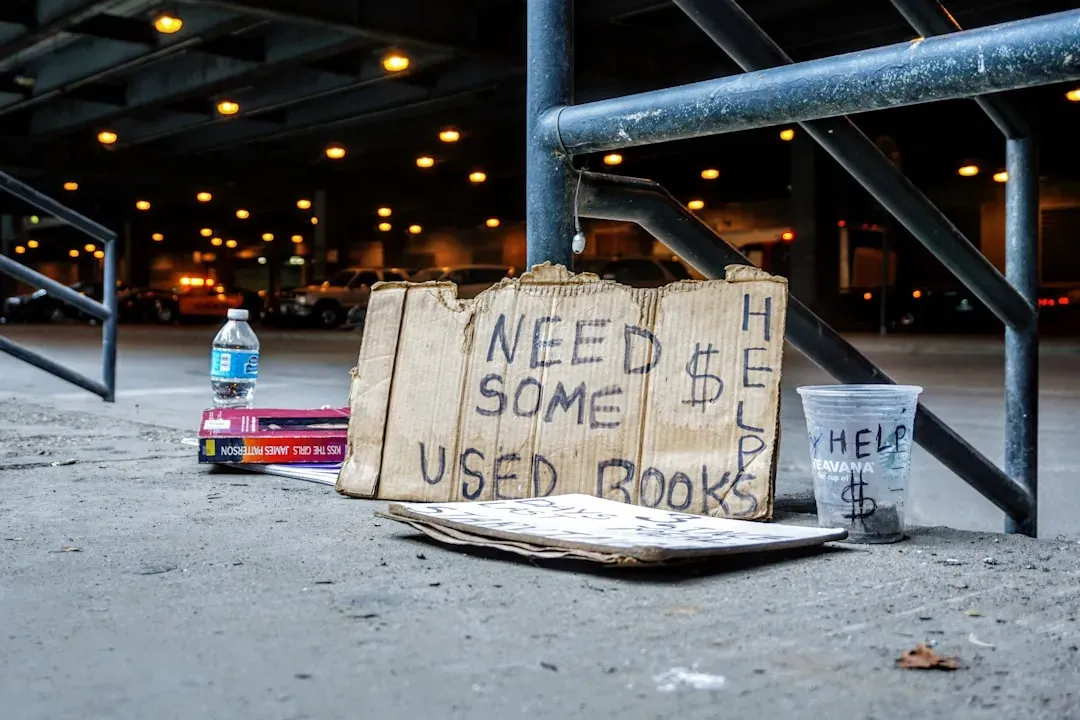
The January 2024 Point-in-Time count reported 7,906 individuals without stable housing in Southern Nevada, marking a 10-year high – a more than twenty percent increase from the year before. That figure also represents a roughly fifty-six percent rise since 2021, underlining the sharp acceleration of an already serious problem.
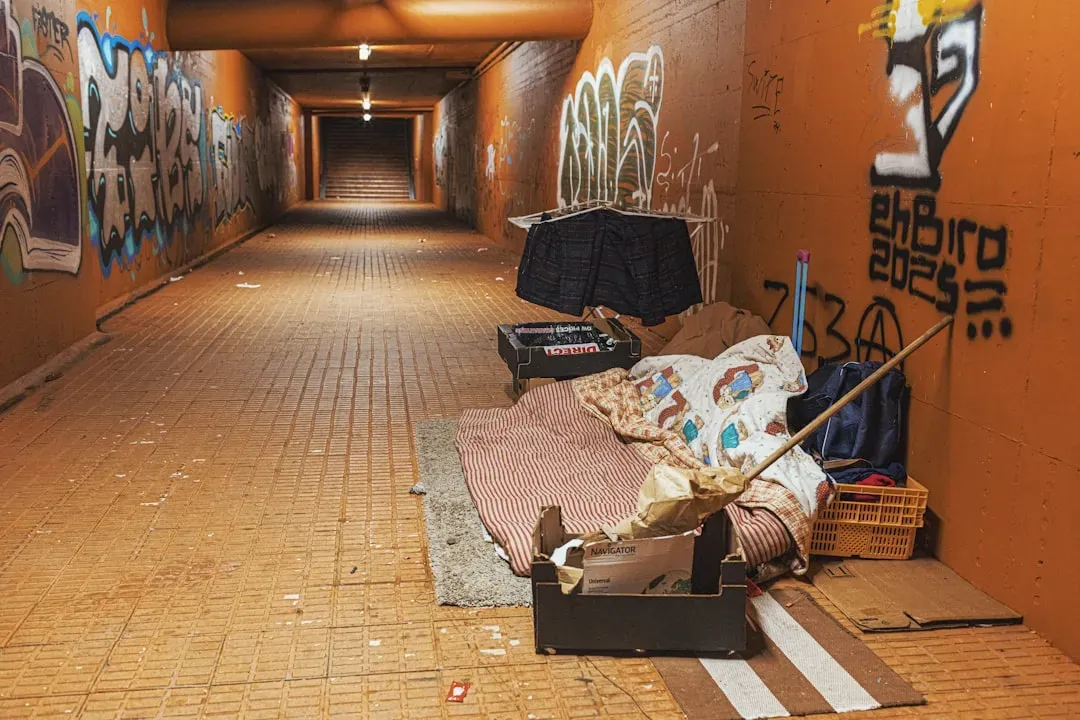
Youth homelessness increased by nearly eighty percent in that same period, and the largest share of homeless individuals counted were between the ages of thirty-five and forty-four. Families with children grew from twelve percent of the homeless population in 2023 to nineteen percent in 2024. These aren’t abstract numbers. They represent parents, teenagers, and toddlers sleeping in cars, tunnels, or the streets of a city that glitters from a distance.
A Mission Rooted in 1970
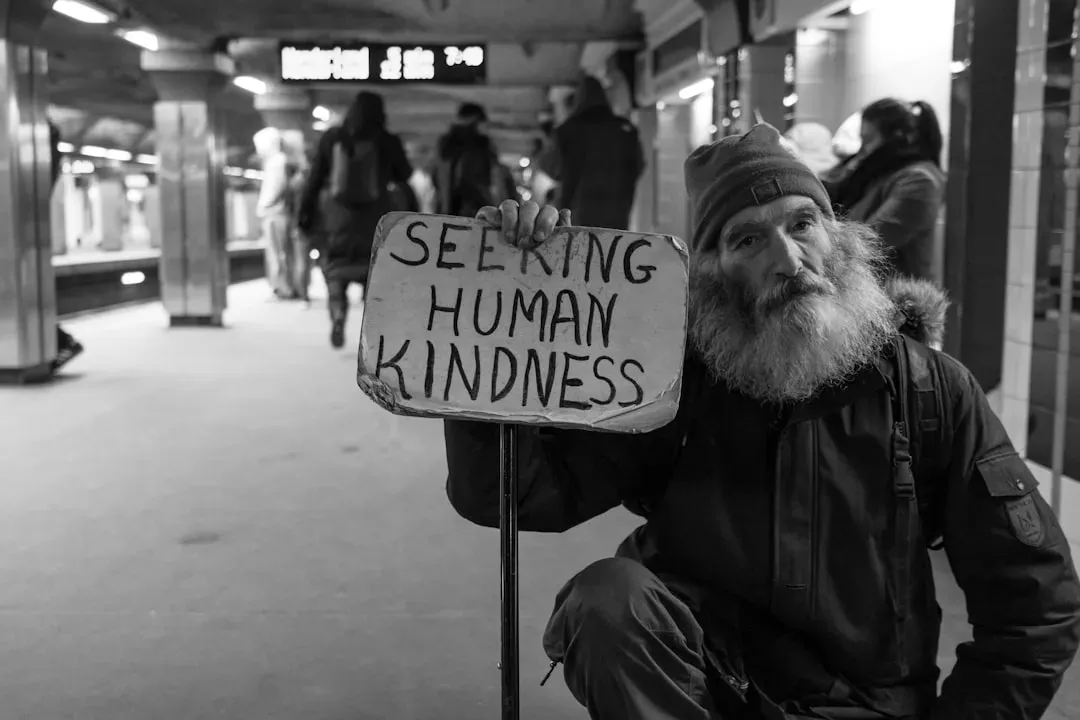
Founded in 1970, the Las Vegas Rescue Mission started as a small storefront building with a chapel, kitchen, and a shelter that could house a few men. Today, the campus spans two city blocks in downtown Las Vegas, providing food and shelter to hundreds of men, women, and children every single day.
The mission offers far more than a bed for the night. It provides structured extended-stay housing, employment readiness programs, addiction recovery support, medical aid, and legal assistance to help individuals rebuild their lives. The facility operates the only on-demand treatment program in the Las Vegas Valley, offering a Christian-based residential addiction recovery program that runs between six and twelve months, staffed by licensed counselors and case managers.
Feeding Hundreds Every Day
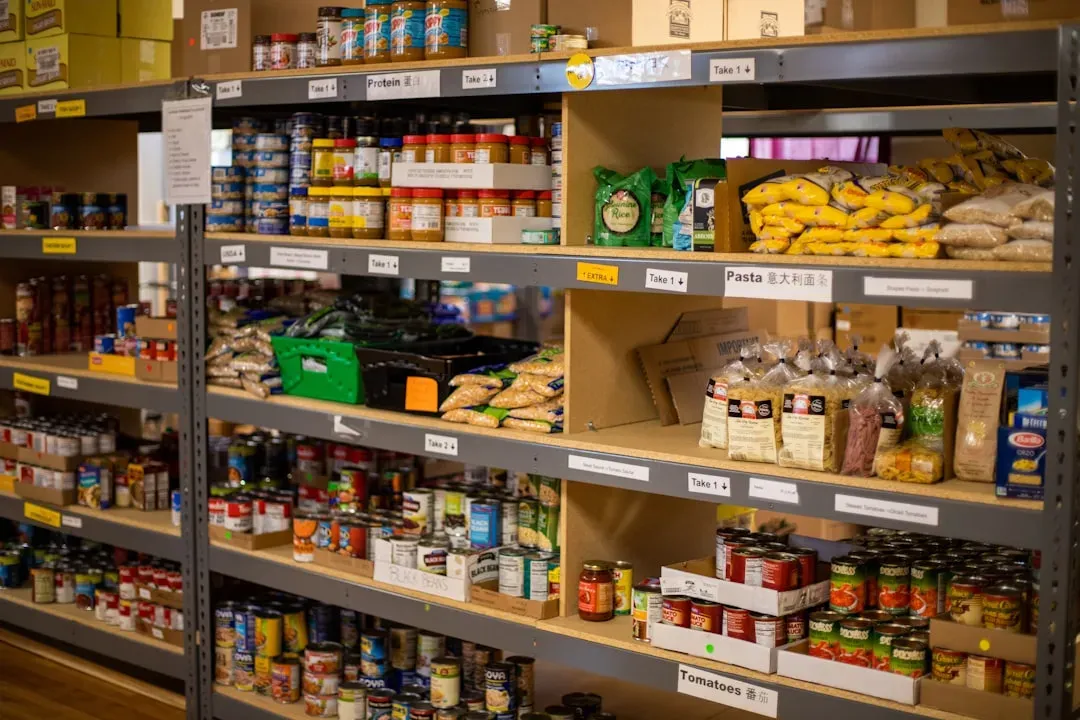
The mission now spans two city blocks, serving hundreds daily and providing around 30,000 meals each month. That sustained output, maintained over decades, is what separates the mission from a temporary relief operation. It’s a permanent infrastructure for people who have nowhere else to turn.
With a four-star Charity Navigator rating, the organization ensures that eighty-seven cents of every donated dollar goes directly to programs serving those in need. The mission works alongside more than forty local organizations, Clark County, and faith communities to provide comprehensive support. Efficiency and accountability, in a sector where both can be rare, matter enormously here.
The CEO Who Knows What It Feels Like
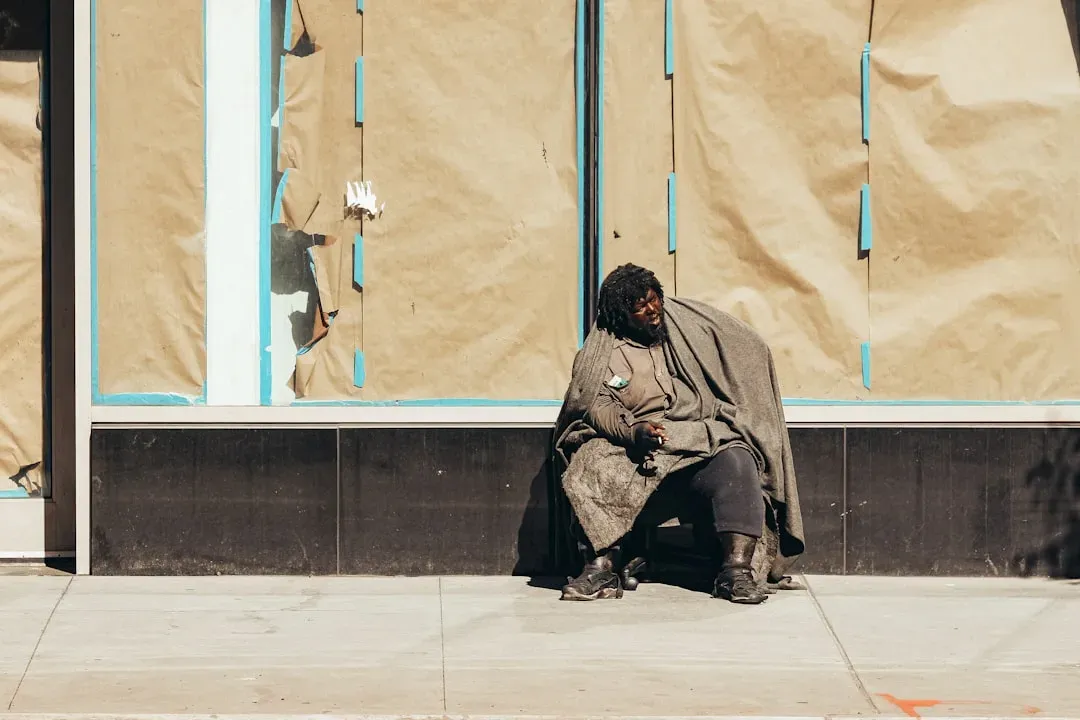
As the chief executive officer of the Las Vegas Rescue Mission, Heather Engle is on the frontlines of fighting the city’s homeless crisis. As a recovering alcoholic, she brings valuable firsthand knowledge in helping those dealing with addiction and has been an outspoken champion for the city’s most vulnerable population for years.
Engle entered a detox program for indigent people more than sixteen years ago. Had the facility turned her away due to a lack of space, she has said she would not have survived another week. She has since become the first female CEO in the mission’s history – a fact that carries real weight when you understand where she started. Heather Engle found her calling as the first female executive in the history of the Las Vegas Rescue Mission.
The Intact Family Program: Keeping Families Together

With the help of a Clark County grant, the Las Vegas Rescue Mission is the only place in the state running an “intact family program” that allows couples and their children to stay together while they receive shelter and recovery services. That distinction is significant, because most shelters separate families by gender or age, sometimes causing additional trauma at an already fragile moment.
From July 2023 to June 2024, the Las Vegas Rescue Mission served 375 families through its programs – up from 341 families in the same period the year prior. In the last two years alone, over 1,045 children have been helped through the Intact Family program. Alongside case management, the mission also maintains a relationship with Title 1 Hope to ensure that children are not displaced from school and that there is no pause in their education.
The Addiction Problem That Fuels Homelessness
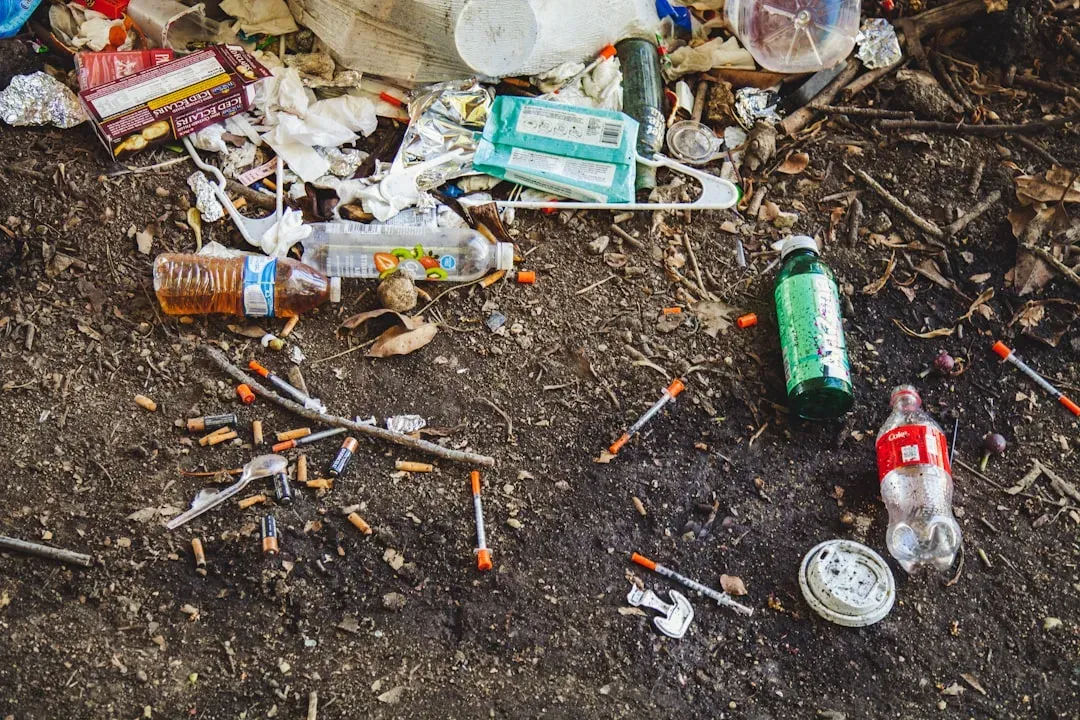
According to data from Clark County, the top causes of homelessness in the region include job loss and unemployment, mental health issues, illness and medical problems, and alcohol or drug abuse – affecting nearly thirty-nine percent of those surveyed. Addiction and housing instability feed each other in a cycle that’s notoriously difficult to break without structured, sustained intervention.
Las Vegas and the broader Clark County region face ongoing substance-use challenges, particularly with opioids, fentanyl, and methamphetamine, creating a significant need for high-quality recovery housing that provides safe, structured, non-clinical support. The Las Vegas Rescue Mission’s Recovery Program is a Christian-based, six-to-twelve-month residential drug and alcohol treatment program for both men and women, which includes a structured living component. The program’s length is intentional – real behavioral change takes time, not just detox.
Stories of Transformation: From Prison to Purpose
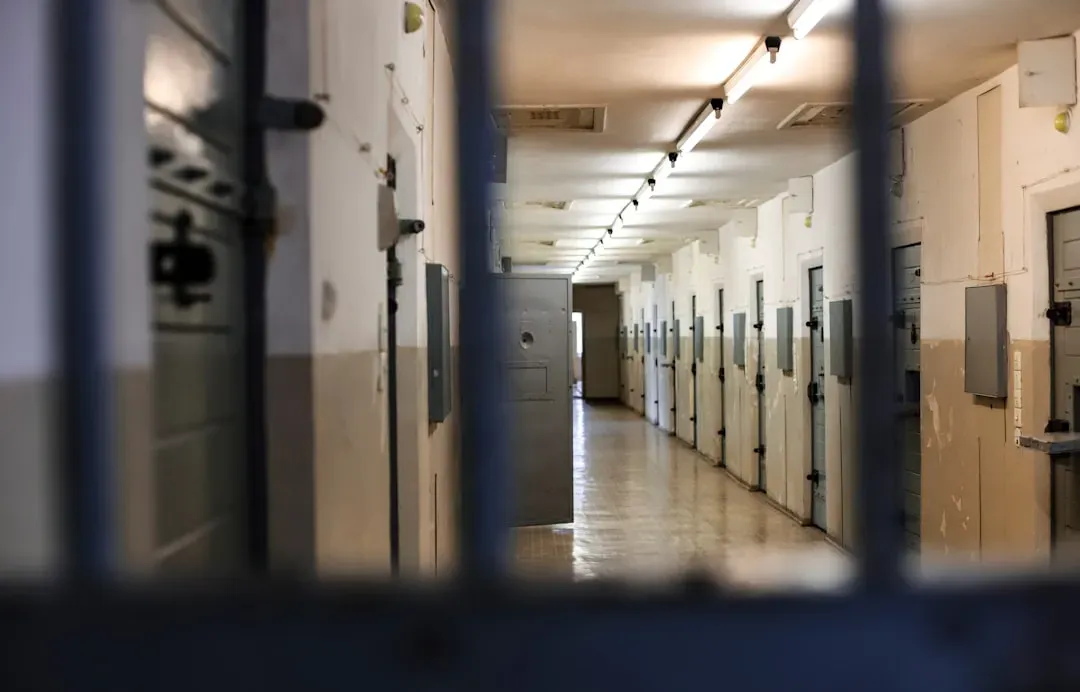
One resident at the mission recounted being homeless for most of his life, struggling with substance abuse, and having served eight prison sentences before the mission took him in after his last release. Stories like his echo through the organization’s halls regularly, though each one carries its own particular weight and trajectory.
A counselor at the mission described himself as “forever grateful” for having access to the mission’s services, noting that he had been homeless for most of his life and was in and out of the prison system before his parole officer brought him to the mission in March 2020. He now works to help others find the same path. That model, where people in recovery become part of the recovery support system itself, is one of the mission’s most quietly powerful features.
Expanding the Shelter of Hope: The $22 Million Buildout
The Las Vegas Rescue Mission is expanding and revamping its downtown building, doubling its capacity after receiving city approval to build a new “Shelter of Hope” for women, children, and families. The twelve-million-dollar first phase of the redevelopment project will add 118 beds for women and their families, including three floors with children’s play areas, a computer lounge, and a family room.
Phase one of the full campus makeover is valued at twenty-two and a half million dollars. When complete, the full expansion is expected to bring around 700 beds spread across the mission’s various programs. For a facility that was previously turning away women seeking addiction treatment due to a lack of space, this expansion is more than a construction project. It represents a reckoning with demand that had quietly outgrown capacity for years.
Housing Instability and the Eviction Surge
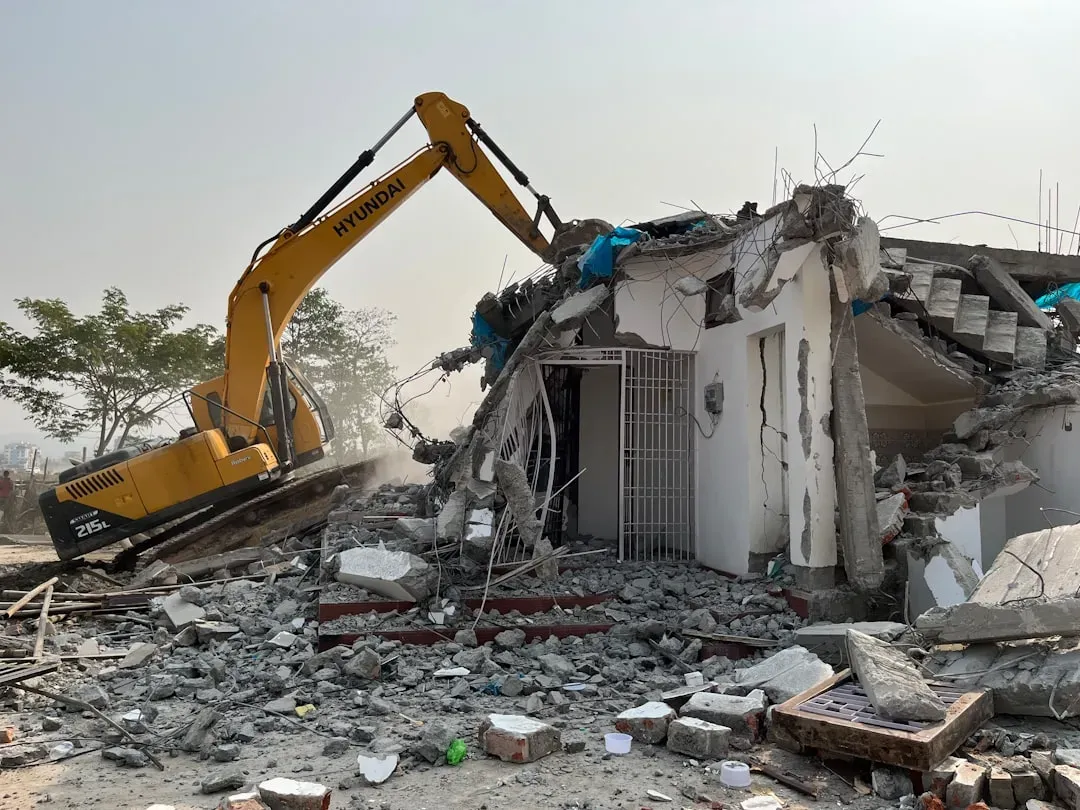
Over the past year, there were more than 51,000 eviction filings in Las Vegas, representing an increase of roughly forty-two percent compared to an average year before the COVID-19 pandemic. When eviction becomes the norm rather than the exception, a single lost job, a medical bill, or a missed rent payment can be enough to push a family into a shelter system that is already strained.
One of the biggest factors in rising homelessness rates is housing affordability. Between 2021 and 2022 alone, median household prices in Clark County surged by more than thirty-five percent. Income did increase during this period, but at roughly half the rate of the surge in median household prices and fair market rents. That gap between wages and housing costs is widening, and the mission sits directly at the intersection of those two realities.
A Community Response: What Comes Next
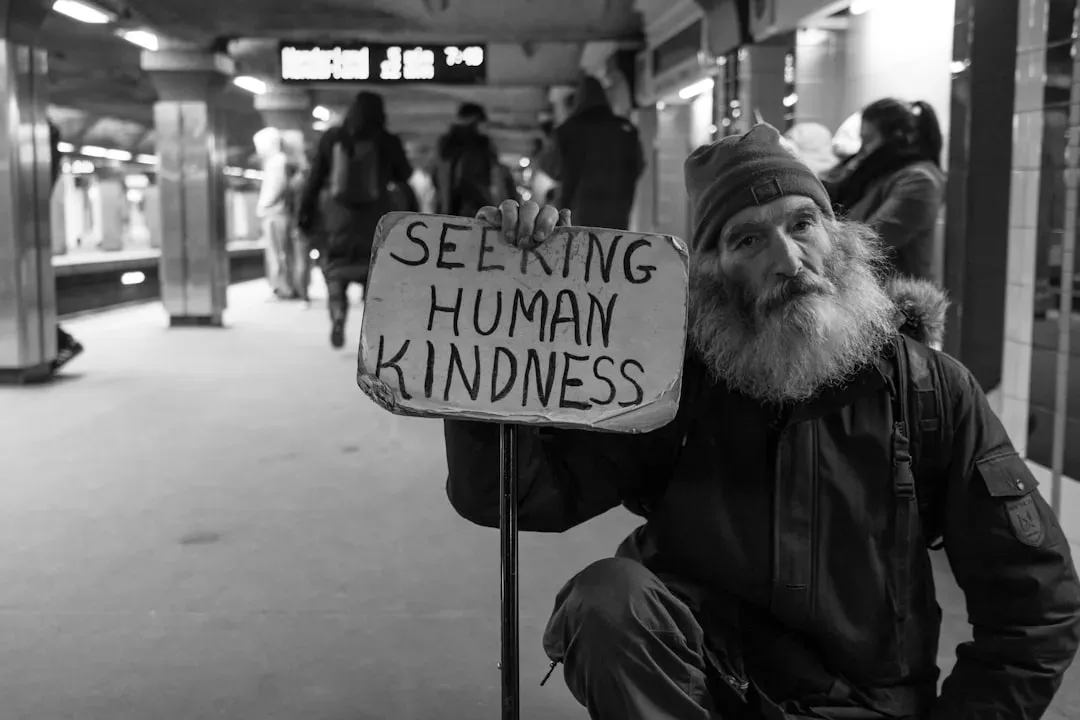
A new twenty-two-acre, nine-hundred-bed comprehensive homeless services campus, called Campus for Hope, is currently under construction at Charleston and Jones boulevards, with officials expecting work to be completed by 2028. Clark County has also invested twenty-three million dollars to open six non-congregate shelters and more than one hundred and seventy million dollars for affordable housing units for low to extremely low-income residents in Southern Nevada.
For the first time in its more than fifty-year history, the Las Vegas Rescue Mission has turned to the state for partnership and assistance, with CEO Heather Engle noting that demand for services has never been higher and that without expansion, more individuals and families will be left without shelter, meals, and recovery programs. The mission’s shelter team has reported an eighty percent success rate at placing individuals into permanent housing over a two-year period. That figure suggests real results – but it also raises the stakes for sustaining the work.
What happens in downtown Las Vegas, away from the casino lights, tells a different kind of story about the city. It’s not a story of luck or spectacle. It’s a story of people showing up, day after day, to rebuild something they thought they’d lost. The mission exists because redemption doesn’t advertise itself – it asks for room, a meal, and someone willing to stay.