



Film bans rarely happen because a movie is simply bad. They happen because a story runs into something a government, a religious body or a censorship board wants to protect. Sometimes that’s public order, sometimes faith, and sometimes a map.
The reasons behind eight well known cases are often more specific than the headlines suggested. Some bans were formal and legal, while others were quiet refusals to license a film. Here’s what actually drove each one.
A Clockwork Orange, Pulled by Its Own Director

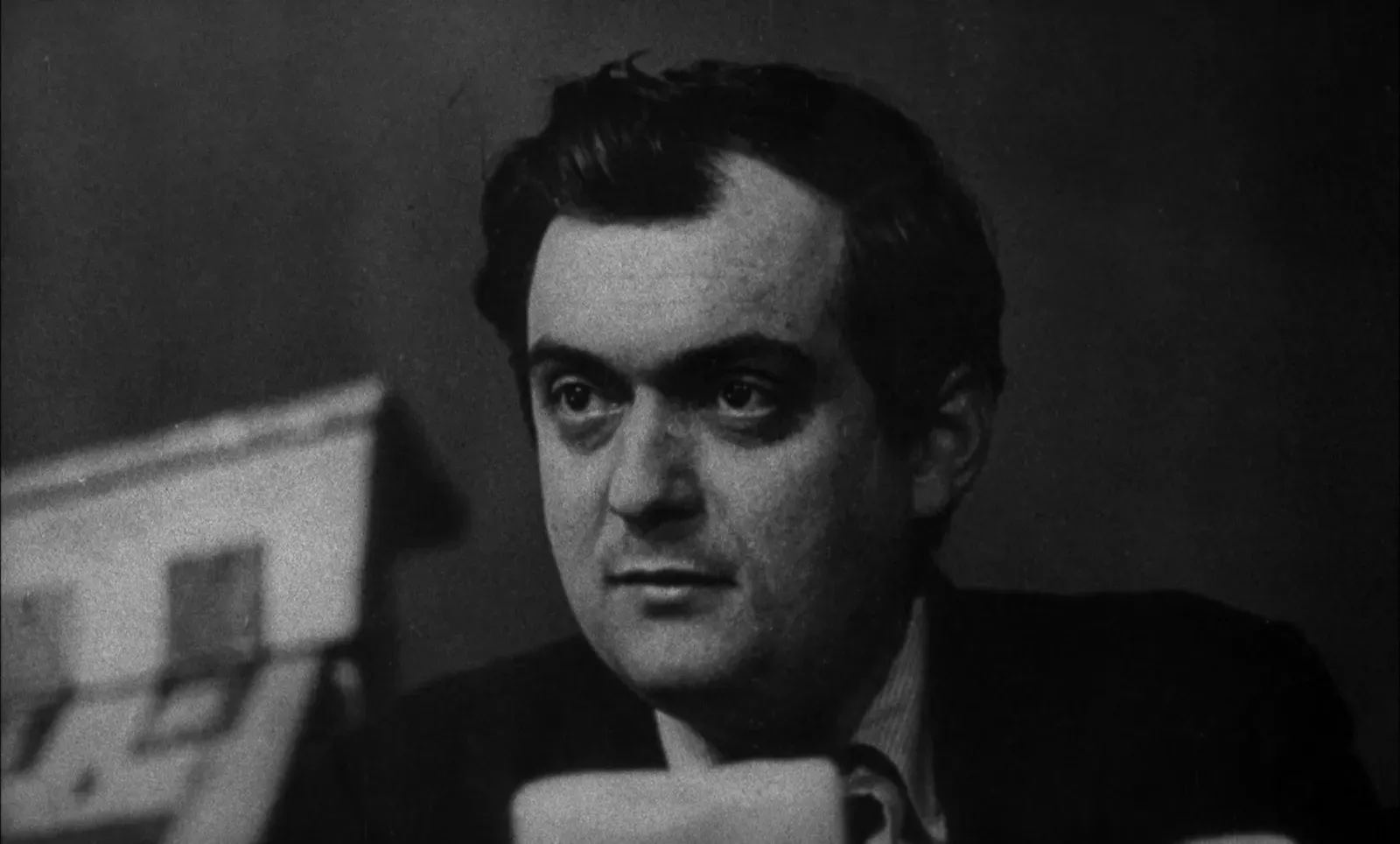
Stanley Kubrick’s 1971 film caused a public uproar in Britain over its depiction of youth violence. The British press linked it to real crimes, and Kubrick himself asked Warner Bros. to withdraw it from UK distribution in 1973.
So this wasn’t a government ban in the usual sense. The film stayed effectively unavailable in Britain for decades, and it returned to cinemas only after Kubrick’s death in 1999. Concern about imitation, not politics, sat at the center of the story.
Monty Python’s Life of Brian and the Blasphemy Charge

The 1979 comedy follows a man mistaken for the Messiah. Religious groups argued it mocked Christianity, though the film is aimed more at blind followers than at Jesus himself.
Ireland banned it, and the ban lasted until 1987. Norway banned it too, which led to a Swedish marketing campaign boasting that it was so funny it had been banned next door. Several local councils in Britain also restricted screenings.
The Last Temptation of Christ and the Court That Overturned a Ban

Martin Scorsese’s 1988 film imagines a Jesus who wrestles with doubt and desire. That was enough to trigger bans or restrictions in a number of countries, including Ireland and Chile.
Chile’s case became a landmark. The Inter-American Court of Human Rights ruled in 2001 that the ban violated freedom of expression, and Chile lifted it soon after. Few film bans have ended up shaping international human rights law.
The Exorcist and Britain’s Video Ban


William Friedkin’s 1973 horror film shocked audiences, with reports of fainting and walkouts. It played in British cinemas, but the home video market was a different matter.
After the Video Recordings Act arrived in 1984, the film was not given a certificate for video release. It stayed off the shelves in Britain until 1999. The concern was how easily children could watch it at home, not the cinema screening itself.
Partner offer

The Da Vinci Code and Claims About Church History

The 2006 adaptation of Dan Brown’s novel suggests that the early Church covered up secrets about Jesus. Christian leaders objected strongly, and the film is fiction, though it presents its ideas with a straight face.
Egypt and Jordan were among the countries that banned it, and Egypt’s decision followed pressure from the Coptic Church. Other places allowed it with protests or disclaimers. The objection was less about violence or sex than about what the story implied about religion.
Schindler’s List and the Fight Over Cuts


Steven Spielberg’s 1993 Holocaust drama is widely regarded as a serious work of historical filmmaking. Even so, it ran into trouble in parts of the world where censors objected to certain scenes or to the subject itself.
In Malaysia, censors asked for cuts, and Spielberg declined to alter the film. As a result, it wasn’t shown there in cinemas. Some other majority Muslim countries also kept it from wide release, for varied reasons.
Barbie and a Line on a Map


Greta Gerwig’s 2023 hit was pulled in Vietnam after authorities objected to a childlike map that appeared to show the nine dash line. That line marks China’s claims in the South China Sea, which Vietnam disputes.
Elsewhere, Kuwait and Lebanon moved to ban it over concerns tied to gender and social norms. The Philippines reviewed the same map but allowed the film with the lines blurred. A toy movie ended up in a real territorial dispute.
Lightyear and the Same Sex Kiss

Pixar’s 2022 release included a brief kiss between two women. Disney reportedly refused to cut it, and the film was not released in a number of countries, including the United Arab Emirates and Saudi Arabia.
Malaysia’s censors had also asked for changes, and Disney did not agree to them. The case shows how modern bans often work. A studio declines the edits, and the film simply never reaches local screens.
What These Cases Have in Common

Across all eight films, the triggers fall into a few groups: fear of imitation, religious offense, restrictions on video, sensitive history, geopolitical claims and social norms. Some bans were formal laws, while others came from distributors or directors backing away.
Most of the older bans have ended, and several films are now easily available. Newer disputes, like those over Barbie and Lightyear, are still handled case by case in each market.
Partner offer
Planning a trip to Vegas?
Compare hotel rates and show tickets on VEGAS.com.


