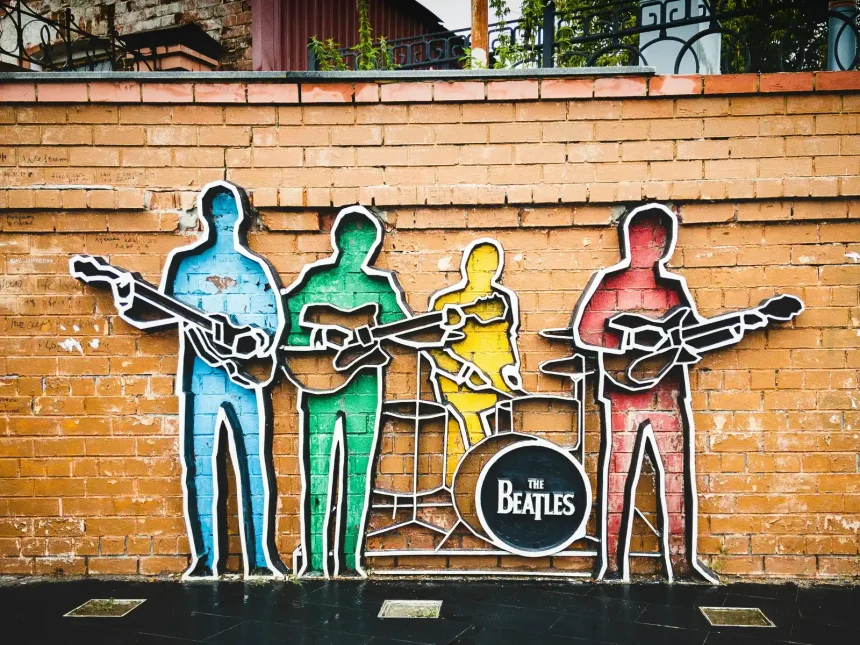
Every so often, a song arrives that feels inevitable, as if it always belonged on the radio. Yet peel back the studio history of some of pop music’s most enduring hits and you find hesitation, doubt, and sometimes outright rejection from the very people who eventually took credit for their success. The stories behind these near misses reveal something surprising about how art actually gets made: often, the person closest to the song is the last one convinced it will work.
Bohemian Rhapsody almost stayed buried at EMI

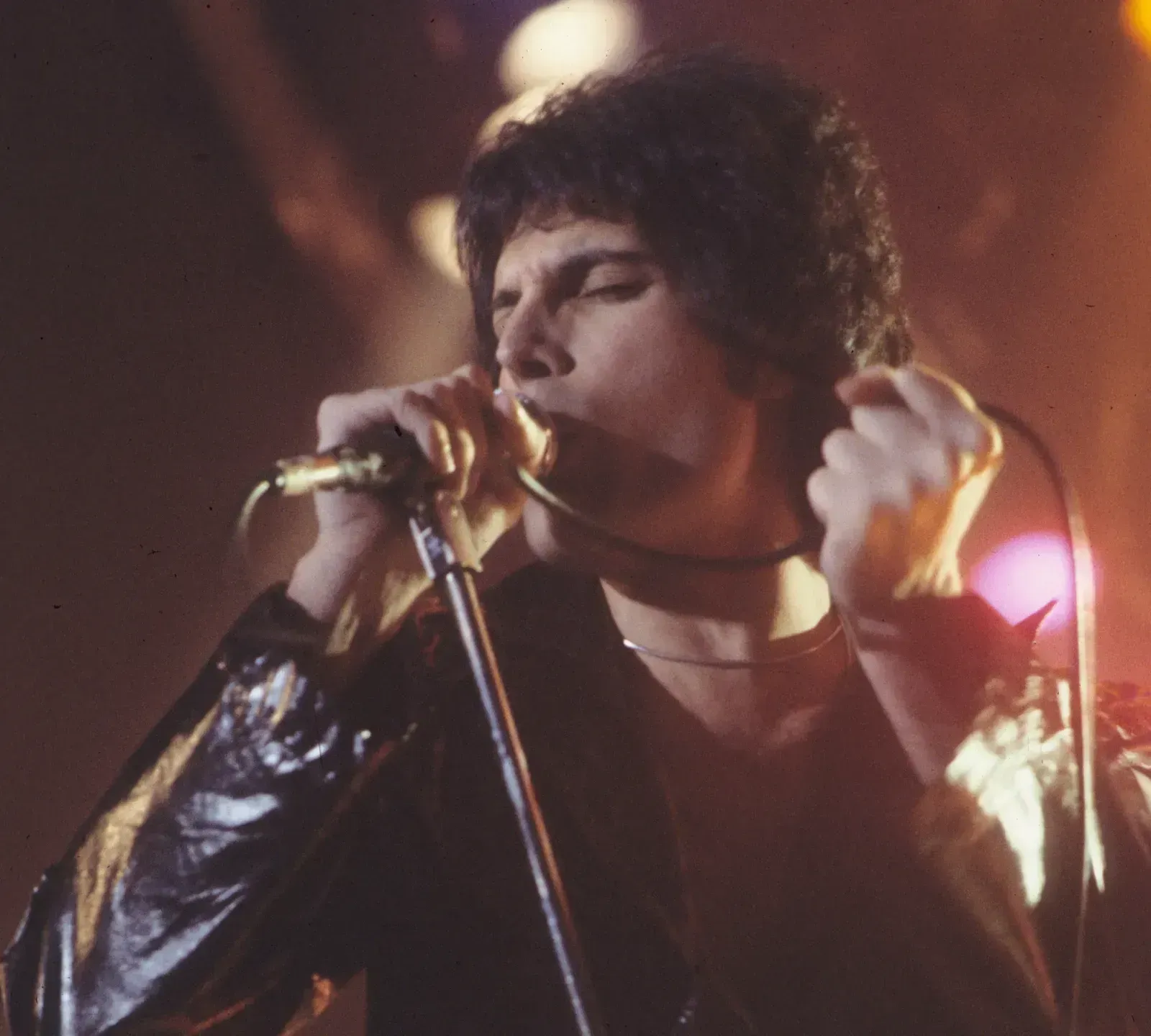
When Queen finished recording their sprawling six minute epic in 1975, their own label balked. According to biographer Lesley Ann Jones, EMI and the industry in general voiced misgivings, with radio stations wondering what they were supposed to do with a six minute single. Even within the band there was unease, since bassist John Deacon privately feared releasing the song would prove the greatest error of judgment of Queen’s career.
Freddie Mercury refused to compromise. Producer Roy Thomas Baker recalled that the band eventually took the track to DJ Kenny Everett at Capital Radio for outside advice, and Everett’s reaction changed everything. He aired the song fourteen times over one October weekend, and by Monday morning record stores were overrun with requests. Facing consumer demand it never anticipated, EMI released the full version, and it spent nine weeks at number one in the UK.
Billie Jean nearly lost its most iconic moment

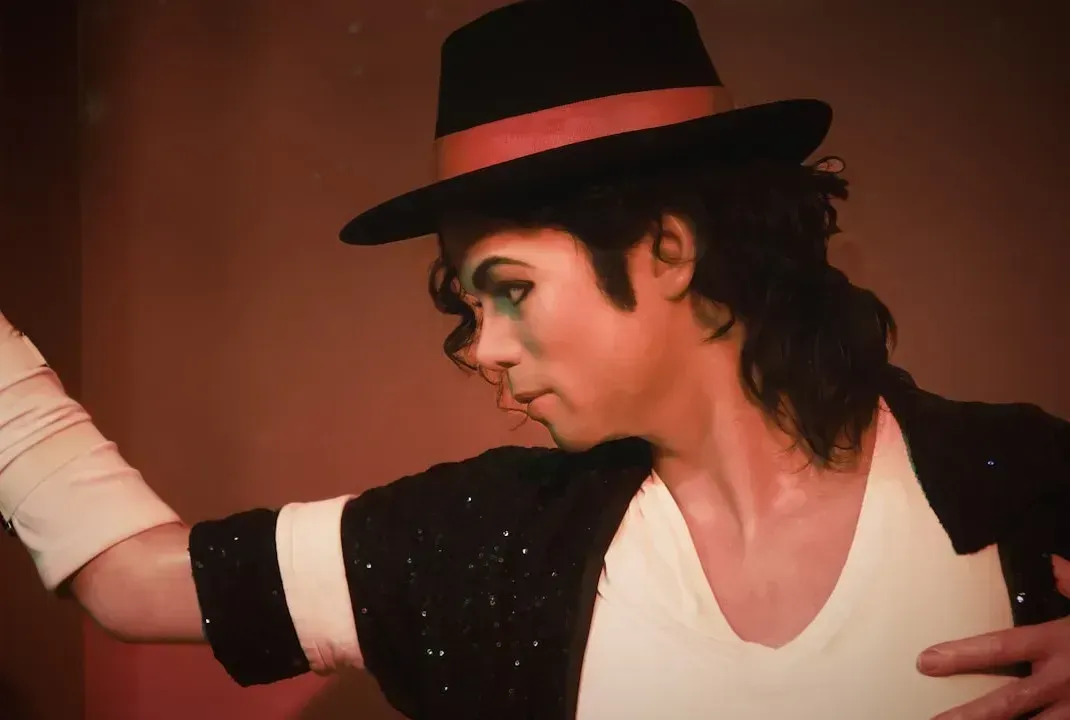
Michael Jackson and producer Quincy Jones clashed repeatedly while shaping “Billie Jean” for the Thriller album. Jones disliked the demo, did not care for the bassline, and wanted to cut Jackson’s twenty nine second introduction. Jackson would not budge, and Jones later admitted he only relented after Jackson explained why the groove mattered so much to him, recalling that when Michael told him the intro was “the jelly” that made him want to dance, the rest of them just had to shut up.
That was not the only fight over the song. Jones also pushed for a title change, since he worried record buyers would confuse it with tennis star Billie Jean King and suggested calling it “Not My Lover” instead. Jackson held firm again. The song went on to top the Billboard Hot 100 and become one of the defining singles of the 1980s.
Take On Me needed three tries before anyone noticed

Long before a-ha became synonymous with one unforgettable synth riff, their signature song had already failed twice. The original 1984 version, recorded with producer Tony Mansfield, became a modest hit in Norway but failed to chart in the United Kingdom. A second attempt with a fresh recording also went ignored on its early 1985 release.
What finally turned things around was not a third recording alone but a video. Warner Bros invested in director Steve Barron’s rotoscope animated clip, and once the innovative video began getting heavy rotation on MTV, the song hit number one on the Billboard Hot 100 and spent twenty seven weeks on the chart. Keyboardist Magne Furuholmen later reflected that the song needed to be heard repeatedly to land, admitting he doubted it would have gotten the time of day without the enormous impact of the video.
I Will Survive was tucked away as a throwaway B-side

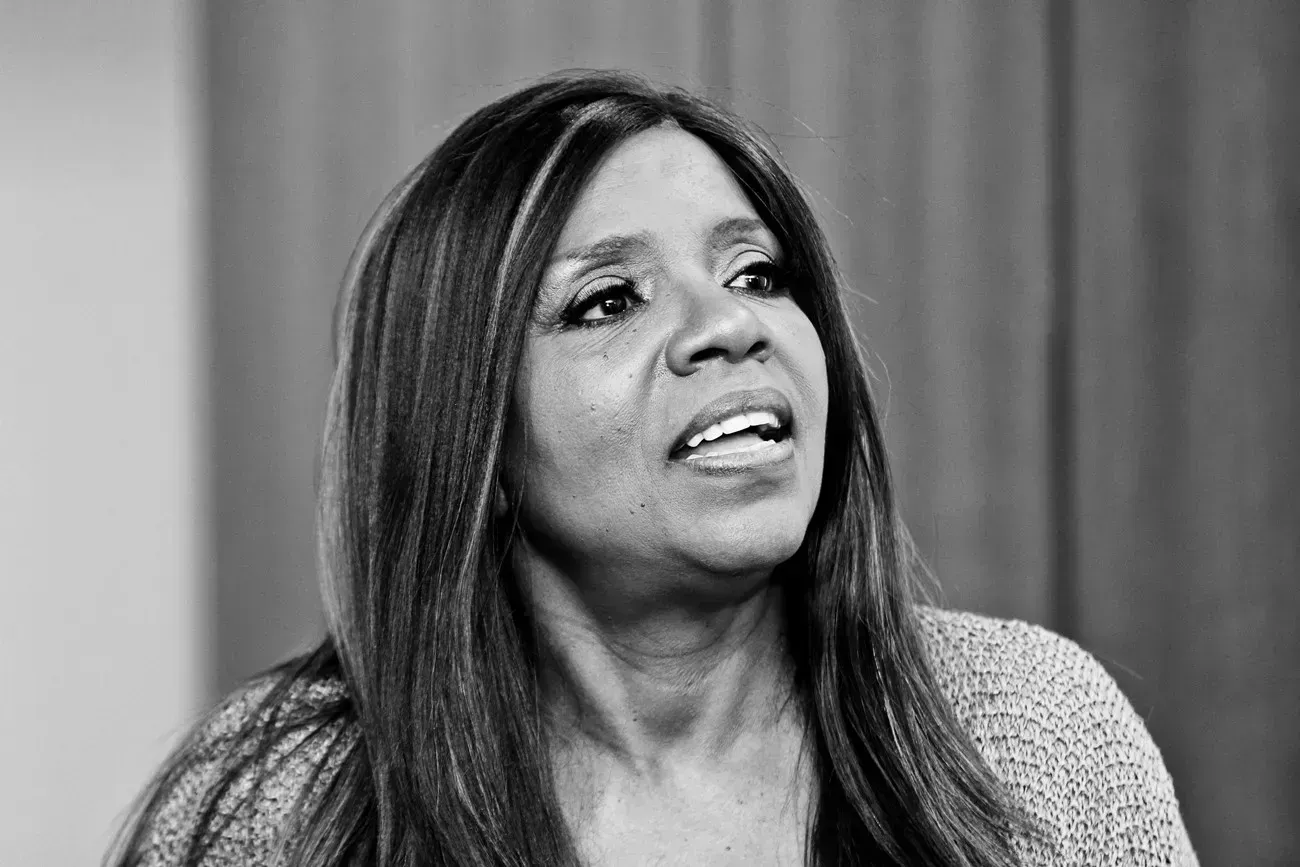
Few chart topping anthems started life with less fanfare than Gloria Gaynor’s disco classic. Polydor Records originally released the song as the B-side to “Substitute,” since that track, a recent hit for a South African girl group, was considered more radio friendly at the time. Nobody at the label expected the flip side to matter at all.
Club DJs decided otherwise. As “Substitute” stalled, club DJs started playing the B-side instead, and soon radio stations followed, prompting Polydor to eventually flip the sides on the single. Once repositioned as the A-side, “I Will Survive” spent three non-consecutive weeks at number one and became one of the most enduring anthems of the disco era, later winning a Grammy for Best Disco Recording.
Losing My Religion was built from a beginner’s mistake on a new instrument


R.E.M.’s biggest American hit began almost by accident. Guitarist Peter Buck had just bought a mandolin and was teaching himself to play when he stumbled onto the riff, later explaining that he had recently bought the instrument and was learning how to play it, recording himself while watching television. Bassist Mike Mills has been candid about how unlikely the whole thing seemed at the time, noting that record executives were not banking on it becoming a hit.
According to Mills, the record company was originally using the track as little more than a warm up ahead of the more obviously commercial “Shiny Happy People” and did not expect it to be a hit. Instead, the mandolin driven ballad became R.E.M.’s highest charting American single, reaching number four on the Billboard Hot 100 and helping their album Out of Time sell far beyond expectations.
Yesterday almost never made it past the Beatles themselves
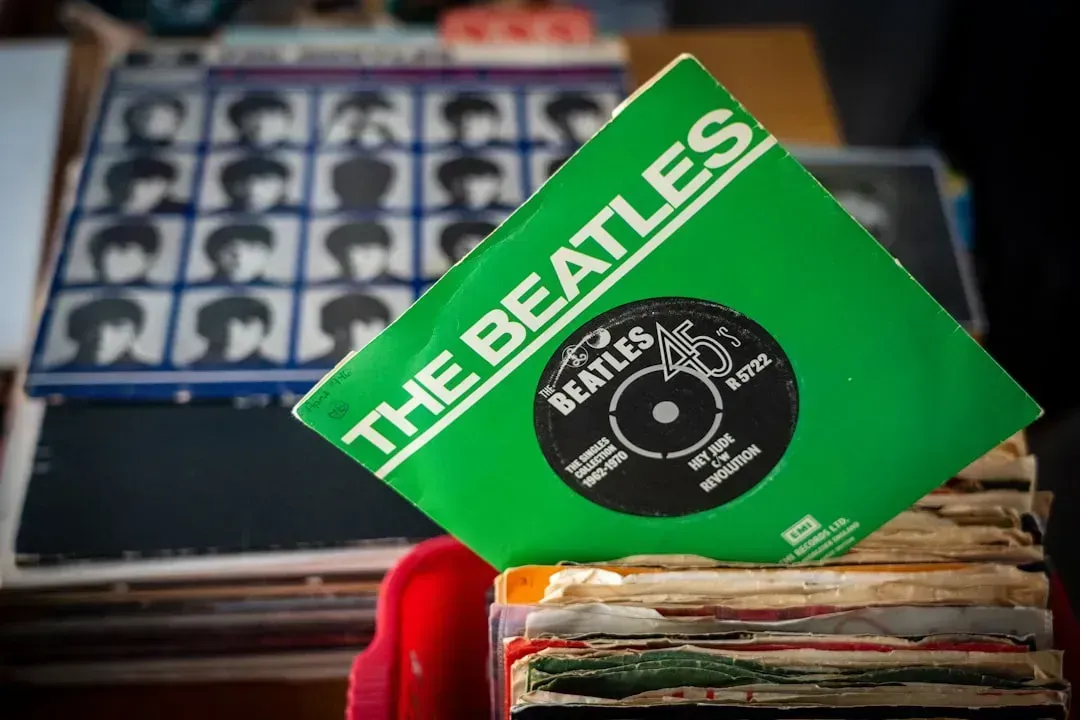
Paul McCartney wrote “Yesterday” largely alone, and the track that resulted sounded nothing like the guitar driven pop the Beatles were known for at the time. It was recorded with McCartney’s voice, an acoustic guitar, and a string quartet, without input from John Lennon, George Harrison, or Ringo Starr. The song’s gentle, orchestral character worried the band, since it broke so sharply from the sound fans expected from a Beatles single.
That hesitation is why the Beatles never issued “Yesterday” as a single in their home market at all, choosing instead to bury it on the Help! album alongside their more familiar rock and roll material. In the United States, Capitol Records released it separately, and it went on to top the American charts and become one of the most covered songs in recorded music history, proving the band’s early caution had little to do with the song’s actual appeal.
Smells Like Teen Spirit was expected to be a minor album track

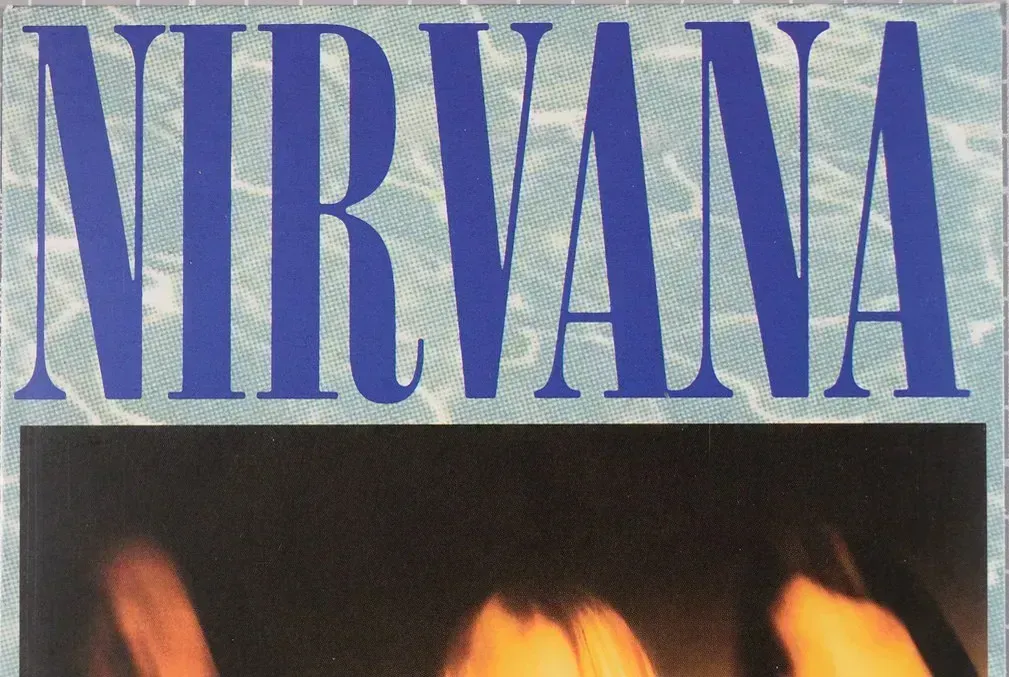
When Nirvana recorded “Smells Like Teen Spirit” for Nevermind, neither the band nor their label anticipated a mainstream breakthrough. DGC Records treated the album as a modest alternative release, printing a relatively small initial run and pushing for college radio rather than top forty airplay, since the raw, distorted sound was far removed from the polished rock dominating the charts in 1991.
Kurt Cobain himself later expressed surprise at how quickly the song took over MTV and mainstream radio, reportedly uneasy about the scale of the attention it brought. Within weeks, demand outpaced supply at record stores, forcing the label to scramble for more pressings. The song ended up redefining alternative rock’s commercial standing and pushed grunge into the cultural mainstream almost overnight.
Livin’ on a Prayer almost got cut before it reached fans

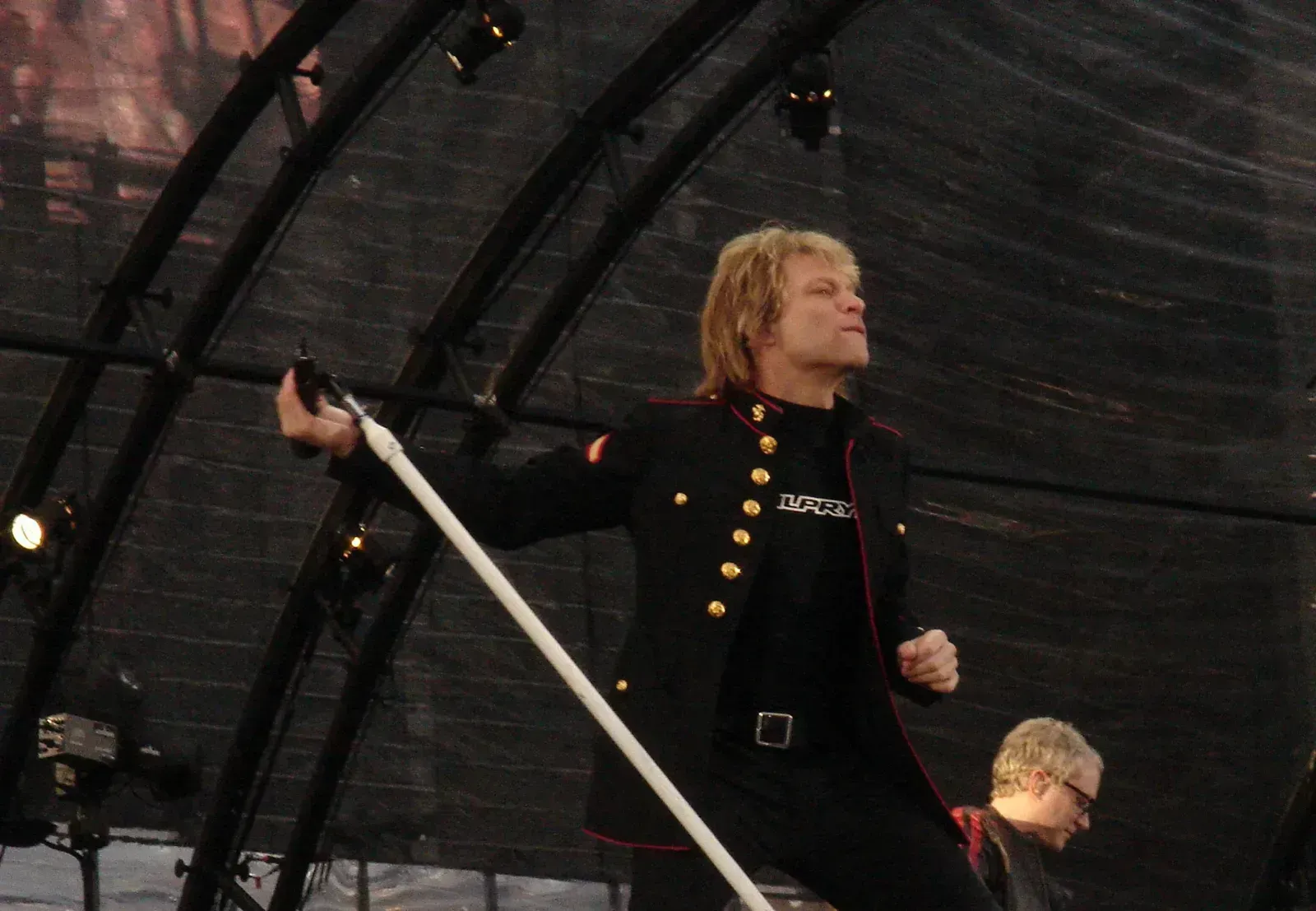
Jon Bon Jovi has spoken in interviews over the years about his initial resistance to including “Livin’ on a Prayer” on Slippery When Wet. He felt uneasy about the talk box effect on his voice during the opening verses and reportedly wanted the track left off the album entirely, worried it sounded gimmicky rather than powerful.
Producer Bruce Fairbairn and the rest of the band pushed back, convinced the song had the emotional pull the album needed. Their instincts proved right. “Livin’ on a Prayer” became one of Bon Jovi’s signature songs, reaching number one on the Billboard Hot 100 and turning into a stadium staple that still gets sung by entire arenas decades later.
Final thoughts

What ties these stories together is not luck exactly, but a kind of stubbornness that runs against the usual narrative of instant genius. Executives doubted the length, the sound, the title, or the commercial appeal, while the artists themselves sometimes doubted their own instincts before anyone else did. Somewhere between that doubt and a DJ, a video director, or a club crowd willing to take a chance, these songs found the audience that record labels could not initially see. It is worth remembering the next time a strange or unconventional track slips past a gatekeeper unnoticed. History suggests the gatekeepers are not always right.