Science has always moved in leaps, not steps. One week a lab somewhere quietly publishes a paper, and the next week the world wakes up to a technology, a treatment, or a revelation that changes how we think about everything. What most people don’t stop to ask is – who exactly is making all this happen? Behind every Nobel Prize, every genome-sequencing tool, every quantum chip, there is an institution: a building, a culture, a team of obsessive minds with access to incredible infrastructure. And the names behind today’s biggest breakthroughs are, honestly, more fascinating than you might expect.
From elite American universities to government-funded national laboratories and nimble international research centers, the map of discovery is rich and surprisingly competitive. Some of these institutions have centuries of history behind them. Others are practically teenagers by scientific standards but have already reshaped entire fields. So let’s dive into the institutions that are genuinely moving the needle right now – and perhaps leave you asking why we don’t talk about them more often.
Harvard University: The Undisputed Titan of Global Research
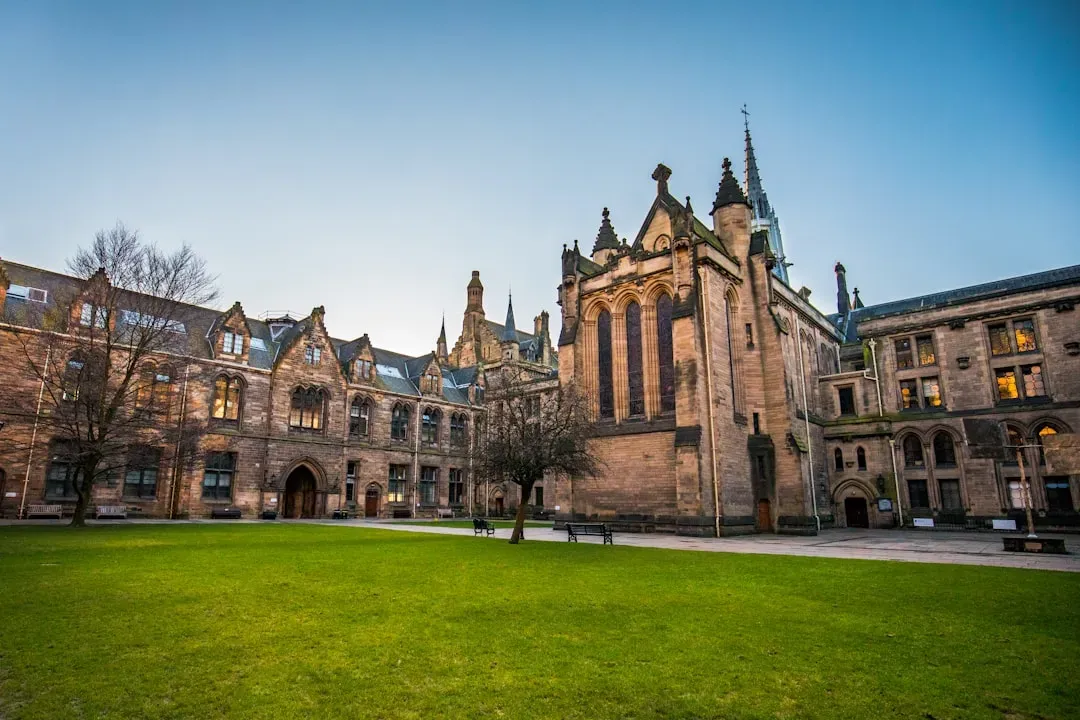
Let’s be real – no conversation about research institutions begins anywhere else. Harvard University leads all institutions in the world’s top scientist rankings, with 70 top scientists affiliated with the university, up from 64 the previous year. That kind of concentration of talent is extraordinary, almost hard to visualize. Think of it like having the entire starting lineup of the world’s best sports team, times seven.
Harvard’s community has had research breakthroughs in genetics, artificial intelligence, and disease treatments, and David Liu received the 2025 Breakthrough Prize in Life Sciences for developing a revolutionary gene-editing platform that precisely corrects genetic mutations. Beyond that, research papers from Harvard astronomers explored new evidence of the closest known supermassive black hole and a cosmic explosion that could be a rare flare from a magnetar. Honestly, when one institution covers everything from genetics to outer space that compellingly, it’s hard to look away.
MIT: Where Engineering Meets the Edges of Physics
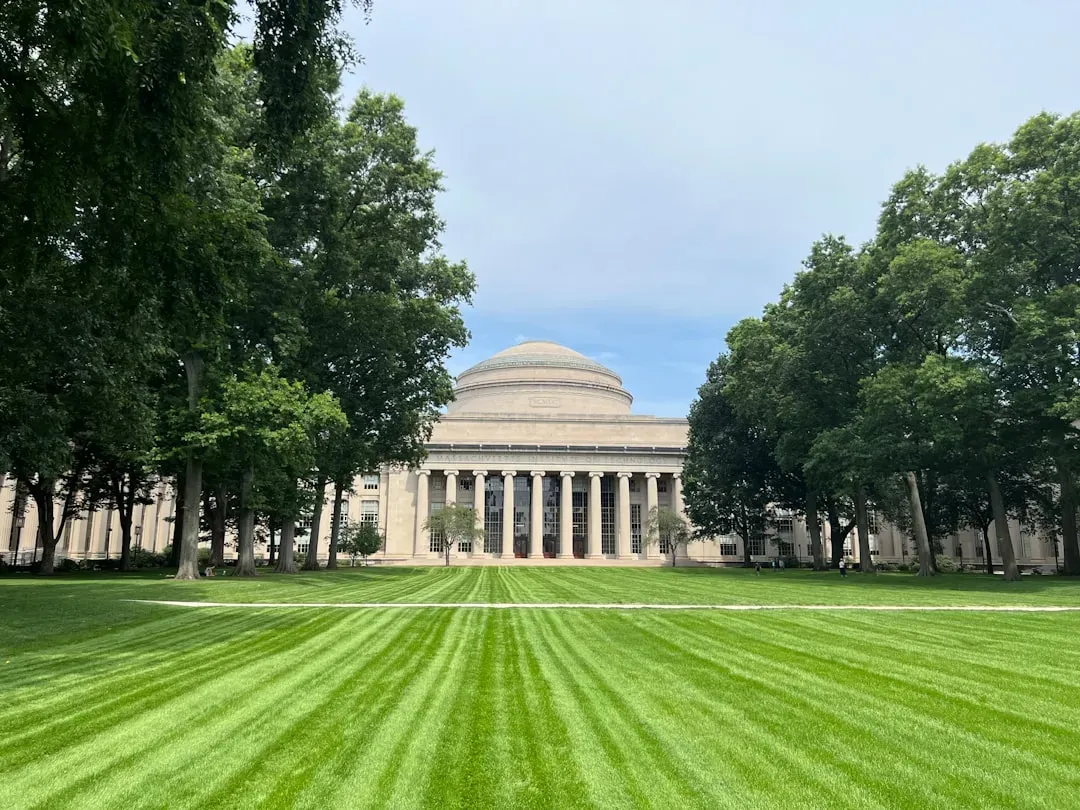
In 2025, MIT’s research community had another prolific year filled with exciting scientific and technological advances. The breadth of what comes out of Cambridge, Massachusetts is almost comical in its range. MIT researchers combined cement, water, ultra-fine carbon black, and electrolytes to create electron-conducting carbon concrete – a material that could enable everyday structures like walls, sidewalks, and bridges to store and release electrical energy.
Physicists performed an idealized version of one of the most famous experiments in quantum physics, demonstrating with atomic-level precision the dual nature of light, confirming that light exists as both a particle and a wave, though that duality cannot be simultaneously observed. Then there were the antibiotic breakthroughs. With help from artificial intelligence, MIT researchers designed novel antibiotics that can combat drug-resistant infections, with a generative AI algorithm first designing more than 35 million compounds before researchers screened them for antimicrobial properties, discovering drug candidates structurally distinct from any existing antibiotics.
The Rockefeller University: Small, Focused, and Relentlessly Biomedical
Rockefeller doesn’t have tens of thousands of students. It doesn’t have a football team or a sprawling campus in the traditional sense. What it does have is an almost surgical focus on biomedical research – and the output is stunning. In 2025, Rockefeller scientists offered new hope for treating neurodegeneration and obesity, dramatically improved prospects for T cell cancer immunotherapy, and gained new insight into the mechanics of hearing, the emergence of spoken language, and how entirely new genes can arise from noncoding DNA.
The fragility and inaccessibility of mammalian cochlea had long kept its core biomechanics out of reach, but a researcher engineered a device that keeps a tiny, functional sliver of the gerbil cochlea alive outside the body, allowing scientists to watch the organ’s sound-amplifying machinery in real time, revealing how hair bundles add energy to incoming vibrations and how outer hair cells change shape to sharpen sound. It sounds like science fiction, and yet it is happening in a lab right now. I think this kind of hyper-focused institutional culture is something the big universities genuinely struggle to replicate.
Lawrence Livermore National Laboratory: Computing Power on a Different Planet
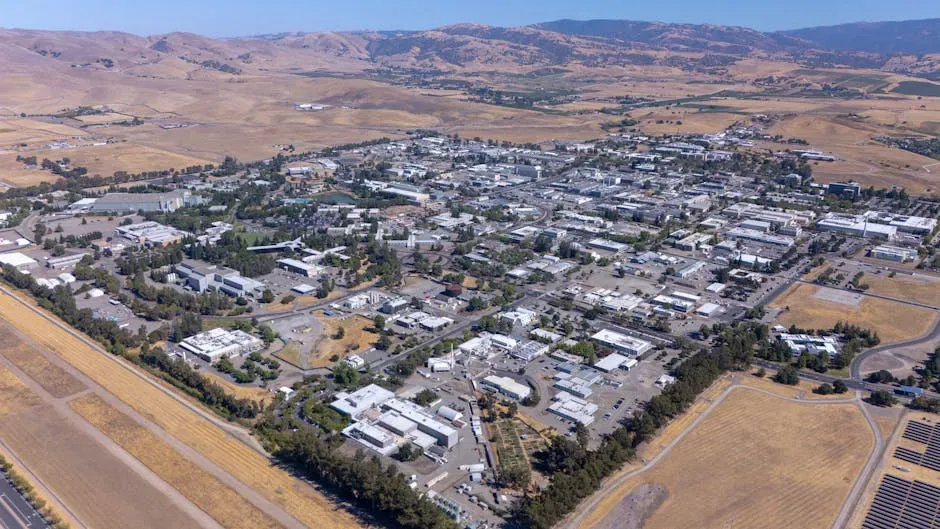
Here is where things get genuinely jaw-dropping. By November 2024, El Capitan was operational and verified as the world’s fastest supercomputer, achieving 1.742 exaFLOPs, and in early 2025, it officially launched at Lawrence Livermore National Laboratory in California. To put that in perspective, an exascale supercomputer can calculate at least one quintillion double precision operations per second. A quintillion. That is a billion billion calculations every single second.
El Capitan’s design is well-suited for modeling and simulation workloads that will impact national nuclear security, as well as efforts in fusion energy, climate research, and drug discovery. Meanwhile, in 2012, the ATLAS and CMS collaborations at CERN jointly announced the discovery of the Higgs boson, and now those same collaborations – along with ALICE and LHCb – have been awarded the 2025 Breakthrough Prize in Fundamental Physics, in a collaboration involving more than 70 countries and thousands of researchers, including scientists from Lawrence Livermore.
Brookhaven National Laboratory: From Antimatter to Nanoscale Materials
With one-of-a-kind research facilities leveraged by scientists from across the nation and around the world, Brookhaven National Laboratory is a veritable city of science, with each year bringing from the scale of subatomic particles to the vastness of Earth’s atmosphere and the cosmos. That description sounds like marketing copy, but the actual work backs it up. Antimatter sounds exotic, but it really does exist – and scientists studying collisions of atomic nuclei at Brookhaven’s Relativistic Heavy Ion Collider discovered the heaviest antimatter nucleus ever detected in 2024.
Over the last decade, Brookhaven’s National Synchrotron Light Source II has grown from six beamlines to 29, ramped up its accelerator current tenfold, hosted nearly 6,000 visiting researchers from around the world, and published more than 3,200 research papers, remaining one of the world’s most advanced light sources and accelerating breakthroughs in fields ranging from biology to quantum information science. The sheer volume and variety coming out of one institution in Long Island, New York, is genuinely surprising.
Argonne National Laboratory: X-Rays, Supercomputers, and the Energy Frontier
In 2025, Argonne National Laboratory delivered advances in AI, quantum science, energy, and materials. The centerpiece of its computing power, the Aurora supercomputer, is transforming whole research categories. While Aurora is pushing the frontiers of experimental science, the upgraded Advanced Photon Source at Argonne set a new world record for electron beam emittance in 2025, confirming it as the brightest synchrotron X-ray light source in the world, with beams up to 500 times brighter enabling more precise research in energy, materials, electronics, and medicine.
Each year, more than 5,000 researchers use the Advanced Photon Source to produce over 2,000 publications detailing impactful , and solve more vital biological protein structures than users of any other X-ray light source research facility. Think about that: five thousand scientists, visiting from institutions all over the globe, converging on one facility in Illinois. That is what a genuine hub of world science actually looks like in practice.
Caltech and AWS: A Quantum Computing Partnership That Could Rewrite Computing

Caltech may be compact in size, but the work coming from its campus in Pasadena is outsized in impact. Scientists based at the AWS Center for Quantum Computing on Caltech’s campus have made a leap forward in figuring out how to suppress errors in quantum computers, a problem that continues to be the greatest hurdle to building the machines of the future. The result was the Ocelot chip. A team of scientists from AWS and Caltech demonstrated a new quantum chip architecture for suppressing errors using a type of qubit known as a cat qubit, first proposed in 2001, and now the team has put together the first scalable cat qubit chip that can be used to efficiently reduce quantum errors.
The chip, developed at the AWS Center for Quantum Computing at Caltech, is designed to address one of the biggest hurdles in quantum computing – error correction – and AWS claims Ocelot can reduce the cost of implementing error correction by up to roughly nine tenths. That is not a minor improvement. That is the kind of leap that opens a door which previously looked permanently closed. Quantum computers hold promise for use in many different fields, including medicine, materials science, cryptography, and fundamental physics.
The University of Cambridge: Europe’s Quiet Powerhouse

While American institutions dominate headlines, Cambridge keeps quietly producing work that matters enormously. The University of Cambridge is the highest-ranking non-U.S. institution in the world’s top scientist rankings, with 17 top scientists. That number understates its global influence. Scientists at the University of Cambridge reported the creation of a solar-powered reactor that pulls carbon dioxide directly from the air and converts it into sustainable fuel. Converting atmospheric CO2 into usable fuel using sunlight – it sounds like a clean energy fantasy, but Cambridge researchers are reporting it as a done thing.
Cambridge also played a key role in quantum computing advances through collaboration with Berkeley researchers. Researchers in Berkeley and Cambridge attached copper nanoflower catalysts on perovskite-based artificial leaves for solar-driven hydrocarbon synthesis, with devices producing ethane and ethylene at high rates by coupling CO2 reduction with glycerol oxidation into value-added chemicals. The institution’s ability to collaborate globally while maintaining its own singular research identity is, I think, one of the most underappreciated qualities in all of science.
Columbia University: Genetics, Neuroscience, and the Brain-Immune Connection
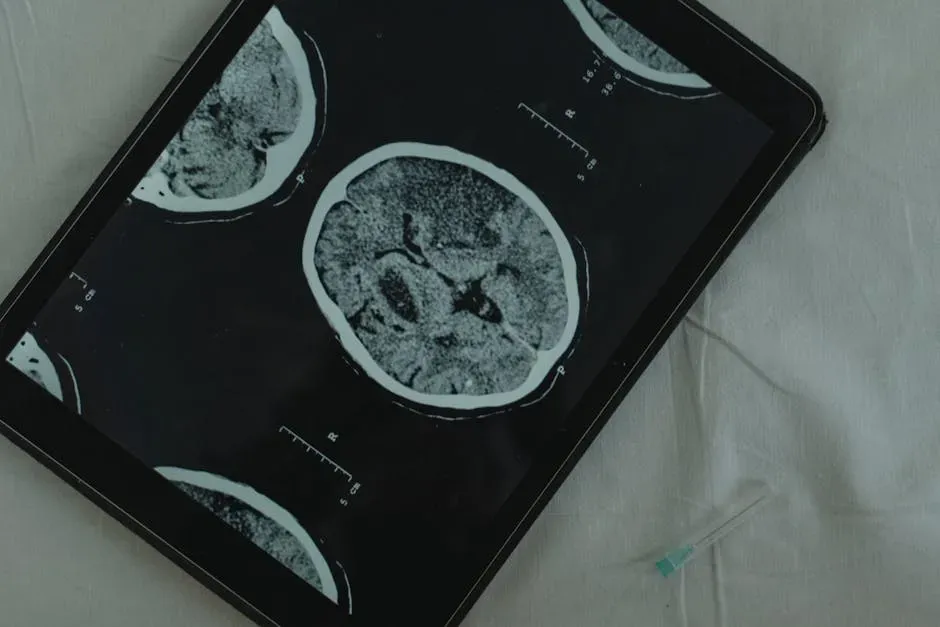
Columbia has been punching above its weight in recent years, particularly in biomedical science. The brain can direct the immune system to an unexpected degree – it is capable of detecting, ramping up, and tamping down inflammation, as shown in a new study in mice from researchers at Columbia’s Zuckerman Institute, with future research potentially identifying drugs that target this newfound brain circuit to treat a vast range of disorders. That discovery alone shifts the way researchers should be thinking about inflammatory disease.
A linear rule of life was thought to govern all forms of life, but a new study by Columbia researchers shows that bacteria break that rule and can create free-floating and ephemeral genes, raising the possibility that similar genes exist in us. Meanwhile, Columbia researchers have engineered probiotic bacteria that educate the immune system to destroy cancer cells, opening the door for a new class of cancer vaccines that take advantage of bacteria’s natural tumor-targeting properties. It’s hard to say for sure which of these threads will prove most consequential in ten years – but they all deserve serious attention right now.
The Broader Landscape: National Labs, Global Networks, and What Comes Next
One of the more striking things about the current moment in science is just how interconnected these institutions have become. The U.S. federal government invested roughly 3.3 billion dollars in non-defense AI research and development in fiscal year 2025, while private sector AI investment exceeded 109 billion dollars in 2024. That scale of funding, flowing through universities, national labs, and partnerships with tech companies, is unprecedented in the history of science.
Investment in new single-cell analysis technologies has exploded in recent years, now being applied to advance critical progress in early disease detection, prenatal screening, biomarker testing, liquid biopsies, and drug development, with the market estimated at over four billion dollars in 2023 and projected to grow at a rapid pace through 2030. Still, the institutions covered here are not simply spending money – they are building the frameworks and the cultures that turn spending into genuine discovery. That difference, between funding and genuine intellectual productivity, is the thing that truly sets these places apart. What kind of breakthrough do you think is just around the corner? Tell us in the comments.