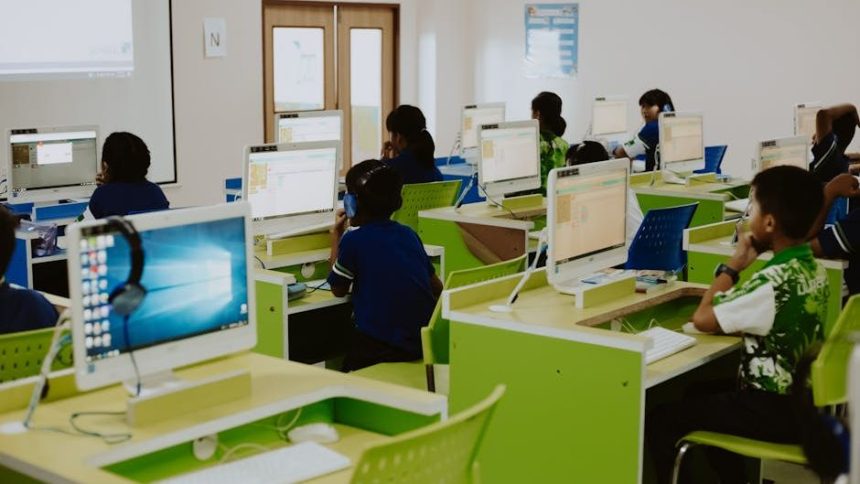
Something remarkable is happening in schools, universities, and corporate training rooms across the globe. The way humans learn, the tools they use, and the spaces they occupy are all shifting at a pace that would have seemed impossible even fifteen years ago. This is not just about swapping textbooks for tablets, either. It runs much deeper than that.
Digital learning is rewriting the rules of education from the ground up, and the effects are turning up everywhere, from tiny village schools in India to elite universities in North America. There are winners, losers, and a whole lot of unanswered questions still out there. Let’s dive in.
A Market That’s Exploding – And Not Slowing Down
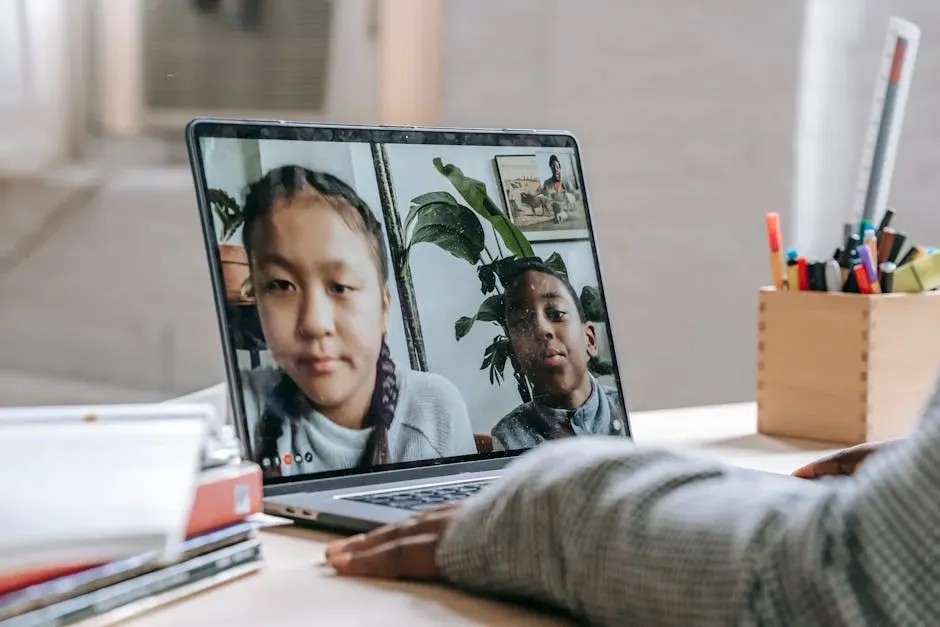
Let’s start with the raw scale of what’s happening here, because honestly, the numbers are staggering. The global e-learning services market was valued at around $299 billion in 2024, and it is projected to reach over $1.3 trillion by 2032, growing at a rate of more than 20 percent annually. To put that in perspective, the entire music industry generates roughly $26 billion a year. Digital learning is lapping it many times over.
Online learning has grown by 900 percent globally since the year 2000, making it the fastest-growing segment in the entire education industry. That kind of trajectory does not happen by accident. It is driven by technology becoming cheaper, internet access spreading further, and a generation of students who grew up with smartphones expecting flexibility in how and where they learn.
From Chalkboards to Smart Displays: How Classrooms Are Actually Changing

Walk into a modern classroom in 2026 and things look genuinely different. Teachers are increasingly adopting technology in their daily practice, with roughly four in five educators now reporting regular use of digital tools. The physical room itself has changed, too. The physical layout of classrooms has evolved to accommodate new technologies, with well over half of schools having redesigned their learning spaces to create flexible environments that support both digital and traditional learning activities.
The time teachers spend on administrative tasks has decreased significantly due to automated marking systems and digital planning tools. That is genuinely exciting, because it means teachers can redirect their energy toward what actually matters: connecting with students. Think of it like a restaurant kitchen getting a dishwasher. Suddenly the chef has more time to actually cook.
AI in the Classroom: More Than Just a Buzzword
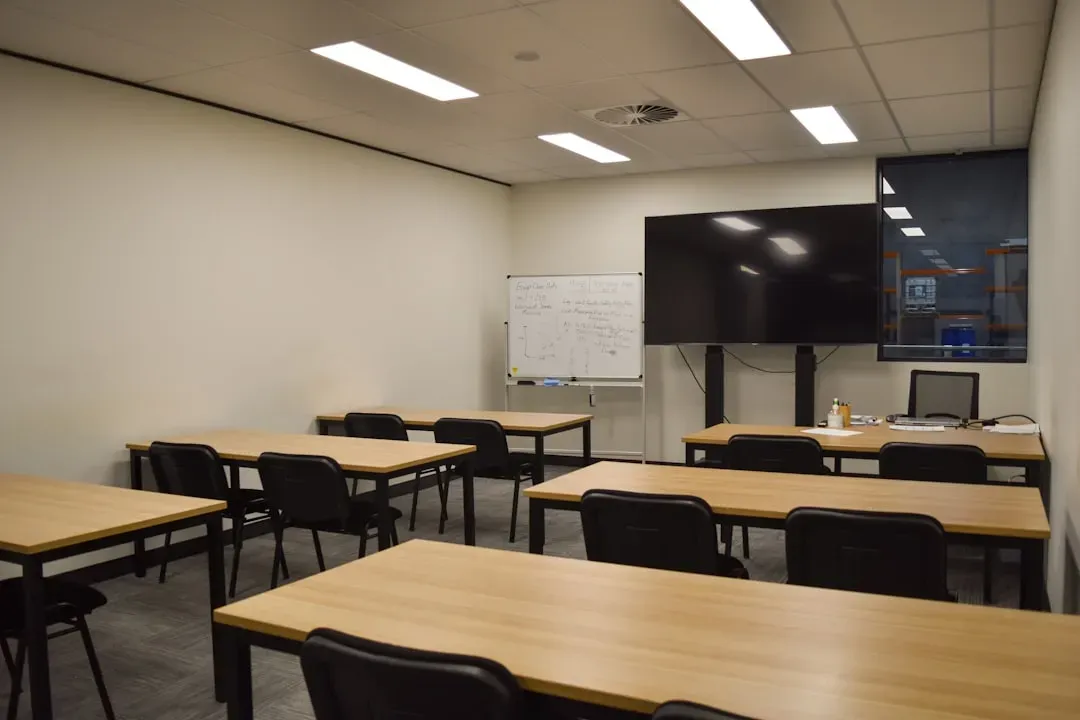
Artificial intelligence is the buzzword of the decade, sure. Plenty of sectors have hyped it and seen disappointing results. Education, I think, is one of the places where AI is actually delivering something real. It is truly the integration of artificial intelligence that is redefining the contours of the e-learning sector, with the AI-in-education market growing from around $5.88 billion in 2024 to $8.30 billion in 2025, a jump of over 40 percent in a single year.
Thanks to AI platforms like Squirrel AI and Microsoft’s Reading Coach, educators can analyse learners’ strengths, weaknesses, and preferred learning styles with unprecedented accuracy, and these platforms then customise programs and tailor content to suit the individual learner’s pace and style. It is a bit like having a personal tutor who never gets tired, never judges, and perfectly remembers everything a student has struggled with. Around 60 percent of teachers have already integrated AI into their daily practices, while roughly two thirds of students regularly use AI technology to learn.
The Blended Learning Revolution: Best of Both Worlds
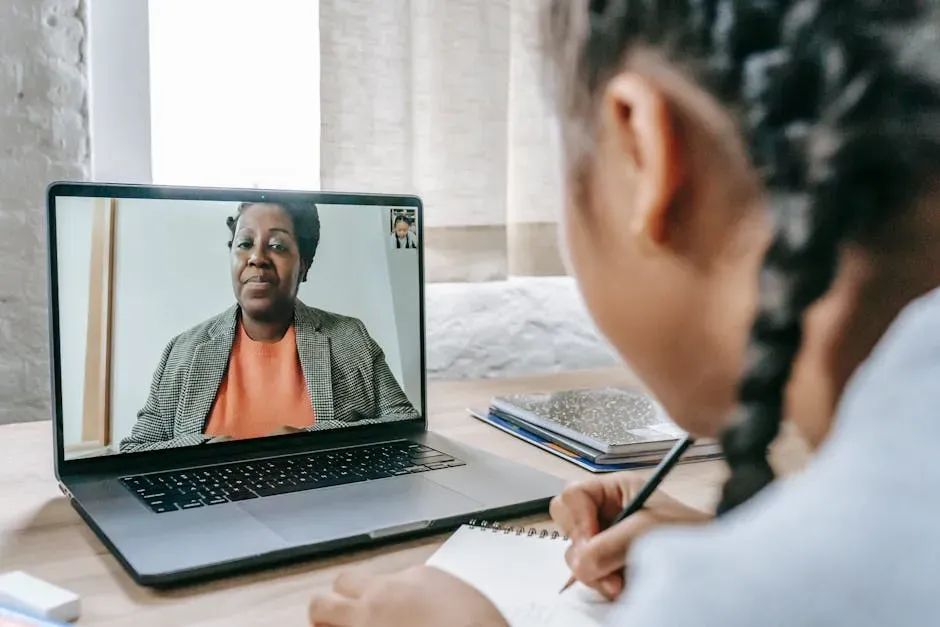
Here is the thing about the old debate between “online vs. in-person” learning – it was always a false choice. By 2025, blended learning is no longer an experiment – it has become the foundation of modern education, merging technology with human interaction to offer flexibility, accessibility, and personal connection at once. Schools around the world are discovering what educators suspected all along: the blend matters more than any single approach.
Student performance data indicates that properly implemented blended learning approaches improved retention rates by between a quarter and nearly half, compared to traditional methods alone. Technological advancements such as AI, adaptive learning platforms, and virtual reality are reshaping the delivery of hybrid education, while pedagogical shifts including flipped classrooms and competency-based education are becoming central to these environments. The flipped classroom model, where students watch lectures at home and use class time for discussion and problem-solving, is a perfect example of this philosophy at work.
Virtual and Augmented Reality: Immersion as a Teaching Tool
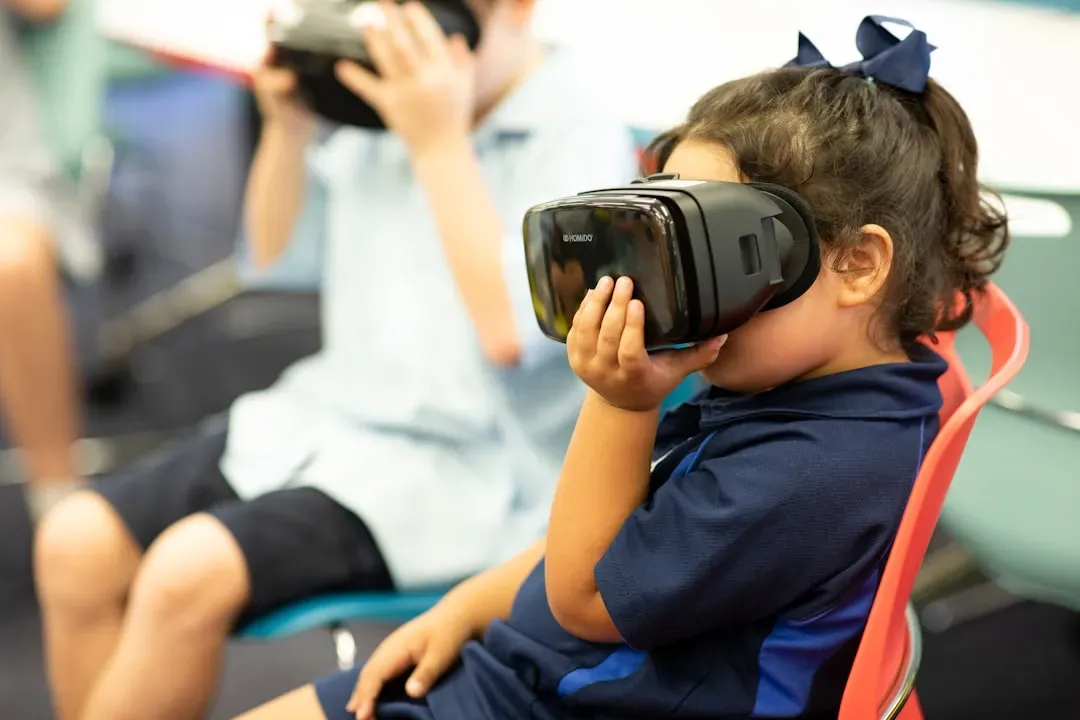
If blended learning is the solid foundation, then VR and AR are the exciting upper floors still under construction. Virtual reality and augmented reality are revolutionising classroom experiences by creating immersive learning environments, allowing students to take virtual field trips to ancient civilisations or inside the human body without leaving the classroom. I know it sounds like science fiction, but this is already happening in thousands of schools right now.
Around 93 percent of teachers believe VR would be beneficial in classroom teaching, and over 40 percent of K-12 schools in the US were expected to incorporate AR and VR technologies by 2024, up from less than 20 percent in 2022. In 2025, Meta launched its Meta for Education initiative, providing educators with managed access to Meta Quest headsets and digital tools that enable the creation of virtual and mixed-reality classrooms across a varied range of subjects. The walls of a classroom are becoming less and less relevant.
Mobile Learning: Education That Fits in Your Pocket

Probably the most understated transformation in digital learning is also the most obvious one. It is the smartphone. One of the strongest drivers of this transformation is the rise of mobile learning – as smartphones become nearly universal, education is no longer tied to a desk or classroom, with learners able to access courses anytime and anywhere. For students in regions where laptops are scarce but mobile coverage is reasonable, this is not a convenience feature. It is a lifeline.
The mobile learning market is projected to grow from around $110 billion in 2025 to over $340 billion by 2029. Mobile learning boosts productivity by roughly 43 percent, with learners completing training nearly half again as fast and retaining considerably more information than those using desktop tools. Short, focused lessons designed for smaller screens and shorter bursts of attention are proving surprisingly effective, like learning in quick sprints rather than long, exhausting marathons.
Student Engagement: Are Learners Actually Benefiting?

Numbers about market size and growth are impressive, but they do not tell us whether students are actually learning better. So are they? The honest answer seems to be: yes, quite often, though with caveats. Research suggests that learners retain between a quarter and three fifths of material in online learning settings, compared to only about 8 to 10 percent in traditional in-person instruction. That gap is enormous, and it deserves way more attention than it usually gets.
Nearly 65 percent of students report higher engagement levels when using interactive digital learning tools compared to traditional methods, and more than seven in ten teachers have observed improved learning outcomes after implementing educational technology. A strong majority of students believe online learning offers advantages over traditional classrooms, citing flexibility and personalised learning pace as the key benefits. Still, it is worth noting that engagement and deep understanding are not always the same thing. A flashy app can feel engaging without actually teaching much.
The Digital Divide: The Shadow Over Every Success Story

Now for the part that makes all of the good news complicated. For every student benefiting from AI tutors and VR field trips, there are others who cannot access any of it. As schools integrate digital tools into everyday learning, a new dimension of inequality has come into focus – access to technology. While some students benefit from personalised platforms and high-speed connectivity, others are still left behind, struggling to participate in a system that increasingly assumes digital access.
In 2025, approximately 6.8 million U.S. households still lack reliable internet access, and the digital divide continues to block working families from education, employment, and economic mobility. Around 63 percent of schools or districts lack funding for educational technology, nearly half of students struggle with inadequate Wi-Fi for digital learning, and more than four in ten teachers feel inadequately trained to use ed-tech effectively. Funding a tablet program while ignoring teacher training and broadband is a bit like giving someone a car with no fuel and no driving lessons. The intention is there, but the outcome isn’t.
The Teacher’s Evolving Role: Guides, Not Just Instructors

One of the more profound and perhaps under-discussed shifts is what digital learning is doing to the identity and role of teachers themselves. Integrating new technologies into classrooms requires ongoing professional development for educators, and teachers need to be trained and supported in how to use digital tools effectively in their daily teaching practice. The good news is that, where training actually happens, the results tend to be strong.
Teachers are now central to the effectiveness of hybrid models, acting as facilitators who guide students to access and use online resources effectively, as engagers who create interactive classroom environments, and as mentors who provide the human connection that technology-only instruction simply cannot replicate. The teachers who thrive in this new landscape are not necessarily the most tech-savvy. They are the ones who understand that the technology is a tool, not the lesson itself.
What Comes Next: The Future of Digital Learning

Looking ahead from where we stand in 2026, a few things seem increasingly clear. The integration of AI, immersive technology, and data-driven instruction is only going to deepen. The future of hybrid and blended learning points toward greater personalisation through AI, enhanced sustainability by reducing reliance on physical infrastructure, and the integration of immersive technologies like augmented and virtual reality. The classroom of the next decade may look more like a personal coaching session than a traditional lecture.
Blockchain is also beginning to reshape how educational records are stored, verified, and shared, offering a secure, decentralised, and tamper-proof system that eliminates credential fraud and streamlines verification for institutions, students, and employers. By 2030, experts predict that more than 70 percent of U.S. schools and universities will adopt a permanent blended learning model. The direction is clear. The pace just depends on whether the right investments, in teachers, infrastructure, and equity, keep up with the ambition.
Conclusion: A Transformation That Demands More Than Technology
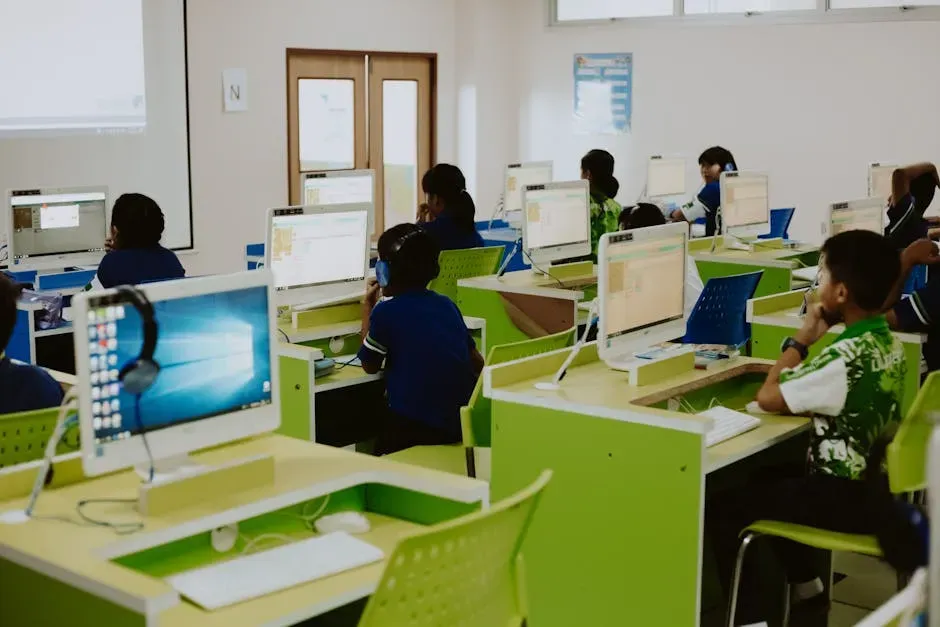
The rise of digital learning is one of the most consequential shifts in education since the printing press. It is expanding access, improving outcomes, and redesigning what a classroom even means. But technology alone does not educate anyone. The humans behind it, the teachers, the policymakers, the families, still determine whether this transformation lives up to its genuine promise or widens the gaps it claims to close.
The tools are extraordinary. The responsibility to use them wisely, equitably, and with real students at the center is even greater. Digital learning is here, and it is powerful. The question worth sitting with is not whether it will reshape education, but whose education it will truly improve. What do you think – are we doing enough to make sure no student gets left behind? Share your thoughts in the comments.