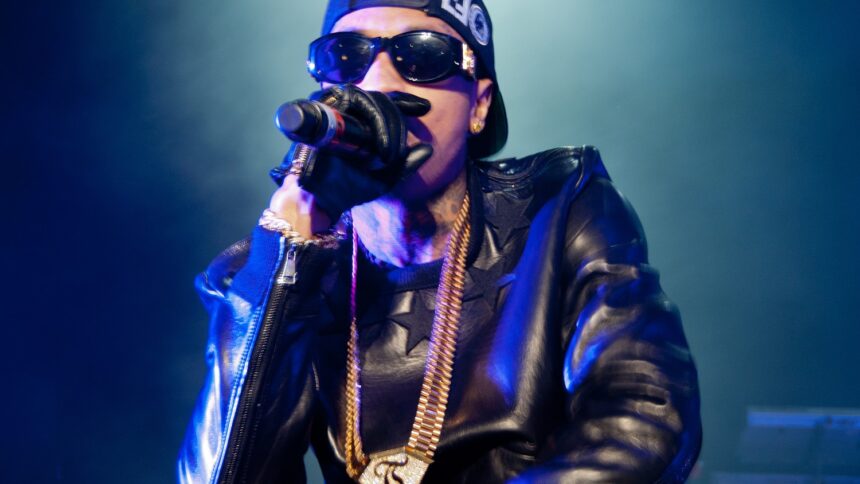
There’s a sound that defined the 2010s. You know it when you hear it. The crisp fingersnaps, the heavy basslines, the minimalist synths, and that unmistakable producer tag shouting through your speakers. Most of his works begin or end with the producer tag “Mustard on the beat, ho!” – a voice sample of YG. That’s the work of DJ Mustard, a producer who didn’t just make beats – he created an entire movement.
Born Dijon Isaiah McFarlane in South Central Los Angeles, his journey from spinning records at house parties to becoming one of hip-hop’s most influential producers is nothing short of remarkable. Let’s be real, when someone can reshape an entire coast’s sound and influence a generation of producers, that’s legacy territory.
The Los Angeles Roots That Shaped a Sound

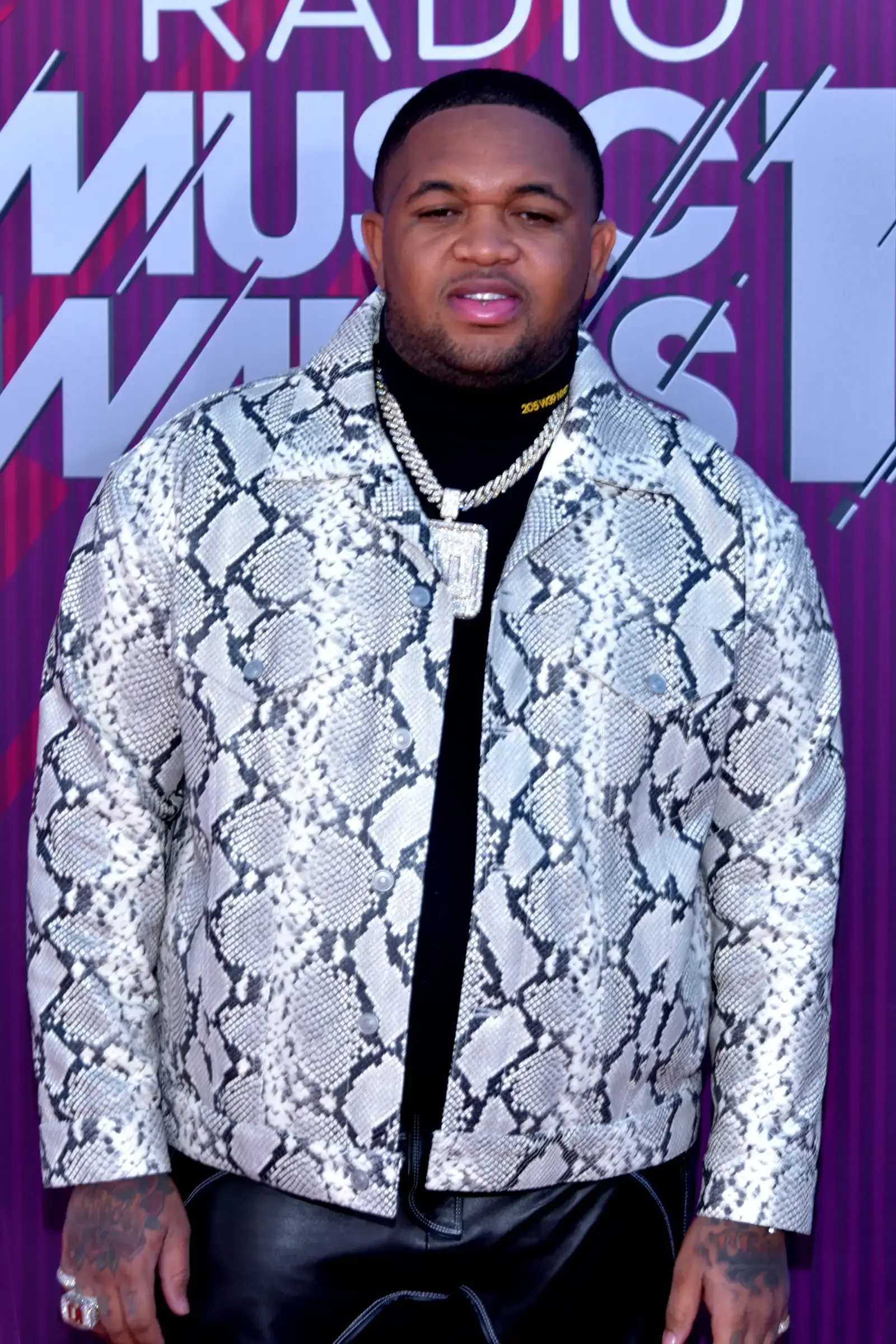
Dijon Isaiah McFarlane was born on June 5, 1990, in Los Angeles, California. Growing up in South Central LA, Mustard was surrounded by the rich musical heritage of West Coast hip-hop. My uncle was a big DJ, it was kind of a family tradition to DJ. He had his own DJ company, and me and my little cousin, we started DJ’ing with him. He actually let me DJ at a party when I was 11. Think about that for a second – at an age when most kids are worried about middle school crushes, this kid was already commanding a crowd.
His stage name is a play on his name, Dijon, as he took the initials of his name and added mustard in reference to Dijon mustard. The nickname stuck, and honestly, it’s kind of brilliant. His Los Angeles upbringing wasn’t just about location – it was about absorbing decades of California’s musical DNA. From G-funk to the party vibe that defined West Coast culture, all of this would later pour into his production style.
The “Rack City” Breakthrough That Changed Everything


He first saw recognition for his work on Tyga’s 2011 single “Rack City”. During late 2011, DJ Mustard produced Tyga’s third single “Rack City”. This wasn’t just another club track – it was a seismic shift. The song was released in December 2011, and peaked at number 7 on the Billboard Hot 100 chart, number 1 on the Hot R&B/Hip-Hop Songs chart, and number 2 on the Hot Rap Songs chart. It was also certified 2× platinum by the RIAA.
Here’s the thing, though: According to Mustard, the beat for the song was originally for YG. YG told Mustard that Tyga needed a beat, so he sent the beat to Tyga. One of the biggest career-defining moments came from a beat that wasn’t even meant for that artist. Sometimes the universe just clicks into place like that. The track introduced the world to what Mustard called “ratchet music,” and suddenly everyone wanted that sound.
The YG Partnership and West Coast Dominance

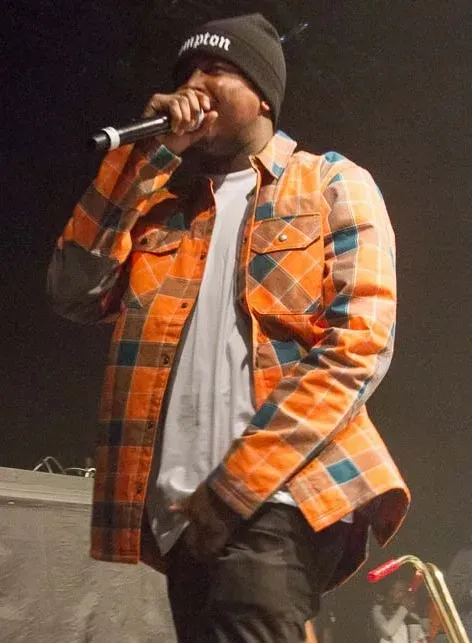
I started making beats for YG; he was one [of] the first people to do my beats. I started with him, so for us to do a mixtape was easy. We created this dancing sound. I feel like we owed it to the streets and we’re not stopping. The chemistry between Mustard and YG became the foundation for the modern West Coast sound. Their work together wasn’t just collaboration – it was brotherhood.
He also produced the majority of longtime collaborator YG’s major-label debut, My Krazy Life, one of the best, and most critically acclaimed, rap albums of 2014. The album became a blueprint for West Coast hip-hop in the 2010s. Tracks like “My Nigga” weren’t just songs – they were anthems that defined a moment. When you heard that beat drop, you knew exactly where it came from.
Building an Empire: 10 Summers Records


He founded the record label 10 Summers Records in 2014, through which he has signed musical acts including British singer Ella Mai, as well as fellow California-based artists Kiana Ledé and RJMrLA. Launching a label while simultaneously dominating as a producer? That’s next-level hustle. The name “10 Summers” wasn’t random – it represented his vision and the heat he was bringing to the industry.
Let’s talk about Ella Mai for a second. In 2018 Ella Mai’s first single “Boo’d Up” broke the record for the most weeks at No. 1 of any song by a woman on the R&B/Hip-Hop Billboard Airplay chart and is now RIAA-Certified 7x Platinum. Finding and developing talent like that proves Mustard’s ear extends far beyond just producing beats. Mustard won his first golden gramophone in 2019 for his work on “Boo’d Up,” the breakout hit from Ella Mai – the first artist signed to his Ten Summers label.
Chart Domination and Industry Recognition

In the past year alone, he has charted six top 10s on Billboard’s Hot R&B/Hip-Hop Songs chart and 14 hits on the Billboard Hot 100 – including Tinashe’s “2 On,” which is No. 26 on the chart dated Aug. 16. Those aren’t just numbers – they represent cultural moments. Songs like “2 On” by Tinashe, “I’m Different” by 2 Chainz, and “Show Me” by Kid Ink all bore Mustard’s signature fingerprints.
The producer became so ubiquitous in 2014 that the DJ Mustard sound is an early candidate for the sound of 2014. In the young year, the Los Angeles based producer born Dijon McFarlane, 23, has landed on Billboard’s Hot R&B/Hip-Hop Songs chart five separate times. Superstars started lining up. Recently, superstars like Rihanna, Kanye West, Usher, Jennifer Lopez and Rick Ross have all booked time with the rising beatmaker to gain access to his secret sauce.
The Kendrick Lamar Collaboration and “Not Like Us” Phenomenon


Then came 2024, and everything changed again. In 2024, Mustard produced the Kendrick Lamar diss track, “Not Like Us”, released as part of the Drake–Kendrick Lamar feud. This wasn’t just another collaboration – this was cultural warfare set to music. He produced Kendrick Lamar’s 2024 single “Not Like Us”, which became his first production to peak atop the Billboard Hot 100, won five Grammy Awards.
Five Grammy wins from a single track. Read that again. At the 67th Annual Grammy Awards, “Not Like Us” won all five of its nominations: best rap song, best rap performance, best music video, song of the year and record of the year. After years of producing hits for others, Mustard finally had his first number-one production. The wait was worth it.
He also co-produced two tracks on Lamar’s 2024 album GNX, “Hey Now” and “TV Off”. Lamar’s screaming of Mustard’s name on “TV Off” became an internet meme. The viral moment brought Mustard’s name to a whole new generation of listeners. Sometimes cultural impact happens in the most unexpected ways.