There is something quietly unsettling happening in neighborhoods across the world. People who once felt safe behind tall walls and guarded gates are now hiring personal security teams, installing AI-powered cameras, and demanding a level of protection that no gate can offer. The old model of residential safety is cracking, and the private security industry is rushing in to fill every gap.
What is driving this shift? Is it rising fear, declining police presence, or something far more structural? The answer is all of the above, and where things are heading may genuinely surprise you. Let’s dive in.
A Market Exploding From the Inside Out
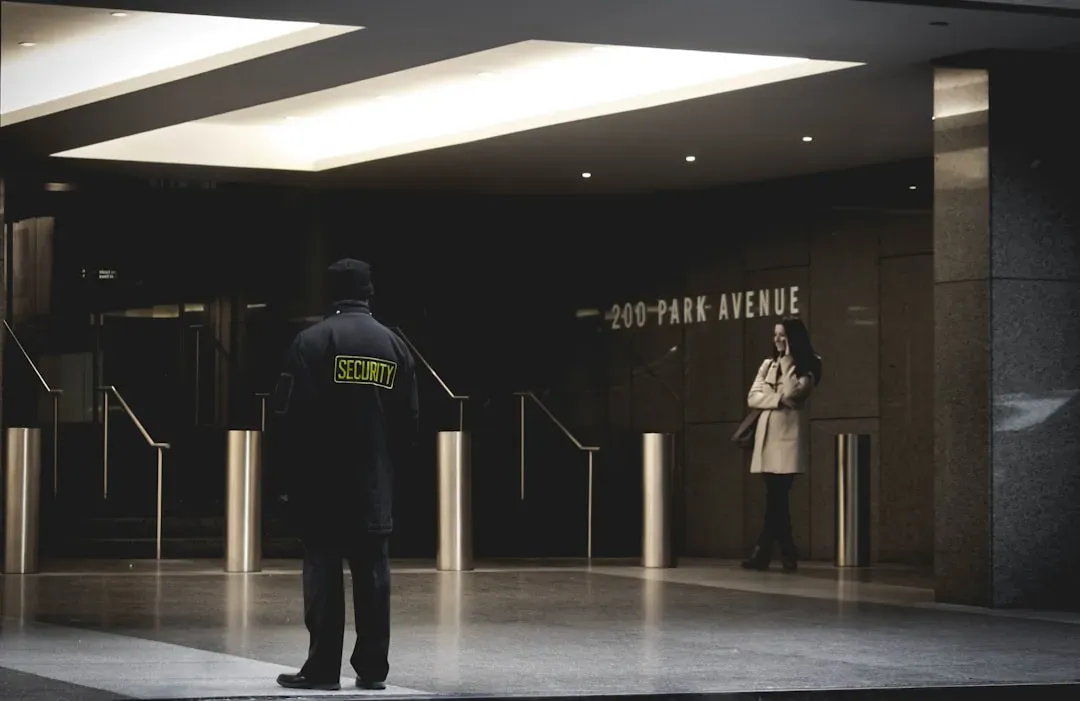
The global private security market was valued at roughly $235 billion in 2023 and is projected to reach nearly $385 billion by 2032. That kind of growth does not happen by accident. It signals a deep, persistent shift in how people think about personal and property safety worldwide.
The Global Private Security Market size is expected to reach around $623 billion by 2034, growing from $258 billion in 2024 at a compound annual growth rate of nearly ten percent. Think about that for a second. That is not a niche industry quietly ticking along. That is a sector on the scale of major global industries, and it is accelerating.
In 2024, over 25 million personnel were estimated to be part of the global private security workforce, serving clients across residential, commercial, industrial, and governmental segments. More people work in private security than in many of the world’s largest traditional industries. That number speaks volumes about demand.
Gated Communities: The Illusion of Safety
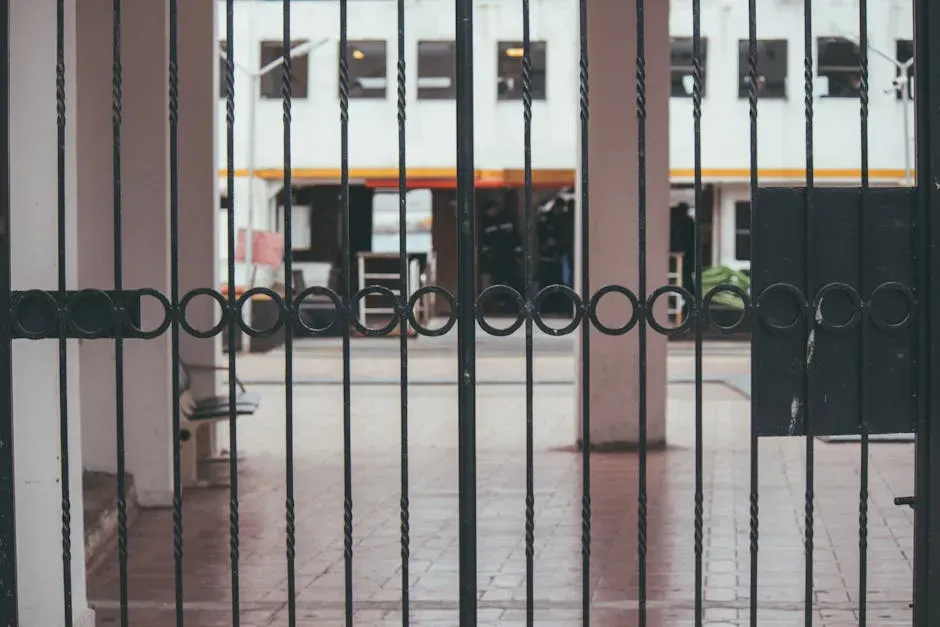
Honestly, the idea of a gated community always felt a little theatrical to me. A nice gate, a uniformed guard who waves cars through, maybe a camera or two. It feels secure in the same way that a locked screen door feels secure. Technically a barrier, but not exactly a fortress.
Gated communities are perceived to be safe havens in a world of risk and uncertainty, but research from the United States challenges received opinion and suggests that, although opportunistic burglaries may be minimized, the risk of other crimes could be increased. That is a finding that most HOA marketing brochures conveniently leave out.
Gated communities can foster an illusion of security that causes residents to lower their guard. Even though the majority of convicted burglars say they avoid homes with security systems, only about 17 percent of U.S. households have them. And when homeowners do install security systems, living in a gated community can make them lax about arming them, or even locking their doors.
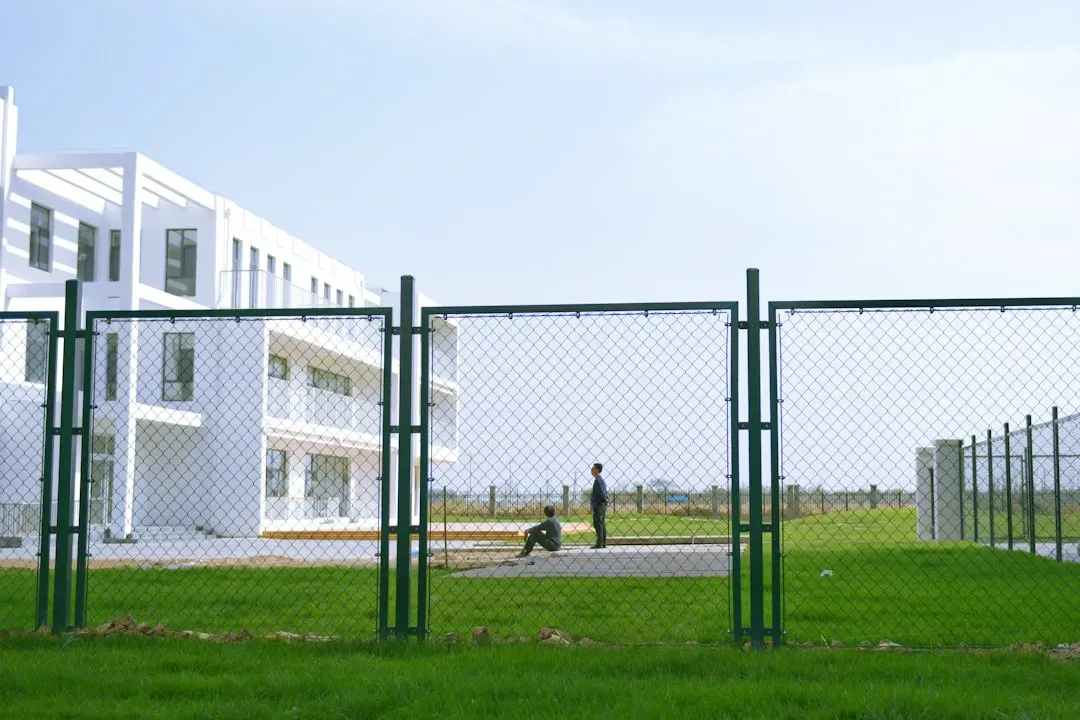
In many ways, gates are more for aesthetics than security. Intruders may be able to slip through the gates easily, even without a passcode. Cars may get past the gate by closely following the vehicle in front, entering before the gate closes. The whole structure of “gate security” turns out to be surprisingly porous.
The Police Staffing Crisis Nobody Talks About Enough
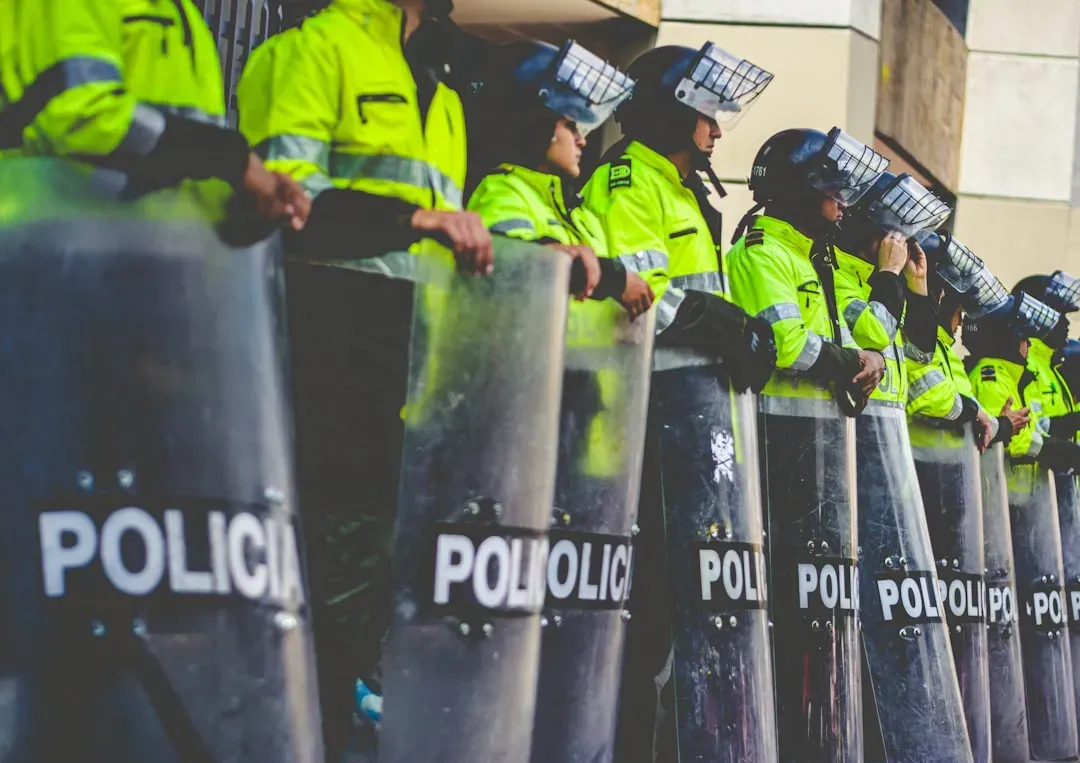
Here is the thing most people have not fully confronted yet. Public policing in the United States, and in many other countries, is under extraordinary strain. The safety net that residents have depended on for decades is fraying at the edges.
According to the International Association of Chiefs of Police, nearly 78 percent of U.S. law enforcement agencies report difficulty recruiting officers, and more than half are operating below budgeted staffing levels. Below budgeted levels. Not at capacity. Not slightly stretched. Operating below what they themselves calculated as the minimum.
A 2024 survey found that roughly seven in ten agencies reported having more difficulty hiring compared to five years ago. Dozens of the nation’s largest departments have shrunk by ten percent or more, with some agencies like New Orleans and Minneapolis now almost forty percent smaller than they were a decade ago.
Louisiana’s governor declared a state of emergency in February 2024 due to officer shortages, citing a nearly fifty percent increase in resignations since 2019 and 1,800 vacant sheriff’s deputy positions. He warned that response times were suffering, endangering public safety. When a state declares an emergency over police staffing, it is a signal that the private security sector can hardly ignore.
Private Guards Now Outnumber Police Officers
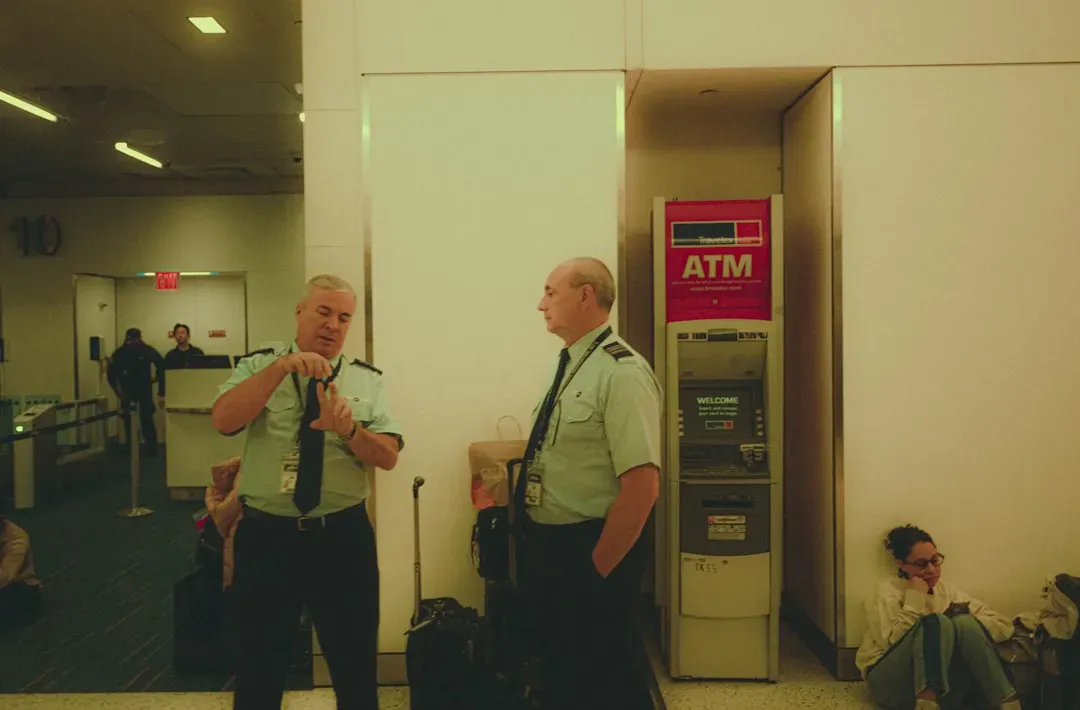
This is the statistic that stops most people in their tracks. We tend to picture public police forces as the dominant presence in any neighborhood. That picture is outdated and has been for some time.
Private security guards now outnumber public police by almost two to one in the United States. More than 1.2 million people are employed as private security guards, while there are fewer than 700,000 police officers nationwide. Two to one. The private industry is not supplementing law enforcement at this point. It is vastly outnumbering it.
Police staffing shortages are pushing cities to rely on private security. As law enforcement agencies struggle with recruitment and retention, communities are increasingly turning to private security firms to handle non-emergency calls and deterrence.
Santa Fe, New Mexico approved $750,000 in its city budget to fund private security guards in the tourist-heavy downtown Plaza. Portland, Oregon extended a $4.6 million contract for private security at publicly owned facilities. New York City’s Metropolitan Transportation Authority augments subway police patrols with both armed and unarmed private guards. This is happening at the municipal level now, not just for wealthy neighborhoods.
AI and Technology Are Rewriting the Rules of Protection

If you want to understand where the security industry is genuinely heading, look at the technology. The transformation from passive cameras to intelligent, predictive systems is happening faster than most people realize.
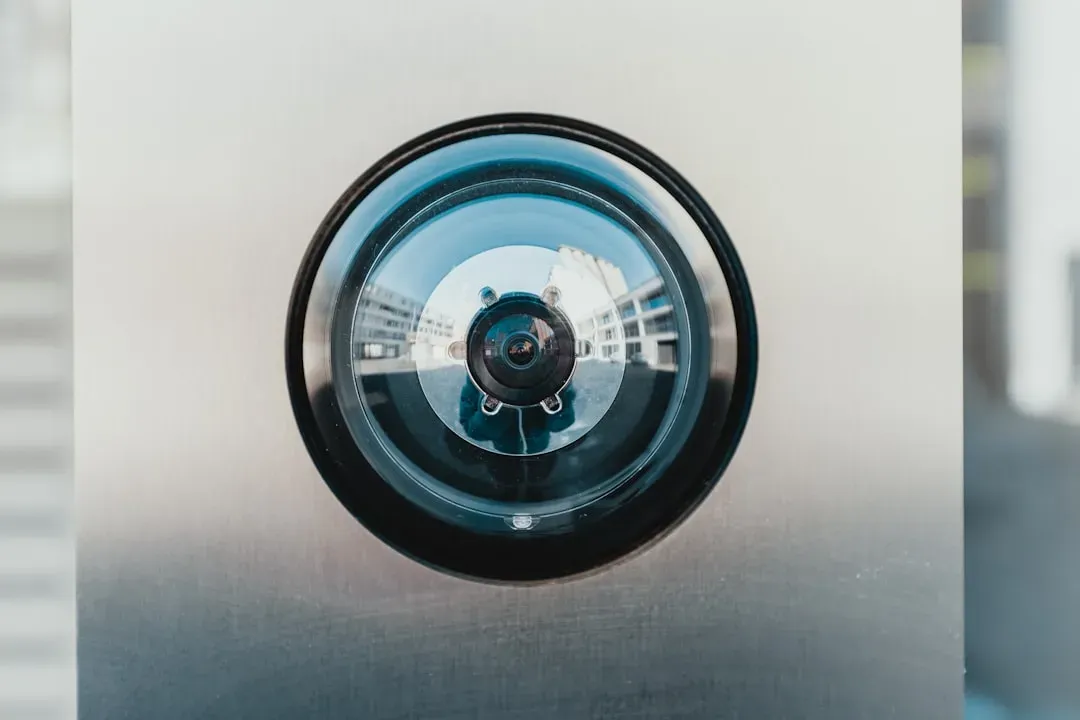
The global AI in video surveillance market was estimated at $6.51 billion in 2024 and is projected to reach $28.76 billion by 2030, growing at a compound annual growth rate of more than thirty percent. That rate of growth is extraordinary, even by tech industry standards.
Autonomous security solutions are reshaping how organizations protect their assets and operations, offering advanced capabilities for patrolling, monitoring, and responding to threats. Technologies like drones, robots, and smart management systems provide round the clock coverage, eliminating fatigue and extending security into hazardous or challenging areas for human personnel.
In 2024, approximately forty percent of security firms globally adopted AI-powered video analytics, up from twenty-six percent in 2022. These technologies enhance facial recognition, object tracking, and behavioral analysis, which improves real-time threat detection. The jump in just two years is striking. The industry is not gradually evolving. It is sprinting.
AI models can now distinguish genuine security threats from harmless movements, reportedly reducing false alarms by up to ninety percent. For anyone who has lived through the ordeal of constant false alerts from an older system, that figure alone makes the upgrade feel entirely worth it.
The Residential Sector Is Driving Demand

Commercial and government contracts have long been the backbone of private security. That dynamic is shifting. Residential clients, meaning everyday homeowners and apartment dwellers, are now among the biggest growth engines in the entire market.
The private security services industry is experiencing significant growth, particularly within the residential sector, as individuals increasingly seek reliable solutions to protect their homes.
By end use, private security services in apartment complexes and multi-family residences accounted for a share of roughly forty-six percent of the overall private security services industry in 2024. Nearly half of the market. Not corporate towers or government buildings. Homes and apartment blocks.
The expansion of urban residential zones has led to more than half of newly developed apartments hiring private security firms within the first month of operation. That is a remarkable indicator of how normalized this expectation has become for renters and buyers alike.
The Global Picture: Who Is Growing Fastest

Private security is not a uniquely American story. The hunger for it is global, and the regions seeing the most explosive growth might surprise you.
The private security services industry in Asia Pacific is set to grow at a compound annual growth rate of nearly twelve percent from 2025 to 2030, driven by increasing concerns about personal safety amid rising investments and economic activities.
India leads globally with over 8.9 million security personnel in 2024, followed by China with around five million. Rapid urbanization, real estate expansion, and increasing crime rates are driving demand. The region saw more than a nineteen percent growth in gated community security contracts alone in 2024.
In 2024, the number of licensed private security firms exceeded 7,000 in the Gulf Cooperation Council alone. The UAE and Saudi Arabia are prioritizing security for mega projects like NEOM and Expo City Dubai. From desert megacities to dense Asian metropolises, the demand for sophisticated, layered private security is growing universally.
The Training Gap and Why It Matters
More private security is not automatically better security. Let’s be real about a problem the industry tends to gloss over. The gap in training between a police officer and an average private guard is substantial, and sometimes dangerously so.
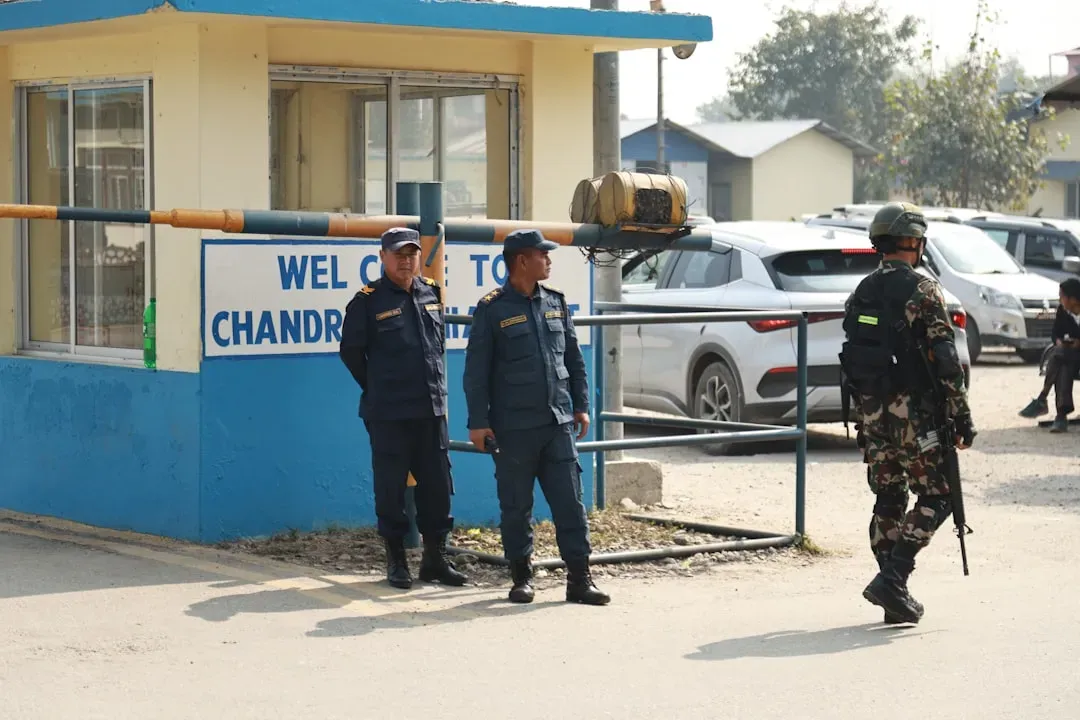
Although policing shortages may encourage hiring private security guards, the two jobs are far from the same thing, and blurring the roles is dangerous. Security guards also tend to have much less training than police, and standards vary considerably.
In many states, there is no regulation at all. In the states that do have regulation, it is fairly minimal. Armed guards and specialized units tend to get more training, but the average unarmed guard’s training is relatively minimal.
Private security guards earn median annual wages of around $38,000 according to the U.S. Bureau of Labor Statistics, while police and sheriff’s patrol officers earn a median annual salary of about $76,000, usually accompanied by public sector benefits and legal protections afforded to sworn officers. The compensation gap partially explains the training gap. Lower pay attracts a different candidate pool, and the result is uneven quality across the industry.
Smart Cities and the Future of Integrated Security
The next chapter of private security is not just about guards and cameras. It is about entire ecosystems of interconnected protection, woven into the fabric of how cities are designed and managed.
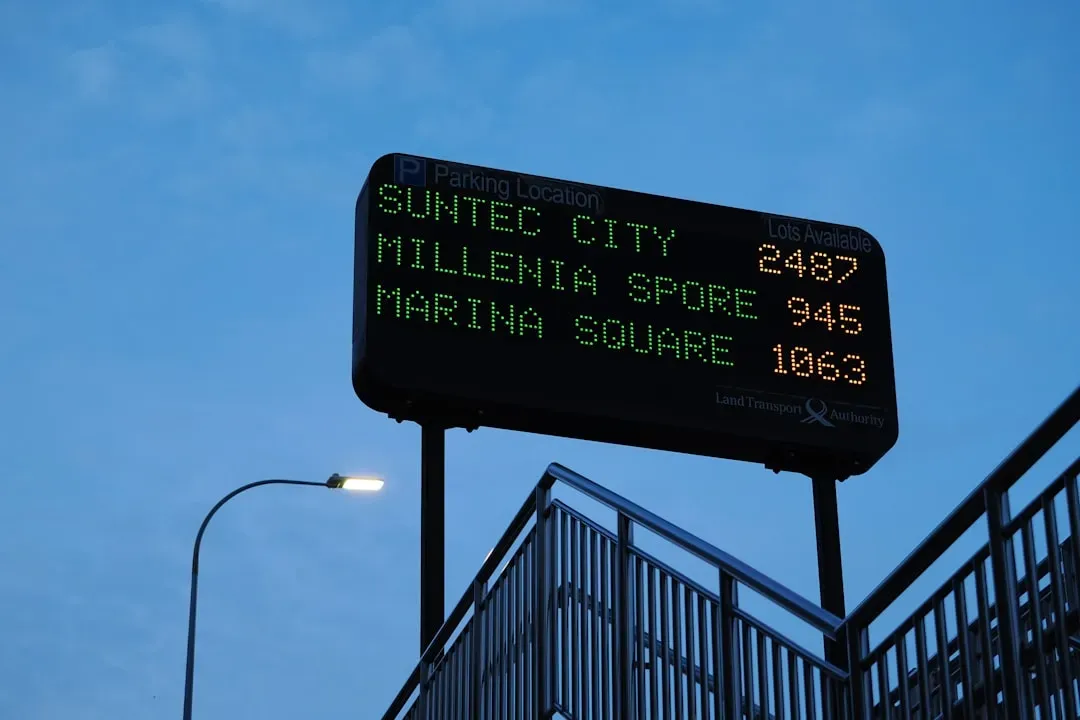
The rise of smart cities and IoT-enabled environments fuels demand for advanced, interconnected security systems, creating potential for innovative, scalable security offerings. We are moving from individual security products to comprehensive safety architectures that span entire neighborhoods.
By 2025, over 40 new smart cities are planned globally, all requiring comprehensive security planning. Every single one of those projects represents an enormous contracting opportunity for the private sector. The line between public infrastructure and private security service is becoming genuinely blurry.
More and more organizations are deploying AI systems that integrate seamlessly with existing security infrastructure, acting as an intelligence layer over surveillance cameras, access controls, and IoT sensors. This improves situational awareness and allows security personnel to focus on high-priority tasks, automating routine monitoring and freeing up resources for strategic decision-making. It is less science fiction than it sounds. It is already being deployed in real neighborhoods right now.
What This Means for Ordinary People
It would be easy to frame the rise of private security as purely a story about the wealthy protecting their assets. The reality is considerably more complicated and more democratic than that.
Public safety concerns are increasingly becoming a catalyst for the growth of private security services. Events like mass shootings, civil unrest, and natural disasters elevate anxiety among citizens, leading to a demand for supplementary security measures. Governments may struggle to provide adequate public safety, further incentivizing individuals and corporations to turn to private security firms.
It is not that homeowners no longer need security. It is that the threat has evolved, and security systems have adapted to reflect new priorities. Instead of a gate that controls community access, ring doorbells, security cameras, smart tech, and monitoring systems do the job effectively. Homeowners are not as worried about break-ins, but they are worried about keeping kids and elderly parents safe at home, deterring porch pirates, and discouraging auto theft.
During times of economic hardship, crime may see an uptick, which correlates with an uptick in security services, so more people feel safer either at their businesses or in their living rooms. Security, in other words, has become a consumer product for the mainstream, not just a perk for the privileged.
Conclusion: The Gate Was Never the Answer
The gate was always more of a symbol than a solution. It said: “We take safety seriously here.” But symbols wear thin when reality presses against them hard enough. The research is unambiguous that gates alone do not guarantee safety, police forces are stretched thinner than they have been in decades, and the threats people face have evolved far beyond what a guard booth and a sliding barrier were ever designed to handle.
The private security industry is filling a genuine vacuum. Whether it fills that vacuum well, with trained, regulated, accountable professionals, is the central question for the next decade. For now, the industry’s explosive growth reflects something deeply felt: the sense that the old systems of protection are no longer sufficient.
A multi-layered, technology-integrated, privately managed approach to safety is becoming the new normal. Not just for gated communities. For all of us.
What do you think? Is the rise of private security a sign of a safer world, or a sign that something in our public systems has fundamentally broken down? Share your thoughts in the comments.