Criminal investigations have never been simple. They demand patience, instinct, and hard evidence. For most of human history, a detective’s greatest tools were a sharp eye, a good informant, and maybe a fingerprint here or there. Then came the digital age, and everything changed almost overnight. Today, the gap between what investigators can do and what they could do just a decade ago is staggering.
From cracking cold cases that sat dormant for half a century to tracking organized drug networks using drone flight logs, technology has fundamentally reshaped how law enforcement pursues justice. It is not a perfect story, though. There are ethical minefields, civil liberties concerns, and some tools that simply do not work as advertised. Still, the direction is unmistakable. Let’s dive in.
A Booming Industry Built Around Truth-Finding

The U.S. forensic science market is projected to grow from roughly six billion dollars in 2024 to nearly ten billion dollars by 2032, while the global forensic technology market is expected to reach a staggering thirty-six billion dollars over the same period. Numbers that big tell you something important: the world is betting heavily on better, faster, more accurate investigation.
The rapid advancement of forensic science technology has introduced powerful tools that enhance how evidence is collected, analyzed, and presented, transforming criminal investigations by improving accuracy, accelerating timelines, and enabling breakthroughs in even the most complex cases. Honestly, it is hard to think of another field where so much innovation carries such direct, human stakes.
Artificial Intelligence Steps Into the Interrogation Room

Artificial intelligence is no longer a futuristic concept in criminal justice – it is a force actively transforming how law enforcement agencies investigate, analyze, and solve crimes, with AI and crime becoming deeply intertwined in the modern justice system. Think of it like having an assistant who never sleeps, never blinks, and can review a million documents before lunch.
The U.S. Department of Justice’s final report in response to Executive Order 14110, published in December 2024, identifies four main AI applications in law enforcement: identification and surveillance, forensic analytics, predictive policing, and risk assessment, demonstrating an accelerated shift toward AI-enabled public safety systems. A 2025 Police1 survey found that roughly nine in ten law enforcement professionals support AI adoption, with nearly two-thirds believing it will make their work more efficient and effective.
Digital Forensics and the Mountain of Electronic Evidence
In an era dominated by digital interactions, crimes often leave a trail of electronic evidence, making cyber investigations an integral part of modern criminal inquiries. Digital forensics specialists analyze computer systems, networks, and online activities to uncover evidence related to cybercrimes, fraud, and even traditional offenses, and the ability to trace digital footprints has opened up new avenues for law enforcement to solve complex cases.
The U.S. Department of Justice handled more than six petabytes – that is six million gigabytes – of digital evidence in 2024 alone, while specialized software can review a million documents an hour and surface messages or files that may be critical to a case. That volume is almost incomprehensible. It is the investigative equivalent of searching every book in a large city’s library, simultaneously, in seconds.
Facial Recognition and Biometric Identification

Advancements in surveillance technologies, including facial recognition, license plate recognition, and closed-circuit television systems, have significantly enhanced the monitoring and tracking capabilities of law enforcement. Agencies commonly have access to facial recognition systems maintained by other agencies, such as the FBI’s Next Generation Identification Interstate Photo System, which incorporates results from seventeen state agencies and two federal agencies and encompasses over sixty-seven million arrest photos.
The FBI’s use of facial recognition technology is governed by Department of Justice policy, which mandates that facial recognition results alone may not be relied upon as sole proof of identity – an individual’s identity must be confirmed through other analysis and investigation. That is a crucial guardrail, because facial recognition misidentifications, especially of Black and brown individuals, underscore the need for human oversight, and several wrongful arrests have already occurred due to overreliance on AI alone.
DNA Technology and the Cold Case Revolution
Here is where things get genuinely remarkable. In recent years, forensic genetics and genetic genealogy have grown increasingly powerful in solving cold cases, and during 2024 and into 2025, multiple long-forgotten crimes in the United States were finally resolved thanks to new DNA analysis techniques, bringing not only technical innovations but also deep emotional impact for victims’ families.
In a 2024 Montana case, using preserved evidence and genealogical analysis, forensic experts matched DNA from a crime scene to a man named Paul Hutchinson, who had no known connection to the victim. When police contacted him in July 2024, he exhibited erratic behavior and took his own life within twenty-four hours, and subsequent DNA testing confirmed the match. A groundbreaking forensic technology called Next-Generation Sequencing allows scientists to analyze DNA in greater detail than ever before, examining entire genomes or specific regions with high precision, making it particularly useful when DNA samples are damaged, extremely small, or old.
Predictive Policing: Data-Driven Crime Prevention
Technology has given rise to predictive policing, a strategy that utilizes data analysis and algorithms to identify potential crime hotspots and predict criminal activity. Studies in 2024 showed that predictive policing tools helped reduce property crimes by roughly seven to eleven percent when used together with visible police patrols. Think of it less like a crystal ball and more like a very sophisticated weather forecast – useful, but not infallible.
The NYPD’s Domain Awareness System merges CCTV, license plate reader data, and crime reports to power analytics tools like Patternizr, enabling rapid crime pattern matching and case resolution. However, experts warn that predictive policing can reinforce existing racial biases or target certain neighborhoods unfairly, sometimes leading to more police activity in already over-policed communities. It’s a powerful tool that requires equally powerful oversight.
Drones and Body-Worn Cameras: Eyes on the Ground and in the Sky
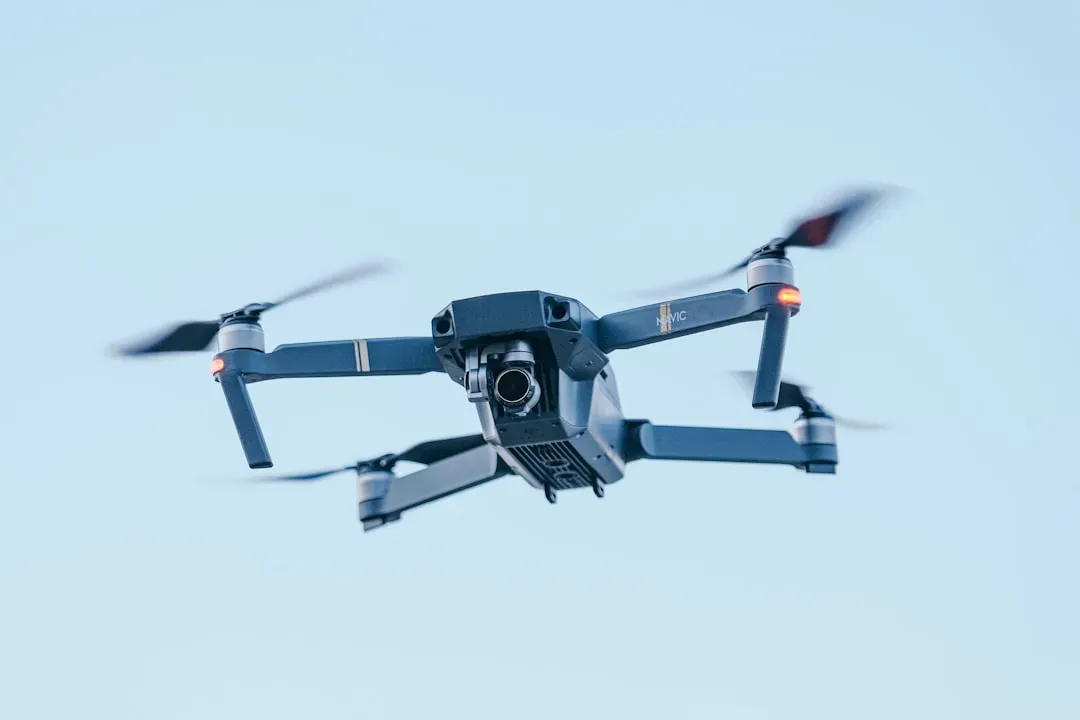
In crime scene analysis, drones can be used to create aerial maps, document evidence locations, and assist with scene reconstruction, and their ability to capture high-resolution imagery from above offers a new perspective that enhances investigative accuracy. In July 2025, police in Westlake, Ohio, used a drone to find a missing child much faster than would otherwise have been possible. These are not just gadgets – they are genuinely saving lives.
Body-worn cameras help provide a clear, unbiased record of interactions between law enforcement officers and the public, and these recordings can clarify events, support investigations, and protect both officers and civilians from potential misconduct or misunderstandings. In People v. Johnson in 2024, an Illinois court confirmed that body camera footage could be used as evidence, as long as there was a clear record of who handled it and when.
Social Media and Open Source Intelligence

Social media platforms have become valuable sources of information for criminal investigations, with investigators analyzing publicly available information to gather intelligence, track movements, and identify potential suspects. Open source intelligence, known as OSINT, has become a powerful tool in criminal investigations, providing law enforcement with real-time information and insights. I think most people underestimate how much their public digital footprint reveals.
Insider threats are increasingly risky, with a large majority of companies having experienced at least one insider attack in 2024, usually involving employees exfiltrating confidential data, while AI-based attacks like deepfakes and AI impersonation are also becoming more common, making it harder to authenticate and trust digital communications. This means investigators must now question not just the origin of evidence, but whether it has been digitally fabricated entirely.
Cross-Agency Data Sharing and the Interoperability Challenge

Collaboration among law enforcement agencies has improved significantly with the aid of technology, as information-sharing platforms and databases enable seamless communication between local, regional, and national agencies, helping investigators access critical data and intelligence and facilitating the swift resolution of cases that may span multiple jurisdictions. Yet seamless is still an aspiration more than a reality in many places.
Different law enforcement agencies at the federal, state, local, and corporate security levels often operate on separate systems that do not communicate with one another, resulting in critical information gaps and delays in investigations. When agencies cannot quickly cross-reference cases or suspects across systems, potential connections between criminal activities can go unnoticed – for example, a local police department investigating a burglary may not have immediate access to data from a neighboring county’s database where a similar crime pattern has been reported.
Ethics, Bias, and the Limits of the Machine
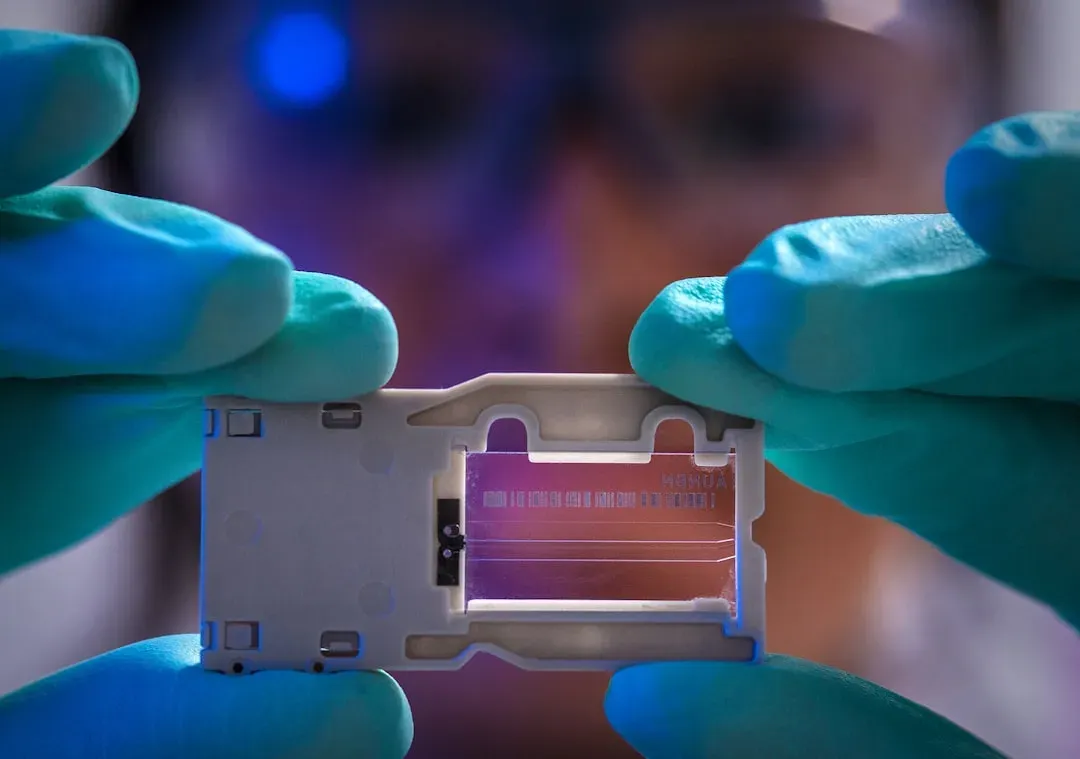
Advances in forensic algorithms allow experts to partially automate the examination of physical evidence, and these algorithms can analyze fingerprints, facial images, or DNA. The U.S. Government Accountability Office testified that these tools can improve speed and objectivity in many investigations, but analysts and investigators face challenges such as possible bias, misuse, and difficulty communicating results.
During a major June 2024 convening on AI in criminal justice, participants placed consistent emphasis on striking the delicate balance between harnessing the potential benefits of AI to enhance public safety and the imperative to protect individual rights, ensure procedural fairness, and address ethical and safety concerns. The best path forward may be a hybrid system, where AI flags footage or evidence, but a human makes the final decisions on what actions to take. That balance, honestly, might be the most important design challenge in modern law enforcement.
Looking Ahead: Where Technology Takes the Investigation Next
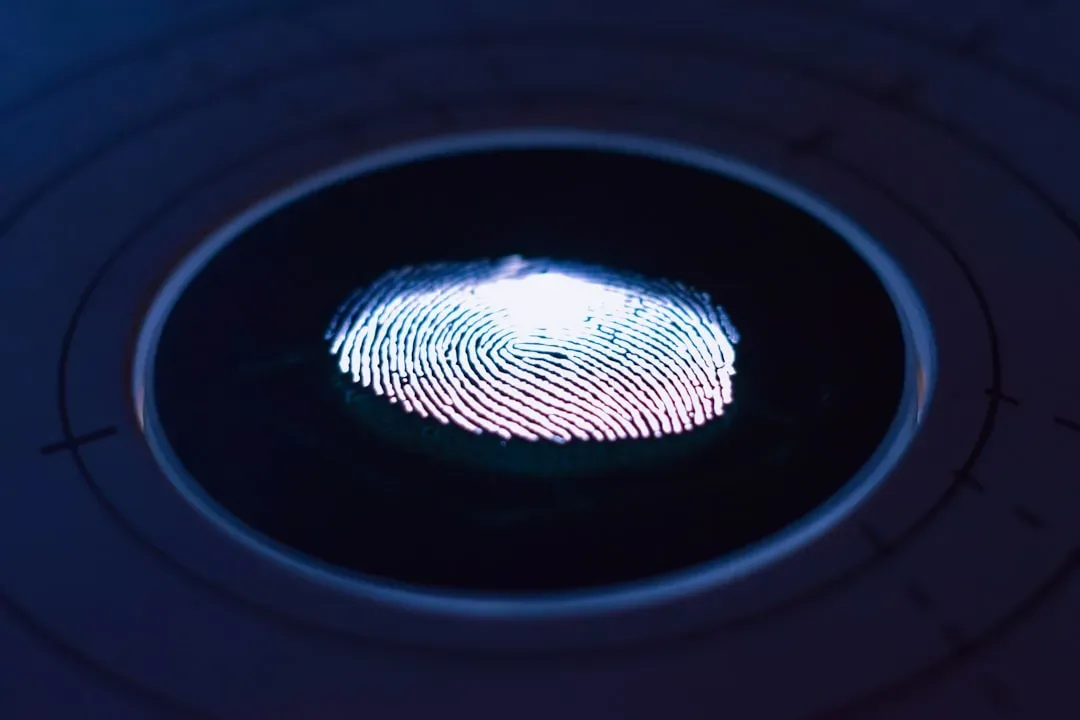
From artificial intelligence and machine learning to biometric technologies and IoT devices, emerging tools offer unprecedented capabilities to analyze data, identify suspects, and reconstruct crime scenes with unparalleled accuracy and efficiency. Virtual and augmented reality technologies will provide investigators with immersive environments for forensic analysis, while blockchain technology shows promise for ensuring the integrity and security of digital evidence.
According to the U.S. Bureau of Labor Statistics, job openings for forensic science technicians are projected to grow thirteen percent from 2024 to 2034, much faster than average. The field is clearly not just evolving – it is expanding. However, as these technologies become increasingly pervasive, it is imperative for law enforcement agencies to address challenges such as data privacy, algorithmic bias, and ethical considerations. Technology in criminal investigation is only as trustworthy as the people and policies behind it. What do you think about the direction we’re headed? Leave a comment and share your thoughts.