There’s a stretch of road that looks completely ordinary – a crosswalk, a blinking yellow light, a few speed limit signs. Nothing about it screams danger. Yet every single school day, drivers roll through it a little too fast, and a camera mounted on a pole captures every single one of them. The citations pile up. Hundreds. Sometimes thousands. All from one intersection.
It sounds almost unbelievable. But it’s happening in cities across America, and there are very specific reasons why certain spots become the undisputed ticket kings of their region. The story behind these intersections isn’t just about revenue. It’s about human behavior, road design, national safety crises, and technology that never blinks. Let’s dive in.
The Pedestrian Safety Crisis That Nobody Talks About Enough


Here’s the thing – the reason school zone cameras exist in the first place is genuinely alarming. In 2021, roughly 7,388 pedestrians died and approximately 60,577 were injured in traffic crashes across the United States. That’s not a blip. That’s a crisis unfolding one intersection at a time.
An estimated 7,508 pedestrians were killed in 2022 – the most since 1981, according to the Governors Highway Safety Association. Think about that for a second. We have more safety technology in modern cars than ever before, and yet we just hit a 40-year high in people being killed on foot. Something is deeply wrong.
Between 2009 and 2023, pedestrian deaths rose a staggering 80%, while all other traffic fatalities increased just 13%. That gap tells a chilling story. Streets have become measurably more dangerous for anyone not wrapped in steel. School zones sit at the very heart of this problem.
Why Children Are Among the Most Vulnerable Road Users

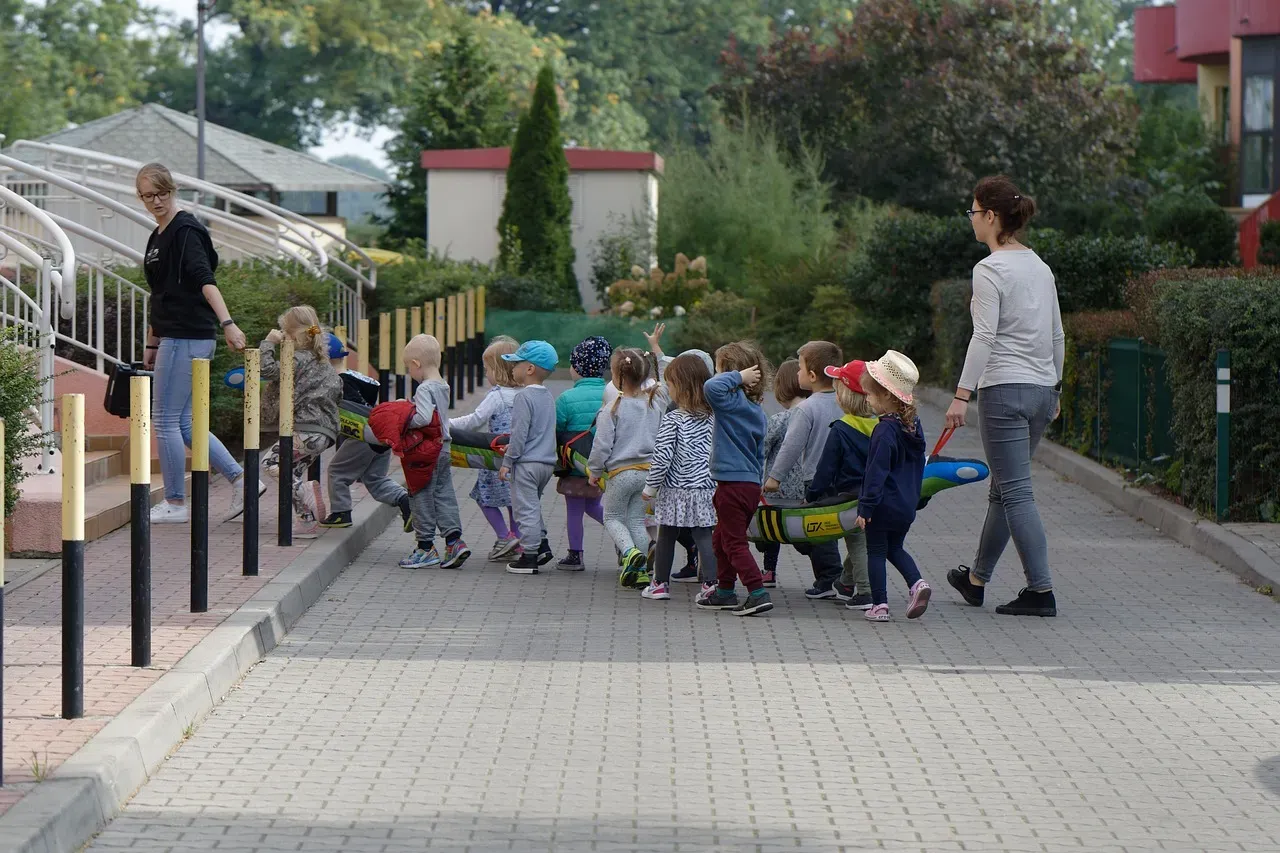
Children don’t process speed and distance the same way adults do. That’s not an opinion – it’s developmental science. Children, particularly younger students, lack the cognitive development to accurately assess speed and distance, which means a car moving at 30 mph near a playground feels entirely manageable to a six-year-old right up until it isn’t.
Over 1,000 people died in school-transportation-related crashes between 2013 and 2022, including 198 children under the age of 18. A significant share of those deaths – 38% – were pedestrians. These are kids waiting for buses, crossing streets, and walking home. Ordinary activities that turned fatal because a driver wasn’t paying attention or was going too fast.
The National Center for Education Statistics reports that 38% of school leaders agree that traffic patterns around their campuses pose a threat to students’ physical safety. That’s more than a third of school principals essentially saying the road outside their front door is dangerous. That’s the context behind every school zone camera you see.
Speed Kills – and the Numbers Prove It

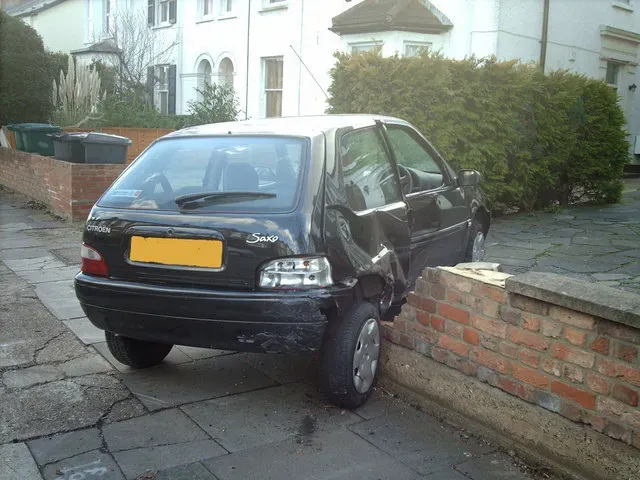
I know it sounds dramatic, but the physics here are genuinely merciless. A pedestrian struck by a vehicle traveling at 40 mph is eight times more likely to die than one hit at 20 mph. Eight times. That single fact is the entire moral argument for school zone speed limits.
A 2024 study by the Insurance Institute for Highway Safety found that a pedestrian struck at 20 mph has just a 1% chance of fatality. At 35 mph, the chance of fatal injury climbs to 19%. And at higher speeds, survival becomes increasingly unlikely. The difference between a bruised child and a dead one can be just 15 mph.
Almost 12,000 deaths – 29% of all crash fatalities – occurred in speed-related crashes in 2023. Speeding isn’t a minor infraction that only affects the reckless few. It is one of the leading killers on American roads, full stop. School zones are specifically designed to interrupt that pattern, at least for a few hours a day.
How One Intersection Ends Up Issuing More Tickets Than Anywhere Else

So why does a single intersection generate so many citations? Honestly, it’s rarely random. These spots are almost always the product of a perfect storm: high traffic volume, poor road design, a nearby school with high pedestrian activity, and a history of near-misses or actual crashes. Local traffic engineers and police departments typically identify them through data, not guesswork.
Speed studies conducted in August 2023 in school zones for Dalton High School and Roan Street Elementary School identified a significant problem with speeding, recording 7,779 speed violations in a single five-day period from a pool of more than 48,000 vehicles. That’s roughly one in six drivers breaking the law every day. At just one location. Within just one week.
Traffic data at one Washington State school zone corridor revealed that more than 90% of vehicles exceeded the posted speed limit during school hours. Even more concerning, a significant share of drivers was traveling more than 10 mph over the school zone limit during peak student activity. When nearly every driver is speeding, one camera at the right spot will generate tickets at a staggering rate.
The Camera That Never Sleeps

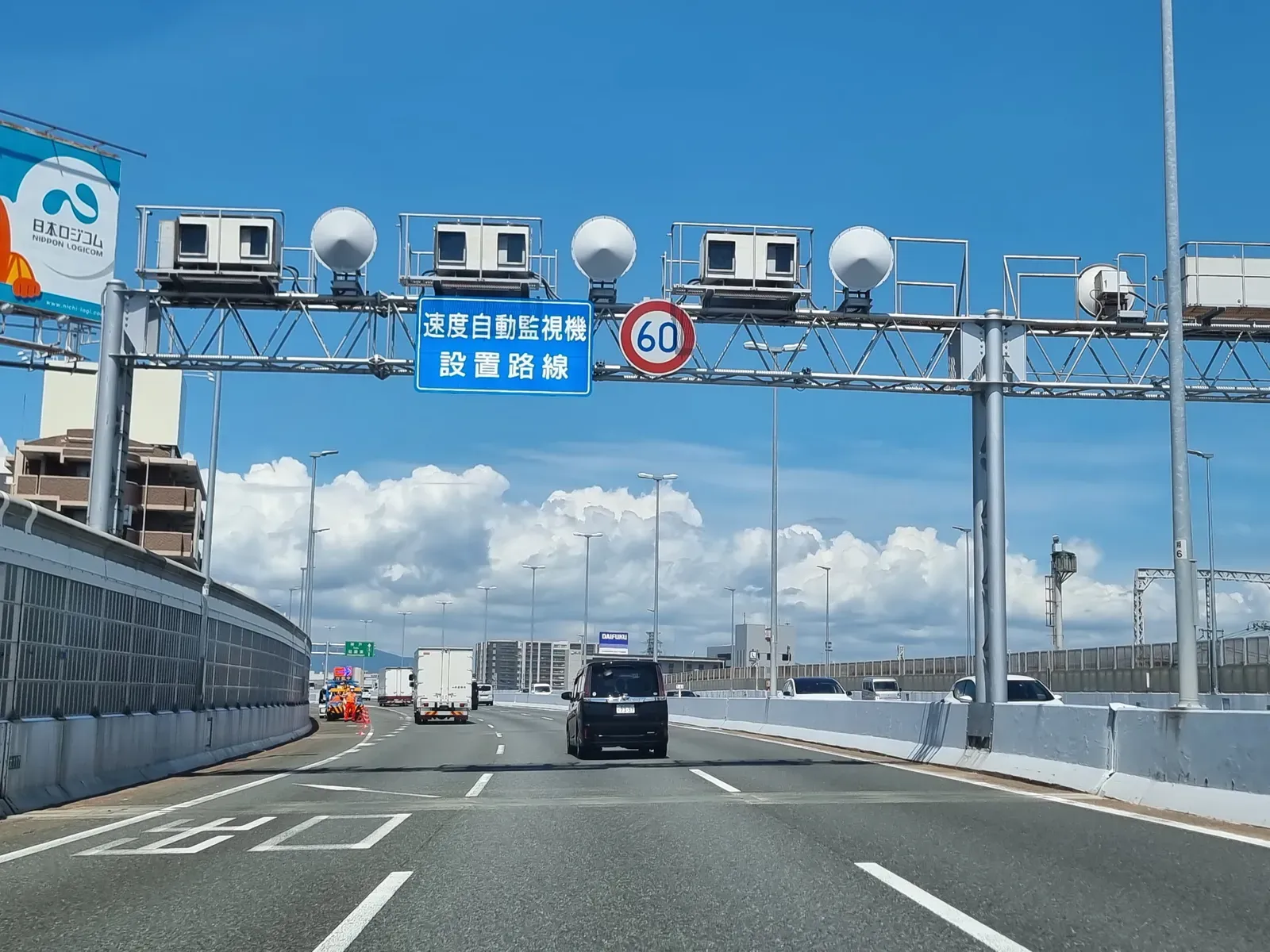
Traditional police enforcement has a fundamental limitation: officers can only be in one place at one time. That’s where automated speed cameras change the entire equation. By strategically placing automated safety cameras in high-risk areas like school zones, these programs provide continuous monitoring without the need for officers. The camera doesn’t take lunch breaks. It doesn’t get reassigned.
Florida statutes define a Speed Detection System as a portable or fixed automated system used to detect a motor vehicle’s speed using radar or LiDAR and to capture a photograph or video of the rear of a motor vehicle that exceeds the speed limit at the time of the violation. The technology is precise, time-stamped, and legally defensible. Drivers who challenge the ticket often find themselves watching undeniable video evidence played back in court.
In some jurisdictions, a police officer must review each citation. After the automated system records a speeding violation, a staff member first confirms it, then it is sent to the traffic enforcement unit for officer review. Only after a officer determines the violation occurred is the citation actually sent. There’s a human in the loop – which matters both legally and for accuracy.
What the Data Says About Cameras Actually Working

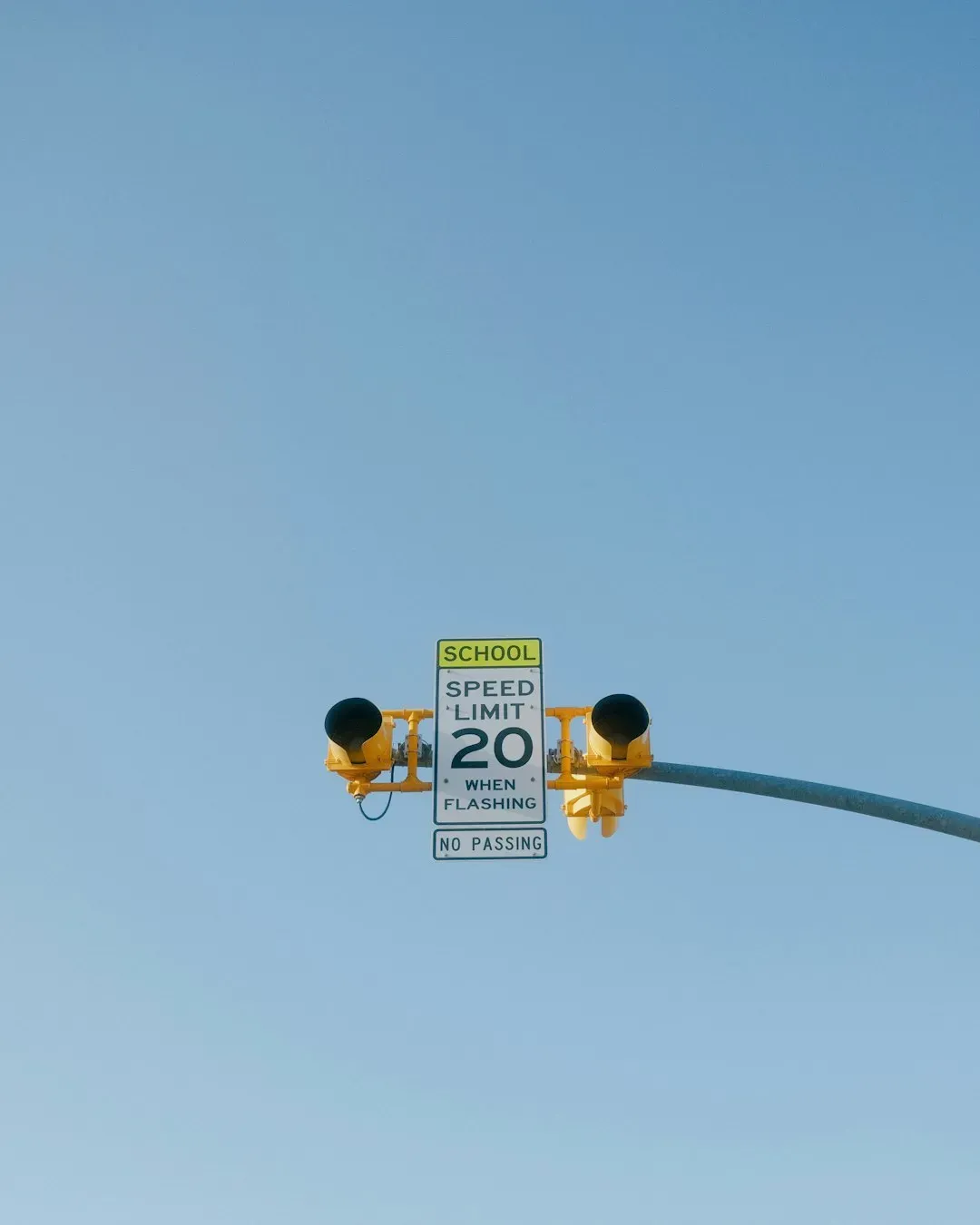
Critics love to call school zone cameras a money grab. Let’s be real, that argument would carry more weight if the cameras weren’t also measurably reducing crashes. The Insurance Institute for Highway Safety found that cameras reduced the fatal red-light running crash rate of large cities by 21% and the rate of all types of fatal crashes at signalized intersections by 14%.
During a 2024 to 2025 presentation to the Sarasota City Commission, the police department reported an average 60% reduction in school speed zone violations from a five-day spring 2024 test period, and a 34% decline in traffic light violations year over year. That’s not a marginal improvement. That’s a transformation in driver behavior. One camera, one intersection, dramatically fewer violations.
A 2018 study by the University of Washington and Drexel University found that the introduction of school zone safety cameras resulted in a nearly 50% drop in speeding violations, with long-term behavioral improvements sustained into the second year of implementation. The cameras aren’t just catching people – they’re actually changing how people drive. That’s the whole point.
The Revenue Question: Safety Tool or Cash Machine?


Here’s the question that makes everyone uncomfortable. These programs generate significant money. In Sarasota, Florida, 20,790 violations were paid in one year, generating $1.72 million distributed to the state of Florida and $1.56 million to the city. Those are real dollars, and it’s fair to ask who benefits from the system continuing to issue tickets.
Critics of speed and red-light cameras argue they exist to make money for law enforcement agencies and technology providers. However, the objective, according to the GHSA, is to deter violators, not to catch them. It’s a reasonable tension. The best version of this program is one where ticket revenue drops because speeding drops. That’s what success actually looks like.
The goal of traffic enforcement is to increase motorist compliance with safety laws, which means when drivers no longer run red lights or speed, the revenue from automated enforcement cameras will decline. Think of it like a business model designed to put itself out of business. When cameras generate fewer tickets over time, that’s the program working exactly as intended.
The Equity Problem Hidden Inside the Enforcement System


There’s a dimension to school zone enforcement that doesn’t get nearly enough attention, and it’s this: flat fines hit low-income families far harder than wealthy ones. A $100 ticket is a minor inconvenience for some drivers. For others, it’s a week’s worth of groceries. Same violation. Wildly different consequences depending on your zip code.
Washington D.C. convened a Task Force on Automated Traffic Enforcement Equity and Safety in 2023 to assess pilot interventions that consider residents’ ability to pay, with the goal of achieving educational and behavioral benefits of automated traffic enforcement without reinforcing the poverty traps that can result from flat fines. That’s a refreshingly honest admission from a government body.
In cities like Minneapolis, camera locations are chosen based on crash history, speed data, equity considerations, geographic balance, and community feedback. Getting the placement right – and making the program fair – requires more than just pointing a camera at a busy road. It demands a genuine conversation about who gets ticketed and why.
The Role of Road Design in Creating Ticket Hot Spots

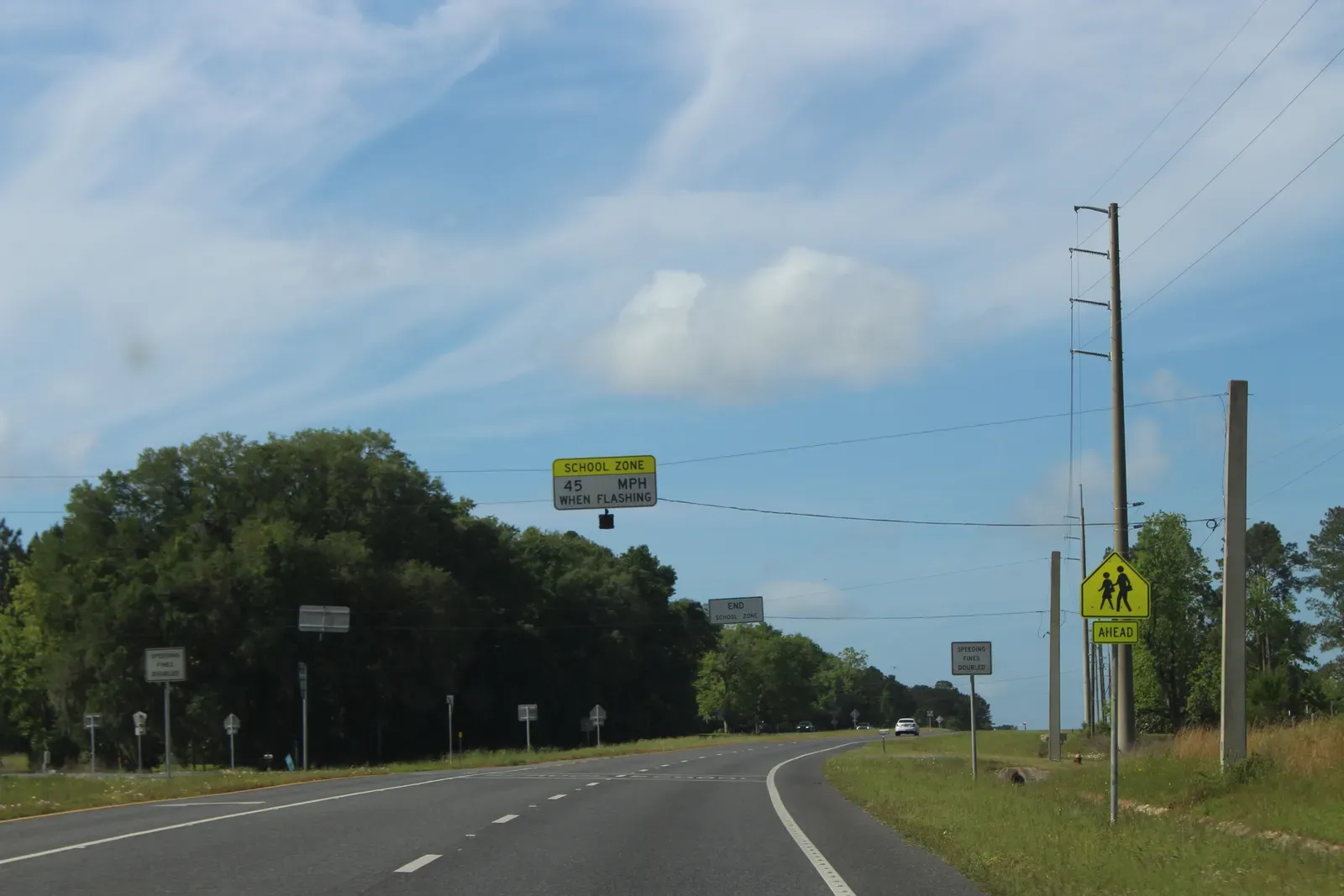
It’s tempting to blame individual drivers for speeding near schools. Sometimes that blame is entirely warranted. But it’s also worth asking: why do so many different drivers, in the same spot, consistently speed? The answer often lies in the road itself. Wide lanes, long straight stretches, and minimal visual cues naturally push drivers to go faster – even when they don’t intend to.
A steep drop in traffic enforcement across the country since 2020 has enabled dangerous driving behaviors to flourish. At the same time, roads are largely designed to prioritize fast-moving vehicle traffic instead of slower speeds that are safer for people walking. The infrastructure itself is sending the wrong signal to drivers, even in school zones.
Despite flashing signs, posted limits, and community awareness efforts, drivers continue to speed, get distracted, and overlook pedestrian right-of-way, putting students at unnecessary risk. Signs alone don’t change behavior. Physical road design, combined with consistent enforcement, does. The most ticket-heavy intersections are often places where the road nudges drivers to speed and a camera catches them every single time.
What States Are Doing About It in 2025 and 2026

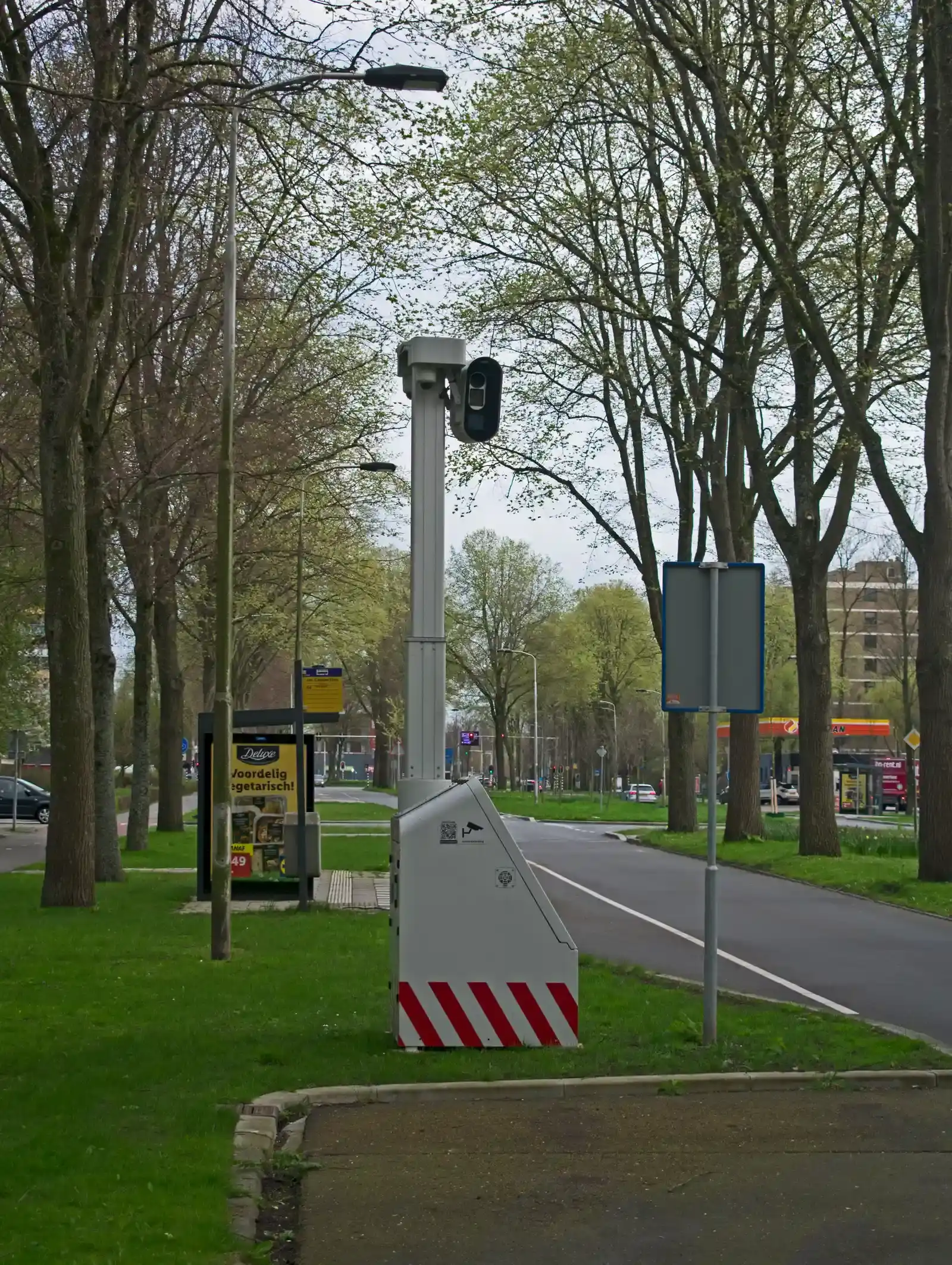
The legislative response across the country has accelerated sharply in recent years. As of the latest data, 19 states and the District of Columbia have passed laws that permit the use of speed cameras. That number has been climbing. Florida alone passed major legislation expanding school zone camera use in 2023, and other states quickly followed its lead.
Florida’s House Bill 657 was signed by Governor Ron DeSantis on May 31st, 2023. Under this law, the use of cameras is authorized to enforce speeding violations throughout the entire school day – not just during arrival and dismissal windows. That’s a meaningful expansion. More hours of enforcement means more violations captured, especially at already high-volume intersections.
Albany, New York launched its school zone camera program in October 2024, with cameras initially placed near Albany High School, Eagle Point Elementary, and All Saints Academy. Over the following months, more schools were added, bringing the total to 20 zones covered under a five-year automated enforcement pilot made possible after state legislation passed in September 2023. City by city, the camera network keeps expanding – and those signature high-ticket intersections are multiplying with it.
Conclusion: The Trap That Was Always There

The school zone intersection that issues thousands of tickets isn’t a trap in the sneaky, punitive sense. It’s a mirror. It reflects exactly how many drivers were already ignoring a speed limit that exists because children walk there every day. The camera didn’t create the problem – it just made it visible.
The national data is sobering. Pedestrian deaths were down 4.3% in the most recent year of tracking – the second consecutive annual decline – but pedestrian fatalities remain nearly 20% above 2016 levels and reached a 40-year high in 2022. Progress is happening, but slowly. Every blinking school zone sign still marks a stretch of road where the math of speed and human survival doesn’t favor the child on the sidewalk.
The best outcome from any of this isn’t revenue. It isn’t even fewer tickets. It’s a generation of kids who grow up never knowing what it’s like to fear crossing the street in front of their own school. We’re not there yet – but the data suggests we know exactly what works. The only question is whether we’ll commit to doing it. What do you think – are automated cameras the right way to get there, or is there a better approach? Share your thoughts in the comments.