
Ever found yourself reading way past your bedtime, eyes burning, brain begging for sleep, yet somehow you just can’t close that book? You tell yourself “just one more chapter” at 2 AM, knowing full well you’ll regret it in the morning. That magnetic pull isn’t accidental. Authors who create these addictive reading experiences understand something fundamental about human psychology and storytelling craft.
While we often talk about page-turners in mystical terms, there’s actually a formula behind books that refuse to let us go. These stories share specific, identifiable elements that hijack our attention and won’t give it back until the final page. Let’s explore what makes certain books absolutely impossible to set aside.
Characters Who Feel Like Real People


The most addictive books feature characters with messy, contradictory qualities that mirror actual human behavior. These aren’t cardboard heroes or villains. They’re flawed people making questionable decisions for reasons we can somehow understand, even when we disagree with them.
Think about the characters you remember years after finishing a book. They probably felt unpredictable yet consistent, complex yet relatable. Authors achieve this by giving characters competing desires, internal conflicts, and vulnerabilities they try desperately to hide.
When a character’s voice feels distinct enough that you could recognize their dialogue without attribution, you know the author has nailed it. These characters don’t just move through the plot. They shape it through their specific personalities, quirks, and blind spots.
We keep reading because we genuinely care what happens to these people, almost like checking in on friends going through something difficult.
Questions That Demand Immediate Answers


Unputdownable books create a constant state of curiosity. Each chapter answers one question while raising three more. The author feeds you just enough information to satisfy your immediate curiosity while opening new mysteries that need solving.
This isn’t about cheap cliffhangers, though. The best writers embed questions into character relationships, world-building details, and thematic elements. You’re not just wondering what happens next in the plot. You’re wondering about motivations, consequences, and deeper meanings.
Sometimes the most compelling questions are psychological rather than plot-driven. Why did she make that choice? What’s he really afraid of? How will they react when the truth comes out?
These narrative hooks work because human brains are wired to seek closure. Once a question lodges in your mind, ignoring it creates genuine discomfort. Skilled authors exploit this mercilessly.
Pacing That Matches a Heartbeat


Books you can’t put down understand rhythm. They don’t maintain constant intensity because that would exhaust readers. Instead, they pulse between tension and release, action and reflection, creating a pattern that feels almost musical.
High-stakes scenes get followed by quieter moments that let you breathe while deepening character development or setting up the next crisis. This variation prevents fatigue while building momentum toward critical turning points.
Chapter lengths often vary deliberately. Short, punchy chapters speed the pace and make “just one more” feel achievable. Longer chapters allow for immersion and complexity. The alternation creates forward momentum that’s hard to resist.
Even sentence structure plays a role. Mixing short, sharp sentences with longer, flowing ones creates textural variation that keeps your brain engaged rather than lulled into predictability.
Stakes That Escalate Relentlessly

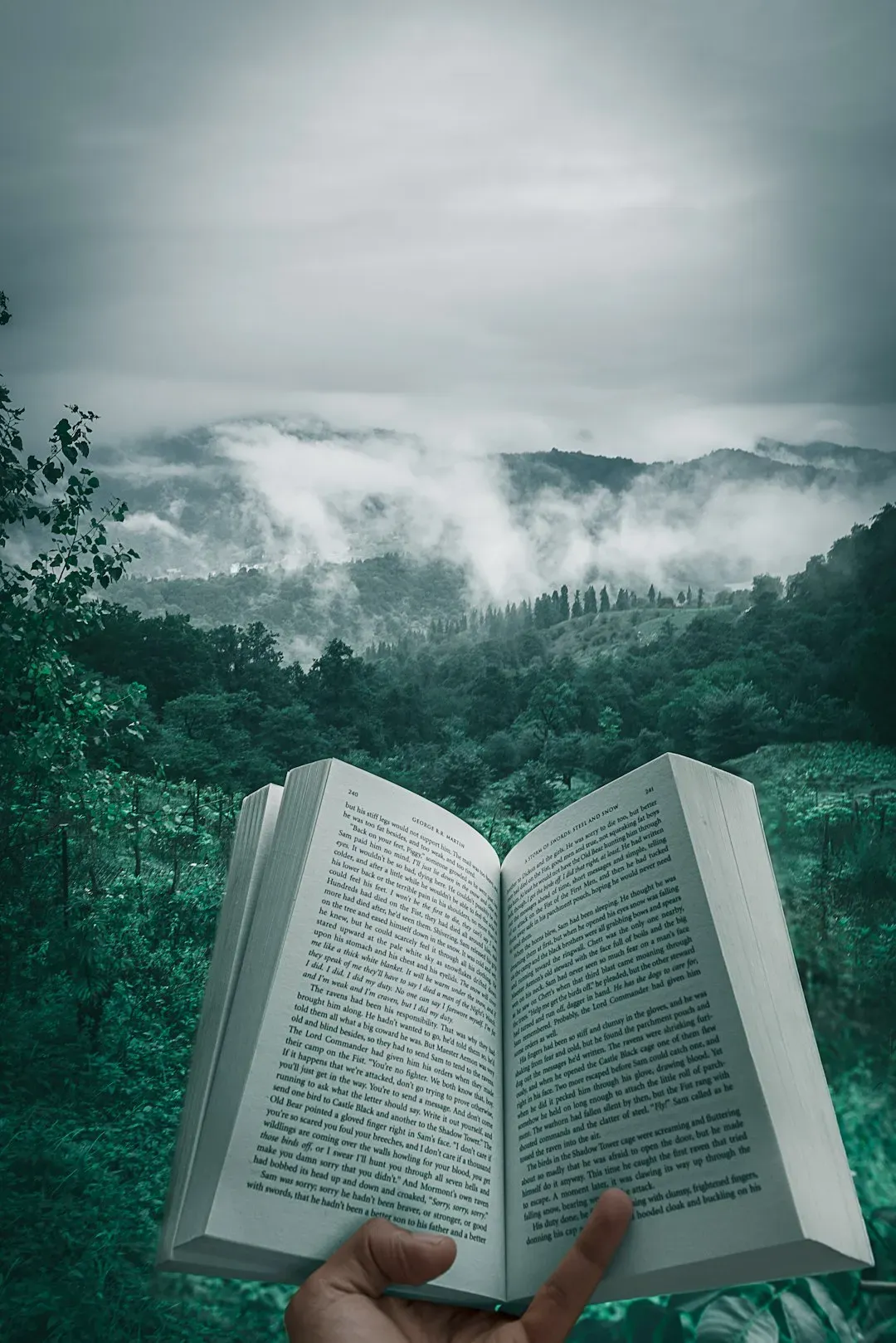
What starts as a manageable problem gradually transforms into something much larger. Addictive books understand that stakes need to compound, forcing characters into increasingly difficult positions with fewer escape routes.
The escalation isn’t just external. Internal stakes rise too as characters face harder choices that force them to confront their values, fears, and limitations. The cost of failure grows with each decision.
This progression keeps readers invested because we sense things building toward an inevitable confrontation. Each complication raises the stakes for what comes next, creating a snowball effect that becomes impossible to walk away from.
Partner offer

Sensory Details That Create Immersion


Books that trap you in their world don’t just tell you what’s happening. They make you feel present through carefully chosen sensory details that activate your imagination without overwhelming the narrative.
It’s not about describing everything. Actually, that kills momentum. Instead, addictive books select specific, unexpected details that make scenes vivid. The smell of rain on hot asphalt. The particular creak of a specific stair. The way someone’s voice changes when they’re lying.
These details work subconsciously, building a complete world in your mind without you realizing the scaffolding. You’re not reading anymore. You’re there.
The best sensory writing connects to emotion or character. The details aren’t just atmospheric. They reveal something about how the character experiences their world.
Dialogue That Crackles With Subtext
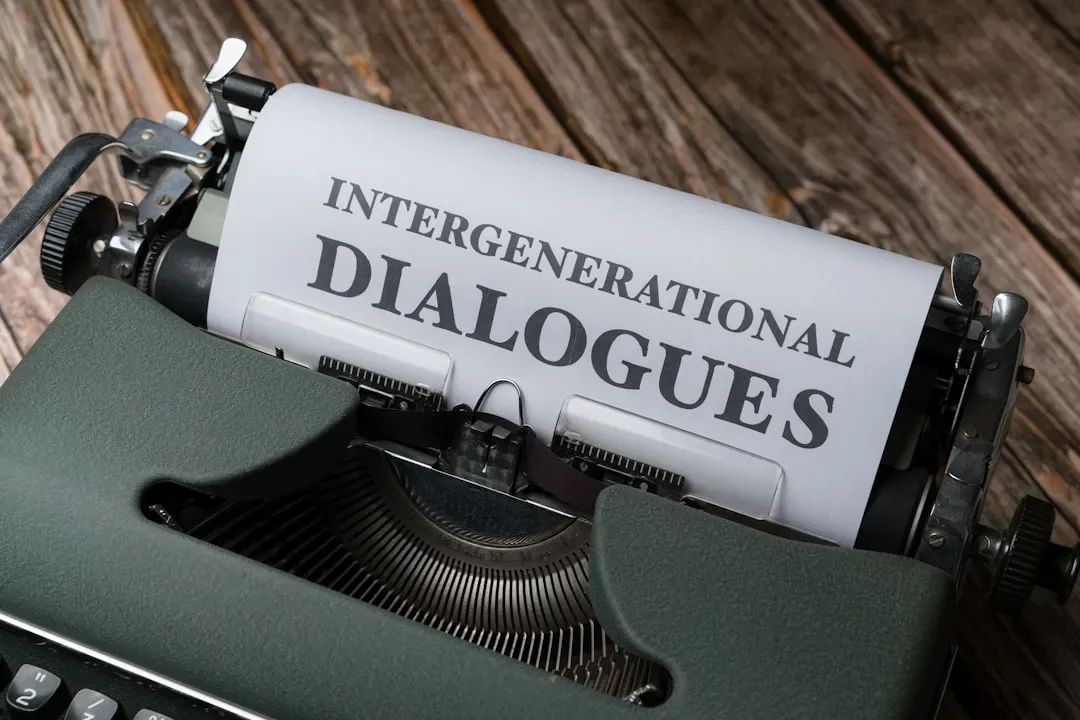
Conversations in unputdownable books carry tension because characters rarely say exactly what they mean. There’s always something beneath the surface. Hidden agendas, unspoken feelings, power dynamics playing out through word choice and what remains unsaid.
This creates a puzzle for readers to solve. We read between the lines, picking up on contradictions between what characters say and what they actually want. That active engagement hooks our attention.
Great dialogue also establishes distinct voices. You should be able to identify who’s speaking based on word choice, rhythm, and attitude without needing dialogue tags.
The rhythm matters too. Snappy exchanges create urgency. Longer speeches can reveal character depth or shift power dynamics. Silence and interruptions can speak louder than actual words.
Plot Twists That Feel Earned


The most satisfying surprises in addictive books aren’t completely random. Looking back, you realize the clues were there, carefully planted. The twist shocks you while simultaneously making perfect sense.
This balance is tricky. Authors need to provide enough hints that the revelation doesn’t feel cheap or impossible, but not so many that readers figure it out too early. The sweet spot creates that delicious “I should have seen it coming” feeling.
Multiple smaller reversals often work better than one massive twist. Each revelation shifts your understanding slightly, keeping you alert for what else you might have missed.
Twists also need to complicate things rather than resolve them. The best ones raise new questions while answering old ones, maintaining that essential forward momentum.
Creating Your Own Unputdownable Experience


These elements combine differently in every addictive book. There’s no single formula, but understanding these ingredients helps explain why certain stories grip us while others feel forgettable.
The magic happens when multiple elements work together, each amplifying the others. Strong characters facing escalating stakes in a vivid world with prose that disappears creates something greater than the sum of its parts.
For writers, this knowledge offers a framework. For readers, it deepens appreciation of craft behind the compulsion. Either way, recognizing these patterns doesn’t diminish their power.
Next time you find yourself unable to put a book down, pay attention to what’s working. You might discover your own patterns for what makes stories irresistible. What hooks you most powerfully? Let us know in the comments.
Partner offer
Planning a trip to Vegas?
Compare hotel rates and show tickets on VEGAS.com.