


Something is changing at the dinner table in America. You sit down, you order, you eat, and then the bill arrives – and the number staring back at you feels like it belongs to a different meal entirely. A service charge here, a concession fee there, maybe a “wellness surcharge” you definitely did not order. Diners in Oakland sparked a furious national conversation when one Reddit post about a local soul food restaurant’s automatic 20% service charge went viral and ignited a firestorm that has since reached the glittering restaurant floors of Las Vegas. The service fee war is real, it is loud, and it is getting messier by the day.
So why are diners from the Bay Area to the Strip suddenly drawing a line in the sand? Who actually benefits from these fees – the workers, the owners, or nobody? Let’s dive in.
The Reddit Post That Lit the Match in Oakland

The owner of the acclaimed Oakland restaurant Burdell, Geoff Davis, faced a firestorm of criticism and threats over the restaurant’s policy of including a 20% service charge on all bills instead of a traditional tipping model. It started, as so many modern controversies do, with a single post on the internet. On February 3, a Reddit user posted a complaint about Burdell’s service charge policy. On February 6, SFGATE published an article about the Reddit controversy. On February 7, the California Post published an article that Davis said mischaracterized the service charge policy.
Since the single Reddit post went viral, the restaurant has been receiving regular threats and has been bombarded with continued negative reviews, as well as clickbait articles that wrongly suggest a darker motive behind the service charge. Meanwhile, the community rallied. The best part of this entire story: the community stepped up to offset the negativity. Reservations increased during a time that restaurants often have lower customers. It is the kind of culture war subplot that feels uniquely American right now.
What the Burdell Policy Was Actually About

The acclaimed chef, who worked in restaurants and cocktail bars across the Bay Area and wine country before opening the Oakland soul food eatery Burdell, points out on customers’ receipts that tipping culture in the United States has a racist history. Instead of tips, his restaurant adds a 20% service fee to the bill. It takes the guesswork and luck out of the equation, Davis said, and helps to stabilize wages across dining rooms and kitchens, and helps offset the cost of healthcare benefits offered to full-time employees.
Burdell was named the top restaurant in the Bay Area by the San Francisco Chronicle in 2024. That context matters. This was not a struggling diner trying to squeeze extra cash from customers. Davis said pay for his employees is generally around double the local minimum wage, which hit $17.34 in Oakland on January 1. Full-time employees can get about 75% of their healthcare covered. Honestly, when you frame it that way, the 20% starts looking less like a scam and more like a business model built on actually paying people.
Oakland’s Broader Wage Framework Is Reshaping the Fee Debate

Oakland and several other cities have adopted ordinances requiring funds collected through service charges to be distributed among hospitality employees, not supervisors, and require restaurants to keep documentation in case of a city investigation. That level of accountability makes a real difference in whether a service charge is ethical or exploitative. The city has clearly tried to close the loopholes that allow owners to pocket the money.
California took the broader wage question seriously long before Oakland’s fee battle went national. Daytrip, an Oakland fermentation-driven party restaurant that Bon Appétit heralded as one of the Top 10 Best New Restaurants in 2022, uses a 20% service charge that goes directly to employees, divided by the hours they work. The split is equal by hours and not position, so a server that works 10 hours will receive the same allocation as a dishwasher that works 10 hours. That is the kind of pay equity that traditional tipping almost never achieves naturally.
Las Vegas Enters the Fight with Its Own Fee Culture

In Las Vegas, another tourist town, restaurants have started tacking on all sorts of fees, calling them “concession fees” or “franchise fees” as a way of pulling in extra revenue while keeping menu prices lower. The specifics matter here. These fees are different from the equity-driven service charges at places like Burdell. Critics have long railed against random fees on bills at restaurants and other venues. The worst offenders have been restaurants charging CNF fees, or “concession and franchise fees.”
Las Vegas restaurants are adding auto-gratuities to checks to ensure servers are tipped properly – not just for large parties, but for everyone. The Las Vegas Strip is known for its glitz, glamour, and premium pricing. This extends to dining, accommodations, and entertainment, where costs are often inflated compared to off-Strip locations. The Strip has always been its own economic ecosystem, but the fee stacking has started to feel like it’s gone a step too far even for tourists used to paying a premium.
Nevada’s New Minimum Wage Changed the Equation for Restaurants

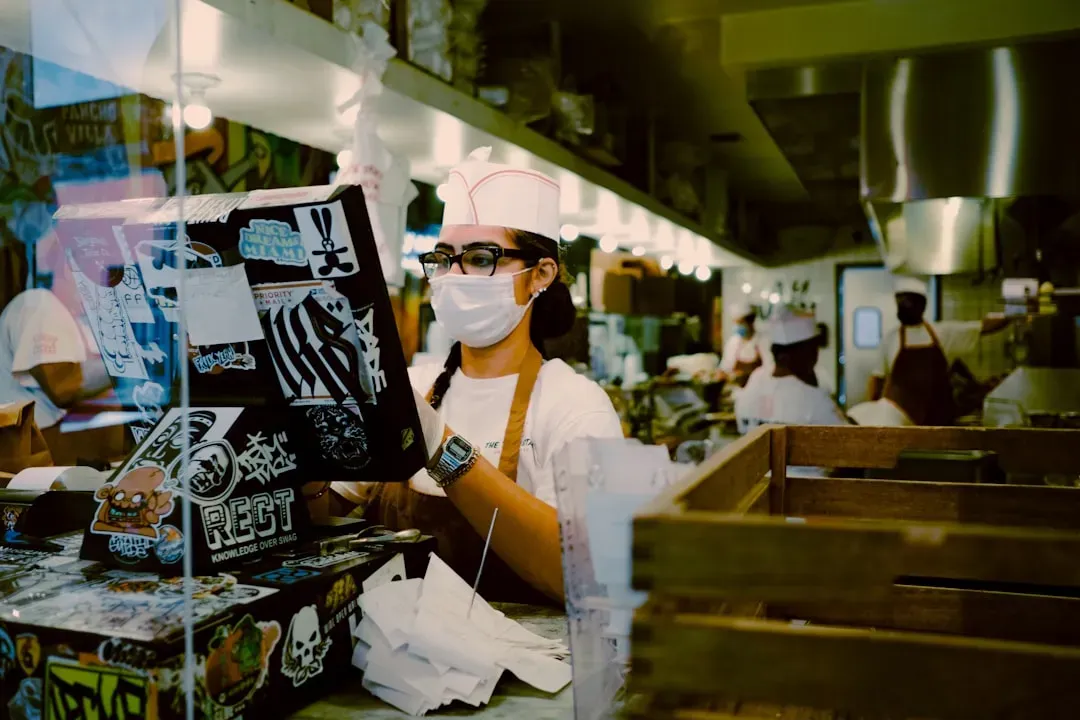
The current minimum wage in Nevada is $12 per hour for all employees, no exceptions. This statewide 2024 change removed the two-tiered minimum wage system the state had used for years. No city or county can set a higher or lower wage. The previous system let businesses that offered health benefits pay $1 less per hour than those that did not. Now, whether your restaurant offers benefits or not, everyone must be paid at least $12 per hour.
Nevada’s tipped workers earn the same minimum pay as non-tipped workers. Unlike several other states, Nevada does not let businesses credit gratuities toward fulfilling the minimum wage requirement. Since July 1, 2024, employees must be paid at least $12 per hour regardless of their tip income. This uniform pay mandate guarantees a set baseline income for tipped employees, offering improved financial stability free from reliance on tip fluctuations. That is genuinely progressive policy. But it also raises the cost floor for every restaurant in the state.
Partner offer

Americans Are Officially Fed Up with Fee Culture

The numbers here are impossible to ignore. About seven-in-ten adults oppose businesses including automatic service charges or tips on customers’ bills, regardless of group size, including half who strongly oppose the practice. Only 10% favor such charges. That data, from a 2023 Pew Research Center survey of nearly 12,000 U.S. adults, represents one of the clearest consumer sentiment signals we have seen in years on this topic.
Consumers are tired. Research shows that they are tired of paying more as a result of inflated menu prices, and they’re tired of paying unexpected fees, whether through delivery app service charges or unexpected surcharges tagged onto a bill at a restaurant. Overall, 72% of U.S. adults say tipping is expected in more places today than it was five years ago. When nearly three out of four Americans feel like they are being asked to tip everywhere they go, it stops feeling like gratitude and starts feeling like a tax.
The FTC and Federal Regulators Took Notice

The fee frustration has climbed high enough to catch the eye of federal regulators. Surcharges or fees covering everything from credit card processing to gratuities to “inflation” have become more popular on restaurant checks in recent years. In 2023, 15% of restaurant owners added surcharges or fees to checks because of higher costs, according to the National Restaurant Association. That figure might sound small until you realize how many restaurants that actually represents across the country.
In the second quarter of 2024, 3.7% of restaurant transactions processed by Square included a service fee, more than double the rate from the beginning of 2022, according to a report from the company. Service fees increase the risk of wage theft, because employers might claim that the money goes to workers but fail to distribute it, the National Women’s Law Center wrote in a public comment. Moreover, customers who pay a service charge are less likely to tip on top of the check, ultimately hurting workers’ income. That last point is the cruel irony of the whole system – customers think the fee covers the worker, but it often does not.
California Tried to Ban Service Fees, Then Backed Down

Senate Bill 478, also known as the “Honest Pricing Law” or “Hidden Fees Statute,” went into effect July 1, 2024, but not without controversy. For a moment, it looked like California was about to revolutionize how restaurants priced their food. At the eleventh hour, lawmakers pushed through a new bill, SB 1524, that allowed service charges as long as restaurants displayed them clearly. So the fees stayed – they just had to be more visible.
Without the ability to add surcharges on the back end, restaurants would be forced to pass on these costs via higher menu prices. Many business owners were concerned that the sticker shock would frighten away customers. Faced with some disgruntled customers, some cafes and restaurants are eliminating the surcharge and just increasing the prices instead. One restaurant operator said customers were “confused, perplexed, sometimes thrown off.” Once they eliminated the surcharge marked on the bill, it made things a lot easier for everyone. In fact, most people surveyed would rather pay more for a meal if it meant not seeing that surcharge on the bill. That psychology is real and powerful.
Restaurant Margins Make This a Genuine Crisis, Not Just Greed

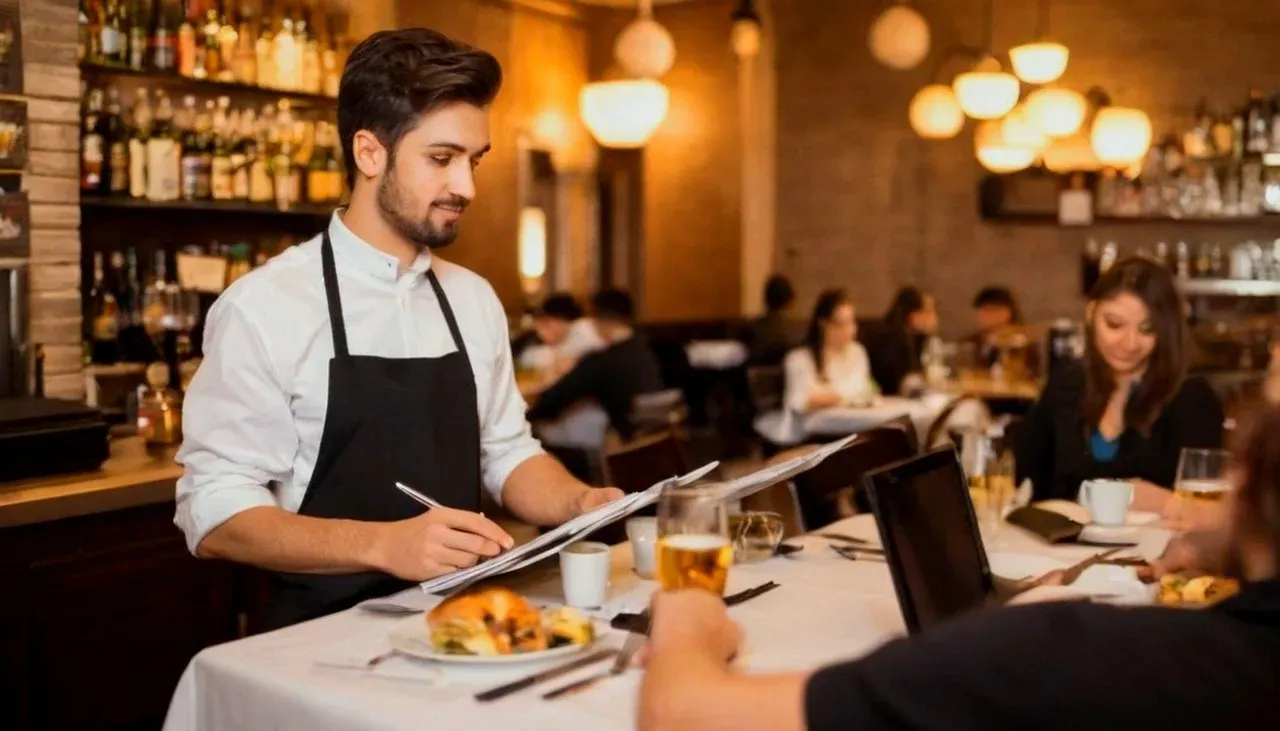
Here is the thing: it is easy to paint restaurant owners as villains in this story, but the financial reality is genuinely brutal. Restaurant profit margins and cost structures have long been more reliant on minimum wage workers than other industries, because the average profit margin in restaurants is only 3 to 5%. Other industries that bring in much better profit margins have historically been able to pay their employees better. Three to five percent. That is barely above breaking even on a good month.
Many customers may feel that surcharges are unfair or should not apply to them, leading to frustration. Poor communication or surprise charges can result in customers choosing to dine at restaurants that do not add additional fees, impacting customer retention. Even if disclosed, surcharges can create friction in the dining experience. Customers may feel that they are being unfairly charged for basic services, which can result in dissatisfaction and a lower likelihood of repeat visits. It is a trap with no clean exit. Raise menu prices, customers balk. Add a fee, customers revolt. The math simply does not work.
Where This Fight Is Headed for Las Vegas Tourism
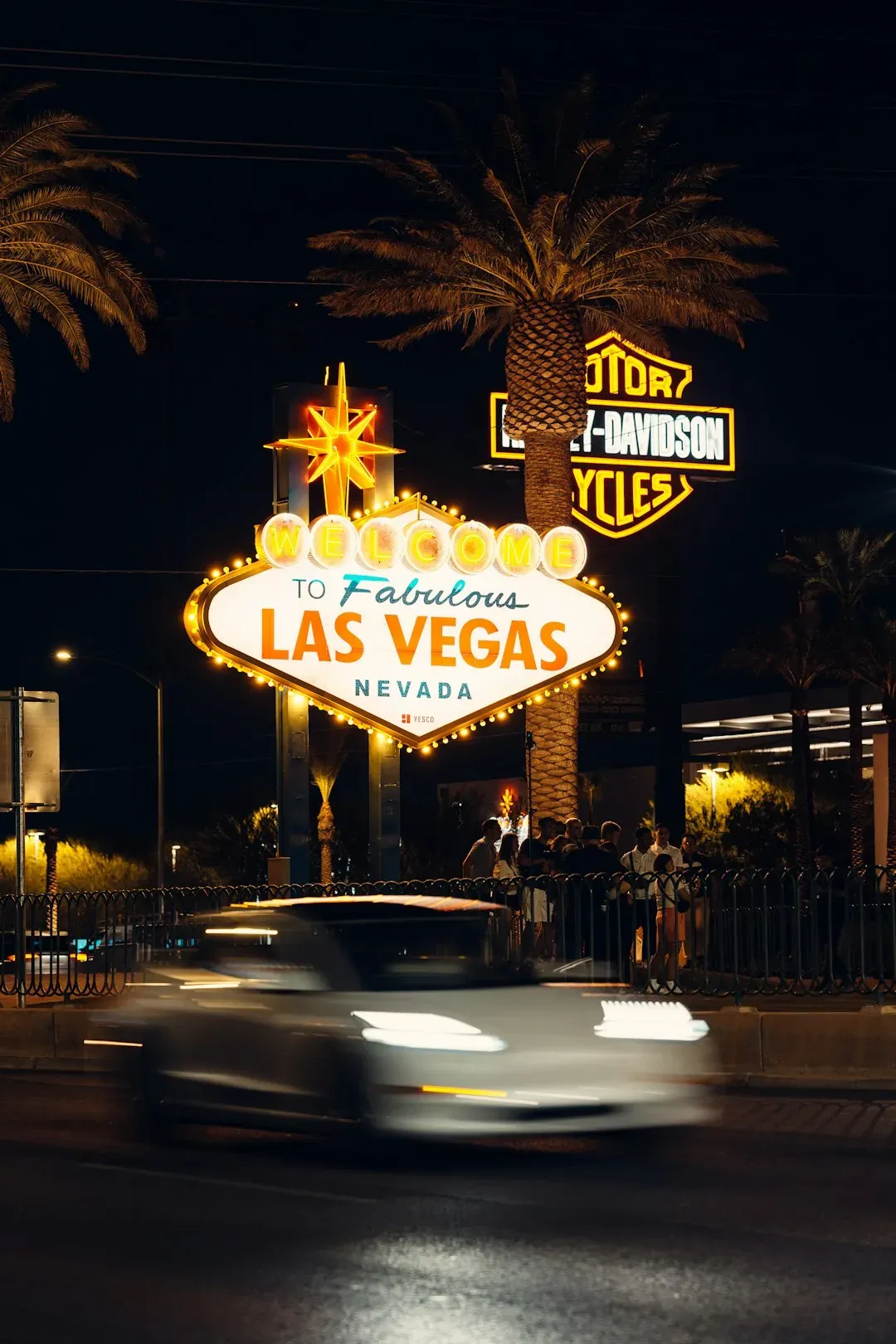
The restaurant business is a tough one, filled with people who work long hours and cater to diners who watch prices. And nowhere do people watch prices more closely than in a city where they have already spent a fortune on hotel rooms, shows, and casino floors. Las Vegas runs on tourism. For visitors from Europe, Asia, or other parts of the world where tipping is not customary, the tipping culture in Las Vegas can feel overwhelming. With a little knowledge, visitors can ensure smoother experiences while enjoying everything Vegas has to offer. But “a little knowledge” is getting harder to come by when every restaurant seems to have a different fee structure.
Some restaurants have implemented mandatory service charges or increased menu prices to provide more consistent compensation for their staff. However, these measures can further elevate dining costs, potentially deterring customers and complicating tipping decisions. The diners protesting in Vegas are not necessarily anti-worker. They are anti-confusion. What Oakland’s Burdell moment taught the rest of the country is that transparency and intention matter enormously. A fee that goes directly to staff, clearly disclosed, with workers paid double the minimum wage? That is very different from a mystery “franchise fee” buried at the bottom of a receipt. The debate over service charges versus tipping has become increasingly contentious, with restaurants facing pushback from some customers over the practice. This highlights the challenges restaurants face in trying to provide fair and equitable compensation for their staff amid rising costs and changing consumer expectations.
The service fee war is not going away anytime soon. It reflects something much bigger than what you see on your check. It is a reckoning with who pays for labor in America, and who gets to decide. What do you think – is a clearly labeled service fee a fair trade for a living wage, or is it just another layer of cost you never agreed to? Tell us in the comments.
Partner offer
Planning a trip to Vegas?
Compare hotel rates and show tickets on VEGAS.com.


