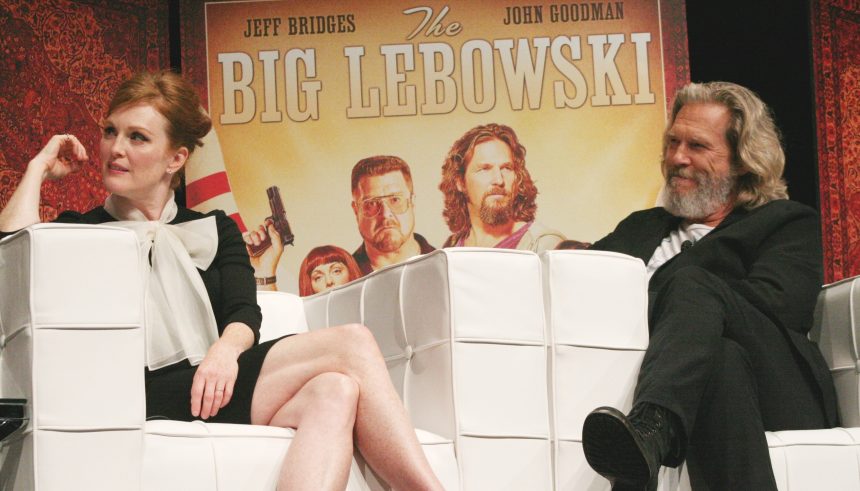
A weak box office run used to be a death sentence for a movie. Then rental shelves, cable reruns and DVD bins gave some of those films a second chance, and a few ended up bigger than many of that year’s hits.
The nine films below all stumbled or got lost in theaters. Each one built its reputation in living rooms, passed along by friends, store clerks and late night TV schedules.
The Shawshank Redemption

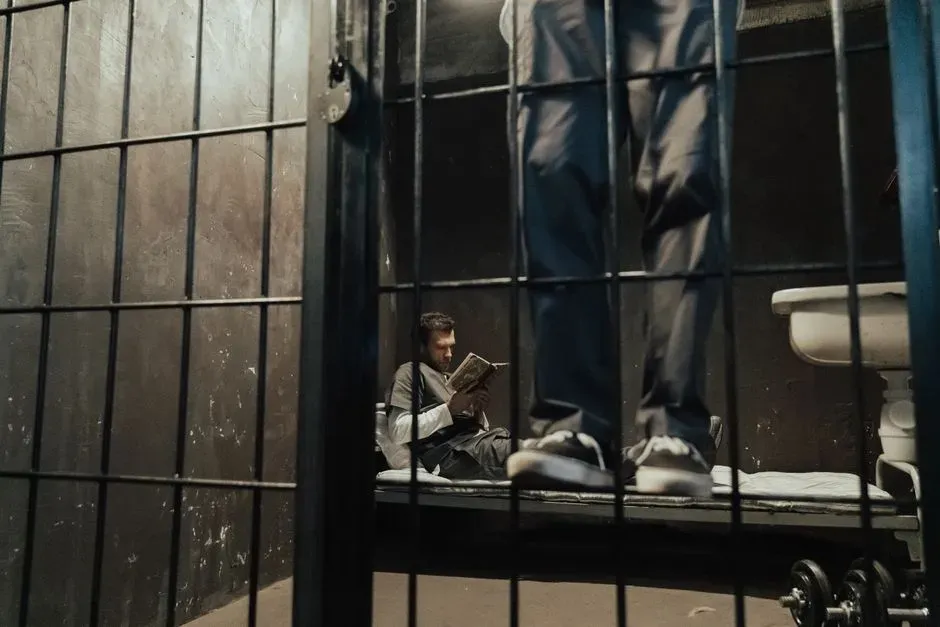
Frank Darabont’s 1994 prison drama earned only a modest sum in its first theatrical run, roughly in the range of the high teens in millions of dollars domestically, against a budget of about twenty five million. It was nominated for seven Academy Awards, including Best Picture, and won none. Its theatrical release overlapped with Forrest Gump and Pulp Fiction, which didn’t help.
Video rental changed everything. The film became a steady presence at rental stores, and cable airings, especially on TNT starting in the late 1990s, kept it in front of new viewers. Today it regularly sits at or near the top of IMDb’s user ranked list of the best films, which is a long way from its opening run.
Fight Club


David Fincher’s 1999 film cost around sixty million dollars or more to make and brought in about thirty seven million at the domestic box office. Reviews were split, and 20th Century Fox struggled to market it. By most accounts it was considered a disappointment.
The DVD release turned that around. Fox reportedly sold a large number of discs, and the special edition became one of the format’s early favorites. The film’s reputation grew through repeat viewing and word of mouth, which suited a story that rewards a second look.
The Big Lebowski

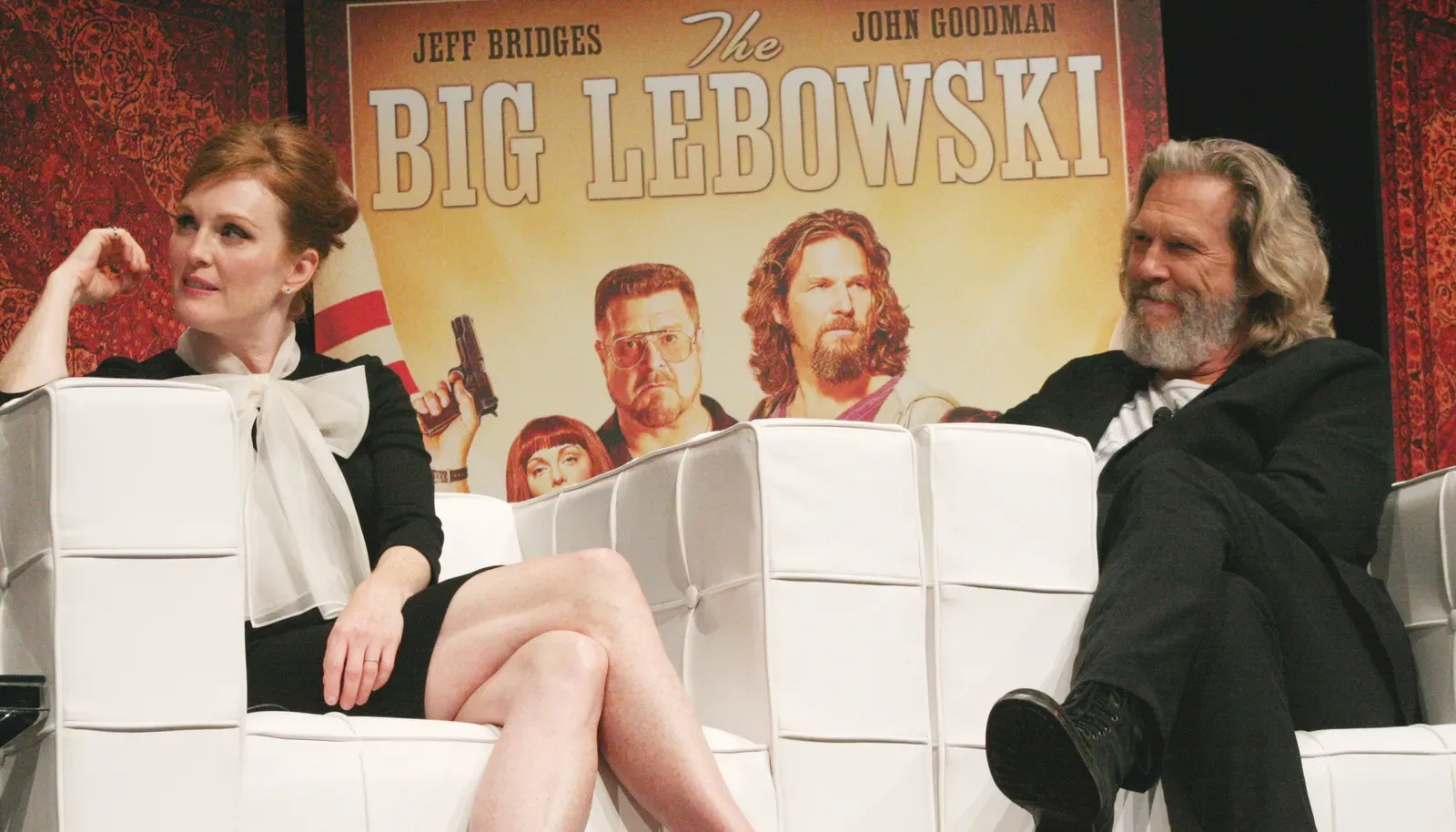
The Coen brothers’ 1998 comedy earned around seventeen million dollars domestically, roughly matching its budget of about fifteen million. Critics were lukewarm, and audiences didn’t quite know what to do with a shaggy, plotty comedy about a bathrobe wearing slacker.
Video gave viewers time to catch the jokes. Fans began quoting it at each other, and the movie eventually spawned Lebowski Fest, which started in Louisville, Kentucky in 2002. It’s now one of the clearest examples of a cult following built almost entirely after theaters.
Office Space

Mike Judge’s 1999 workplace comedy had a budget around ten million dollars and made only a bit more than that in theaters. Fox gave it a quiet release, and it barely registered with moviegoers. Judge was already known for Beavis and Butt-Head and King of the Hill, yet that didn’t translate into ticket sales.
Home video and frequent cable airings turned it into a reference point for anyone who has sat in a cubicle. Its DVD sales were strong, and the film’s scenes and characters, including the red stapler, became part of office culture. The prop even led to real stapler sales years later.
Partner offer

Donnie Darko


Richard Kelly’s 2001 film opened shortly after the September 11 attacks, and its story involving a plane engine falling from the sky made distributors nervous. Its initial U.S. theatrical gross was tiny, well under a million dollars. It looked like a footnote.
The DVD turned it into a campus and midnight movie favorite. Its puzzle like plot encouraged online debate, and it later returned to theaters in a director’s cut in 2004. That re-release helped confirm that its audience had finally arrived.
Clue


The 1985 comedy based on the Hasbro board game earned about fourteen million dollars in the U.S., a bit less than its budget. It was released with three different endings that varied by theater, a gimmick that didn’t draw crowds. Critics at the time were not especially kind.
Cable airings and VHS rentals gave the film a long afterlife. Viewers came to appreciate the rapid fire script and the ensemble cast, which included Tim Curry, Madeline Kahn and Christopher Lloyd. Home releases later let people see all three endings, which turned a failed idea into a feature.
Dazed and Confused


Richard Linklater’s 1993 film followed the last day of school in 1976 Texas. It earned only a few million dollars in theaters, with a budget of about seven million, and Universal gave it limited promotion. Reviews were generally positive, though the audience stayed small.
On video, it found the audience it had been missing. Many viewers saw their own high school years in the story, and the cast, which included early roles for Matthew McConaughey, Ben Affleck and Milla Jovovich, became a talking point. The Criterion Collection later released an edition, a marker of how far its standing had risen.
Hocus Pocus


Disney’s 1993 Halloween comedy earned roughly thirty nine million dollars domestically on a budget in the high twenties of millions. Reviews were rough, and it was seen as a modest underperformer. The summer release date didn’t fit the Halloween theme either.
Its reputation grew through VHS and, especially, repeated broadcasts on cable during October. Families turned it into a seasonal tradition. A sequel, Hocus Pocus 2, arrived on Disney+ in 2022, nearly three decades later.
Idiocracy

Mike Judge’s 2006 satire was given a very limited release by Fox, appearing in a small number of theaters with almost no marketing. Its box office total was tiny. For most people, it simply didn’t exist when it was in theaters.
The DVD release and later streaming gave it a second life. Viewers shared it online, and its premise of a future where intelligence has declined became a common reference in political and social conversations. It’s a clear case of a film that reached an audience mostly because people kept recommending it.
Partner offer
Planning a trip to Vegas?
Compare hotel rates and show tickets on VEGAS.com.