Ask a room of players to name a great bassline and you’ll rarely get the flashiest one. You’ll get the part that made a song move, the one they learned first or couldn’t stop hearing. The choices below come up again and again in conversations among bassists, producers, and critics.
They span soul sessions in Detroit and Memphis, rock stages in London, and studios in Los Angeles. Each one shows a different idea of what the instrument can do.
James Jamerson on “What’s Going On”

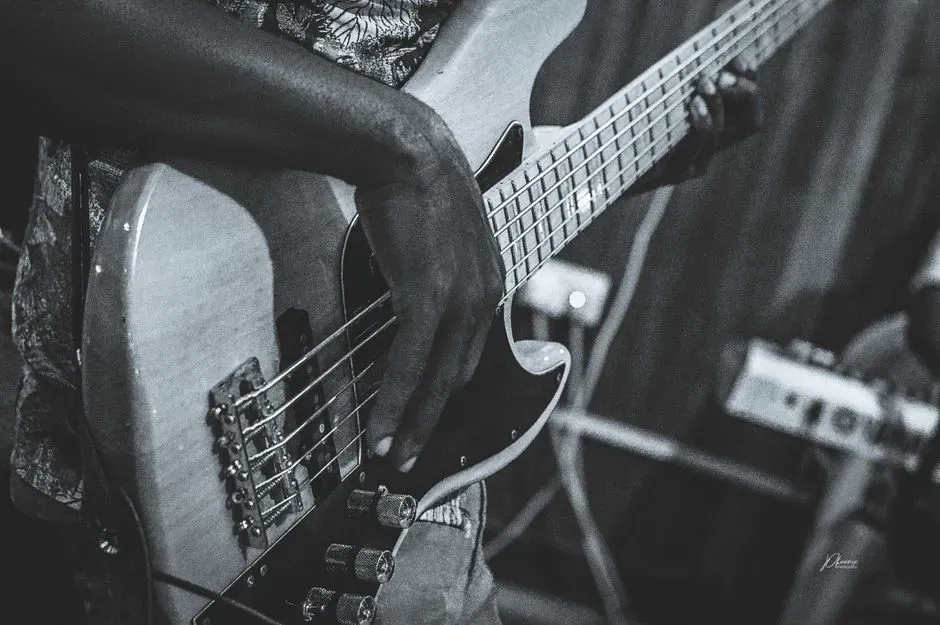
Marvin Gaye’s 1971 album track is often cited as one of the finest examples of Motown bass. James Jamerson, the label’s main session bassist, reportedly recorded his part lying on the floor in a dim studio. His lines are fluid and melodic, and they weave around the vocal instead of simply holding down the root.
Jamerson played with one finger, which he nicknamed “the hook,” and that detail is widely repeated in bass history. The part is a reason many players treat him as a foundation of modern electric bass. The Rock and Roll Hall of Fame inducted him as a sideman in 2000.
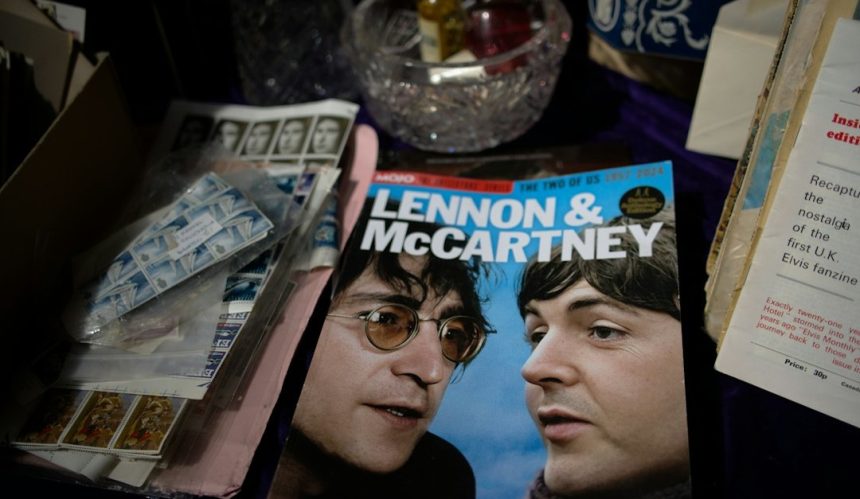
Paul McCartney on “Something”

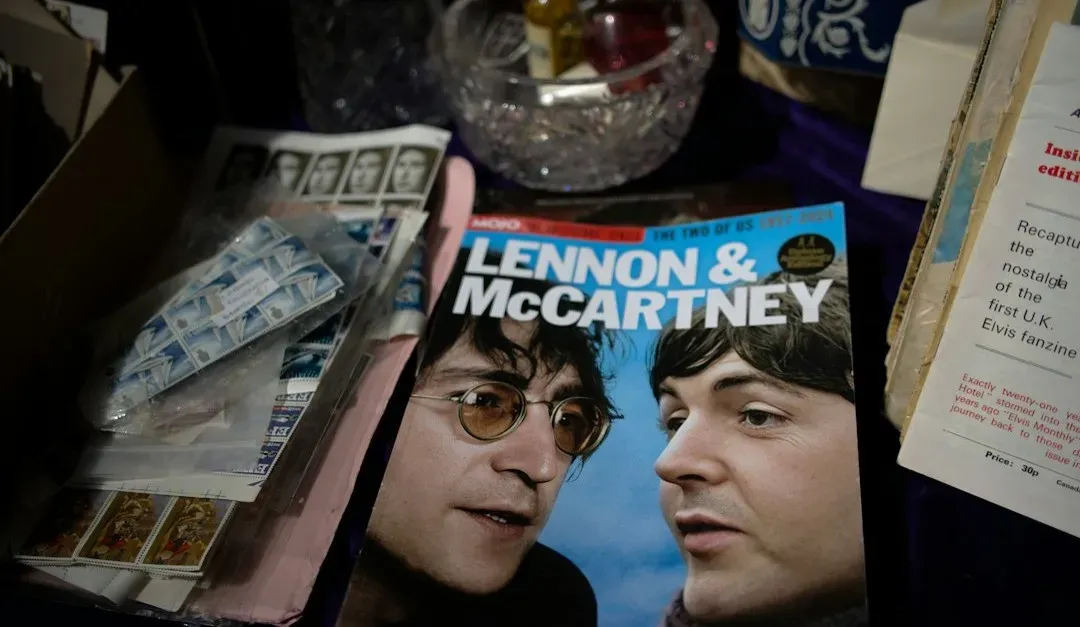
George Harrison’s song from Abbey Road (1969) features a bassline that works almost like a second melody. McCartney’s playing climbs and descends with real lyricism, especially under the bridge. Many bassists point to it as proof that a bass part can be tuneful without crowding the song.
McCartney’s Höfner violin bass and Rickenbacker are both linked to his Beatles era sound. Rolling Stone and other outlets have frequently ranked his work from this period among the best rock bass playing. It rewards close listening on headphones.
John Entwistle on “My Generation”

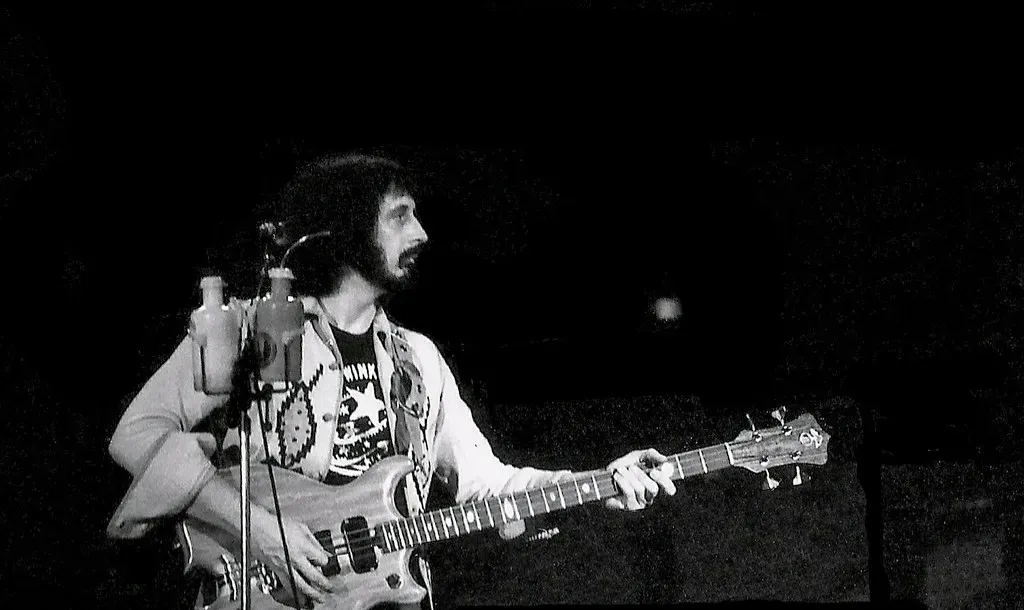
The Who’s 1965 single includes one of rock’s earliest famous bass breaks. Entwistle’s rapid, trebly runs answer the stuttering vocal and set a new standard for what a rock bassist could do. It was loud and aggressive in a way few contemporaries matched.
Entwistle used roundwound strings and a bright tone, which helped his lines cut through guitars. He was nicknamed “Thunderfingers,” a name that stuck for good reason. Plenty of later players cite this track as a reason they picked up the instrument.
John Paul Jones on “Ramble On”

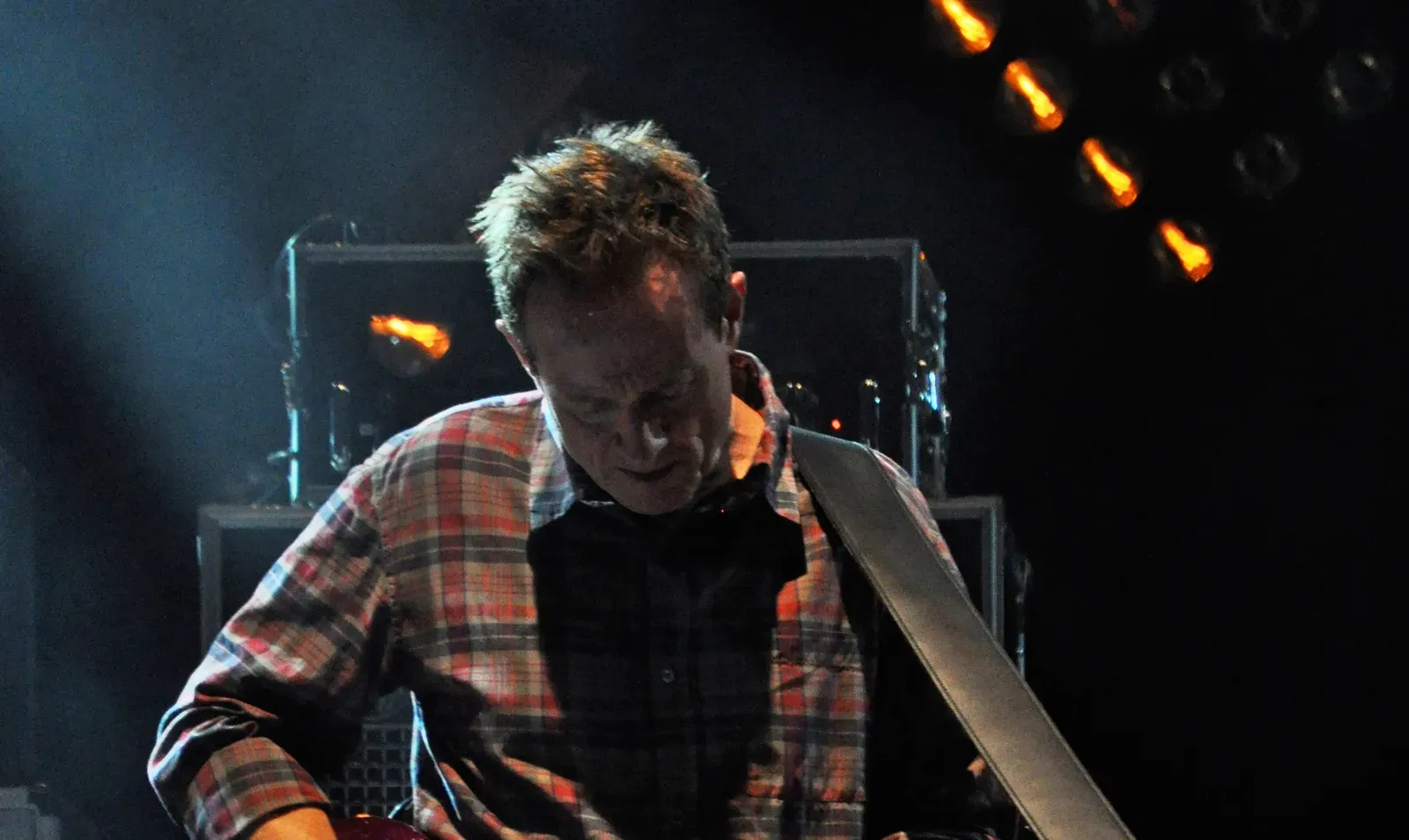
Led Zeppelin’s 1969 track from Led Zeppelin II has a bass part that bounces and sings. John Paul Jones plays a flowing, melodic line that carries the song’s shifts between quiet verses and heavy choruses. It’s a good example of a bassist doing the work of arranger.
Jones came from a session background in London in the 1960s, and it shows in his taste and range. He also played keyboards and arranged strings for the band. His bass work is regularly mentioned in lists of the most influential rock players.
Donald “Duck” Dunn on “Green Onions”

Booker T. and the M.G.’s released this instrumental in 1962, and its sly, repeating figure helped define the Memphis sound. Bassist Lewis Steinberg is credited on that original recording, while Donald “Duck” Dunn joined the group soon afterward. Dunn became the player most associated with the Stax rhythm section.
Dunn’s approach was patient and economical, leaving space for the groove to breathe. You can hear that philosophy in Stax classics such as “Hold On, I’m Comin'” and “Soul Man.” Many bassists treat his restraint as a lesson in itself.
Partner offer

Bootsy Collins on “Sex Machine”

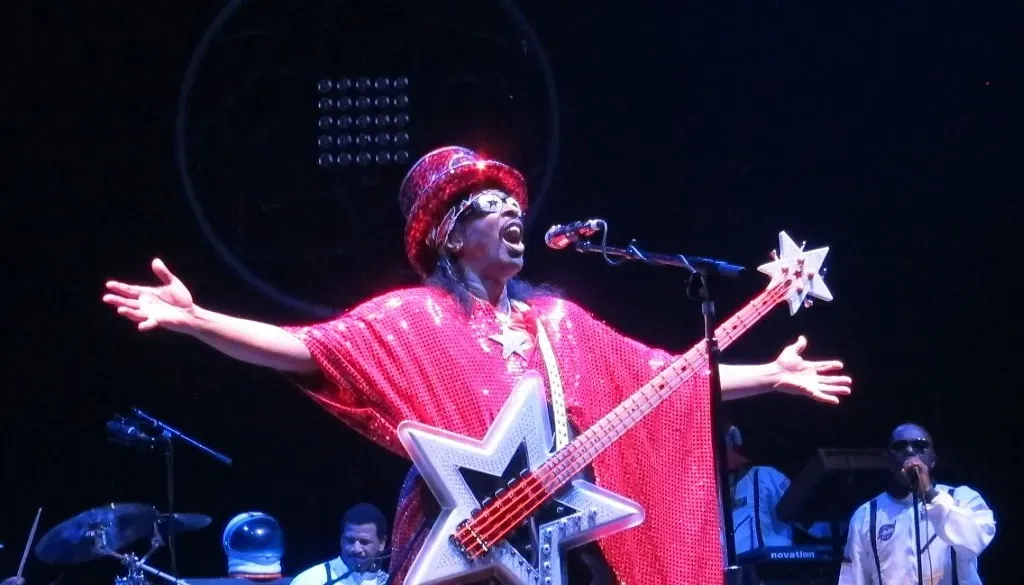
James Brown’s 1970 recording of “Get Up (I Feel Like Being a) Sex Machine” featured Bootsy Collins in his early funk period. His playing landed hard on the downbeat, a key principle in Brown’s rhythmic style known as “the one.” The result is lean, driving, and made for dancing.
Collins was a teenager when he joined Brown’s band, and he later became a star with Parliament-Funkadelic. His space bass and bold stage persona followed. The groove he helped build on this track remains a reference point for funk and rock players alike.
John Deacon on “Another One Bites the Dust”

Queen’s 1980 hit is built on a spare, hypnotic riff written by bassist John Deacon. Its funk influence was clear, and the single became one of the band’s biggest sellers in the United States. The part is simple on paper, yet its tight timing is what gives it force.
Deacon’s riff shows how a few notes can anchor an entire arrangement. The track crossed over to R&B audiences, which was unusual for a rock band at the time. Bassists often use it to demonstrate groove and consistency.
Chris Squire on “Roundabout”

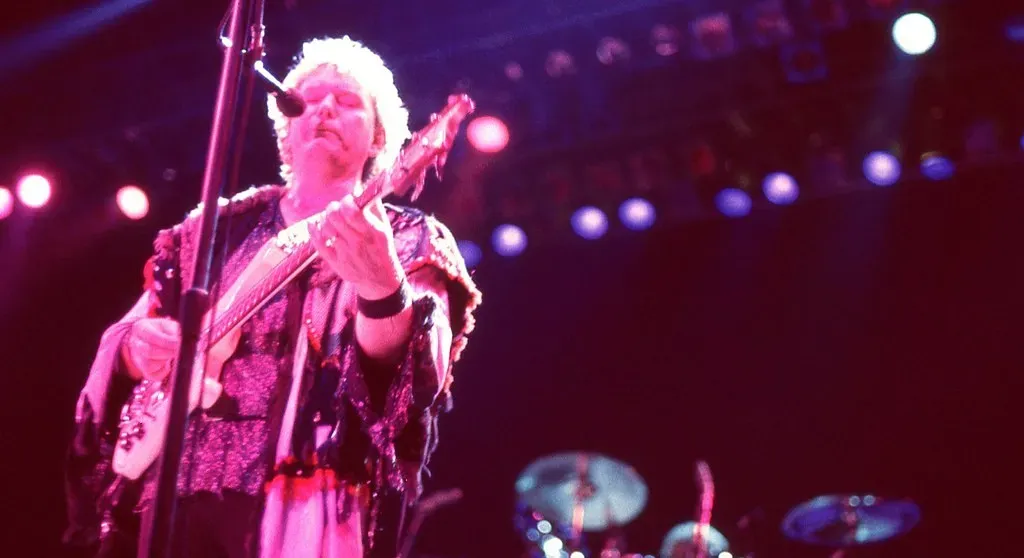
Yes released “Roundabout” in 1971 on Fragile, and Chris Squire’s growling Rickenbacker tone is a major part of its identity. His lines are busy, precise, and forward in the mix. Progressive rock fans often hold it up as a high point of the genre’s bass playing.
Squire used a pick for some of his attack, which gave him a distinctive bite. The song’s opening acoustic guitar leads into a bass part that feels like a lead instrument. It remains a favorite study piece for players interested in rock complexity.
Willie Weeks on “Let’s Stay Together” Era Soul and Beyond

Willie Weeks is a respected session bassist whose credits include work with Donny Hathaway, George Harrison, and Eric Clapton. His playing on Hathaway’s “The Ghetto” and related live material is admired for its warmth and swing. Musicians often describe his feel as relaxed yet deeply locked in.
He is another example of a player whose name is better known among musicians than the public. That’s common with session work, where the song gets the credit. Bass communities regularly highlight his lines as models of tasteful soul playing.
Carol Kaye on “Wichita Lineman”

Carol Kaye was a prolific Los Angeles session player in the 1960s, and her credits are often linked to Glen Campbell’s era of hits. Some details of which songs she played on have been debated over the years, so it’s wise to treat individual attributions with care. Even so, her influence on pop and rock bass of that period is widely acknowledged.
She is also known as an educator who wrote method books for electric bass. Her style leaned on strong pick work and clear, supportive phrasing. Many players credit her with helping show what a studio bassist could contribute.
Larry Graham on “Thank You (Falettinme Be Mice Elf Agin)”

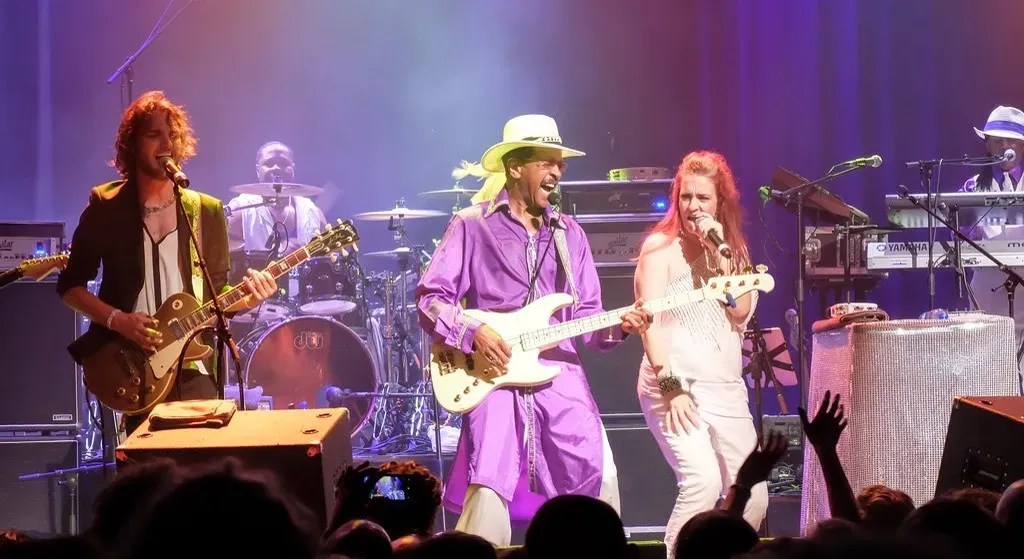
Sly and the Family Stone’s 1969 single is tied to Larry Graham’s slap technique. He is widely credited with developing the thumping and plucking approach that later shaped funk bass. The technique gave the instrument a percussive attack that felt entirely new at the time.
Graham’s style spread through funk, soul, and eventually rock. Players from Bootsy Collins to Flea have been linked to the approach in later years. The track stands as a clear early example of the sound.
Partner offer
Planning a trip to Vegas?
Compare hotel rates and show tickets on VEGAS.com.