There’s a particular kind of disappointment reserved for shows that once felt unmissable. You remember where you were when a certain episode aired. You talked about it at work, obsessively rewatched scenes, and convinced friends to start from the beginning. Then, somehow, quietly, it all fell apart. For every show cancelled before its time, there’s one that should have been cancelled three seasons ago and just wasn’t. These are the ones that started strong, built real fanbases, and then kept going until they’d chipped away at everything that made them good. Here are eight of the most notable offenders.
Dexter – A Serial Killer Drama That Killed Its Own Legacy


Dexter is a prime example of a show that overstayed its welcome. After reaching its peak with the masterful Season 4, which featured the iconic Trinity Killer, the series began a gradual descent into mediocrity. The subsequent seasons failed to capture the same level of suspense, tension, and character development that made it an addictive thriller.
The original eight-season series holds an overall 71% score on Rotten Tomatoes, with the first season scoring a “Certified Fresh” 83%. The third season scored 96%, while the fourth season remains particularly memorable with an 88% score. However, the series witnessed a major decline subsequently, with the sixth season receiving a 38% score and the final season scoring a series-low 35%. The famously panned series finale is often grouped with other endings that disappointed fans, such as Game of Thrones and How I Met Your Mother.
Glee – A Standing Ovation That Went On Far Too Long

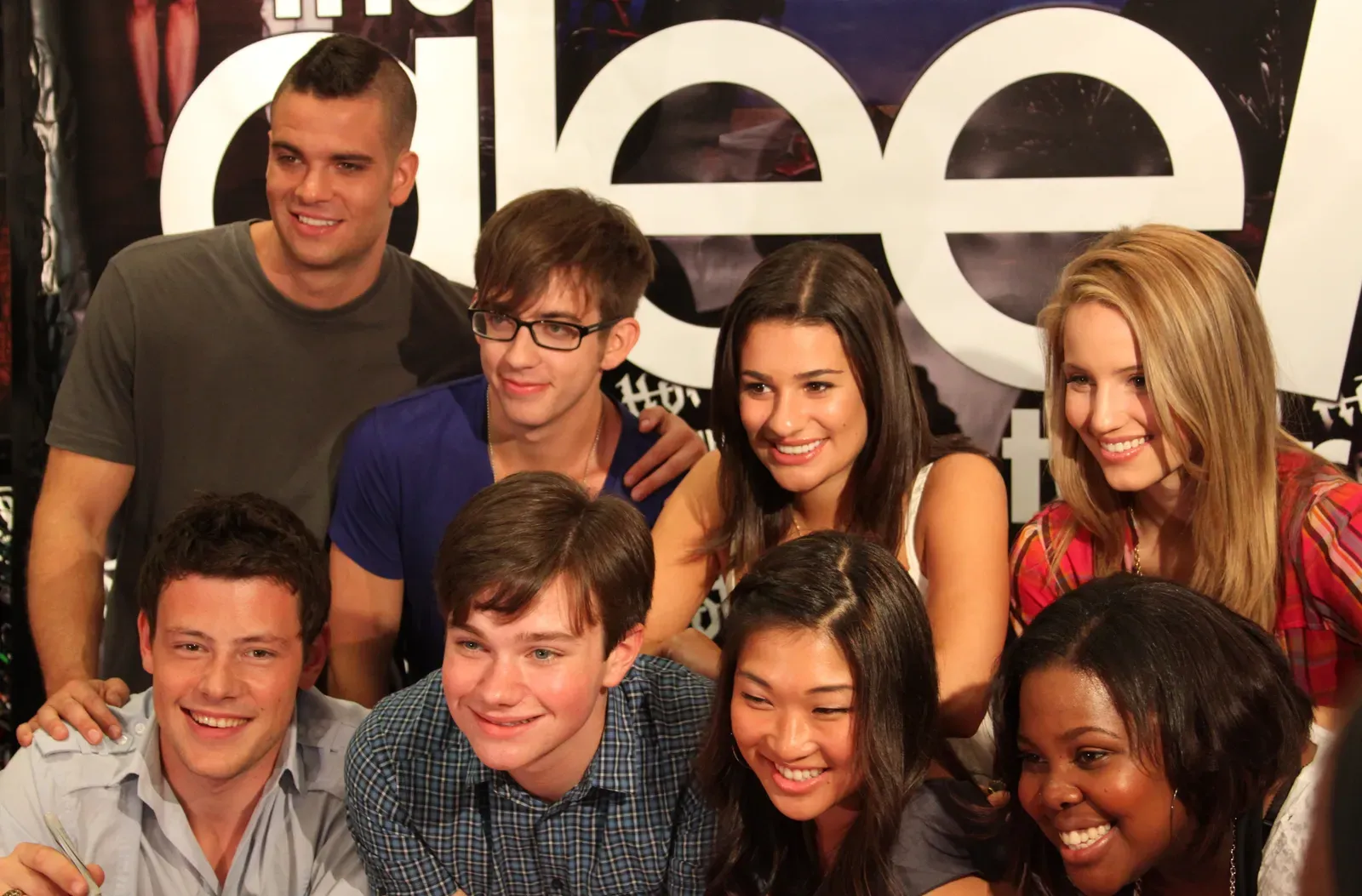
When Glee splashed onto the small screen in 2009, its colorful, melodic spin on high school drama debuted to mostly positive reviews. The Fox series’ ratings also smashed expectations, debuting to nearly 10 million viewers. However, as the series wore on, the novelty wore off. The plotlines became increasingly far-fetched, and the character development felt as harmonious as a failed audition.
Glee started to see its success shaken in 2011, when Season 3 experienced a rapid ratings decline. The show lost nearly a quarter of its audience in the 18-49 demographic, which at the time was more than any other show with such high ratings. Part of the reason for the sharp decline was the critical response, particularly to the series’ shaky writing. Ratings continued on a downward trend, and when the final 13-episode season debuted, it had earned the title of the lowest-watched season premiere in Glee history, with viewership down a staggering 65 percent from the previous season’s premiere.
The Walking Dead – Eleven Seasons of Diminishing Returns


When The Walking Dead first premiered, it was a groundbreaking addition to the zombie genre with suspenseful storylines and character-driven drama. It had an impressive debut with a Rotten Tomatoes score of 87% for its first season. Fast forward several seasons, and the walkers weren’t the only ones feeling a bit lifeless. The show started losing steam around the seventh season, with its score dropping to a disappointing 64%. Character deaths became as common as walkers, and audiences grew weary of the repetitive plotlines.
The seventh-season premiere had the show’s second-biggest audience ever, drawing over 17 million viewers. It’s been all downhill from there. From Season 7 onward, average same-day ratings for The Walking Dead declined by a precipitous 60 percent in the adults 18-49 demographic. While the show continued to run for a full eleven seasons, it never fully regained its lost viewership.
Riverdale – Seven Seasons of Beautiful Chaos


The show began life in 2017 as a dark, gritty re-imagining of the Archie Comics universe. Set in the titular small town, Riverdale was initially a fusion of murder mystery and teen soap opera that pulled its inspiration from the likes of Twin Peaks and Pretty Little Liars. It is widely known that Riverdale flailed wildly between being a murder mystery, a comic book-based drama, and a sci-fi show over the course of a few seasons. The first season left audiences with high hopes, but none of those hopes were fulfilled. After the thrilling mystery of Jason Blossom’s murder, Riverdale got lost somewhere between gangs, geeky games, multiple serial killers, and aliens.
By the time Riverdale Season 7 aired, the show had been a dark drama about losing a parent, an offbeat horror series about two competing cults, and a full-blown fantasy show featuring witches, superpowers, and time travel. The show stretched itself too thin and tried to cover everything, which is why fans breathed a sigh of relief when it was finally cancelled.
Sherlock – A Brilliant Mind That Lost the Plot


Few other shows achieved the fanbase and frenzy that Sherlock created in its first season, and the sarcastic main character was one of the most well-loved in the world. The series started out very strong with two fantastic seasons. Season 2 ended with Sherlock seemingly dead, and for many fans, that’s where the show should have ended.
By the fourth season, Sherlock was unexpectedly given a backstory of childhood trauma and a lost sibling, which came out of nowhere. The long gaps between seasons, which sometimes stretched to years, only made the eventual returns feel more anticlimactic. What had once been lean, razor-sharp television slowly became a victim of its own mythology, piling on twists that collapsed under their own weight.
How I Met Your Mother – Nine Seasons to Answer One Question

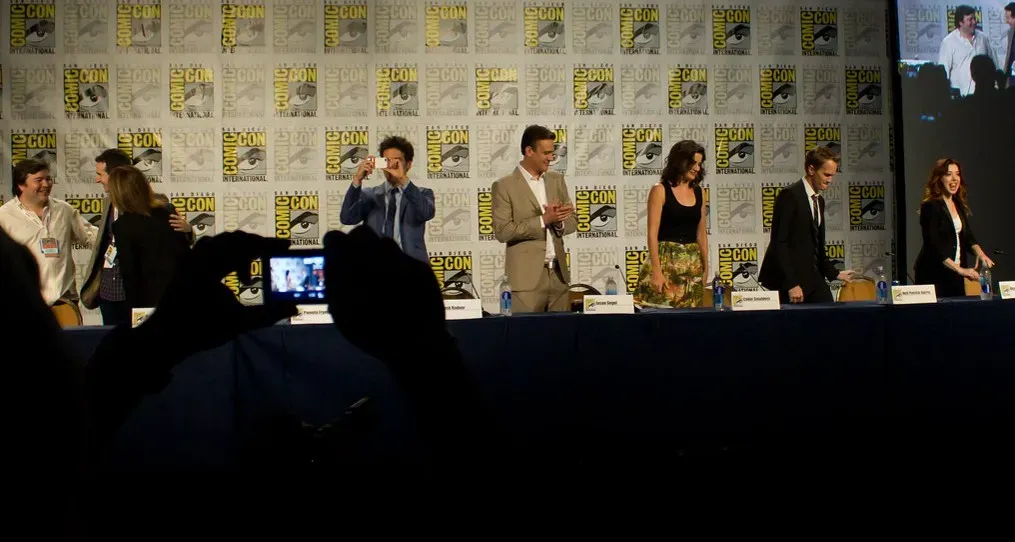
How I Met Your Mother was one of the most popular and most creative sitcoms of its era. The series attained that status thanks to some remarkable consistency in the early stages, with the first few seasons filled with hilarious gags and shocking plot twists. Unfortunately, as is the case with many TV shows, the quality waned in the later years. That doesn’t mean it ever became a bad show, just one that didn’t quite live up to the high bar it initially set.
The show took an interesting route by having the entire final season occur over Robin and Barney’s wedding weekend, which made for some odd pacing. What makes the final season the worst, though, is the finale not sticking the landing. Fans were cold on the series finale, which broke up Robin and Barney after spending so much time with them and killed off the titular Mother. How I Met Your Mother has become a prime example of a series that overstayed its welcome, with its recurring unanswered question and infamously disappointing last season eroding much of its original charm.
13 Reasons Why – A Powerful Story That Refused to End

With a never-before-seen premise, 13 Reasons Why took Netflix by storm. However, the showrunners milked it too much with four seasons when it should have been a limited series. The premise and impact were greatly diluted when a teen’s story leading up to her suicide was turned into a murder mystery. It took away from the seriousness of Hannah’s tale and cheapened the whole show.
If 13 Reasons Why had been a single season, it would still be talked about as one of the best shows to come from Netflix. Instead, the series pushed forward through increasingly strained storylines, drifting further and further from the emotional core that made it resonate in the first place. Each additional season diluted rather than deepened what had been a genuinely provocative piece of television.
Killing Eve – Burned Bright, Then Just Burned
In a puzzling turn of events, Killing Eve managed to mess up its final season despite having source material available to draw from for its ending. Killing Eve was one of the most inventive and sleek shows on the air, and it went up in flames when writers chose to follow the terrible trope of killing off its LGBTQ+ characters for no good reason.
Years of sizzling chemistry between Sandra Oh’s Eve and Jodie Comer’s Villanelle culminated in a few minutes of satisfaction for fans, after which the deadly Villanelle met her unceremonious end in what many consider TV’s worst final episode. The show had been appointment television when it was firing on all cylinders. Its later seasons became a cautionary tale about what happens when a show runs out of ideas but keeps running anyway. Every one of these shows had a version of itself that was genuinely great. The tragedy is they kept going until that version was hard to remember.