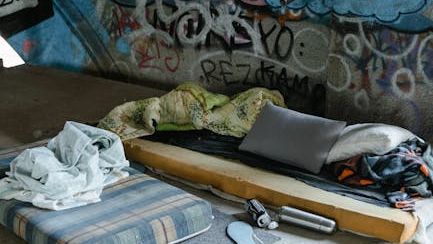
Most people picture homelessness as something that happens downtown. The tent encampments, the cardboard signs, the subway underpasses. It’s a mental image that has stuck around for decades. Yet the picture is quietly, dramatically changing – and the places changing most aren’t the ones you’d expect.
Homelessness is spreading into the suburbs. Quietly. Steadily. Often invisibly. The lawns are still trimmed and the school buses still run on time, but behind closed doors and in motel parking lots, a crisis is growing that the nation’s attention has barely caught up with. Let’s dive in.
A Record That Nobody Wanted to Set
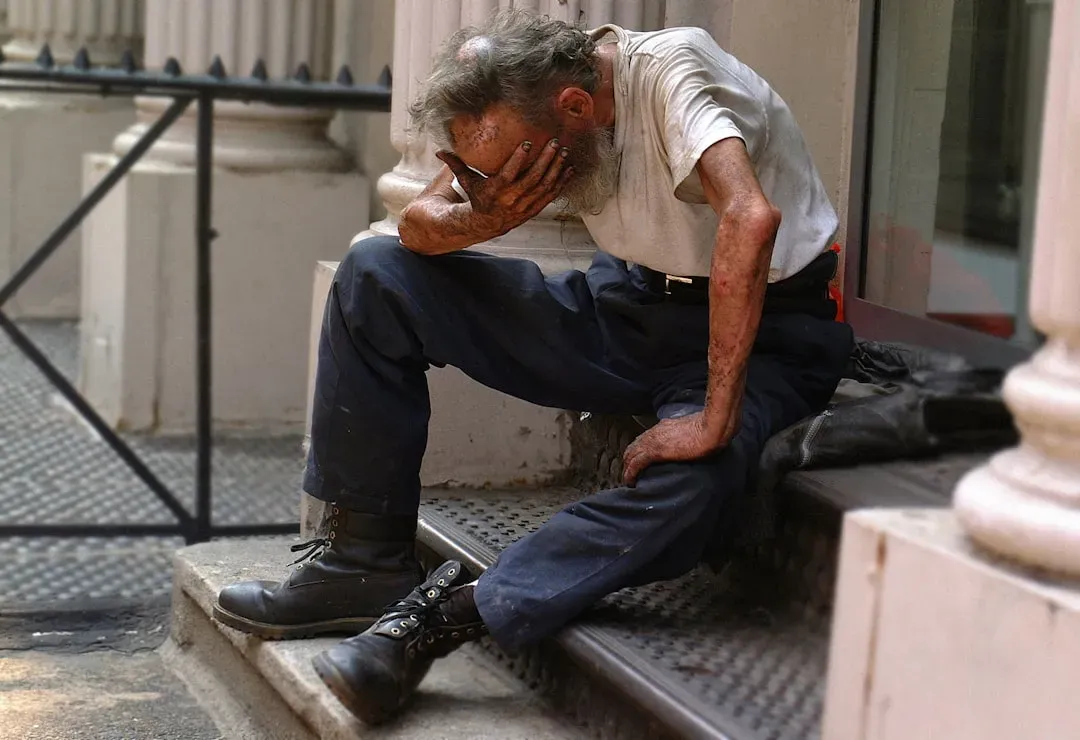
The numbers hit hard when you actually look at them. The 2023 HUD Annual Homeless Assessment Report estimated that approximately 653,100 people were experiencing homelessness on a single night in 2023 – a 12% increase, or about 70,650 more people, from 2022. That was already shocking enough. Then 2024 came along.
In 2024, the number of people experiencing homelessness increased to the highest estimate in the history of HUD’s Annual Point-in-Time Count, with approximately 771,500 people recorded as living in an emergency shelter, a transitional housing program, or in unsheltered locations across the country. That’s nearly three quarters of a million human beings without a stable place to sleep – in a single night snapshot.
The 12% single-year increase between the 2022 and 2023 counts was itself a record in the history of data collection; the previous high was only 3% and occurred between 2018 and 2019. Think about what that tells you. Something fundamental broke in the system between those years. And it hasn’t been fixed.
The Suburbs Are No Longer a Safe Harbor

Here’s the thing most people still don’t fully grasp. This isn’t just a city problem anymore. The United States is experiencing an unprecedented rise in homelessness, driven by the nation’s affordability crisis – and that crisis has absolutely no respect for zip codes or school district rankings.
Continuing the trend from 2023, homelessness increased in 43 states and Washington, D.C., across urban, suburban, and rural areas. The suburbs, once the places families moved to escape urban hardship, are now experiencing their own version of that hardship. The geography of crisis has shifted.
This effect is not isolated in cities: more than half of rural and suburban communities saw their numbers go up as well. Honestly, I think this is one of the most underreported aspects of the whole story. Suburban homelessness doesn’t look the same as urban homelessness, which is exactly why it keeps flying under the radar.
The Rent Math Simply Doesn’t Add Up

Let’s be real about what is actually driving this. Housing costs have surged to levels that make stable living nearly impossible for a wide swath of working Americans. The U.S. Census Bureau reported that the median U.S. home price surpassed $420,000 in 2023 – a price point that effectively locks out anyone earning a modest income from any path to ownership.
GAO research finds that when a community’s median rent rises by $100, homelessness increases by about 9%. From 2001 to 2023, median rents rose 23% after inflation, while renters’ median incomes rose just 5% – a gap that pushes more households to the brink. That income-to-rent gap is the core of this crisis. Everything else flows from there.
In 2024, extremely high housing costs and an insufficient social safety net drove the number of people experiencing homelessness to its highest levels since data collection began. Incomes are simply not keeping up with the cost of living as the cost of housing continues to rise, forcing more people into homelessness. It’s like being on a treadmill that keeps speeding up while your legs stay at the same pace. Eventually, you fall off.
The Affordable Housing Shortage: A Hole That Keeps Getting Deeper
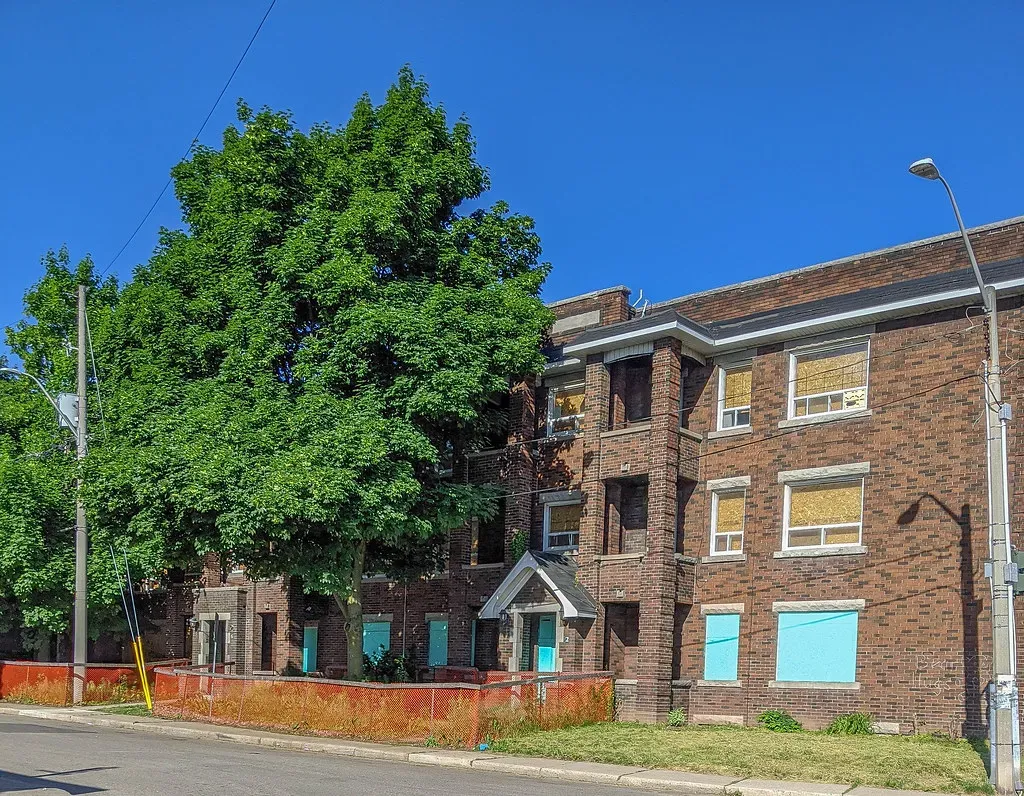
The supply side of this equation is just as alarming as the demand side. In 2024, median rent was 18% higher than it was in 2020, and the National Low Income Housing Coalition estimates there is a shortage of 7.3 million units of affordable and available rental homes in the country. Seven million units. That’s not a gap – that’s a chasm.
The Joint Center for Housing Studies of Harvard University found that more than 22.4 million U.S. renter households were cost-burdened in 2022, meaning they were spending over 30% of their income on housing. When a family spends that proportion of their income on rent, one unexpected bill – a medical emergency, a car repair, a missed shift – can be all it takes to begin the spiral toward homelessness.
Housing prices adjusted for inflation and quality are at a historic high, more than 15% above the previous peak reached during the housing bubble that preceded the 2007–2009 financial crisis. We’re in genuinely unprecedented territory here, and the suburban housing market has not been immune. In fact, in many metropolitan regions, the suburbs have become just as unaffordable as the urban cores they surround.
Suburban Poverty: The Slow Burn That Preceded the Crisis
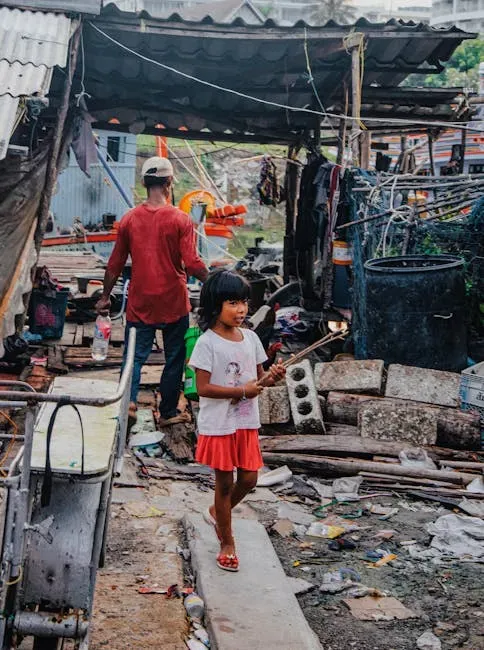
The homelessness surge in the suburbs didn’t come out of nowhere. Poverty has been quietly migrating outward for decades. More than 60% of the nationwide increase in poverty between 2019 and 2022 occurred in suburban areas, according to the Brookings Institution. That’s a staggering concentration of growing hardship in places most people still assume are doing just fine.
In 2022, roughly one in 10 suburban residents lived in poverty, compared to about one in six in primary cities. That gap is narrowing. Over the same period, 25 major metro areas posted statistically significant increases in their suburban poverty rates. Suburbs aren’t just the new frontier of homelessness – they’ve been quietly absorbing poverty for years without adequate support systems to handle it.
Think of it like water slowly filling a basement. Nobody panics at first because the floor is still dry in most places. By the time the water is visible, it has already been rising for a long time. That’s exactly where many American suburbs find themselves right now – the water is finally at the floor.
The Invisible Face of Suburban Homelessness
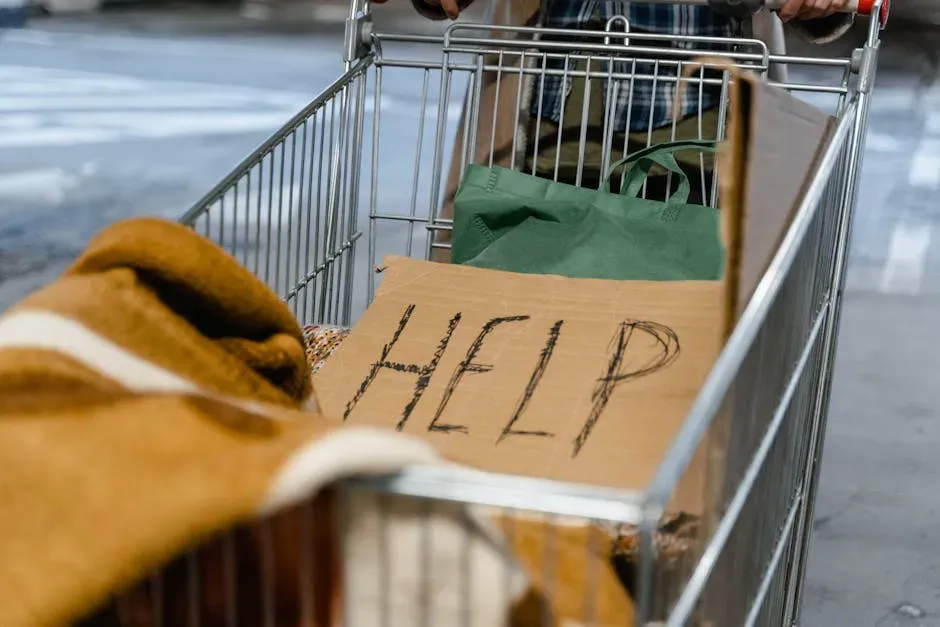
Suburban homelessness tends to be hidden in a way that urban homelessness simply isn’t. Homelessness disrupts the lives of children and youth in rural, suburban, and urban communities, but is more hidden in rural and suburban communities. There are no tent cities on the town square. People sleep in cars in quiet parking lots, or squeeze into a relative’s living room, or book week-to-week at budget motels just off the interstate.
Most children and youth experiencing homelessness stay in motels or temporarily with other people due to a lack of alternatives. Many move fluidly between these situations, which are often dangerous and highly insecure. This is what researchers call “hidden homelessness” – and it is alarmingly prevalent in suburban communities where the social safety net is often thin and public transportation is limited.
In January 2024, 37% of people experiencing homelessness in suburban areas lived unsheltered. That’s more than one in three people without even basic shelter access. In a suburb with no 24-hour shelter, no downtown drop-in center, no transit to reach services miles away, being unsheltered is a profoundly different and more isolating experience than it is in a city.
Families and Children: The Numbers That Should Shake Us

If any part of this story deserves its own reckoning, it is what is happening to families with children. For the second year in a row, the greatest increases among populations were among families with children and unaccompanied youth: families with children saw a 39.4% increase in 2024, after a 16% increase in 2023. Two consecutive years of acceleration. Not a blip – a trend.
Nearly 150,000 children experienced homelessness on a single night in 2024, reflecting a 33% increase – or 32,618 more children – over 2023. These are not numbers on a page. These are kids who went to sleep that night without a home. Many of them were enrolled in suburban school districts where their situation was invisible to most of their classmates.
Research shows that children who experience homelessness face developmental delays, lower educational attainment, and poor health outcomes. Without stable housing, families struggle to maintain consistent employment and keep children enrolled in the same schools. The ripple effects of even a few months of housing instability can follow a child for years. That’s the part of this crisis that rarely makes the headline.
The End of Pandemic Protections: A Wall That Finally Gave Way
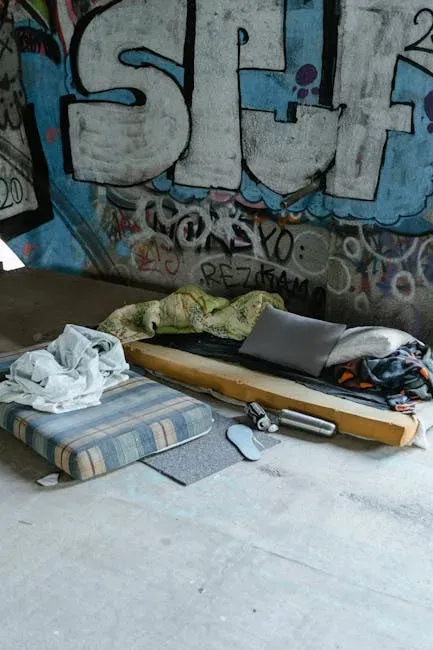
To understand why the numbers spiked so sharply starting in 2023, you need to understand what happened when COVID-era protections ran out. The American Rescue Plan – the largest single-year investment in preventing and ending homelessness in U.S. history – prevented an increase in homelessness between 2020 and 2022. Most of those resources have since expired, contributing to the rise in homelessness reflected in the 2023 data.
Between 2020 and 2022, there was a dramatic 30% increase in the number of people entering homelessness for the first time. An expiring federal eviction moratorium in 2021 and the phasing out of federal COVID relief likely contributed to rising hardships. When those protections vanished, the people they had been holding up fell – many of them for the first time in their lives, landing in suburban communities where they’d lived and worked for years.
According to reports from local planning bodies, the surge seems to be driven by rising rents, the expiration of emergency housing assistance, and an influx of migrant families to local shelter systems. Many families that had managed to stay housed with pandemic-era protections have now lost that stability. The safety net caught people briefly. Then it was pulled away.
The Shelter Gap: More People, Not Enough Beds
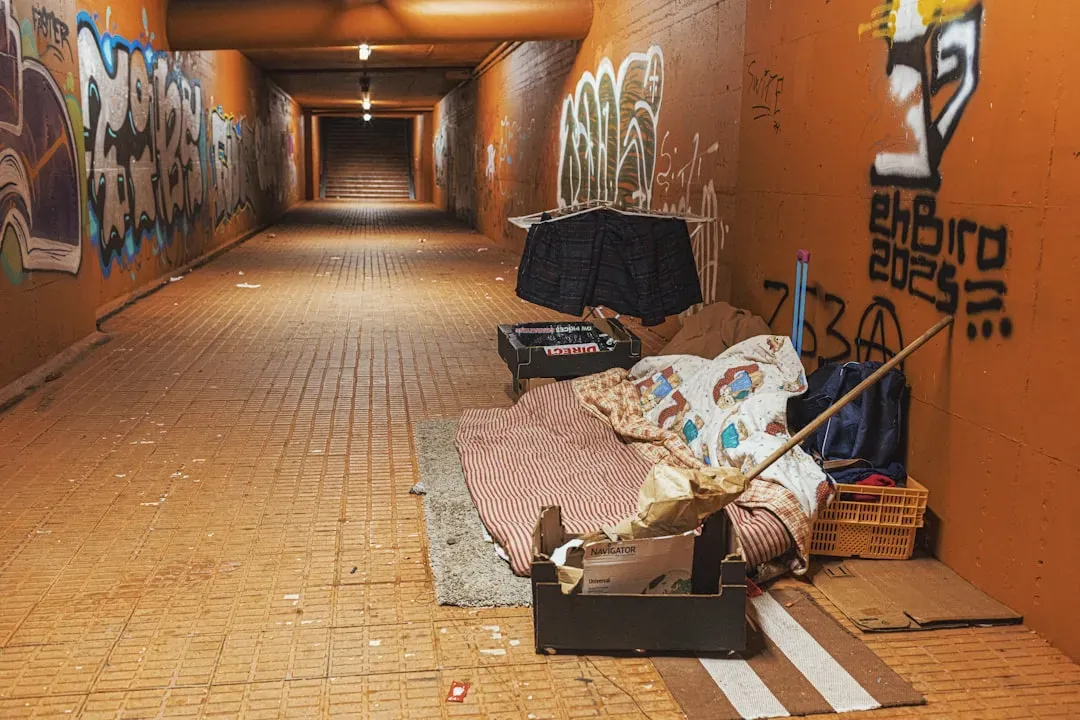
Even as homelessness has grown, the response systems have struggled to keep pace. Between 2023 and 2024, the total number of beds available for people experiencing homelessness grew by 13%, with an overall increase of 29% since 2020. That sounds like progress – but growth in beds has not come close to matching growth in need.
Shelters and transitional housing are non-existent in many communities – especially rural and suburban communities – and are often full where they do exist. A suburban family in crisis doesn’t have the same options as an urban family in crisis. The infrastructure simply isn’t there. The nearest shelter might be 20 miles away with no way to get there if you don’t have a car.
Federal programs like the Housing Choice Voucher program are underfunded, currently able to assist only one in four eligible households. Imagine a doctor’s office that can only treat one out of every four patients who walk through the door and has to turn the others away. That is essentially what the current system is doing – and the waiting lists keep growing.
The One Bright Spot – and What It Tells Us

Amid all the grim data, there is one piece of genuinely encouraging news worth holding onto. Veterans were the only population to report continued declines in homelessness. Between 2023 and 2024, the number of veterans experiencing homelessness declined by 8%, or 2,692 fewer veterans. The number of veterans experiencing homelessness has declined by 55% since data collection about veteran homelessness began in 2009.
That is not a coincidence. It is the result of sustained, targeted federal investment through programs like HUD-VASH – Housing and Urban Development and Veterans Affairs Supportive Housing. The decline underscores the importance of sustained, well-funded interventions pairing stable housing with robust support services. While local communities should have the flexibility to adopt tailored strategies, the success in reducing veteran homelessness demonstrates that pairing supportive housing with wraparound services can be an effective approach.
Here’s what that proves: homelessness is not inevitable. It’s a policy problem, not a character flaw. When the political will and funding exist to treat it like the solvable crisis it is – as was done for veterans – the numbers actually go down. The question is why that same logic has not been applied more broadly, and especially in the suburbs where the crisis is growing fastest and the infrastructure is weakest.
Conclusion: The Quiet Storm That Demands a Loud Response
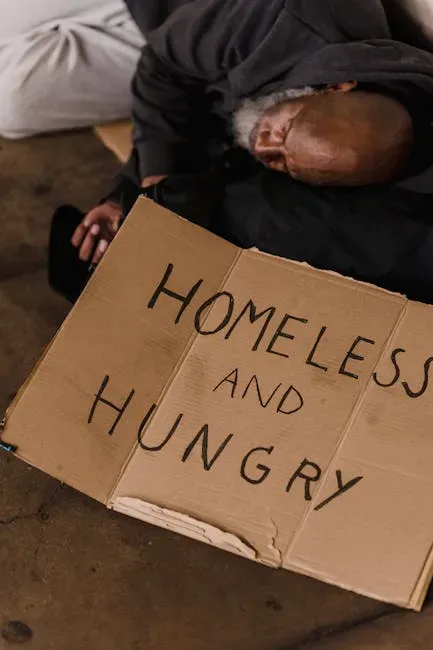
Suburban homelessness is not a paradox. It is the predictable outcome of decades of rising housing costs, stagnant wages, shrinking social safety nets, and a collective imagination that still pictures poverty as something that only happens somewhere else. The data no longer supports that comfortable assumption.
American poverty remains a growing suburban challenge, and solutions to overcome it must take root there as well. That means building more affordable housing in suburbs that have historically resisted it. It means funding shelters and services in communities that never thought they needed them. It means listening to the teachers, nurses, and social workers in quiet towns who have been watching this crisis grow for years.
The suburbs have changed. The question now is whether the nation’s response to homelessness will finally change with them. What would it take for your community to see what’s already happening on its own streets?