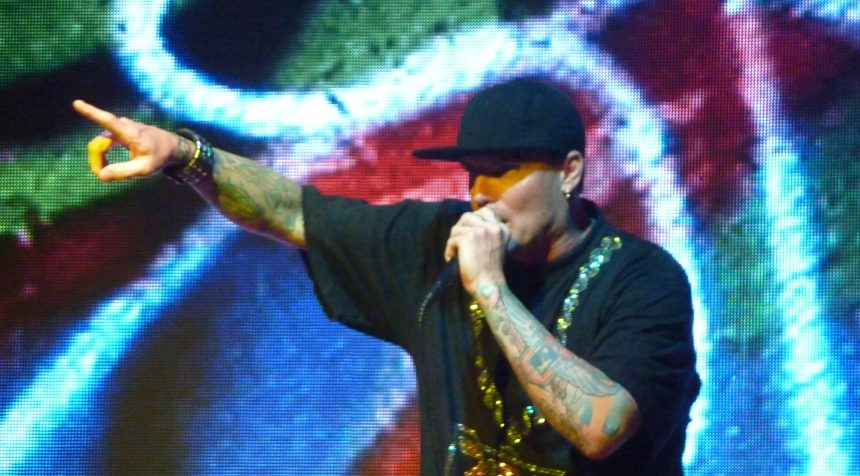
Every career has a ceiling and a floor, but few things expose the gap between the two like a single misjudged album or song. Music history is full of artists who rode a massive wave of goodwill right up until one project punctured it, and the fall that followed wasn’t always about talent. Sometimes it was timing, sometimes ego, sometimes a scandal that made the music itself irrelevant. What follows is a look at eleven cases where one release, for one reason or another, became the moment everything changed. Some of these acts vanished almost overnight. Others limped along for years without ever finding their old footing again.
1. Milli Vanilli, “Girl You Know It’s True” (1989)

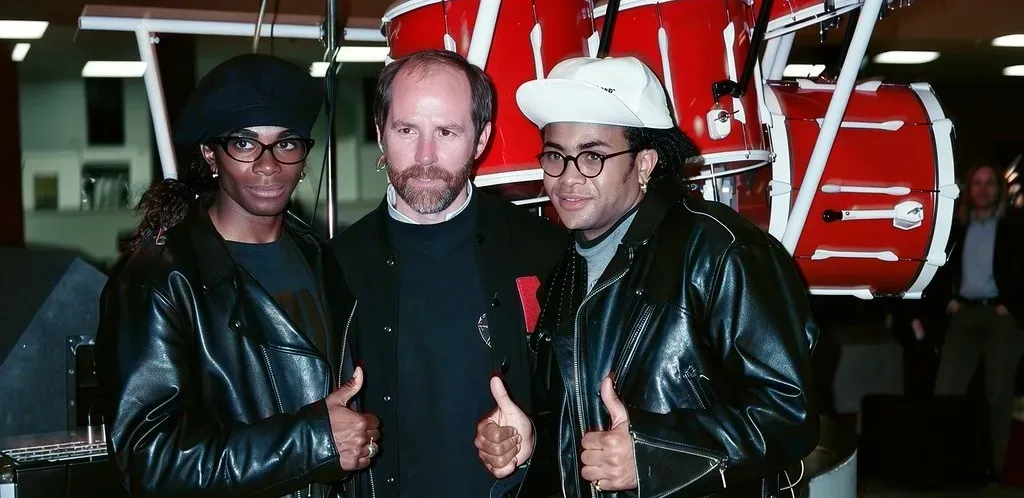
Milli Vanilli’s debut had already made Rob Pilatus and Fab Morvan international stars, the kind of act winning Grammys and packing arenas on the strength of glossy dance pop. The trouble was that neither of them had actually sung a note on the record, a fact producer Frank Farian confirmed publicly in November 1990. Farian publicly admitted that Morvan and Pilatus did not sing on their album, prompting the Grammy committee to revoke their award just days later, which set off a halt in album sales and legal actions from fans seeking refunds.
The fallout was immediate and total. Arista Records dropped Milli Vanilli from their label, erasing the album from their catalog and making it one of the best-selling albums to ever be deleted, while the Recording Academy took the unprecedented step of revoking their Grammy, marking the first time in history a Grammy was rescinded. No amount of comeback attempts under new names could undo the damage; the duo became a punchline rather than a musical act, and Pilatus died in 1998 without ever escaping the shadow of the scandal.
2. Vanilla Ice, “Cool as Ice” soundtrack (1991)

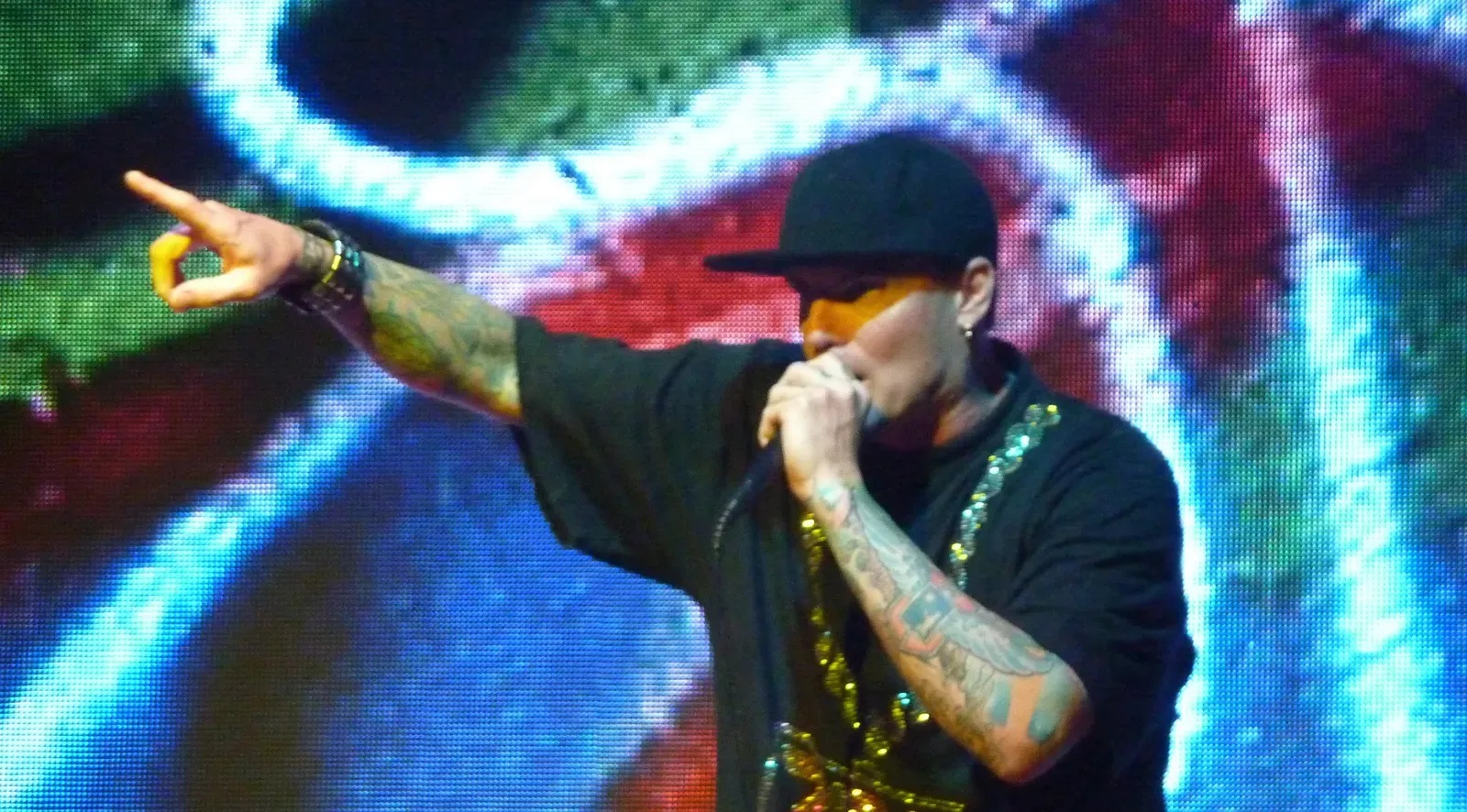
Vanilla Ice’s “To the Extreme” made him briefly the biggest name in pop rap, but the follow-up tied to his critically panned film “Cool as Ice” turned that momentum into a punchline almost overnight. The soundtrack and its lead single failed to connect with an audience that had already started to view him as a novelty rather than an artist, and critics piled on both the movie and the music with equal enthusiasm. Radio moved on quickly, and so did MTV, which had been central to his initial rise. By the mid-1990s, Vanilla Ice was more famous for late-night comedy sketches referencing him than for any music he was actually releasing. He later found a strange second life through reality television and novelty appearances, but that early commercial collapse effectively ended any chance of him being taken seriously as a hip-hop artist again. It remains one of the fastest rise-and-fall arcs in mainstream pop history.
3. Terence Trent D’Arby, “Neither Fish Nor Flesh” (1989)

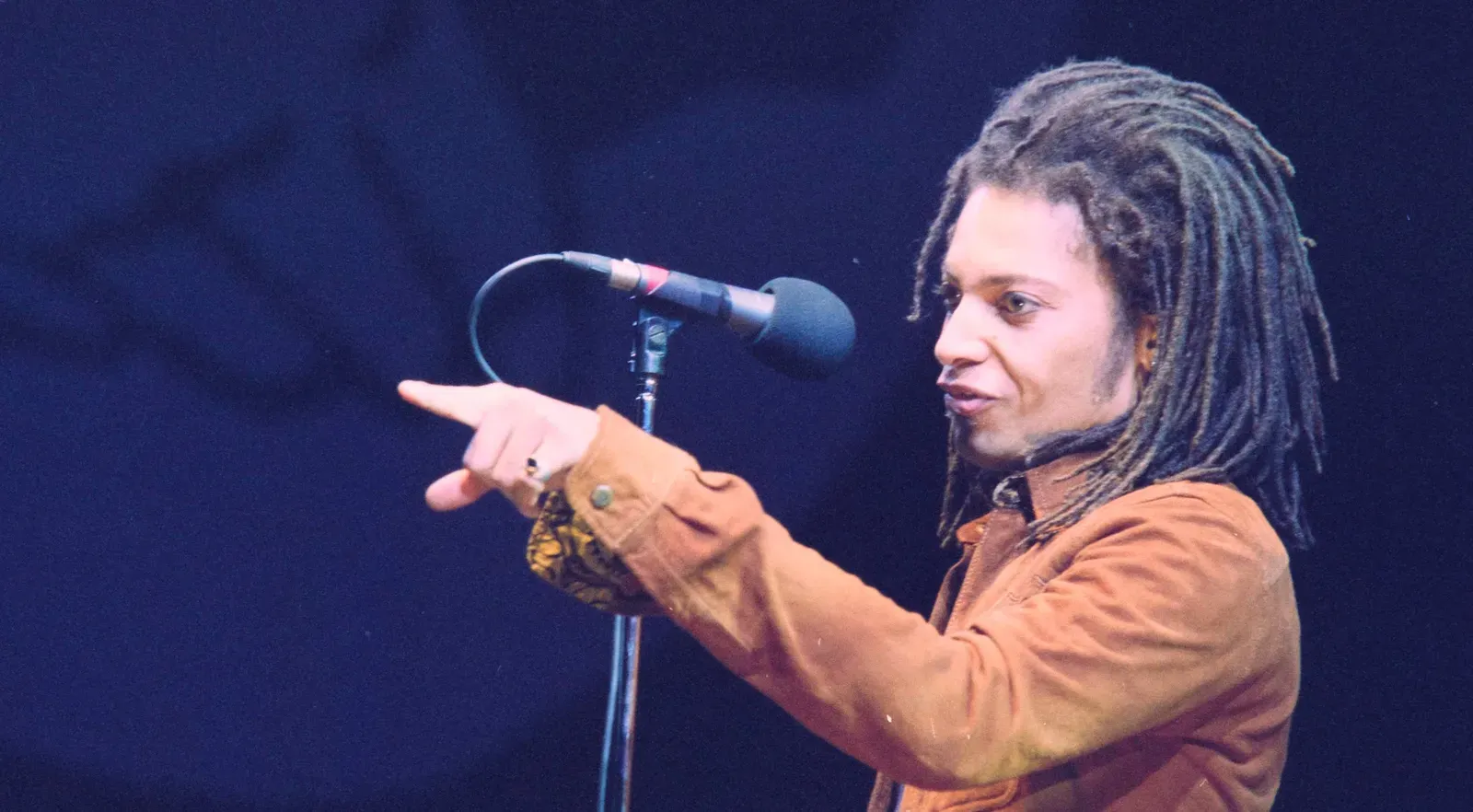
D’Arby’s 1987 debut had drawn comparisons to Prince and Sam Cooke, selling millions and making him one of the most talked about new voices in soul and rock. His deliberately uncommercial follow-up, released just two years later, was a sprawling, introspective project that alienated the audience that had embraced his more radio-friendly debut. Sales collapsed, and critics who had once praised his ambition now accused him of self-indulgence. The commercial disappointment shadowed the rest of his career, even after he changed his name to Sananda Maitreya in 2001 and continued releasing music independently. He never again approached the commercial heights of his debut, and much of the industry treated him afterward as a cautionary tale about following up a hit with something too personal, too soon. His story is often cited in music writing as one of pop’s great “sophomore slump” examples.
4. Garth Brooks as Chris Gaines, “In the Life of Chris Gaines” (1999)
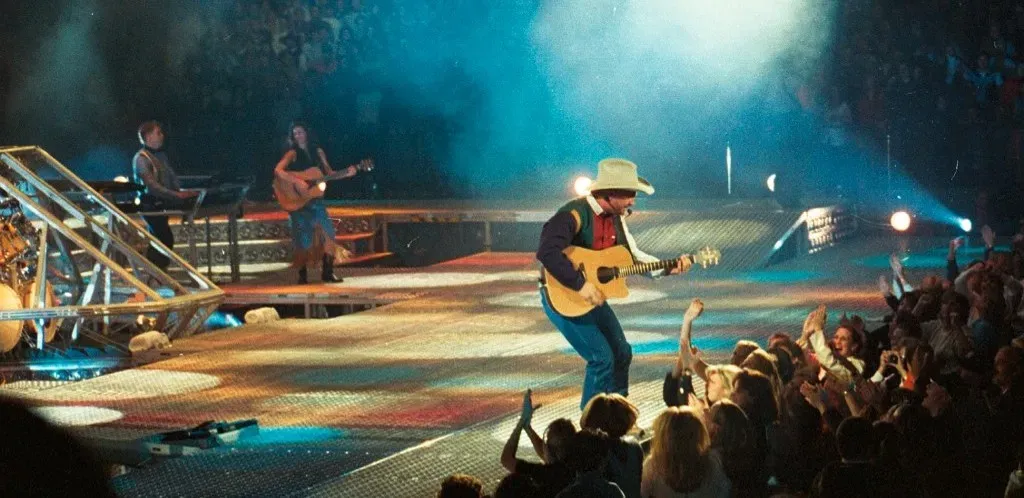
Garth Brooks was arguably the biggest country star on the planet when he decided to reinvent himself as a fictional rock musician named Chris Gaines, complete with a wig, dark eyeliner, and a soundtrack meant to accompany a film that never got made. The album was originally intended as the soundtrack for a movie called The Lamb, released a year in advance to build interest in Brooks performing rock instead of country, but the film was never filmed due to financial and management problems. The confusion around the persona overshadowed the music itself.
The numbers alone tell part of the story. After selling only 700,000 of the 2.8 million albums shipped to retailers, industry pundits blamed Brooks’ image change of wig and makeup, along with the story-of-a-rock-star concept, for its relative failure. Brooks returned to his country persona afterward, and while his career survived, the Chris Gaines experiment is still remembered as one of the strangest and most costly image pivots a mainstream star has ever attempted.
5. Mariah Carey, “Glitter” (2001)

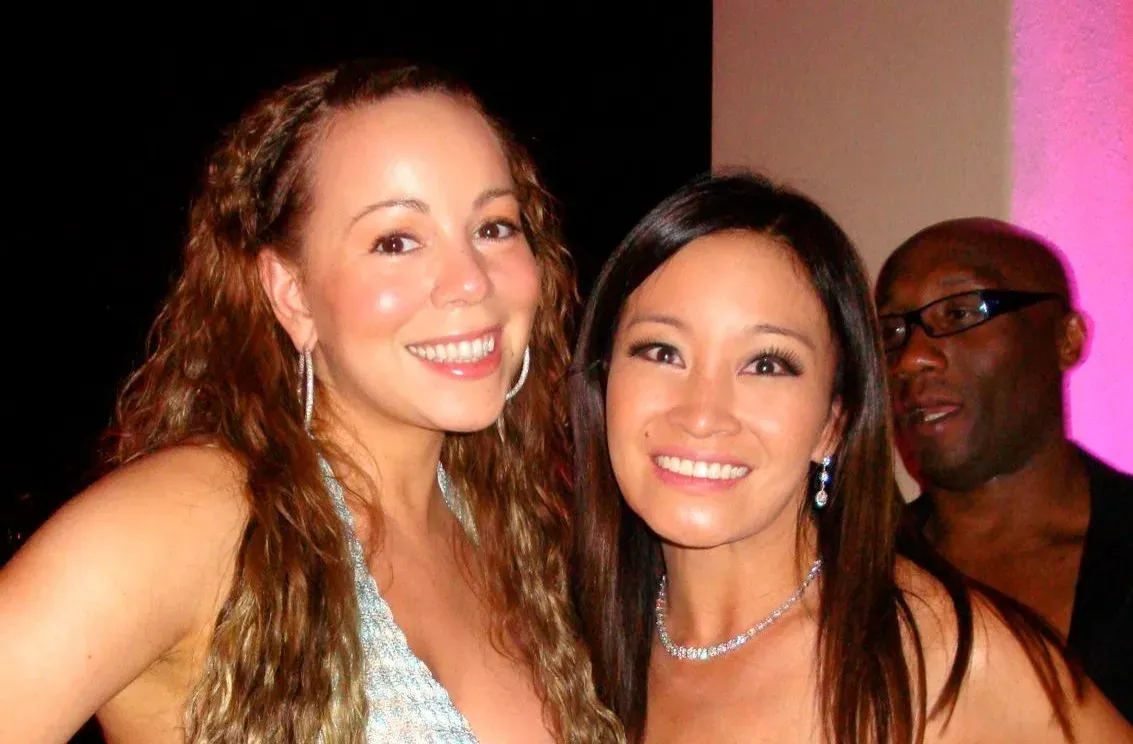
Mariah Carey entered 2001 as one of the best-selling recording artists in history, but the soundtrack to her film debut “Glitter” arrived amid a very public breakdown and was savaged by critics on release. The film itself flopped so badly it became shorthand for box office disaster, and the timing, just days after the September 11 attacks, meant the album had almost no chance of connecting with an already distracted public. Sales were dramatically lower than anything she had released before. Carey did eventually rebuild her career with “The Emancipation of Mimi” in 2005, one of the more celebrated comeback albums in pop history, so her story is less a permanent collapse than a genuine near miss. Still, for several years “Glitter” was treated as the definitive example of a superstar’s fall from grace, and its title became internet shorthand for any spectacular flop long after the actual songs were forgotten.
6. MC Hammer, “The Funky Headhunter” (1994)

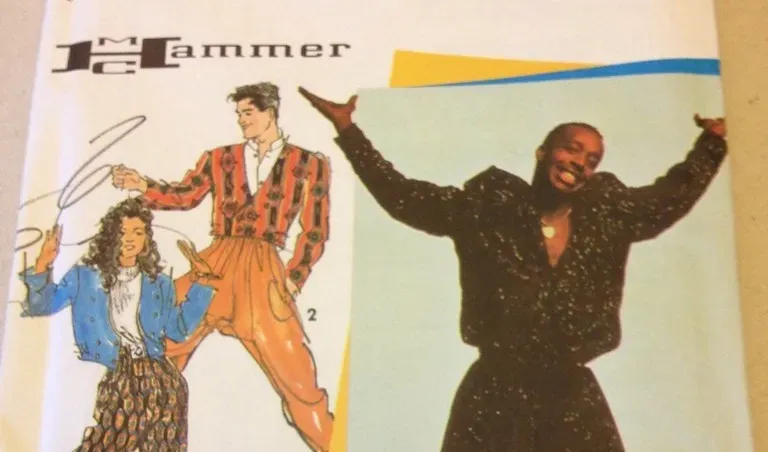
MC Hammer’s “Please Hammer Don’t Hurt ‘Em” had made him one of the best-selling rap artists of all time, but by the time he released “The Funky Headhunter,” the cultural ground had shifted beneath him. Gangsta rap and a grittier West Coast sound were taking over, and Hammer’s attempt to adapt by darkening his image and sound felt inauthentic to an audience that had loved him for his showmanship, not street credibility. The album sold a fraction of his earlier work and drew mixed reviews at best. Hammer never regained anything close to his late-1980s commercial peak, despite continuing to release music for years afterward. He later became more of a cultural footnote and business figure than an active hitmaker, occasionally resurfacing for nostalgia tours or brand deals. His fall is frequently cited alongside other early-nineties rap acts who struggled to survive the genre’s rapid stylistic shift.
7. Marky Mark and the Funky Bunch, “You Gotta Believe” (1992)

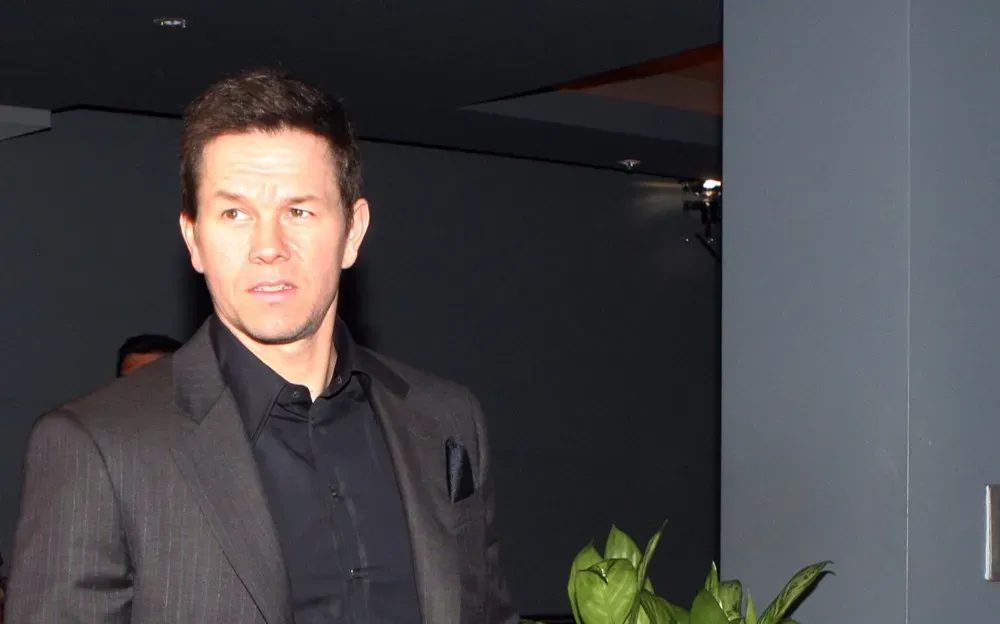
Mark Wahlberg’s brief run as a rapper had produced a genuine hit with “Good Vibrations,” but his second album arrived to widespread critical dismissal and consumer indifference. Reviewers treated the project as evidence that his initial success owed more to his modeling career and underwear ad campaigns than to any real musical talent, and radio quickly stopped playing anything from the record. Sales fell off sharply compared to his debut. Wahlberg wisely pivoted to acting almost immediately afterward, a decision that turned out to be one of the more successful career redirections in entertainment history. His music career, though, never recovered and effectively ended with that second album’s poor reception. It stands as one of the clearer examples of an artist reading the writing on the wall and walking away rather than trying to force a comeback.
8. Ja Rule, “R.U.L.E.” (2004)


Ja Rule had been one of hip-hop’s biggest crossover stars in the early 2000s, known for radio-friendly duets and a huge fanbase, but his public feud with 50 Cent and G-Unit had already begun eroding his credibility by the time “R.U.L.E.” arrived. The album was meant to be a statement of resilience, but it sold well below his previous releases and failed to produce the kind of massive singles that had defined his earlier work. Critics and fans increasingly sided with his rivals in the ongoing beef, and that narrative overshadowed anything musical. His subsequent releases sold progressively less, and legal troubles, including tax evasion charges that led to prison time, compounded the career damage in the years that followed. Ja Rule never disappeared entirely from pop culture, later resurfacing in unrelated controversies, but his standing as a hitmaking rapper effectively ended with that mid-2000s stretch. It remains a clear case study in how a rap feud can do more damage than any single bad review.
9. Scott Stapp, “The Great Divide” (2005)


As the frontman of Creed, Scott Stapp had sold tens of millions of albums and dominated rock radio for years before the band’s breakup prompted a solo career. His debut solo album arrived to some of the harshest reviews of his career, with critics mocking both the lyrics and the production, and sales were modest at best for an artist who had previously topped charts. The timing also coincided with a broader backlash against post-grunge rock that made Creed’s entire sound feel dated almost overnight. Stapp’s public struggles with substance abuse and mental health, which became increasingly public around this period, further complicated any attempt at a solo comeback. Creed eventually reunited years later, giving Stapp a path back to relevance, but his solo career as an independent artist never recovered from that first outing. It’s a reminder that sometimes the timing of a genre’s decline matters just as much as the quality of the record itself.
10. Kevin Federline, “Playing with Fire” (2006)

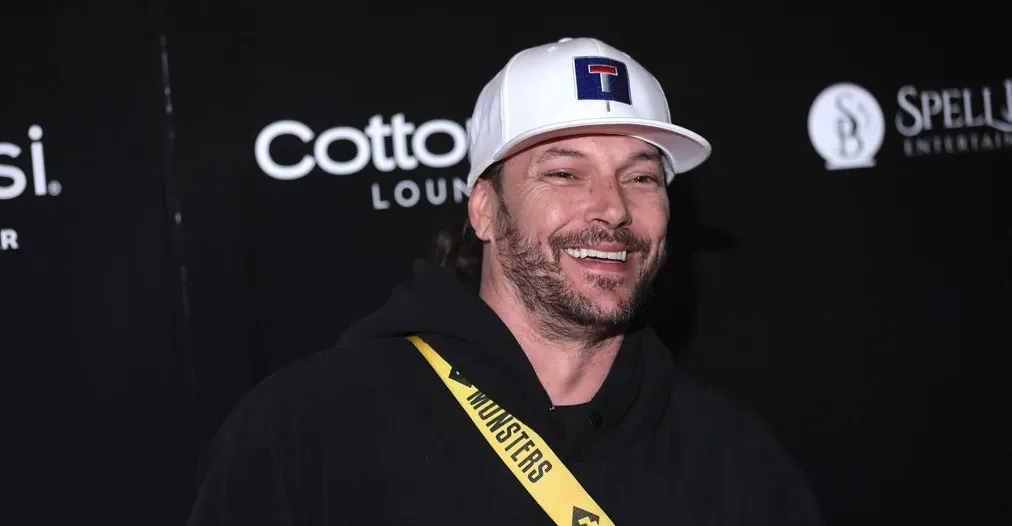
Kevin Federline’s brief attempt at a rap career arrived while he was primarily known as Britney Spears’ husband, and the album was received almost universally as an example of celebrity vanity overreaching actual talent. Critics were unanimous in their scorn, and the record sold poorly even by the modest standards of a novelty release. Public interest in Federline as a musician essentially evaporated within weeks of the album hitting shelves. There was no meaningful follow-up attempt, and Federline shifted his public identity toward reality television and later fitness training rather than continuing to pursue music. His case is often used as shorthand for celebrity albums that never had a real chance commercially, regardless of the artist’s genuine effort or ambition. It remains one of the more thoroughly mocked one-and-done music careers of the 2000s.
11. Guns N’ Roses, “Chinese Democracy” (2008)

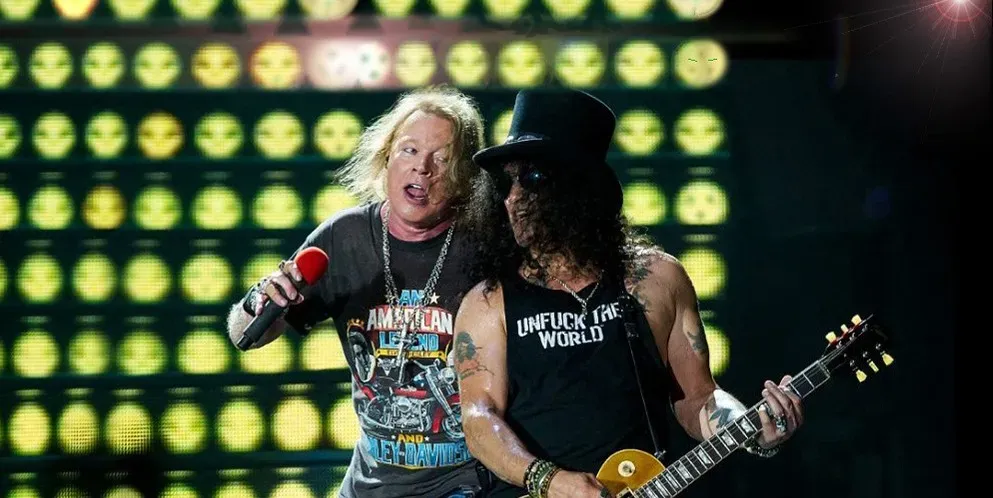
Axl Rose spent roughly fifteen years and reportedly tens of millions of dollars developing “Chinese Democracy,” a record meant to prove Guns N’ Roses could survive without its classic lineup of Slash, Duff McKagan, and the rest. By the time it finally arrived, the band’s cultural moment had long passed, and the album’s mixed reception felt almost anticlimactic after so much anticipation and so many delays. It sold respectably on release but nowhere near the numbers of the band’s earlier work, and it failed to produce any lasting hit singles. No true follow-up album has emerged in the years since, despite occasional reunion tours featuring some of the classic lineup members performing old material rather than anything new. “Chinese Democracy” effectively closed the book on Guns N’ Roses as an active recording act, even as the band continued to exist as a touring nostalgia machine. It stands as one of rock’s most expensive cautionary tales about chasing a comeback for too long. Looking across these eleven stories, a pattern emerges that has little to do with raw musical ability and everything to do with timing, public trust, and the unforgiving nature of audience expectation. A bad album rarely kills a career on its own; it’s usually the combination of a shifting cultural moment, a broken promise to fans, or simply asking an audience to accept something they weren’t ready for. Some of these artists found smaller, quieter paths back into relevance, while others simply moved on to entirely different lines of work. Either way, each case is a reminder that in music, momentum is fragile, and sometimes one release is all it takes to lose it for good.